35,000+ smart investors are already getting financial news, market signals, and macro shifts in the economy that could impact their money next with our FREE weekly newsletter. Get ahead of what the crowd finds out too late. Click Here to Subscribe for FREE.
Spring in Canada is often associated with renewal and fresh starts, but for homeowners, it also brings a wave of unexpected expenses that can disrupt carefully planned budgets. As snow melts and temperatures rise, hidden issues that developed over winter begin to surface, ranging from structural damage to maintenance needs that were not visible during colder months. In addition to repairs, many Canadians face seasonal renewals, fee adjustments, and service costs that tend to cluster around this time of year. These expenses can catch households off guard, especially when they are not accounted for in advance. Here are 20 home budget surprises Canadians face in spring (Repairs, Fees, Renewals).
Roof Damage from Snow and Ice Accumulation
20 Home Budget Surprises Canadians Face in Spring (Repairs, Fees, Renewals)
- Roof Damage from Snow and Ice Accumulation
- Foundation Cracks and Water Seepage
- Gutter Cleaning and Repair Costs
- Landscaping and Yard Restoration Expenses
- HVAC System Servicing and Repairs
- Property Tax Adjustments or Installments
- Home Insurance Premium Renewals
- Pest Control Treatments
- Exterior Paint Touch-Ups and Repairs
- Driveway and Walkway Repairs
- Deck and Fence Repairs After Winter Damage
- Window Seal Failures and Draft Repairs
- Lawn Equipment Maintenance and Replacement
- Sump Pump Testing and Replacement
- Utility Bill Spikes from Seasonal Transition
- Appliance Wear After Heavy Winter Use
- Outdoor Water System Repairs
- Spring Cleaning and Disposal Costs
- Renovation Planning and Initial Deposits
- Subscription and Service Renewals
- 19 Things Canadians Don’t Realize the CRA Can See About Their Online Income
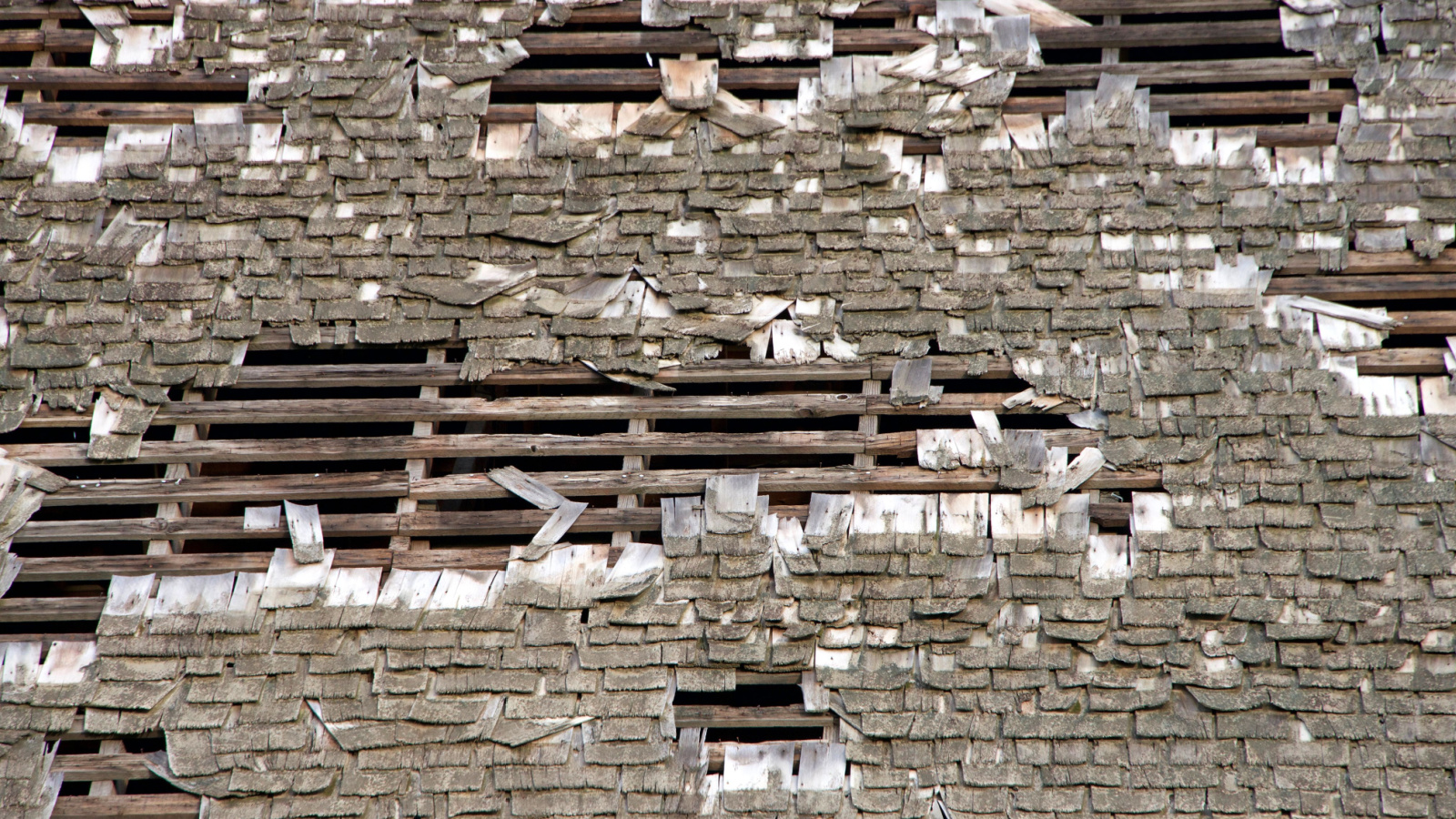
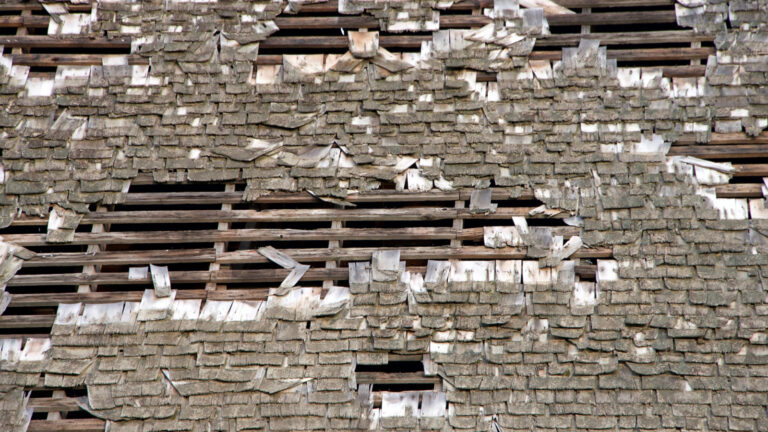
After a long Canadian winter, roofs often bear the brunt of heavy snow loads and ice buildup, leading to hidden damage that only becomes visible in spring. Ice dams, shifting shingles, and minor structural stress can result in leaks or deterioration requiring prompt attention. Many homeowners do not budget for roof inspections or repairs immediately after winter, assuming that visible damage would have been apparent earlier. However, as temperatures fluctuate and snow melts, underlying issues begin to surface. Repair costs vary depending on severity, but even minor fixes add up quickly. Canadians who schedule seasonal inspections and set aside a contingency fund are better prepared to handle these expenses without financial strain.
Foundation Cracks and Water Seepage
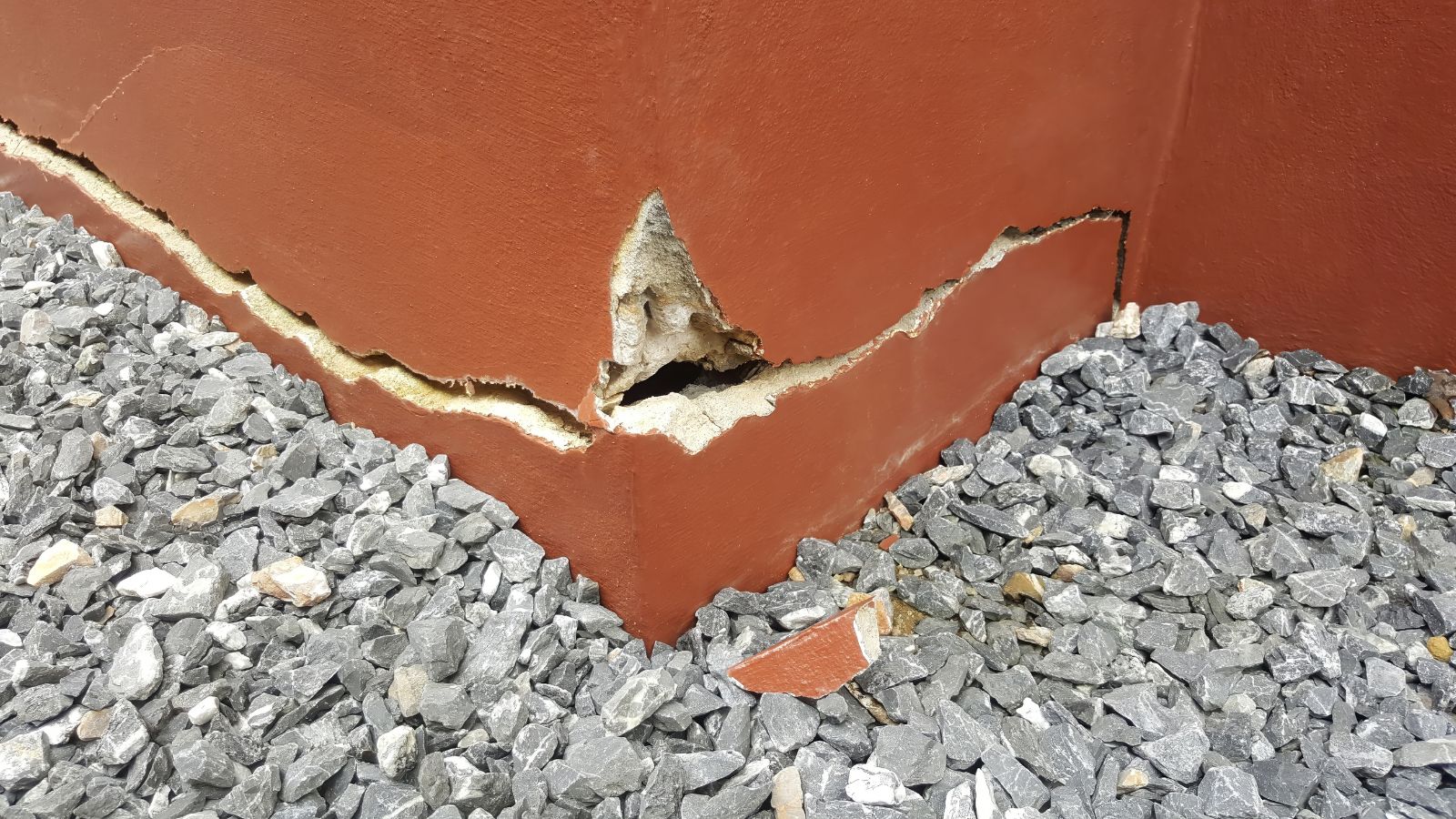
As the ground thaws during spring, shifting soil and melting snow can expose or worsen foundation cracks that developed over winter. Water seepage becomes a common issue, particularly in regions with heavy snowfall and freeze-thaw cycles. Many homeowners are surprised to discover damp basements or minor flooding once temperatures rise. Addressing these problems early is essential to prevent long-term structural damage and mold growth. Repair costs can escalate quickly if issues are ignored. Canadians who monitor their foundation and invest in preventive measures, such as proper drainage systems, can reduce the risk of unexpected expenses.
Gutter Cleaning and Repair Costs
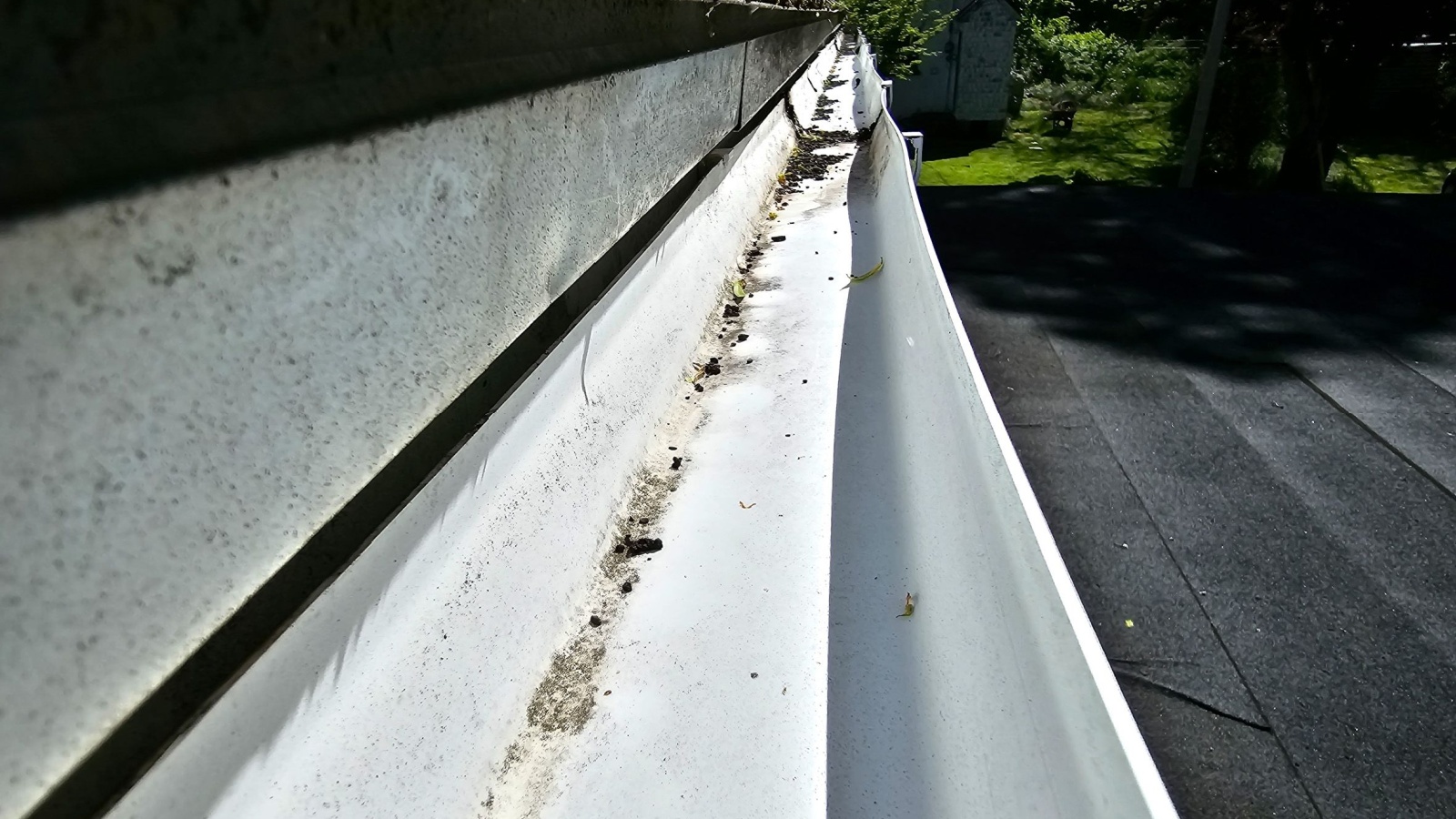
Gutters play a critical role in directing water away from the home, but they often become clogged with debris during the winter months. As snow melts, blocked gutters can lead to overflow, water damage, and increased wear on the system. Many Canadians overlook gutter maintenance until problems become visible, which can result in repair or replacement costs. Professional cleaning services or minor repairs may not seem significant individually, but they contribute to overall seasonal expenses. Regular maintenance and early inspection help prevent more costly damage later. Taking these proactive steps ensures the home remains protected from water-related issues throughout the spring.
Landscaping and Yard Restoration Expenses

Winter conditions can leave lawns, gardens, and outdoor spaces in poor condition, requiring restoration efforts once spring arrives. Dead grass, damaged plants, and soil erosion often require reseeding, fertilizing, and landscaping work. Many homeowners underestimate the cost of restoring their outdoor spaces, especially if professional services are required. Equipment, materials, and labor can add up quickly. Canadians who plan for these expenses and prioritize essential work can manage costs more effectively while maintaining their property’s appearance and value. Budgeting for yard restoration prevents these seasonal needs from disrupting other financial priorities.
HVAC System Servicing and Repairs

Heating systems that have been heavily used during winter often require servicing or repairs as spring begins. Furnaces, heat pumps, and ventilation systems may experience wear that becomes apparent once usage decreases. Many Canadians delay maintenance, which can lead to reduced efficiency or unexpected breakdowns. Servicing costs are typically moderate, but repairs can be more expensive if issues are not addressed early. Scheduling routine maintenance helps extend system lifespan and prevents costly emergencies. Being proactive with HVAC care ensures the home remains comfortable as the weather transitions and helps avoid large, sudden repair bills.
Property Tax Adjustments or Installments

Spring often coincides with property tax assessments or installment payments across many Canadian municipalities. Homeowners may face increased tax amounts due to reassessments or updated property values. These changes can impact monthly budgets, particularly if adjustments are larger than expected. Canadians who review assessment notices and plan for potential increases are better prepared to manage these expenses. Setting aside funds throughout the year helps reduce the financial burden when payments are due. Staying informed about local tax cycles allows for more accurate long-term budgeting and prevents unexpected shortfalls during peak payment periods.
Home Insurance Premium Renewals
Many home insurance policies renew in the spring, and premiums may increase due to inflation, claims history, or changes in property value. Homeowners are often surprised by higher renewal rates, especially if they have not reviewed their policy details recently. Canadians who compare quotes and reassess coverage options during renewal periods can identify opportunities for savings. Ignoring renewal notices can result in paying higher premiums without exploring alternatives. Taking the time to shop around ensures that coverage remains both adequate and cost-effective. Regular reviews help homeowners stay aligned with their financial goals while protecting their property.
Pest Control Treatments

Warmer temperatures bring increased pest activity, including insects and rodents that may have taken shelter during winter. Many homeowners require pest control treatments to address infestations or prevent future issues. These services vary in cost depending on the severity of the problem and the type of treatment required. Canadians who implement preventive measures early in the season can reduce the likelihood of larger infestations and higher expenses. Addressing pest concerns promptly protects the home’s structural integrity and ensures a more comfortable living environment. Early intervention is often more affordable than dealing with established infestations later in the year.
Exterior Paint Touch-Ups and Repairs

Harsh winter conditions can cause exterior paint to crack, peel, or fade, affecting both appearance and protection. Spring is often the time when homeowners address these issues through touch-ups or repainting projects. Costs vary depending on the size of the property and the extent of damage. Canadians who delay these repairs may face more significant deterioration over time, leading to higher expenses in the future. Regular maintenance of the home’s exterior prevents moisture from reaching the underlying structure. Addressing small areas each spring keeps the property looking fresh while managing long-term upkeep costs effectively.
Driveway and Walkway Repairs

Freeze-thaw cycles during Canadian winters can cause cracks and damage to driveways and walkways, which become more noticeable in spring. Addressing these issues is important for both safety and property maintenance. Repair costs depend on the extent of damage and the materials used. Many homeowners are unprepared for these expenses, especially if repairs are needed across larger areas. Regular inspection and timely maintenance help manage costs and prevent further deterioration. Fixing minor cracks early can prevent them from expanding into major structural issues that require complete resurfacing, ultimately saving money over time.
Deck and Fence Repairs After Winter Damage
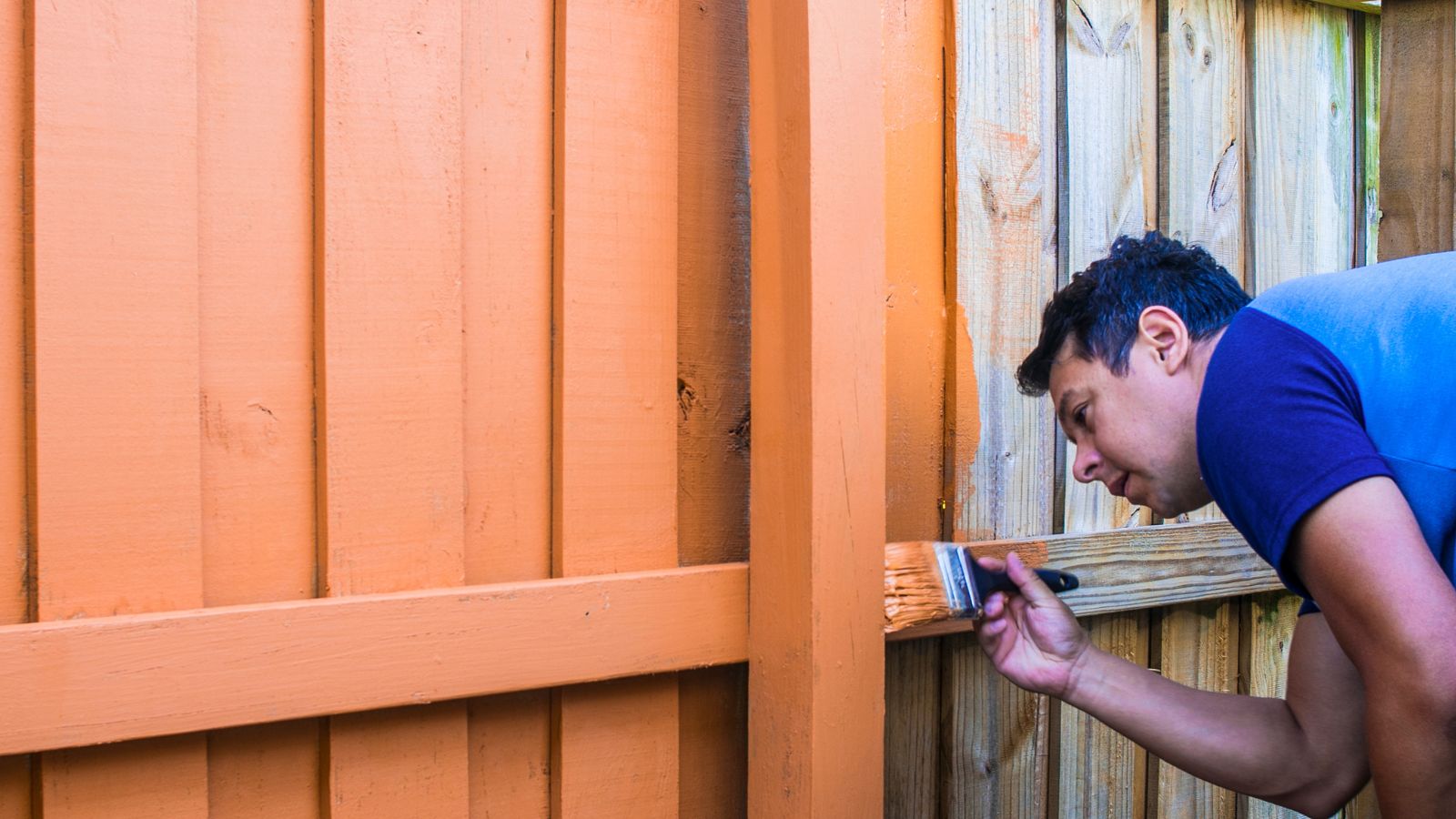
Canadian winters can take a significant toll on outdoor wooden structures like decks and fences, which endure prolonged exposure to moisture, ice, and temperature fluctuations. As spring arrives, many homeowners notice warping, loose boards, cracked panels, or peeling finishes that require immediate attention. These repairs may seem minor at first, but costs escalate when materials, labor, and protective treatments are considered. Canadians who delay maintenance risk more extensive damage requiring partial or full replacement. Planning for these repairs early helps homeowners spread out costs and maintain the structural integrity and appearance of their outdoor spaces.
Window Seal Failures and Draft Repairs

Months of exposure to freezing temperatures and condensation can weaken or fail window seals, leading to drafts and higher energy consumption. Many Canadians only notice these issues in spring when indoor temperatures fluctuate. Repairing or replacing window seals may involve professional services, especially for multi-pane windows. Costs vary by the number of affected windows and damage extent, impacting the overall budget. Canadians who address failures promptly improve energy efficiency and reduce long-term expenses. Inspecting windows early allows homeowners to identify problems before they worsen, ensuring repairs remain manageable and cost-effective.
Lawn Equipment Maintenance and Replacement

Spring yard maintenance often reveals issues with lawn equipment that has been unused during winter. Mowers, trimmers, and other tools may require servicing, part replacements, or complete upgrades if they have deteriorated. Many Canadians underestimate these costs, assuming equipment will function properly after storage. Expenses can include tune-ups, blade sharpening, and fuel system cleaning. Canadians who invest in preseason maintenance can extend equipment lifespan and reduce unexpected expenses. Planning for these costs ensures outdoor maintenance can be carried out efficiently without disrupting the household budget as the growing season begins.
Sump Pump Testing and Replacement
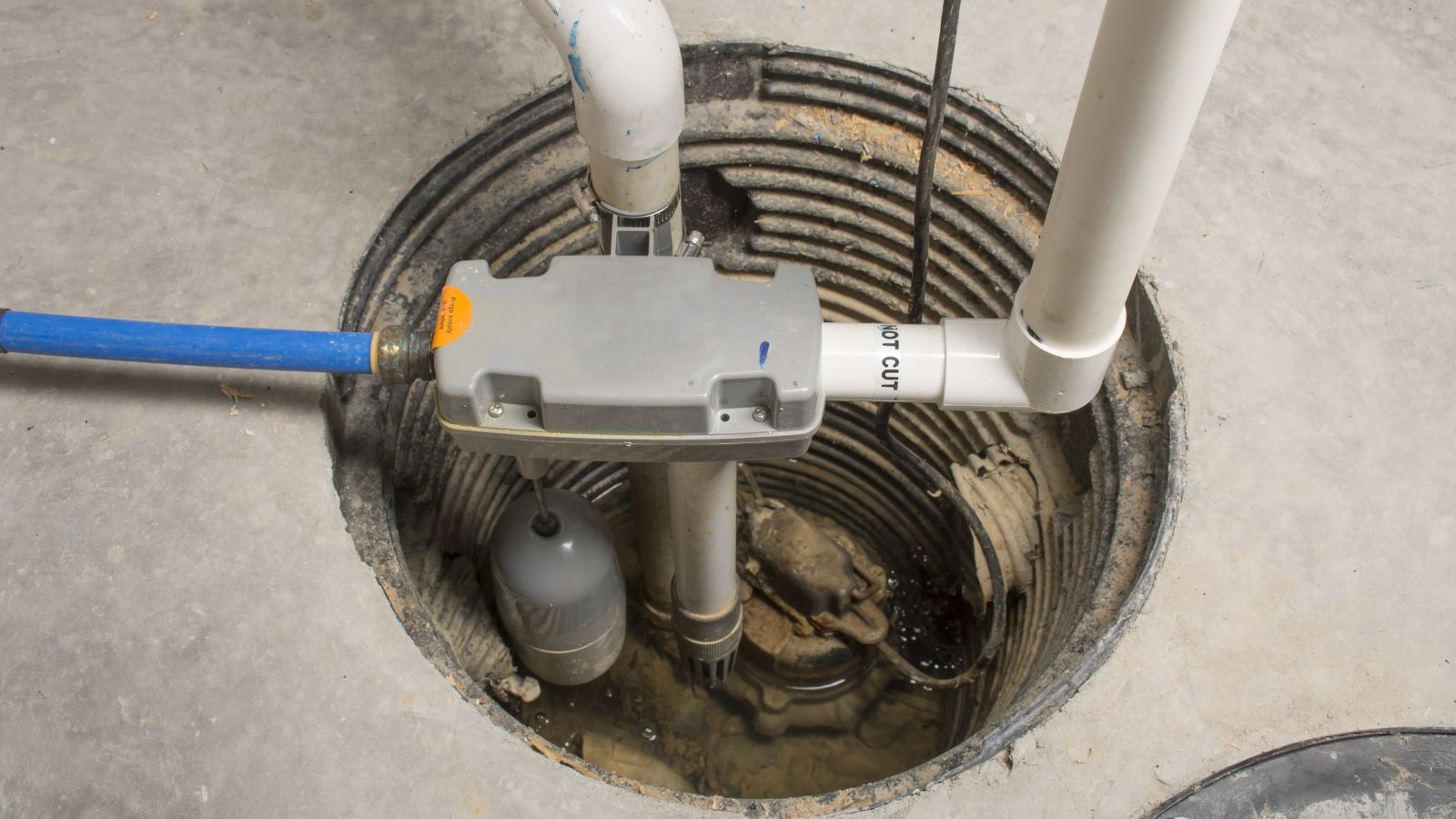
Sump pumps are crucial for preventing basement flooding during the spring thaw, yet many homeowners neglect testing until a problem occurs. After months of inactivity, pumps may fail due to mechanical issues or general wear. Replacing or repairing a pump can be costly, especially if emergency services are required during heavy rainfall. Canadians who test their systems early and perform routine maintenance can avoid unexpected failures and associated repair costs. Estimating this expense involves considering pump age, backup systems, and installation requirements. Proactivity ensures the system functions reliably when it is most needed.
Utility Bill Spikes from Seasonal Transition

Spring brings fluctuating temperatures requiring both heating and occasional cooling, which can lead to higher utility bills than expected. Many Canadians assume energy costs will decrease immediately after winter, but transitional weather creates inconsistent usage patterns that increase consumption. Additional electricity usage from outdoor activities and home maintenance can further contribute to rising bills. Estimating this cost involves reviewing past statements and accounting for seasonal variability. Canadians who monitor usage and adjust habits can manage these fluctuations more effectively. Awareness of this pattern helps prevent budget surprises during the transition period.
Appliance Wear After Heavy Winter Use
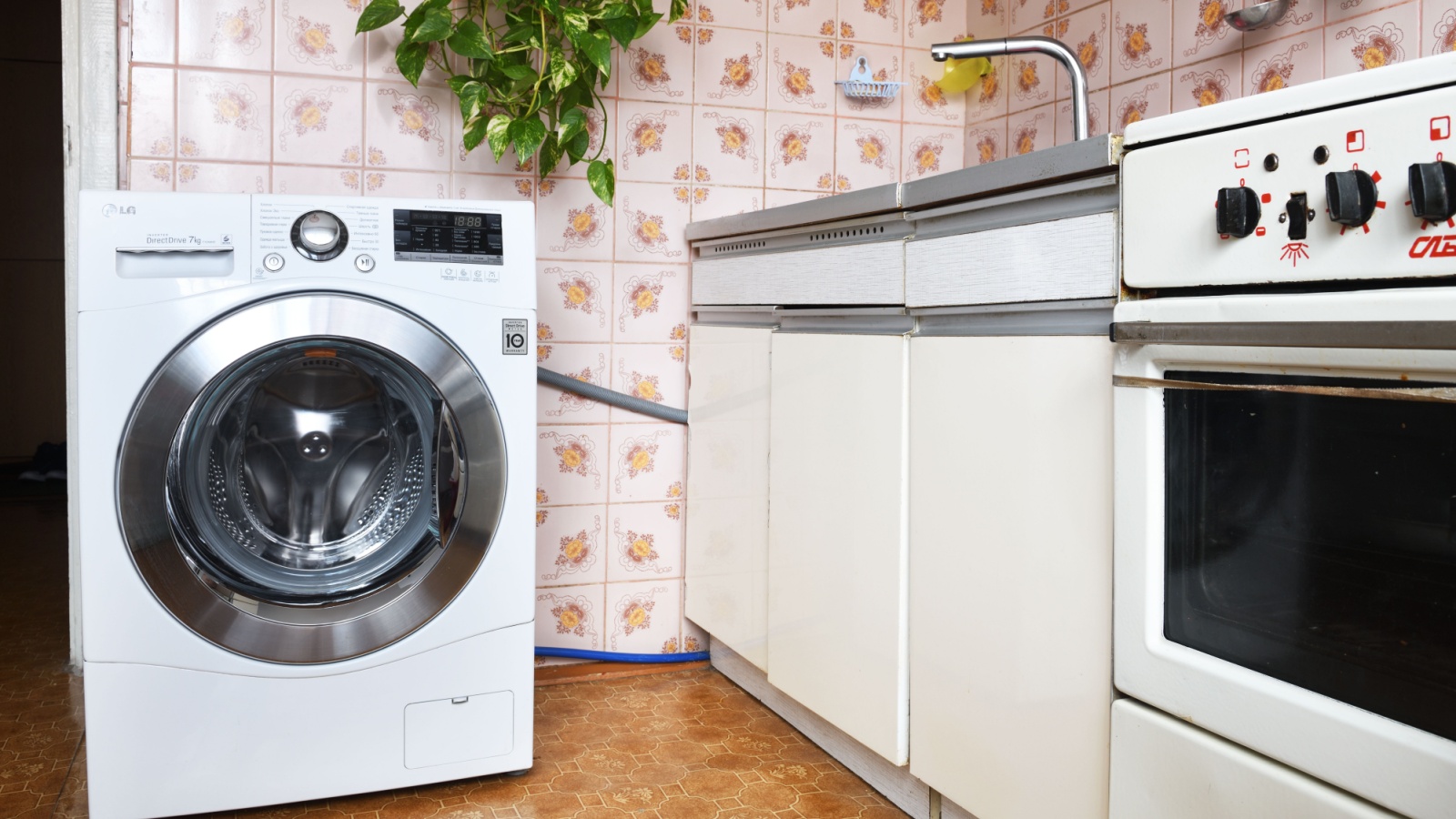
Household appliances like furnaces, water heaters, and dryers often experience increased usage during winter, leading to wear that becomes apparent in spring. Repairs or maintenance may be required to restore optimal performance, and in some cases, replacement is necessary. Many Canadians do not budget for these expenses, assuming appliances will continue functioning without issue. Service costs vary depending on the appliance type and problem extent. Canadians who schedule routine inspections and maintenance can identify issues early and avoid more expensive repairs. Planning for potential appliance-related costs ensures that households remain prepared for unexpected breakdowns.
Outdoor Water System Repairs
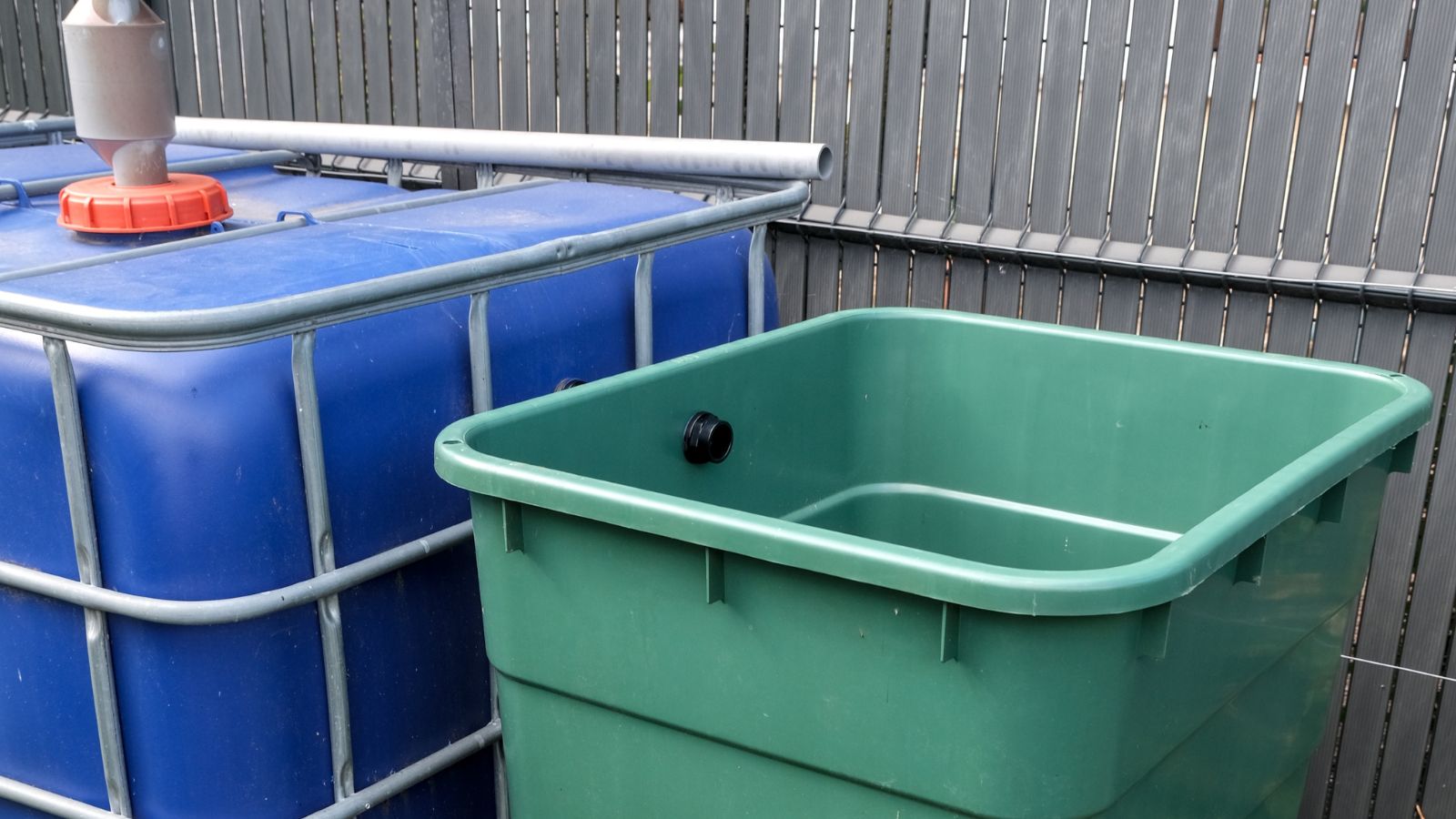
As temperatures rise, homeowners use outdoor water systems like hoses and sprinklers, which may have been damaged by freezing conditions. Cracked pipes, leaking connections, and malfunctioning valves are common issues requiring repair or replacement. Many Canadians overlook these potential costs until they attempt to use their systems. Repair expenses vary depending on the damage and whether professional services are required. Canadians who inspect and prepare their systems before full use can identify problems early and manage costs more effectively. Preventive maintenance helps ensure smooth operation throughout the season while avoiding water waste and damage.
Spring Cleaning and Disposal Costs

Spring cleaning often involves decluttering and disposing of unwanted items, which can lead to unexpected expenses such as disposal fees or cleaning supplies. Large items may require special disposal arrangements or transportation, which can add to the cost. Many Canadians underestimate the financial impact of thorough cleaning projects, especially when tackling multiple areas of the home. Estimating these expenses involves considering project scale and required resources. Canadians who plan their cleaning efforts and allocate a budget can manage costs more efficiently. This preparation ensures the process remains productive without becoming financially burdensome or causing unnecessary stress.
Renovation Planning and Initial Deposits
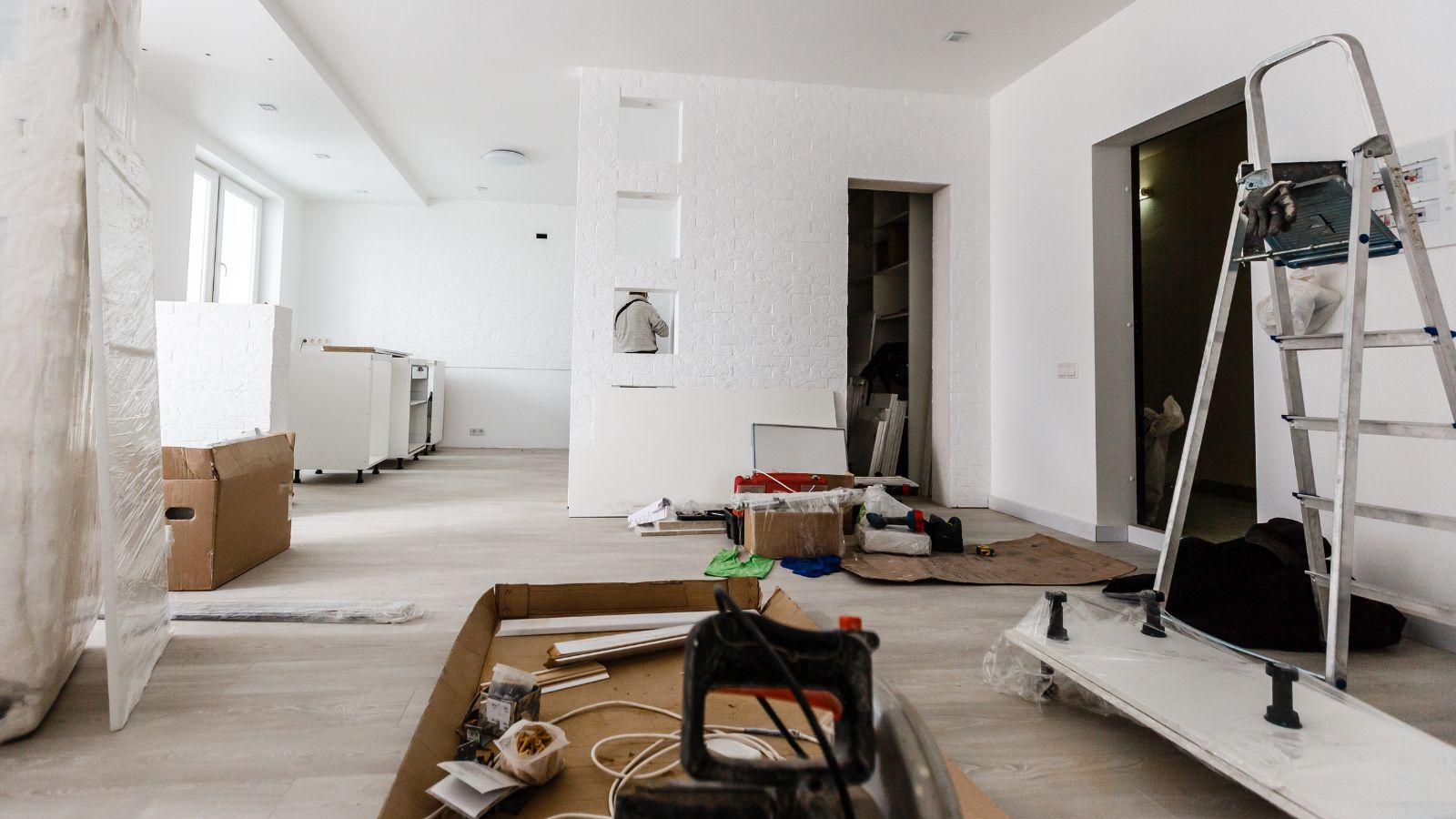
Spring is a popular time for home renovations, and many contractors require deposits to secure project timelines. Homeowners who plan upgrades or repairs may face upfront costs that were not fully anticipated. These deposits can represent a significant portion of the total project cost and must be accounted for in advance. Canadians who research contractors and obtain detailed quotes can better estimate these expenses. Planning renovation timelines and budgeting for deposits ensures projects proceed smoothly without financial strain. Being prepared for these initial costs helps avoid delays and unexpected financial pressure as the project begins.
Subscription and Service Renewals

Various home-related subscriptions and services, such as security systems and maintenance plans, often renew in the spring, leading to increased expenses. Price adjustments or changes in service terms may result in higher costs than previous billing cycles. Many Canadians overlook these renewals, assuming charges will remain consistent. Reviewing service agreements and comparing alternatives can help identify opportunities for savings. Canadians who track renewal dates and evaluate their needs can manage these recurring expenses more effectively. Staying informed prevents unnecessary spending and ensures that services remain aligned with actual household requirements.
19 Things Canadians Don’t Realize the CRA Can See About Their Online Income

Earning money online feels simple and informal for many Canadians. Freelancing, selling products, and digital services often start as side projects. The problem appears at tax time. Many people underestimate how much information the CRA can access. Online platforms, banks, and payment processors create detailed records automatically. These records do not disappear once money hits an account. Small gaps in reporting add up quickly.
Here are 19 things Canadians don’t realize the CRA can see about their online income.
This Options Discord Chat is The Real Deal
While the internet is scoured with trading chat rooms, many of which even charge upwards of thousands of dollars to join, this smaller options trading discord chatroom is the real deal and actually providing valuable trade setups, education, and community without the noise and spam of the larger more expensive rooms. With a incredibly low-cost monthly fee, Options Trading Club (click here to see their reviews) requires an application to join ensuring that every member is dedicated and serious about taking their trading to the next level. If you are looking for a change in your trading strategies, then click here to apply for a membership.