
35,000+ smart investors are already getting financial news, market signals, and macro shifts in the economy that could impact their money next with our FREE weekly newsletter. Get ahead of what the crowd finds out too late. Click Here to Subscribe for FREE.
The Milano Cortina Winter Olympics will arrive with pressure, expectations, and a long list of Canadian storylines. Canada enters every Winter Games expecting medals, but the paths rarely look the same twice. New athletes emerge, veterans adapt, and coaching decisions shape outcomes quickly. Ice sports, snow events, and mixed team formats all carry unpredictable twists. Injuries, venue conditions, and judging trends often decide medals by slim margins. Here are 20 bold predictions for Team Canada at the Milano-Cortina Olympics.
Canada wins fewer gold medals but more total medals
20 Bold Predictions for Team Canada at the Winter Olympics
- Canada wins fewer gold medals but more total medals
- Women lead Canada’s medal count again
- Men’s hockey reaches the final but faces a familiar rival
- Women’s hockey faces its toughest Olympic path yet
- Alpine skiing delivers a surprise podium finish
- Speed skating sees mixed results across distances
- Figure skating delivers one emotional medal moment
- Snowboard events favor specialists over big names
- Freestyle skiing remains Canada’s strongest category
- Short track speed skating sparks controversy
- Curling teams struggle with consistency
- Biathlon posts Canada’s best Olympic showing ever
- Nordic skiing improves placement but misses medals
- Skeleton and bobsleigh rebound after recent struggles
- A teenage athlete becomes a breakout star
- Veterans struggle with timing and transitions
- Team Canada avoids major injury setbacks
- Judging trends reshape medal expectations
- Canada finishes top five in overall medal standings
- The Games reshape Canada’s Olympic priorities
- 22 Groceries to Grab Now—Before another Price Shock Hits Canada
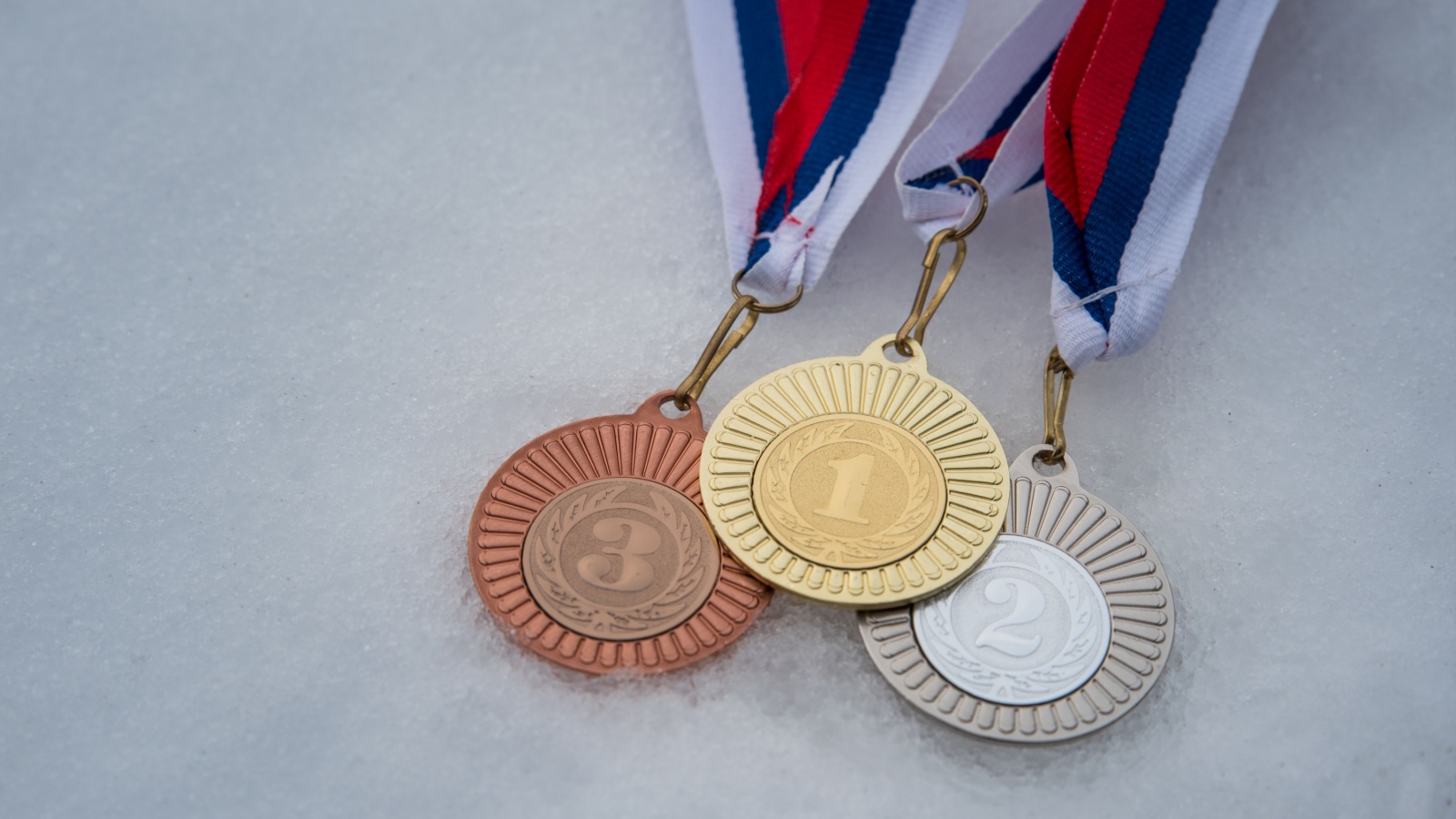
Canada’s gold medal count dips slightly compared with recent Winter Games. Podium depth remains strong across multiple sports. Several events produce silvers and bronzes instead of gold finishes. Tight margins decide alpine skiing, speed skating, and freestyle finals. Canada still places athletes in many medal heats and finals. Consistency replaces dominance in several categories. Fans notice fewer anthem moments but frequent podium appearances. Overall medal totals remain competitive with top nations. This creates mixed reactions among viewers. Analysts debate success versus expectations afterward.
Women lead Canada’s medal count again

Canadian women produce more medals than the men’s team. Strong depth appears in freestyle skiing, speed skating, and hockey. Several first-time Olympians deliver under pressure. Experience blends with youth across multiple events. Coaching continuity plays a role in preparation. Women’s teams show steadier results during qualification rounds. Injury luck favors several top contenders. The women’s hockey program remains reliable. Individual athletes step forward in technical events. Media coverage highlights leadership roles across sports. The results reinforce long-term investment patterns.
Men’s hockey reaches the final but faces a familiar rival

Canada’s men reach the gold medal game after tense knockout rounds. Goaltending becomes the backbone of the tournament run. Scoring comes from depth rather than a star line. Physical play defines Canada’s identity throughout the event. The final features a familiar European rival. Momentum swings late in the championship game. Small mistakes carry heavy consequences. The result stays uncertain until the final minutes. Fans relive classic Olympic hockey stress. Regardless of the outcome, the run restores confidence in the program direction. Discussions afterward focus on selection choices and player chemistry.
Women’s hockey faces its toughest Olympic path yet

Canada’s women encounter their hardest Olympic bracket in years. Early games feel tighter than expected. Several nations close the competitive gap. Canada adjusts its systems midway through the tournament. Defensive structure becomes more conservative. Scoring spreads across all lines. Goaltenders face higher shot volumes. The gold medal game demands patience and discipline. Momentum swings create tense stretches. Canada relies on experience late. The final result reinforces rivalry intensity. Observers note the shrinking margin for error. The tournament signals a more competitive future landscape.
Alpine skiing delivers a surprise podium finish
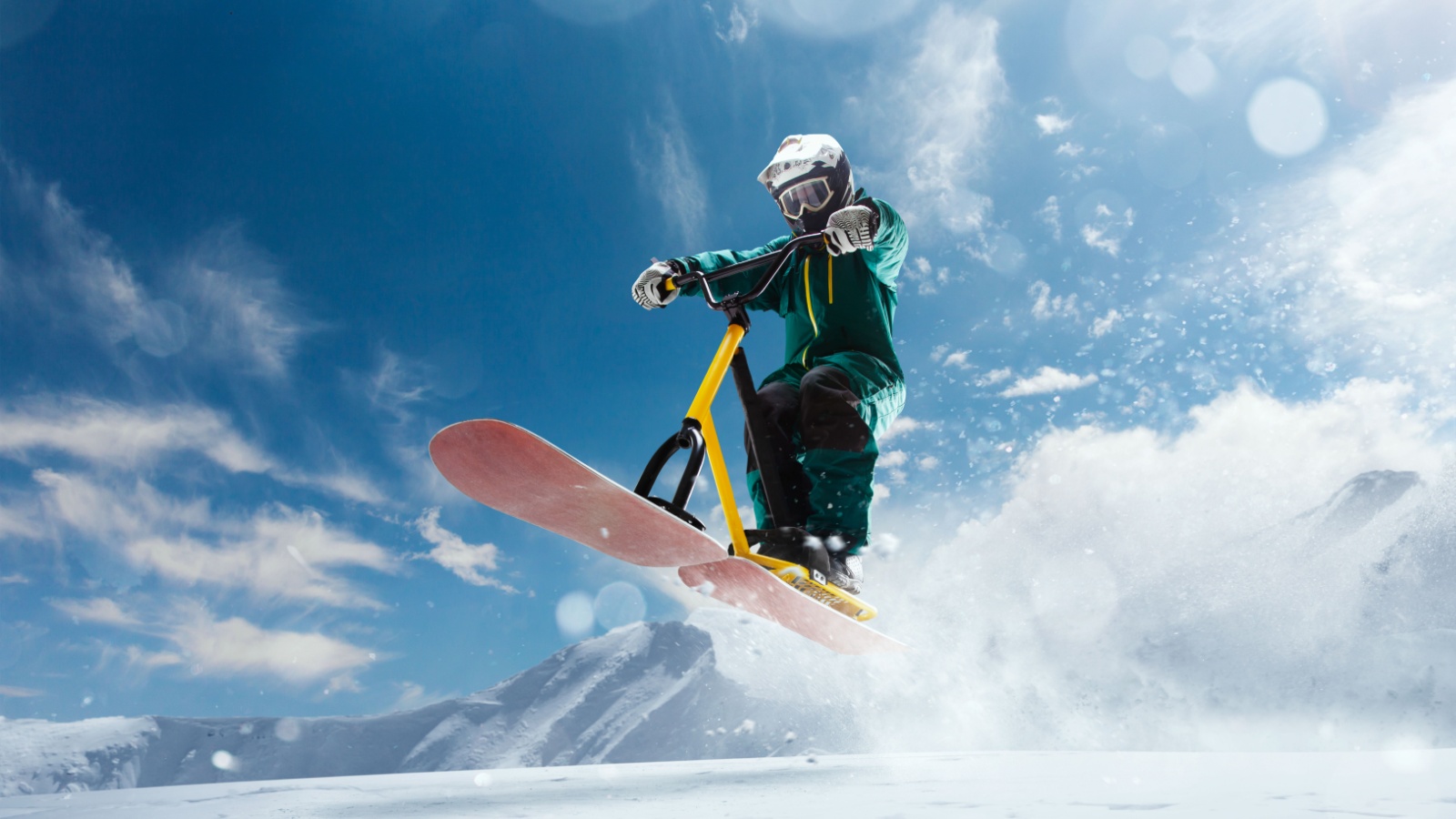
A Canadian alpine skier captures an unexpected medal. Training consistency pays off on race day. Weather conditions favor technical precision over raw speed. A clean run separates contenders from favorites. Canada benefits from earlier start positions. Coaching decisions around equipment prove correct. The podium finish sparks national attention. Alpine skiing gains renewed interest at home. Analysts credit development programs quietly improving. The athlete becomes a breakout story of the Games. Interviews highlight preparation rather than luck. The result encourages deeper investment in alpine pathways.
Speed skating sees mixed results across distances

Canada performs unevenly across speed skating events. Some distances produce medals. Others end outside podium contention. Track conditions influence outcomes more than expected. Tactical races reward patience. Sprint events favor younger skaters. Longer distances challenge endurance preparation. Relay teams remain competitive but inconsistent. Coaching adjustments occur between heats. Fans notice narrow time gaps. Results vary by day and distance. Overall performance feels incomplete yet promising. Discussions focus on adapting training cycles. Speed skating remains a question mark heading into future seasons.
Figure skating delivers one emotional medal moment
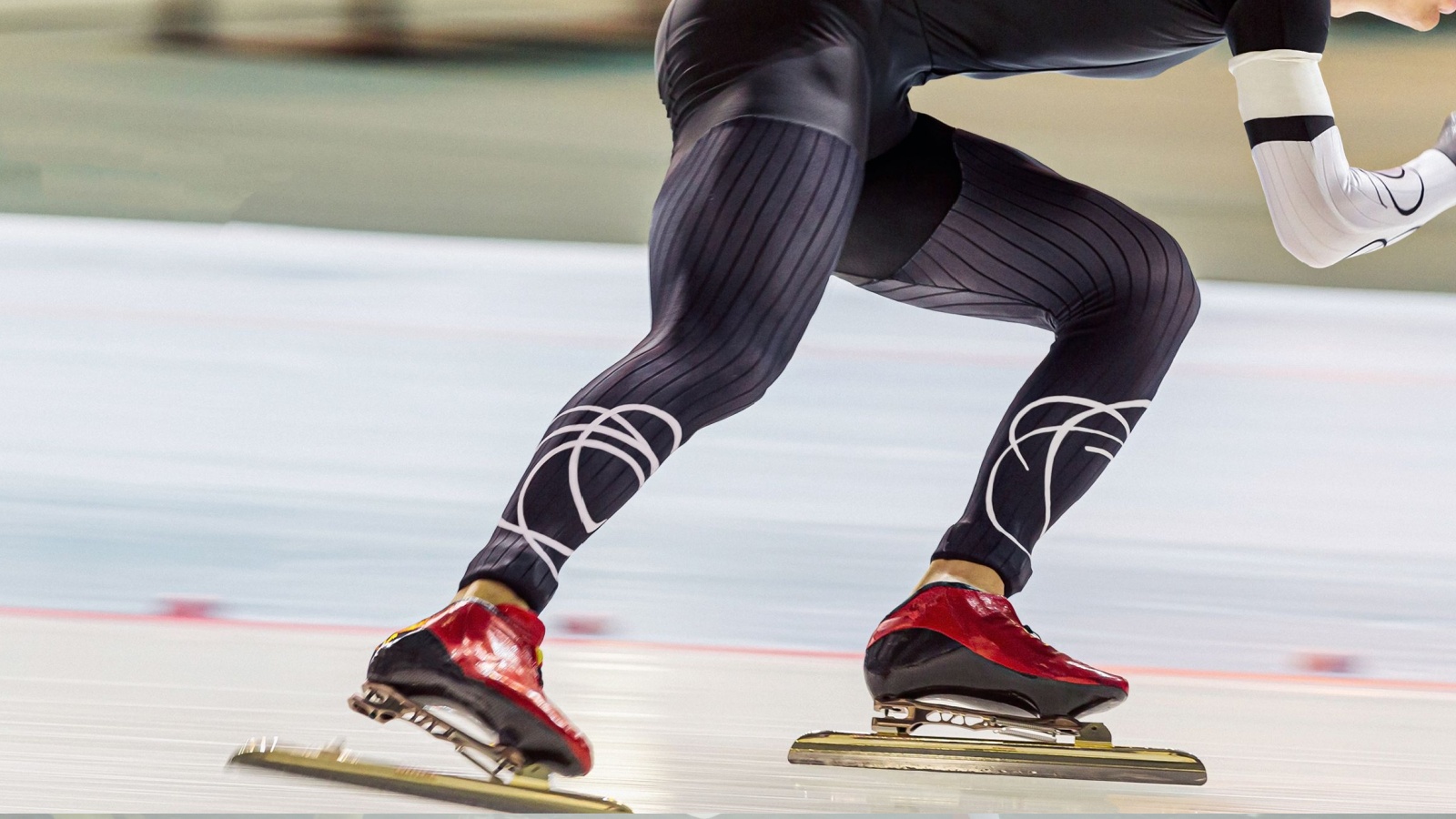
Canada secures a single figure skating medal amid high-pressure events. Clean programs matter more than difficulty or risk. Judges reward execution consistency. One skater peaks at the right moment. Early mistakes elsewhere prove costly. The medal comes in a dramatic final segment. Emotional reactions define the moment. Fans connect with the athlete’s journey. The result avoids controversy. Media praise composure under pressure. The outcome feels earned rather than lucky. Figure skating leaves with pride despite limited hardware.
Snowboard events favor specialists over big names
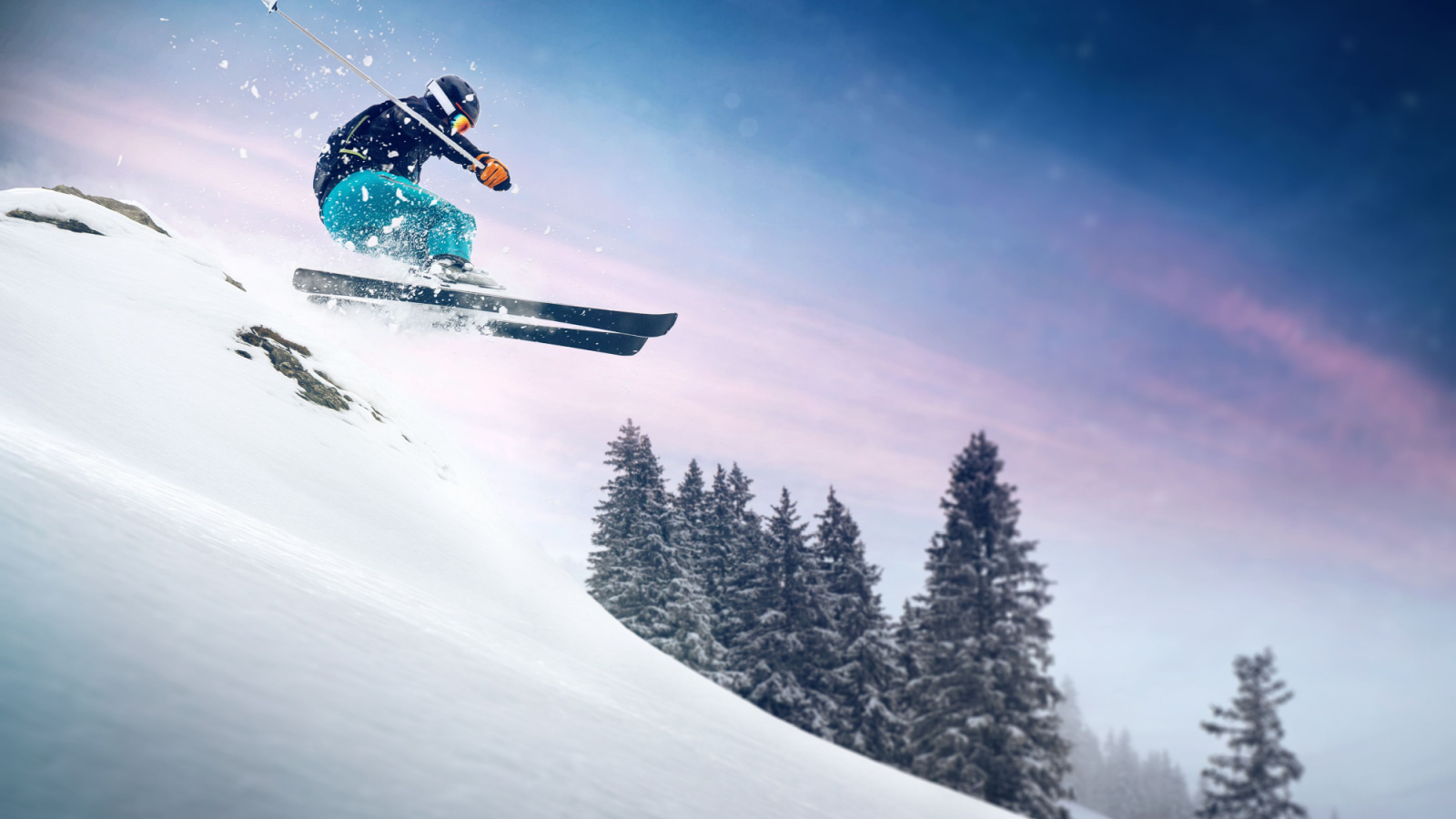
Canada’s snowboard medals come from focused specialists. Established stars face tougher qualification rounds. Course design rewards technical control. Weather variability challenges adaptability. Riders with specific course strengths advance. Risk management beats aggressive runs. Canada’s coaching emphasizes consistency. One unexpected rider reaches the final. Podium finishes reflect discipline focus. The results surprise casual fans. Analysts highlight evolving judging trends. Snowboarding proves less predictable than in previous Games. Canada adjusts expectations across freestyle snow events.
Freestyle skiing remains Canada’s strongest category
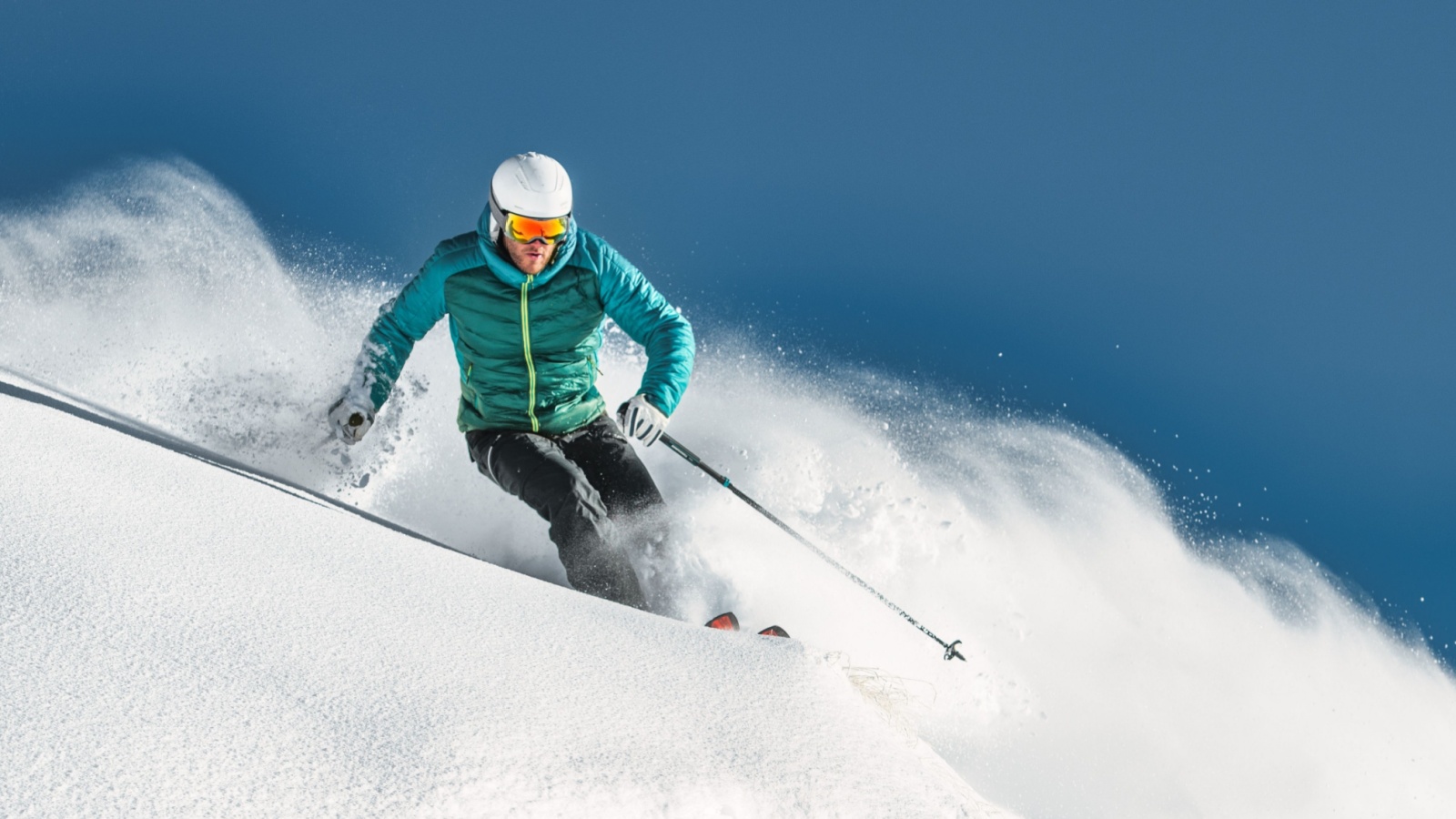
Freestyle skiing continues delivering reliable results. Multiple athletes qualify for finals. Training depth shows across disciplines. Canada’s athletes handle pressure well. Course familiarity aids preparation. Coaches manage schedules effectively. Podium finishes spread across events. A gold medal emerges from a tight final. Mistakes by rivals create openings. Canadian athletes capitalize calmly. Media frames freestyle as Canada’s anchor sport. The program justifies continued funding. Freestyle skiing anchors Canada’s medal count once again.
Short track speed skating sparks controversy
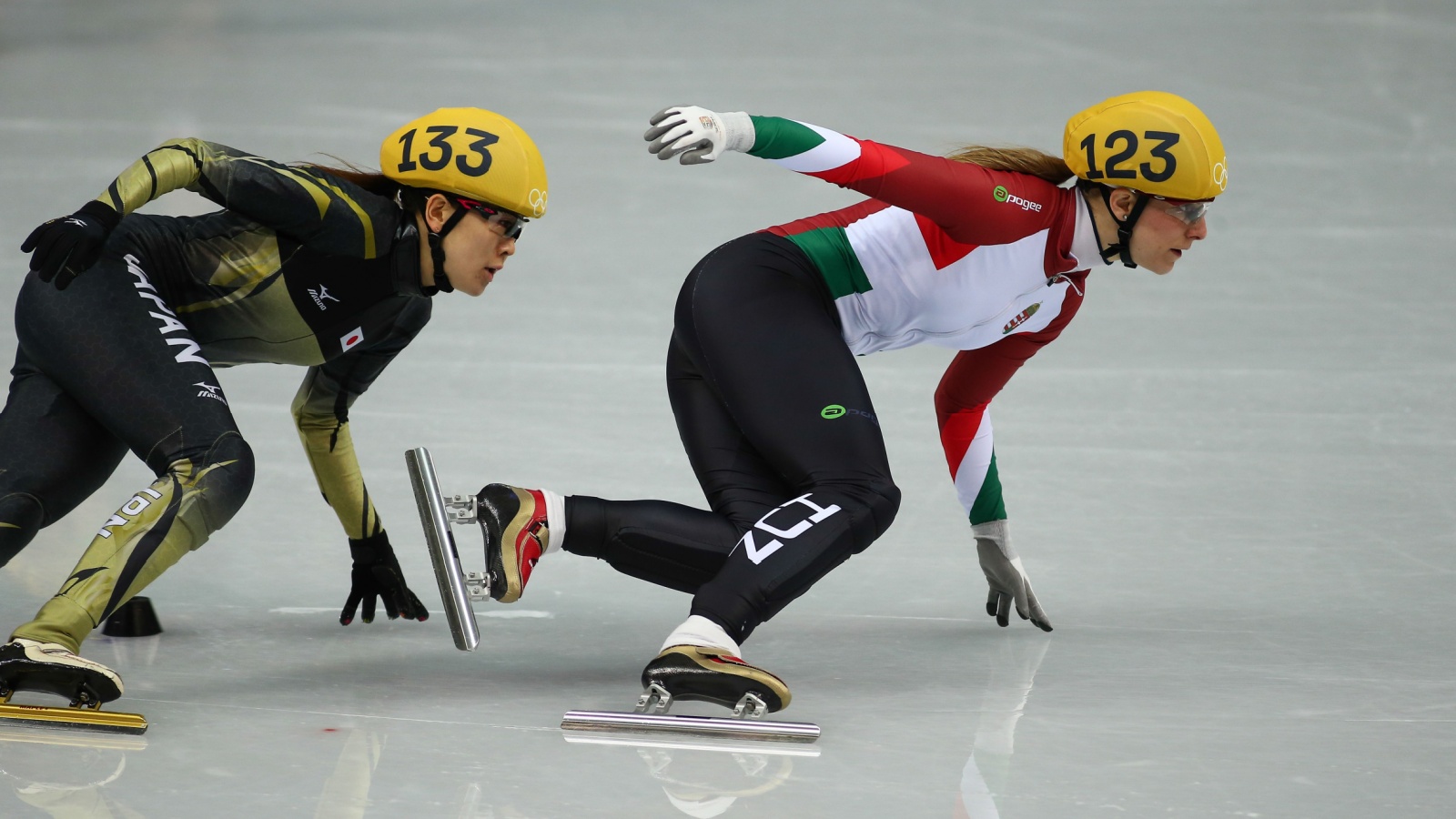
Short track results create debate among fans. Penalties influence multiple races. Canada benefits in some heats. Canada suffers in others. Video reviews slow the competition rhythm. Athletes adapt strategies mid-tournament. Emotional reactions follow disqualifications. Coaches advocate strongly for skaters. One medal result remains disputed publicly. Officials stand by decisions. The controversy dominates headlines briefly. Eventually, results settle into record books. Short track remains thrilling but polarizing for viewers.
Curling teams struggle with consistency

Canadian curling teams show flashes of brilliance. Consistency becomes the main challenge. Close games slip away late. Ice conditions vary session to session. Shot selection decisions face scrutiny. Leadership roles shift during matches. Younger players gain experience under pressure. Medal contention remains possible until late rounds. Tie breakers decide advancement. Fans feel frustrated during missed opportunities. Results fall short of historic standards. Curling exists with lessons rather than medals. Future cycles emphasize adaptability and depth.
Biathlon posts Canada’s best Olympic showing ever
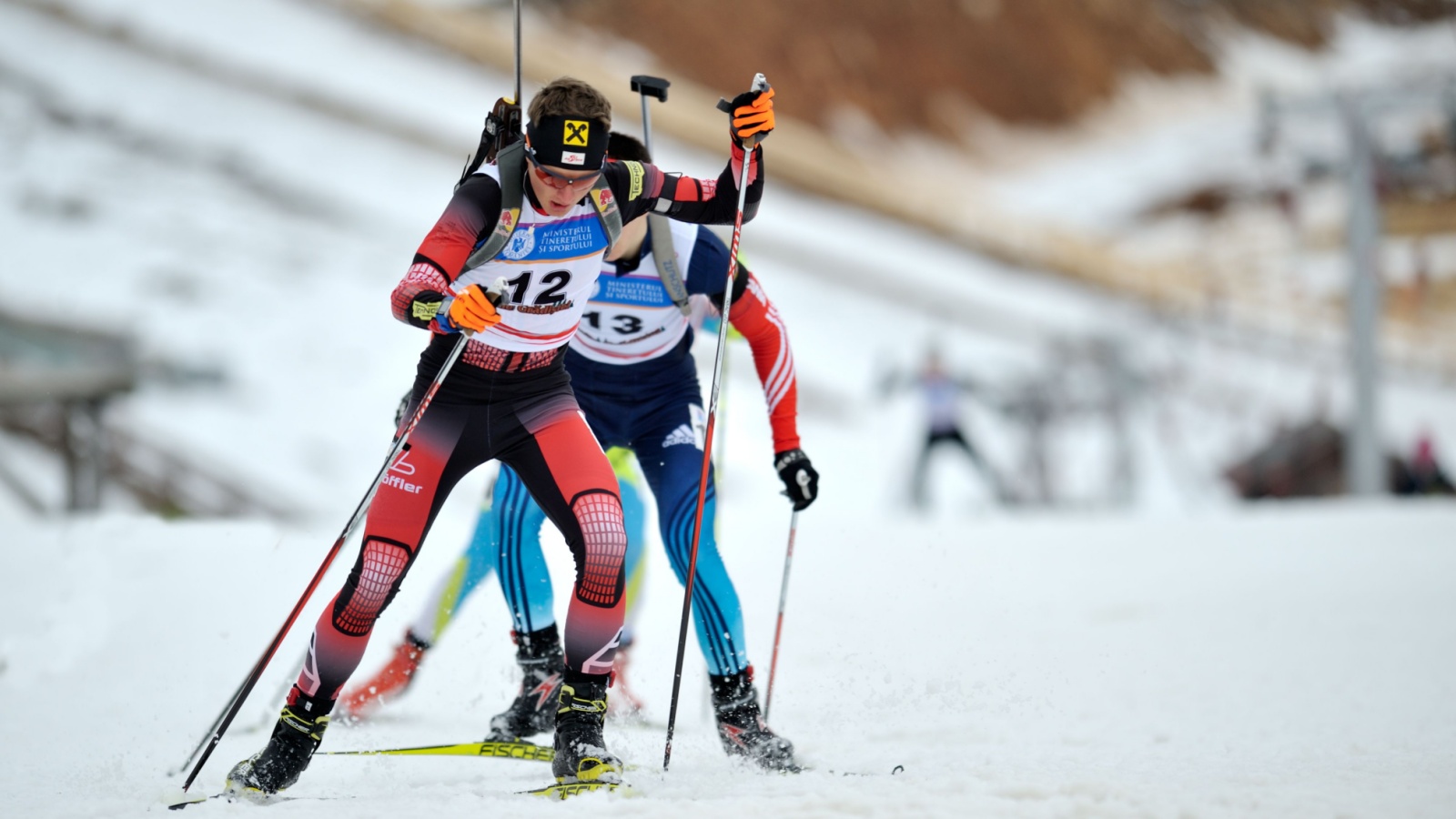
Canada achieves its strongest biathlon results historically. Athletes show improved shooting accuracy. Ski speed holds steady across courses. Coaching investment pays off. Relay teams finish higher than expected. One athlete flirts with a podium finish. Consistency across races impresses analysts. European dominance narrows slightly. Media notice Canada’s progress. Athletes credit long-term planning. Results encourage program expansion. Biathlon gains visibility nationally. The Games mark a turning point for the sport.
Nordic skiing improves placement but misses medals
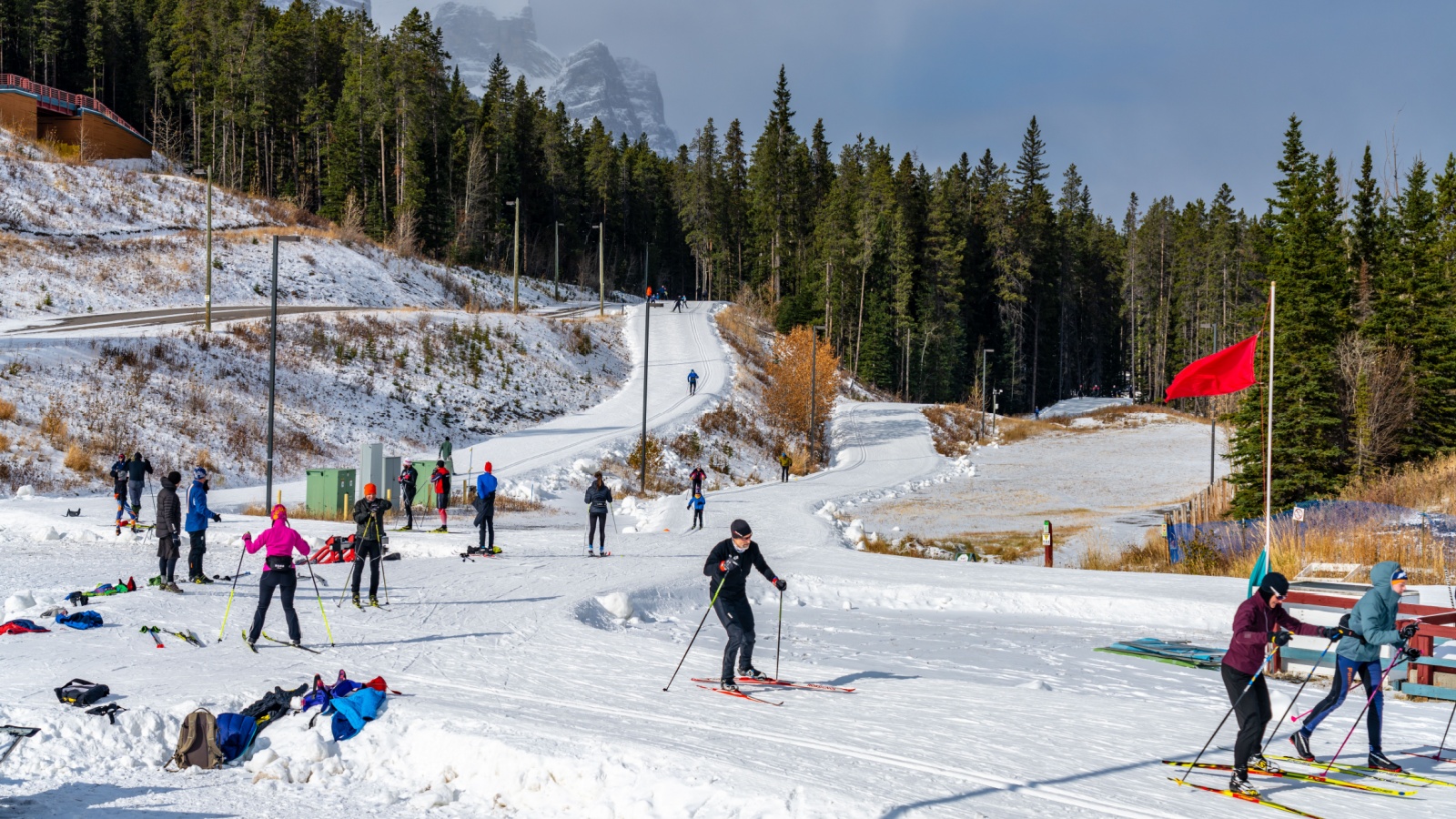
Canada’s Nordic skiers improve overall standings. Personal best finishes occur frequently. Medals remain out of reach. Competition depth proves intense. Course elevation challenges pacing. Waxing choices matter daily. Athletes manage energy carefully. Coaches adjust strategies between races. Fans appreciate visible progress. Results signal development success. International gaps still exist. The experience builds confidence. Nordic skiing leaves Milano Cortina encouraged. Future Olympic cycles benefit from the gained exposure and experience.
Skeleton and bobsleigh rebound after recent struggles
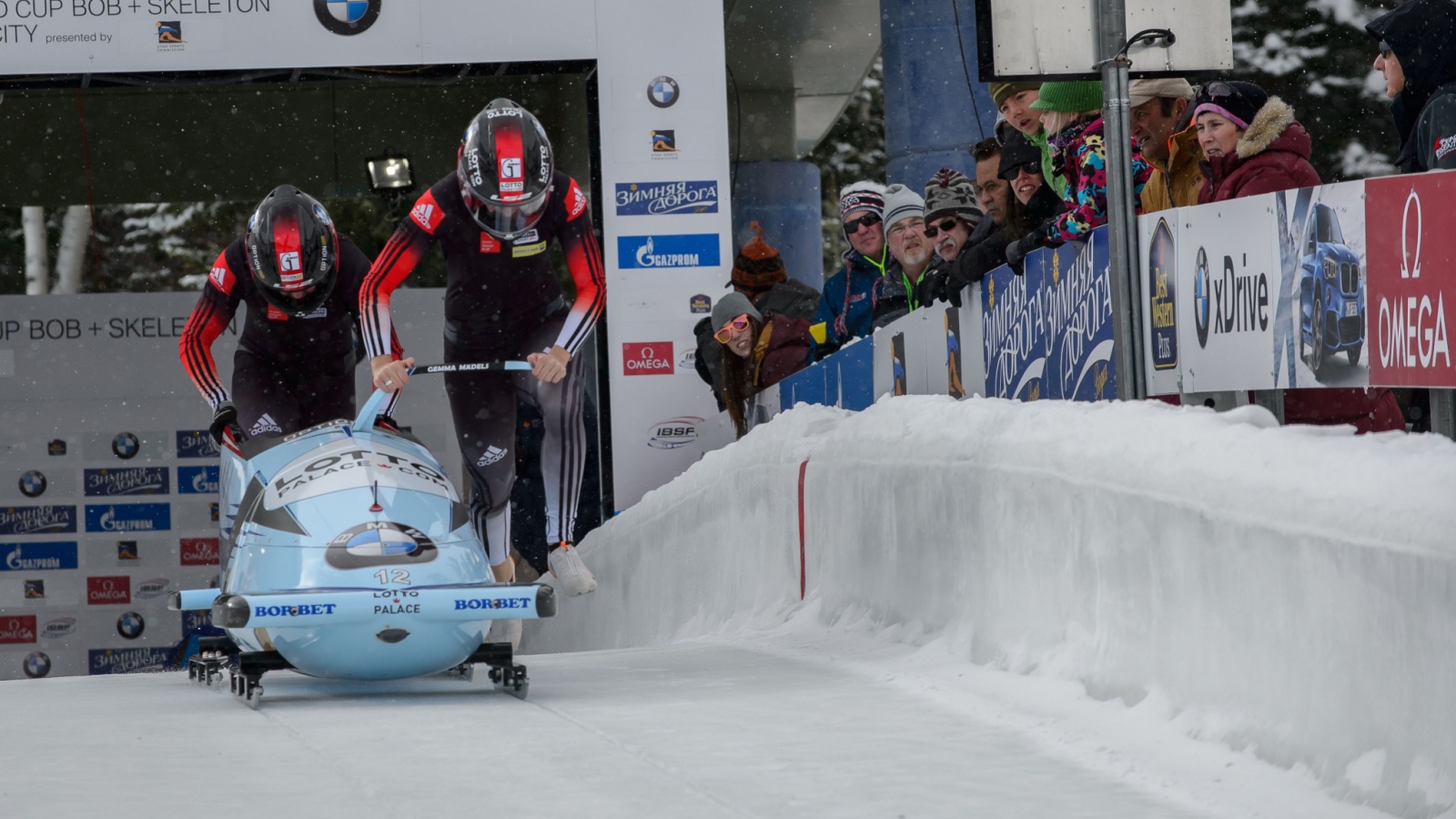
Canada rebounds in sliding sports. Equipment updates improve speed. Athletes regain confidence during training runs. Track familiarity reduces mistakes. One team challenges for a medal. Another finishes narrowly outside the podium spots. Coaching stability shows results. Starts improve noticeably. The rebound surprises critics. Media coverage highlights recovery stories. Sliding sports regain credibility. The performance restores optimism. Canada reestablishes itself as competitive on ice tracks.
A teenage athlete becomes a breakout star

A Canadian teenager captures global attention. Calm performances defy age expectations. Qualification rounds show early promise. Finals confirm composure. Interviews reveal a grounded mindset. Social media buzz grows quickly. Coaches manage the spotlight carefully. Results exceed internal projections. The athlete finishes with a medal or near-podium result. Fans embrace the story. The breakout shifts future team planning. Youth development programs gain validation. Milano Cortina launches a long international career.
Veterans struggle with timing and transitions

Several veteran athletes face adjustment challenges. Recovery times lengthen during the schedule. Qualification margins tighten. Younger competitors push the pace aggressively. Experience helps manage nerves. Physical limits appear in later rounds. Results vary by discipline. Some veterans reach finals. Others exit earlier than hoped. Retirement discussions follow quietly. Fans appreciate long careers regardless. The Games mark transition moments. Canada balances respect for experience with generational change planning.
Team Canada avoids major injury setbacks

Canada navigates the Games with limited injuries. Training loads are managed carefully. Medical staff play a proactive role. Scheduling choices reduce strain. Athletes recover between events effectively. Minor issues remain contained. No major medal favorites withdraw unexpectedly. This stability aids consistent results. Fans notice fewer late replacements. Coaches credit planning and communication. The injury-free run becomes a quiet success. Health management sets a standard for future teams.
Judging trends reshape medal expectations

Judging trends affect several Canadian results. Execution quality gains importance. Difficulty risks backfire occasionally. Athletes adjust mid-competition. Coaches adapt strategies quickly. Some events feel unpredictable to viewers. Canada benefits in technical sports. Canada loses ground in subjective events. Discussions follow across broadcasts. Analysts explain scoring nuances repeatedly. Fans learn more about the criteria. The trends influence future training priorities. Milano Cortina highlights evolving judging philosophies.
Canada finishes top five in overall medal standings

Canada ranks within the top five nations. Medal totals remain strong. Gold count ranks slightly lower. Depth compensates for fewer victories. Several countries outperform expectations. The standings reflect competitive balance. Canada remains firmly among winter sport leaders. Media comparisons spark debate at home. Officials frame results as sustainable success. Fans argue about benchmarks. The finish feels solid rather than dominant. Canada is respected by rivals and observers.
The Games reshape Canada’s Olympic priorities

Milano Cortina influences future planning decisions. Funding shifts toward consistent medal producers. Emerging sports gain attention. Some programs face review. Athlete development timelines adjust. Youth pipelines receive renewed focus. Coaching education becomes a talking point. Data-driven preparation expands. Results guide long-term strategy discussions. The Games act as a checkpoint. Lessons outweigh disappointment. Canada leaves with clarity about strengths and gaps. The next Olympic cycle begins immediately.
22 Groceries to Grab Now—Before another Price Shock Hits Canada

Food prices in Canada have been steadily climbing, and another spike could make your grocery bill feel like a mortgage payment. According to Statistics Canada, food inflation remains about 3.7% higher than last year, with essentials like bread, dairy, and fresh produce leading the surge. Some items are expected to rise even further due to transportation costs, droughts, and import tariffs. Here are 22 groceries to grab now before another price shock hits Canada.
22 Groceries to Grab Now—Before another Price Shock Hits Canada
This Options Discord Chat is The Real Deal
While the internet is scoured with trading chat rooms, many of which even charge upwards of thousands of dollars to join, this smaller options trading discord chatroom is the real deal and actually providing valuable trade setups, education, and community without the noise and spam of the larger more expensive rooms. With a incredibly low-cost monthly fee, Options Trading Club (click here to see their reviews) requires an application to join ensuring that every member is dedicated and serious about taking their trading to the next level. If you are looking for a change in your trading strategies, then click here to apply for a membership.