
35,000+ smart investors are already getting financial news, market signals, and macro shifts in the economy that could impact their money next with our FREE weekly newsletter. Get ahead of what the crowd finds out too late. Click Here to Subscribe for FREE.
Every year, Canada repeats the same winter ritual. The forecast shows the season’s first major snowstorm approaching. Shelves clear almost overnight. Online carts fill quickly. People remember past supply shortages and unpredictable weather waves. Panic buying spreads across neighbourhoods faster than falling snow. Here are 19 “winterproof” items Canadians are panic-buying before the first snowstorm.
Snow Shovels
19 “Winterproof” Items Canadians Are Panic-Buying Before the First Snowstorm
- Snow Shovels
- Ice Melt and Salt Bags
- Winter Tires
- Hand Warmers
- Emergency Candles
- Warm Blankets
- Battery-Powered Flashlights
- Portable Phone Power Banks
- Space Heaters
- Non-Perishable Food Staples
- Electric Snow Blowers
- Portable Power Stations
- Insulated Travel Mugs
- Ice Traction Devices
- Heated Pet Gear
- Snow Brush–Scraper Combos
- Thermal Base Layers
- Emergency Food Kits
- Space Heaters
- 22 Groceries to Grab Now—Before another Price Shock Hits Canada
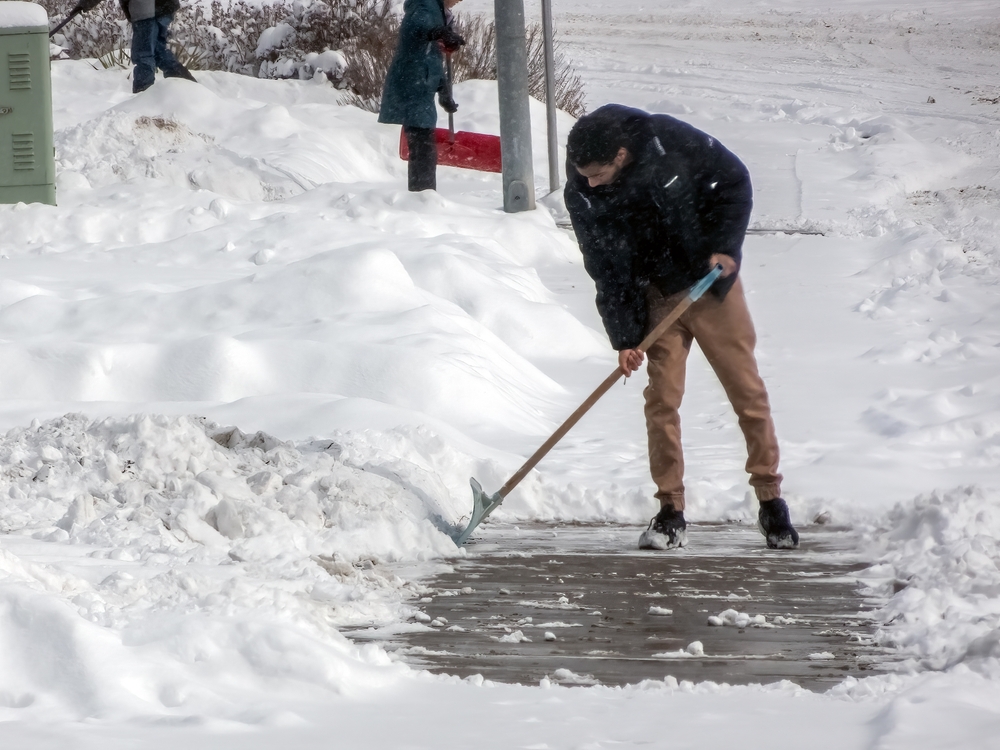
Snow shovels vanish from hardware aisles within hours of forecasted storm alerts. Canadians rush for ergonomic designs promising reduced back strain. Plastic blades outperform metal versions during salt-treated snow periods. Collapsible handles attract condo dwellers with limited storage options. Neighbourhood competition escalates when storms strike earlier than expected. A shovel remains the most basic winter survival tool for Canadian households each season.
Ice Melt and Salt Bags
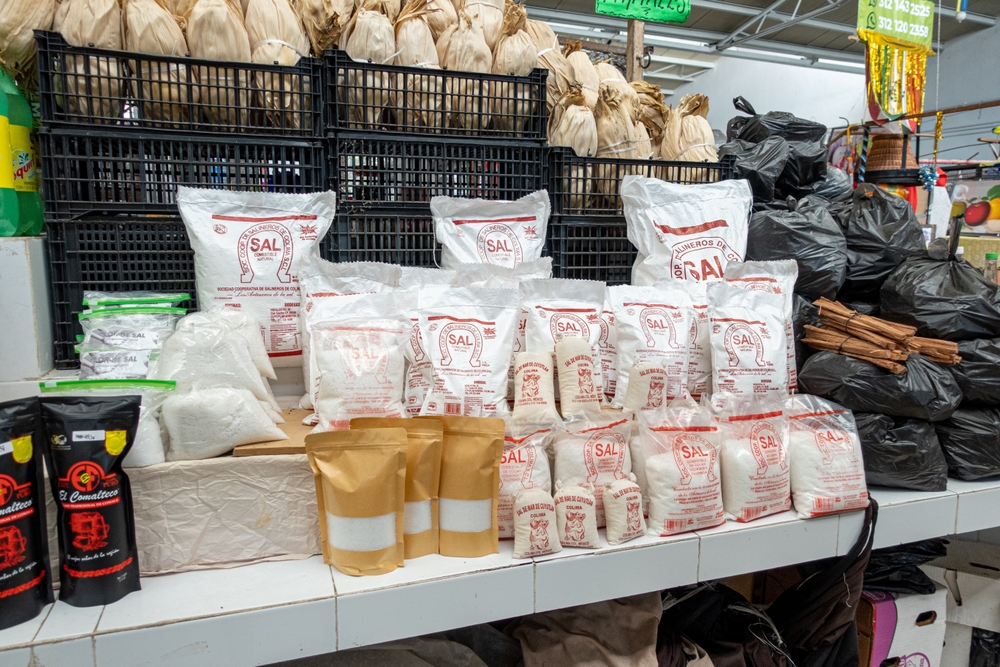
Ice melt becomes one of the quickest-selling winter products nationwide. Small storms empty storage fast for homeowners responsible for sidewalk maintenance. Retail supplies struggle due to bulk shipping delays in winter conditions. Municipal restrictions encourage calcium chloride alternatives over traditional salt. Condo boards often mandate specific formulations for surface protection. Consumers buy in multi-bag quantities, anticipating continuous freeze-thaw cycles.
Winter Tires
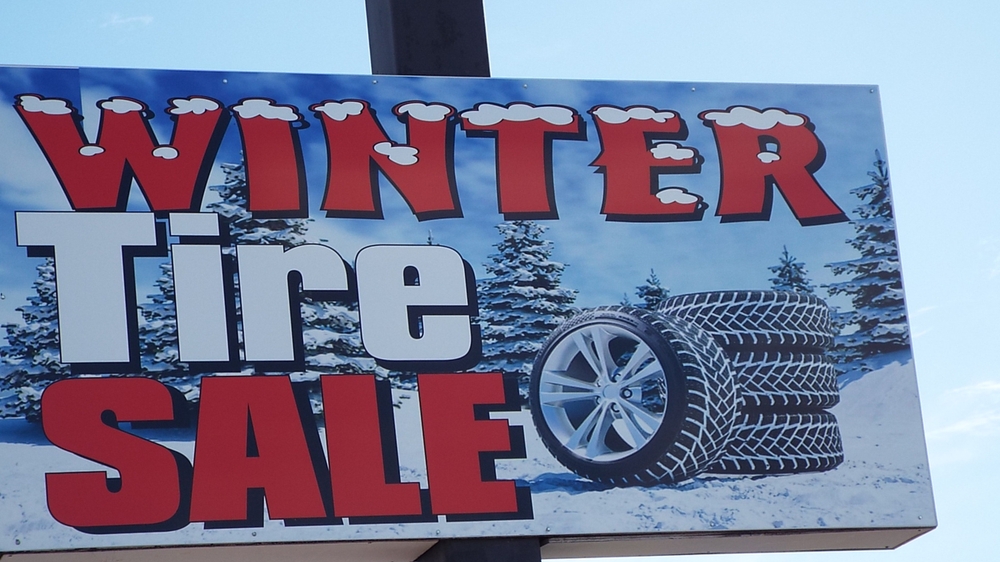
Winter tire installations surge before temperatures consistently fall below seven degrees Celsius. Tire shops book weeks ahead as panic scheduling accelerates. Provincial legal requirements drive urgency, especially in Quebec. Safety campaigns reinforce braking efficiency benefits. Supply strains worsen when tire shipments face transport delays. Many Canadians delay replacement until forecasts turn threatening. This timing causes warehouse depletion cycles annually. Demand for popular tread brands outpaces availability quickly.
Hand Warmers

Disposable hand warmers sell out quickly once cold warnings appear. Parents stock them for school-yard sports and bus-stop waiting. Outdoor workers bulk-purchase packs monthly. Ski resorts drive seasonal demand spikes. Supply disruptions follow packaging import delays. Canadians appreciate the low cost for immediate warmth payoff. Battery alternatives remain secondary due to charging limits during power outages. Emergency preparedness kits now almost always include warmers. People recall past frost exposure emergencies, motivating stocking habits.
Emergency Candles

Power outages remain common during snowstorms and ice accumulation. Canadians rush to purchase emergency candles as light backups. Battery lantern alternatives exist, but candles remain affordable. Panic buying focuses on unscented and long-burning emergency varieties. Shipping restrictions on flammables slow restocking. Community blackout memories drive the urgency. Remote areas rely heavily on candle stock visibility. Storm forecasts lead to multi-pack purchasing by rural residents.
Warm Blankets

Thick thermal blankets vanish quickly once extreme cold alerts circulate. Canadians anticipate heating disruptions or furnace strain. Bedding retailers witness sudden seasonal traffic spikes. Online searches for fleece and wool blankets surge. Many buyers choose multipurpose designs usable for cars and emergency shelters. Families keep extra sets for elderly relatives. Apartments with inefficient heating systems drive stronger demand. Memories of indoor cold discomfort fuel stockpiling behaviour. Rural households experiencing past blackout incidents overprepare.
Battery-Powered Flashlights
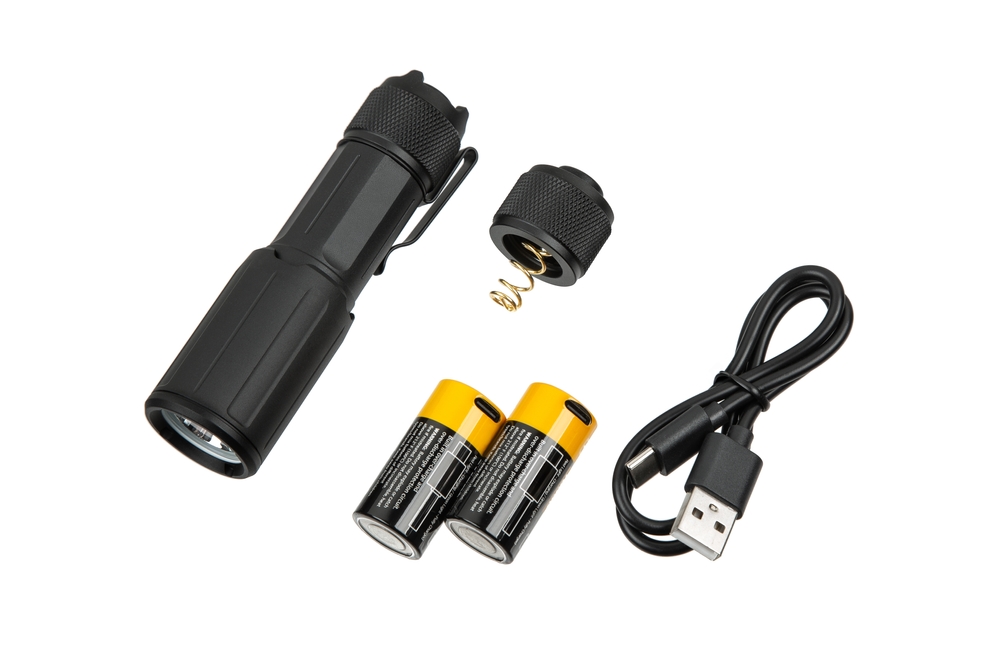
Flashlights surge in popularity as blizzard forecasts loom. Homeowners check devices only to find depleted or broken units. Panic sparks replacement buying. Canadian winters bring darkness cycles where outages become disorienting. LED models dominate consumer preference now. Replacement batteries sell concurrently. Many underestimate how quickly lights sell out regionally. Rural communities stock up more aggressively. Hardware stores experience flashlight shortages before generators disappear.
Portable Phone Power Banks
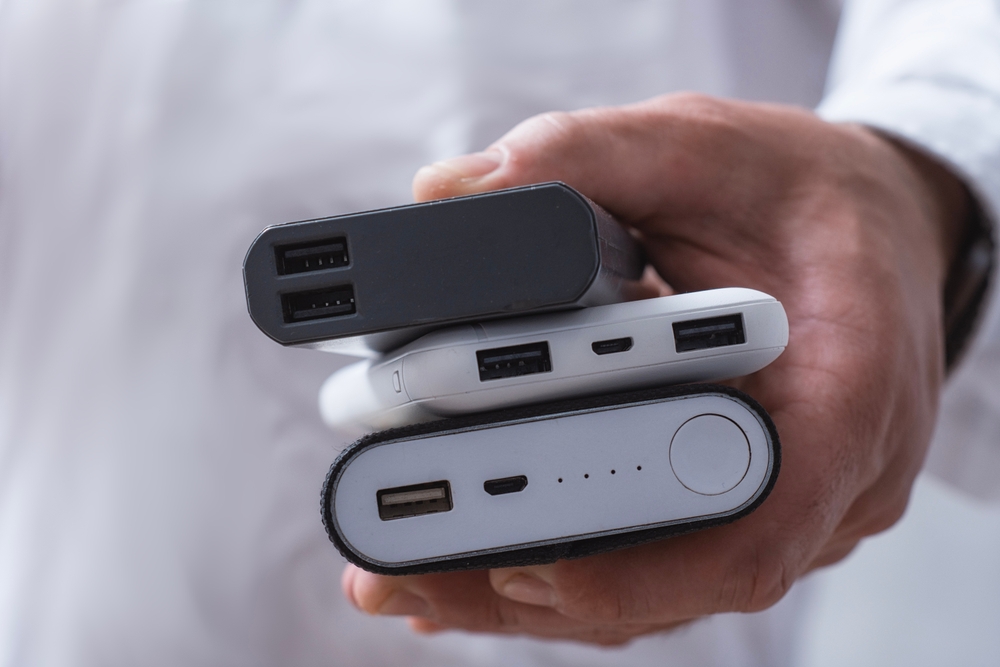
Canadians increasingly panic-buy power banks when storms threaten. Connectivity remains essential during outages for emergency updates. Parents prioritize device charging redundancy for family coordination. Online schooling increases dependence on phone functionality. Power banks with capacities above ten thousand milliampere-hour units disappear fastest. Import shortages occasionally restrict early winter shipments. Consumers prefer solar-backed models despite the limited winter sunlight benefit. Workplace safety guidelines include backup charging recommendations. Digital navigation reliance elevates anxiety over battery depletion.
Space Heaters
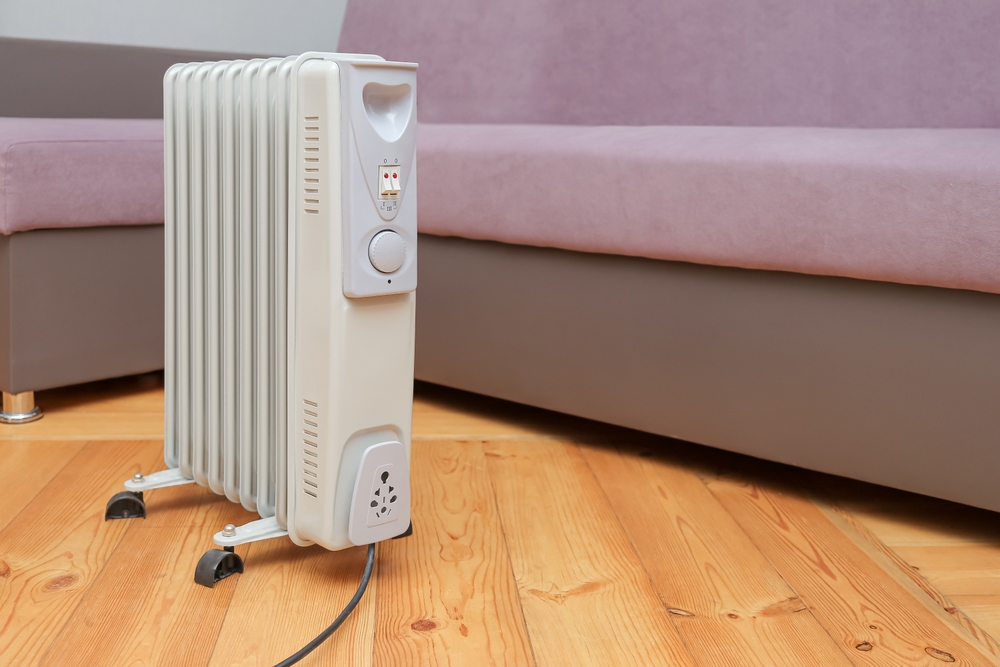
Portable heaters disappear from shelves rapidly before extended cold fronts arrive. Rental properties often lack sufficient heating performance. Canadians supplement their base heating during frigid overnight temperatures. Fire safety messaging coexists with rising purchase volumes. Certification labels become critical for consumer trust. Multi-room heating emergencies drive consumption increases. Retailers ration popular models soon after warnings appear. Shipping delays exacerbate anxiety-driven buying. Elderly households stock extra heaters as contingency measures. Heaters consume the largest winter panic-budget share annually among preparedness products.
Non-Perishable Food Staples

Pantry stocking accelerates once storms approach. Canadians purchase canned goods, pasta, and shelf-stable soups heavily. Grocery chains experience cart volume surges. Delivery slots fill days ahead. Families anticipate transit shutdowns restricting store access. Snow experiences learned during past shortages drive behaviour. Bulk warehouse purchases spike. Bread and milk shortages follow grocery panic waves. Community memory of earlier supply disruptions magnifies hoarding instincts. Preparedness messaging encourages 72-hour food reserves. Canadians frequently exceed recommended stock amounts unnecessarily.
Electric Snow Blowers
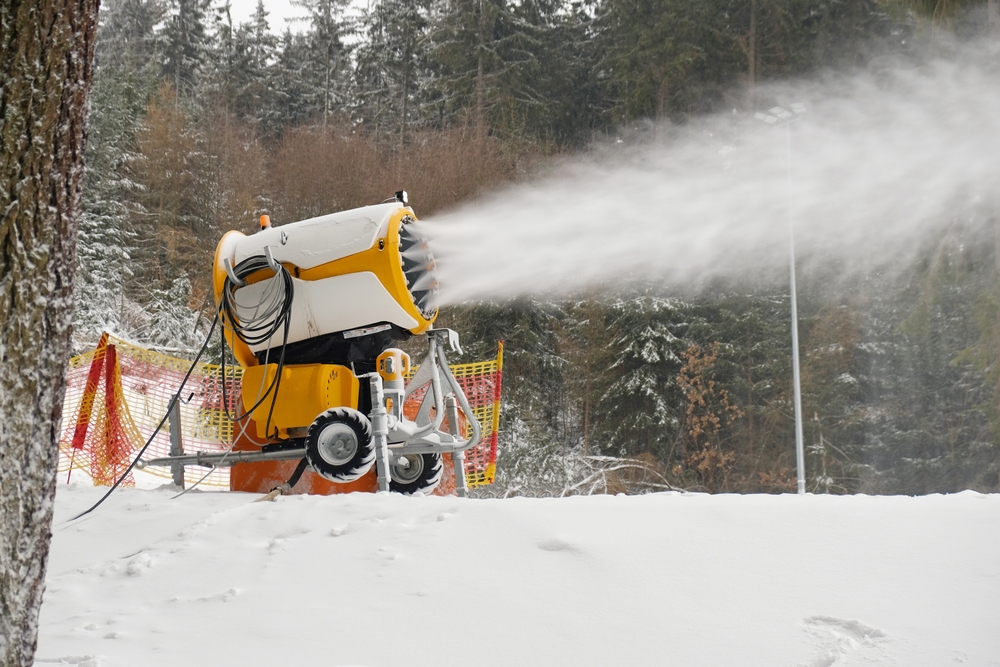
The moment wet, heavy snow shows up in forecasts, electric snow blowers begin vanishing from warehouse shelves. Many Canadians now skip traditional shovels altogether, especially urban homeowners managing tight driveways. Compact electric models gained popularity after 2023 as colder winters increased snowfall volume while temperatures fluctuated near freezing. These machines start instantly, require almost no maintenance, and avoid messy fuel storage. Apartment townhomes and seniors favour them for ease of use. Even renters split purchases with neighbours when storms stack up back-to-back.
Portable Power Stations
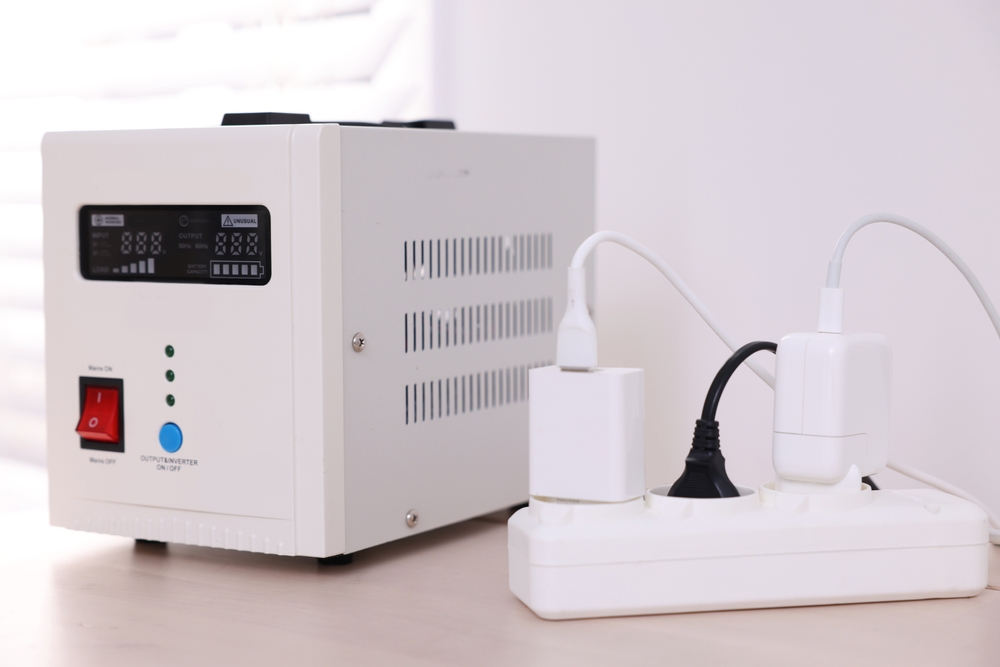
Storm outages trigger sudden demand for portable power stations every winter. Since 2022, Canadians facing unpredictable grid failures have begun switching from gas generators to quiet lithium power packs. These stations charge phones, laptops, heaters, coffee makers, and lighting systems without noise or fumes. Families living outside major metro areas especially stock up once heavy snowfall warnings appear. Works-from-home employees treat these devices as essential gear rather than backup equipment. Demand spikes alongside weather alerts, causing shipping backlogs within days.
Insulated Travel Mugs
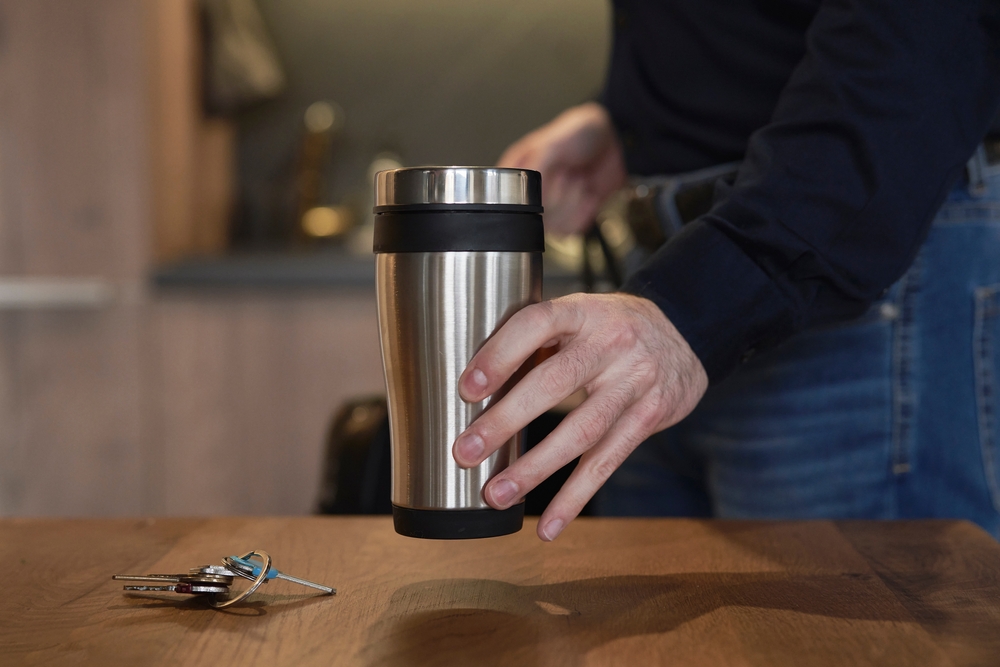
Insulated mugs seem harmless until frost season arrives, and suddenly everyone needs one. Commutes turn colder, longer, and more uncomfortable, making hot drinks feel essential rather than indulgent. Since 2021, stainless steel vacuum tumblers have dominated winter accessory markets. Drivers, transit commuters, and outdoor workers all rely on these mugs to maintain warmth during traffic delays. Spill-proof lids also make sipping possible while navigating icy sidewalks or steering snowy roads. Cafés sell out of branded versions weeks ahead of December.
Ice Traction Devices
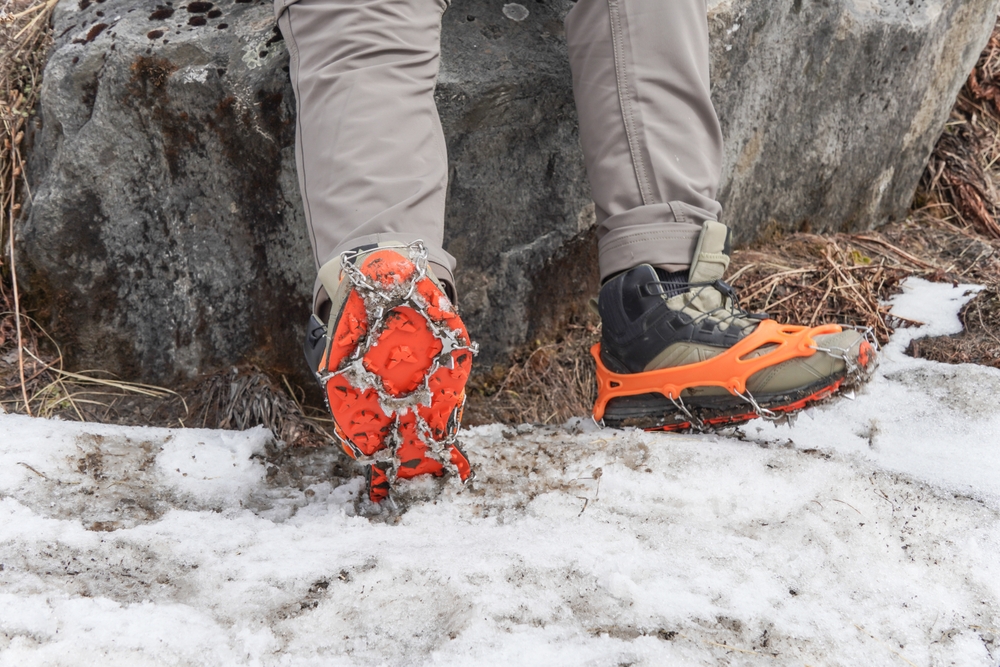
The first freezing rain sends Canadians rushing to buy shoe traction gear. Cleats, spikes, and strap-on grips become must-haves for safe walking. Hospitals report seasonal spikes in slip injuries, which quietly drives consumer fear-based buying. Since 2020, lightweight silicone traction devices have become widely popular over bulky spike systems. Seniors often get the first grab, followed by commuters navigating icy sidewalks and bus stops. Retailers routinely underestimate demand, leading to empty racks after the first ice storm.
Heated Pet Gear
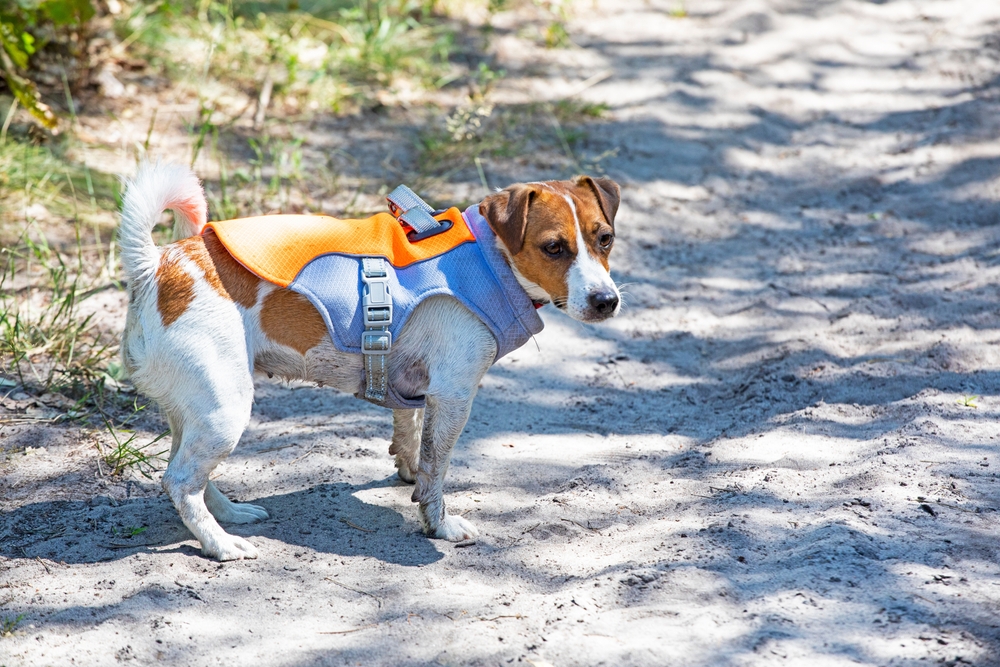
Pet owners panic-buy winter gear almost as eagerly as they do human layers. Heated dog beds, insulated coats, paw protectors, and thermal blankets surge in sales once temperatures dip below freezing. Canadians increasingly treat pets like family members, refusing to cut corners for comfort. In 2022, pet safety campaigns raised awareness about frostbite risks on paw pads and exposed noses. That messaging stuck. Small dog owners dominate this purchasing trend, especially in colder provinces. Groomers and veterinarians also promote protective wear each November.
Snow Brush–Scraper Combos
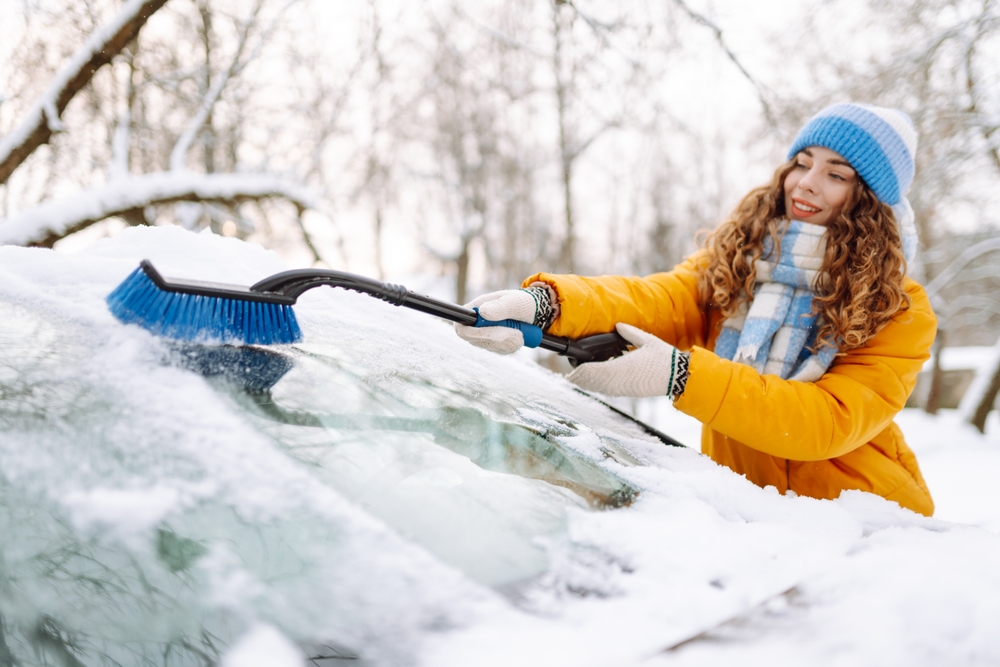
Every snowfall reignites demand for snow brush combos, despite households already owning several. Poor-quality brushes snap midwinter, pushing drivers to replace them at the worst moments. Since 2023, telescopic models surged thanks to taller vehicles like SUVs and trucks becoming more common. Canadians choose thicker bristles and foam grip handles for faster windshield clearing. Brushes often sell out at gas stations when storms begin overnight. Many drivers keep two in their car just in case one freezes solid. The scraper side clears ice layers formed by freezing rain overnight. These tools prevent early-morning frost scrape struggles that delay commutes and school drop-offs.
Thermal Base Layers
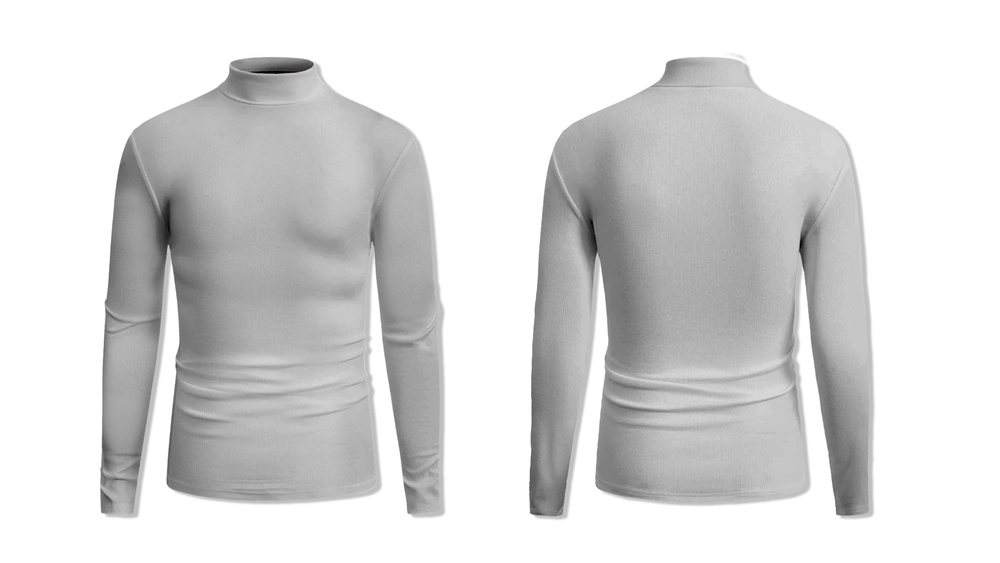
Thermal underwear remains the hidden hero of winter wardrobes. Sales explode once temperatures drop below minus ten Celsius. Workers commuting outdoors, students waiting for buses, and hikers all rely on base layers for warmth without bulk. Since 2021, advanced fabrics have replaced itchy wool blends with moisture-wicking synthetics. Shoppers look for heat-retention ratings and quick-dry materials. Canadians often layer thermals beneath work attire rather than oversized parkas indoors. Retailers report women’s thermal leggings selling fastest, driven by office wear needs. Even indoor sorts use them to keep heating costs low. Base layers quietly keep winter bearable.
Emergency Food Kits
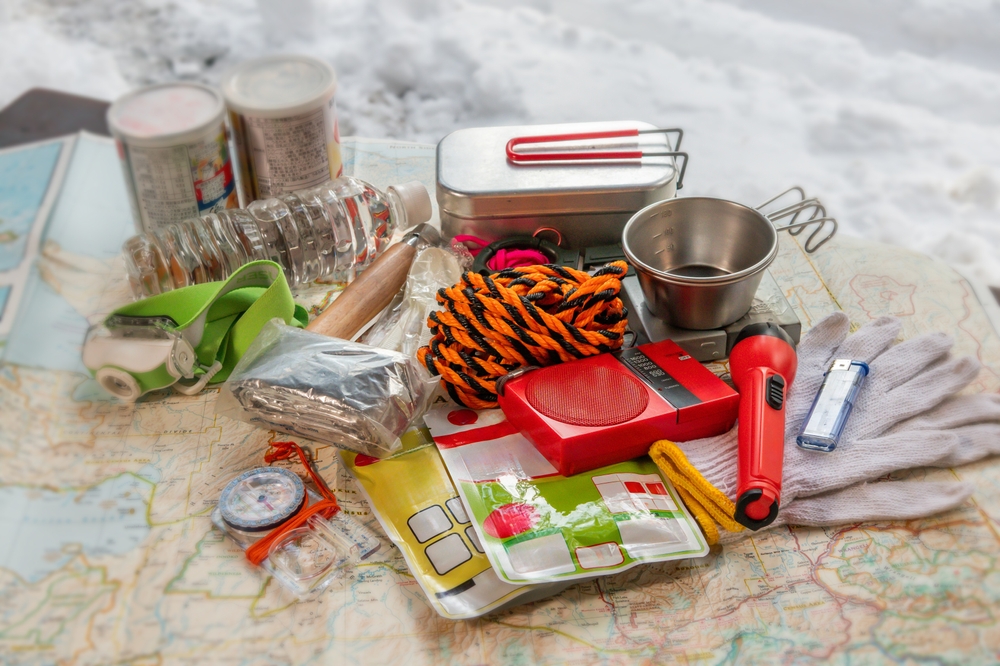
Blizzard warnings push emergency food kits into shopping carts fast. Canadians remember how storms once blocked roads and delayed grocery deliveries for days. Since 2020, bulk freeze-dried meals and long-shelf snacks gained traction nationwide. Families build kits containing soups, energy bars, oatmeal, and powdered drinks. Condo dwellers buy compact packs needing only boiling water. Rural residents prefer canned goods and calorie-dense crackers. Truck drivers stock kits during long hauling routes. Parents tuck snack packs inside emergency car bags. Supply stores experience sharp mid-November runs each year once forecast alerts go live.
Space Heaters
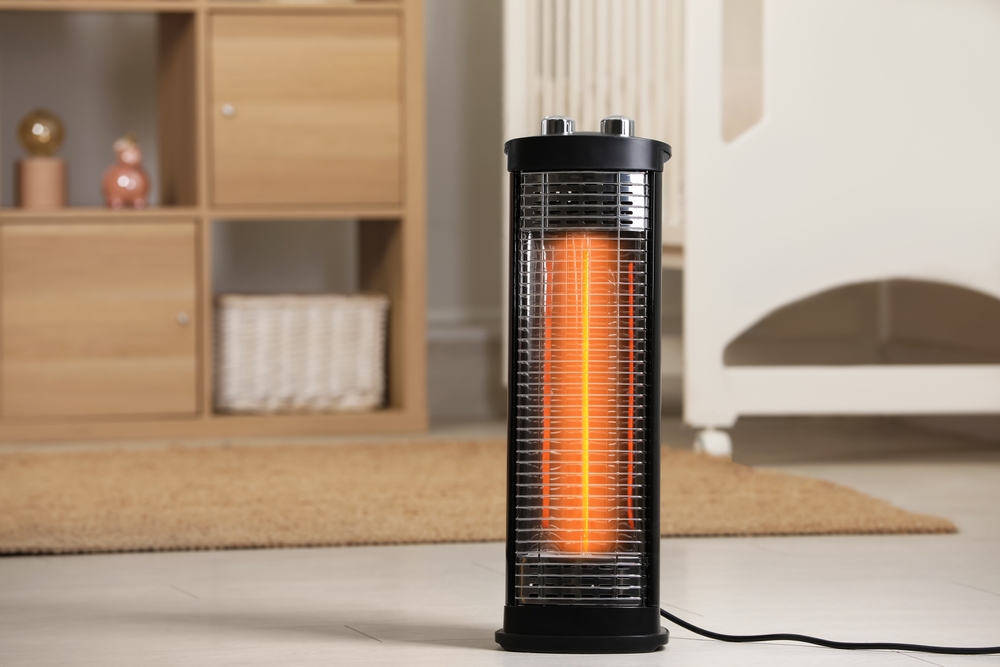
Space heaters become near-impossible to find after the first extreme cold warnings. Rising utility costs since 2022 pushed households to heat individual rooms instead of entire homes. Canadians favour oil-filled radiators and ceramic-zone heaters for safety and energy efficiency. Fire-safety labelling now heavily influences buyer decisions. Apartment dwellers buy heaters first, followed by basements and home-office users. Retailers limit purchase quantities during deep cold snaps. Portable heaters also serve as backup during furnace failures.
22 Groceries to Grab Now—Before another Price Shock Hits Canada

Food prices in Canada have been steadily climbing, and another spike could make your grocery bill feel like a mortgage payment. According to Statistics Canada, food inflation remains about 3.7% higher than last year, with essentials like bread, dairy, and fresh produce leading the surge. Some items are expected to rise even further due to transportation costs, droughts, and import tariffs. Here are 22 groceries to grab now before another price shock hits Canada.
22 Groceries to Grab Now—Before another Price Shock Hits Canada
This Options Discord Chat is The Real Deal
While the internet is scoured with trading chat rooms, many of which even charge upwards of thousands of dollars to join, this smaller options trading discord chatroom is the real deal and actually providing valuable trade setups, education, and community without the noise and spam of the larger more expensive rooms. With a incredibly low-cost monthly fee, Options Trading Club (click here to see their reviews) requires an application to join ensuring that every member is dedicated and serious about taking their trading to the next level. If you are looking for a change in your trading strategies, then click here to apply for a membership.