
35,000+ smart investors are already getting financial news, market signals, and macro shifts in the economy that could impact their money next with our FREE weekly newsletter. Get ahead of what the crowd finds out too late. Click Here to Subscribe for FREE.
Grocery loyalty offers have become a routine part of shopping in Canada, but the most valuable-looking deal is not always the simplest one. Personalized pricing, loaded offers, spend thresholds, exclusions, delayed points and data-sharing rules can all change what a promotion is really worth. A few seconds of checking the terms can make the difference between genuine savings and spending extra just to chase a reward. These 19 things Canadians should know before their next grocery loyalty offer focus on the practical details that matter most: how offers activate, what counts toward a threshold, when points arrive, how redemptions work and when a “bonus” is actually worth changing the shopping plan.
Personalized Offers Are Not the Same for Everyone
19 Things Canadians Should Know Before Their Next Grocery Loyalty Offer
- Personalized Offers Are Not the Same for Everyone
- Some Offers Have to Be Loaded Before Checkout
- Expiry Dates Can Be Hard Deadlines
- Spend Thresholds Are About Qualifying Spend, Not Cart Size
- Points Need to Be Converted Into Dollars
- Member Prices and Bonus Points Are Different Kinds of Deals
- Scanning a Loyalty Card Does Not Always Earn Base Grocery Points
- Brand, Size and Weight Can Decide Whether an Offer Works
- Stacking Promotions Is Never Automatic
- Returns Can Change the Reward Math
- Online Grocery Offers May Add Promo-Code Rules
- Excluded Categories Can Quietly Break an Offer
- Personalized Deals Come From Personal Shopping Data
- Linking the Correct Account Is Part of the Offer
- Shared Loyalty Households Mean Shared Control
- Keep the Receipt and the Offer Details
- Bonus Points May Not Appear Right Away
- Treat Loyalty Points Like Something Worth Protecting
- The Best Offer Is the One That Lowers the Grocery Bill
- 16 Costco Canada Habits That Could Be Costing Shoppers More Than They Save
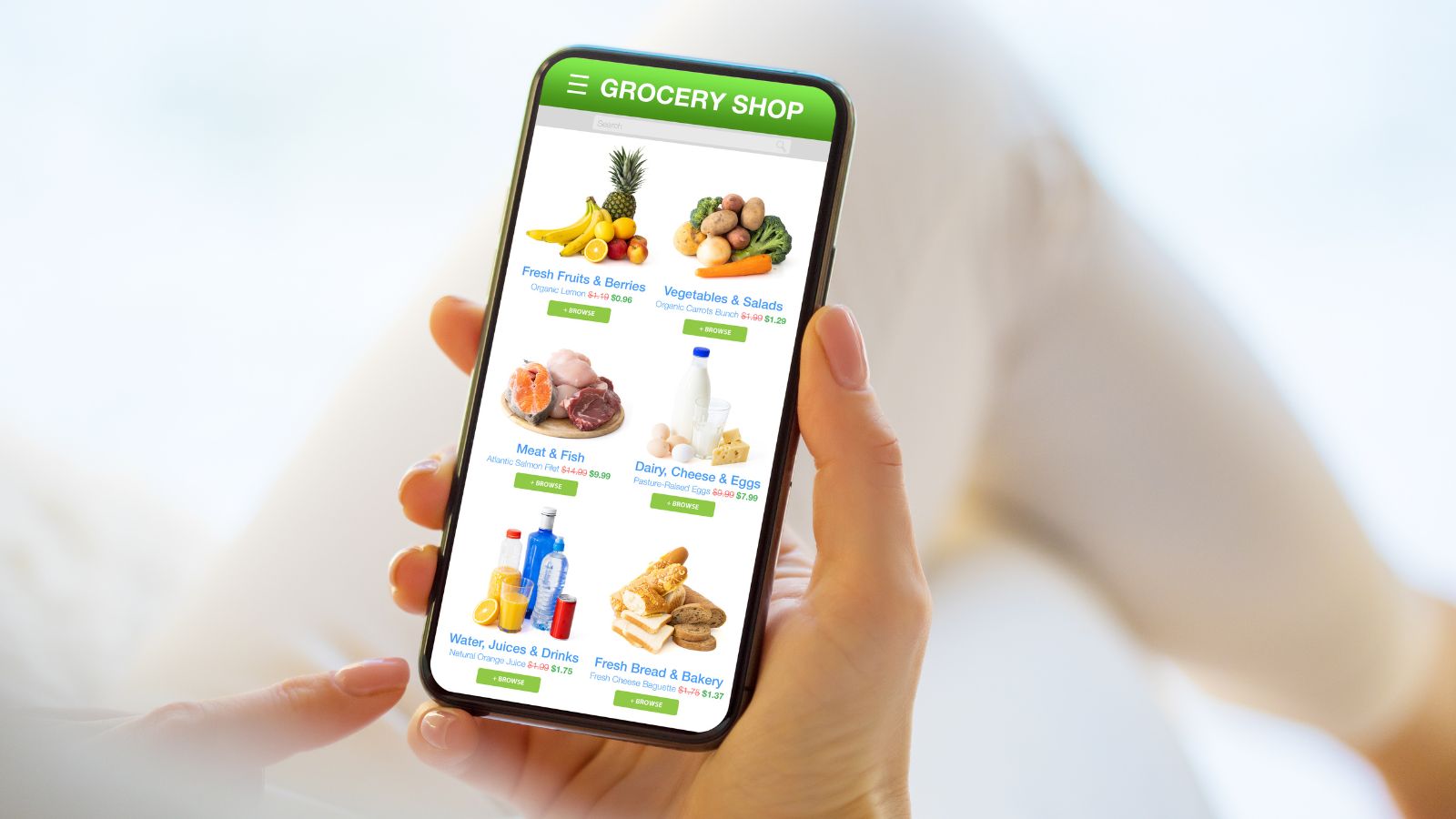
Two shoppers standing in the same aisle can open the same app and see different deals. Scene+ says weekly grocery offers are personalized based on usual shopping habits, while PC Optimum promotes offers matched to products members buy most. A friend’s “great offer” is not necessarily available on another account, even when both people shop at the same banner.
This matters when planning a grocery run around screenshots, social-media posts, or a family member’s app. The safer approach is to treat each account as its own price-and-points environment and check the offer actually attached to that membership before putting an item in the cart. Personalization can be useful when it matches staples already on the list, but it can also make comparisons less obvious. The real question is not whether an offer looks generous in isolation; it is whether that member received it and would have bought the product anyway.
Some Offers Have to Be Loaded Before Checkout
A digital offer can be visible yet fail to pay out if it has not been properly activated. Scene+ explicitly tells grocery members to load weekly offers before shopping, and its terms say personalized digital offers cannot be applied retroactively to past purchases. PC Optimum likewise says members must load personalized offers to their accounts in order to take advantage of them.
That creates an important pre-checkout habit: open the app, confirm the offer says “loaded” or otherwise shows as active, and only then rely on the promised points. A shopper who notices the deal after paying may have no automatic right to have it applied later. This is easy to miss during a rush, when the basket was built around several promotions at once. A thirty-second review before entering the checkout line can be more valuable than trying to reconstruct the offer afterward with a receipt and memory.
Expiry Dates Can Be Hard Deadlines

Loyalty offers often come with shorter lives than the points balances they create. PC Optimum’s terms say personalized offers may be time-limited, while Scene+ states that personalized digital offers cannot be retroactively applied to past purchases. Some promotions publish explicit redemption deadlines after which an offer disappears. The practical lesson is that seeing an offer once does not mean it will still be there on the very next grocery trip.
This becomes especially relevant for households that plan shopping around weekends, payday, or flyer cycles. An offer that expires Wednesday night may not help with a Thursday shop, even if the product remains on sale. Check both the offer’s end date and any separate “claim,” “load,” or “redeem” deadline. Those are not always the same thing. Saving an offer for later can also be program-specific, so members should not assume every app lets them carry a deal into another week.
Spend Thresholds Are About Qualifying Spend, Not Cart Size

“Spend $75, get points” sounds simple until excluded products enter the basket. Programs use spend-based or basket offers, and their terms can define which purchases count toward the threshold. Scene+ troubleshooting guidance specifically flags spend-based offers as having special conditions, while Voilà’s Scene+ terms exclude categories such as taxes, delivery charges, service fees and gift cards from weekly offer calculations.
That means a checkout total of $78 does not automatically prove a $75 loyalty threshold was met. If $8 of that total consists of excluded charges or products, the qualifying amount could fall below the target. The safest strategy is to build a cushion rather than landing exactly on the threshold, especially online where fees may appear alongside merchandise. It is also worth reading whether the threshold is calculated before or after coupons and discounts. The headline number on the receipt is not always the number the loyalty engine uses.
Points Need to Be Converted Into Dollars

Big point totals can sound more valuable because programs use different scales. PC Optimum says 10,000 points are worth $10 at participating stores and requires a minimum 10,000-point redemption in its standard program terms. Scene+ says 1,000 points can be redeemed for $10 off groceries. The number of points alone therefore tells very little until it is translated into a cash-equivalent value.
That conversion makes offer comparisons much easier. A 5,000-point PC Optimum bonus is generally a $5 reward value, while 500 Scene+ points represent $5 toward eligible grocery redemption. Once the reward is expressed in dollars, it can be compared with the extra amount required to earn it. Spending $25 more than planned to collect a reward worth $5 is not a $5 saving; it is still additional spending unless those groceries were already needed. The strongest loyalty offers often simply reward purchases that were going to happen anyway.
Member Prices and Bonus Points Are Different Kinds of Deals

A loyalty card can unlock an immediate price reduction, a future points reward, or both, but those benefits are not interchangeable. Scene+ advertises member-only pricing on products, and PC Optimum promotes members-only prices as weekly discounts. A member price lowers what is paid at the current transaction; a points offer usually creates value that must be redeemed later under the program’s rules.
That distinction matters when comparing two stores. A $2 member discount is an immediate $2 reduction. An offer promising $2 worth of future points may be useful, but it leaves the shopper paying the higher amount today and depends on future redemption. For households watching weekly cash flow, the immediate discount can be meaningful. It also helps to avoid double-counting: if a product is already cheaper because of member pricing, the points earned on top are an additional benefit, not proof that the original shelf price was competitive.
Scanning a Loyalty Card Does Not Always Earn Base Grocery Points
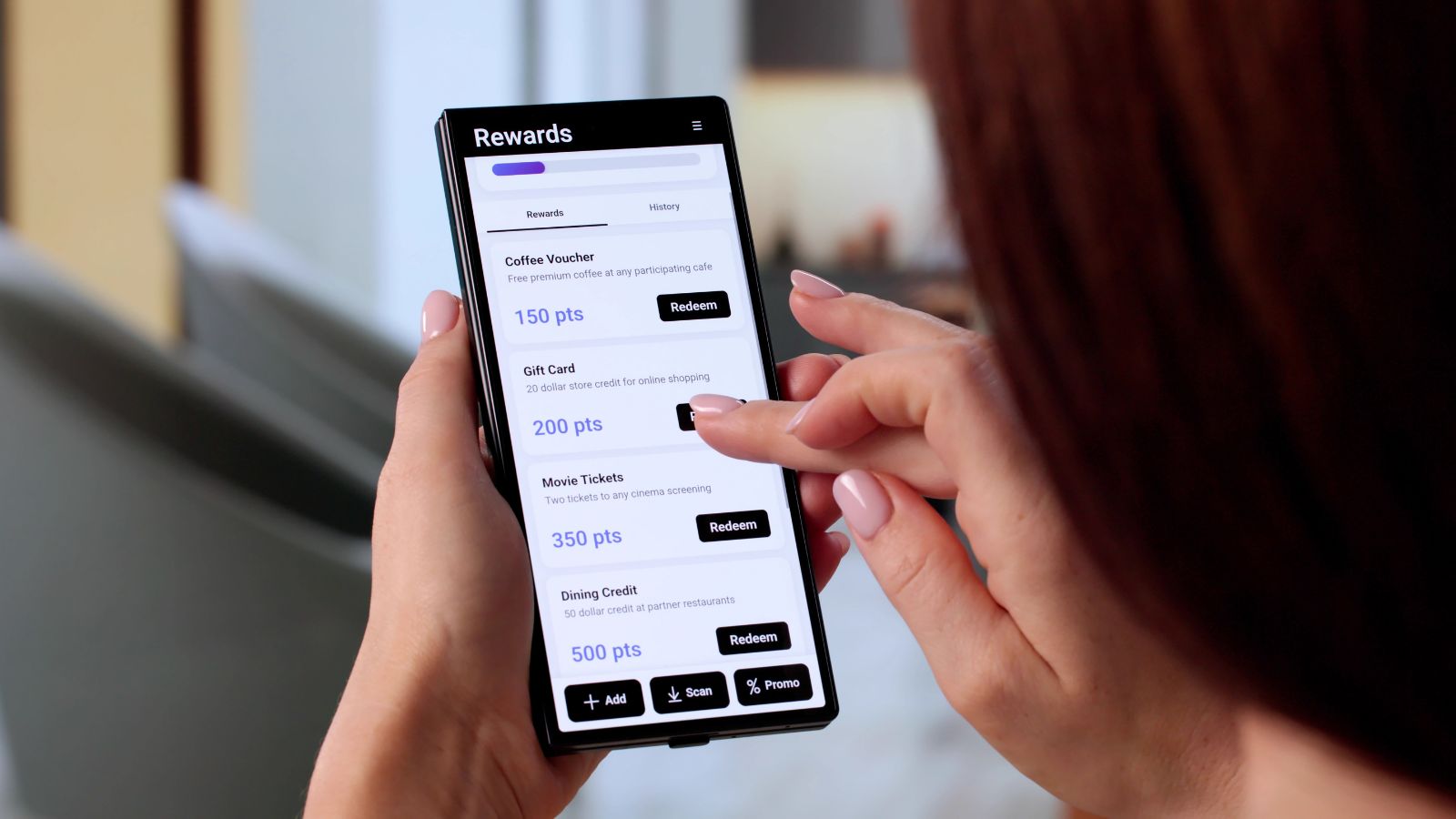
One of the easiest assumptions to make is that every dollar spent at a participating grocer automatically earns loyalty points. Scene+ says that at most grocery stores, simply scanning the Scene+ card does not earn points per dollar. Members can still earn through loaded offers, flyer promotions and specially marked products, while per-dollar grocery earning generally requires an eligible Scene+-branded payment card.
That is an important difference between “being a member” and “earning on the whole basket.” A customer can scan at checkout, receive a member price or trigger a product-specific bonus, and still earn no general base points from the rest of the groceries. This is why estimating rewards as a flat percentage of the receipt can be misleading. Before choosing a store because of its loyalty program, Canadians should know which purchases earn automatically, which require a specific payment method, and which depend entirely on targeted offers instead.
Brand, Size and Weight Can Decide Whether an Offer Works

A loyalty offer often applies to a narrower product definition than its headline suggests. Scene+ tells members who miss grocery points to verify that they bought the correct item, noting that some offers apply only to specific brands, sizes or weights. PC Optimum’s broader terms likewise allow offers to carry additional conditions, including purchase quantities or dollar-value requirements.
That fine print matters in categories where packages look almost identical. A 650-gram yogurt tub may sit beside a 750-gram version, or one flavour may be included while another is not. Substituting a larger pack because it appears to be better value can accidentally invalidate the reward. The same issue appears with multi-buy offers: buying one family-size package is not necessarily equivalent to buying two smaller qualifying packages. Before treating points as part of the effective price, match the exact product description, package size and required quantity shown in the offer carefully.
Stacking Promotions Is Never Automatic
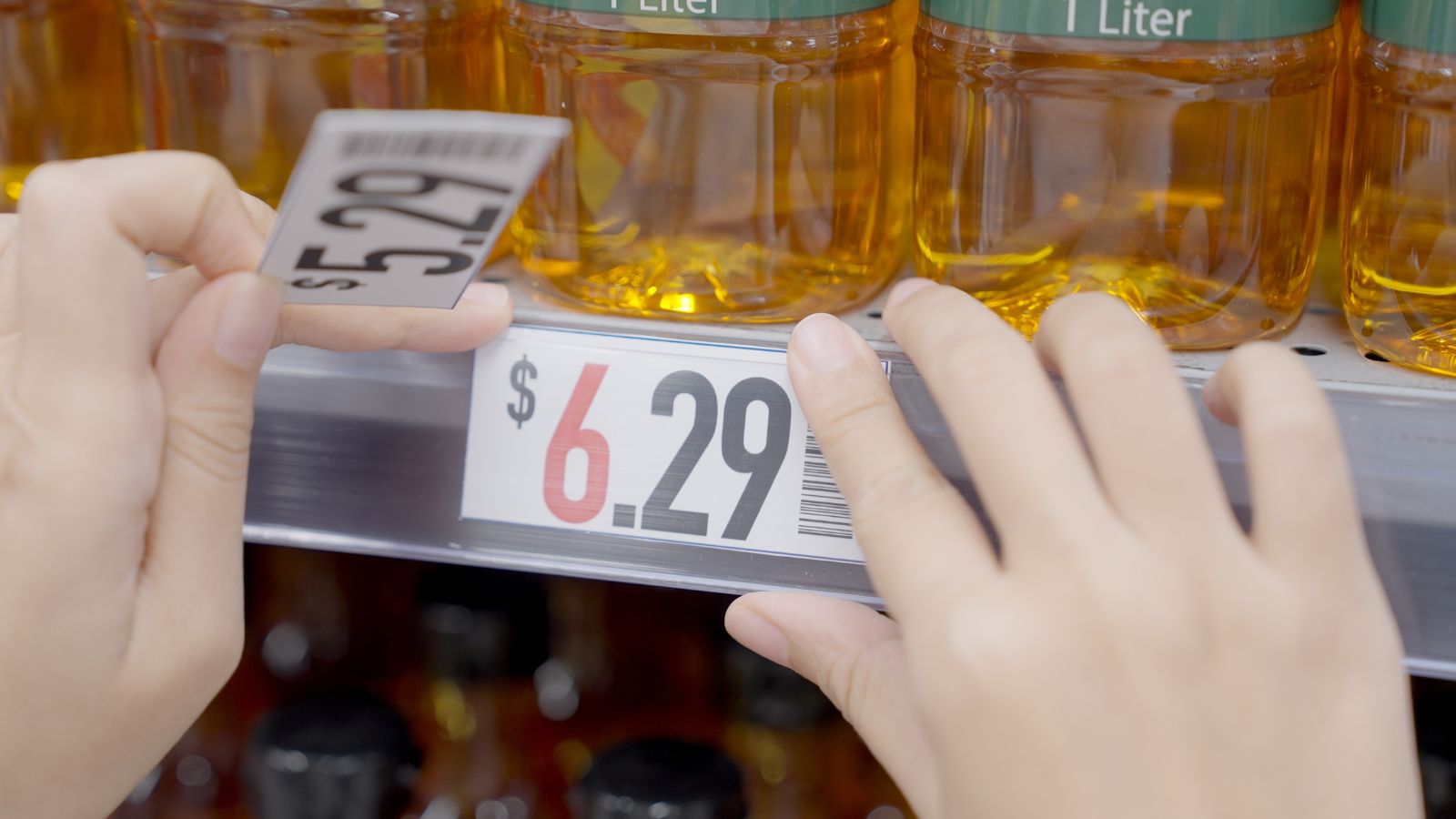
A shopper may see a flyer sale, a loaded loyalty offer and a coupon and assume all three will combine. Sometimes they do; sometimes the terms block the combination. Scene+ specifically warns that some grocery offers cannot be combined with other promotions. PC Optimum also uses promotion-specific rules, and some of its program benefits cannot be combined with certain store-wide or department-wide bonus offers.
Treat stacking as a bonus only after the terms confirm it for that purchase. This is important with high-value offers, where the difference between stacking and not stacking can change which store is cheapest. If a loyalty bonus disappears because another coupon was used, the effective price may end up worse than expected. Shoppers who plan carefully can screenshot the loaded offer, note any coupon restrictions and check the receipt before leaving. Promotions are marketing tools with separate rules, not building blocks that always snap together.
Returns Can Change the Reward Math

Points earned from a purchase should not be treated as permanently locked in when a transaction is later reversed. Scene+ program and banking terms exclude returns, refunds and similar credits from eligible purchases in applicable earning arrangements, and some Scene+ redemption terms also make particular point-redemption transactions final or subject to special return rules. In other words, the reward outcome can change when the purchase changes.
For groceries this matters with higher-value household items, pharmacy merchandise, seasonal goods or online orders refunded afterward. A shopper who earned a threshold bonus on a large basket should not assume the points remain untouched if a substantial part of that transaction is returned or credited. The exact treatment depends on the offer and partner, so the receipt and program terms matter. When a return is necessary, checking the points balance afterward can catch an unexpected adjustment before it becomes harder to trace later.
Online Grocery Offers May Add Promo-Code Rules

Online grocery shopping can use the same loyalty currency while adding a different layer of mechanics. Scene+ says Voilà customers can earn through website offers, coupon codes, bonus-point promotions, marked products and spend-based deals. It also warns that some promotions require a promo code at checkout. PC Express promotes online access to PC Optimum offers and grocery deals, showing digital ordering is integrated with loyalty but still governed by offer-specific rules.
That extra step is easy to miss because the loyalty account may already be linked. A member can be signed in, see the points program recognized, and still fail to trigger a particular online promotion if the required code was never entered. Before submitting an order, check the promotional banner, the offer details and the final order summary carefully. Online convenience does not eliminate loyalty fine print; sometimes it adds another place where the offer must be activated correctly.
Excluded Categories Can Quietly Break an Offer

Not every dollar that passes through a grocery checkout is treated as eligible loyalty spending. Scene+ grocery troubleshooting material notes that some offers exclude gift cards, tobacco or alcohol. Voilà’s published terms go further for weekly Scene+ offers, listing exclusions that include taxes, delivery charges, bill payments, service fees, rental fees, event tickets and gift cards, among other categories.
This matters because grocery stores sell far more than food. A shopper might add a gift card, pay a delivery fee or include another excluded category and assume the entire receipt contributes to a “spend $X” target. It may not. The best way to judge a threshold offer is to total the eligible merchandise, not the payment total at the bottom of the screen. When the basket is close to the required amount, one excluded item can be the difference between receiving a large bonus and receiving no bonus at all.
Personalized Deals Come From Personal Shopping Data

Personalized loyalty offers are not produced in a vacuum. Scene+ says its privacy practices include collecting transaction information such as purchase date, purchase amount, merchant name and point-of-sale location. Its grocery program also says weekly offers can be based on usual shopping habits. PC Optimum similarly describes offers tailored to the products members buy most and directs members to its privacy policy for more information about personalization.
For consumers, that creates a straightforward value exchange: more relevant discounts can come with more detailed tracking of shopping behaviour. Some Canadians will consider that worthwhile; others may prefer to limit the amount of data tied to a loyalty account. Either way, it is useful to understand the trade before treating personalized offers as “free money.” Reading privacy settings, reviewing communication preferences and knowing what information is connected to the loyalty profile can be just as important as checking the point balance regularly.
Linking the Correct Account Is Part of the Offer
A loyalty number and a grocery app login are not always automatically connected. Scene+ provides a specific process for linking a Scene+ card to a grocery account and says the connection helps members earn rewards and personalized offers. Its instructions include verifying the card, loading offers through the grocery platform and scanning the linked Scene+ card at checkout.
This creates a common failure point for households with old cards, multiple emails or several grocery apps. An offer may be loaded to one digital profile while a different card number is scanned at the register. From the shopper’s perspective, everything looked active; from the loyalty system’s perspective, the pieces did not match. Before relying on a valuable promotion, members should confirm that the card number in the app is the same membership being presented at checkout. Account housekeeping is boring, but it can be worth more than a last-minute coupon hunt.

Pooling points can make rewards easier to reach, but it also changes who effectively controls the balance. PC Optimum’s household terms say members are responsible for discussing redemptions with one another and explain that redemptions draw points from household members according to their balances. The program also limits its liability for disputes between household members over the use of pooled points.
For families, joining a shared household should be treated as a financial convenience, not merely an app feature with consequences. A teenager buying snacks, a partner doing the weekly shop or an adult child living elsewhere may all interact with the same pool depending on the setup. Households can avoid unpleasant surprises by agreeing on when points should be saved, who can redeem them and whether a large redemption needs discussion first. The bigger the balance becomes, the more useful those simple rules become for everyone involved each week.
Keep the Receipt and the Offer Details

When points go missing, memory is weak evidence. Scene+ tells grocery members whose points have not appeared after the normal posting window to contact Member Services with a photo of the receipt and the offer details. Its troubleshooting guidance also suggests checking whether the correct product was purchased, whether the offer was loaded and whether exclusions applied.
That makes documentation part of the savings strategy. For a routine 100-point bonus, few people will bother documenting everything carefully. For a large spend-threshold offer or a promotion worth several dollars, taking a screenshot before checkout and keeping the receipt until the points post can save a lot of back-and-forth. The screenshot clearly captures the terms as they appeared when the purchase was made; the receipt proves the eligible items and transaction time. Together they make it much easier to explain exactly what should have happened if the reward never arrives at all.
Bonus Points May Not Appear Right Away
A missing reward is not always a failed reward. Scene+ says most grocery points usually appear within 48 hours, but promotional offers may take longer. Its current grocery troubleshooting guidance says some basket and spend-based bonuses can take as long as six weeks after an offer ends to be added. PC Optimum’s terms also note that some points may not be recorded on the receipt at the time of the transaction.
That timing matters because shoppers often judge an offer seconds after payment. If the register does not show the bonus, it is tempting to assume something went wrong. The better approach is to check the specific posting terms before contacting support or buying the item again. A calendar note—offer, date, expected points and latest posting date—can help frequent loyalty users track larger bonuses without constantly checking the app. Patience is useful, but only when paired with a documented deadline.
Treat Loyalty Points Like Something Worth Protecting

A grocery points balance can represent real purchasing power, so account security deserves more attention than many shoppers give it. Scene+ advises members to monitor balances and redemption emails, avoid suspicious links and report unrecognized activity quickly. It also says a lost physical card can potentially be used to redeem points and should be reported promptly. Its terms require members to take reasonable steps to protect passwords and accounts.
The practical habits are familiar: use a unique password, keep contact information current, review transactions and react quickly to an unexpected redemption notification. Shared family accounts need extra care because more cards and devices can create more points of exposure. A loyalty balance may feel less serious than a bank account, but a large grocery redemption can still easily cover a meaningful portion of a household’s weekly food bill. Protecting those points is part of protecting the financial value already earned.
The Best Offer Is the One That Lowers the Grocery Bill

Loyalty programs are designed to influence purchasing behaviour, not simply hand out discounts. Research on a major grocery retailer found that introducing a loyalty program produced immediate increases in sales and profits across categories. Newer consumer research also examines how threshold-style promotions can affect purchase intentions and spending amounts. That does not make loyalty offers bad; shoppers should evaluate them from their own side of the transaction.
A useful test is to calculate the final effective cost without changing the shopping list. If a household planned to spend $70 and a “spend $100, get $10 in points” offer causes an extra $30 of unnecessary purchases, the reward has not created a net saving. By contrast, earning the same $10 on a planned $100 stock-up is genuine value. The strongest loyalty habit is simple: compare unit prices, buy what is needed, and let points reward the plan rather than rewrite it.
16 Costco Canada Habits That Could Be Costing Shoppers More Than They Save
The Executive Membership can feel like an obvious upgrade because the 2% annual reward sounds straightforward. For households that spend heavily at Costco Canada, the extra fee may be easy to justify. But the habit becomes costly when shoppers upgrade first and calculate later. A Gold Star Membership costs less, while Executive costs more and only pays off if eligible annual spending is high enough to offset the difference.
16 Costco Canada Habits That Could Be Costing Shoppers More Than They Save
This Options Discord Chat is The Real Deal
While the internet is scoured with trading chat rooms, many of which even charge upwards of thousands of dollars to join, this smaller options trading discord chatroom is the real deal and actually providing valuable trade setups, education, and community without the noise and spam of the larger more expensive rooms. With a incredibly low-cost monthly fee, Options Trading Club (click here to see their reviews) requires an application to join ensuring that every member is dedicated and serious about taking their trading to the next level. If you are looking for a change in your trading strategies, then click here to apply for a membership.