
35,000+ smart investors are already getting financial news, market signals, and macro shifts in the economy that could impact their money next with our FREE weekly newsletter. Get ahead of what the crowd finds out too late. Click Here to Subscribe for FREE.
Cottage season has a way of making ordinary weekends feel bigger: quieter mornings, longer dinners, and lakeside plans that look simple until the booking details appear. Across Canada, cottage rentals can range from rustic cabins with well water and septic systems to luxury lakefront homes with strict house rules, local bylaws, and layered fees. Knowing the right questions before confirming a stay can prevent expensive surprises, safety issues, and disappointed expectations. These 19 things Canadians should know before renting a cottage cover the practical details that matter most, from licensing and deposits to water safety, wildlife, insurance, and what “lake access” really means.
Check Whether the Rental Is Legal Where It’s Listed
19 Things Canadians Should Know Before Renting a Cottage
- Check Whether the Rental Is Legal Where It’s Listed
- Understand That “Cottage” Can Mean Very Different Things
- Look Beyond the Nightly Rate
- Read the Cancellation Policy Like a Contract
- Be Careful With Deposits and Damage Claims
- Confirm the Water Source Before Anyone Drinks It
- Learn How the Septic System Works
- Check Fire Rules Before Lighting Anything
- Make Sure Smoke and Carbon Monoxide Alarms Are Present
- Ask What “Lake Access” Actually Means
- Treat Boats, Canoes, and Paddleboards as Safety Equipment
- Know the Rules for Guests, Parties, and Noise
- Confirm Cell Service and Internet Before Planning Remote Work
- Plan for Power Outages and Rural Emergencies
- Ask About Pets Before Assuming They Are Welcome
- Take Wildlife and Garbage Rules Seriously
- Review Accessibility Before Booking
- Know What to Bring Because Stores May Be Far Away
- Watch for Scam Signals Before Sending Money
- 19 Things Canadians Don’t Realize the CRA Can See About Their Online Income

Short-term rental rules have become much more local in Canada, and cottages are not exempt simply because they sit outside a city. Some municipalities require hosts to hold a licence, follow zoning rules, limit occupancy, display registration numbers, or meet fire and parking standards. In popular cottage regions, these rules can change quickly as communities respond to noise complaints, housing pressures, and increased visitor traffic.
For renters, the legal status matters because a non-compliant property can create real disruption. A booking may look secure online, but local enforcement, neighbour complaints, or missing permits can still affect the stay. A careful renter asks whether the host is licensed, whether the listing matches the municipality’s rules, and whether the rental agreement names the exact property owner or authorized manager. A cottage that avoids those questions may not be worth the risk, even if the view looks perfect.
Understand That “Cottage” Can Mean Very Different Things

In Canada, the word “cottage” covers a wide range of properties. One listing may describe a fully winterized lake house with reliable internet, laundry, and municipal-style services. Another may mean a three-season cabin with a composting toilet, limited heat, no dishwasher, and a steep walk from the parking area. Both can be enjoyable, but they are not the same experience.
This distinction matters especially for families, older guests, remote workers, and anyone bringing small children. A rustic property may have charming wood walls and a canoe at the dock, but it may also require hauling drinking water, managing a wood stove, or using stairs to reach the lake. Photos often highlight sunsets and decks, not the gravel road, narrow driveway, or low water pressure. Before booking, renters should read the entire listing slowly and ask direct questions about heat, beds, bathrooms, water source, road access, and the distance from parking to the door.
Look Beyond the Nightly Rate

The advertised nightly rate rarely tells the full cottage-rental story. Cleaning fees, service fees, pet fees, linen charges, extra guest charges, firewood costs, boat rentals, damage deposits, and local accommodation taxes can push the final price much higher than the headline number. A cottage that appears cheaper at first glance may cost more once the checkout page adds every required charge.
This is especially common during peak summer weeks, long weekends, and school breaks, when demand is high and hosts have little reason to discount. A family comparing two cottages should calculate the total stay price, not just the nightly price. A practical example: one cottage may charge more per night but include linens, kayaks, firewood, and cleaning, while another charges separately for each. The better value may not be obvious until the full invoice is reviewed. Screenshots of the final price, cancellation terms, and included amenities can also help if a disagreement arises later.
Read the Cancellation Policy Like a Contract

Cottage trips are often booked months ahead, which makes cancellation terms more important than many renters realize. A rainy forecast, illness, wildfire smoke, car trouble, or changed work plans may not automatically qualify for a refund. Some hosts offer flexible policies, while others provide little or no refund after a certain deadline. Platform rules may also differ from the host’s own written agreement.
The biggest mistake is assuming that a reasonable reason will produce a reasonable refund. A family that books a July lakefront stay in February may be committing hundreds or thousands of dollars long before weather, schedules, or travel conditions are known. Renters should check the date when refund eligibility changes, whether cleaning fees are refundable, whether service fees are returned, and whether documented emergencies are treated differently. Travel insurance may help in some situations, but only if the reason for cancellation is covered. The policy should be understood before payment, not during a stressful week.
Be Careful With Deposits and Damage Claims

Damage deposits are common in cottage rentals because rural properties often contain expensive items: docks, boats, hot tubs, septic systems, fireplaces, screened porches, and outdoor furniture. Some platforms hold a card on file, while others may collect a refundable deposit in advance. The return timeline can vary, and disputes may require photos, messages, or platform review.
Renters should document the property at arrival and departure, especially for high-risk areas such as docks, screens, hot tubs, appliances, and floors. A quick phone video can show existing scratches, stains, broken blinds, or missing items. This may feel excessive during a happy arrival, but it can be useful if a claim appears days later. Guests should also report problems immediately instead of waiting until checkout. A cracked canoe paddle or leaking fridge is easier to explain when the host is told right away. Silence can make accidental damage look like negligence.
Confirm the Water Source Before Anyone Drinks It

Many Canadian cottages rely on private wells, lake-drawn systems, holding tanks, or filtered water rather than municipal drinking-water systems. Private well water can be safe, but it requires testing and maintenance. A listing that says “drinkable water” should still be followed by questions about the source, filtration system, and most recent test results.
This issue becomes more important after heavy rain, flooding, wildfire, spring melt, drought, or long periods when the cottage has not been used. Families with infants, pregnant guests, older adults, or immune-compromised travellers should be especially cautious. Some renters choose to bring bottled water for drinking and cooking even when the host says the water is fine. That may be inconvenient, but it is better than discovering halfway through the weekend that the tap water tastes metallic, smells unusual, or comes with a boil-water instruction taped inside a cupboard.
Learn How the Septic System Works

A large share of rural and cottage properties are not connected to municipal sewers. Instead, they rely on septic systems that can be sensitive to heavy water use, grease, wipes, sanitary products, and too many guests. A septic backup during a cottage stay is not just unpleasant; it can become expensive and may create a health concern.
Renters should treat septic instructions as serious house rules, not casual suggestions. Spacing out showers, avoiding long laundry cycles, keeping grease out of the sink, and flushing only toilet paper can help protect the system. Guests should also pay attention to occupancy limits because septic capacity is one reason those limits exist. A cottage advertised for eight people may not handle a surprise group of 14, even if there is room on the floor. When a host leaves signs about water use or bathroom rules, it usually reflects experience rather than fussiness.
Check Fire Rules Before Lighting Anything

Campfires are part of the cottage image, but they are also heavily affected by local fire bans, wind conditions, municipal bylaws, and wildfire risk. A fire pit in the listing photos does not guarantee that fires are allowed during the stay. In dry periods, bans can arrive quickly and may apply even when the lake looks calm and the evening feels cool.
Renters should check the local municipality or provincial fire-risk updates before burning wood, using fireworks, or lighting outdoor cooking equipment near dry grass or trees. They should also confirm whether the cottage has a safe fire pit, a water source nearby, and clear instructions for ashes. A family that arrives with marshmallows and firewood may be disappointed by a ban, but ignoring one can lead to fines, neighbour complaints, or far worse. Fire safety is one of those cottage details that only seems small until conditions change.
Make Sure Smoke and Carbon Monoxide Alarms Are Present

Cottages often use wood stoves, propane appliances, fireplaces, generators, barbecues, and fuel-burning heaters. That makes smoke and carbon monoxide protection essential. Carbon monoxide is especially dangerous because it cannot be seen or smelled, and symptoms may be mistaken for fatigue, flu, or a bad night’s sleep.
Renters should look for smoke alarms, carbon monoxide alarms, fire extinguishers, and posted emergency information shortly after arrival. If a cottage has sleeping areas on multiple levels, alarms near those spaces matter. Guests should never run a generator indoors, use a barbecue inside a screened porch, or assume an old alarm still works. Some experienced travellers bring a portable carbon monoxide alarm, especially when staying in remote or older properties. It is a small item, but it can provide peace of mind in places where heating and cooking systems are unfamiliar.
Ask What “Lake Access” Actually Means

“Lake access” can mean private waterfront, a shared dock, a public boat launch nearby, a rocky shoreline, a weedy swimming area, or a steep path down a hill. The phrase sounds simple, but it can shape the entire vacation. Families expecting shallow sandy entry may be surprised by deep water, slippery rocks, boat traffic, or no safe place for young children to wade.
Before booking, renters should ask whether the waterfront is private or shared, how far it is from the cottage, whether stairs are involved, whether swimming is safe, and whether water shoes are recommended. Photos should show the shoreline, not only the lake view from the deck. A cottage with a gorgeous sunset may still be a poor fit for guests hoping to swim all day. The best listings are clear about waterfront realities because they understand that a lake can be beautiful and inconvenient at the same time.
Treat Boats, Canoes, and Paddleboards as Safety Equipment

A canoe pulled onto the shore or a paddleboard leaning against the boathouse can make a rental feel instantly more appealing. Still, watercraft come with responsibilities. Canadian boating rules, lifejacket requirements, weather changes, cold water, alcohol, and unfamiliar lake conditions all matter. A calm morning paddle can become risky when wind rises or motorboat traffic increases.
Renters should confirm what watercraft are included, whether lifejackets are provided in proper sizes, and whether guests need specific certification to operate any motorized boat. They should also ask about local hazards such as rocks, shallow areas, strong currents, or sudden drop-offs. Alcohol and boating should not be mixed, even on a quiet lake. A cottage weekend can turn quickly when guests treat a canoe like a toy instead of a vessel. The safest hosts provide clear rules, basic gear, and honest warnings about the water.
Know the Rules for Guests, Parties, and Noise

Cottage communities may feel relaxed, but many have strict expectations around noise, parking, fireworks, and the number of people on a property. Platforms and hosts also commonly restrict parties, extra guests, and unregistered visitors. These rules are not only about manners; they can be tied to insurance, septic capacity, municipal licensing, and neighbour relations.
Renters should make sure the booked group matches the approved guest count. Adding a few friends for dinner may seem harmless, but it can breach the rental agreement if the host or municipality limits occupancy. Noise also carries farther across water than many visitors expect. A speaker on a dock can be heard clearly by people several cottages away. The safest approach is to clarify daytime visitors, quiet hours, parking spaces, and firework rules before arrival. A cottage is still part of a community, even when it feels private.
Confirm Cell Service and Internet Before Planning Remote Work

Many cottage areas still have uneven cell reception and unreliable internet, especially around lakes, heavily treed roads, and remote shorelines. A listing may advertise Wi-Fi, but that does not always mean video-call quality, unlimited data, or service during storms and power outages. For guests hoping to work remotely, this can be the difference between a peaceful week and a stressful one.
Renters should ask about internet type, speed, data limits, cell carriers that work best, and whether outages are common. A host who says “good enough for email” may not mean “good enough for three people on video calls.” Families with teenagers may also want to know whether streaming is realistic or whether evenings will be more board games than Netflix. That can be a benefit, but only when expectations are clear. A cottage can be wonderfully offline; problems arise when renters discover that too late.
Plan for Power Outages and Rural Emergencies
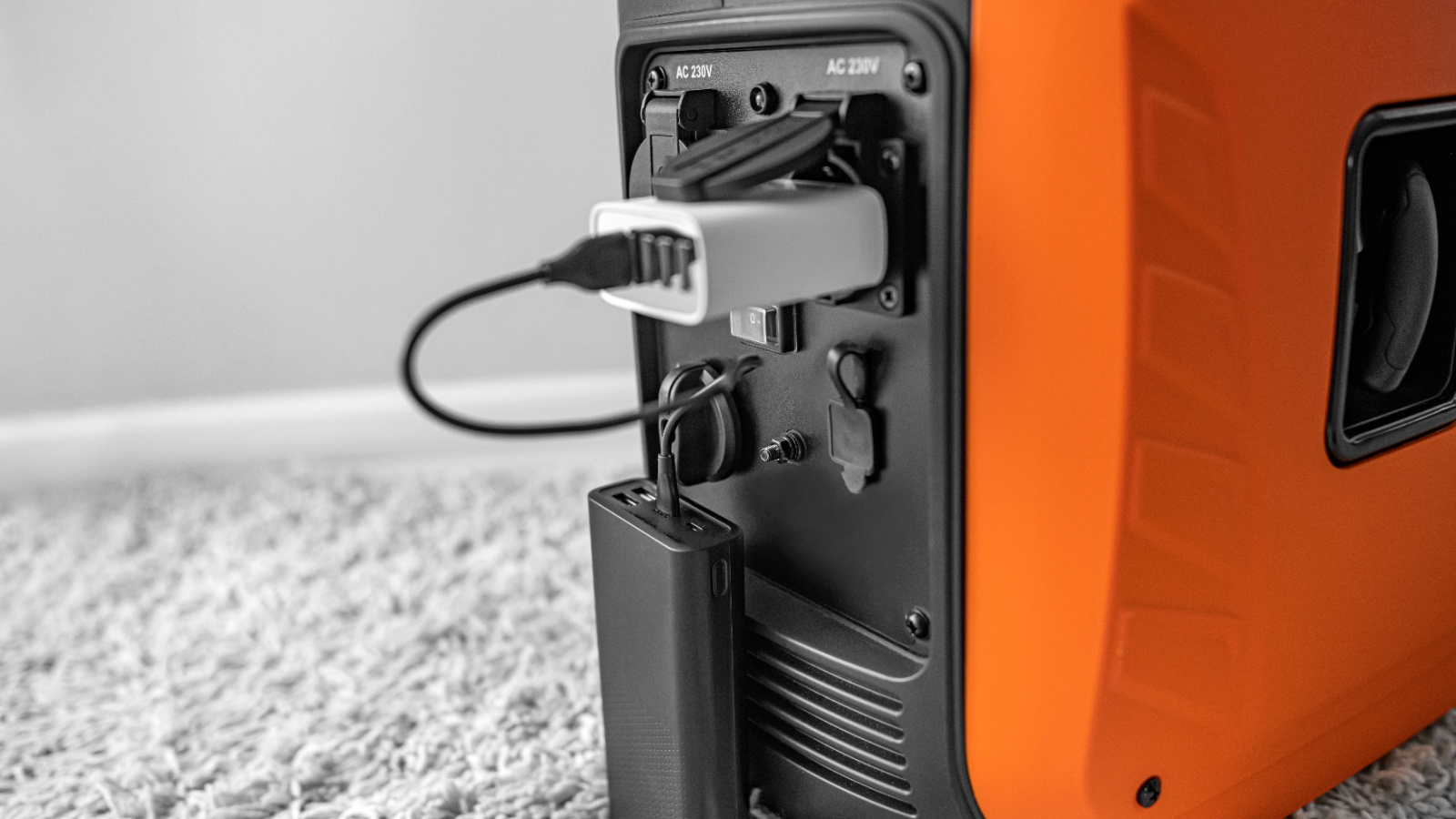
Cottage country is more exposed to outages caused by storms, high winds, trees, wildfire conditions, and winter weather. A property may have a generator, but renters should know whether guests are allowed to use it, what it powers, and where fuel is stored. In some remote areas, emergency response can also take longer than in urban neighbourhoods.
Renters should identify the nearest hospital, urgent care clinic, pharmacy, grocery store, gas station, and public road before settling in. A written civic address is especially important because rural properties can be hard to describe during an emergency. The fridge may be full, the lake may be calm, and the weekend may feel far from risk, but a cut foot, allergic reaction, or power failure can change priorities quickly. A cottage stay is more relaxing when basic backup plans are already known.
Ask About Pets Before Assuming They Are Welcome

Pet-friendly does not always mean fully pet-ready. Some cottages allow dogs but restrict size, breed, number of pets, furniture access, shoreline use, or leaving animals unattended. Others charge pet fees or require extra cleaning. In wildlife-heavy areas, pets may also attract attention from bears, coyotes, raccoons, porcupines, or ticks.
Renters bringing pets should ask about fencing, nearby roads, stairs to the water, local leash rules, and whether there have been wildlife encounters around the property. A dog that behaves perfectly at home may react differently to chipmunks under the deck or loons calling at night. It is also worth checking for tick prevention before travelling, especially in wooded and grassy cottage regions. Pet policies are not just about protecting furniture; they help protect animals, neighbours, and local wildlife. Clear expectations make the stay easier for everyone.
Take Wildlife and Garbage Rules Seriously
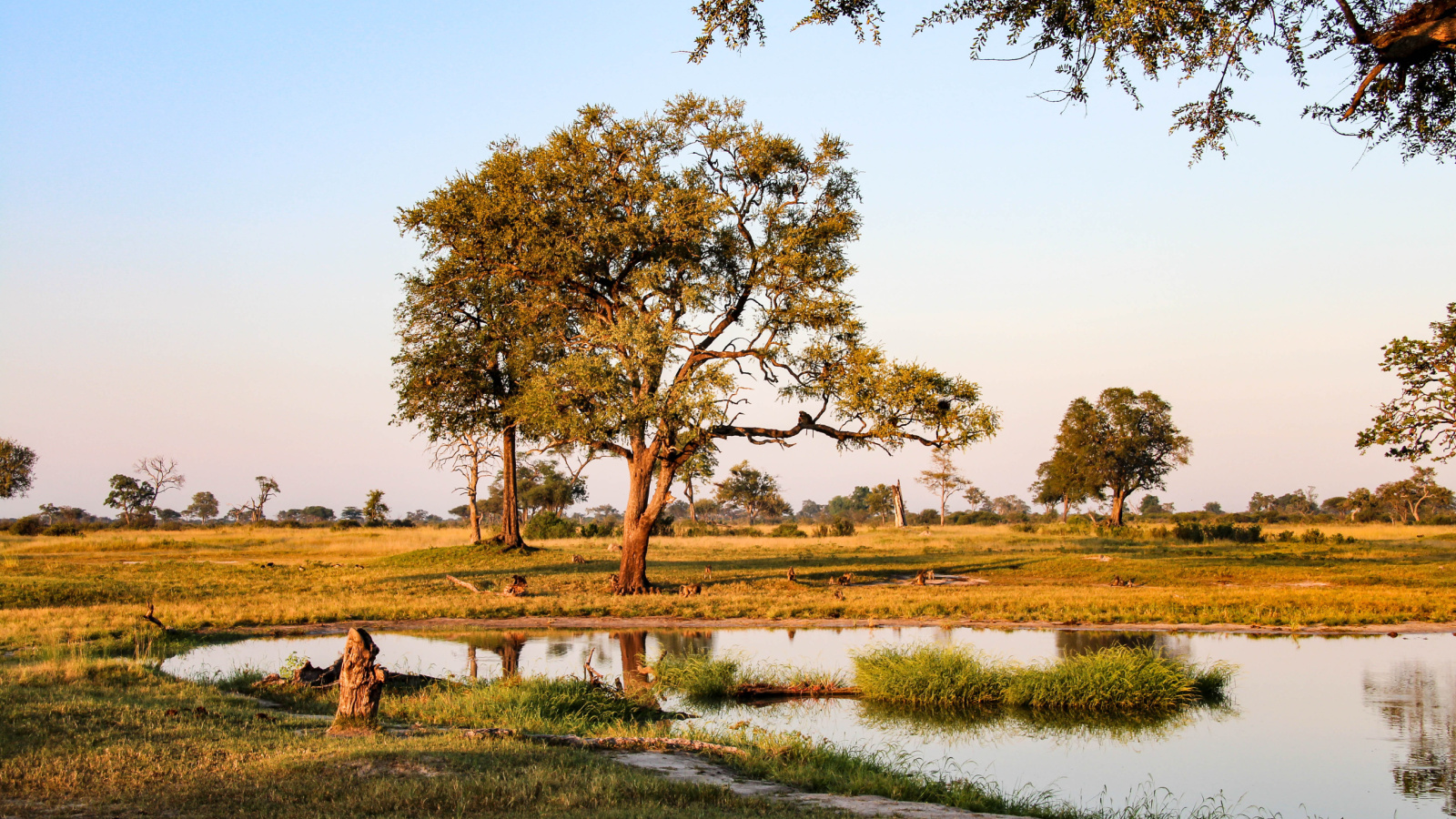
Canadian cottage areas often overlap with habitat for bears, raccoons, foxes, coyotes, skunks, mice, and other wildlife. Food scraps, dirty barbecues, unsecured garbage, pet food, and coolers left outside can attract animals quickly. Once wildlife associates a property with food, the problem can continue after the renters leave.
Guests should follow the host’s garbage instructions exactly, even if they seem inconvenient. That may mean storing waste indoors, using bear-resistant bins, taking garbage to a transfer station, or freezing food scraps until pickup day. Barbecues should be cleaned after use, and coolers should not sit outside overnight. Children may find wildlife sightings exciting, but feeding animals or leaving snacks on the deck can create dangerous habits. A clean cottage property helps protect both guests and animals, which is why experienced cottage owners tend to be strict about waste.
Review Accessibility Before Booking

Cottages can be challenging for guests with mobility needs, older relatives, toddlers, or anyone recovering from an injury. Listings may not clearly show uneven paths, narrow stairs, low railings, gravel driveways, dock ladders, loft bedrooms, or bathrooms located far from sleeping areas. A cottage that looks spacious in photos may still be difficult to navigate.
Renters should ask practical questions: Are there stairs from the driveway? Is there a bedroom and bathroom on the main floor? Is the shower a tub-shower combination? Is the path to the dock steep? Are railings secure? Is the driveway suitable for low-clearance vehicles? These details rarely ruin the charm of a property when known in advance, but they can create serious frustration when discovered on arrival. A beautiful cottage is only a good fit if the people staying there can move around safely and comfortably.
Know What to Bring Because Stores May Be Far Away

Unlike hotel stays, cottage rentals often require guests to bring more than clothes and toiletries. Linens, towels, drinking water, paper products, pantry staples, bug spray, sunscreen, lifejackets for children, flashlight batteries, medication, and basic first-aid supplies may not be provided. Rural stores may close early, charge more, or be a long drive from the property.
A good packing list should be based on the specific cottage, not assumptions. Renters should ask what is included in the kitchen, whether beds have sheets, whether towels are supplied, whether there is a coffee maker, and whether the barbecue uses propane or charcoal. One common cottage-country mistake is arriving after dark with no groceries, no kindling, and no idea where the nearest open store is. Planning ahead preserves the relaxed feeling that made the rental appealing in the first place.
Watch for Scam Signals Before Sending Money

Cottage-rental scams tend to rise when demand is high and availability is low. Warning signs include unusually low prices, pressure to pay quickly, requests for wire transfers or e-transfers outside a trusted platform, copied photos, vague addresses, missing reviews, and hosts who avoid direct questions. A real cottage may even be used in a fake listing if photos are stolen from another site.
Renters should verify the property, search images when something feels off, read reviews carefully, and keep communication within reputable booking systems when possible. If booking privately, the agreement should include the owner’s legal name, address, payment terms, cancellation policy, and contact information. A bargain cottage that requires immediate payment to “hold the week” deserves caution. The emotional pull of a perfect summer getaway can make people act fast, which is exactly what scammers rely on.
19 Things Canadians Don’t Realize the CRA Can See About Their Online Income

Earning money online feels simple and informal for many Canadians. Freelancing, selling products, and digital services often start as side projects. The problem appears at tax time. Many people underestimate how much information the CRA can access. Online platforms, banks, and payment processors create detailed records automatically. These records do not disappear once money hits an account. Small gaps in reporting add up quickly.
Here are 19 things Canadians don’t realize the CRA can see about their online income.
This Options Discord Chat is The Real Deal
While the internet is scoured with trading chat rooms, many of which even charge upwards of thousands of dollars to join, this smaller options trading discord chatroom is the real deal and actually providing valuable trade setups, education, and community without the noise and spam of the larger more expensive rooms. With a incredibly low-cost monthly fee, Options Trading Club (click here to see their reviews) requires an application to join ensuring that every member is dedicated and serious about taking their trading to the next level. If you are looking for a change in your trading strategies, then click here to apply for a membership.