
35,000+ smart investors are already getting financial news, market signals, and macro shifts in the economy that could impact their money next with our FREE weekly newsletter. Get ahead of what the crowd finds out too late. Click Here to Subscribe for FREE.
Summer moves can look simple from a distance: a new address, a few boxes, and a fresh start. In Canada, though, renting during the warmest months often means tighter timelines, higher demand near schools and job centres, and a long list of details that are easy to miss when keys, deposits, movers, utilities, and paperwork all collide at once.
These 19 checks focus on the practical issues that can shape the first months in a new rental, from lease wording and deposits to cooling, internet access, pest history, insurance, and moving scams. A careful review before moving day can prevent costly surprises and make the transition feel less rushed.
Lease Terms That Do Not Match the Conversation
19 Things Canadian Renters Should Check Before Moving This Summer
- Lease Terms That Do Not Match the Conversation
- Whether the Rent Is the Real Monthly Cost
- Deposit Rules in the Province or Territory
- Move-In Inspection and Photo Evidence
- Utility Setup and Meter Readings
- Tenant Insurance Requirements and Coverage
- Cooling, Heat, and Summer Comfort
- Mould, Moisture, and Ventilation
- Pest History and Treatment Records
- Smoke and Carbon Monoxide Alarms
- Parking, Storage, and Bike Access
- Internet, Cell Signal, and Work-From-Home Reliability
- Appliances, Laundry, and Everyday Wear
- Building Rules for Pets, Roommates, Guests, and Subletting
- Local Transit, Commute, and Summer Construction
- Rental Listing and Payment Scams
- Moving Company Quotes and Surprise Fees
- Mail Forwarding and Address Updates
- Notice Requirements at the Current Rental
- 19 Things Canadians Don’t Realize the CRA Can See About Their Online Income

A rental can sound perfect during a showing, then look very different once the lease appears. Before signing, renters should compare every promise made by text, email, or conversation against the written agreement. This includes parking, storage, laundry, utilities, air conditioning, pets, smoking rules, move-in date, included appliances, and any incentive such as one month free rent.
This matters because provincial tenancy rules usually rely heavily on what is written, not what was casually discussed. A renter who was told hydro was included may face a surprise bill if the lease says otherwise. One common example is a basement suite advertised with “shared laundry,” only for the lease to restrict laundry to certain days or charge extra. Summer moves move quickly, but a missing clause can last all year.
Whether the Rent Is the Real Monthly Cost

The advertised rent is only the starting number. Renters should calculate the full monthly cost before deciding a place is affordable. That means rent plus hydro, heat, water, internet, tenant insurance, parking, storage, laundry, transit, pet fees where legal, and any seasonal charges for air conditioning or block-heater plugs.
Recent rental data has shown that renters who move often pay more than long-standing tenants, which makes the first lease decision especially important. A $2,150 apartment can quietly behave like a $2,500 apartment once utilities, parking, and internet are added. In cities where vacancy rates have loosened, some landlords may offer incentives, but renters should check whether the discount is temporary. A one-month rebate may help at move-in, but the regular rent determines the long-term budget.
Deposit Rules in the Province or Territory

Deposit rules are not the same across Canada, and renters should check the rules for the province or territory where the unit is located. Ontario generally allows a last month’s rent deposit and a refundable key deposit, but not a damage or pet deposit. British Columbia allows security deposits and, where pets are permitted, pet damage deposits, with limits. Quebec generally does not allow landlords to require security deposits.
This check is especially important during competitive summer rental periods, when some applicants feel pressured to pay quickly. A student moving to Montreal, for example, may be asked for several months upfront by someone presenting it as “standard practice.” In another province, a damage deposit may be legal but capped. Knowing the local rule helps renters spot improper demands before money leaves their account.
Move-In Inspection and Photo Evidence

A move-in inspection can feel tedious when boxes are stacked at the door, but it can protect hundreds or thousands of dollars later. Renters should document wall marks, cracked tiles, broken blinds, stains, appliance dents, missing screens, loose handles, and water damage before unpacking. Photos and videos should be time-stamped and stored somewhere easy to retrieve.
Several provinces place strong importance on condition inspection reports when disputes arise over deposits or damage claims. In British Columbia, move-in inspections are a formal part of the tenancy process. In Alberta, inspection reports are tied to whether deductions can be made from security deposits. A renter who takes five minutes to photograph a scratched floor may avoid being blamed for damage that existed before the couch arrived.
Utility Setup and Meter Readings

Utilities can create confusion during a move, especially in houses split into multiple units or older apartments with mixed billing arrangements. Renters should confirm which utilities are included, which accounts must be opened, whether the unit has a separate meter, and whether past balances could interfere with setup. Taking a meter photo on move-in day is a simple safeguard.
Electricity, natural gas, and water costs can change a rental budget quickly, particularly during hot summers or in poorly insulated units. A renter moving into a top-floor apartment may discover that portable air conditioning pushes hydro costs higher than expected. In shared-meter situations, the lease should explain how costs are divided. If the arrangement sounds vague, it should be clarified in writing before the tenancy begins.
Tenant Insurance Requirements and Coverage

Many landlords require proof of tenant insurance before handing over keys, but even when it is optional, renters should understand what it covers. Tenant insurance can protect personal belongings, liability, and additional living expenses if a covered event makes the unit temporarily unlivable. The landlord’s insurance normally protects the building, not the renter’s furniture, clothing, electronics, or personal liability.
This becomes real after events like kitchen fires, burst pipes, or smoke damage from a neighbouring unit. A renter may not own expensive furniture, but replacing a laptop, clothing, mattress, cookware, and temporary housing can still be financially painful. Policies differ, so renters should check deductibles, coverage limits, flood or sewer-backup exclusions, and whether roommates need separate policies.
Cooling, Heat, and Summer Comfort

Summer comfort is no longer a minor detail in many Canadian rentals. Renters should ask whether air conditioning is included, whether window or portable units are allowed, whether installation rules apply, and whether extra electricity charges are permitted. In some cities, local standards apply if a landlord provides cooling, but landlords are not always required to install it where it does not already exist.
A west-facing high-rise unit can feel very different in July than during an April showing. Renters should check window openings, ventilation, blackout curtain options, building rules for balcony units, and whether the electrical panel can safely handle portable cooling equipment. Heat is commonly treated as a vital service in rental housing, but cooling rules vary more widely, so assumptions can become expensive.
Mould, Moisture, and Ventilation

Mould problems are often easier to smell than to see. Renters should check under sinks, around window frames, behind toilets, near baseboards, around bathroom fans, inside closets on exterior walls, and below any previous water stains. A freshly painted wall or strong deodorizer is not proof of a healthy unit.
Health guidance in Canada emphasizes controlling moisture and addressing mould sources rather than simply covering visible growth. Poor ventilation can also make summer humidity worse, especially in basement suites and older buildings. A renter who sees swollen laminate, peeling paint near a shower, or condensation between window panes should ask what repairs were done and when. Written answers matter because “it was fixed last year” is difficult to prove later.
Pest History and Treatment Records

Pest issues can follow renters long after moving day. Before committing, renters should ask directly about bed bugs, cockroaches, mice, and recent treatments in the unit or building. They should also inspect mattress-sized wall gaps, baseboards, kitchen cabinets, under sinks, garbage rooms, laundry areas, and hallway corners.
In many jurisdictions, landlords are generally responsible for arranging treatment when infestations affect habitability, while tenants must cooperate with preparation instructions. The practical burden can still be heavy: laundering clothes, bagging belongings, clearing closets, or staying elsewhere during treatment. A renter touring a unit with sticky traps, pesticide odour, or unexplained brown spotting near baseboards should pause. Pest history is not just an inconvenience; it can affect health, sleep, finances, and belongings.
Smoke and Carbon Monoxide Alarms

Safety devices deserve attention before furniture blocks access. Renters should check that smoke alarms are installed, working, and placed where required. Carbon monoxide alarms should also be checked where fuel-burning appliances, fireplaces, or attached garages create risk. A quick test during the walkthrough can reveal missing batteries or expired units.
Rules vary by province and municipality, but Canadian fire safety guidance consistently emphasizes working alarms. In rental housing, landlords are commonly responsible for providing required alarms, while tenants may have duties such as not disabling them and reporting problems. A renter should never accept “the previous tenant removed it” as a final answer. Alarms are small devices, but they can become the most important equipment in the home.
Parking, Storage, and Bike Access

Parking and storage can become expensive afterthoughts. Renters should confirm whether parking is included, assigned, waitlisted, underground, outdoor, visitor-only, or charged separately. The same goes for lockers, bike rooms, stroller storage, and seasonal tire storage. If a space is shown during the tour, its number or location should appear in writing.
This matters because Canadian renters often discover the problem only after moving. A downtown tenant may find that street parking requires a municipal permit, while a suburban renter may learn that only one outdoor spot is included despite two drivers in the household. Bike storage can also be limited or subject to building rules. A vague promise of “parking available” should be treated differently from a lease that names the exact space.
Internet, Cell Signal, and Work-From-Home Reliability

Internet availability is not guaranteed just because a building has an address. Renters should check which providers serve the exact unit, what speeds are available, whether fibre or cable is actually installed, and how soon service can be activated. In large buildings, wiring, riser access, or exclusive provider arrangements can affect choices.
This is especially important for renters who work from home, study online, or rely on video calls. Canada’s broadband tools can show availability by area, but renters should still verify with providers using the specific address and unit number. Cell reception should also be tested during the showing, including inside bedrooms and basement areas. A beautiful rental becomes frustrating quickly when calls drop beside the desk.
Appliances, Laundry, and Everyday Wear
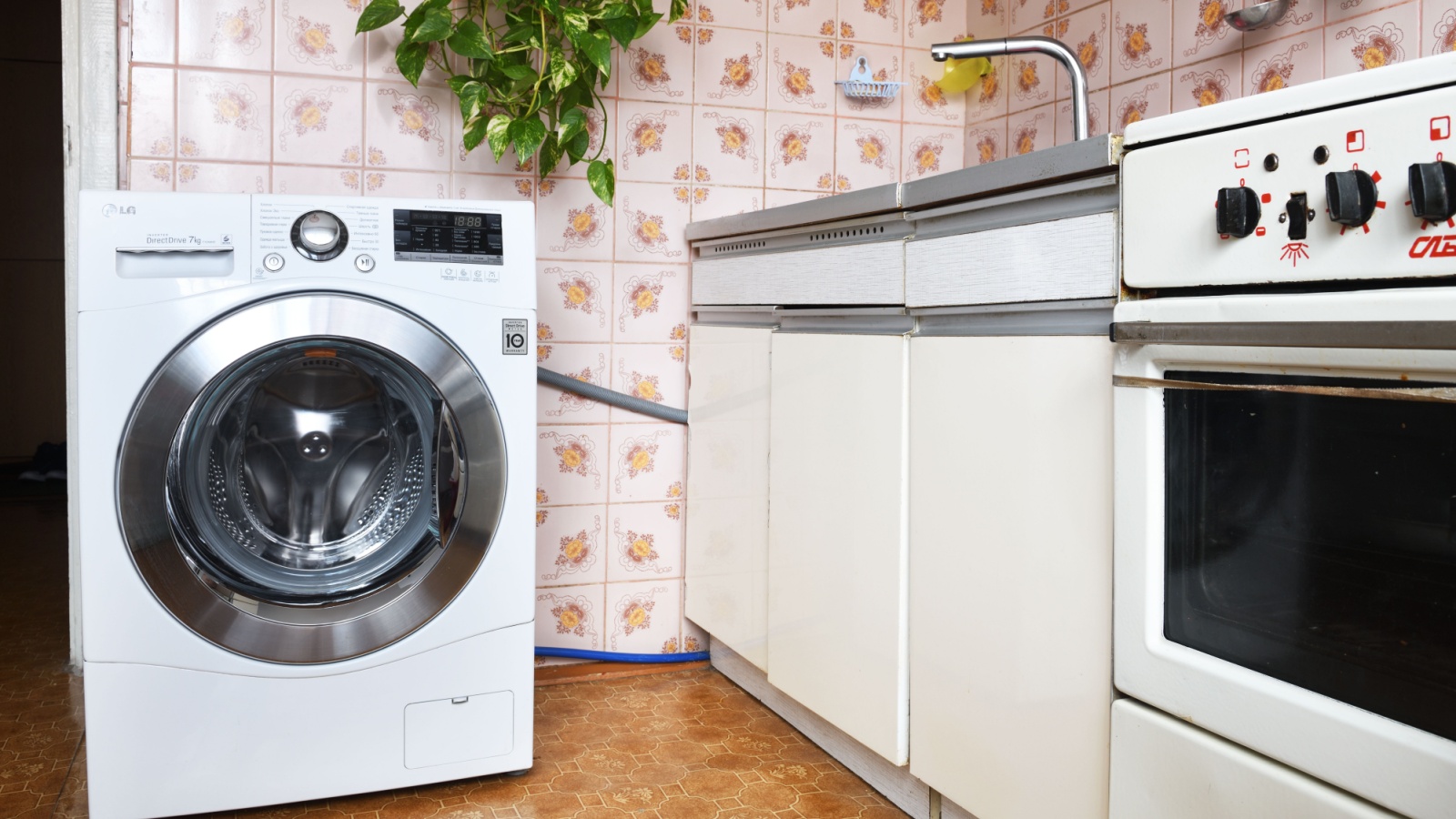
Appliances are easy to admire from a distance and easy to regret after move-in. Renters should test stove burners, oven heat, fridge temperature, freezer seal, dishwasher drainage, washer cycles, dryer lint access, bathroom fans, range hoods, and light switches. For shared laundry, hours, payment methods, machine count, and maintenance expectations should be checked.
This is less about perfection and more about avoiding immediate repair disputes. A fridge that runs warm in July can ruin groceries within days. A dryer that needs two cycles can double laundry costs. A landlord may promise to replace an appliance “soon,” but without a written timeline, the tenant may be stuck waiting. Photos of appliance condition and model numbers can also help if repairs are needed later.
Building Rules for Pets, Roommates, Guests, and Subletting

Lifestyle rules can be as important as rent. Renters should check rules for pets, additional occupants, guests, short-term guests, smoking, barbecues, balcony use, noise, common spaces, and subletting or assignment. These rules may come from the lease, condominium bylaws, strata rules, or building policies.
The legal effect of these rules varies across Canada. For example, pet restrictions may be treated differently depending on province and housing type. A renter moving with a dog, planning to add a roommate, or expecting family visits should not rely on assumptions. A clause that seems harmless at signing can become a conflict later. If a rule affects daily life, it deserves the same attention as the rent amount.
Local Transit, Commute, and Summer Construction
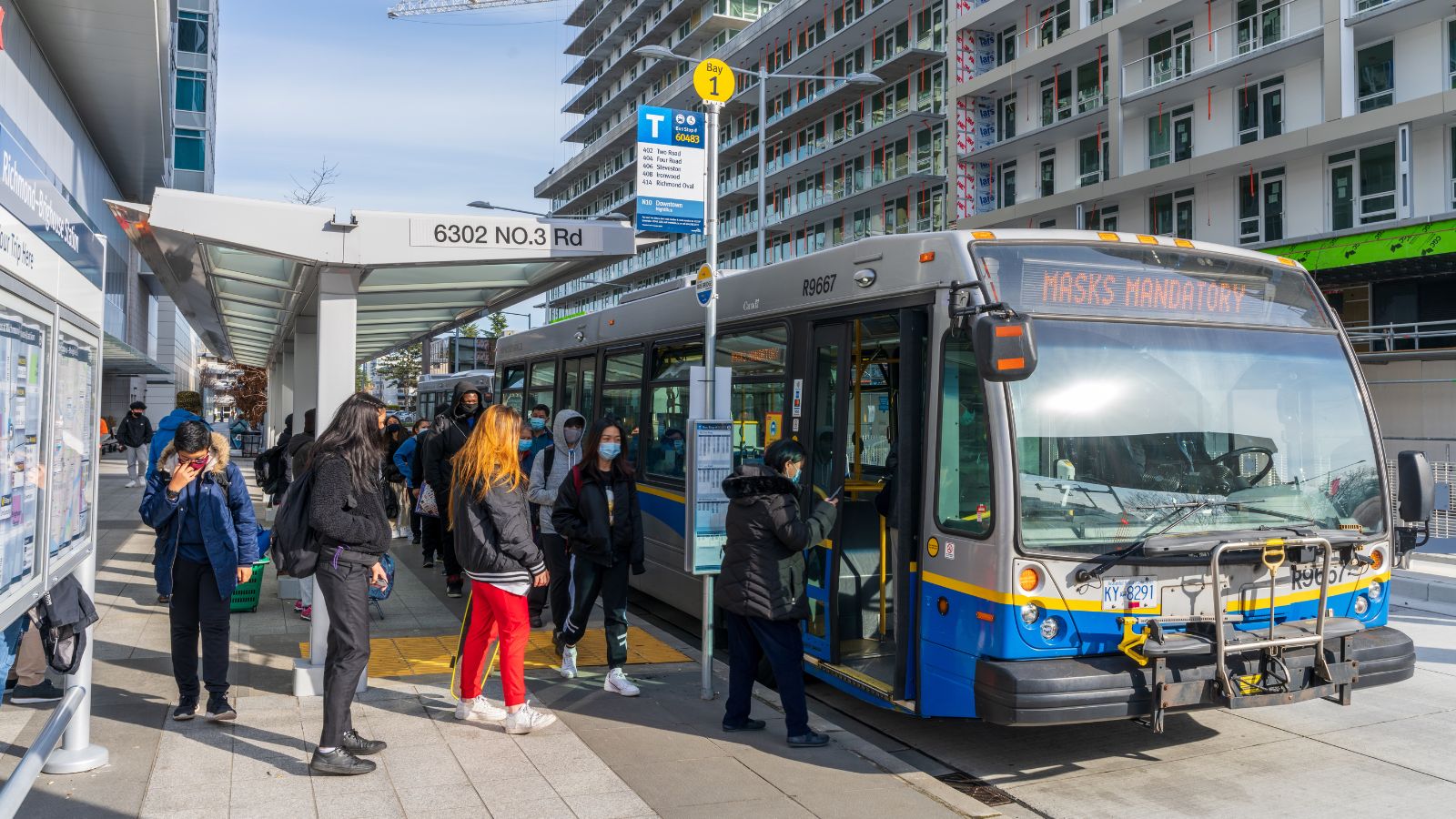
A rental that looks close on a map may feel far away in real life. Renters should test the commute at the time they would actually travel, not just at noon on a weekend. Summer construction, transit detours, bridge work, festival closures, and school-zone changes can all alter the daily routine.
This check can reveal hidden costs. A renter who moves farther from work to save $150 on rent may spend more on gas, parking, rideshares, or transit fares. In winter, that same route may become slower or less reliable. Neighbourhood noise also changes in summer, especially near patios, stadiums, rail lines, nightlife districts, or major roads. A second visit in the evening can be more revealing than a polished daytime showing.
Rental Listing and Payment Scams

Rental scams often use urgency, attractive photos, and pressure to send money before a proper viewing. Renters should verify that the person offering the unit has authority to rent it, avoid sending deposits before confirming the unit is real, and be cautious of landlords who claim they are out of town but can mail keys after payment.
The risk rises when vacancy is tight or renters are relocating from another city. A fake listing may copy photos from a real sale listing, use a below-market rent, and ask for an e-transfer quickly. Renters should search the address, reverse-search images, compare rent to nearby listings, and insist on a legitimate viewing or verified representative. A rushed bargain can become an expensive lesson.
Moving Company Quotes and Surprise Fees

Summer is peak moving season, and movers can book up quickly. Renters should get written quotes, confirm whether the price is hourly or flat-rate, ask about stairs, elevators, travel time, fuel charges, heavy items, packing materials, cancellation rules, and insurance. A very low quote should be treated carefully if the mover avoids written details.
Consumer protection agencies have warned about movers who advertise cheap rates, then demand extra money once belongings are loaded. The most stressful version happens when furniture is held until a higher fee is paid. Renters can reduce risk by checking business registration, reviews across multiple platforms, association membership where relevant, and the exact company name on the contract. The cheapest quote is not always the least expensive move.
Mail Forwarding and Address Updates

Moving does not automatically update every government, bank, employer, school, insurer, subscription, and delivery account. Renters should build an address-change list before move-in and consider mail forwarding to catch anything missed. Government systems may not share address updates automatically, so changing one record does not update them all.
This matters for benefit payments, tax notices, health cards, driver’s licences, vehicle registration, insurance documents, credit cards, voter information, and medical appointments. A renter who misses a mailed notice may face late fees, lost documents, or delayed payments. Canada Post mail forwarding can help bridge the gap, but it should not replace direct updates with important organizations.
Notice Requirements at the Current Rental

Before leaving the current rental, renters should confirm notice rules, the lease end date, move-out inspection steps, cleaning expectations, key return procedures, elevator bookings, and deposit return timelines. Month-to-month tenants, fixed-term tenants, and roommates may all face different obligations depending on province and agreement.
This check prevents paying for two homes longer than necessary. A renter who signs a new lease for July 1 but misses the required notice date at the current place may owe another month. In apartment buildings, elevators may need to be booked weeks ahead, especially around the end of June. Written confirmation of the move-out date, key return, and inspection time can prevent disputes when everyone is trying to move at once.
19 Things Canadians Don’t Realize the CRA Can See About Their Online Income

Earning money online feels simple and informal for many Canadians. Freelancing, selling products, and digital services often start as side projects. The problem appears at tax time. Many people underestimate how much information the CRA can access. Online platforms, banks, and payment processors create detailed records automatically. These records do not disappear once money hits an account. Small gaps in reporting add up quickly.
Here are 19 things Canadians don’t realize the CRA can see about their online income.
This Options Discord Chat is The Real Deal
While the internet is scoured with trading chat rooms, many of which even charge upwards of thousands of dollars to join, this smaller options trading discord chatroom is the real deal and actually providing valuable trade setups, education, and community without the noise and spam of the larger more expensive rooms. With a incredibly low-cost monthly fee, Options Trading Club (click here to see their reviews) requires an application to join ensuring that every member is dedicated and serious about taking their trading to the next level. If you are looking for a change in your trading strategies, then click here to apply for a membership.