35,000+ smart investors are already getting financial news, market signals, and macro shifts in the economy that could impact their money next with our FREE weekly newsletter. Get ahead of what the crowd finds out too late. Click Here to Subscribe for FREE.
June has a way of making summer feel suddenly expensive. Warm weather brings longer days, fuller calendars, and costs that often sit outside the neat monthly budget: camps, cooling, fuel, patios, park bookings, and last-minute travel needs. Many of these expenses are predictable, but they rarely feel urgent until school routines end, guests arrive, or the first heat wave pushes the air conditioner into overtime.
Here are 19 summer expenses Canadians often forget to budget for until June, each one small enough to overlook but familiar enough to stretch a household’s cash flow.
Summer Camp and Child Care Gaps
19 Summer Expenses Canadians Forget to Budget For Until June
- Summer Camp and Child Care Gaps
- Higher Air Conditioning and Cooling Costs
- Road Trip Fuel
- Vehicle Maintenance Before Summer Driving
- Patio Meals and Takeout Creep
- Barbecue Groceries and Propane
- Camping and Park Reservation Fees
- Swimming Lessons, Pool Passes, and Beach Days
- Sunscreen, Bug Spray, and Summer Health Supplies
- Lawn, Garden, and Outdoor Water Use
- Backyard Pools, Trampolines, and Insurance Details
- Pet Boarding, Daycare, and Travel Care
- Weddings, Graduations, and Social Gifts
- Summer Clothing and Footwear Replacements
- Passport Renewals and Travel Document Fees
- Travel Insurance, Roaming, and Trip Protection
- Festivals, Concerts, and Local Events
- Cottage Rentals and Guest Costs
- Seasonal Sports and Activity Registration
- 19 Things Canadians Don’t Realize the CRA Can See About Their Online Income

Summer camp often looks like a fun extra until it becomes the practical answer to a child care problem. When school ends, many working parents suddenly need full-day coverage for several weeks, and popular programs can fill months in advance. A family that planned for one week of camp may realize in June that two or three weeks are needed to bridge vacation days, grandparents’ schedules, and workplace demands.
The cost surprise is not only the camp fee. Extended care, field-trip charges, swim add-ons, lunch programs, and late pickup fees can all turn a simple registration into a larger line item. Statistics Canada has reported that many school-aged children use child care, and younger children are especially likely to need it. For families with more than one child, June can bring the kind of expense that feels closer to rent than recreation.
Higher Air Conditioning and Cooling Costs

The first hot stretch of the season can quietly change a hydro bill. A home that seemed affordable in April may feel different once fans, portable air conditioners, dehumidifiers, or central air run through humid afternoons and warm nights. Older houses, south-facing apartments, and upper-floor units often need more cooling, especially when windows trap heat and insulation is uneven.
The hidden cost is that cooling is rarely optional during extreme heat. Health guidance in Canada treats high indoor temperatures as a real safety issue, particularly for seniors, infants, people with chronic conditions, and anyone working from home. Some households also add blackout curtains, replacement filters, weather stripping, or a portable unit in June. The expense begins as comfort, but in many homes it becomes a health and productivity cost.
Road Trip Fuel
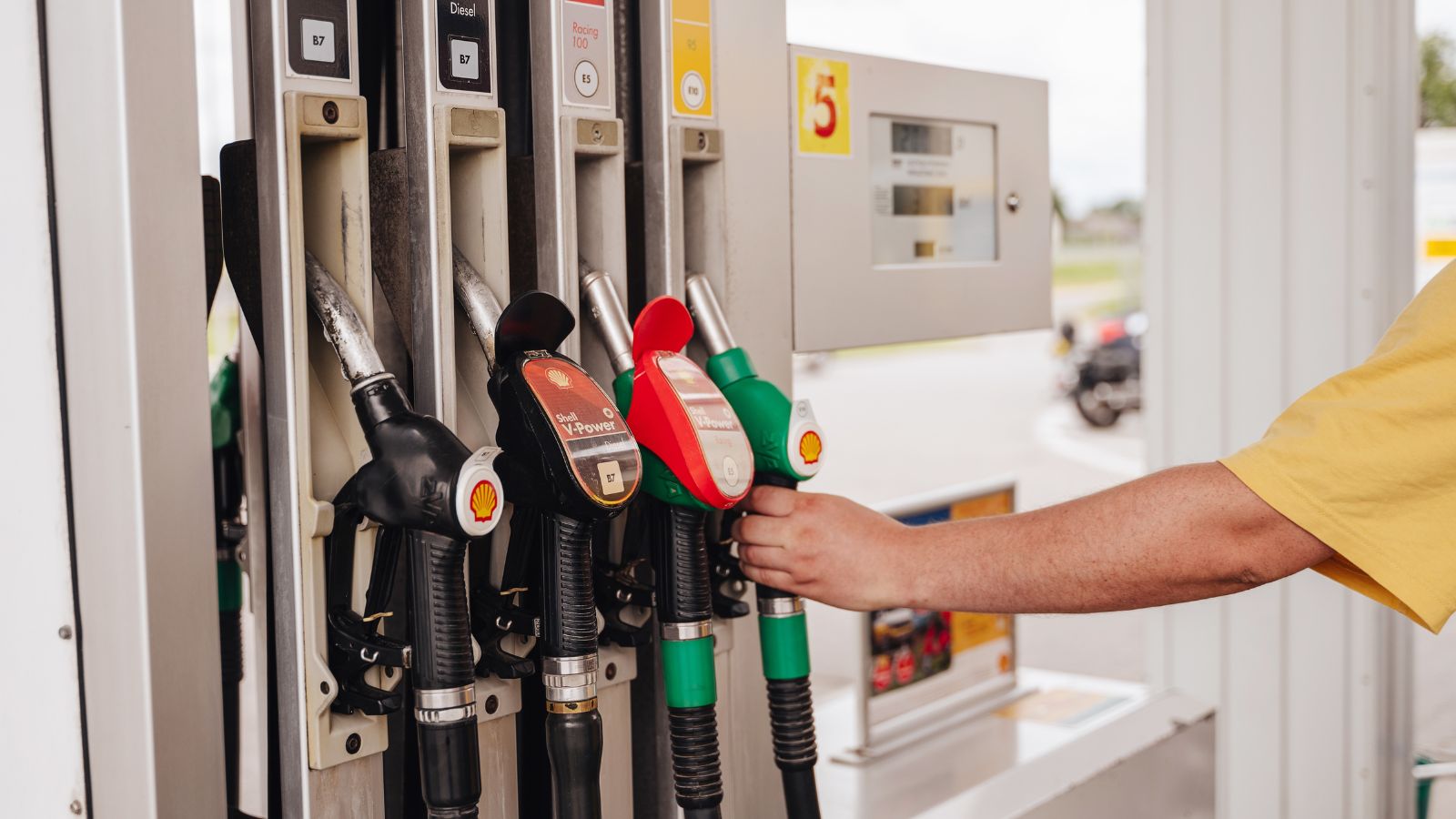
A long weekend drive can sound cheaper than flying until fuel, detours, traffic, and extra errands are added up. Canadians often budget for the destination but forget the driving around it: grocery runs from the cottage, day trips to beaches, pickup and drop-off for kids, or idling in construction zones. In rural or vacation areas, filling up may also cost more than expected.
Gasoline is especially hard to estimate because prices can move quickly. Statistics Canada’s 2026 inflation releases have shown transportation and gasoline as major pressure points, reminding drivers that a budget made in spring may not match summer prices. A family road trip from Toronto to Prince Edward County, Calgary to Banff, or Montreal to the Gaspé can easily include multiple tanks once local driving is included.
Vehicle Maintenance Before Summer Driving

Summer driving can expose problems that winter hid or created. Tires may need rotation or replacement, air conditioning systems may need service, and brakes can start making noise just before a planned trip. Drivers often remember fuel but forget the preventive work that keeps a car reliable when highways are busy and roadside help is expensive.
Even small maintenance costs can arrive together. Wiper blades, coolant, cabin air filters, battery checks, oil changes, and tire pressure adjustments may each look minor, but a pre-trip appointment can climb quickly. A vehicle packed with luggage, bikes, coolers, and passengers also works harder. That matters because underinflated tires and poor maintenance can reduce fuel efficiency and increase the risk of breakdowns during peak travel months.
Patio Meals and Takeout Creep

Warm evenings make restaurant spending feel more spontaneous. A quick drink after work, ice cream after soccer, or takeout on a humid night may not register as a budget problem in the moment. By late June, however, a household can see how often “it’s too hot to cook” has replaced planned dinners.
Food service costs matter because they sit on top of groceries, not instead of them. Canada’s Food Price Report has forecast continued food price increases in 2026, and Statistics Canada tracks food purchased from restaurants as part of household inflation. A family may still buy groceries for the week, then add patio meals, drive-thru lunches, and convenience snacks during outings. Summer eating can feel casual while behaving like a second grocery bill.
Barbecue Groceries and Propane

Backyard meals are often treated as cheaper than going out, but the first barbecue shop of the season can be surprisingly expensive. Meat, buns, condiments, salads, soft drinks, charcoal, propane, ice, paper plates, and last-minute dessert all land in the same cart. Hosting one Saturday gathering can cost more than a regular weeknight meal plan.
The pressure is stronger when food prices are already rising. Canada’s Food Price Report 2026 projected a 4% to 6% increase in overall food prices, with an average family of four expected to spend significantly more than the previous year. Barbecue staples are also easy to overbuy because hosts plan for abundance. Leftovers help, but unused produce, half-empty condiment bottles, and extra drinks can quietly waste part of the budget.
Camping and Park Reservation Fees

Camping is often framed as the affordable summer getaway, but the full cost can arrive before the tent is even packed. Campsite fees, reservation charges, firewood, parking, equipment replacement, food storage, and fuel all add up. A family that remembers the nightly site price may forget the non-refundable booking fee or the cost of buying missing gear in a rush.
Parks Canada charges reservation fees along with camping fees, and some popular destinations require planning well before summer. Even when admission discounts are available, overnight stays still involve supplies, transportation, and weather backups. Rain can mean buying tarps, extra blankets, or meals from nearby restaurants. Camping remains a good-value option for many households, but it rarely works as a no-cost escape once June arrives.
Swimming Lessons, Pool Passes, and Beach Days

Swimming costs tend to appear in small pieces. A child may need new goggles, a swimsuit, a towel, and a city lesson registration. A family may buy a pool pass, pay parking at a beach, or add snacks after an afternoon in the sun. None of it feels dramatic, but the season repeats the pattern often.
There is also a safety reason these costs become urgent. Summer increases time around lakes, pools, splash pads, and backyard water. Many parents treat swimming lessons as essential rather than optional, especially when cottages, camps, or community pools are part of the schedule. Municipal programs can be more affordable than private lessons, but spots may be limited. By June, families may pay more simply because the lower-cost sessions are already full.
Sunscreen, Bug Spray, and Summer Health Supplies

A proper summer health basket is more expensive than it looks. Sunscreen, insect repellent, after-bite treatment, allergy medication, reusable water bottles, electrolyte drinks, first-aid supplies, and travel-size toiletries often run out faster than expected. A household may buy them once in June, then replace them again after camp bags, beach totes, and car kits absorb the extras.
Health Canada advises using approved insect repellents and applying sunscreen before repellent when both are needed. That practical guidance can mean buying separate products rather than relying on one bottle for everything. Ticks, mosquitoes, sun exposure, and heat all make prevention worthwhile, but prevention has a price. The overlooked expense is not one tube of sunscreen; it is keeping enough supplies in every bag that leaves the house.
Lawn, Garden, and Outdoor Water Use

June is when yards start asking for money. Soil, mulch, annuals, vegetable seedlings, hoses, sprinklers, planters, fertilizer, lawn bags, and pest control products can turn a small garden refresh into a seasonal project. Even renters may spend on balcony planters or patio furniture to make outdoor space feel usable.
Water use can be the bigger surprise. Some Canadian municipalities report that outdoor water demand rises sharply in warm months, and many impose watering rules to manage supply. A new lawn, vegetable garden, or backyard pool can increase household water use just as restrictions begin. The costs are not always visible immediately because water bills arrive later. By then, June’s gardening enthusiasm may have already become July’s utility charge.
Backyard Pools, Trampolines, and Insurance Details

A backyard pool, hot tub, inflatable pool, or trampoline can feel like a one-time purchase until the related costs start appearing. There may be chemicals, covers, filters, pumps, replacement parts, safety fencing, test strips, higher electricity use, and more supervision needs. Even a small above-ground pool can create repeat spending through the season.
There is also an insurance angle many households overlook. Home insurance generally includes personal liability coverage, but insurers may treat pools and trampolines as added risks. Some companies may require disclosure, safety measures, or policy changes. That does not mean every backyard item will raise premiums, but it does mean June purchases should not be treated as purely recreational. A quick call to the insurer can prevent an uncomfortable surprise after an accident or claim.
Pet Boarding, Daycare, and Travel Care

Summer plans often create a second travel budget for pets. Boarding, pet sitting, dog daycare, grooming before a stay, updated vaccines, flea and tick prevention, and extra food can all come due at once. The cost is easy to miss because the trip budget usually focuses on people: hotels, gas, flights, and meals.
Availability is another problem. Popular kennels and trusted sitters may book early for long weekends and school holidays, leaving last-minute households with more expensive options. A family that usually relies on a neighbour may need paid care when that neighbour is also away. Pet costs also rise when plans change, such as a delayed return flight or an extra cottage night. The pet may not be on the itinerary, but the expense is firmly part of summer.
Weddings, Graduations, and Social Gifts

June brings ceremonies, invitations, and celebrations that are easy to underestimate. Graduation gifts, wedding contributions, bridal showers, baby showers, teacher gifts, host gifts, and new outfits can crowd the same few weeks. A household may not attend many formal events all year, then suddenly face three in one month.
The cost is rarely just the gift. Travel, parking, dry cleaning, alterations, cards, wrapping, child care, and hotel stays can turn a single invitation into a much larger commitment. Canadians also live across wide distances, so even a “local” family event may involve a long drive or overnight stay. Social spending can be emotionally hard to cut because it is tied to relationships, which makes a June gift fund useful before invitations pile up.
Summer Clothing and Footwear Replacements

Warm-weather clothing often reveals what no longer fits, what wore out last year, or what children have outgrown since September. Sandals, running shoes, swimsuits, hats, sunglasses, rain jackets, sports socks, and camp-friendly clothes can all become urgent in June. The first splash day or soccer tournament has a way of exposing every missing item at once.
Clothing inflation may not always feel as dramatic as food or fuel, but replacement timing matters. Buying under pressure can mean paying full price instead of waiting for sales. Families with children may need duplicate items for camp, daycare, grandparents’ homes, and travel bags. Adults are not immune either; a return to offices, patios, and weddings can expose gaps in a summer wardrobe that seemed fine while packed away.
Passport Renewals and Travel Document Fees

A summer trip can become more expensive the moment someone checks the passport drawer. Expired passports, children’s documents, name changes, damaged pages, or tight timelines can turn a planned vacation into a fee-heavy scramble. Families sometimes remember airfare and hotels but forget that children’s passports expire sooner than adult 10-year passports.
Government of Canada passport fees increased for applications received on or after March 31, 2026. Standard fees are one thing; urgent or express services can add much more. The real June problem is timing. If travel is close, households may pay for faster service, courier costs, new photos, transit to a passport office, or replacement documents. A five-minute document check in spring can prevent an expensive panic later.
Travel Insurance, Roaming, and Trip Protection

Travel budgets often include transportation and lodging but leave out the unglamorous protection costs. Travel medical insurance, trip cancellation coverage, baggage protection, roaming packages, and extra data can become last-minute add-ons. They may not feel exciting, but they matter when flights change, luggage disappears, or a phone starts using data outside Canada.
The Government of Canada advises travellers to verify insurance coverage and read policy terms carefully, especially for cancellation and interruption limits. The CRTC has also noted that roaming charges can be inflexible, with many travellers paying daily flat fees. A week away can create a notable phone bill if every family member uses a roaming add-on. The least memorable parts of travel can become some of the most annoying costs.
Festivals, Concerts, and Local Events

Summer entertainment often begins with a ticket and ends with a much larger total. Festivals, concerts, fairs, rodeos, food truck nights, midway rides, parking, transit, drinks, merchandise, and service fees can all attach themselves to one outing. A free community event can still become expensive once food, games, and transportation are included.
Statistics Canada’s price indexes track recreational and cultural services, including spectator entertainment, because these are real household costs. The tricky part is that summer events feel seasonal and limited, which encourages impulse spending. A parent may say yes to ride tickets because the fair only comes once a year. A couple may accept high parking fees because the concert has already started. Small moments of urgency can defeat a carefully planned weekend budget.
Cottage Rentals and Guest Costs

A cottage weekend can appear simple when the nightly rate is the main number on the screen. Cleaning fees, deposits, platform charges, linens, firewood, boat rentals, extra guests, parking, and pet fees may show up later. Once the booking is split among friends or relatives, awkward cost-sharing can also leave one person carrying more than expected.
Then come the supplies. Cottage trips often require groceries, bottled water, bug spray, sunscreen, ice, outdoor games, marshmallows, backup rain activities, and extra fuel. If the property is remote, forgotten items may cost more at the nearest convenience store. Many Canadians see cottages as part of summer culture, but the budget works best when the rental is treated as only the first expense, not the whole trip.
Seasonal Sports and Activity Registration

June is when summer leagues, clinics, tournaments, and recreational programs start asking for payment. Soccer, baseball, tennis, swimming, dance camps, martial arts intensives, and bike programs may require registration fees, uniforms, equipment, photos, snacks, and travel. A child’s low-cost community sport can still trigger a cart full of cleats, shin pads, water bottles, and team clothing.
The expense can also overlap with fall registration. Some organizations open sign-ups early for September programs, asking families to pay while they are still managing summer costs. Recreation spending is easy to justify because it supports fitness, friendships, and skill-building. The problem is timing. Without a seasonal activity fund, June can stack sports, camps, travel, and school-year deposits into one crowded month.
19 Things Canadians Don’t Realize the CRA Can See About Their Online Income

Earning money online feels simple and informal for many Canadians. Freelancing, selling products, and digital services often start as side projects. The problem appears at tax time. Many people underestimate how much information the CRA can access. Online platforms, banks, and payment processors create detailed records automatically. These records do not disappear once money hits an account. Small gaps in reporting add up quickly.
Here are 19 things Canadians don’t realize the CRA can see about their online income.
This Options Discord Chat is The Real Deal
While the internet is scoured with trading chat rooms, many of which even charge upwards of thousands of dollars to join, this smaller options trading discord chatroom is the real deal and actually providing valuable trade setups, education, and community without the noise and spam of the larger more expensive rooms. With a incredibly low-cost monthly fee, Options Trading Club (click here to see their reviews) requires an application to join ensuring that every member is dedicated and serious about taking their trading to the next level. If you are looking for a change in your trading strategies, then click here to apply for a membership.