
35,000+ smart investors are already getting financial news, market signals, and macro shifts in the economy that could impact their money next with our FREE weekly newsletter. Get ahead of what the crowd finds out too late. Click Here to Subscribe for FREE.
Middle-class life in Canada can look stable from the outside: steady paycheques, decent homes, reliable vehicles, and occasional dinners out. Yet many households are finding that money disappears faster than expected, even without obvious overspending. The squeeze often comes from everyday commitments that seem manageable on their own but become punishing when layered together.
These 19 money traps show how ordinary financial choices can quietly drain cash flow. Mortgage renewals, car costs, grocery inflation, telecom bills, credit card balances, subscriptions, and lifestyle upgrades can all make a comfortable income feel surprisingly tight. The problem is not always reckless spending. Often, it is the slow accumulation of fixed bills, small fees, and delayed costs that leaves families feeling broke long before the month is over.
Mortgage Renewals That Reset the Whole Budget
19 Money Traps That Make Middle-Class Canadians Feel Broke Faster
- Mortgage Renewals That Reset the Whole Budget
- Renting at the Edge of Affordability
- Car Payments That Look Normal Until Everything Else Is Added
- Auto Insurance That Climbs Without Warning
- Grocery Habits That No Longer Fit the New Price Reality
- Credit Card Minimum Payments That Keep Debt Alive
- Buy Now, Pay Later Stacking
- Subscription Creep Across the Whole Household
- Phone Plans, Device Financing, and Internet Bundles
- Commuting Costs Returning to the Budget
- Home Maintenance That Gets Delayed Until It Becomes Expensive
- Condo Fees and Special Assessments
- Lifestyle Inflation After a Raise
- Reward Programs That Encourage Overspending
- Bank Fees and Investment Costs That Hide in Plain Sight
- Tax Refund Dependence
- Kids’ Activities That Become a Second Household Budget
- Emergency Savings That Never Gets Built
- Variable-Rate Debt That Feels Flexible Until Rates Bite
- “Small Treats” That Become a Daily Drain
- Inflation-Proofing the Wrong Things First
- 19 Things Canadians Don’t Realize the CRA Can See About Their Online Income

A mortgage renewal can feel like paperwork until the new payment lands. Many Canadian homeowners who locked in low rates during the pandemic are now renewing into a very different interest-rate environment. Even when rates have eased from their peak, the jump from an ultra-low fixed rate can still add hundreds of dollars to a monthly payment.
That extra cost rarely arrives alone. Property tax, insurance, utilities, repairs, and maintenance usually keep rising too. A family that once had room for savings, sports fees, takeout, or a summer trip may suddenly find that the mortgage absorbs the margin. The trap is treating a mortgage as a fixed lifestyle anchor when it can reset sharply every few years. For middle-class Canadians, that renewal letter can turn a once-comfortable budget into a month-to-month balancing act.
Renting at the Edge of Affordability

Rent can drain a household just as quickly as a mortgage, especially when families stretch for a larger unit, a better school catchment, or a shorter commute. Even in markets where vacancy rates have improved, affordability has not automatically returned. Asking rents often remain high because tenants are still competing for homes in desirable neighbourhoods.
The trap is assuming rent is “temporary” and therefore easier to tolerate. A household may accept a high monthly payment while waiting to buy, only to discover that the rent prevents down-payment savings from growing. Add parking, tenant insurance, utilities, laundry, storage, and moving costs, and the monthly number becomes heavier than advertised. For many middle-class renters, the pressure is not just the rent cheque. It is the way rent blocks the next financial step.
Car Payments That Look Normal Until Everything Else Is Added
A new or nearly new vehicle can appear affordable when the monthly payment is stretched over a long term. Dealership financing often turns a large purchase into a number that looks manageable beside a paycheque. The problem is that the payment is only the beginning. Fuel, insurance, tires, maintenance, repairs, parking, registration, and depreciation all keep running in the background.
This trap hits especially hard when households buy trucks or SUVs because they feel practical for Canadian winters, family gear, or weekend driving. Statistics Canada data shows trucks dominate new vehicle sales, which reflects real preferences but also larger ownership costs. A family may think it bought reliability, yet the vehicle quietly becomes a second rent payment. Once the loan is signed, cutting back is difficult without selling at a loss or rolling negative equity into the next purchase.
Auto Insurance That Climbs Without Warning

Many drivers budget carefully for a car payment and fuel but underestimate how volatile insurance can be. Premiums can rise because of claims trends, repair costs, theft losses, vehicle technology, location, age, driving history, and provincial insurance rules. A clean personal record does not always protect a household from wider market increases.
This becomes a money trap because insurance is mandatory for drivers, and switching providers is not always enough to erase the increase. A vehicle with expensive sensors, high theft risk, or costly replacement parts can be far more expensive to insure than expected. Families often discover this only after buying. The sting is especially sharp when insurance renewals arrive alongside winter tires, brake work, or registration fees. For middle-class households that need a car for work, school, and errands, rising premiums feel less like a choice and more like a monthly toll.
Grocery Habits That No Longer Fit the New Price Reality

Grocery shopping used to be one of the easier categories to trim, but food prices have changed the math. A cart filled with meat, dairy, produce, cereal, school snacks, coffee, and cleaning supplies can climb quickly even when nothing looks extravagant. Canada’s Food Price Report has continued to warn that grocery costs remain a major pressure point for households.
The trap is shopping on autopilot. Families often keep buying the same brands, package sizes, and convenience foods even after prices shift. A few “normal” choices can add up: pre-cut fruit, individual yogurt cups, prepared meals, premium coffee, and frequent small top-up trips. None of these feels reckless in the moment. But over a month, they can turn food spending into a budget leak. Middle-class Canadians may not be eating luxuriously, yet the grocery bill can still make them feel as if they are.
Credit Card Minimum Payments That Keep Debt Alive
Credit cards are useful until the balance stops clearing every month. The minimum payment can create a dangerous sense of progress because the account remains in good standing while interest keeps piling up. A household may think it is managing the debt, but the principal falls slowly if payments stay near the minimum.
This trap often begins with a short-term emergency: a car repair, dental bill, appliance replacement, or holiday expense. Then groceries, gas, and subscriptions continue going on the card while interest compounds. The Financial Consumer Agency of Canada warns that carrying a balance increases the cost of purchases, and even small extra payments can reduce interest and repayment time. For middle-class Canadians, credit card debt is especially frustrating because it can coexist with a decent income. The issue is not always income level. It is cash flow being eaten by yesterday’s spending.
Buy Now, Pay Later Stacking

Buy now, pay later plans can feel harmless because each purchase is broken into small payments. A pair of shoes, a child’s school supplies, a home item, and a birthday gift can each look manageable when split over several instalments. The problem appears when several plans overlap in the same month.
The trap is mental accounting. Consumers often remember the purchase price but forget the timing of withdrawals. A $40 instalment here and a $65 instalment there can collide with rent, insurance, groceries, and payday. Missed payments may bring fees or credit consequences depending on the provider and terms. The Financial Consumer Agency of Canada describes BNPL as a form of credit, which is the key point many shoppers overlook. It does not feel like borrowing at checkout, but it still commits future income. That future income may already have a long line of bills waiting for it.
Subscription Creep Across the Whole Household

One streaming service rarely breaks a budget. The trouble starts when entertainment, music, cloud storage, fitness apps, kids’ games, meal plans, software, delivery memberships, and news subscriptions all renew quietly. Monthly billing makes the cost feel small, while automatic payments make it easy to ignore.
This trap works because subscriptions attach themselves to routines. A family may keep a service because one person uses it occasionally, another forgot the password, or cancellation feels inconvenient. Annual plans can be even sneakier because the renewal hits as a surprise. The real cost is not just the posted fee; it is the number of services running at once. In many households, subscriptions have replaced one cable bill with a scattered collection of smaller bills. The total can be just as painful, but harder to notice because it arrives in fragments.
Phone Plans, Device Financing, and Internet Bundles

Telecom costs are easy to underestimate because they are tied to modern life. Families need mobile data, home internet, devices, and sometimes extra lines for teenagers or work. A discounted phone can look like a deal, but device financing often locks households into higher monthly obligations for years.
The trap is bundling convenience with commitment. A household may accept extra data, a premium phone, streaming add-ons, insurance, or faster internet because the incremental price looks small. Over time, the plan becomes bloated. Statistics Canada has noted increases in internet access service prices, while CRTC market reporting tracks affordability and competition across mobile and internet services. For middle-class Canadians, this category is especially sticky because cutting too much can affect work, school, banking, navigation, and family communication. The challenge is separating genuine need from plan inflation.
Commuting Costs Returning to the Budget
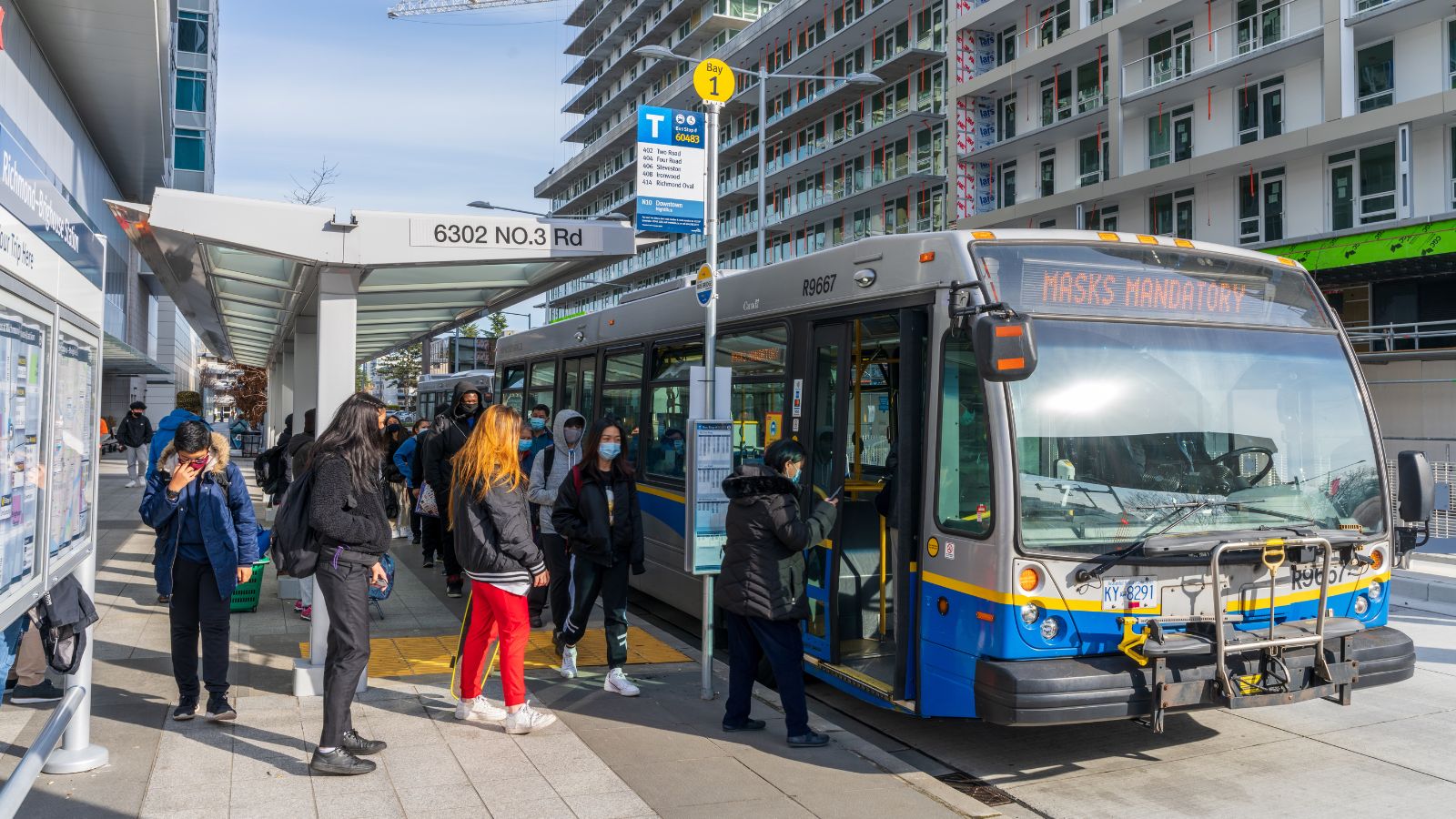
Remote work helped some households spend less on gas, transit, parking, coffee, clothing, and lunches. As more Canadians commute again, those costs are returning. The change can feel gradual: one extra office day, then two, then a more regular routine. Each shift adds small expenses that were not in the budget during peak work-from-home years.
The trap is treating commuting as only a transportation issue. In reality, it often brings a chain reaction. Earlier mornings can lead to drive-through breakfasts. Longer days can lead to takeout dinners. More vehicle use means more fuel, wear, maintenance, and parking. Public transit riders face fares, transfers, and occasional ride-hailing when schedules fail. Statistics Canada has reported that the share of employed people mainly working from home declined again in 2025. For households that built spending habits around remote work, the return of commuting can make income feel smaller.
Home Maintenance That Gets Delayed Until It Becomes Expensive

Middle-class homeowners often know maintenance matters, but cash flow gets in the way. A minor roof issue, aging water heater, clogged gutter, drafty window, or soft deck board may be pushed back because it is not urgent yet. Then the repair becomes larger, faster, and more expensive.
This trap is especially common when households budget for the mortgage but not the house. Homes age whether owners are ready or not. Appliances fail, furnaces need service, driveways crack, and plumbing surprises happen at inconvenient times. A family may feel financially responsible because it avoids luxury spending, only to be hit by a $3,000 repair that should have been anticipated. The emotional part is real too. People often delay repairs because they are tired of spending on things that do not feel exciting. Unfortunately, maintenance ignored for too long tends to charge interest in its own way.
Condo Fees and Special Assessments

Condo ownership can look like a manageable path into housing, especially in expensive cities. The monthly mortgage may be lower than a detached home, and exterior maintenance appears simpler. But condo fees can rise as buildings age, insurance costs shift, and reserve funds need rebuilding. Special assessments can be even more disruptive.
The trap is buying based on the purchase price without fully understanding the building’s long-term finances. A unit in a building with low fees may not be cheaper if the reserve fund is weak or major repairs are coming. Elevators, roofs, windows, parking garages, plumbing, and building envelopes can cost millions to fix. When those costs are divided among owners, the bill can hit hard. For middle-class buyers, the danger is assuming the condo fee is just another utility. In reality, it is a shared exposure to every major system in the building.
Lifestyle Inflation After a Raise

A raise can improve a household’s finances, but it can also disappear almost immediately. A slightly nicer car, more restaurant meals, upgraded clothes, better vacations, and extra children’s activities can absorb the increase before savings improve. The household earns more, yet still feels stuck.
This trap is powerful because each upgrade feels earned. After years of inflation, debt payments, and restraint, families understandably want relief. The issue is that lifestyle inflation often turns variable spending into fixed expectations. Once a household gets used to weekly takeout, premium groceries, nicer hotels, or a larger vehicle, stepping back feels like a loss. A raise should ideally create breathing room, not just a more expensive routine. Middle-class Canadians can protect the benefit by assigning part of every raise to debt repayment, emergency savings, or investments before the new money gets absorbed into daily life.
Reward Programs That Encourage Overspending

Points, cash back, loyalty apps, and store promotions can save money when used carefully. But they can also encourage spending that would not have happened otherwise. A family may buy extra groceries to trigger a points offer, choose a pricier store for rewards, or justify a larger credit card purchase because it earns miles.
The trap is confusing a rebate with a discount. A 2% reward does not make a $300 unnecessary purchase smart. Grocery and retail apps are especially effective because they personalize offers around past habits. That can be helpful, but it can also nudge households toward brand loyalty when cheaper alternatives exist. Points feel like free money, yet they are funded by spending first. For middle-class Canadians trying to stretch every dollar, loyalty programs work best when they reward purchases already planned. When the points become the reason to buy, the program has quietly taken control of the budget.
Bank Fees and Investment Costs That Hide in Plain Sight

Small financial fees can seem too minor to worry about, but they compound over years. Monthly account charges, ATM fees, overdraft fees, mutual fund management expenses, trading commissions, and advisory costs can quietly reduce household wealth. The effect is easy to miss because fees often appear as percentages or small line items.
The trap is assuming that familiar financial products are automatically good value. A mutual fund with a higher fee may need to outperform a lower-cost option just to leave the investor in the same place. A chequing account fee may be avoidable with a different account, minimum balance, or credit union. The same applies to foreign exchange fees on travel or online purchases. Middle-class Canadians often focus on earning more, but keeping more matters too. A few recurring financial fees may not cause immediate pain, yet they can reduce long-term progress in a very real way.
Tax Refund Dependence

A tax refund can feel like a bonus, but it is often the return of money already withheld. Many households mentally spend the refund before it arrives on vacations, furniture, debt catch-up, or home projects. That can create a cycle where regular monthly cash flow remains tight and the refund becomes a financial rescue tool.
The trap is relying on one annual payment to fix twelve months of pressure. If the refund is smaller than expected, delayed, or needed for an emergency, the plan falls apart. Registered accounts such as RRSPs, TFSAs, and FHSAs can be useful, but they require planning rather than last-minute scrambling. The Canada Revenue Agency publishes annual contribution limits, and unused room can matter over time. For middle-class Canadians, the better approach is treating tax planning as part of the monthly budget. A refund should strengthen the plan, not patch holes created by weak cash flow.
Kids’ Activities That Become a Second Household Budget

Sports, tutoring, music lessons, camps, school fundraisers, birthday parties, equipment, uniforms, and travel can turn parenting into a major financial category. Each activity may seem worthwhile. The total, however, can rival a car payment, especially when more than one child is involved.
The trap is emotional. Parents often say yes because they want children to have opportunities, friendships, confidence, and structure. Saying no can feel like denying a child something important, particularly in communities where activities are part of social life. Costs also arrive in waves: registration first, then gear, tournaments, photos, snacks, and transportation. A family may budget for the activity but not the ecosystem around it. Middle-class Canadians do not need to eliminate enrichment, but they do need limits. Choosing fewer commitments, buying used equipment, rotating activities, and setting annual caps can protect both finances and family energy.
Emergency Savings That Never Gets Built

Many households know they need an emergency fund, but it gets delayed because every month already feels full. Then an emergency arrives: a layoff, dental bill, vet visit, broken appliance, funeral travel, or car repair. Without savings, the cost moves to a credit card or line of credit.
The trap is treating emergency savings as something to build after everything else is comfortable. For many middle-class Canadians, that day never arrives. Shelter, food, transportation, debt, and insurance keep taking priority. Even a small starter fund can prevent minor problems from becoming high-interest debt. The habit matters as much as the amount. Automatic transfers on payday help because the money leaves before it can be absorbed by groceries, takeout, or small purchases. An emergency fund does not make life cheaper, but it stops predictable surprises from becoming financial setbacks.
Variable-Rate Debt That Feels Flexible Until Rates Bite

Lines of credit can be useful, especially for irregular expenses or short-term gaps. But variable-rate debt can become dangerous when balances linger. Interest costs can rise with benchmark rates, and because lines of credit often require relatively low minimum payments, borrowers may carry balances longer than planned.
The trap is flexibility. A line of credit feels less severe than a credit card and less formal than a loan, so it becomes easy to use for renovations, tuition, travel, taxes, or debt consolidation. If repayment is not structured, the balance can sit for years. A household may keep paying interest while believing the debt is under control because the monthly payment is manageable. For middle-class Canadians, the safer approach is to give every borrowed dollar a repayment schedule. Flexible credit should solve a temporary problem, not become a permanent extension of income.
“Small Treats” That Become a Daily Drain

Coffee, lunch out, delivery fees, convenience-store stops, rideshares, premium snacks, and impulse online orders rarely feel like major spending. In a stressful week, they can feel like reasonable rewards. But the frequency is what turns small treats into a trap.
The issue is not the occasional latte or restaurant meal. It is the unplanned repetition. A $7 coffee-and-snack stop on weekdays can become more than $140 a month. Add lunches, delivery markups, tips, and weekend convenience spending, and the total can compete with a utility bill. Middle-class households often underestimate this category because each purchase is emotionally easy to defend. People are busy, tired, and stretched. The solution is not joyless restriction; it is intentionality. Planned treats fit the budget better than scattered spending. Without a limit, small comforts can quietly consume the money meant for larger goals.
Inflation-Proofing the Wrong Things First

When prices rise, many households try to protect their lifestyle before protecting their balance sheet. They keep the same vacation standard, the same vehicle expectations, the same dining habits, and the same gift budget, while savings and debt repayment fall behind. That can make a middle-class income feel permanently insufficient.
The trap is prioritizing visible normalcy over financial resilience. Inflation does not hit every category equally, but shelter, food, and transportation carry heavy weight in household spending. If those essentials rise, discretionary categories may need to adjust. Otherwise, households end up funding the gap with credit or draining savings. The most financially stable families are not always the highest earners. They are often the ones quickest to update assumptions when conditions change. In a higher-cost Canada, old habits can become expensive simply because the surrounding prices have moved.
19 Things Canadians Don’t Realize the CRA Can See About Their Online Income

Earning money online feels simple and informal for many Canadians. Freelancing, selling products, and digital services often start as side projects. The problem appears at tax time. Many people underestimate how much information the CRA can access. Online platforms, banks, and payment processors create detailed records automatically. These records do not disappear once money hits an account. Small gaps in reporting add up quickly.
Here are 19 things Canadians don’t realize the CRA can see about their online income.
This Options Discord Chat is The Real Deal
While the internet is scoured with trading chat rooms, many of which even charge upwards of thousands of dollars to join, this smaller options trading discord chatroom is the real deal and actually providing valuable trade setups, education, and community without the noise and spam of the larger more expensive rooms. With a incredibly low-cost monthly fee, Options Trading Club (click here to see their reviews) requires an application to join ensuring that every member is dedicated and serious about taking their trading to the next level. If you are looking for a change in your trading strategies, then click here to apply for a membership.