35,000+ smart investors are already getting financial news, market signals, and macro shifts in the economy that could impact their money next with our FREE weekly newsletter. Get ahead of what the crowd finds out too late. Click Here to Subscribe for FREE.
A summer outing can begin with an affordable ticket or a promising hotel rate, then become dramatically more expensive before the family returns home. The difference is often created by ordinary needs rather than luxury spending: feeding hungry children, transporting bulky gear, finding convenient parking, adapting to the weather, or changing plans when someone becomes sick.
These 19 hidden costs reveal where family budgets are most likely to drift. Some appear during online checkout, while others surface only after everyone is already inside the attraction, on the road, or standing at a rental counter. Recognizing them in advance makes it easier to compare destinations by their complete cost rather than the most attractive price in an advertisement.
The Family Admission Total Is Bigger Than the Advertised Price
19 Hidden Costs of Taking Kids Anywhere in Canada This Summer
- The Family Admission Total Is Bigger Than the Advertised Price
- Parking Becomes a Second Admission Fee
- Food Rules Can Force a Full Day of On-Site Buying
- Strollers, Lockers, Cabanas and Line-Skipping Passes Add Up
- Summer Hotel Rates Can Jump Faster Than the Family Budget
- Municipal Accommodation Taxes Sit Outside the Room Rate
- Hotel Parking and Breakfast May Both Be Extra
- Baggage Fees Multiply by Traveller and Direction
- Paid Seat Choices Can Look Like the Price of Sitting Together
- Rental-Car Child Seats Are Optional Add-Ons
- Rental-Car Protection and Other Extras Inflate the Daily Rate
- Fuel Costs Grow With Detours, Idling and Bigger Vehicles
- Toll Roads Can Add Camera and Distance-Based Charges
- Ferry Trips Price the Vehicle and Passengers Separately
- Camping Still Has Booking and Transaction Fees
- Weather Protection Turns Into a Midday Shopping Trip
- Out-of-Province Medical Gaps Can Still Cost Money
- Changing Plans Can Cost Money Twice
- Photos, Souvenirs and ‘Just One More’ Purchases
- 16 Costco Canada Habits That Could Be Costing Shoppers More Than They Save

A family outing often begins with a single eye-catching ticket price, but that figure may represent one person, one age bracket, one date, or an online-only promotion. Some attractions use date-based pricing, meaning a Saturday in August can cost more than a quiet weekday. Children may receive a discount, yet the difference is not always large enough to offset the cost of buying three, four, or five admissions at once. Taxes, service charges, and special-event pricing can widen the gap between the first number seen and the final checkout total.
Public destinations can be cheaper, but families still need to read the details. Parks Canada is offering free admission and a 25 per cent discount on camping and overnight stays from June 19 to September 7, 2026, while many privately operated attractions continue to charge per visitor. A family comparing options should calculate the complete household price rather than multiplying an advertised adult rate from memory. The practical hidden cost is not deception so much as scale: even a modest add-on becomes significant when it applies to every child and adult.
Parking Becomes a Second Admission Fee

Parking is easy to overlook because it usually appears after the family has already chosen the destination. At large attractions, zoos, stadiums, beaches, and downtown museums, the vehicle charge can function like a second admission ticket. The Toronto Zoo, for example, lists a $20 daily parking charge in its current membership-upgrade information. That amount may feel manageable in isolation, but it changes the economics of a short visit, especially when the family expected to spend only a few hours on site.
The same issue follows families overnight. Central hotels often separate parking from the room rate, and current Toronto examples range from $30 per day for self-parking at W Toronto to $40 at Delta Hotels Toronto, with valet options higher. Larger vehicles may also face garage-height restrictions or limited availability on event dates. Parents often choose paid parking because hauling strollers, coolers, and tired children from a distant lot is unrealistic. The convenience is understandable, but it should be treated as a planned transportation expense, not a minor afterthought.
Food Rules Can Force a Full Day of On-Site Buying

Children rarely follow an attraction’s ideal meal schedule. A snack request can arrive minutes after admission, and a full day may require lunch, drinks, treats, and an early dinner. The cost becomes more difficult to control when outside food is restricted. Canada’s Wonderland states that outside food, beverages, and coolers are generally not allowed, while making exceptions for items such as baby food, formula, bottled water, and refillable containers. Families with older children may therefore have fewer opportunities to rely on packed meals inside the gates.
Once purchases are made on site, the bill grows by repetition rather than extravagance. Four drinks, four meals, and one shared dessert can cost far more than the same food bought at a grocery store before departure. Statistics Canada reported that average Canadian household spending on food from stores reached $8,659 in 2023, illustrating how important food already is to family budgets before travel premiums are added. A practical response is to study food policies in advance, eat before entry, carry permitted water, and identify nearby picnic or re-entry options.
Strollers, Lockers, Cabanas and Line-Skipping Passes Add Up

The base ticket usually buys access, not necessarily comfort. Families may discover that the stroller left at home is suddenly essential, wet clothing needs a locker, or a shaded cabana feels less optional during a long, hot afternoon. Major attractions actively sell these conveniences. Canada’s Wonderland promotes stroller and wheelchair rentals, dining plans, cabanas, drink packages, and Fast Lane products. Each solves a real problem, which is precisely why the purchase can feel unavoidable once children are tired, overheated, or frustrated by queues.
These expenses can also interact. A family that rents a stroller may need a locker for bags, then buy a line-skipping pass to recover time lost to breaks. None of those decisions is irrational, yet together they can exceed the original admission price. The best defence is to identify the likely pain points before leaving home: walking distance, shade, nap needs, storage, ride eligibility, and expected wait times. Bringing an appropriate stroller, arriving early, and choosing one priority upgrade is usually more economical than buying several comfort products reactively inside the venue.
Summer Hotel Rates Can Jump Faster Than the Family Budget
Accommodation is often the largest single cost of a family trip, and summer pricing can change sharply between the first search and the final booking. Statistics Canada reported that traveller-accommodation prices were 10.1 per cent higher in June 2026 than a year earlier. That national figure does not mean every room rose by the same amount, but it helps explain why a familiar hotel may suddenly feel out of reach during school holidays, festivals, long weekends, and major sporting events.
Families are particularly exposed because they have fewer workable substitutes. A couple may accept a tiny room or late check-in, while parents may need two beds, parking, a refrigerator, laundry access, or proximity to an attraction. Waiting for a last-minute deal can therefore backfire if the remaining rooms do not safely or legally accommodate everyone. The hidden cost is often the premium paid for the right room configuration rather than the basic nightly rate. Comparing the full stay early—including taxes, parking, breakfast, and cancellation terms—gives a more realistic picture than sorting results by room price alone.
Municipal Accommodation Taxes Sit Outside the Room Rate
A hotel or short-term-rental listing may show a nightly price that excludes local accommodation taxes. These charges are separate from ordinary sales tax and can materially change a multi-night family stay. In Toronto, the Municipal Accommodation Tax returned to 6 per cent on August 1, 2026, after a temporary 8.5 per cent rate ended on July 31. The tax applies to the room portion of eligible transient accommodation, so a quoted $300 nightly room is not the amount that will ultimately appear on the card statement.
The effect compounds across several nights. A family staying four nights may mentally budget from the displayed subtotal, then encounter accommodation tax, GST/HST, parking, and other property charges at checkout. Similar local levies exist in other Canadian destinations, although rates and rules differ. The safest approach is to open the complete price breakdown before booking and confirm whether the platform is collecting every tax in advance. A low headline rate can still be the more expensive choice once mandatory local charges are added.
Hotel Parking and Breakfast May Both Be Extra
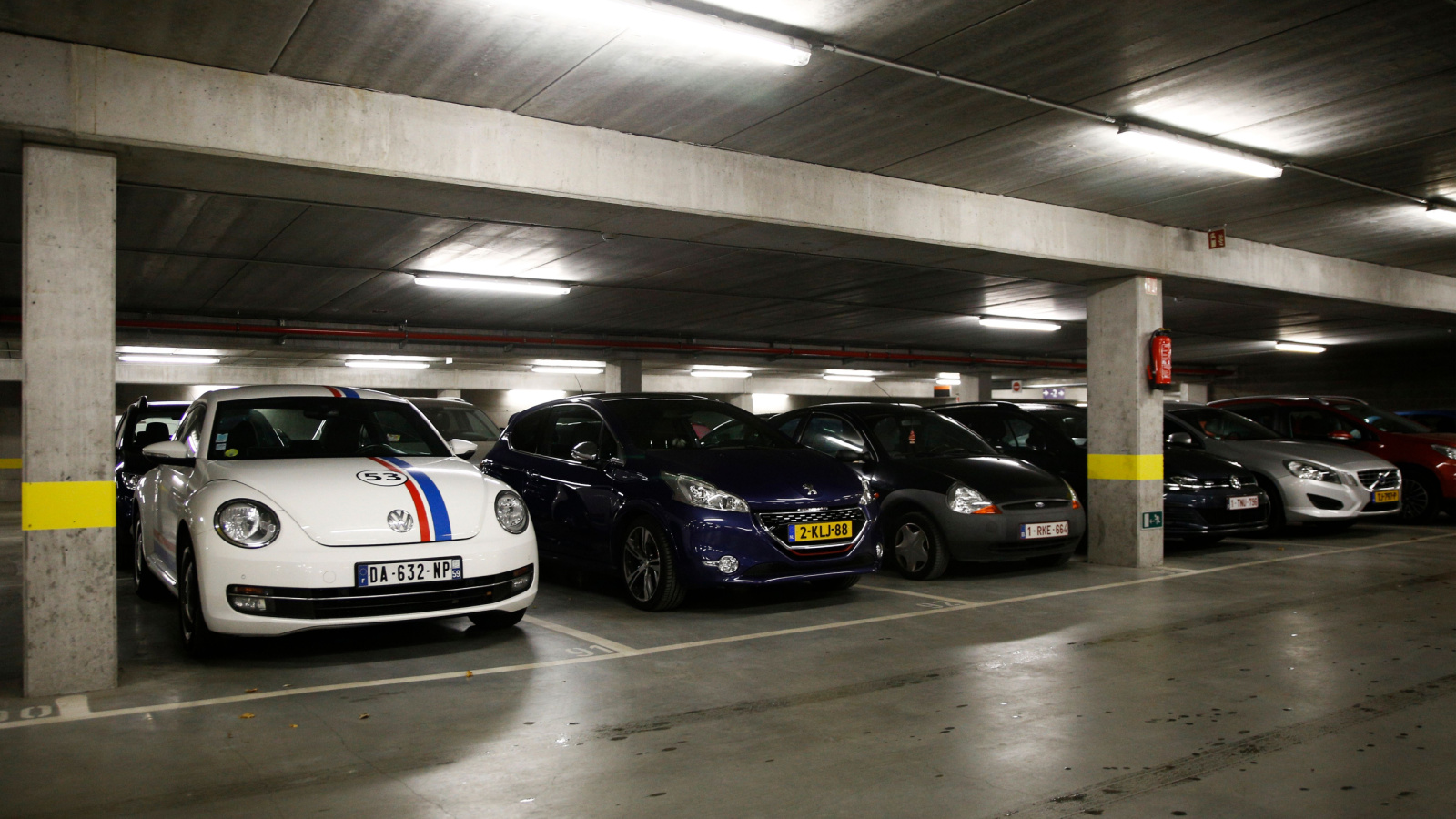
The phrase “family hotel” does not guarantee that the services families use most are included. Downtown properties often charge separately for parking, while breakfast may be available only through a restaurant, café, club-level upgrade, or room package. Current Toronto hotel pages show how wide the parking range can be: Delta Hotels Toronto lists self-parking at $40 per day and valet parking at $65, while the Marriott Downtown at CF Toronto Eaton Centre lists $55 self-parking and $65 valet parking.
Breakfast can create a second daily surprise. Two adults and several children buying hot meals, juice, coffee, and tax each morning can erase the savings from a discounted room. Parents may also pay more for convenience when an early attraction booking leaves little time to search for food. Before reserving, families should compare properties on the combined cost of room, parking, and breakfast rather than the room alone. A suburban hotel with free parking and an included meal can sometimes be cheaper overall, even after accounting for extra driving or transit.
Baggage Fees Multiply by Traveller and Direction

Family luggage rarely fits the assumptions behind the lowest airfare. Children may need extra clothing, medications, diapers, sports equipment, car-seat accessories, or comfort items, and the return trip often includes souvenirs. Air Canada’s Economy Basic policy for certain domestic and transborder itineraries permits only a personal item, while standard checked-bag fees still apply. The airline has also announced baggage-policy changes for tickets purchased in 2026, reinforcing the need to check the rules attached to the exact fare rather than relying on an older experience.
The multiplication is what hurts. A first checked bag charged on the outbound and return journey is no longer a single small fee, and a second bag, oversized item, or gate-checked carry-on can cost more. Families booking through a partner airline also need to know which carrier’s baggage rules govern the first flight. Packing one shared checked suitcase, weighing bags at home, and confirming stroller and car-seat allowances can prevent an airport decision made under pressure. The cheapest fare is not always the cheapest family itinerary once luggage is priced honestly.
Paid Seat Choices Can Look Like the Price of Sitting Together
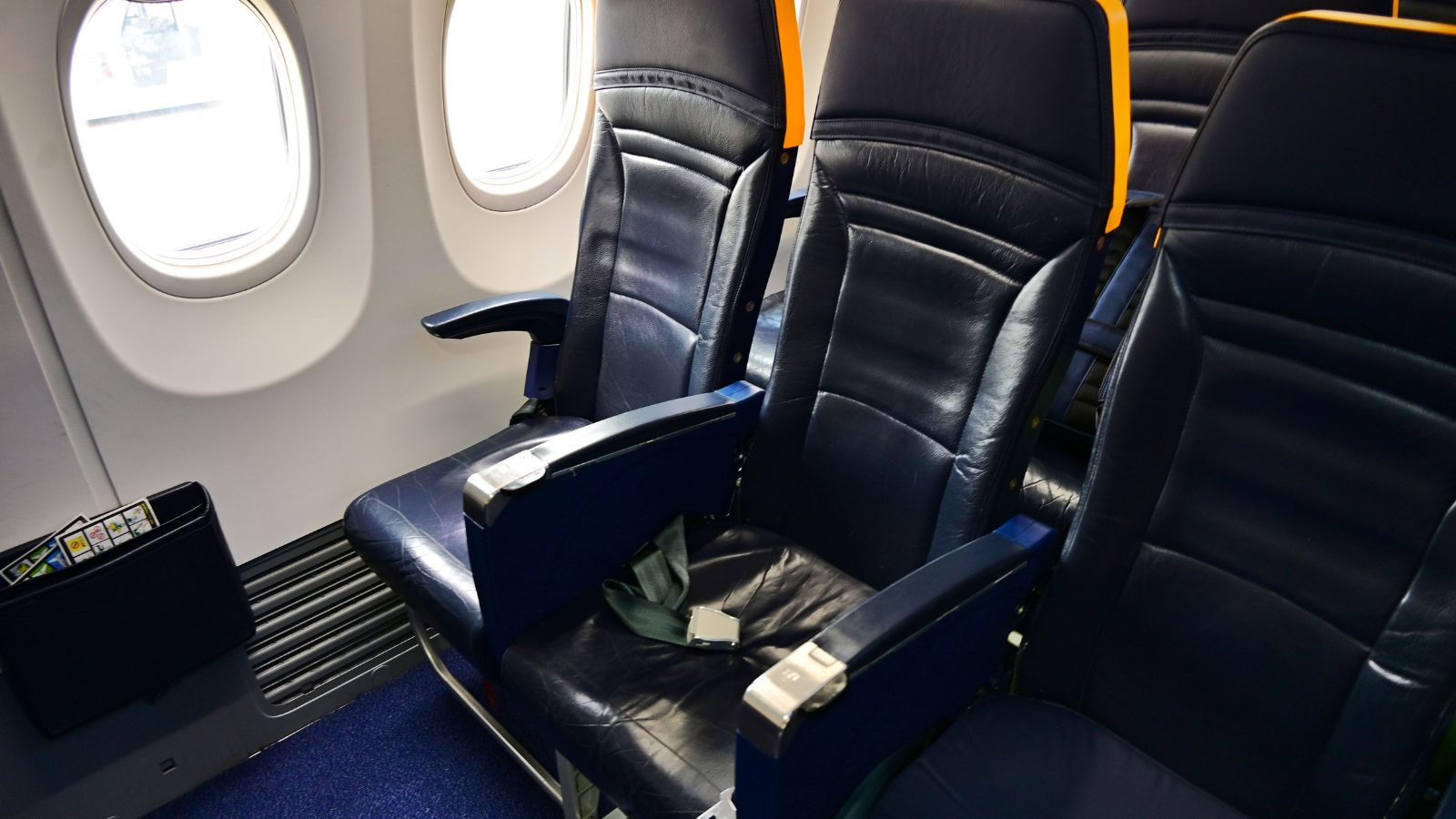
Parents often pay for seats because the alternative feels risky, but Canadian rules already require airlines to facilitate seating children under 14 near an accompanying adult at no extra charge. The required proximity depends on the child’s age. That protection is important, yet it does not necessarily guarantee the family’s preferred row, window seats, extra legroom, or that every member of a larger group will sit together. Air Canada, for example, states that advance seat-selection fees are charged per passenger and per one-way flight segment.
The hidden cost appears when a family wants certainty beyond the minimum requirement. Paying to place two adults and several children in one chosen row can add a separate charge to every flight segment, especially on connecting itineraries. Families should first understand the carrier’s free family-seating process and contact the airline if the initial assignment is unsuitable. Paying may still be worthwhile for specific needs, but it should be a deliberate comfort purchase—not a fee accepted because parents believe the airline can otherwise scatter young children anywhere in the cabin.
Rental-Car Child Seats Are Optional Add-Ons
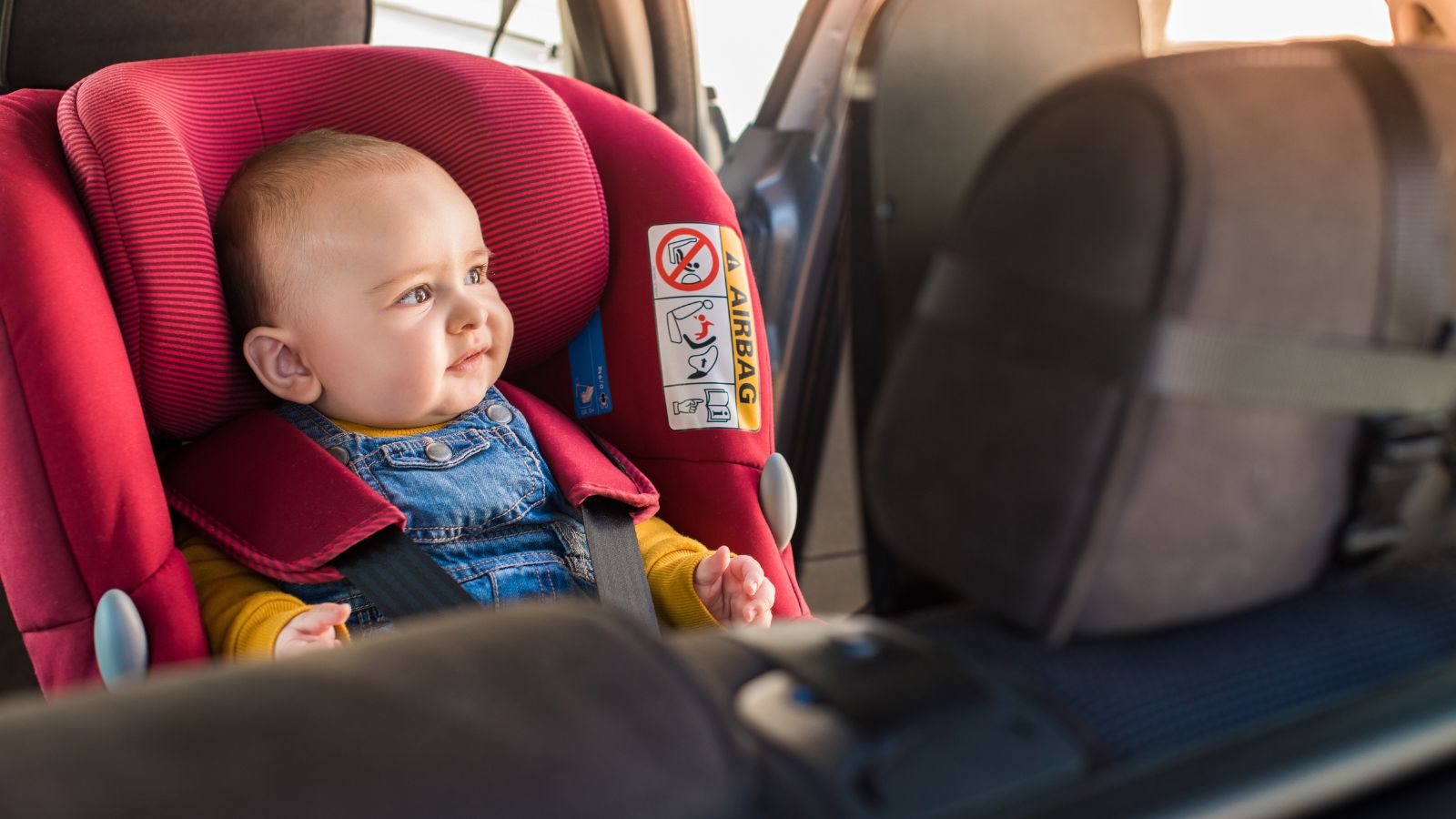
Flying families often focus on the rental vehicle’s daily rate and forget that a safe seat for each child may be priced separately. Enterprise confirms that many Canadian rental locations offer infant seats, child seats, and booster seats as optional products. Its rental guide also lists car seats among the additions that can change the total cost. Because the fee is usually charged by day, two seats over a week can become a meaningful part of the transportation budget.
Availability matters as much as price. A reservation request does not always feel as reassuring as travelling with a familiar seat, and rental employees may provide instructions but generally do not install the seat for the customer. Transport Canada advises families to select and install restraints appropriate for the child and vehicle. Bringing a certified seat can reduce rental charges, but it creates baggage and handling challenges at the airport. The correct comparison includes airline carriage rules, the risk of damage in transit, rental duration, installation confidence, and the number of children who require restraints.
Rental-Car Protection and Other Extras Inflate the Daily Rate

The large number displayed beside a rental car is rarely the whole decision. Enterprise’s Canadian guide notes that the total can vary with protection products, additional drivers, the renter’s age, optional equipment, prepaid fuel, location, and vehicle class. Families may also upgrade at the counter after realizing that luggage, a stroller, and child seats will not fit the compact car originally booked. Each change is reasonable on its own, but the final daily amount can be far above the search result that attracted the booking.
Protection products deserve special attention because the decision is made while tired travellers are standing at a counter with children and bags. One Enterprise branch currently lists a damage-waiver range of $29.99 to $89.99 per day, showing how substantial an optional daily product can become. Coverage may already exist through a personal auto policy or credit card, but terms vary and should be checked before departure. Families should arrive knowing who will drive, what coverage they already have, how much luggage must fit, and whether they plan to return the car with a full tank.
Fuel Costs Grow With Detours, Idling and Bigger Vehicles
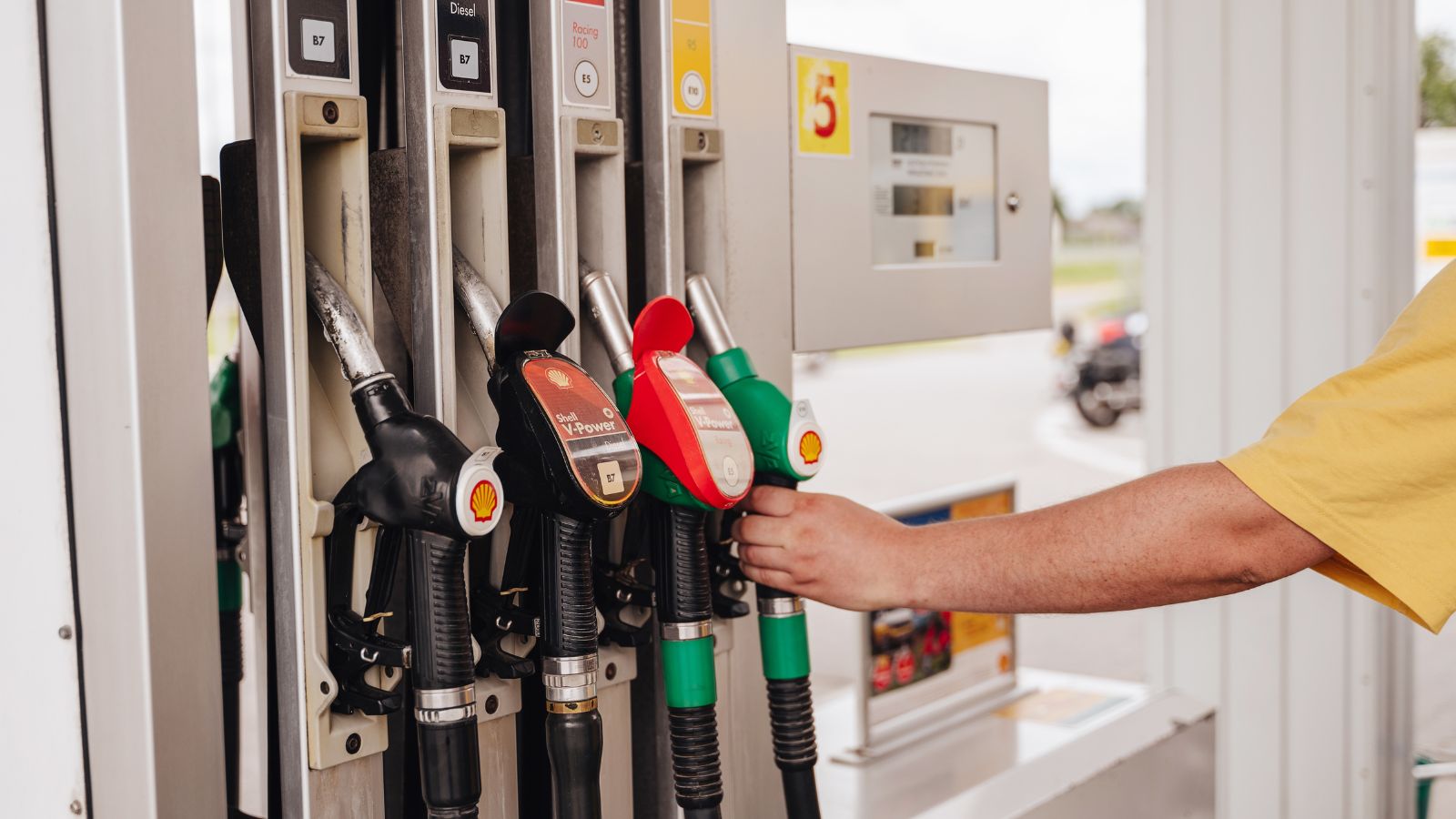
A road trip budget based only on the map’s shortest distance can be misleading. Families take bathroom breaks, search for meals, circle for parking, detour around construction, and sometimes leave the engine running briefly to manage heat or loading. A larger vehicle that comfortably carries children and gear may also consume more fuel than the household’s usual car. Natural Resources Canada publishes weekly fuel-price information and model-specific fuel-consumption ratings precisely because both the pump price and the vehicle’s efficiency determine the real cost of a trip.
The difference becomes more visible on long routes. An extra hundred kilometres caused by side trips and backtracking is not just extra time; it is additional fuel, snacks, and potentially another meal. Parents can reduce the surprise by calculating mileage with a buffer, using the vehicle’s actual consumption rating, and checking fuel prices along the route rather than assuming the home-town price will apply everywhere. The family budget should also recognize that rooftop boxes, heavy loads, and frequent stop-and-go driving can make real-world consumption less favourable than an ideal estimate.
Toll Roads Can Add Camera and Distance-Based Charges
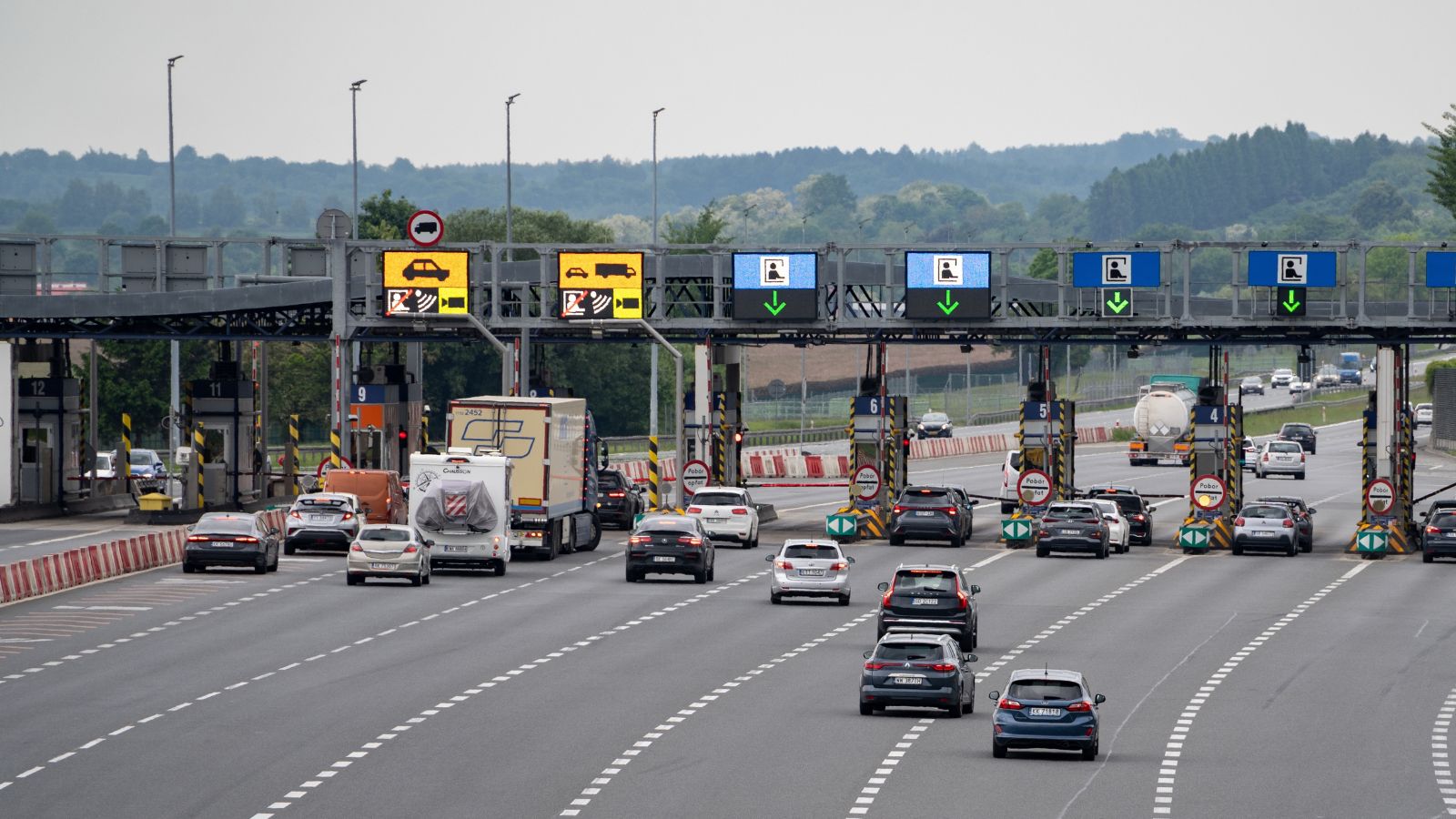
Navigation apps often choose the fastest route, not the cheapest one. In southern Ontario, Highway 407 ETR uses a rate structure that varies by vehicle type, highway section, direction, day, and time of entry. The operator advises drivers to calculate the trip in advance. A family following the default route may therefore trade traffic savings for a toll that was never included in the outing budget.
Drivers without a transponder can also face account or camera-related charges depending on the route and billing method. For a one-time trip, the toll may still be worth paying—especially with restless children—but it should be an informed choice. Families using rental cars need extra caution because rental companies may pass through tolls with their own administrative process or delay. Turning on “avoid tolls” is not automatically the best answer; comparing the toll with extra fuel, travel time, and late-arrival risk is more useful. The hidden cost comes from discovering the route choice only after the bill arrives.
Ferry Trips Price the Vehicle and Passengers Separately

A ferry crossing can feel like a single transportation purchase, yet the total may combine a vehicle fare, individual passenger fares, reservation products, and food or parking at the terminal. BC Ferries currently promotes several fare types, including Saver options, and recommends advance booking for vehicles on busy sailings. The company warns that travellers without a booking may wait for the next available departure, particularly during holiday weekends and peak periods.
For families, the real cost is not limited to the fare. Missing a sailing can produce an extra meal, more terminal spending, a later hotel arrival, or a lost activity reservation. Larger or over-height vehicles may also fall into different pricing categories. Parents should enter the exact number and ages of passengers, vehicle dimensions, route, and sailing time before treating the trip as affordable. A discounted fare can save money, but it may carry stricter change or cancellation conditions. The crossing becomes predictable only when the family prices the whole movement from terminal arrival to destination arrival.
Camping Still Has Booking and Transaction Fees
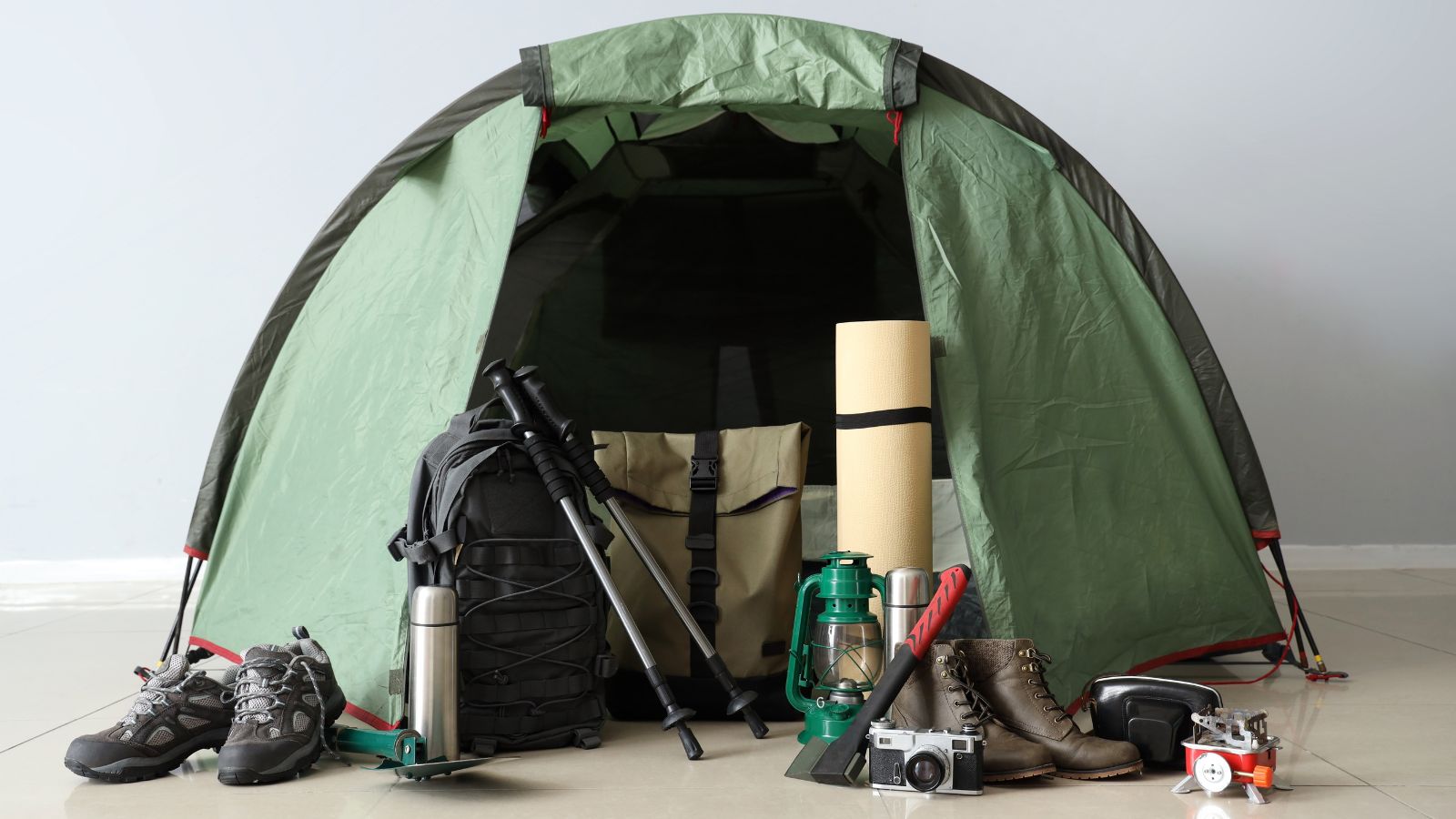
Camping is often described as the low-cost family holiday, but the campsite rate is only one line of the bill. Parks Canada charges a non-refundable reservation fee of $11.50 for online bookings and $13.50 for bookings made by phone, generally per campsite and stay. Camping fees are also due when the reservation is made. In summer 2026, the Canada Strong Pass provides free admission and a 25 per cent discount on camping and overnight stays from June 19 to September 7, but reservation-service charges can still remain.
Other costs appear after the site is secured: firewood, showers, ice, food storage, equipment, permits, and replacement supplies after rain. A family choosing a roofed accommodation such as an oTENTik may pay more for convenience, while a tenting family may need to buy gear it does not own. The fair comparison is not “campground versus hotel nightly rate.” It is the total cost of sleeping, cooking, staying dry, keeping food safe, and changing plans. Camping can still be excellent value, but only when equipment and transaction costs are counted before checkout.
Weather Protection Turns Into a Midday Shopping Trip

Canadian summer weather can create a surprisingly expensive hour. A sunny morning may become extreme heat, heavy rain, mosquitoes, or a cool evening near the water. Parks Canada advises visitors to carry sunscreen, insect repellent, snacks, water, a first-aid kit, and weather-appropriate clothing, including a jacket even in summer. Health Canada recommends broad-spectrum sunscreen and notes that water-resistant products still need reapplication after swimming or heavy sweating.
For a family, forgetting one item rarely means buying only one item. Sunscreen may be followed by hats, ponchos, extra water, dry socks, or insect repellent, often at convenience-store or attraction prices. The purchases feel urgent because they are tied to comfort and safety, not indulgence. A small “weather kit” kept in the vehicle can prevent repeated emergency shopping: refillable bottles, sunscreen, bug repellent, light layers, inexpensive ponchos, and basic first-aid supplies. The hidden cost is the premium paid when ordinary household items must be replaced at the exact moment they are needed.
Out-of-Province Medical Gaps Can Still Cost Money

Travelling within Canada does not make every health expense automatically free. Health Canada states that residents generally remain covered for emergency hospital and physician services when temporarily outside their home province or territory. However, services that are not considered medically necessary—such as prescription drugs or ambulance transportation—may not be covered in the same way. Provincial and territorial plans set their own details, so a family can still receive a bill after an injury or illness away from home.
Children make this risk feel more immediate because fevers, allergic reactions, falls, and dehydration do not respect provincial borders. Parents should carry health cards, medication information, and any private insurance details, then verify whether an employer plan or credit card includes out-of-province emergency benefits. The goal is not to purchase unnecessary coverage but to understand the gap before it becomes urgent. A low-cost weekend can become expensive if an ambulance, prescription, dental emergency, or paramedical service falls outside the public plan’s reimbursement rules.
Changing Plans Can Cost Money Twice
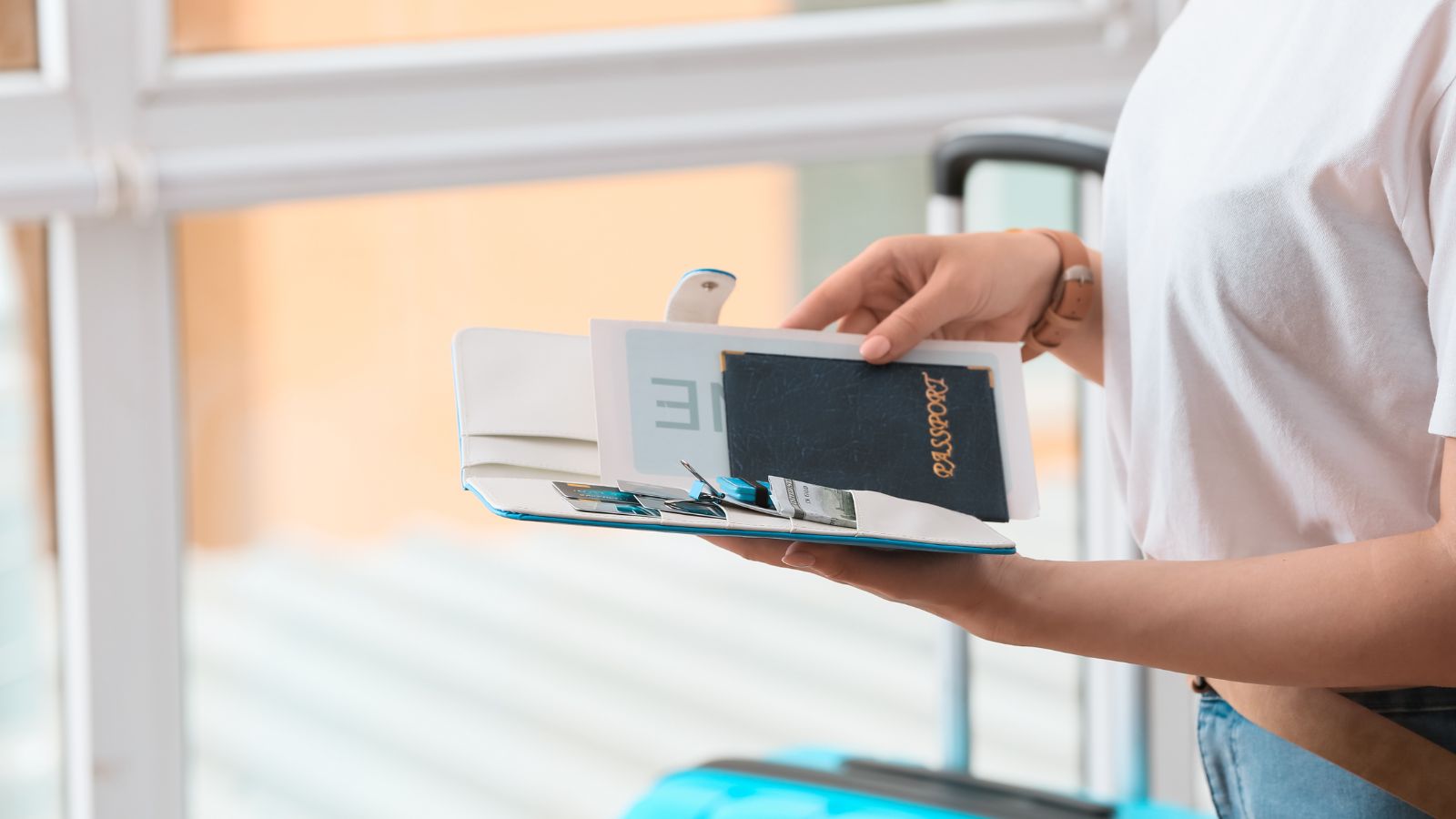
Family plans are unusually vulnerable to change. A child wakes with a fever, wildfire smoke alters an outdoor itinerary, a storm disrupts transportation, or a sports schedule shifts at the last minute. The financial loss may include both the original non-refundable purchase and the higher price of a replacement. Parks Canada’s 2026 reservation policy, for example, charges $11.50 for an online change or cancellation and $13.50 by phone, with other cancellation rules or forfeitures potentially applying depending on the reservation.
Airlines, ferries, hotels, and attractions each use different fare categories, deadlines, and credit rules. The cheapest option may therefore carry the highest risk for a family whose schedule is not fully predictable. Parents should compare the price difference between flexible and non-refundable products, note the cancellation deadline in the calendar, and avoid stacking several rigid bookings on the same day. Flexibility is not always worth buying, but the cost of losing four admissions, one hotel night, and a transportation reservation can be much larger than the initial savings.
Photos, Souvenirs and ‘Just One More’ Purchases

The final hidden cost is emotional rather than logistical. Attractions are designed around memorable moments, and children encounter gift shops, professional photos, collectible cups, plush animals, and branded clothing just as the family is tired and ready to leave. Ripley’s Aquarium of Canada, for example, promotes member discounts at its café, gift shop, and Photo Port, confirming that food, merchandise, and photography are separate spending categories beyond admission. Canada’s Wonderland also sells season-long professional photo add-ons.
None of these purchases is inherently wasteful. A souvenir can become the item a child remembers for years, and a good family photo may be more valuable than another ride. The problem is the absence of a limit. Setting a fixed souvenir amount per child, choosing one photo purchase, or discussing the rule before arrival turns an emotional checkout decision into a planned expense. Cash or a prepaid card can make the boundary visible. The hidden cost disappears when the family decides in advance which memories are worth paying for and which can be captured on a phone.
16 Costco Canada Habits That Could Be Costing Shoppers More Than They Save
The Executive Membership can feel like an obvious upgrade because the 2% annual reward sounds straightforward. For households that spend heavily at Costco Canada, the extra fee may be easy to justify. But the habit becomes costly when shoppers upgrade first and calculate later. A Gold Star Membership costs less, while Executive costs more and only pays off if eligible annual spending is high enough to offset the difference.
16 Costco Canada Habits That Could Be Costing Shoppers More Than They Save
This Options Discord Chat is The Real Deal
While the internet is scoured with trading chat rooms, many of which even charge upwards of thousands of dollars to join, this smaller options trading discord chatroom is the real deal and actually providing valuable trade setups, education, and community without the noise and spam of the larger more expensive rooms. With a incredibly low-cost monthly fee, Options Trading Club (click here to see their reviews) requires an application to join ensuring that every member is dedicated and serious about taking their trading to the next level. If you are looking for a change in your trading strategies, then click here to apply for a membership.