
35,000+ smart investors are already getting financial news, market signals, and macro shifts in the economy that could impact their money next with our FREE weekly newsletter. Get ahead of what the crowd finds out too late. Click Here to Subscribe for FREE.
Grocery prices in Canada have been rising, making everyday shopping more expensive than before. Even basic items now take a larger share of monthly budgets. While prices may not drop quickly, small shopping habits can help in managing costs. Paying attention to how you shop can make a real difference over time. From planning purchases to choosing the right products, each step adds up. These changes do not require major effort, yet they help in controlling spending. Staying consistent with these habits improves results. Here are 19 grocery store tricks Canadians use when prices won’t quit.
Shop with a Strict List and Stick to It
19 Grocery Store Tricks Canadians Use When Prices Won’t Quit
- Shop with a Strict List and Stick to It
- Compare Unit Prices Instead of Shelf Prices
- Buy Store Brands for Everyday Items
- Shop Flyers and Weekly Deals Before Visiting Stores
- Time Your Shopping Around Discount Hours
- Use Price Matching Policies Across Major Stores
- Buy Seasonal Produce Instead of Imported Options
- Stock Up During Sales on Non-Perishables
- Avoid Shopping When Hungry
- Use Cashback and Loyalty Programs on Groceries
- Split Bulk Purchases with Family or Friends
- Choose Frozen Over Fresh for Certain Items
- Check Clearance Sections for Quick Savings
- Limit Convenience and Pre-Packaged Foods
- Track Grocery Spending Weekly
- Shop at Discount Chains for Basics
- Reduce Food Waste Through Meal Planning
- Use Digital Coupons and Store Apps
- Pay Attention to Shelf Placement and Marketing Tricks
- 22 Groceries to Grab Now—Before another Price Shock Hits Canada
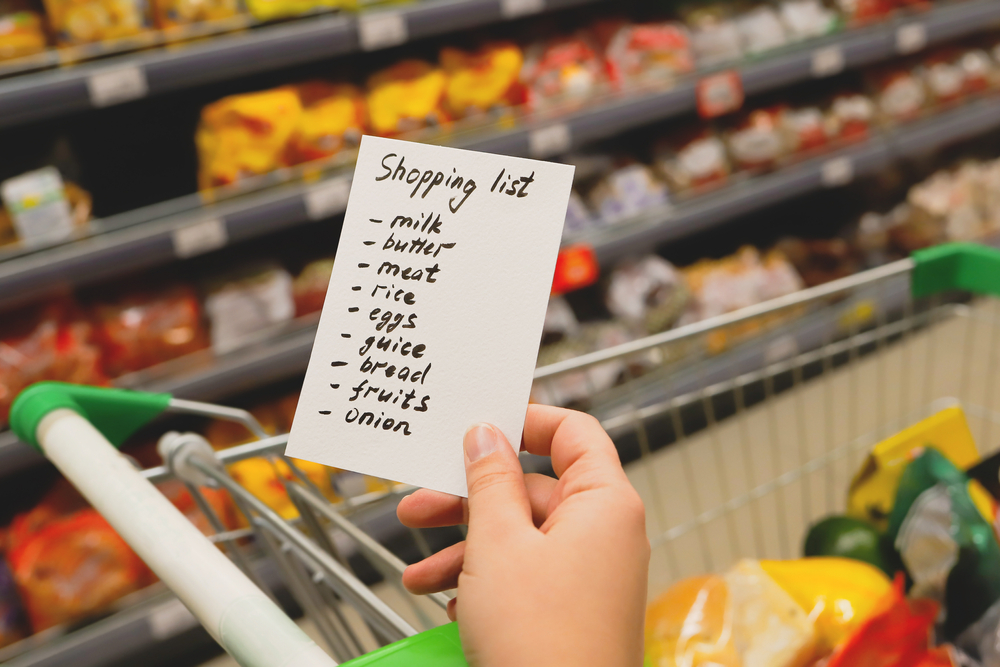
Shopping with a clear list helps in controlling grocery spending. Writing down what you need before visiting the store keeps purchases focused. It reduces the chances of buying items that are not necessary. Sticking to the list also saves time while shopping. Planning meals in advance supports creating an accurate list. Avoiding extra aisles helps in limiting impulse buying. Checking your pantry before making the list prevents duplicate purchases. Tracking your grocery habits over time improves accuracy. This method works well for managing weekly budgets. It allows you to stay organized and avoid unnecessary expenses. Over time, this habit helps in keeping grocery costs steady and predictable.
Compare Unit Prices Instead of Shelf Prices

Shelf prices can be misleading when comparing different products. Unit prices show the cost per gram, litre, or item, making comparisons easier. Many Canadian stores display unit pricing on labels for convenience. Checking this detail helps identify better-value products. Larger packs are not always cheaper when compared by unit price. Taking a few seconds to compare helps in making smarter choices. This habit becomes easier with practice. Tracking your spending also improves decision-making over time. Choosing based on unit price helps in avoiding overspending. It supports better budgeting without changing what you buy. This simple step helps in getting more value for your money.
Buy Store Brands for Everyday Items

Store brands often cost less than well-known labels in Canada. Many of these products offer similar quality for everyday use. Items like milk, bread, and cleaning supplies are good starting points. Trying a few products helps in checking what works for you. Over time, switching to store brands can lower your total grocery bill. Comparing ingredients and packaging supports better decisions. Many stores also promote their brands with regular discounts. Tracking your spending after switching shows clear savings. This method helps in reducing costs without changing your routine. It allows you to maintain quality while spending less on basic household items each week.
Shop Flyers and Weekly Deals Before Visiting Stores

Checking flyers before shopping helps in planning purchases around discounts. Many Canadian stores release weekly deals on groceries and essentials. Reviewing these offers helps in building a cost-effective shopping list. Buying items on sale reduces overall spending. Comparing flyers from different stores can help in choosing the best place to shop. Digital apps make it easier to access these deals. Planning meals based on discounts also supports savings. Avoid buying items just because they are on sale. Tracking flyer-based purchases helps in understanding actual savings. This habit improves shopping efficiency. It helps in making better decisions while keeping grocery costs under control.
Time Your Shopping Around Discount Hours

Some grocery stores in Canada offer discounts at specific times of the day. These may include markdowns on fresh produce, bakery items, or ready meals. Shopping during these hours can lead to noticeable savings. Asking store staff about discount timings provides useful information. Visiting stores later in the day often increases the chances of finding reduced items. Checking expiry dates helps in making safe choices. Planning meals around discounted items supports better use. Tracking these purchases helps in understanding savings patterns. This approach requires some flexibility but offers value. It helps reduce costs while still buying fresh, usable products regularly.
Use Price Matching Policies Across Major Stores

Many Canadian retailers offer price matching to stay competitive. This allows you to get lower prices without visiting multiple stores. Bringing proof of competitor pricing is usually required. Using apps or flyers makes this process easier. Asking, “Can you match this price?” keeps the request simple. This helps in saving both time and money. Not all items may qualify, so checking store policies is useful. Tracking price-matched purchases shows real savings. This approach helps in reducing grocery bills without extra effort. It allows you to shop in one place while still benefiting from lower prices available elsewhere.
Buy Seasonal Produce Instead of Imported Options

Seasonal produce in Canada is often priced lower than imported items. Fruits and vegetables grown locally are easier to supply during their peak season. This reduces transportation and storage costs, which is reflected in pricing. Choosing items that are in season helps in lowering grocery bills. It also supports local farmers and markets. Checking store displays or labels can help identify seasonal options. Planning meals around these ingredients makes shopping more efficient. Imported produce may look appealing, but it often costs more. Tracking produce spending helps in noticing the difference. This habit helps you maintain a healthy diet while keeping costs under control.
Stock Up During Sales on Non-Perishables
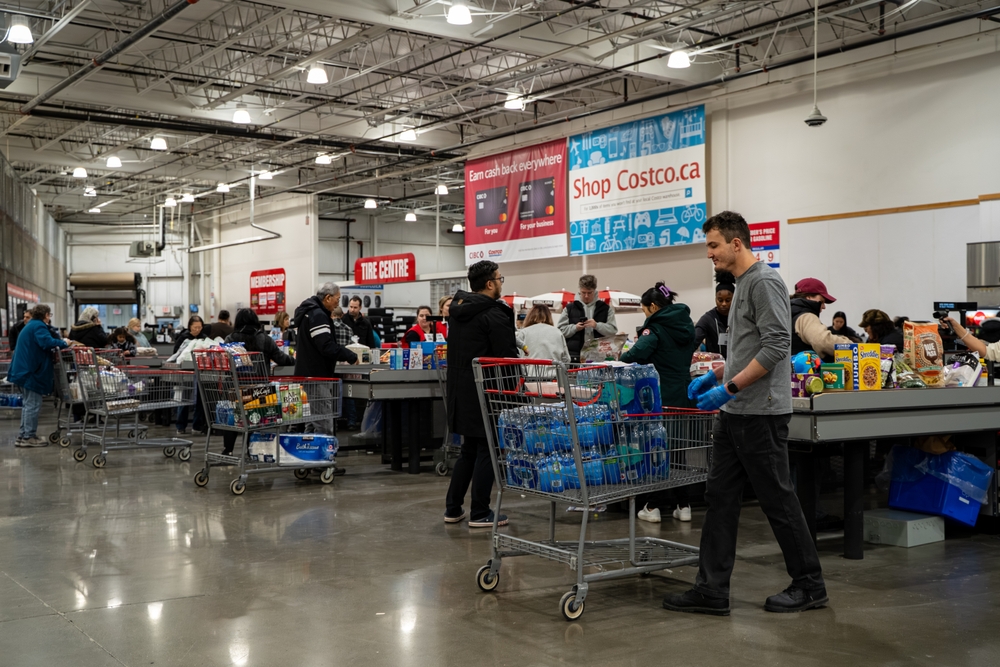
Buying non-perishable items during sales can reduce long-term grocery costs. Products like rice, pasta, canned goods, and cleaning supplies often go on sale. Purchasing these in advance helps in avoiding full-price buying later. Checking storage space before stocking up prevents waste. Making a list of commonly used items helps in planning bulk purchases. Avoid buying items you rarely use just because they are on sale. Tracking usage helps in deciding the right quantity. This approach spreads savings over time. It reduces the need for frequent purchases. Over time, this habit supports better budgeting while keeping essential items available at home.
Avoid Shopping When Hungry

Shopping while hungry often leads to unplanned purchases. Hunger can influence decisions and increase spending on snacks or ready-to-eat items. Eating before going to the store helps in staying focused on your list. This reduces impulse buying and keeps your budget in control. Planning your shopping time around meals supports better decisions. Carrying a list also helps in avoiding distractions. Tracking your purchases can show patterns linked to timing. This simple habit does not require extra effort. It helps in maintaining discipline during shopping. Over time, avoiding hungry shopping can lead to noticeable savings on groceries.
Use Cashback and Loyalty Programs on Groceries

Many Canadian grocery stores offer cashback or loyalty programs for regular shoppers. These programs provide points or rewards based on spending. Using them consistently helps in reducing overall grocery costs. Signing up is usually free and easy. Tracking points helps in redeeming them at the right time. Some credit cards also offer cashback on grocery purchases. Combining these options increases savings. Avoid overspending just to earn rewards. Reviewing available offers before shopping helps in maximizing benefits. This approach supports steady savings over time. It allows you to earn value on purchases you already plan to make.
Split Bulk Purchases with Family or Friends

Bulk buying can save money, but large quantities may not suit every household. Splitting purchases with family or friends helps in managing this issue. Sharing costs reduces individual spending while still benefiting from lower prices. Items like grains, cleaning products, and packaged goods are suitable for this method. Planning purchases together avoids confusion. Dividing items fairly supports smooth sharing. Tracking shared expenses helps in maintaining balance. This approach prevents waste from unused products. It allows you to access bulk savings without overbuying. Over time, this habit supports better budgeting and reduces unnecessary grocery expenses.
Choose Frozen Over Fresh for Certain Items

Frozen products can be more cost-effective than fresh items in many cases. In Canada, frozen fruits and vegetables are often priced lower and last longer. They are usually processed at peak freshness, maintaining good quality. Choosing frozen options helps in reducing food waste. It also allows you to store items for longer periods. Comparing prices between fresh and frozen supports better decisions. Some meals can be planned using frozen ingredients without affecting taste. Tracking usage helps in understanding savings. This approach offers convenience and value. It helps in managing grocery costs while keeping your meals practical and easy to prepare.
Check Clearance Sections for Quick Savings

Clearance sections in Canadian grocery stores often include items marked down for quick sale. These may be close to expiry or overstocked products. Checking these areas first can lead to useful savings. Many of these items are still safe and good for immediate use. Planning meals around discounted products helps in avoiding waste. Always check dates before purchasing to stay practical. Some stores also reduce bakery or deli items at the end of the day. Tracking what you find helps in building a routine. This habit takes little effort but offers value. It helps in lowering grocery costs without changing what you usually buy.
Limit Convenience and Pre-Packaged Foods

Convenience and pre-packaged foods often cost more than basic ingredients. Items like cut vegetables, ready meals, and snack packs carry added processing costs. Choosing whole ingredients helps in reducing spending. Preparing meals at home may take a bit more time, yet it saves money. Comparing prices between packaged and unpackaged items shows clear differences. Planning simple meals makes this easier to follow. Tracking these purchases helps in understanding their impact. Limiting such items does not mean removing them completely. It helps in balancing cost and convenience. Over time, this habit supports better control over grocery expenses.
Track Grocery Spending Weekly

Tracking grocery spending each week helps in staying within budget. Writing down or recording expenses gives a clear view of where money goes. Breaking spending into categories can improve understanding. Reviewing totals at the end of the week helps in making adjustments. This habit builds awareness of patterns over time. It also helps in identifying areas where costs can be reduced. Keeping tracking simple makes it easier to follow regularly. Using apps or notes works well for this purpose. This approach supports better planning. It helps in managing grocery expenses without making the process complicated or time-consuming.
Shop at Discount Chains for Basics

Discount grocery chains in Canada often offer lower prices on essential items. Products like grains, dairy, and canned goods are usually more affordable. Shopping at these stores for basics can reduce overall costs. Comparing prices across stores helps in finding the best deals. Some discount chains also offer weekly specials. Planning visits based on these deals improves savings. Quality may vary, so checking products is useful. Tracking your spending across different stores helps you make better choices. This approach allows you to combine value with convenience. It helps in managing grocery bills while still meeting your everyday needs.
Reduce Food Waste Through Meal Planning

Food waste can increase grocery spending without being noticed. Planning meals in advance helps in using ingredients efficiently. Creating a weekly plan reduces the chance of unused items. Checking your fridge before shopping avoids duplicate purchases. Storing food properly also extends its shelf life. Using leftovers for new meals helps in reducing waste further. Tracking what gets wasted gives better insight into habits. This allows you to adjust portion sizes and purchases. This approach supports better budgeting. It helps in making full use of what you buy while keeping grocery costs under control.
Use Digital Coupons and Store Apps

Digital coupons and store apps are widely used in Canada for saving on groceries. Many retailers offer app-based discounts and personalized deals. Checking these before shopping helps in planning purchases. Applying coupons at checkout reduces the total bill. Some apps also offer points or cash back. Keeping track of available offers improves savings over time. Avoid selecting deals for items you do not need. Regularly using these tools builds better shopping habits. This method requires minimal effort. It helps in lowering costs while keeping your shopping routine simple and efficient.
Pay Attention to Shelf Placement and Marketing Tricks
Grocery stores often place higher-priced items at eye level to attract attention. Cheaper alternatives may be placed on lower or higher shelves. Taking time to scan all shelves helps in finding better deals. Promotional displays can also encourage unnecessary purchases. Sticking to your list reduces the impact of these tactics. Comparing similar products before choosing supports better decisions. Tracking what you pick helps in building awareness. This approach helps in avoiding impulse buying. It keeps your focus on value rather than presentation. Over time, this habit supports smarter shopping and better control over grocery spending.
22 Groceries to Grab Now—Before another Price Shock Hits Canada

Food prices in Canada have been steadily climbing, and another spike could make your grocery bill feel like a mortgage payment. According to Statistics Canada, food inflation remains about 3.7% higher than last year, with essentials like bread, dairy, and fresh produce leading the surge. Some items are expected to rise even further due to transportation costs, droughts, and import tariffs. Here are 22 groceries to grab now before another price shock hits Canada.
22 Groceries to Grab Now—Before another Price Shock Hits Canada
This Options Discord Chat is The Real Deal
While the internet is scoured with trading chat rooms, many of which even charge upwards of thousands of dollars to join, this smaller options trading discord chatroom is the real deal and actually providing valuable trade setups, education, and community without the noise and spam of the larger more expensive rooms. With a incredibly low-cost monthly fee, Options Trading Club (click here to see their reviews) requires an application to join ensuring that every member is dedicated and serious about taking their trading to the next level. If you are looking for a change in your trading strategies, then click here to apply for a membership.