
35,000+ smart investors are already getting financial news, market signals, and macro shifts in the economy that could impact their money next with our FREE weekly newsletter. Get ahead of what the crowd finds out too late. Click Here to Subscribe for FREE.
As recent U.S. tariffs, border policies, and supply chain recalibrations squeeze margins, many American brands have chosen a startling route that involves quietly passing extra costs onto Canadian shoppers. From cameras to clothing to groceries, consumers north of the border are often unaware they’re paying more for the same products. Here are 18 U.S. brands secretly raising prices only for Canadians:
Nike
18 U.S. Brands Secretly Raising Prices Only for Canadians

In response to new U.S. tariffs on Chinese goods, Nike has quietly adjusted pricing for Canadian customers. With import costs rising due to the removal of de minimis exemptions and a 10% federal levy, Nike has absorbed part of the hit, but also passed some of it to consumers. Apparel and footwear in Canadian stores are now priced modestly higher than their U.S. counterparts, with equivalent models costing noticeably more once the exchange rate is taken into account. Canadians may think it’s just retail rounding, but it’s bordering on strategic margin-shifting triggered by cross-border trade barriers.
Walmart

Walmart advises shoppers that its “everyday low prices” may not apply equally in Canada. With U.S. tariffs escalating on imports, Walmart Canada has implemented subtle price increases, especially on everyday goods. CEO Doug McMillon noted import costs are too steep for Walmart to absorb entirely. Household products, groceries, and seasonal items are creeping up in price, though still marketed as affordable, resulting in Canadians paying more in-store and online, without visible “tariff surcharge” labels, slowly shrinking value-for-money comparisons with U.S. shoppers.
Shein

Fast-fashion giant Shein has removed Canada from the de minimis duty exemption for low-value orders, resulting in automatic extra fees at checkout. New duties on small shipments, previously duty-free, now inflate prices on cheap apparel. As a result, Canadians now regularly pay 10–30% more for the same items that their American counterparts purchase. It’s a shift executed without formal announcements, leaving budget fashion lovers frustrated by seemingly sudden price gaps, which result in a stealth fee being built into every order.
Leica

Leica Camera North America recently raised prices on its high-end cameras and lenses by 7% across both the U.S. and Canada. This decision stems from U.S. tariffs and import logistics; however, Canada’s share is sold at full price. The company admits it’s easier to maintain consistent pricing rather than splitting markets. This has resulted in Canadian photographers paying more without a Canadian-specific pricing change, merely because luxury goods flow through U.S. distribution channels.
Nikon, Canon

Beyond Leica, major camera-makers like Nikon and Canon are following suit, raising prices in Canada to offset U.S. tariff-driven cost shocks. With North American shipments routed through U.S. facilities, Canadian retailers receive higher dealer pricing. Customers in Calgary and Toronto report that new shelf prices on consumer electronics are climbing, despite no formal Canadian price hikes. That means Canadian film and photo enthusiasts may soon need to budget up to 10% more for identical cameras.
Best Buy

Best Buy CEO Corie Barry has confirmed that U.S. tariff plans are forcing price increases for American consumers, and prices in Canada follow closely. Electronic appliances, laptops, and consumer gadgets have slowly edged upward north of the border, matching U.S. increases. Though not publicly announced, Canadian outlets have mirrored U.S. hikes within weeks of every trade escalation. The result is a subtly shrinking value for Canadian shoppers, who often do not understand why their electronics cost more than those across the border.
Target

Target’s Canadian branches are quietly increasing grocery and home goods pricing under tariff pressure. CEO Brian Cornell warned import levies on North American products, including those flowing through Canada, would soon impact pricing. Some items are already showing slight hikes at checkout. While in the U.S., they’re attributing it to supply chain shifts, Canada is watching those changes pass through without explanation, forcing Canadian consumers to share in shock inflation.
Columbia Sportswear

Columbia Sportswear CEO Tim Boyle confirmed the company would raise prices in response to U.S. tariff uncertainty. Jackets, outerwear, and hiking boots have begun creeping up in Canada. Columbia stores in Vancouver and Toronto show comparable price increases to U.S. counterparts, despite no difference in product or quality. Canadians are left paying for policy-driven cost shifting, and unlike selective product taxes, these increases are spread across many stock-keeping units (SKUs) with minimal disclosure.
Peloton

Peloton’s sleek at-home fitness solutions come at a significantly higher cost for Canadians, despite offering virtually identical hardware and digital classes. The Peloton Bike+ retails for USD 2,495 in the U.S., but the same product in Canada can exceed CAD 3,500 after shipping, tax, and import fees. Even the monthly subscription costs more, as Canadians pay CAD 55 per month versus USD 44 per month for Americans. While the company blames currency fluctuation and cross-border logistics, critics argue these price differences far exceed market justification.
Nintendo
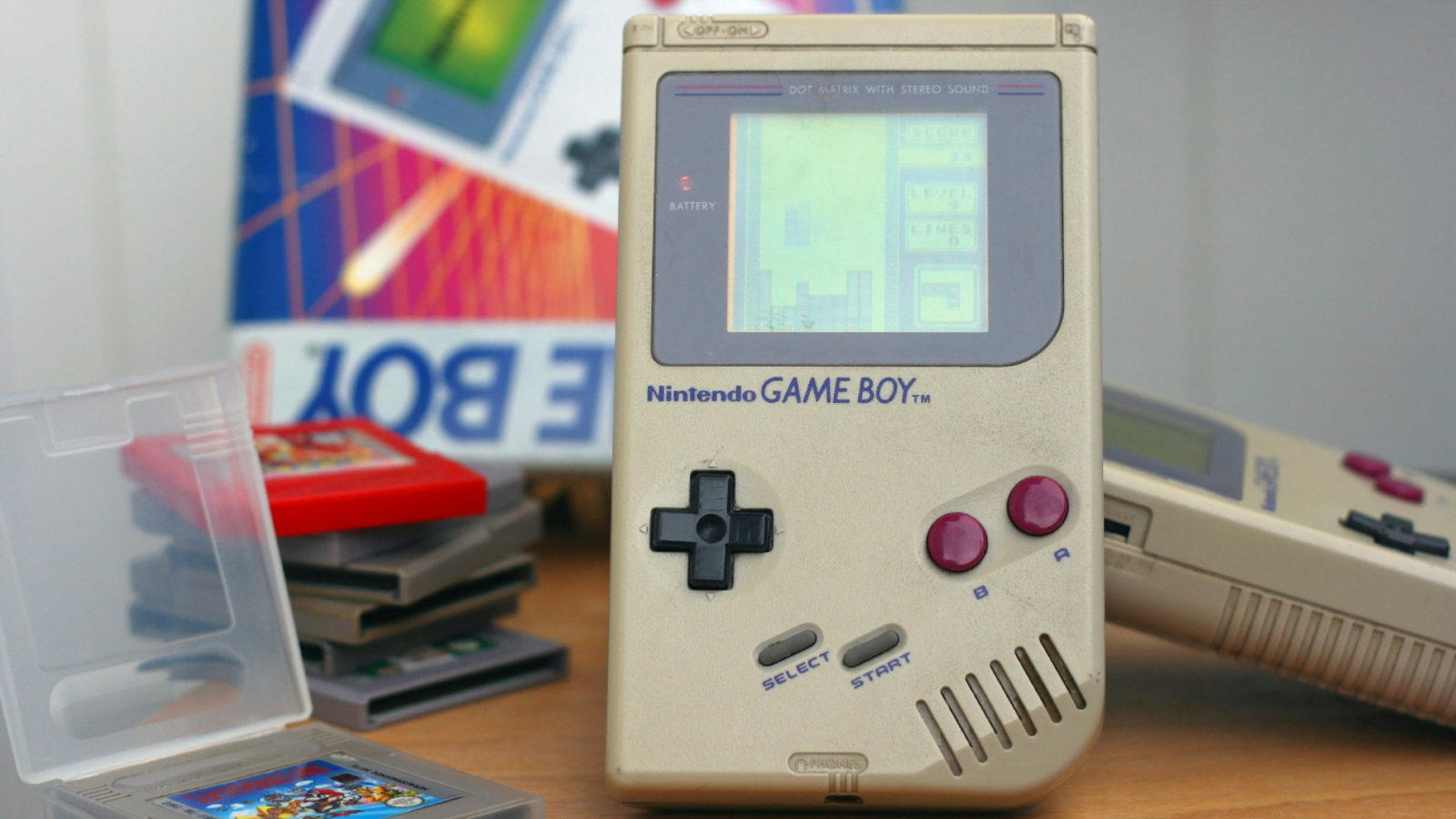
Nintendo’s pricing strategy in Canada extends not only to hardware but also to games and accessories. Many Canadian gamers have noticed that new-release titles and legacy hits are regularly priced higher north of the border, even when accounting for currency exchange. While the U.S. experienced gradual MSRP bumps due to inflation and logistics, Canadian prices often increased in tandem, or even more rapidly. With accessories like Pro Controllers and Joy-Cons marked up disproportionately, Canadian consumers are quietly subsidizing broader market pressures.
Ferrari & Hermès

Luxury goods are no longer immune to the trickle-down effect of tariffs. Brands like Ferrari and Hermès have seen their Canadian prices rise sharply because their North American import paths are routed through the U.S., where duties and tariffs are climbing. High-end handbags and performance cars can cost thousands more in Canada than in Europe or even the United States, despite being identical products. For Canadian buyers, this means they’re footing part of America’s trade war bill, without even a mention on the price tag or at the showroom.
DJI & Blackmagic Design

U.S. tariffs on Chinese electronics have rocked the production schedules of firms like DJI and Blackmagic Design. The Osmo Pocket 3, for example, jumped from USD 519 to USD 799 in a matter of months, with Canadian prices following suit. Despite being sold in Canada, these products often pass through U.S. channels first, making them vulnerable to American tariff inflation. Add in distribution and retail markups, and Canadian content creators are suddenly paying hundreds more than expected. Even as production shifts slowly out of China, the Canadian pricing fallout from U.S. trade policy remains firmly in place.
Levi’s

Levi’s jeans are notably more expensive in Canada, even for the duplicate SKUs found in U.S. stores or online. A 501 Original Fit might go for USD 59.50 at a U.S. outlet, while Canadians will pay CAD 108 or more, even during promotions. Cross-border shoppers often see better deals at U.S. malls or via VPNs than on Levi’s official Canadian site. The company blames regional pricing strategy and distribution costs, but many Canadian customers feel like they’re paying a premium simply for living a few kilometers north of the border.
Samsung TVs

Canadian tech buyers have long complained that Samsung TVs cost significantly more than in the U.S., and that gap is widening. Models sold in both countries, such as the QN90 series, often come with a CAD 300–500 premium in Canada, despite originating from the same factories. Officially, Samsung attributes it to “market conditions.” Still, the reality may stem from shifts in American pricing policies, distributor pressure, and border-crossing logistics, leaving Canadians to wait longer for deals and pay more for everyday tech upgrades.
Acer / Newegg GPUs

On Newegg.ca, GPUs from brands like Acer and XFX often cost CAD 100–300 more than their American counterparts, even after factoring in currency conversion. For example, an AORUS GeForce RTX 4080, priced at USD 1,199 in the U.S., could cost over CAD 1,900 in Canada. Import fees, supply chain bottlenecks, and U.S. trade tariffs all compound the issue. With global demand for GPUs soaring, Canadian gamers and creators are often forced to pay inflated prices, while American policies are a silent contributor to the sticker shock.
Wyze Smart Home Gear

Budget-conscious homeowners in Canada have found themselves paying nearly double for Wyze smart home gear. A Wyze Cam Pan v3, which sells for USD 34 in the U.S., typically costs CAD 60 or more in Canada, before shipping and taxes are applied. Similar markups exist across the brand’s ecosystem, from motion sensors to floodlight cameras. The gap stems partly from import logistics and duties, but also from a deliberate pricing strategy that reflects American cost challenges. While Wyze built its reputation on affordability, its Canadian fans are quietly absorbing costs meant for another country’s market conditions.
Remarkable Tablet

The sleek Norwegian e-notebook Remarkable has become a cult favorite among creatives and professionals, but not all users are paying the same price. Canadian buyers pay around CAD 579 for the base model, while Americans receive the same device for USD 299. Even after adjusting for currency, that’s a hefty markup. The company cites regional taxes, support infrastructure, and logistics as factors, but many users suspect the Canadian price reflects inflated margins tied to U.S. distribution headaches.
United Airlines

Airfare price discrimination has reached new heights. One Reddit user discovered that booking a United Airlines flight from Canada, using a Canadian IP address or credit card, resulted in a fare nearly double the price of the same itinerary booked from the U.S. A ticket costing USD 643 suddenly became CAD 1,308, without explanation beyond automated “regional pricing.” It’s not about taxes, but about algorithmic
21 Products Canadians Should Stockpile Before Tariffs Hit

If trade tensions escalate between Canada and the U.S., everyday essentials can suddenly disappear or skyrocket in price. Products like pantry basics and tech must-haves that depend on are deeply tied to cross-border supply chains and are likely to face various kinds of disruptions
21 Products Canadians Should Stockpile Before Tariffs Hit
shaped by national purchasing power and perceived tolerance. Canadians are essentially being charged a premium just for showing their passport.
This Options Discord Chat is The Real Deal
While the internet is scoured with trading chat rooms, many of which even charge upwards of thousands of dollars to join, this smaller options trading discord chatroom is the real deal and actually providing valuable trade setups, education, and community without the noise and spam of the larger more expensive rooms. With a incredibly low-cost monthly fee, Options Trading Club (click here to see their reviews) requires an application to join ensuring that every member is dedicated and serious about taking their trading to the next level. If you are looking for a change in your trading strategies, then click here to apply for a membership.