35,000+ smart investors are already getting financial news, market signals, and macro shifts in the economy that could impact their money next with our FREE weekly newsletter. Get ahead of what the crowd finds out too late. Click Here to Subscribe for FREE.
Gasoline has a way of turning ordinary purchases into budget stress tests. Canadians have seen how quickly pump prices can reshape household math, especially in a country where driving is still central to daily life. When fuel jumps, the real cost of a purchase becomes much clearer, and items that once felt practical, aspirational, or harmless can suddenly look expensive every single week.
These 18 purchases stand out for one reason: they can quietly lock Canadians into higher operating costs when fuel gets volatile. Some are obvious, like thirsty trucks and SUVs. Others are less obvious, including recreational machines, yard equipment, and even home choices that make driving nearly unavoidable.
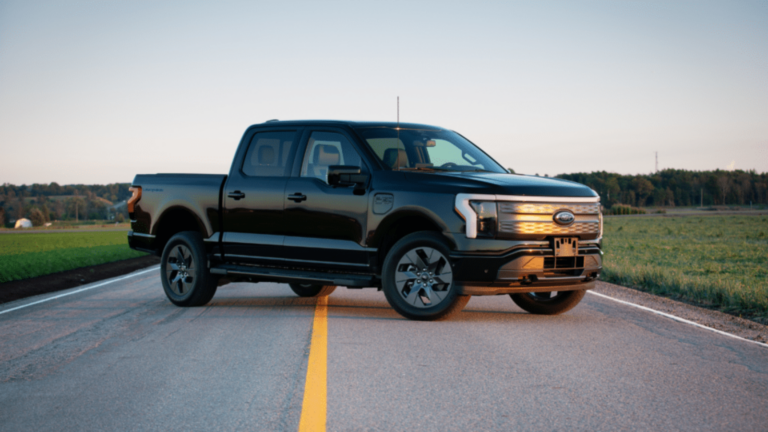
A Full-Size Pickup Used Like a Commuter Car
18 Things Canadians May Regret Buying if Gas Prices Surge Again
- A Full-Size Pickup Used Like a Commuter Car
- A Large Body-on-Frame SUV
- An Oversized Crossover Bought “Just in Case”
- A Performance or Luxury Car That Needs Premium Fuel
- A Cheap Older SUV or Truck That Looks Like a Bargain
- A Weekend or Project Car
- A Motorhome
- A Large Travel Trailer and the Tow Setup That Comes With It
- A Recreational Powerboat
- An ATV or Side-by-Side
- A Snowmobile
- A Gas Snowblower
- A Gas Lawnmower for a Tiny Yard
- A Big Wheel and All-Terrain Tire Package
- A Permanent Roof Box or Rack System
- A House That Locks the Household Into a Long Car Commute
- A Non-Hybrid Family Vehicle When a Hybrid Alternative Exists
- 19 Things Canadians Don’t Realize the CRA Can See About Their Online Income

A full-size pickup can make perfect sense for contractors, rural property owners, and families that tow regularly. It offers winter confidence, cargo room, and a sense of capability that many Canadians genuinely value. The problem starts when that same truck becomes a solo commuter vehicle for office runs, school drop-offs, and grocery trips. In that role, much of the capability goes unused while the fuel bill keeps showing up in full. What feels manageable during stable fuel periods can become irritating fast when pump prices climb.
That is where regret usually begins. The truck still looks good in the driveway and still handles snow well, but every routine errand starts to feel more expensive than it should. A buyer who only hauls mulch twice a year may realize too late that they paid for work-truck consumption without work-truck necessity. In a gas surge, capability stops feeling like freedom and starts feeling like overhead.
A Large Body-on-Frame SUV

Large SUVs sell reassurance. They promise space for hockey bags, road trips, grandparents, cottage weekends, and messy Canadian winters. For some households, that promise is real. But many buyers end up using these vehicles for ordinary suburban life: one or two kids, short errands, commuting, and occasional cargo. In that setting, the extra size often becomes a daily cost rather than a daily advantage. The cabin feels commanding, but the pump starts to feel punishing.
That tension gets worse when gas prices spike. Buyers often discover that they paid for towing, off-road hardware, or a heavy-duty chassis they rarely need. The expense is not only the fill-up itself; it is the frequency of those fill-ups and the psychological drag that comes with them. A large SUV can still be a good purchase for the right family, but when most kilometres are low-stakes routine driving, its size can stop feeling like security and start feeling like excess.
An Oversized Crossover Bought “Just in Case”

The modern crossover is easy to justify because it feels like the safe middle ground. It is not as thirsty as a truck, not as bulky as a full-size SUV, and not as limiting as a compact car. That makes it the default choice for many Canadians. The catch is that buyers often size up for hypothetical needs rather than actual ones. The future third child, the camping trip that may never happen, or the once-a-year furniture run becomes the reason to buy more vehicle than daily life really demands.
When gas prices rise, that “just in case” logic starts to fray. A larger crossover may only burn a little more fuel than a smaller one on paper, but the difference compounds over years of commuting and errands. That is especially true in households where the vehicle’s real job is daycare, groceries, appointments, and a few weekend outings. During a fuel surge, buyers often realize they were not paying for flexibility. They were paying a permanent premium for a possibility.
A Performance or Luxury Car That Needs Premium Fuel

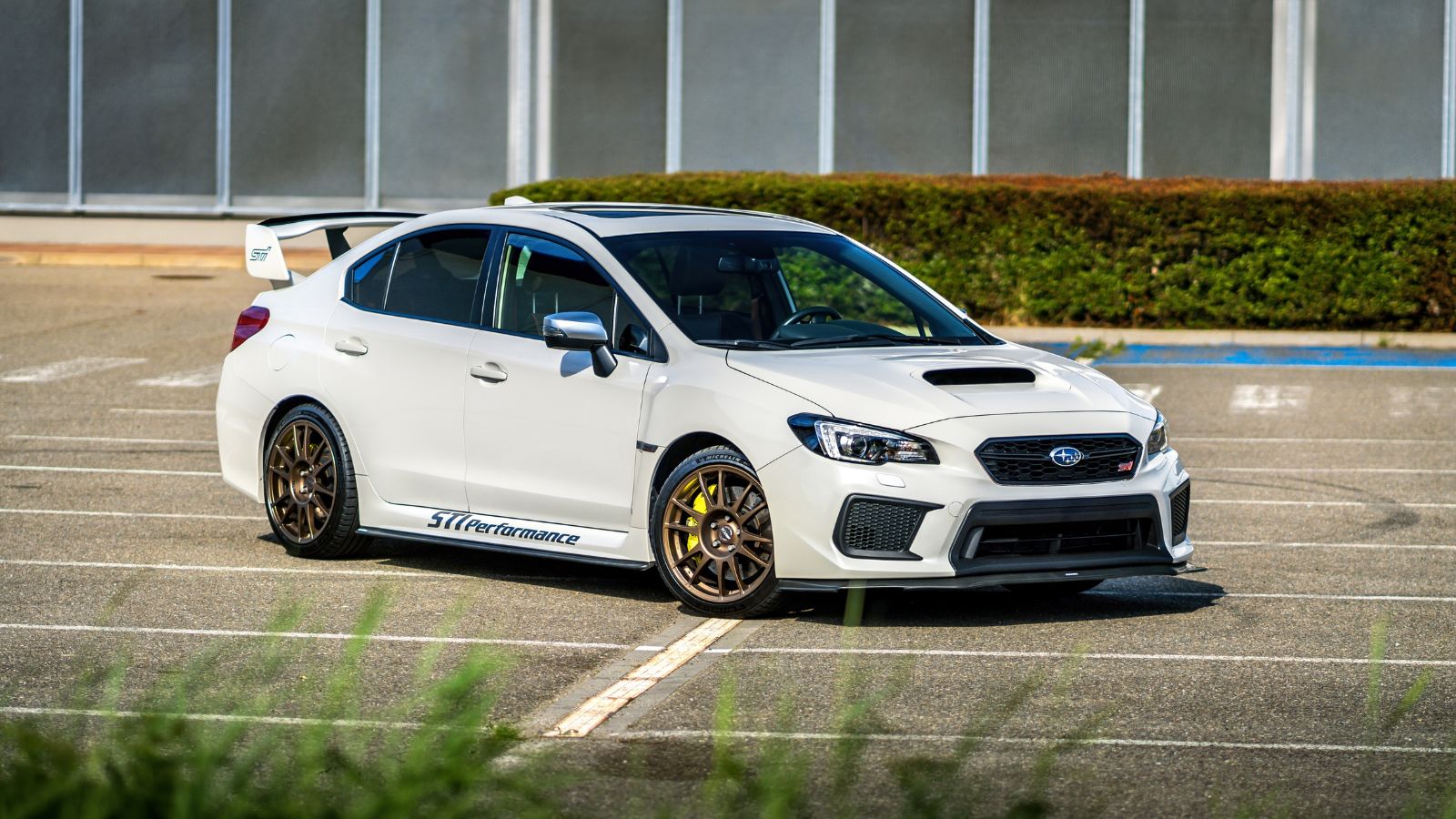
Luxury and performance vehicles can be deeply appealing, especially when they blend power with comfort and strong styling. But premium fuel has a way of making that appeal feel expensive in a hurry. The issue is not only that premium costs more per litre. It is that owners tend to feel the difference every single fill-up, especially if the vehicle also has a turbocharged engine, larger wheels, or a driving style that encourages stronger fuel use.
There is also confusion around premium itself. Some buyers assume premium is always the “better” option, even in vehicles that do not truly benefit from it. Others buy vehicles where premium is recommended, then convince themselves the extra cost will not matter much. It often does. When gas prices surge, a vehicle that already costs more to operate becomes a constant reminder that status and performance rarely stay emotionally satisfying when the math turns against them.
A Cheap Older SUV or Truck That Looks Like a Bargain
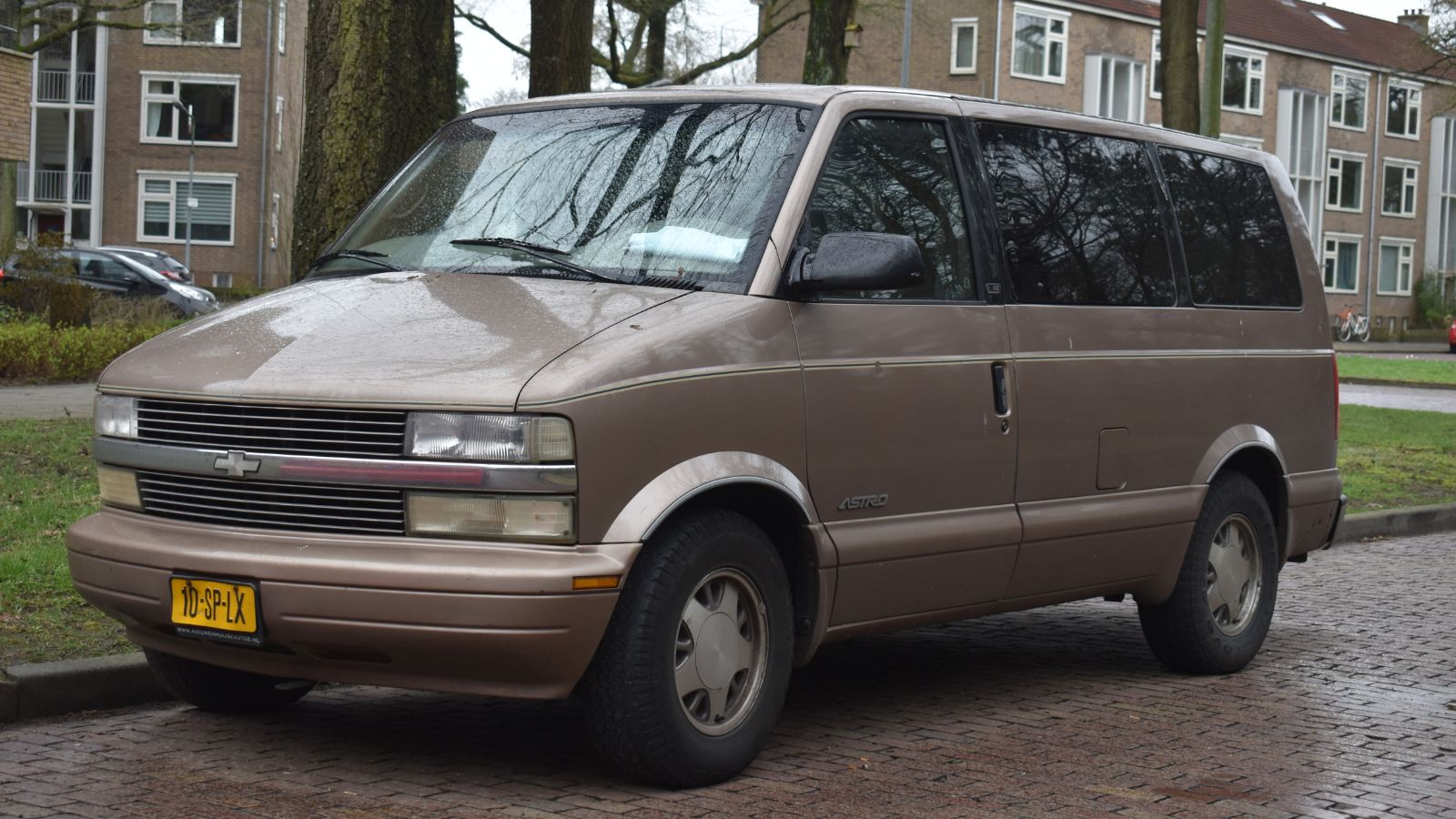
Older SUVs and trucks can feel like smart value. The purchase price is low, the styling may still look tough, and there is often a belief that an old, simple vehicle will be cheaper overall than something newer. Sometimes that is true. Often, it is only partly true. An older gas-heavy vehicle can save money on the way in and then quietly demand it back through fuel, repairs, rust-related issues, and more frequent maintenance. A bargain can stay a bargain only if the operating costs remain tolerable.
That is where a fuel spike changes the story. A buyer who was proud to avoid a large monthly payment may suddenly be paying an invisible fuel premium week after week. The emotional trap is powerful because the initial deal still feels clever. But low sticker prices can disguise expensive ownership, especially when the vehicle was already inefficient when new. Once fuel rises, the “cheap” SUV or truck often stops looking like a deal and starts looking like a delayed expense.
A Weekend or Project Car
A weekend car has a different kind of appeal. It is emotional, personal, and rarely bought from a spreadsheet alone. Maybe it is a summer convertible, an old sports coupe, or a project that scratches a long-standing itch. The regret does not usually come from the joy it brings. It comes from the realization that a lightly used car still costs real money even when it hardly moves. Insurance, storage, battery maintenance, registration, repairs, and occasional fill-ups all remain part of the picture.
Gas prices make that tension sharper because the car’s purpose is discretionary by design. It is difficult to justify a thirsty toy when every drive feels like a premium indulgence layered on top of already rising household costs. The car may still be loved, but the timing can feel wrong. What once represented freedom can start to feel like an extra obligation sitting in the driveway, waiting for a cheaper season that may not arrive soon.
A Motorhome
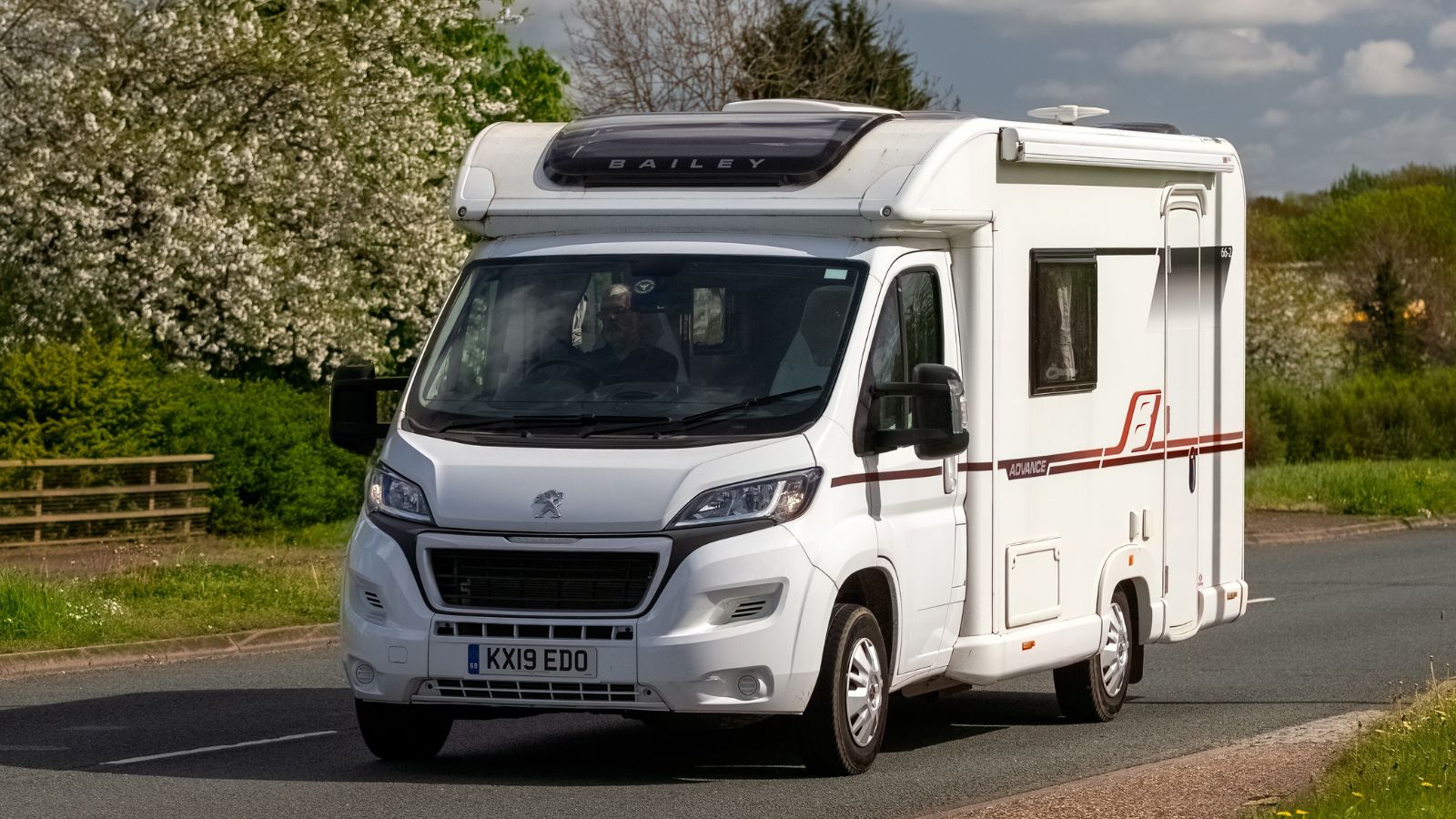
Motorhomes sell a dream that is especially powerful in Canada: freedom, flexibility, scenery, and the ability to take home comforts onto the road. For households that use them often, that dream can still hold up. But for many buyers, usage ends up being far lighter than expected. The motorhome sits more than it travels, yet it still generates costs through storage, insurance, upkeep, depreciation, and fuel. The purchase feels justified during the shopping phase because the lifestyle vision is so vivid.
When fuel prices surge, the vision meets the operating reality. A road trip that once felt adventurous can start to feel like a series of expensive stops. Even households that still love RV travel often change their behaviour by driving shorter distances, packing lighter, or staying longer in one place to reduce fuel exposure. That says a lot. A motorhome is not necessarily a bad purchase, but when it is used only occasionally, a fuel spike can expose how expensive a dream becomes when it is not lived often enough.
A Large Travel Trailer and the Tow Setup That Comes With It
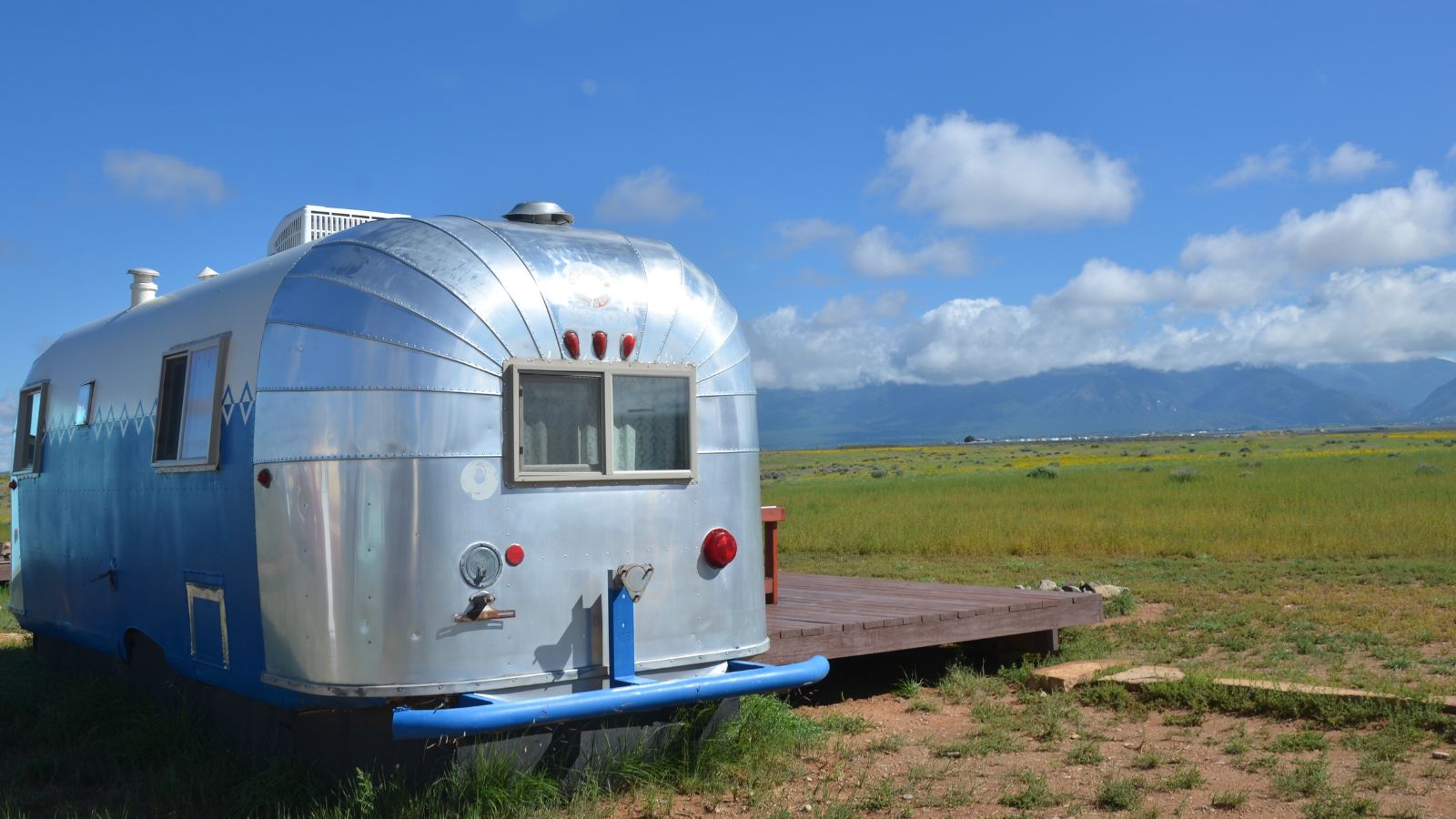
Travel trailers look more affordable than motorhomes at first glance, which is part of their appeal. The trailer itself may seem reachable, and buyers often like the idea of unhitching at the campsite and using the tow vehicle separately. But the real cost rarely stops at the trailer price. There is the hitch, brake controller, storage, accessories, and often the uncomfortable question of whether the existing vehicle is actually enough to tow it safely and comfortably once gear, water, propane, and passengers are added.
That is where regret can creep in. A family may set out to buy a trailer and end up functionally buying a more expensive truck lifestyle as well. The trailer still promises fun, but its true price includes everything required to move it. When fuel surges, every campground weekend starts with a tow bill before the trip has even begun. For light users, the setup can start to feel like an expensive answer to a question that renting might have solved more efficiently.
A Recreational Powerboat

Boats are classic feel-good purchases because they compress summer into a single object. On the right weekend, they can feel completely worth it. But boats also have a way of reminding owners that recreation can be mechanically expensive. Fuel is only one part of that, yet it becomes far more noticeable when prices rise. A day on the water that once felt carefree can start to carry a mental meter, especially for owners who run larger engines or enjoy higher-speed cruising.
The regret is often subtle rather than dramatic. Owners still love the lake, the memories, and the status of having a boat, but they begin using it less or choosing shorter outings. That is when the economics start to sting. The trailer, storage, maintenance, launching, and fuel all exist whether the boat gets used heavily or not. During a gas surge, a powerboat can quickly shift from cherished lifestyle purchase to expensive luxury that suddenly needs to justify itself every weekend.
An ATV or Side-by-Side

ATVs and side-by-sides often get sold as both practical and fun, which makes them easier to rationalize than purely recreational toys. On rural land or large properties, that can be true. They help with hauling, trail access, and seasonal work. But many units are bought mainly for leisure, and leisure machines have a tendency to become occasional-use assets with full-time ownership costs. Fuel, transport, storage, maintenance, and accessories rarely feel dramatic individually, but together they add up.
Gas spikes make those trade-offs harder to ignore. Even manufacturers talk openly about using two-wheel drive or more efficient driving modes to save fuel when full capability is not needed. That says something important: efficiency matters even in toys built for adventure. For buyers who imagined constant use and end up riding only a handful of weekends each season, regret tends to arrive not because the machine is bad, but because the real pattern of use never matched the excitement of the purchase.
A Snowmobile

A snowmobile can feel completely sensible in the right region and completely indulgent in the wrong usage pattern. For riders who spend serious time on trails or rely on them for access and utility, the value is real. But many buyers fall somewhere in the middle: they want the winter lifestyle, love the idea of long rides, and then use the sled far less than expected. Weather, snow conditions, family schedules, and trail access all shape how much it actually gets ridden.
That unpredictability matters more when fuel rises. Snowmobiles are already seasonal, which means the ownership window is short and the costs are concentrated. Even efficient models are still recreational fuel users, and more powerful machines make the expense feel sharper. The regret is rarely about the machine itself. It is about discovering that a product bought for a full winter identity ended up serving a few carefully chosen weekends, each one feeling more expensive than the last.
A Gas Snowblower

A gas snowblower can be a lifesaver on long driveways, steep grades, and in snowbelt communities that get hammered repeatedly. But a surprising number of them are bought for smaller properties where the machine ends up being underused. In those cases, the owner is paying for gas, maintenance, storage, and off-season hassle for something that may see limited action in a lighter winter. What feels like preparedness in December can feel like overbuying by March.
This is one of those purchases that becomes easier to question as fuel prices climb and battery alternatives improve. The emotional logic behind buying one is strong because nobody wants to be stuck in a storm regretting not having it. But the opposite regret is real too. If the driveway is modest and snowfall is inconsistent, the machine can start to feel like an expensive convenience rather than an essential tool. Fuel spikes make that feeling harder to ignore.
A Gas Lawnmower for a Tiny Yard
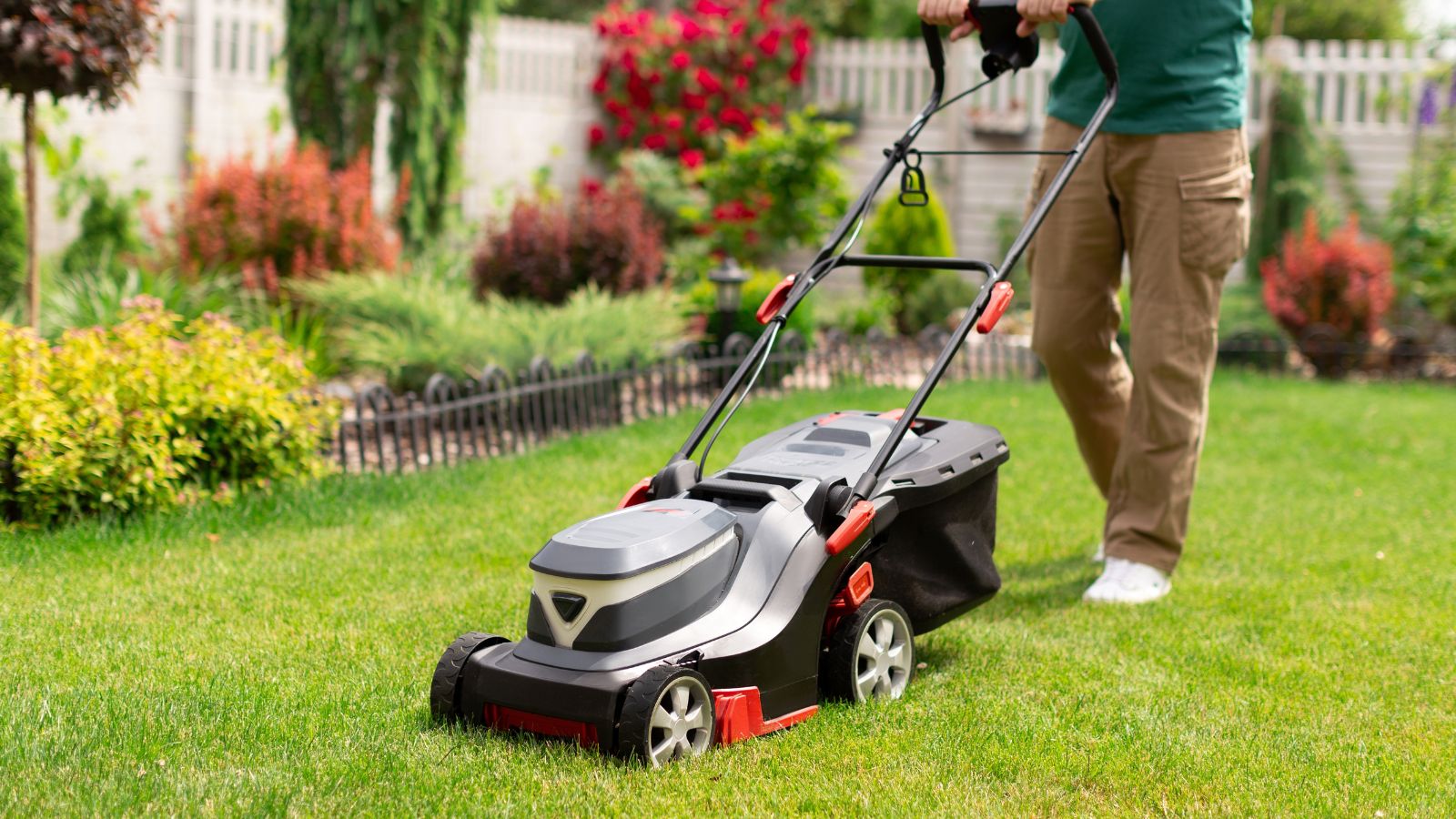
For large suburban lots or rural properties, a gas mower still makes practical sense. It is fast, familiar, and effective. But many Canadians are using gas mowers on small, simple yards where the machine’s full capability is unnecessary. On those properties, the mower may be more about habit than need. The purchase seems harmless because the fuel use per mow is not huge, yet small recurring costs have a way of feeling bigger when gasoline is expensive everywhere else in the household budget.
That is why regret can set in over time rather than overnight. A buyer may not mind one jerry can or one summer tune-up, but once gas prices surge, even small engine ownership starts to feel inefficient. The contrast becomes sharper when neighbours with compact electric models finish quietly and move on. A gas mower is rarely the purchase that breaks a budget, but it can become the purchase that makes a household feel like it is still paying yesterday’s operating costs in today’s market.
A Big Wheel and All-Terrain Tire Package
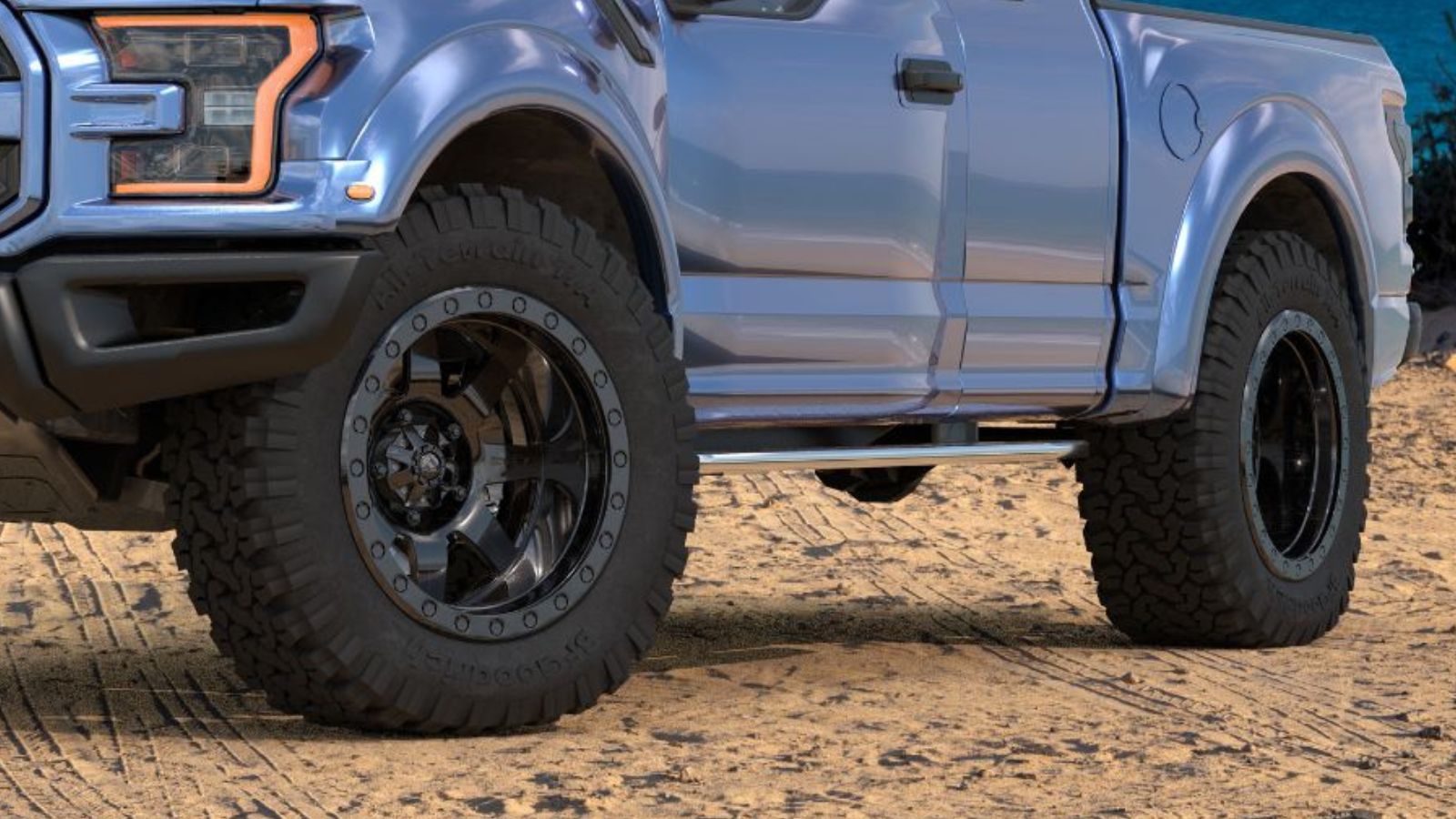
Wheel-and-tire upgrades are among the easiest automotive purchases to justify emotionally. They change the whole look of a vehicle, add toughness, and can make an ordinary truck or SUV feel far more premium or purposeful. But looks come with trade-offs. Bigger wheels and more aggressive tires usually cost more to buy, more to replace, and can chip away at comfort and efficiency. That matters much more when fuel prices surge and daily driving is mostly pavement, not trails.
The regret tends to be strongest when the upgrade was done for image rather than genuine use. Many buyers love the stance for the first few months, then slowly notice harsher ride quality, more road noise, and pricier replacements. The fuel penalty may look small in isolation, but it is exactly the kind of recurring drag that becomes annoying in a high-gas environment. A wheel-and-tire package can make a vehicle look ready for anything while making it more expensive for everyday life.
A Permanent Roof Box or Rack System
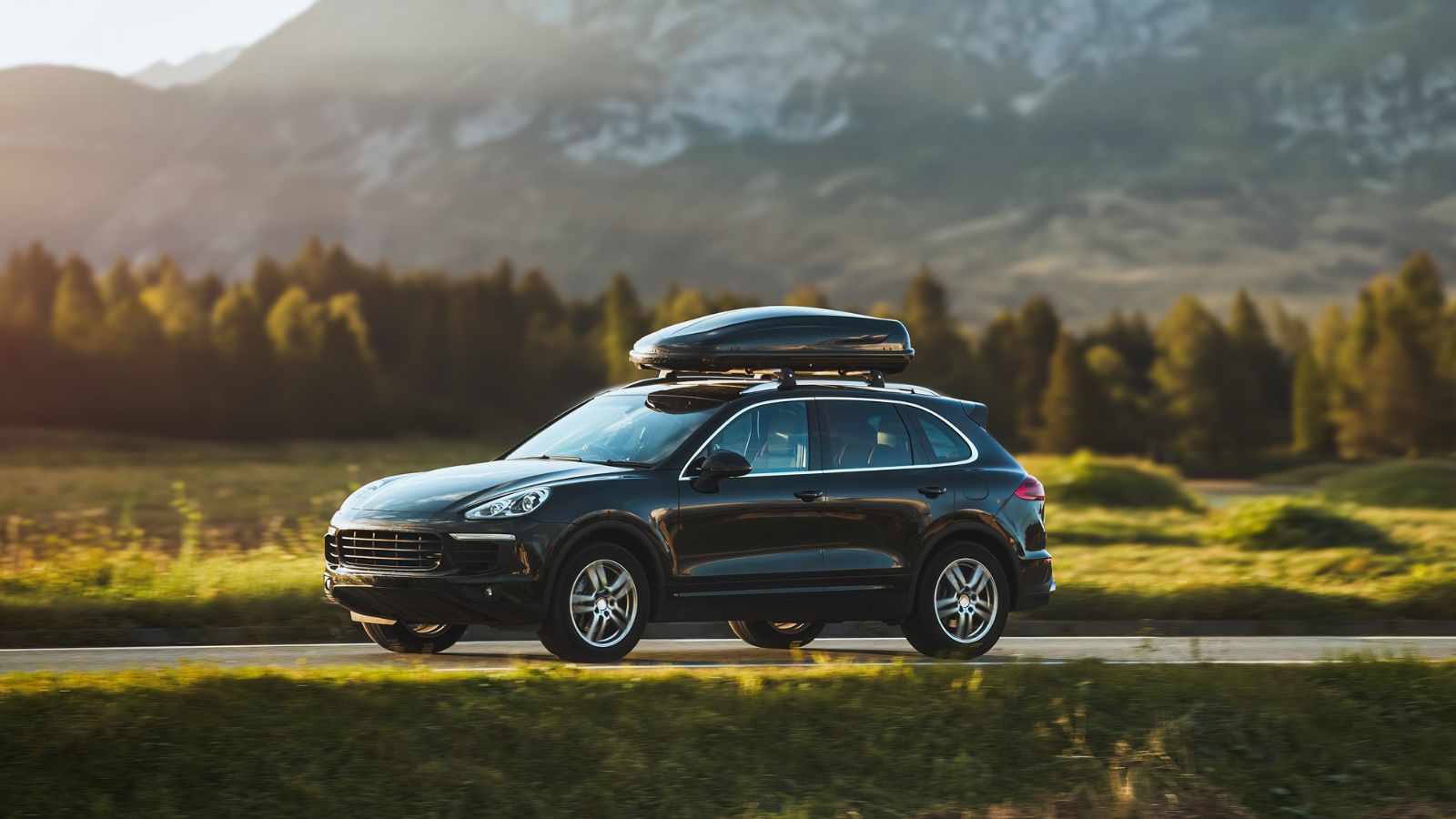
Roof cargo boxes, bike trays, ski racks, and crossbar systems can be incredibly useful when they are actually in use. Canada’s climate and outdoor culture make them easy purchases to defend. The problem is that many stay mounted year-round long after the trip, ski weekend, or cottage run is over. Once that happens, the accessory stops being occasional utility and starts becoming permanent aerodynamic drag. The owner may not notice it day to day, but the fuel bill eventually does.
This is one of the clearest examples of a purchase that feels small until gas prices rise. A roof system is rarely bought with long-term fuel costs in mind. It is bought for convenience. But highway efficiency can take a real hit when cargo lives on the roof, and even an empty rack is not free. In a fuel surge, buyers often realize the accessory was helping a few weekends while quietly charging them for every commute in between.
A House That Locks the Household Into a Long Car Commute
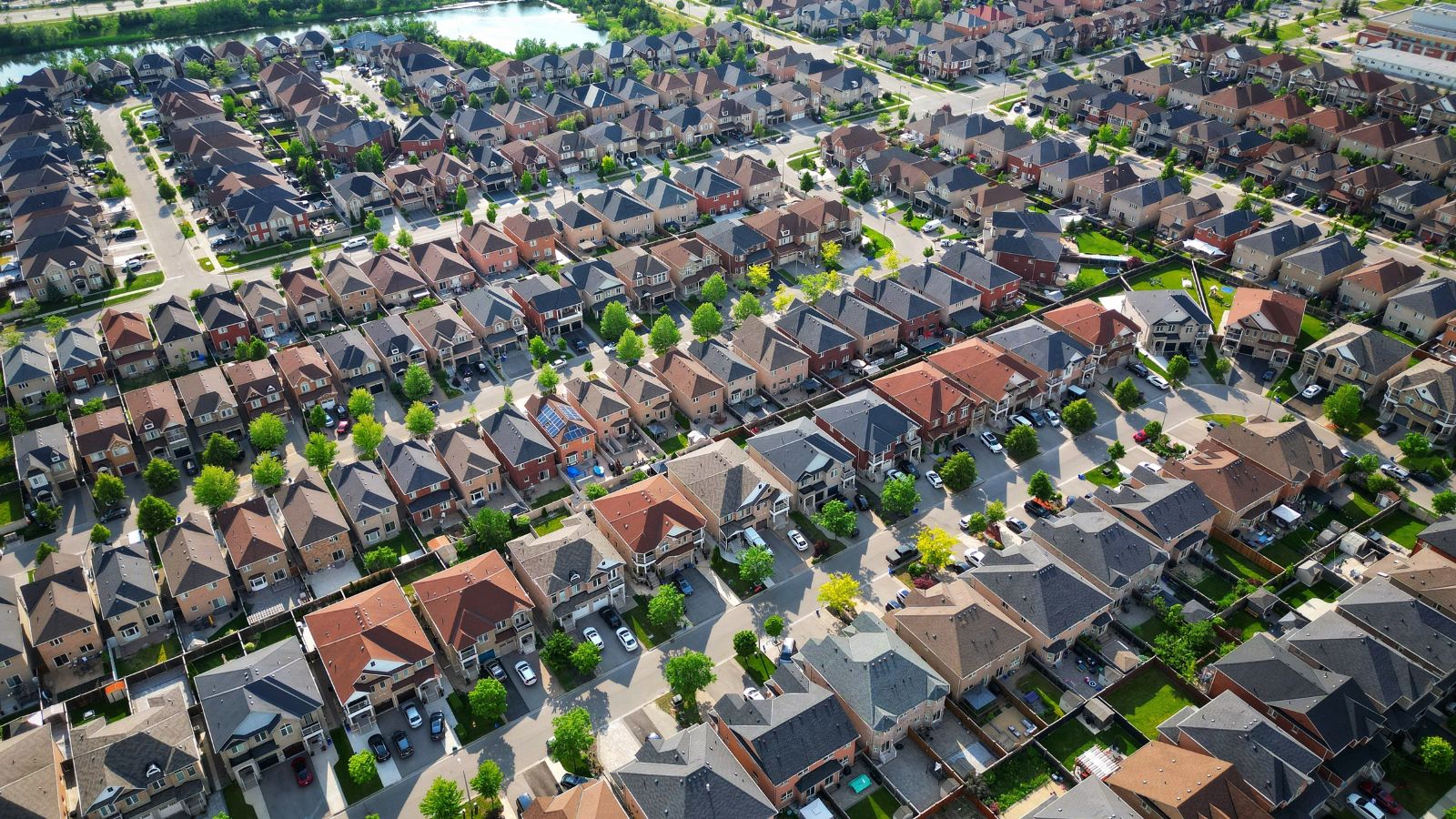
Not every regret tied to gas prices sits in the garage. Sometimes it sits at the end of a long subdivision street. A house in a far-flung suburb can look like a smart purchase because the space is generous and the sticker price may feel more reasonable than a closer-in alternative. But housing costs are only part of household geography. Transportation costs matter too, especially in low-density areas where stores, schools, services, and work often require regular driving.
That trade-off becomes painfully clear when fuel rises. A mortgage that once seemed comfortably lower than a more central property can be offset by daily commuting costs, more vehicle wear, and the simple drain of time. Statistics consistently show that lower-density neighbourhoods are more car-dependent, which means a fuel shock does not just affect one optional trip. It affects the whole structure of daily life. In that situation, regret is not about the house itself. It is about the location economics attached to it.
A Non-Hybrid Family Vehicle When a Hybrid Alternative Exists

This may become one of the quietest sources of regret in the years ahead. Many family vehicles now have efficient hybrid competitors, and in some cases hybrid versions of the same basic product. A buyer may still choose the all-gas model because it is familiar, immediately available, or slightly cheaper up front. That choice can feel reasonable in the showroom. It feels less comfortable when fuel spikes and the household realizes it passed on a built-in hedge against volatile operating costs.
The regret here is not ideological. It is practical. Hybrid growth has been strong because buyers increasingly see efficiency as risk management, not just environmental positioning. When gasoline rises, the owner of the gas-only model is not only paying more. They are also reminded that an alternative was sitting nearby at the time of purchase. That tends to sting more than a bad deal on price. It feels like missing the obvious answer just before the question became urgent.
19 Things Canadians Don’t Realize the CRA Can See About Their Online Income

Earning money online feels simple and informal for many Canadians. Freelancing, selling products, and digital services often start as side projects. The problem appears at tax time. Many people underestimate how much information the CRA can access. Online platforms, banks, and payment processors create detailed records automatically. These records do not disappear once money hits an account. Small gaps in reporting add up quickly.
Here are 19 things Canadians don’t realize the CRA can see about their online income.
This Options Discord Chat is The Real Deal
While the internet is scoured with trading chat rooms, many of which even charge upwards of thousands of dollars to join, this smaller options trading discord chatroom is the real deal and actually providing valuable trade setups, education, and community without the noise and spam of the larger more expensive rooms. With a incredibly low-cost monthly fee, Options Trading Club (click here to see their reviews) requires an application to join ensuring that every member is dedicated and serious about taking their trading to the next level. If you are looking for a change in your trading strategies, then click here to apply for a membership.