35,000+ smart investors are already getting financial news, market signals, and macro shifts in the economy that could impact their money next with our FREE weekly newsletter. Get ahead of what the crowd finds out too late. Click Here to Subscribe for FREE.
Climate change is no longer a distant issue for Canadians. Its financial impact is already showing up in everyday life. From housing and food to insurance and utilities, costs are rising quietly. Many households feel pressure without linking it to climate shifts. Extreme weather, infrastructure strain, and health impacts now affect yearly budgets. These expenses do not arrive as one large bill. They appear gradually, often without warning. Here are 18 shocking ways climate change is already costing Canadians thousands a year.
Rising Home Insurance Premiums
18 Shocking Ways Climate Change Is Already Costing Canadians Thousands a Year
- Rising Home Insurance Premiums
- More Frequent Flood Damage Repairs
- Increased Heating and Cooling Bills
- Higher Grocery Prices Due to Crop Disruptions
- Costly Wildfire Evacuations and Property Loss
- Expensive Home Retrofits for Extreme Weather
- Vehicle Damage From Severe Storms
- Rising Property Taxes in High-Risk Areas
- Increased Health Care and Out-of-Pocket Medical Costs
- Higher Energy Costs From Grid Strain
- Reduced Property Values in Climate-Vulnerable Regions
- Lost Income From Climate-Related Job Disruptions
- Increased Travel and Transportation Costs
- Higher Costs for Water and Utility Services
- More Spending on Emergency Preparedness
- Increased Maintenance Costs for Homes and Infrastructure
- Higher Costs for Business and Self-Employed Canadians
- Paying More for Insurance Deductibles and Coverage Gaps
- 22 Groceries to Grab Now—Before another Price Shock Hits Canada

Rising home insurance premiums are already increasing household costs across Canada. Insurers face higher claims from floods, fires, and storms. These costs get passed on to homeowners through higher premiums. Some regions now face limited coverage options. Deductibles have also increased in high-risk areas. Even homeowners with no claims feel the impact. Annual premium increases strain monthly budgets. Older homes face sharper hikes due to risk profiles. Skipping coverage is rarely an option. Insurance now takes a larger share of housing costs, quietly adding thousands over time for many Canadian families.
More Frequent Flood Damage Repairs

More frequent flood damage repairs are creating major expenses for Canadians. Heavy rainfall events are happening more often. Basements flood even in areas once considered low risk. Repairs involve flooring, drywall, electrical work, and mold treatment. Insurance does not always cover full costs. Deductibles apply every time. Repeated repairs drain savings quickly. Some homeowners face resale challenges after multiple incidents. Preventive upgrades also cost money. Flood damage has shifted from rare events to recurring expenses. These repairs quietly add up to thousands for affected households each year.
Increased Heating and Cooling Bills

Increased heating and cooling bills are hitting Canadian households year-round. Winters bring sharper cold snaps in some regions. Summers bring longer heat waves. Homes require more energy to stay comfortable. Older insulation struggles with temperature extremes. Air conditioning use has increased across Canada. Energy rates continue to rise. Monthly utility bills grow steadily. Seasonal spikes strain household cash flow. Small increases accumulate annually. Climate-driven energy use now adds high costs, turning basic comfort into a growing financial burden for many Canadian families.
Higher Grocery Prices Due to Crop Disruptions

Higher grocery prices due to crop disruptions affect every Canadian household. Droughts, floods, and heat damage crops regularly now. Canadian farms face lower yields and higher operating costs. Imported food prices also rise due to global disruptions. Transportation costs increase alongside shortages. These factors push grocery prices upward. Staples like produce and grains cost more. Price volatility makes budgeting harder. Families adjust portions or quality to cope. Food inflation linked to climate events quietly raises annual spending by thousands, especially for households already managing tight budgets.
Costly Wildfire Evacuations and Property Loss
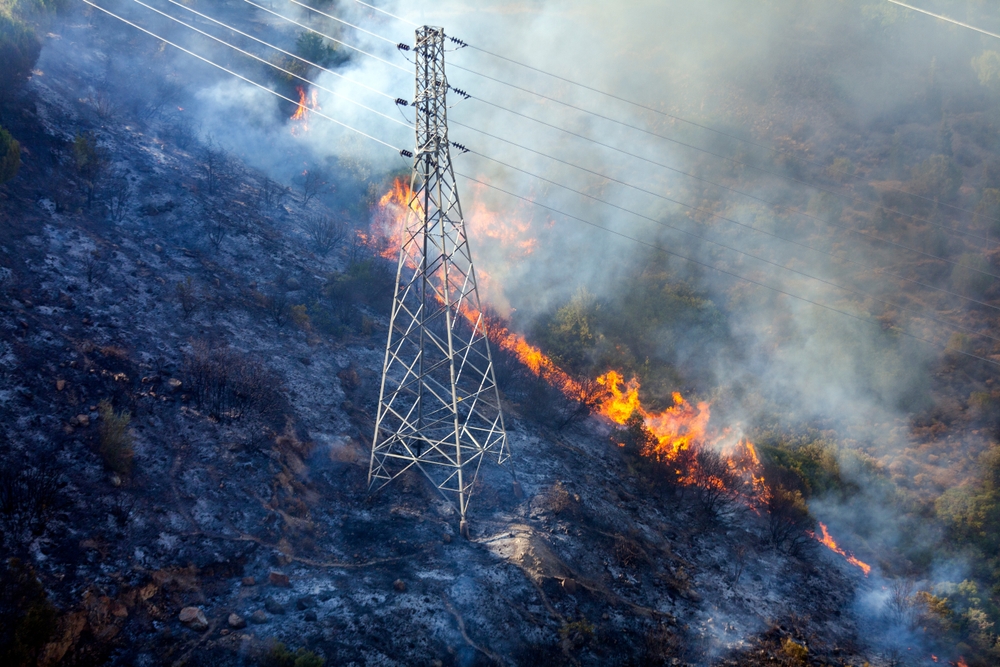
Costly wildfire evacuations and property loss affect more Canadians each year. Wildfires now threaten communities across multiple provinces. Evacuations disrupt work and daily life. Travel, lodging, and food costs rise quickly. Insurance may not cover all evacuation expenses. Property damage leads to long repair timelines. Smoke damage affects homes even outside fire zones. Some residents face temporary relocation costs. Income loss adds pressure. Wildfires no longer feel remote. These events create sudden financial shocks that leave lasting impacts on household stability across affected regions.
Expensive Home Retrofits for Extreme Weather

Expensive home retrofits for extreme weather are becoming unavoidable. Many Canadian homes were not built for current climate conditions. Upgrades include sump pumps, backwater valves, insulation, and cooling systems. These improvements enhance safety but come at a cost of thousands upfront. Grants help, but rarely cover full expenses. Delaying upgrades increases future damage risk. Homeowners face pressure to act proactively. Older properties face higher retrofit costs. Climate resilience now requires investment. These retrofits add another long-term expense driven directly by changing weather patterns across Canada.
Vehicle Damage From Severe Storms

Vehicle damage from severe storms is becoming more common across Canada. Hailstorms crack windshields and dent body panels. Flooded roads damage engines and electrical systems. Ice storms cause falling branches and debris damage. Insurance claims for vehicle repairs have increased. Deductibles still apply, even with coverage. Some damage goes uninsured due to exclusions. Repair delays add transportation costs. Replacement vehicles cost more during peak claim periods. Repeated storm exposure shortens vehicle lifespan. These repairs quietly add thousands in unexpected expenses for Canadian drivers each year.
Rising Property Taxes in High-Risk Areas
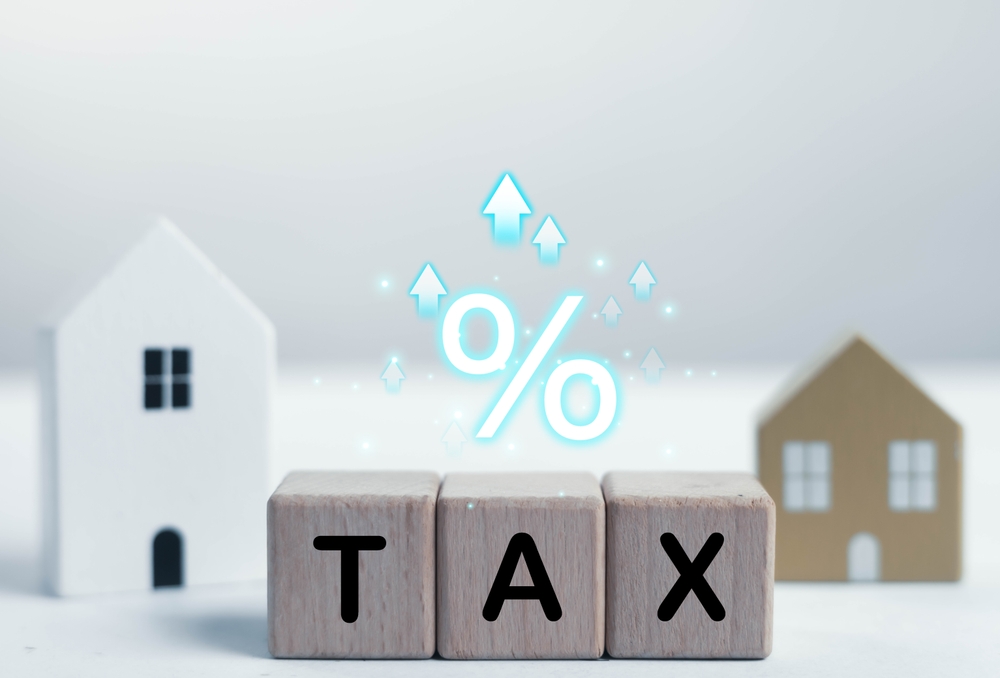
Rising property taxes in high-risk areas are affecting household budgets. Municipalities face higher costs for infrastructure repairs. Flood control, drainage upgrades, and emergency services require funding. These costs often shift to property taxes. Homes in flood-prone or fire-prone zones face steeper increases. Even residents without direct damage pay more. Insurance pressures also influence municipal planning costs. Property taxes rise steadily rather than suddenly. Over time, the impact becomes significant. Climate risk now influences local tax burdens. Living in vulnerable areas increasingly carries higher ongoing costs.
Increased Health Care and Out-of-Pocket Medical Costs

Increased health care and out-of-pocket medical costs affect many Canadians. Heat waves worsen respiratory and cardiovascular conditions. Smoke from wildfires increases doctor visits and medication use. Allergies last longer due to extended pollen seasons. Public health coverage does not include all costs. Prescription drugs, air purifiers, and protective equipment add expenses. Missed workdays also affect income. Vulnerable populations face higher strain. Climate-related health impacts are no longer rare. These ongoing costs quietly reduce household savings and increase annual spending across many Canadian families.
Higher Energy Costs From Grid Strain

Higher energy costs from grid strain are hitting Canadian households. Extreme weather increases electricity demand sharply. Heat waves push air conditioning use higher. Cold snaps strain heating systems. Power grids require costly upgrades to handle demand. These costs are reflected in energy rates. Temporary outages also disrupt daily life. Backup power solutions add expenses. Energy providers pass infrastructure costs to consumers. Monthly bills climb steadily. Climate-driven grid pressure now affects utility affordability, turning energy into a growing household expense rather than a predictable basic cost.
Reduced Property Values in Climate-Vulnerable Regions
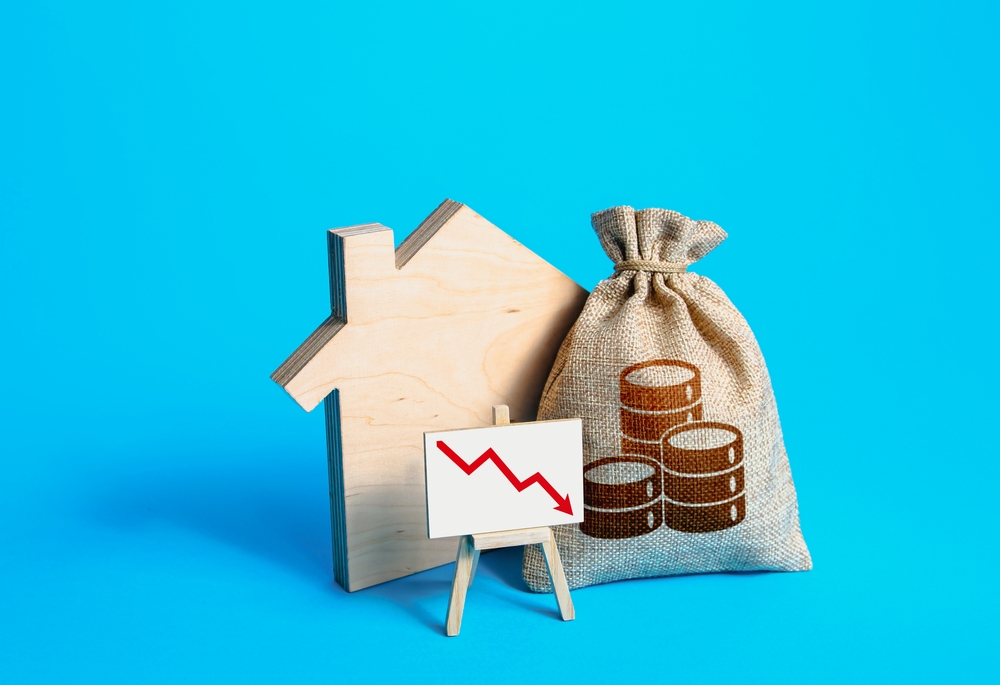
Reduced property values in climate-vulnerable regions affect long-term wealth. Homes in flood zones or wildfire areas lose buyer interest. Insurance challenges reduce market appeal. Buyers factor future risk into offers. Selling becomes harder after repeated climate events. Renovations may not recover value. Some areas face slower appreciation or outright declines. Home equity growth stalls unexpectedly. Owners feel trapped financially. Climate risk now influences real estate decisions directly. Reduced property values translate into lost wealth and fewer financial options for affected Canadian homeowners.
Lost Income From Climate-Related Job Disruptions

Lost income from climate-related job disruptions affects many workers. Extreme weather delays construction and outdoor work. Wildfires shut down tourism and local businesses. Floods disrupt transportation and supply chains. Power outages halt operations temporarily. Self-employed workers feel the impacts immediately. Hourly workers lose shifts without compensation. Recovery periods stretch longer each year. Income volatility increases stress. Climate events now interrupt work regularly. These disruptions create hidden income losses that add up annually, making financial planning harder for Canadians across multiple industries.
Increased Travel and Transportation Costs

Increased travel and transportation costs are affecting Canadians more each year. Extreme weather disrupts roads, rail, and air travel. Flooded highways and storm damage cause detours and delays. Fuel consumption rises during longer routes and idling. Repairs to damaged roads lead to tolls or fees in some areas. Public transit systems face service interruptions and fare increases. Vehicle wear increases under harsh conditions. Insurance claims also raise indirect costs. Daily commuting becomes more expensive. Climate-related disruptions now add ongoing transportation expenses that quietly raise annual household spending.
Higher Costs for Water and Utility Services

Higher costs for water and utility services are becoming more common. Droughts strain water supplies in some regions. Heavy rainfall overwhelms treatment systems in others. Municipalities invest in upgrades to manage extremes. These costs get passed to residents through higher bills. Aging infrastructure needs more frequent repairs. Usage restrictions sometimes increase fees. Utility reliability requires expensive maintenance. Households pay more without increased consumption. Water and utilities now reflect climate pressure. These rising service costs add steady financial strain to Canadian households year after year.
More Spending on Emergency Preparedness
More spending on emergency preparedness has become a regular expense. Canadians now prepare for floods, fires, and power outages. Emergency kits include generators, backup batteries, food, and supplies. These items require upfront and replacement costs. Many households invest in sump pumps or air filtration. Insurance discounts sometimes require preparedness upgrades. Public warnings encourage readiness. While necessary, these expenses were once optional. Preparedness spending repeats after each event. Climate risk has turned emergency planning into a recurring household cost rather than a one-time purchase.
Increased Maintenance Costs for Homes and Infrastructure
Increased maintenance costs for homes and infrastructure affect homeowners steadily. Extreme weather accelerates wear and tear. Roofs, siding, and foundations face more stress. Freeze-thaw cycles cause cracks and leaks. Drainage systems need frequent clearing. Municipal infrastructure repairs raise service disruptions. Homeowners spend more on inspections and fixes. Delaying maintenance increases future repair costs. Insurance may require proof of upkeep. Climate-driven damage shortens replacement cycles. Maintenance now consumes a larger share of household budgets across many parts of Canada.
Higher Costs for Business and Self-Employed Canadians

Higher costs for business and self-employed Canadians are becoming unavoidable. Climate events disrupt operations and supply chains. Insurance premiums and deductibles rise for businesses. Equipment damage leads to replacement expenses. Missed workdays reduce revenue. Adaptation measures require investment. Energy and transportation costs increase operating expenses. Small businesses face limited buffers. Self-employed workers absorb losses directly. Planning becomes harder with frequent disruptions. Climate-related costs now affect pricing, stability, and income for Canadian businesses, reducing profitability and increasing financial uncertainty year after year.
Paying More for Insurance Deductibles and Coverage Gaps

Paying more for insurance deductibles and coverage gaps adds hidden costs. Insurers raise deductibles to manage rising claims. Coverage limits tighten in high-risk areas. Some risks become partially excluded. Canadians pay more out of pocket for claims. Multiple events mean repeated deductibles. Premium increases do not guarantee full coverage. Understanding policies becomes harder. Unexpected costs follow disasters. These gaps create financial surprises. Climate-driven insurance changes shift more risk to households, quietly increasing the real cost of recovery after extreme weather events.
22 Groceries to Grab Now—Before another Price Shock Hits Canada

Food prices in Canada have been steadily climbing, and another spike could make your grocery bill feel like a mortgage payment. According to Statistics Canada, food inflation remains about 3.7% higher than last year, with essentials like bread, dairy, and fresh produce leading the surge. Some items are expected to rise even further due to transportation costs, droughts, and import tariffs. Here are 22 groceries to grab now before another price shock hits Canada.
22 Groceries to Grab Now—Before another Price Shock Hits Canada
This Options Discord Chat is The Real Deal
While the internet is scoured with trading chat rooms, many of which even charge upwards of thousands of dollars to join, this smaller options trading discord chatroom is the real deal and actually providing valuable trade setups, education, and community without the noise and spam of the larger more expensive rooms. With a incredibly low-cost monthly fee, Options Trading Club (click here to see their reviews) requires an application to join ensuring that every member is dedicated and serious about taking their trading to the next level. If you are looking for a change in your trading strategies, then click here to apply for a membership.