35,000+ smart investors are already getting financial news, market signals, and macro shifts in the economy that could impact their money next with our FREE weekly newsletter. Get ahead of what the crowd finds out too late. Click Here to Subscribe for FREE.
A stretch of extreme heat can change a household budget surprisingly quickly. Air conditioners run longer, lawns need more water, refrigerators work harder, and ordinary errands become more expensive when a vehicle’s cooling system is operating constantly. Heat can also trigger less predictable costs, including spoiled groceries, emergency HVAC service, pest treatments, pet care and storm repairs.
These 18 Canadian household costs illustrate how the hottest weeks of summer can affect far more than the electricity bill. The financial impact varies by province, utility pricing system, housing type and lifestyle. A condominium without a yard faces different pressures than a detached home with a pool, while renters may have fewer equipment expenses but less control over indoor temperatures. In every case, several small increases can arrive at once, turning a brief heat wave into one of the costliest periods of the season.
Central Air-Conditioning Electricity
18 Canadian Household Costs That Spike in the Hottest Weeks of Summer
- Central Air-Conditioning Electricity
- Room and Portable Air Conditioners
- Fans and Dehumidifiers
- HVAC Filters, Tune-Ups and Emergency Calls
- Refrigerator and Freezer Electricity
- Everyday Food Spoilage
- Lawn and Garden Watering
- Pool Pumps, Heating and Refilling
- Heat-Damaged Plants and Lawn Repairs
- Vehicle Air-Conditioning Fuel
- Laundry, Showers and Hot-Water Use
- Ice, Bottled Drinks and Hydration Purchases
- Sunscreen and Insect Repellent
- Household Pest Control
- Pet Cooling and Veterinary Care
- Air Purifiers and Replacement Filters
- Power-Outage Supplies and Food Replacement
- Storm Repairs and Insurance Deductibles
- 19 Things Canadians Don’t Realize the CRA Can See About Their Online Income

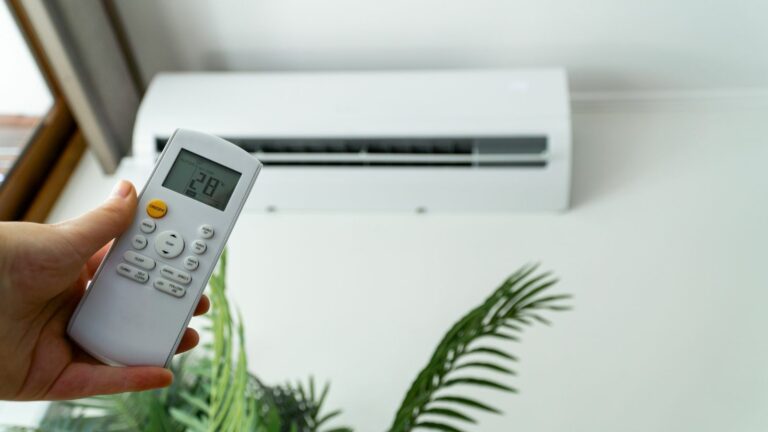
Central air conditioning is often the most visible hot-weather expense because extreme heat increases both the number of operating hours and the workload during each cycle. A system that normally runs intermittently may operate through much of the afternoon and evening when outdoor temperatures remain high. Homes with weak insulation, air leaks, large west-facing windows or upper floors that trap heat generally require even more cooling.
The difference may become noticeable on the next electricity bill rather than immediately. Natural Resources Canada reports that ENERGY STAR-certified central air conditioners use about eight per cent less energy than standard models. It also notes that combining air conditioning with ceiling fans can allow a thermostat to be raised by two degrees while reducing air-conditioning costs by approximately 14 per cent. In a family home, that can mean the difference between a manageable seasonal increase and an unexpectedly large summer bill.
Room and Portable Air Conditioners

Households without central cooling frequently turn to window-mounted or portable air conditioners when a heat warning arrives. The immediate cost can include the unit itself, delivery, window-sealing materials and installation accessories. Demand may also reduce the selection of affordable models, leaving late buyers to choose between a higher-priced machine and several uncomfortable nights.
Operating costs continue after the purchase. Room units may cool only one area, encouraging families to run several machines in bedrooms and living spaces. Natural Resources Canada states that ENERGY STAR-certified room air conditioners use about 10 per cent less energy than standard models. It has also reported that newer efficient units can consume substantially less electricity than many models sold 10 to 15 years earlier. A discounted second-hand unit may therefore cost less at the checkout but consume considerably more electricity during a prolonged hot spell.
Fans and Dehumidifiers

Fans are inexpensive compared with air conditioners, but the cost becomes more noticeable when several operate continuously. A household may run ceiling fans in common areas, pedestal fans in bedrooms and smaller units near desks or cribs. Each device draws relatively little power, yet combined use over 24-hour periods can add another layer to the electricity increase.
Humid regions face an additional expense. High indoor humidity can make a moderate temperature feel oppressive, prompting basements and living areas to rely on dehumidifiers. ENERGY STAR reports that certified dehumidifiers use about 20 per cent less energy than comparable conventional models while removing the same amount of moisture. Fans also work best when people are present because they cool occupants through air movement rather than lowering the room’s temperature. Leaving every fan running in an empty house produces an electricity cost without providing a meaningful cooling benefit.
HVAC Filters, Tune-Ups and Emergency Calls

Cooling equipment tends to reveal its problems during the hottest days, when it is operating under the heaviest load. A clogged filter, blocked outdoor condenser or low refrigerant level may have gone unnoticed during mild weather. Once the system must run for hours, weak airflow or poor cooling can become impossible to ignore.
This is when households may face the cost of filters, maintenance visits, replacement components or an emergency service premium. Natural Resources Canada warns that dirty filters can increase energy costs and potentially damage heating and cooling equipment. It also recommends keeping coils clean and ensuring that outdoor condenser airflow is not blocked. A neglected system may therefore create two expenses at once: a higher electricity bill because it is operating inefficiently and a repair bill when the equipment can no longer maintain the desired indoor temperature.
Refrigerator and Freezer Electricity

Refrigerators and freezers operate all year, but hot surroundings can make their job more demanding. Appliances located beside ovens, near sunny windows or inside warm garages must remove more heat to maintain safe internal temperatures. Frequent door opening for cold drinks and snacks also allows cooled air to escape, causing the compressor to cycle again.
Health Canada recommends keeping refrigerators at or below 4°C and freezers at or below −18°C. Those temperatures become especially important during hot weather because bacteria can multiply quickly when perishable foods warm. Natural Resources Canada advises keeping refrigerators away from heat sources, allowing air to circulate and avoiding overfilling. It also reports that an ENERGY STAR-certified refrigerator can use about nine per cent less energy than a standard model. An aging garage freezer filled with summer food may quietly become one of the household’s heavier electricity users.
Everyday Food Spoilage

Hot kitchens, outdoor meals and overloaded refrigerators can shorten the useful life of groceries. Berries left on a counter, dairy products sitting beside a barbecue and leftovers forgotten after a gathering may need to be discarded sooner than expected. Even produce that remains safe can lose texture and quality faster when storage conditions are poor.
Replacing spoiled food effectively raises the household grocery bill without adding another meal. Health Canada notes that proper storage helps reduce food waste, protect food quality and lower the risk of foodborne illness. Some produce should ripen at room temperature before moving into the refrigerator, while other items last longer when stored cool and unwashed. A family that buys heavily before a long weekend can lose a meaningful amount if the refrigerator is crowded or picnic food remains outside. Smaller shopping trips and prompt storage may cost less than replacing an entire collection of summer groceries.
Lawn and Garden Watering

Outdoor water use can climb rapidly during dry, intensely hot weather. Grass turns brown, container plants wilt and vegetable gardens may require attention every day. Metered households see the effect directly, while communities with flat water charges still face summer restrictions designed to reduce pressure on municipal systems.
Statistics Canada reported that just over two-thirds of Canadian households had a lawn in 2021, and approximately half of those households watered it during the previous summer. Older federal guidance has also identified lawn and garden watering as a major contributor to peak summer water demand. Automatic sprinklers can use water without attracting much attention, particularly when they run overnight. Evaporation, leaks and watering paved surfaces add cost without helping plants. Deep, less frequent watering, mulch and rain barrels can reduce demand while encouraging roots to grow farther into the soil.
Pool Pumps, Heating and Refilling

A backyard pool creates several simultaneous summer expenses. The circulation pump uses electricity, water evaporates, filters require cleaning and chemical levels must be adjusted. Heavy use can introduce more debris and contaminants, while splashing and evaporation require regular top-ups. Heated pools add another energy cost when cooler nights follow very hot days.
Pump design can make a major difference. Hydro Ottawa states that variable-speed pool pumps can reduce energy costs by as much as 90 per cent compared with less efficient operation. It also recommends timers, clean filters and pool covers. Covers slow evaporation and reduce heat loss, lowering the amount of replacement water and energy required. Without one, a pool may lose water throughout a dry week even when nobody is swimming. The individual purchases appear modest—chlorine, test strips, filter media and water—but together they can make the hottest month the pool’s most expensive.
Heat-Damaged Plants and Lawn Repairs

Water is not the only garden expense during a heat wave. Prolonged heat and drought can scorch grass, weaken shrubs and kill plants in containers where soil dries quickly. Households may then purchase replacement flowers, grass seed, fertilizer, soil, mulch or shade cloth. Professional lawn services may also be called when large damaged areas appear.
Hot periods can overlap with peak activity for certain insects. The Canadian Food Inspection Agency notes that adult Japanese beetles are active for roughly six to eight weeks and commonly peak in late July and August in parts of southern Ontario. Health Canada also identifies chinch bugs as common lawn pests in Eastern Canada and recommends practices that strengthen grass against damage. A homeowner may initially assume that every brown patch needs more water, only to discover that insects or weakened roots are involved. Misdiagnosis can increase both the water bill and the eventual repair cost.
Vehicle Air-Conditioning Fuel

The family vehicle can become another form of household cooling equipment. During the hottest weeks, drivers may run the air conditioner before leaving a parking space and keep it operating throughout short errands. Idling while the cabin cools uses additional fuel while producing no travel distance.
Natural Resources Canada states that vehicle air conditioning can increase fuel consumption by as much as 20 per cent because it places an extra load on the engine. The actual increase depends on temperature, humidity, vehicle design and driving conditions. The effect can be particularly noticeable during stop-and-go city travel, when families are making repeated trips to camps, grocery stores and recreation facilities. Parking in shade, using a windshield screen and allowing trapped air to escape before activating maximum cooling can reduce the amount of work required from the system.
Laundry, Showers and Hot-Water Use

Hot weather often produces more laundry. Sports clothing, work uniforms, towels, sheets and children’s outdoor clothes may be washed more frequently because of sweat, sunscreen, dust and pool chemicals. Some households also change bedding more often in an effort to make warm nights feel fresher.
Washing is only part of the cost. Electric dryers consume energy and release heat into the home, potentially causing the air conditioner to work harder. Natural Resources Canada’s appliance information emphasizes that lower dryer energy-consumption ratings translate into lower electricity bills. Moisture sensors and full loads can reduce unnecessary operating time. Shower use may also increase after gardening, exercise or outdoor work, adding water and water-heating expenses. Although a cool rinse uses less heating energy than a hot shower, several extra showers across a busy household can still raise the water portion of the utility bill.
Ice, Bottled Drinks and Hydration Purchases

Extreme heat changes grocery baskets. Bags of ice, bottled water, sparkling drinks, juice and sports beverages can begin appearing on receipts more frequently, especially before road trips, outdoor work or children’s activities. Convenience-store prices make these purchases considerably more expensive than filling reusable bottles at home.
Hydration itself is essential, but costly specialty products are not always necessary. Health Canada recommends drinking water before thirst develops and increasing intake during physical activity and extreme heat. Its technical guidance states that sports drinks offer minimal advantages for the general public during hot weather and recommends water instead. A family repeatedly buying chilled single-serving beverages may spend far more than one using tap water, reusable containers and refrigerator-made ice. The financial difference is easy to overlook because the purchases are usually small and spread across gas stations, grocery stores and recreation venues.
Sunscreen and Insect Repellent

Sunscreen and insect repellent are routine summer products, but usage can increase sharply during the hottest, sunniest weeks. More time at beaches, parks, camps and backyard gatherings means repeated applications, particularly after swimming or heavy sweating. Families with several children may finish a bottle much faster than expected.
Health Canada recommends broad-spectrum sunscreen with an SPF of 30 or higher and advises using products according to label directions. It also recommends repellents containing approved ingredients such as DEET or icaridin where mosquitoes or ticks are present. Sunscreen and repellent can be used together, with sunscreen applied first. Improper storage can create another replacement cost: Health Canada warns that extreme heat may reduce sunscreen effectiveness and advises against leaving it in direct sunlight or a hot vehicle. The half-used bottle forgotten in a glove compartment may therefore need replacing before the next outing.
Household Pest Control

Warm weather brings greater insect activity around doors, patios, garbage containers and standing water. Mosquitoes are common across much of Canada from May through September, while ants, flies, wasps and other pests become more noticeable as households spend time outdoors and leave doors open.
The response may include traps, screens, approved pesticides, professional treatments or repairs to gaps around windows and foundations. Health Canada notes that cockroaches are attracted to warm, damp environments where food, water and shelter are available, including kitchens, bathrooms and basements. Mosquito prevention may involve removing standing water and using appropriate repellents. A small problem can become expensive when quick retail solutions are purchased repeatedly without addressing the source. Professional help costs more initially, but persistent infestations may also contaminate food or damage household materials, making delay another potential expense.
Pet Cooling and Veterinary Care

Pets may need more than an extra bowl of water during a heat wave. Owners often purchase cooling mats, portable fans, shaded outdoor equipment or indoor daycare so animals are not left in dangerously hot conditions. Walking schedules may also change, creating transportation or care costs for households that cannot exercise pets safely before or after work.
The more serious financial risk is emergency veterinary treatment. The BC SPCA advises moving a pet showing signs of heatstroke to a cool place, wetting it with cool water, using a fan and seeking veterinary care as soon as possible. The Ontario SPCA identifies warning signs including excessive panting, weakness, vomiting, confusion and collapse. Short-nosed, elderly, overweight and thick-coated dogs may face greater vulnerability. Preventive cooling products can seem expensive, but they are minor compared with the medical and emotional cost of a heat-related emergency.
Air Purifiers and Replacement Filters
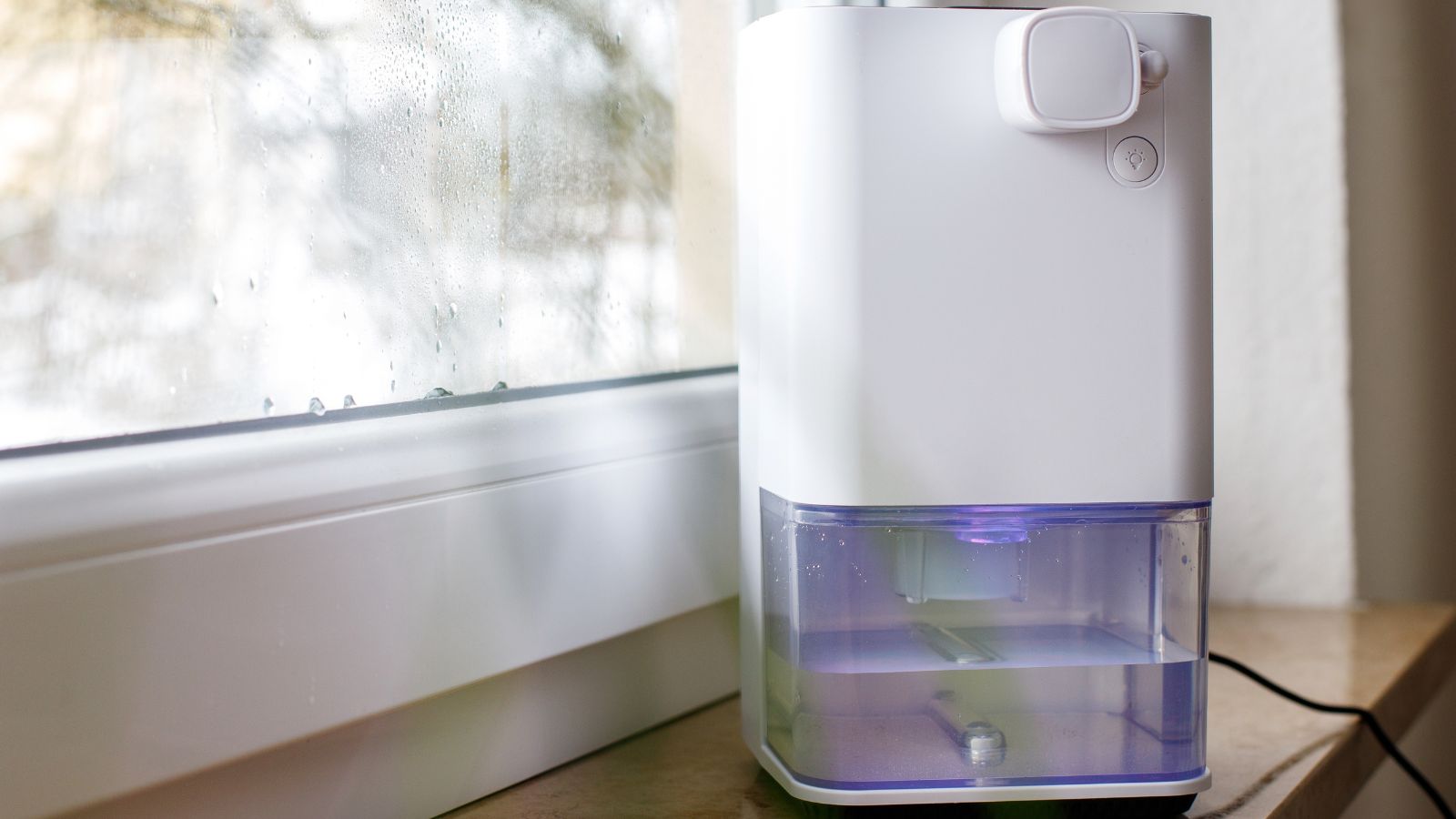
The hottest summer periods can coincide with wildfire smoke, ozone and other air-quality problems. Closing windows may keep smoke outside but can trap heat indoors, leading households to operate air conditioning and air purification at the same time. That combination increases electricity use and may require earlier filter replacement.
Health Canada recommends certified portable air cleaners capable of filtering fine particles during wildfire smoke events. It also advises using the highest-quality filter a household ventilation system can safely accommodate. Filters may need to be changed more frequently depending on conditions and usage. Natural Resources Canada describes room air purifiers as electric appliances that remove fine particles and pollutants from indoor air. For families with asthma, older adults or young children, purchasing an appropriately sized purifier can become an urgent expense rather than a planned appliance upgrade.
Power-Outage Supplies and Food Replacement

High electricity demand and severe summer storms can create outages during periods when refrigeration and cooling are most important. Households may suddenly need batteries, flashlights, charging packs, coolers, ice and shelf-stable meals. Those who relocate temporarily may also face transportation, restaurant or accommodation expenses.
Food replacement is often the largest immediate loss. Health Canada states that an unopened refrigerator generally keeps food cold for about four hours. A full freezer can keep food frozen for approximately 48 hours, while a half-full freezer provides about 24 hours of protection if the door remains closed. Once temperatures move outside safe ranges, meat, dairy products and prepared foods may need to be discarded. A freezer containing bulk purchases can represent hundreds of dollars in groceries, turning even a relatively short outage into a significant household expense.
Storm Repairs and Insurance Deductibles

The hottest weeks are not always dry and calm. Heat can contribute to unstable conditions that produce thunderstorms, hail, high winds, flash flooding and wildfire danger. Homeowners may face damaged shingles, fallen branches, flooded basements, spoiled belongings or vehicle dents. Even insured losses can involve deductibles, emergency cleanup and items excluded from coverage.
Canada’s recent experience shows the scale of the risk. Environment and Climate Change Canada reported that four major weather events in July and August 2024 produced more than $7.7 billion in insured damage. These figures represent insurer payments rather than every cost borne by households. Owners may still pay for temporary repairs, tree removal, water extraction, upgraded materials or uncovered damage. Renters can face replacement costs and temporary relocation expenses when contents insurance is absent or insufficient. One violent summer storm can therefore outweigh weeks of ordinary cooling and water-bill increases.
19 Things Canadians Don’t Realize the CRA Can See About Their Online Income

Earning money online feels simple and informal for many Canadians. Freelancing, selling products, and digital services often start as side projects. The problem appears at tax time. Many people underestimate how much information the CRA can access. Online platforms, banks, and payment processors create detailed records automatically. These records do not disappear once money hits an account. Small gaps in reporting add up quickly.
Here are 19 things Canadians don’t realize the CRA can see about their online income.
This Options Discord Chat is The Real Deal
While the internet is scoured with trading chat rooms, many of which even charge upwards of thousands of dollars to join, this smaller options trading discord chatroom is the real deal and actually providing valuable trade setups, education, and community without the noise and spam of the larger more expensive rooms. With a incredibly low-cost monthly fee, Options Trading Club (click here to see their reviews) requires an application to join ensuring that every member is dedicated and serious about taking their trading to the next level. If you are looking for a change in your trading strategies, then click here to apply for a membership.