
35,000+ smart investors are already getting financial news, market signals, and macro shifts in the economy that could impact their money next with our FREE weekly newsletter. Get ahead of what the crowd finds out too late. Click Here to Subscribe for FREE.
Global tensions, shifting travel advisories, and unpredictable disruptions have made travel insurance more important than ever for Canadians. However, many travellers still make critical mistakes when purchasing or using coverage, often assuming protection that does not actually exist. These misunderstandings can lead to denied claims, unexpected expenses, or serious financial loss during emergencies. Here are 17 travel insurance mistakes Canadians make during global tensions.
Assuming Policies Cover Government Travel Advisories
17 Travel Insurance Mistakes Canadians Make During Global Tensions
- Assuming Policies Cover Government Travel Advisories
- Buying Insurance Too Late After Booking
- Underestimating Medical Coverage Limits Abroad
- Ignoring Exclusions for Known Global Events
- Relying Only on Credit Card Insurance
- Not Declaring Pre-Existing Medical Conditions
- Choosing the Cheapest Policy Without Comparing Details
- Confusing Trip Cancellation and Interruption Coverage
- Overlooking Coverage for Transit Countries
- Not Checking Coverage for Airline Disruptions
- Overlooking Emergency Evacuation Coverage
- Not Keeping Proper Documentation for Claims
- Assuming All Activities Are Covered
- Ignoring Policy Duration Limits
- Not Understanding Deductibles and Out-of-Pocket Costs
- Failing to Contact Insurer Before Major Decisions
- Assuming Coverage Applies Automatically to Family Members
- 19 Things Canadians Don’t Realize the CRA Can See About Their Online Income
Many Canadians assume that travel insurance automatically covers disruptions related to government travel advisories, but this assumption often leads to denied claims. Insurance policies typically distinguish between different advisory levels, and higher-risk warnings can limit or completely void coverage. During periods of global tension, advisories can change quickly, which creates uncertainty for travellers who booked trips in advance. If a destination is placed under a stronger advisory after booking, coverage eligibility may depend on when the policy was purchased and how the insurer defines risk. Canadians who do not review these details may discover too late that cancellations or emergency claims are not covered.
Buying Insurance Too Late After Booking

Many Canadians delay purchasing travel insurance until after they have finalized non-refundable bookings, which limits the effectiveness of their coverage. Insurance policies often provide the strongest protection when purchased at the time of booking, especially for trip cancellation benefits. During global tensions, risks can develop rapidly, and late purchases may exclude events that are already considered known or foreseeable. Travellers who wait may find that emerging disruptions are not covered, even if they occur after the policy is issued. This timing issue is frequently overlooked because insurance is treated as a last-minute addition rather than an essential part of planning.
Underestimating Medical Coverage Limits Abroad

Medical coverage is a critical component of travel insurance, yet many Canadians underestimate how quickly costs can escalate when receiving treatment abroad. During global tensions, healthcare access may become more complex, and costs can rise due to limited availability or emergency conditions. Policies include specific coverage limits, and exceeding those limits can result in significant out-of-pocket expenses. Canadians who assume that coverage is unlimited may face unexpected financial strain if serious medical issues occur.
Ignoring Exclusions for Known Global Events
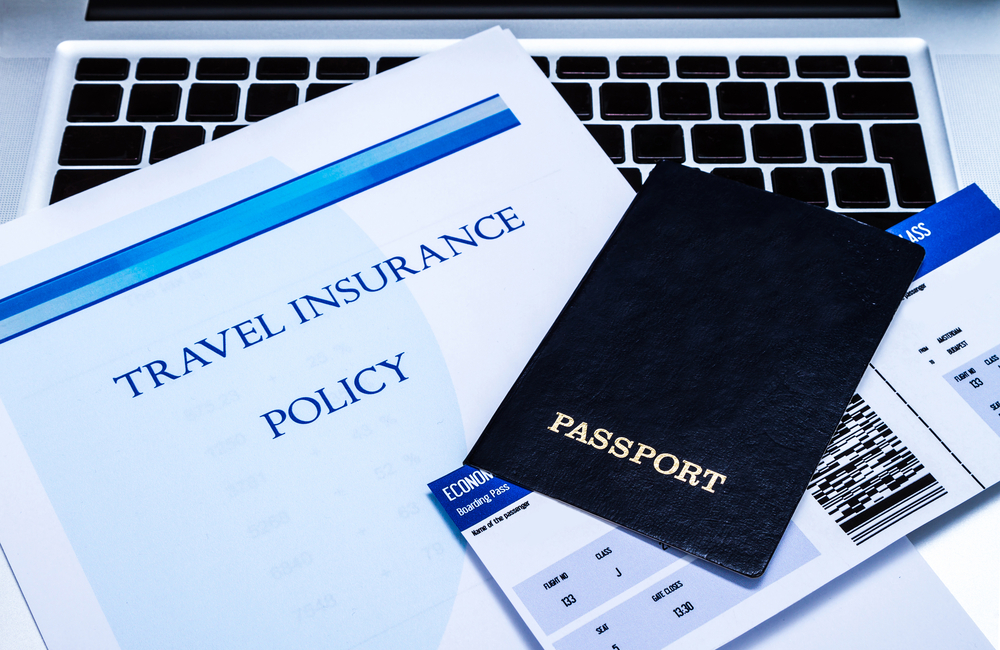
Insurance policies often exclude coverage for events known at the time of purchase, which can create confusion for travellers during periods of global tension. Canadians may assume that ongoing conflicts or disruptions are covered simply because they continue to evolve, but insurers may classify them as known events. This means that claims related to these situations may not be eligible for reimbursement. The definition of a known event varies by insurer and depends on timing, which makes it important to review policy language carefully.
Relying Only on Credit Card Insurance

Many Canadians rely on credit card travel insurance, believing it provides comprehensive coverage for all travel-related risks. While these policies can offer useful benefits, they often have lower limits, stricter conditions, and narrower coverage than standalone insurance. During periods of global tensions, additional risks, such as cancellations or disruptions, may not be fully covered by credit card plans. Travellers who do not review these details may assume they are protected when they are not. Coverage may also depend on how the trip was paid for, which adds another layer of complexity.
Not Declaring Pre-Existing Medical Conditions

Failing to declare pre-existing medical conditions can invalidate travel insurance coverage and lead to denied claims. Canadians may assume that stable or minor conditions do not need to be disclosed, but insurers require full and accurate information when issuing policies. During global tensions, access to healthcare may be limited, making valid coverage even more important. Claims related to undeclared conditions are often rejected, leaving travellers responsible for significant expenses.
Choosing the Cheapest Policy Without Comparing Details

Selecting the cheapest travel insurance policy without comparing coverage details can lead to significant gaps in protection. Canadians often focus on price rather than understanding what is included, which increases the risk of inadequate coverage. Lower-cost policies may exclude important benefits such as trip cancellation, interruption coverage, or emergency assistance. During global tensions, these gaps become more critical as risks increase. Comparing policies based on coverage rather than cost helps identify options that provide better value.
Confusing Trip Cancellation and Interruption Coverage

Many Canadians misunderstand the difference between trip cancellation and trip interruption coverage, which can lead to gaps in protection. Cancellation coverage applies before departure, while interruption coverage applies after the trip has begun. During global tensions, both types of coverage may be necessary to address different risks. Travellers who assume they are interchangeable may find that certain situations are not covered. Understanding how each type of protection works helps ensure that policies meet actual travel needs.
Overlooking Coverage for Transit Countries

Travel insurance coverage often depends on the entire itinerary, including connecting flights and transit countries, which many Canadians overlook. Travellers may focus only on their final destination, assuming that coverage applies equally throughout the journey. During global tensions, conditions in transit locations can affect both travel plans and insurance eligibility. Policies may exclude certain regions or require additional considerations for specific countries. Canadians who fail to review these details may encounter issues during layovers or unexpected rerouting.
Not Checking Coverage for Airline Disruptions

Many Canadians assume that travel insurance automatically covers airline delays, cancellations, and schedule disruptions, but this is not always guaranteed. Policies often include specific conditions for when compensation applies, and not all disruptions qualify for reimbursement. During global tensions, airline schedules can change frequently due to operational constraints, security concerns, or shifting travel demand. Canadians who do not review policy details may expect compensation that is not available.
Overlooking Emergency Evacuation Coverage
Emergency evacuation coverage is often overlooked, yet it becomes critical during periods of global instability. Canadians may assume that standard medical coverage includes evacuation, but this is not always the case. Evacuation costs can be extremely high, especially in remote or high-risk areas. Policies vary in how they define eligible situations and coverage limits. Travellers who do not review these details may find themselves responsible for significant expenses. Understanding what qualifies as an emergency and how evacuation is handled helps ensure adequate protection.
Not Keeping Proper Documentation for Claims

Documentation is essential for successful insurance claims, yet many Canadians fail to keep the necessary records while traveling. Receipts, medical reports, and official statements are often required to support claims, but travellers may not collect them at the time of the incident. During global tensions, obtaining documentation after the fact can be more difficult. Insurers require clear evidence to process claims, and missing documents can result in delays or denials. Canadians who understand these requirements can prepare in advance by keeping digital copies and organizing records.
Assuming All Activities Are Covered

Many Canadians assume that all travel activities are covered under standard insurance policies, but this is not always true. Certain activities, especially those considered higher risk, may be excluded or require additional coverage. During global tensions, even routine activities can carry increased risk depending on location. Travellers who do not review activity exclusions may find themselves without coverage if an incident occurs. Understanding what is included and purchasing additional coverage when necessary help ensure protection. Canadians who take time to review policy details can avoid unexpected gaps and travel with greater confidence.
Ignoring Policy Duration Limits

Policy duration limits are often overlooked, particularly for longer trips or extended stays. Canadians may assume that coverage applies for the entire duration of their travel, but policies often have specific time limits. During global tensions, travel disruptions can extend trips beyond planned timelines. If coverage expires, travellers may be left without protection during critical periods. Reviewing policy duration and, when necessary, extending coverage help maintain continuous protection. Canadians who plan for potential delays are better prepared for unexpected changes. Ignoring duration limits can lead to coverage gaps and increased financial risk.
Not Understanding Deductibles and Out-of-Pocket Costs

Deductibles and out-of-pocket costs are important aspects of travel insurance that many Canadians do not fully understand. Policies often require travellers to pay a portion of expenses before coverage applies. During global tensions, medical or travel-related costs can increase, making these contributions more significant. Canadians who assume full coverage may be surprised by additional expenses. Understanding deductibles and how they apply helps travellers prepare financially. Reviewing policy details ensures that expectations align with actual coverage. Ignoring these factors can lead to unexpected costs during travel.
Failing to Contact Insurer Before Major Decisions

Many insurance policies require travellers to contact the insurer before making major decisions, such as seeking medical treatment or changing travel plans. Canadians who act independently may unintentionally violate policy conditions, which can affect claim eligibility. During periods of global tension, quick decisions may be necessary, but communication with the insurer remains important. Contacting the provider ensures that actions are covered and that proper procedures are followed. Canadians who understand this requirement can avoid complications and ensure smoother claims processing.
Assuming Coverage Applies Automatically to Family Members

Many Canadians assume that travel insurance purchased for one person automatically extends to family members, but coverage often depends on how the policy is structured. Family plans must be selected explicitly, and individual policies may not include additional travellers. During global tensions, ensuring that all travellers are properly covered becomes even more important. Canadians who do not verify coverage details may leave family members unprotected. Reviewing policy structure and confirming coverage for each traveller helps avoid gaps.
19 Things Canadians Don’t Realize the CRA Can See About Their Online Income

Earning money online feels simple and informal for many Canadians. Freelancing, selling products, and digital services often start as side projects. The problem appears at tax time. Many people underestimate how much information the CRA can access. Online platforms, banks, and payment processors create detailed records automatically. These records do not disappear once money hits an account. Small gaps in reporting add up quickly.
Here are 19 things Canadians don’t realize the CRA can see about their online income.
This Options Discord Chat is The Real Deal
While the internet is scoured with trading chat rooms, many of which even charge upwards of thousands of dollars to join, this smaller options trading discord chatroom is the real deal and actually providing valuable trade setups, education, and community without the noise and spam of the larger more expensive rooms. With a incredibly low-cost monthly fee, Options Trading Club (click here to see their reviews) requires an application to join ensuring that every member is dedicated and serious about taking their trading to the next level. If you are looking for a change in your trading strategies, then click here to apply for a membership.