
35,000+ smart investors are already getting financial news, market signals, and macro shifts in the economy that could impact their money next with our FREE weekly newsletter. Get ahead of what the crowd finds out too late. Click Here to Subscribe for FREE.
A credit score can feel steady until one ordinary financial move quietly changes the picture. In Canada, scores are shaped by payment behaviour, credit usage, account history, applications, public records, and information reported by lenders or collection agencies. That means a drop does not always come from obvious trouble such as bankruptcy or months of missed payments.
This look at 17 things that can lower a Canadian credit score without warning focuses on the kinds of everyday situations people often overlook: a forgotten bill, a closed card, a sudden balance spike, a co-signed loan, or a hard inquiry buried inside an application. The details matter because small reporting changes can affect how lenders view risk long before a person applies for a mortgage, car loan, apartment, or new credit card.
Missing a Minimum Payment by Even a Little
17 Things That Can Lower a Canadian Credit Score Without Warning
- Missing a Minimum Payment by Even a Little
- Letting Credit Card Balances Climb Too Close to the Limit
- Applying for Several Credit Products in a Short Period
- Closing an Old Credit Card Account
- Lowering a Credit Limit Without Reducing the Balance
- Having a Forgotten Bill Sent to Collections
- Assuming Cellphone and Internet Bills Cannot Affect Credit
- Co-Signing a Loan That Someone Else Pays Late
- Ignoring Joint Accounts After a Breakup or Separation
- Financing a Purchase Through Buy Now, Pay Later and Missing Installments
- Carrying Too Many New Accounts at Once
- Letting an Account Become Inactive or Closed by the Lender
- Having Incorrect Information Appear on a Credit Report
- Becoming a Victim of Identity Theft or Account Fraud
- Filing a Consumer Proposal or Bankruptcy
- Settling Debt for Less Than the Full Amount
- Skipping Payments During a Dispute
- 19 Things Canadians Don’t Realize the CRA Can See About Their Online Income

A missed payment does not have to be dramatic to become damaging. A credit card bill that slips past the due date during a busy week, or a line-of-credit payment missed after a bank account change, can affect the most important part of a credit profile: payment history. Canadian credit guidance consistently treats on-time payment behaviour as a major score factor because lenders want evidence that debts are being handled reliably.
The frustrating part is that the balance may be small. A $35 minimum payment can matter more than the size of the purchase that created it. Someone may assume paying the full balance later fixes everything, but the record can still show that the account was not paid as agreed. For people juggling multiple cards, loans, and subscriptions, one overlooked due date can create a sharper credit impact than expected.
Letting Credit Card Balances Climb Too Close to the Limit
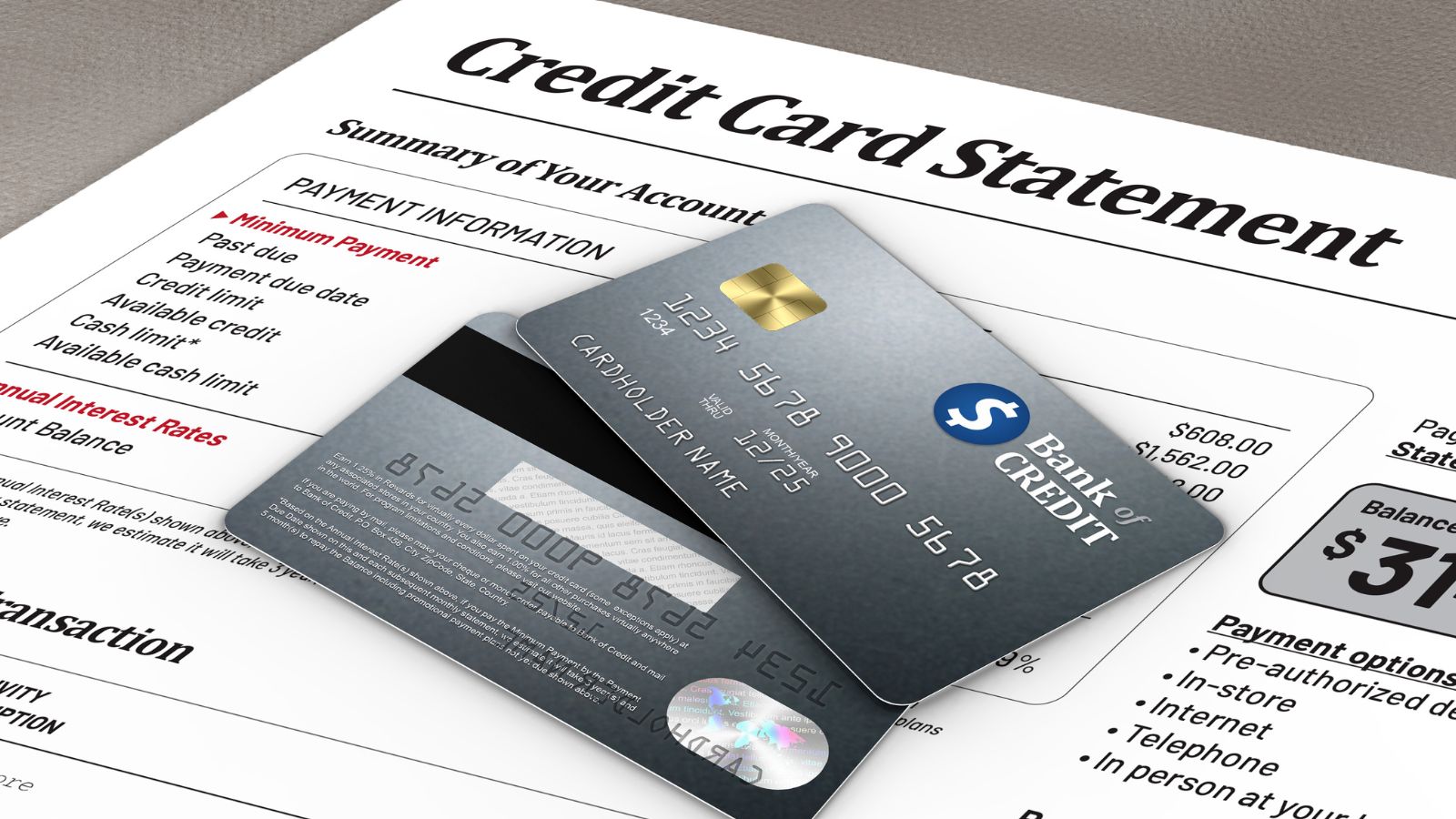
A credit card can be paid on time and still hurt a score if the balance reported to the bureau is high compared with the limit. This is known as credit utilization, and it measures how much available revolving credit is being used. A person with a $5,000 limit and a $4,600 balance may look stretched, even if they plan to pay the card off when payday arrives.
The surprise often comes from timing. Credit card issuers typically report balances at set points in the billing cycle, not necessarily after a payment is made. A family that uses one rewards card for groceries, fuel, insurance, and daycare could briefly show a very high balance every month. Even responsible spending can look risky when most of the available credit is being used at the moment the lender reports it.
Applying for Several Credit Products in a Short Period
Credit applications can create hard inquiries, and hard inquiries may lower a score because they suggest new borrowing could be on the way. One application usually has a limited impact, but several applications close together can raise concern. A person shopping for a store card, a personal loan, a vehicle financing offer, and a new cellphone plan may not realize how quickly those checks can add up.
This can happen during normal life transitions. Moving, furnishing an apartment, switching banks, or replacing a vehicle often involves multiple applications within weeks. Some rate-shopping situations may be treated more leniently depending on the scoring model, but that does not mean every credit check is harmless. The safest assumption is that applications involving borrowing can leave marks, especially when they are scattered across different types of credit.
Closing an Old Credit Card Account

Closing an old credit card can feel like responsible housekeeping, especially if the card is rarely used or carries an annual fee. The problem is that older accounts can help show a longer credit history. When an account disappears or stops contributing meaningfully to the file, the average age and depth of the credit profile may weaken over time.
There is also a utilization effect. If a person closes a card with a $10,000 limit while carrying balances on other cards, their total available credit falls instantly. A household with $4,000 in card balances and $30,000 in total limits looks very different from one with the same $4,000 balance and only $12,000 in available limits. The debt did not change, but the percentage of credit used suddenly looks higher.
Lowering a Credit Limit Without Reducing the Balance

A bank may lower a credit limit after a risk review, prolonged inactivity, or changes in the borrower’s profile. Sometimes consumers request a lower limit themselves to reduce temptation. Either way, the result can be the same: the balance becomes a larger share of the available credit. That can make a previously comfortable account look close to maxed out.
For example, a $2,000 balance on a $10,000 card uses 20 percent of the limit. If that limit is cut to $3,000, the same balance suddenly uses about two-thirds of the available credit. Nothing new was purchased, and no payment was missed, yet the credit file may appear riskier. This is one reason limit changes can feel like a score drop that arrived without warning.
Having a Forgotten Bill Sent to Collections

Some bills do not regularly help a credit score when paid on time, but they can still hurt when ignored long enough. Telecom, utility, parking, medical, gym, or subscription-related debts may eventually be assigned to a collection agency. Once a collection account appears on a credit report, it can become a serious negative mark even if the original amount was modest.
The human version is familiar: someone moves, cancels internet service, returns equipment late, and misses the final notice because it went to an old email address. Months later, a collection entry appears over a small balance. The damage often feels disproportionate, but credit files focus on whether an obligation became delinquent and escalated. Paying the collection may help resolve the debt, but the negative history may not vanish immediately.
Assuming Cellphone and Internet Bills Cannot Affect Credit

Many Canadians know credit cards and loans are reported to credit bureaus, but cellphone and internet accounts are easier to underestimate. Some telecom accounts can appear on credit files, and unpaid balances may be reported directly or through collections. A missed final bill after switching providers is a common example because people often assume the account was settled when the service ended.
The risk is especially high during moves, number transfers, or contract disputes. A customer may argue about roaming charges, equipment fees, or cancellation costs and decide not to pay until the issue is resolved. Credit guidance generally warns against skipping payments even when a bill is disputed. From a credit-reporting standpoint, the account may simply appear unpaid, and the explanation may not protect the score.
Co-Signing a Loan That Someone Else Pays Late

Co-signing can feel like a favour, but credit systems treat it as a real obligation. If the borrower misses payments, the co-signer’s credit can be affected because they agreed to be legally responsible for the debt. The co-signed loan may also influence borrowing capacity, since lenders can count it when assessing total obligations.
This can surprise parents helping adult children buy a first car or relatives supporting someone’s apartment application. The co-signer may never receive the vehicle, live in the unit, or use the borrowed money, but the repayment pattern can still follow them. A single late payment made by the primary borrower can show up as a problem for both people. Good intentions do not create a separate credit shield.
Ignoring Joint Accounts After a Breakup or Separation

Joint accounts can become credit traps when relationships end. A separation agreement may say one person is responsible for a debt, but lenders and credit bureaus care about whose name remains on the account. If both names are still attached, missed payments can affect both credit files, even if only one person was supposed to handle the bill.
The practical problem is emotional as much as financial. Former partners may stop communicating, assume the other person is paying, or delay refinancing because the process is unpleasant. Meanwhile, the account continues to report. A joint credit card, line of credit, vehicle loan, or mortgage can keep linking two credit histories long after the relationship has ended. Removing names formally is often more important than verbal agreements.
Financing a Purchase Through Buy Now, Pay Later and Missing Installments

Buy now, pay later plans can feel separate from traditional credit because they are often offered at checkout with quick approval and small installments. In many cases, on-time BNPL payments may not build a conventional credit history in the same way a credit card or loan does. The risk appears when payments are missed and the account becomes delinquent or is sent to collections.
A $180 purchase split into four payments may not feel like borrowing, especially when no interest is advertised. But missed automatic withdrawals can happen when a debit card expires, a bank account is low, or several plans overlap. If the unpaid balance escalates, the credit consequences can be much larger than the original purchase. The convenience of small installments can hide the seriousness of the repayment obligation.
Carrying Too Many New Accounts at Once
Opening several new accounts can lower the average age of a credit profile and make a person look newly dependent on credit. Even if all accounts are paid on time, a sudden cluster of new credit cards, retail financing plans, or loans can change the way lenders interpret the file. Credit scoring models often consider both account age and recent credit-seeking behaviour.
This often happens after a life upgrade. A newcomer builds credit, a graduate gets their first full-time job, or a household moves into a new home and accepts several financing offers for furniture and appliances. Each decision may seem reasonable on its own. Together, they can create a thin or newly stretched profile. Credit history rewards consistency, and a sudden burst of new accounts can disrupt that pattern.
Letting an Account Become Inactive or Closed by the Lender

A credit card that sits unused for years may not be as harmless as it seems. Lenders can close inactive accounts or stop increasing limits because there is little recent activity to evaluate. If that card is one of the oldest accounts or represents a large share of available credit, its closure can affect both credit history depth and utilization.
This tends to catch careful borrowers off guard. Someone may keep an old no-fee card in a drawer precisely because they do not want to overspend. Then the issuer closes it for inactivity, and the person loses a long-standing tradeline. Using an old card occasionally for a small recurring charge, then paying it off, can sometimes prevent this problem. The goal is not more debt; it is keeping useful history alive.
Having Incorrect Information Appear on a Credit Report
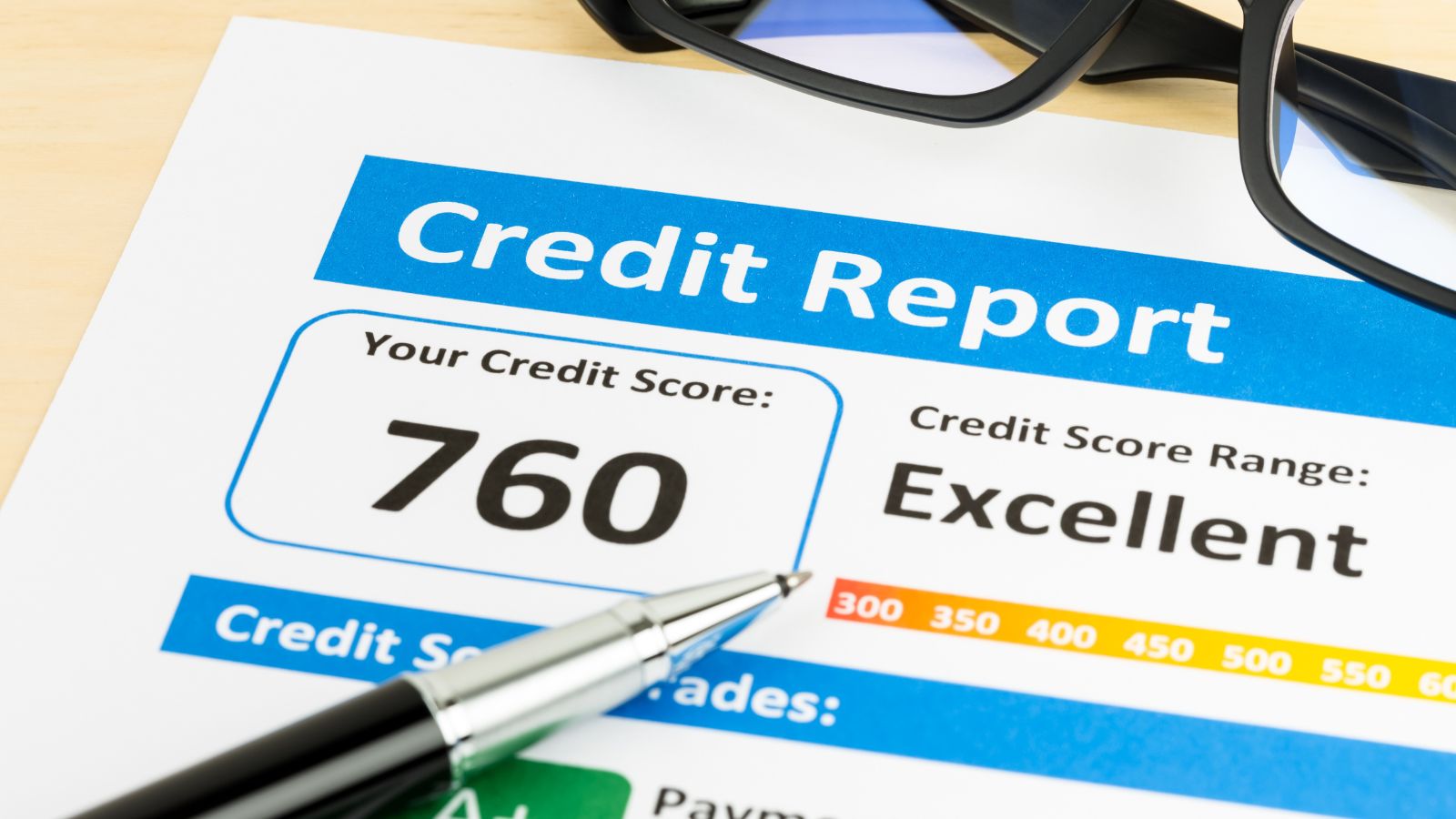
Credit reports are built from information supplied by lenders, collectors, and public-record sources, so mistakes can happen. An account may show the wrong balance, a payment may be marked late incorrectly, or a debt may appear under the wrong person’s file. Identity mix-ups can occur when people share similar names, addresses, or birth dates.
The damage can be quiet because many people do not check both major Canadian credit bureaus regularly. A borrower may only discover the issue after being denied a mortgage preapproval or offered a higher interest rate. Disputing inaccurate information is possible, but the process takes time and documentation. Regular report checks are less exciting than watching a score app, but they are often the best way to catch hidden problems early.
Becoming a Victim of Identity Theft or Account Fraud

Identity theft can lower a credit score when fraudsters open accounts, run up balances, or leave unpaid debts in someone else’s name. The victim may have done nothing wrong, yet the credit file can show new inquiries, unfamiliar accounts, or missed payments. Because credit systems rely on reported account activity, fraud can look like risky borrowing until it is investigated.
The warning signs may be subtle: a strange hard inquiry, mail from a lender never contacted, or a collection call about an account never opened. Fast action matters because fraudulent activity can spread across multiple lenders. Credit bureaus and lenders have dispute and fraud processes, but consumers usually need to provide details and monitor reports closely. The score impact may be reversible, but it rarely feels simple while it is happening.
Filing a Consumer Proposal or Bankruptcy
A consumer proposal or bankruptcy can provide legal relief from overwhelming debt, but it is also one of the most serious credit-report events. In Canada, insolvency records can remain on credit reports for years, and guidance from federal sources notes that proposals and bankruptcies can strongly affect credit standing. For many people, the score has already been damaged by missed payments before filing, but the filing itself is still significant.
This is not a moral judgment; it is a risk signal in the credit system. A person may choose a consumer proposal to avoid bankruptcy and make affordable payments through a licensed insolvency trustee. That can be the right financial step, but future lenders will still see the record for a period of time. The credit recovery path usually depends on rebuilding positive payment history after the insolvency process begins.
Settling Debt for Less Than the Full Amount
Debt settlement can solve a cash-flow crisis, but it may not look the same as paying an account in full as agreed. When a creditor accepts less than the full balance, the account may be reported with a settlement notation or negative payment status. That can signal that the original terms were not fully honoured, which may affect future lending decisions.
For example, someone may settle an old credit card balance after months of collection calls and feel relieved that the account is closed. The relief is real, but the credit file may still show a history of delinquency or settlement. The impact depends on the account history, reporting practices, and how the lender updates the file. Before agreeing, consumers should ask how the account will be reported and get terms in writing.
Skipping Payments During a Dispute
Many people assume that if a bill is wrong, payment can wait. Credit systems do not always see it that way. Federal consumer guidance advises against skipping payments even when a bill is in dispute, because a missed payment can still be reported. The dispute may later be resolved in the customer’s favour, but the credit file may already have recorded late activity.
This happens with credit cards, telecom bills, vehicle loans, and service contracts. A person may refuse to pay a charge for a cancelled subscription or damaged rental equipment because they believe the company made a mistake. The better approach is usually to pay at least the undisputed or minimum required amount while pursuing the complaint. Protecting the credit file and fighting the bill are separate tasks.
19 Things Canadians Don’t Realize the CRA Can See About Their Online Income

Earning money online feels simple and informal for many Canadians. Freelancing, selling products, and digital services often start as side projects. The problem appears at tax time. Many people underestimate how much information the CRA can access. Online platforms, banks, and payment processors create detailed records automatically. These records do not disappear once money hits an account. Small gaps in reporting add up quickly.
Here are 19 things Canadians don’t realize the CRA can see about their online income.
This Options Discord Chat is The Real Deal
While the internet is scoured with trading chat rooms, many of which even charge upwards of thousands of dollars to join, this smaller options trading discord chatroom is the real deal and actually providing valuable trade setups, education, and community without the noise and spam of the larger more expensive rooms. With a incredibly low-cost monthly fee, Options Trading Club (click here to see their reviews) requires an application to join ensuring that every member is dedicated and serious about taking their trading to the next level. If you are looking for a change in your trading strategies, then click here to apply for a membership.