
35,000+ smart investors are already getting financial news, market signals, and macro shifts in the economy that could impact their money next with our FREE weekly newsletter. Get ahead of what the crowd finds out too late. Click Here to Subscribe for FREE.
Rising prices have made bargain-hunting feel less like a hobby and more like a household skill. Across Canada, everyday purchases now come with a sharper question: is the sticker price really the price worth paying? Many products and services are built around seasonal promotions, loyalty offers, price matching, renewal discounts, or timing-based deals. Paying full price can still make sense in emergencies, but for many routine purchases, patience and comparison shopping can stretch a budget noticeably further. These 17 things are especially worth buying only when the timing, offer, or competition works in the customer’s favour.
Groceries and Pantry Staples
17 Things Canadians Should Stop Buying at Full Price
- Groceries and Pantry Staples
- Meat and Seafood
- Clothing and Footwear
- Mattresses
- Furniture
- Major Appliances
- Televisions and Home Electronics
- Cellphone Plans
- Home Internet
- Flights
- Hotels and Short-Term Stays
- Car Insurance
- Tires
- Prescription Eyewear
- Books, Magazines, and Audiobooks
- Beauty and Personal-Care Products
- Cleaning and Laundry Supplies
- Seasonal Décor and Holiday Goods
- 19 Things Canadians Don’t Realize the CRA Can See About Their Online Income

Grocery shopping has become one of the most visible pressure points in Canadian household budgets. Store-bought food prices have risen sharply over the past several years, making regular staples such as cereal, pasta, canned goods, coffee, and cooking oil harder to buy casually at shelf price. The catch is that many pantry items rotate through weekly promotions, loyalty offers, and multi-buy discounts, so the “regular” price is often more of a waiting-room number than a final destination.
A practical example is the household that buys coffee, rice, and pasta only when the unit price drops, then keeps a modest backup supply. That approach does not require extreme couponing; it simply treats non-perishable groceries differently from urgent fresh purchases. Flyers, price-match policies, private-label alternatives, and digital loyalty apps can turn routine pantry shopping into one of the easiest places to avoid paying full price.
Meat and Seafood
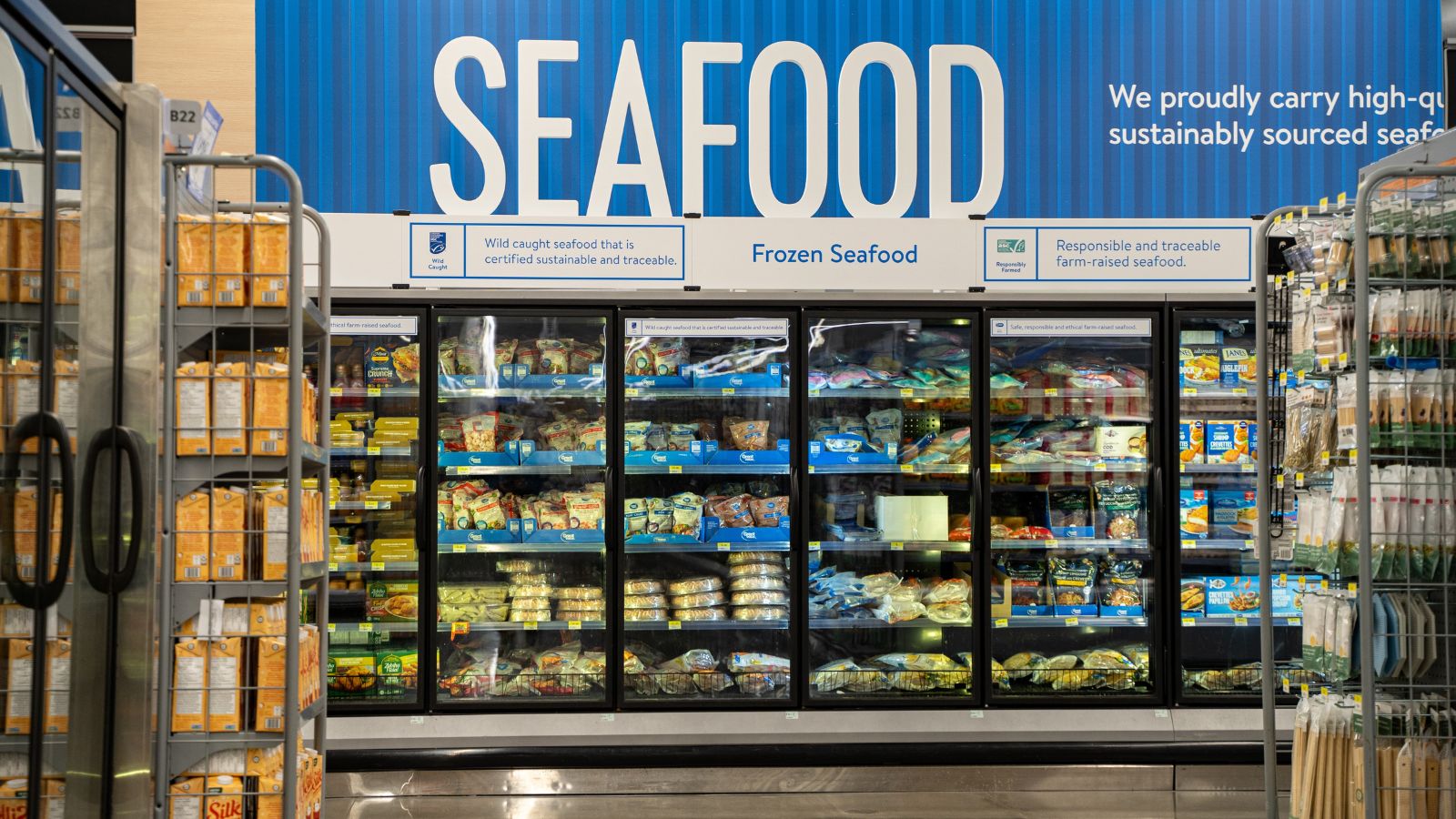
Meat and seafood are among the grocery categories where timing can make a major difference. Beef, chicken, pork, fish, and frozen seafood often swing widely in price depending on promotions, seasonal demand, and store inventory. Buying a family pack at full price on a busy weeknight can quietly add several dollars to a single meal, while the same product may be discounted days later or marked down near its best-before date.
Many Canadian shoppers have adapted by planning meals around what is on sale instead of forcing a fixed menu. A roast bought on promotion can become dinner, sandwiches, and soup; discounted chicken thighs can be portioned and frozen. The savings are especially useful because protein prices affect the whole cart. When stores advertise loss-leader meat specials to draw traffic, buyers who are flexible can capture the deal without overhauling their entire routine.
Clothing and Footwear

Clothing and footwear are rarely worth buying at full price unless the item is urgent, highly specific, or likely to sell out. Canadian retailers rely heavily on seasonal markdowns, clearance events, back-to-school promotions, Boxing Day pricing, Black Friday offers, and end-of-season inventory resets. A winter coat in October can carry a very different price from the same coat in January, even though the practical need remains the same.
This is especially true for basics: jeans, sweaters, socks, children’s shoes, athletic wear, and work shirts. Families often feel the price difference most when kids outgrow sizes quickly. A useful habit is buying one season ahead when clearance racks are deepest, such as snow pants in March or sandals in September. The key is avoiding “deal blindness”: a discount only helps if the size, quality, and actual need are right.
Mattresses

Mattresses are famous for confusing sticker prices, frequent sales, and big promotional language. Many brands and retailers run repeated holiday events, bundle deals, financing offers, and online discounts, which means the full listed price may not reflect the realistic market price. For a product people keep for years, the difference between buying immediately and waiting for a major sale weekend can be substantial.
The human side is easy to understand: a bad mattress affects sleep, but a rushed purchase can lead to buyer’s remorse. Shoppers should compare return windows, trial periods, delivery fees, old-mattress removal charges, and warranty terms instead of reacting only to a giant percentage-off sign. A mattress that looks cheaper upfront may cost more if returns are difficult or accessories are inflated. Full price should be the exception, not the default.
Furniture

Furniture is another category where patience can pay. Sofas, dining sets, bed frames, office chairs, and patio furniture are often tied to seasonal inventory cycles. Stores need floor space for new lines, and online retailers frequently test promotions to move bulky stock. Paying full price for a sofa in the middle of a normal selling period can feel painful when a nearly identical model is marked down during a warehouse event or long-weekend sale.
The smartest buyers think beyond the tag. Delivery charges, assembly fees, fabric upgrades, stain protection, and return costs can change the real price quickly. A family furnishing a first apartment may save more by mixing sale items, outlet pieces, and gently used finds than by buying a matched set at full retail. For patio furniture in particular, late-season markdowns can turn a luxury-looking setup into a practical purchase.
Major Appliances

Refrigerators, washers, dryers, dishwashers, ranges, and freezers are expensive enough that paying full price should be rare unless an appliance has failed completely. Appliance prices can move with manufacturer rebates, retailer events, clearance models, energy-efficiency promotions, and old-stock markdowns when new model years arrive. Even small percentage discounts matter because the base price is high.
A homeowner replacing a dishwasher, for example, may focus on the sale price and miss installation, haul-away, hose, cord, or delivery fees. The better comparison is the total installed cost. Open-box units, floor models, and previous-year models can be worthwhile when the warranty remains intact. Shoppers should also compare energy use, because the cheapest full-price machine may not be the cheapest to own over several years.
Televisions and Home Electronics

Televisions, soundbars, headphones, tablets, laptops, smart speakers, and small electronics are heavily promotion-driven. The same model can move through launch pricing, early discounts, holiday markdowns, and clearance pricing within a relatively short period. Electronics also age quickly as newer models arrive, so paying full price near the wrong point in the product cycle can mean paying premium money for technology that is about to become yesterday’s stock.
This is where comparison tools matter. A laptop that looks discounted may have less storage, older chips, or a lower-quality display than a similarly priced competitor. Televisions can be especially tricky because model numbers differ by retailer. Buyers should compare specifications, not just screen size. For many households, the best value comes from last year’s well-reviewed model bought during a major promotion, not the newest version bought at launch.
Cellphone Plans

Cellphone plans are one of the clearest examples of why Canadians should not treat full price as permanent. Mobile prices have become more competitive in recent years, and carriers often reserve better offers for back-to-school periods, Black Friday, Boxing Week, win-back campaigns, and customers willing to switch providers. Many people keep paying an old monthly rate simply because renewal friction works in the carrier’s favour.
A common scenario is the customer who upgraded years ago and never revisited the plan. Meanwhile, newer offers may include more data at a lower monthly cost, especially from flanker brands or regional competitors. Calling a provider with a competing offer in hand can sometimes trigger retention pricing. The best habit is to review the plan at least once a year, especially before financing a new phone that locks in another long commitment.
Home Internet

Home internet pricing can reward comparison shopping just as much as mobile service. Many households sign up during a promotion, then forget when the discounted period ends. The bill rises, the modem keeps blinking, and the higher price becomes background noise. Yet providers regularly run acquisition offers, bundle discounts, and retention deals, especially where fibre, cable, fixed wireless, or smaller resellers compete in the same neighbourhood.
The important point is not to buy speed that the household does not need. A remote worker, gamer, and streaming family may need a stronger package than a single person who mostly browses and watches video. Still, even heavy users can compare upload speed, contract terms, equipment fees, and cancellation rules. Full price often applies to customers who stop asking questions. A 20-minute annual review can prevent years of quiet overpayment.
Flights

Flights are almost never a simple full-price purchase because fares change constantly. Canadian travellers face dynamic pricing, route competition, taxes, airport fees, baggage charges, seat selection fees, and timing differences that can alter the real trip cost. A fare that looks acceptable on Monday may be cheaper with a different departure day, airport, connection, or booking window. Waiting too long can backfire, but buying without comparison can be just as costly.
The best approach is to track fares before committing, especially for non-urgent trips. Flexible travellers can often save by flying on lower-demand days, avoiding peak holiday departures, or considering nearby airports. The posted ticket price also needs scrutiny: a cheaper basic fare may cost more after bags and seat selection. Canadians booking domestic routes should be particularly alert because competition can vary widely by city pair.
Hotels and Short-Term Stays

Hotel rooms, resorts, and short-term stays can shift in price based on events, school breaks, conferences, weather, and local demand. Paying the first full price seen on a booking site may mean missing member rates, mobile-only rates, refundable-versus-non-refundable tradeoffs, package discounts, or loyalty perks. A room during a concert weekend in Vancouver, Toronto, or Montreal can behave like a completely different product than the same room a week later.
The practical move is to compare total stay cost, not nightly rate alone. Resort fees, parking, breakfast, cleaning fees, local taxes, and cancellation rules can erase a bargain. Families may find that a hotel with breakfast included beats a cheaper room once food costs are counted. Business travellers may prefer flexibility over the lowest non-refundable rate. Full price is especially risky when dates are flexible and nearby neighbourhoods offer similar access.
Car Insurance

Car insurance renewals are easy to accept automatically, but that habit can be expensive. Premiums vary by province, driving record, vehicle, postal code, coverage level, deductible, claims history, and insurer appetite. Rising repair costs, vehicle technology, theft, legal costs, and severe weather have added pressure in parts of the market. A renewal notice is not a final verdict; it is an invitation to compare.
A driver who changes jobs, drives fewer kilometres, installs winter tires, adds telematics, bundles home insurance, or raises a deductible may qualify for a better price. The mistake is assuming loyalty always pays. Some insurers sharpen prices for new business while gradually increasing renewals. Shoppers should compare coverage quality as well as price, because the cheapest policy may cut benefits that matter after a collision. Still, paying full renewal price without checking alternatives leaves money exposed.
Tires

Tires are a safety purchase, but that does not mean they should be bought at full price in a panic. Winter tires, all-weather tires, and performance tires frequently go on sale before or after peak installation rushes. Waiting until the first snowstorm or a failed inspection can leave drivers with fewer choices, longer appointment waits, and higher prices. Planning ahead gives buyers more control over brand, size, and installation cost.
Canadians also need to understand what they are buying. Winter tires marked with the three-peak mountain snowflake symbol meet a performance standard for snow traction, while ordinary all-season tires are not the same thing. Some provinces and insurers may also connect winter tire use with rules or discounts. The smart savings strategy is not buying the cheapest tire; it is buying the right tire before demand spikes, then comparing installation, storage, balancing, and road-hazard coverage.
Prescription Eyewear

Prescription glasses and sunglasses can carry startling markups when purchased without comparison. Frames, lenses, coatings, thinning, progressive designs, and brand names can quickly turn a routine vision purchase into a large bill. Canadians now have more options than traditional optical counters, including online retailers, warehouse clubs, independent shops, and promotions through workplace benefits. That competition makes full price increasingly hard to justify.
The key is matching savings with eye-care needs. Someone with a simple prescription may find excellent value online, while a person with complex progressives may prefer in-person fitting and adjustments. Either way, asking for a copy of the prescription and pupillary distance where available makes comparison easier. Buyers should check return policies, remake guarantees, lens quality, and benefit coverage. A second pair, backup pair, or prescription sunglasses should almost always be purchased during a sale.
Books, Magazines, and Audiobooks

Books are valuable, but full-price buying is not the only way to read widely. Canadian readers have access to public libraries, digital borrowing apps, used bookstores, warehouse pricing, e-book promotions, audiobook trials, and independent-store sale tables. A hardcover bought at launch can be worthwhile for a favourite author, but routine reading can become expensive if every title is purchased new at list price.
A practical reader might borrow the hardcover first, buy the paperback later, or watch for e-book discounts. Book clubs and families can swap titles, while libraries increasingly provide digital access without a physical visit. The same logic applies to magazines and audiobooks, where subscription offers often beat single-issue or single-title pricing. Paying full price makes sense when supporting a local shop or securing a special release, but it should be a conscious choice.
Beauty and Personal-Care Products

Beauty and personal-care products are built around promotions. Shampoo, razors, deodorant, sunscreen, moisturizer, cosmetics, toothpaste, and skin-care products frequently rotate through loyalty points, pharmacy events, brand coupons, bonus packs, and multi-buy offers. Because many of these items are repeat purchases with long shelf lives, paying full price every time is usually a budgeting leak rather than a necessity.
The best example is the drugstore points event. A household that buys sunscreen, toothpaste, razors, and shampoo during a bonus period may effectively reduce the cost of future purchases. Still, shoppers should avoid buying products that will expire or sit unused just because points are attractive. Dermatology basics, fragrance-free options, and private-label products can also outperform expensive brand names for everyday use. The goal is not deprivation; it is refusing to let marketing turn routine hygiene into luxury spending.
Cleaning and Laundry Supplies

Laundry detergent, dishwasher tabs, paper towels, garbage bags, disinfecting wipes, and household cleaners are classic full-price traps. They are predictable needs, often shelf-stable, and regularly promoted. A household that waits until the bottle is empty will pay whatever the store asks that day. A household that tracks unit prices and buys one backup during a sale usually avoids that pressure.
Unit pricing is especially important because package sizes keep changing. A bright sale tag on a smaller bottle may not beat a larger format at a warehouse store, and concentrated detergent can last longer than it looks. Families should compare cost per load, sheet, litre, or bag rather than trusting the front label. Buying refills, using the recommended amount, and avoiding unnecessary specialty cleaners can lower costs without changing cleanliness standards.
Seasonal Décor and Holiday Goods

Seasonal décor, gift wrap, greeting cards, patio accessories, Halloween items, Christmas decorations, and holiday-themed kitchenware are some of the least sensible things to buy at full price. Their value drops sharply once the holiday passes, and retailers often clear shelves quickly to make room for the next season. A wreath, string of lights, or box of cards can be dramatically cheaper after the event than before it.
The emotional pull is strong because seasonal displays create urgency. A family may want the home to feel festive, and a small purchase can seem harmless. But the same pattern repeats every year. Buying replacement lights in January, patio items in late summer, or Halloween décor in November can build a useful collection at a fraction of the pre-holiday price. Full-price seasonal spending should be reserved for items needed immediately or pieces likely to sell out.
19 Things Canadians Don’t Realize the CRA Can See About Their Online Income

Earning money online feels simple and informal for many Canadians. Freelancing, selling products, and digital services often start as side projects. The problem appears at tax time. Many people underestimate how much information the CRA can access. Online platforms, banks, and payment processors create detailed records automatically. These records do not disappear once money hits an account. Small gaps in reporting add up quickly.
Here are 19 things Canadians don’t realize the CRA can see about their online income.
This Options Discord Chat is The Real Deal
While the internet is scoured with trading chat rooms, many of which even charge upwards of thousands of dollars to join, this smaller options trading discord chatroom is the real deal and actually providing valuable trade setups, education, and community without the noise and spam of the larger more expensive rooms. With a incredibly low-cost monthly fee, Options Trading Club (click here to see their reviews) requires an application to join ensuring that every member is dedicated and serious about taking their trading to the next level. If you are looking for a change in your trading strategies, then click here to apply for a membership.