35,000+ smart investors are already getting financial news, market signals, and macro shifts in the economy that could impact their money next with our FREE weekly newsletter. Get ahead of what the crowd finds out too late. Click Here to Subscribe for FREE.
Summer spending rarely arrives as one clean price. A flight fare grows after bags and seats are selected, a hotel bill expands with property charges and tourism taxes, and an inexpensive road trip can gather tolls, permits and parking costs at every stop. Many of these fees pay for legitimate services, but their timing and presentation make the final total difficult to judge at first glance.
These 17 summer fees show where Canadian families are encountering the most common add-ons in 2026, from airports and campgrounds to credit cards and mobile phones. Understanding how each charge works can make comparisons more realistic and prevent an affordable-looking getaway from quietly becoming an expensive one.
Checked-Bag Charges That Multiply by Traveller
17 Summer Fees Canadian Families Are Getting Hit With Everywhere
- Checked-Bag Charges That Multiply by Traveller
- Seat-Selection Fees for Keeping the Group Together
- Airport Improvement Fees Built Into the Fare
- Hotel Resort and Destination Fees
- Short-Term Rental Cleaning and Service Fees
- Municipal Accommodation Taxes and Tourism Levies
- Campground Reservation and Change Fees
- Park Entry, Day-Use and Vehicle Permit Charges
- Ferry Booking, Change and Cancellation Fees
- Rental-Car Surcharges Beyond the Daily Rate
- Ticketing and Online Booking Fees
- Summer Camp Transportation and Extended-Care Add-Ons
- Foreign-Currency Conversion Fees
- Foreign ATM Withdrawal Fees
- Daily Mobile Roaming Charges
- Toll-Road Camera and Account Fees
- Parking and Attraction Access Charges
- 19 Things Canadians Don’t Realize the CRA Can See About Their Online Income

A low airfare can stop looking low once a family starts adding luggage. Air Canada’s April 2026 policy lists first checked bags at $45 and second bags at $60 for Economy Basic and Standard tickets on many Canada, U.S., Mexico, Caribbean and Central America itineraries, before applicable taxes. WestJet’s published terms similarly show that baggage prices vary by fare and by when the bag is purchased, with airport or later-stage payment often costing more than prepayment. For four travellers checking one bag each, even a single-direction charge can become a substantial addition to the trip.
The fee is especially easy to underestimate on a summer holiday because children’s clothing, sports equipment, beach gear and longer stays make carry-on-only travel difficult. Oversize, overweight and extra-bag charges can raise the total again. A family that compares flights only by the first price displayed may therefore select the cheaper-looking itinerary and still pay more overall. The practical comparison is the full round-trip cost for every required bag, not merely the headline fare.
Seat-Selection Fees for Keeping the Group Together

Advance seat selection has become another line item attached to many lower-priced fares. Air Canada states that seat charges are assessed per passenger and per one-way flight segment, while its preferred seats can range from $20 to $199. WestJet publishes broad seat-selection ranges that can reach hundreds of dollars depending on the fare, flight and seat type. A connecting itinerary can make the effect larger because a new flight number generally creates another segment and another possible charge.
Canadian rules offer an important protection: airlines must take steps to seat children under 14 near an accompanying adult at no extra cost, with proximity based on the child’s age. That does not necessarily provide a family’s exact preferred row, window-and-aisle combination or extra-legroom seats. Parents may still pay to lock in specific places early, particularly on crowded August flights. The key distinction is between the right to have a child seated near a guardian and the optional purchase of particular seats for comfort, certainty or a preferred cabin location.
Airport Improvement Fees Built Into the Fare

Airport improvement fees are usually collected through the airline ticket, which makes them less visible than a charge presented at a counter. Toronto Pearson currently lists an airport improvement fee of $40 plus applicable taxes for departing passengers and $10 for qualifying connecting passengers. A family of four beginning a trip there can therefore have $160 in airport improvement fees embedded in the ticket total before tax, even though the charge may not stand out during a quick fare comparison.
These fees fund airport operations and infrastructure, and Canada’s aviation system relies heavily on user-pay charges. A 2025 Competition Bureau report said user fees account for about 30 cents of every dollar passengers pay traditional full-service airlines, with an even larger share for ultra-low-cost carriers. The problem for household budgeting is not that the fee is necessarily added at the last second, but that advertised base fares can draw attention away from the mandatory total. Families comparing airports or routes should examine the all-in price, especially when several passengers are travelling together.
Hotel Resort and Destination Fees

Some hotels charge mandatory resort, destination, facility or amenity fees on top of the room rate. These charges may cover pools, fitness rooms, Wi-Fi, local calls, credits or other services, regardless of whether a family uses them. Canada’s Competition Bureau describes drip pricing as offering a price that cannot actually be obtained because required charges appear later. The Bureau has specifically warned that the true total should be displayed upfront and that unexpected mandatory non-government fees are a sign of the practice.
The amount and label vary by property, so the safest comparison is the final checkout total divided by the number of nights. A room advertised at a modest nightly rate can lose its advantage when a daily property fee is added for every night of a week-long stay. Families can also end up paying separately for parking, breakfast or access to activities that sounded included in promotional language. Before booking, it helps to identify which charges are compulsory, which are optional and which amenities have real value for the planned stay. A “free” benefit is not free when access depends on a mandatory daily fee.
Short-Term Rental Cleaning and Service Fees

Short-term rentals often separate the nightly price from cleaning and platform service charges. Airbnb explains that a cleaning fee is a one-time amount set by the host, while guest service fees under its split-fee structure generally range from 14.1% to 16.5% of the booking subtotal. Because the service fee can be calculated on the nightly price plus additional host fees, a seemingly affordable cottage or apartment may change significantly once the full booking screen is reached.
The impact is most noticeable on short stays. A fixed cleaning charge spread across two nights costs far more per night than the same charge spread across a week. Families may also encounter pet fees or extra-guest charges, depending on the listing. Airbnb says cleaning fees are intended to cover standard turnover work and hosts should not impose penalties simply because guests failed to complete specific checkout chores. Still, the budget lesson is broader: compare the complete stay price, including fees and taxes, rather than multiplying the first nightly figure by the number of nights. That calculation often produces a very different winner.
Municipal Accommodation Taxes and Tourism Levies
Government-imposed lodging charges can add another layer after the room or rental price. Toronto’s Municipal Accommodation Tax is a striking summer 2026 example: the city temporarily raised the mandatory rate on transient accommodations from 6% to 8.5% from June 1, 2025, through July 31, 2026. The charge applies to hotels and short-term rentals, and it is separate from GST or HST that may also apply to the accommodation.
On a $2,000 room subtotal, an 8.5% municipal tax equals $170 before other sales taxes and property-imposed charges are considered. Other Canadian municipalities use different rates, rules and names, including destination marketing fees or accommodation levies. These are legitimate public charges rather than optional upgrades, but they can surprise families who compare only pre-tax nightly rates. The best budgeting method is to complete a sample booking far enough to see the tax breakdown, then record the final total. When several cities are being considered, local lodging taxes can materially alter which destination is actually less expensive.
Campground Reservation and Change Fees

Camping is often treated as the low-cost summer option, yet the booking system itself can carry fees. Parks Canada’s 2026 reservation policy lists a non-refundable online reservation fee of $11.50 and a phone reservation fee of $13.50 for many camping bookings. Online changes or cancellations can trigger another $11.50 transaction fee, while phone transactions can cost $13.50, with additional cancellation rules potentially affecting the refund.
Those numbers may appear small beside a hotel bill, but they matter when a family books several parks, changes dates because of weather or reserves more than one campsite for a larger group. The charge is for using the reservation service, not for the campsite, firewood, equipment or park admission. A family moving through three destinations could pay multiple booking fees before spending a night outdoors. Reading the cancellation terms before reserving is particularly important during wildfire, smoke and storm season, when plans may shift. Flexible dates are valuable only when the cost of changing them is understood in advance.
Park Entry, Day-Use and Vehicle Permit Charges

A day at a provincial or national park may involve an entry or vehicle permit even when hiking, swimming and picnicking are the main activities. Ontario Parks’ 2026 daily vehicle permits range from $12.25 to $21, depending on the park category, while its summer vehicle permit costs $84.75 including HST. Parks Canada locations also publish their own family or group admission rates, though youth admission to national parks is generally free and special seasonal programs can temporarily reduce selected charges.
The fee structure can become confusing because entry, parking, shuttle, camping and activity charges are not always the same thing. A vehicle permit may cover everyone in the car but not a campsite, boat launch, equipment rental or reserved shuttle. At busy parks, advance permits can also be required to guarantee access, making spontaneous alternatives harder. Families planning several park days should compare the cost of individual visits with a seasonal pass and confirm what each permit includes. Otherwise, a “free nature day” can arrive with a gate charge, a reservation and paid transportation before lunch is unpacked.
Ferry Booking, Change and Cancellation Fees
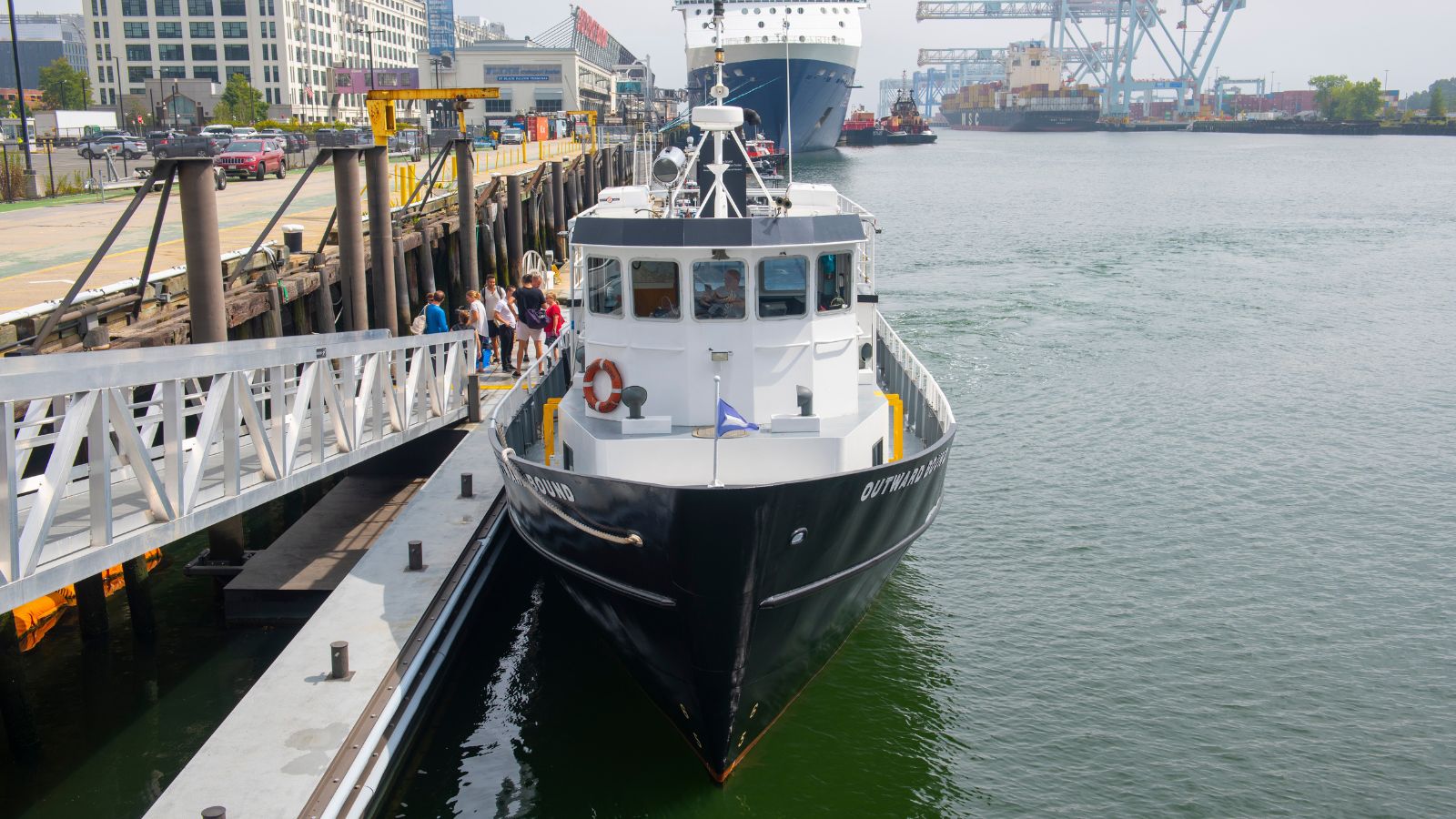
Ferries are essential parts of many Canadian summer routes, but reserving space can create charges beyond passenger and vehicle fares. BC Ferries lists a $20 booking fee on certain reservation-only fares, with the fee remaining non-refundable. Depending on the fare product and timing, changes may cost $5, while cancellations or unredeemed bookings can lead to deductions of $5, $15, $20 or more. The exact rules vary by route and fare type.
For a family travelling with a vehicle, the reservation may feel less optional during peak weekends because arriving without one can mean a long wait or a missed connection. That makes the fee part of practical trip security, even when it is technically tied to a chosen booking product. Trouble begins when plans change and a low fare turns out to be less flexible than expected. Before paying, families should compare saver, prepaid and reservation-only conditions, note the final change deadline and understand no-show consequences. The cheapest ferry option can become the most expensive when one delayed drive forces a rebooking.
Rental-Car Surcharges Beyond the Daily Rate

The displayed daily rental rate is only the beginning for many families. Enterprise says an additional authorized driver can cost $15 per day in Canada unless an exemption or contract applies, and renters under 25 may face a young-renter fee averaging about $25 per day. Airport locations can also include concession recovery charges, customer facility charges and other location-based assessments. These items can make two apparently similar rental quotes substantially different at checkout.
A seven-day rental with one fee-paying additional driver adds $105 before tax. If the primary renter is also subject to an average $25 daily young-renter fee, another $175 may be added. The Competition Bureau has previously found that mandatory non-optional charges in car-rental advertising could increase costs by 10% to 57%, depending on location and vehicle type. Families should compare the final reservation total, check whether a spouse is exempt from additional-driver charges and confirm fuel, mileage and one-way rules. A minivan bargain can disappear quickly when the household needs two legal drivers and an airport pickup.
Ticketing and Online Booking Fees

Concerts, movies, festivals and sports events can carry service, processing, facility or online booking charges. Canada’s Competition Bureau has pursued several cases involving ticket prices that were not attainable without mandatory fees. Its Ticketmaster case resulted in a $4 million penalty and $500,000 in costs, while a Competition Tribunal decision found that Cineplex’s mandatory $1.50 online booking fee constituted drip pricing; the Federal Court of Appeal rejected Cineplex’s appeal in January 2026.
For one ticket, a small fee may seem tolerable. For two adults and several children, per-ticket charges can turn a modest outing into a noticeably larger purchase. Some systems also add an order-level fee, creating more than one layer. The important question is whether the charge is unavoidable for the selected purchase channel and whether another legitimate channel offers the same seats without it. Families should compare the all-in basket before committing, especially when a countdown timer or low-availability warning creates pressure. The emotional cost of abandoning carefully chosen seats is exactly what makes late-stage fees effective.
Summer Camp Transportation and Extended-Care Add-Ons

The posted camp price may cover the core day but not the hours and transportation a working family needs. The YMCA of Greater Toronto notes that discounts on its summer day camps do not apply to add-ons such as bussing, extended hours, towel service or lunch. Its Pine Crest overnight camp lists bus registration at $25 each way. Other providers may price before-care, after-care, specialty equipment, field trips or meal plans separately.
These extras are not trivial conveniences. A camp running from 9 a.m. to 4 p.m. may be unusable without extended supervision for a parent whose workday and commute stretch beyond those hours. Similarly, a distant camp can require paid transportation even when the base program fits the budget. Families comparing programs should build a weekly “usable cost” that includes every required service, not just tuition. A camp that is $40 cheaper on paper may cost more after five days of extended care, lunches and a bus. Refund and absence rules also matter because many programs do not reduce fees when a child misses a day.
Foreign-Currency Conversion Fees

International summer travel can make every meal, ticket and pharmacy stop slightly more expensive through foreign-currency charges. CIBC explains that credit-card issuers commonly charge a conversion fee between 1% and 3%, while its current card fee summary lists a 2.5% fee on converted amounts for many products. Cards without foreign transaction fees exist, but they are not the default across the market.
At 2.5%, the extra cost is $25 for every $1,000 converted. A family spending the equivalent of $5,000 abroad could therefore pay about $125 in conversion fees, even before considering the exchange rate used for each transaction. The charge can also apply to online purchases processed in a foreign currency before departure. Travellers should review the cardholder agreement rather than assuming a travel-rewards card waives the fee. They should also be cautious when a terminal offers to charge in Canadian dollars, since the merchant’s conversion may contain its own markup. Convenience at the screen does not necessarily mean a better exchange rate.
Foreign ATM Withdrawal Fees

Cash withdrawals abroad can generate charges from more than one source. The Financial Consumer Agency of Canada’s account comparison tool shows Canadian account products with foreign ATM fees commonly listed at $3 or $5 per withdrawal. The overseas ATM operator may impose its own access charge, and currency conversion can add another cost. A small withdrawal can therefore carry a surprisingly high effective percentage.
Consider a family that takes out the equivalent of $100 and pays a $5 home-bank fee plus a local operator charge. Repeating that transaction several times for markets, tips or cash-only attractions can waste money that never appears in the trip plan. Larger, less frequent withdrawals may reduce per-transaction fees, although carrying excess cash creates security risks. Before leaving Canada, families should check partner ATM networks, daily withdrawal limits and debit-card conversion rules. The ATM’s offer to convert the amount into Canadian dollars should also be read carefully. The machine may emphasize certainty while using a less favourable conversion than the card network would have applied.
Daily Mobile Roaming Charges

A few taps on a phone can activate a full day of roaming charges. TELUS currently advertises Easy Roam from $14 per day in the United States and $16 per day internationally for shorter trips. Fido lists daily rates of $16 in the U.S. and $18 internationally, while Rogers offers both daily options and multi-day passes, including international passes priced at $100 for 14 days and $120 for 30 days. Charges generally apply per line, not per family account.
That distinction matters when parents and teenagers each carry a phone. Four lines using an $18 daily option for five days could create $360 in roaming fees. A background data connection, sent text, answered call or voicemail check may be enough to trigger a daily pass, depending on the provider’s terms. Families should compare eSIMs, local SIMs, Wi-Fi use, roaming-inclusive plans and multi-day passes before crossing the border. Devices that will not roam should have cellular data and data roaming disabled, with provider instructions reviewed in advance rather than after the first alert arrives.
Toll-Road Camera and Account Fees
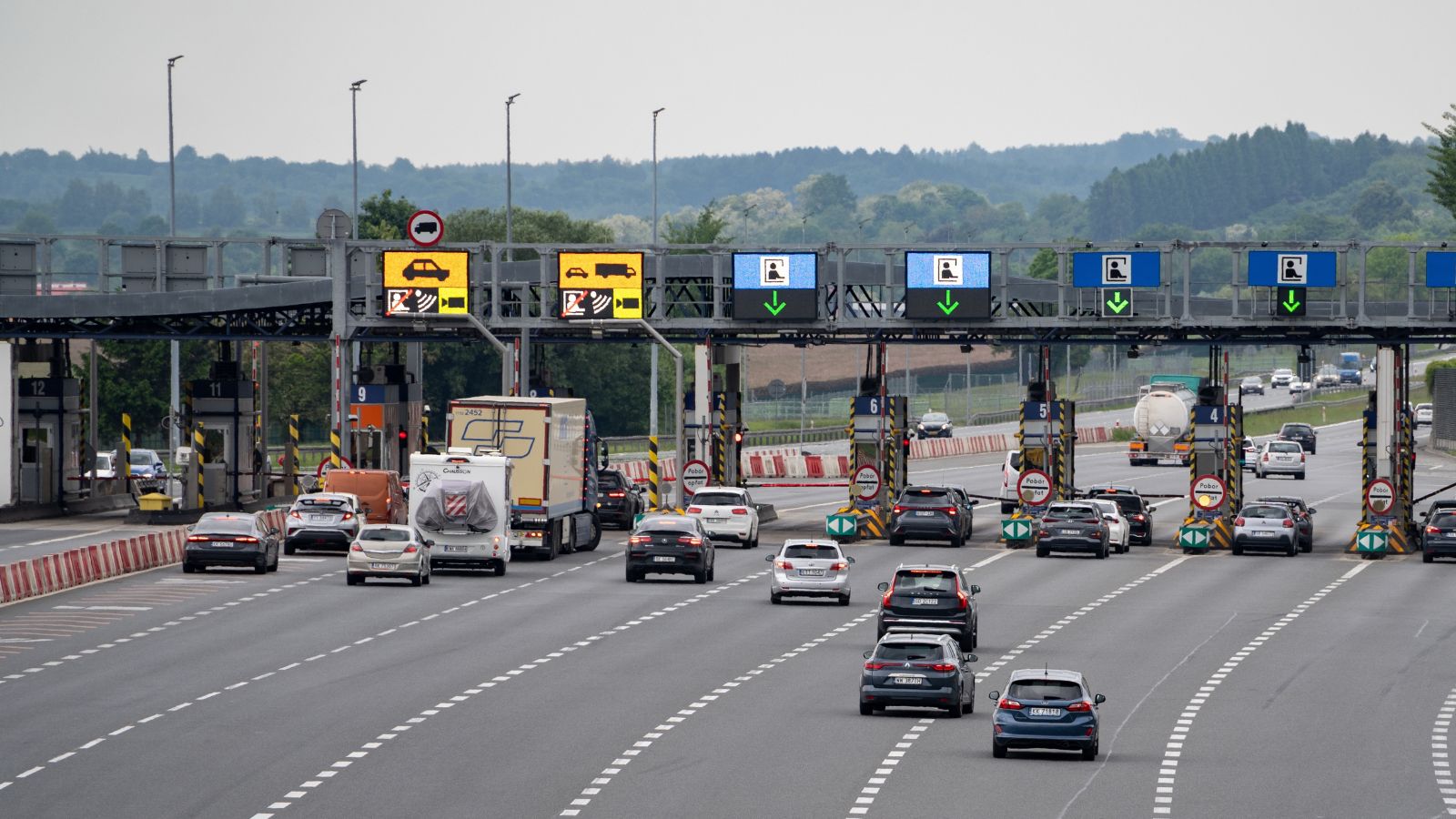
Summer road trips can pick up more than a per-kilometre toll. Highway 407 ETR’s 2026 light-vehicle schedule includes a $1 trip toll charge. Drivers without a transponder can also face a $5.30 camera charge per trip, while some billed users may see a $5 monthly account fee. The route’s toll itself varies by time, direction, section and vehicle, so the administrative charges are only part of the final amount.
A family using the highway for several separate outings can therefore pay repeated camera and trip charges in addition to distance-based tolls. The road may still be worthwhile when it avoids severe congestion, but the decision should be based on the calculator’s complete estimate rather than a vague expectation that the trip will cost “a few dollars.” Rental-car users need extra caution because the rental company may add its own toll-processing fee after receiving the bill. Checking the route before departure, understanding whether a transponder applies and grouping errands into fewer trips can prevent an unexpectedly large statement after the holiday ends.
Parking and Attraction Access Charges

The final fee often appears after the family has already arrived. Ontario Parks’ 2026 day-use vehicle permits reach $21 at some locations, and popular tourist sites frequently operate paid parking alongside separate admission. Niagara Parks, for example, sells parking passes and charges admission to major attractions; Journey Behind the Falls lists 2026 prices of $33 for visitors aged 13 and older and $21.50 for children aged three to 12. Parking is not automatically included with every individual attraction ticket.
A family may therefore pay to reach the destination, park the vehicle and enter the attraction as three distinct transactions. Premium or express pickup services can create another layer; Niagara Parks advertises a $25 express pickup option for its 2026 annual parking pass. These charges do not make the outing poor value, but they complicate comparisons with bundled passes, public transit or park-and-ride options. Before driving, families should check whether parking can be reserved, whether re-entry is allowed and whether a package includes transportation. The last kilometre of a day trip is often where the budget quietly breaks.
19 Things Canadians Don’t Realize the CRA Can See About Their Online Income

Earning money online feels simple and informal for many Canadians. Freelancing, selling products, and digital services often start as side projects. The problem appears at tax time. Many people underestimate how much information the CRA can access. Online platforms, banks, and payment processors create detailed records automatically. These records do not disappear once money hits an account. Small gaps in reporting add up quickly.
Here are 19 things Canadians don’t realize the CRA can see about their online income.
This Options Discord Chat is The Real Deal
While the internet is scoured with trading chat rooms, many of which even charge upwards of thousands of dollars to join, this smaller options trading discord chatroom is the real deal and actually providing valuable trade setups, education, and community without the noise and spam of the larger more expensive rooms. With a incredibly low-cost monthly fee, Options Trading Club (click here to see their reviews) requires an application to join ensuring that every member is dedicated and serious about taking their trading to the next level. If you are looking for a change in your trading strategies, then click here to apply for a membership.