
35,000+ smart investors are already getting financial news, market signals, and macro shifts in the economy that could impact their money next with our FREE weekly newsletter. Get ahead of what the crowd finds out too late. Click Here to Subscribe for FREE.
Money can go missing in surprisingly ordinary ways: a cheque sent to an old address, a tax credit left unclaimed, a pension file tied to a former employer, or a refund deadline that passed unnoticed. In Canada, many of these amounts are not windfalls or loopholes; they are legitimate payments, credits, balances, or benefits that already belong to eligible people. This look at 16 ways Canadians accidentally miss out on money they’re owed focuses on practical, verifiable areas where paperwork, timing, outdated contact details, or simple assumptions can leave real dollars sitting elsewhere.
CRA Cheques That Were Never Cashed
16 Ways Canadians Accidentally Miss Out on Money They’re Owed
- CRA Cheques That Were Never Cashed
- Forgotten Bank Accounts and Old Balances
- Filing Too Late for GST/HST-Related Payments
- Not Applying for the Canada Child Benefit
- Overlooking the Canada Workers Benefit
- Leaving Medical Expenses Scattered Across Receipts
- Missing the Disability Tax Credit
- Forgetting Unused Tuition Amounts
- Ignoring the Canada Training Credit
- Not Claiming Eligible Moving Expenses
- Skipping Employment and Home Office Expense Claims
- Losing Track of Donation Receipts
- Missing Home Accessibility Renovation Credits
- Applying Late for Retirement Income Supports
- Not Pursuing Unpaid Wages, Vacation Pay, or Holiday Pay
- Letting Gift Cards and Refund Rights Go Unused
- 19 Things Canadians Don’t Realize the CRA Can See About Their Online Income

Many Canadians assume government cheques either expire or disappear if they are not deposited quickly, but CRA-issued cheques can remain payable long after they were mailed. Tax refunds, benefit payments, and credit adjustments may sit unclaimed because someone moved, changed banks, misplaced an envelope, or stopped watching paper mail closely.
The CRA has said some uncashed cheques date back decades, and it added an online feature through My Account so taxpayers can check for certain stale-dated payments. The common mistake is assuming direct deposit solved everything. Anyone who once received paper cheques, changed addresses often, or handled finances for a relative’s estate may have money waiting without realizing it.
Forgotten Bank Accounts and Old Balances

A small savings account opened for a teenager, an old term deposit, or a dormant credit union-style balance can become easy to forget after a move or a bank switch. Federally regulated banks eventually transfer eligible unclaimed balances to the Bank of Canada after years of inactivity, where they can still be searched and claimed.
The amounts are not always large, but the rules are unusually long-lasting. Balances under a certain threshold may be held for decades, while larger balances can be held for much longer. The human side is familiar: a parent opened an account, a passbook vanished, or an estate executor never knew the account existed. A name search can sometimes uncover money that survived long after the paperwork disappeared.
Filing Too Late for GST/HST-Related Payments

Low- and modest-income Canadians can miss GST/HST credit payments when they do not file a tax return, even if their income is too low to owe tax. The credit is generally calculated through the annual tax system, so skipping a return can mean skipping payments that were meant to offset sales tax costs.
This matters especially for students, part-time workers, newcomers, and people between jobs who assume tax filing is unnecessary without taxable income. Benefit systems often depend on current income information, not just employment status. A person who earned little or nothing may be exactly the kind of household the credit is designed to reach, but the payment can be delayed or missed when no return is filed.
Not Applying for the Canada Child Benefit

The Canada Child Benefit can be a major source of monthly support, but families can miss out when they assume birth registration automatically covered everything, when custody arrangements change, or when newcomers are unsure how to apply. The CRA provides several application routes, including automated birth registration in many cases, My Account, and paper forms.
The missed-money problem often appears during transitions: a new baby, a separation, a move to Canada, or a child beginning to live primarily with a different caregiver. Since the benefit is based on family income and household responsibility, outdated information can interrupt payments or send families into avoidable delays. For eligible households, the cost of not updating records can be substantial.
Overlooking the Canada Workers Benefit
The Canada Workers Benefit is designed for people who are working but earning modest income, yet it is easy to miss because many workers do not think of themselves as “benefit recipients.” They may be retail employees, food-service workers, gig workers with eligible income, or part-time workers balancing school and family obligations.
Because the benefit is claimed through the tax return, it can be overlooked when someone files quickly, uses old software settings, or fails to report the information needed to assess eligibility. The advanced payment system can also depend on timely filing. For workers living close to the edge, this is not abstract tax language; it can mean a refund or advance payment that helps with groceries, rent, or transportation.
Leaving Medical Expenses Scattered Across Receipts

Medical expenses are often missed because they arrive in small, forgettable pieces: prescriptions, dental bills, vision care, travel for treatment, premiums, devices, or costs paid for dependants. One receipt may not matter much, but a year’s worth of out-of-pocket health costs can change the calculation.
The CRA allows eligible medical expenses to be claimed under specific rules, including a threshold based on income. Families sometimes lose money by letting each person claim expenses separately when a spouse or common-law partner with lower income may produce a better result. The most common mistake is not eligibility; it is organization. Receipts sit in pharmacy bags, email inboxes, insurance portals, and glove compartments until tax time has passed.
Missing the Disability Tax Credit
The Disability Tax Credit is often missed because people assume it applies only to visible disabilities or full-time inability to work. In reality, eligibility depends on the effects of a severe and prolonged impairment, certified by a medical practitioner and reviewed by the CRA. The credit may also support access to other disability-related programs.
This can affect people with conditions that are serious but not obvious in everyday conversation. Families may also miss potential claims for a child, parent, spouse, or supporting family member. The application can feel intimidating, so some eligible people never start it. When approval applies to past years, the financial impact can be meaningful, especially where returns may be adjusted.
Forgetting Unused Tuition Amounts

Students and former students can miss money by forgetting unused tuition amounts, especially when they move from school into lower-paid early career work. Tuition credits are not always fully usable in the year they are earned, so unused amounts may need to be carried forward or, in certain cases, transferred to an eligible family member.
The mistake often happens when students change tax software, stop filing during low-income years, or assume the school tax slip handled everything automatically. Parents and grandparents may also misunderstand when transfers are possible. For graduates who spent years paying tuition but earned little while studying, the unused balance can become a quiet tax advantage later—if it is tracked and claimed correctly.
Ignoring the Canada Training Credit

Adults who return to school, take qualifying courses, or pay for eligible training may overlook the Canada Training Credit because it sounds like a program for full-time students. In practice, it is aimed at helping eligible working-age Canadians offset training costs when they meet the conditions and have a Canada training limit available.
The missed opportunity can happen after career changes, layoffs, new certification requirements, or evening courses taken to stay employable. A worker may save the tuition receipt but forget the training credit line, or confuse it with the regular tuition amount. In a labour market where retraining is increasingly common, this is one of the more modern ways Canadians can leave money unclaimed.
Not Claiming Eligible Moving Expenses

Moving for work, self-employment, or qualifying full-time study can create deductible expenses, but many Canadians never check the rules because they think moving costs are always personal. Eligible expenses may be claimed on the tax return when the move meets CRA conditions, and reimbursement rules matter if an employer paid part of the cost.
This is especially relevant for people who relocate for a first job, leave a smaller town for work, move closer to a new workplace, or attend post-secondary education away from home. Boxes, movers, temporary lodging, and travel can add up quickly. The lost-money moment usually comes when someone throws away receipts after a stressful move, not realizing those records could matter at tax time.
Skipping Employment and Home Office Expense Claims

Employees who are required to pay certain costs to earn employment income may be able to claim specific employment expenses, but the rules often require employer certification through forms such as the T2200. Home office expenses can also apply in certain situations, though the simplified pandemic-era approach no longer applies for recent tax years.
This area creates confusion because not every remote worker qualifies, and not every expense is deductible. Still, eligible employees can miss real money by assuming salaried workers can never claim work-related costs. A salesperson paying for supplies, a worker required to maintain a home workspace, or an employee covering certain phone or workspace costs may need to ask the right questions before filing.
Losing Track of Donation Receipts

Charitable donations can reduce tax payable, yet receipts often go missing because giving happens across many channels: monthly donations, workplace campaigns, emergency appeals, school fundraisers, religious organizations, and online platforms. The tax credit depends on eligible gifts to qualified donees, and the receipt is the key record.
People also miss value by forgetting that donations can sometimes be pooled within a household or carried forward within allowed rules. A person who gives modest amounts every month may underestimate the annual total. A $20 recurring gift feels small in January, but it becomes a different number by December. The money is not a refund from the charity; it is a tax credit that can be lost through poor record-keeping.
Missing Home Accessibility Renovation Credits

Home accessibility renovations can be expensive, and eligible households may miss the federal Home Accessibility Tax Credit when they do not connect safety upgrades with tax relief. Renovations that improve accessibility, mobility, or reduce risk inside a qualifying dwelling may fit the rules if the claimant and property qualify.
The common example is a family installing grab bars, widening doorways, adding a walk-in shower, or modifying stairs for an older adult or person with a disability. Because these projects are often urgent and emotional, tax paperwork is not always top of mind. Contractors may describe the work as a renovation, while the household sees it as a safety necessity. Either way, receipts and eligibility checks matter.
Applying Late for Retirement Income Supports
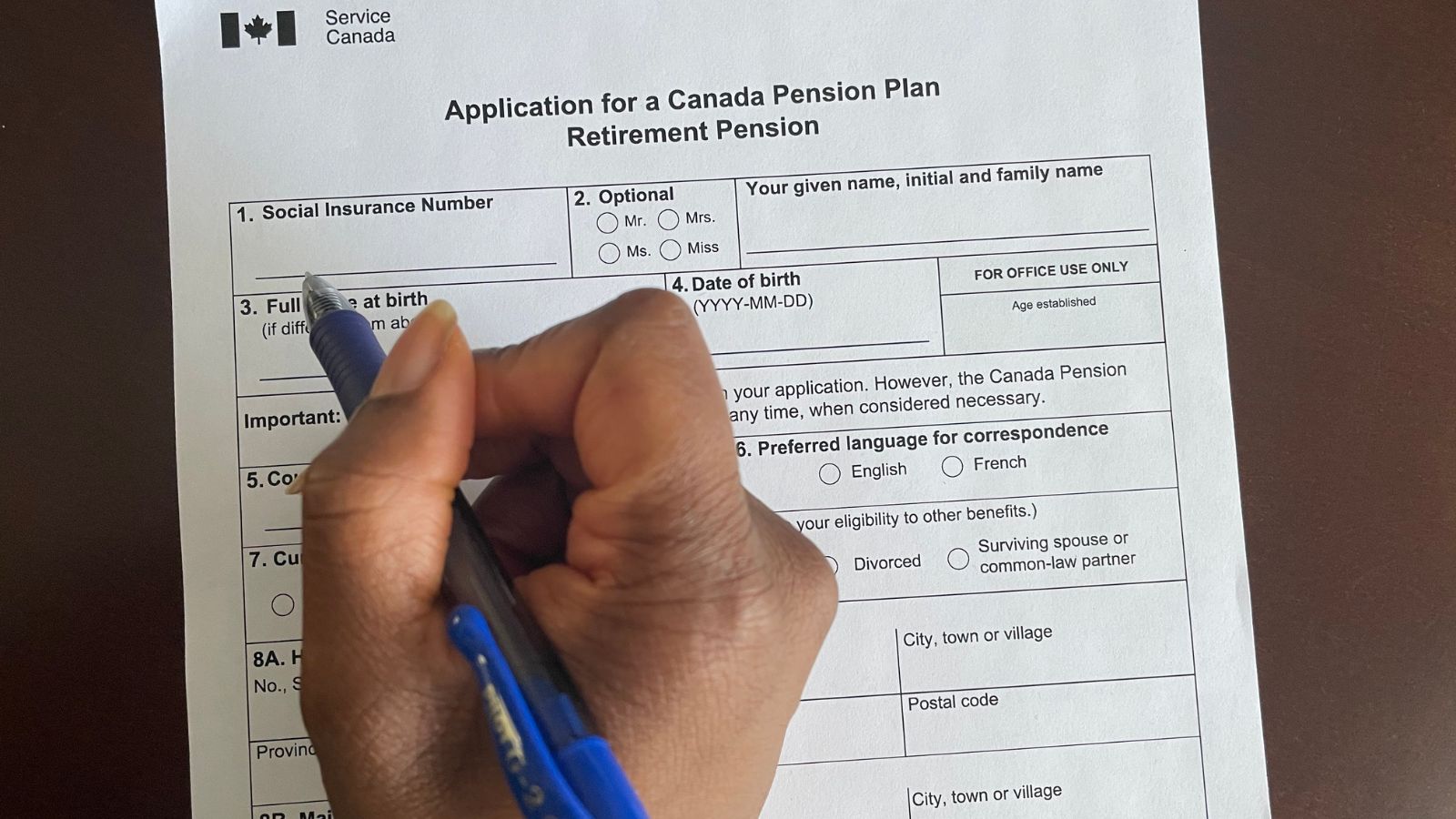
Older Canadians can miss money when retirement benefits are delayed, misunderstood, or interrupted. Canada Pension Plan and Old Age Security timing rules matter, and Old Age Security can include limited retroactive payment possibilities when someone applies after age 65. The Guaranteed Income Supplement can also be disrupted if annual income information is not kept current.
This is not only a paperwork issue. It can happen after bereavement, illness, immigration history questions, language barriers, or confusion between CPP, OAS, and GIS. A senior may think one application covers every program, or may not realize tax filing helps renew income-tested support. For lower-income seniors, a missed or interrupted GIS payment can be far more serious than a simple administrative inconvenience.
Not Pursuing Unpaid Wages, Vacation Pay, or Holiday Pay

Workers can miss money when they do not challenge unpaid wages, incorrect vacation pay, public holiday pay errors, overtime issues, or final pay problems. Employment standards differ by jurisdiction, but federal and provincial systems generally provide complaint processes for eligible workers who were not paid amounts owed.
This often affects people in lower-wage, temporary, seasonal, or high-turnover jobs, where the cost of speaking up can feel risky. A restaurant worker may assume a short final cheque is not worth the trouble. A retail employee may not understand holiday pay rules. A federally regulated employee may not know there is a labour standards complaint process. Small errors across many pay periods can become meaningful money.
Letting Gift Cards and Refund Rights Go Unused

Gift cards are easy to treat as almost-money rather than real money, which is why billions in value can sit forgotten in drawers, wallets, apps, and old email accounts. In Canada, most gift cards do not expire, although exceptions vary by province, card type, and promotional terms. That means a dusty card may still have value.
Refund and dispute rights can also be missed when consumers wait too long to act after a failed purchase, undelivered order, duplicate charge, or merchant dispute. Chargeback processes usually involve strict timelines, so delay can turn a valid complaint into a missed recovery. The practical lesson is simple: unused balances, receipts, statements, and dispute windows are all part of personal money management.
19 Things Canadians Don’t Realize the CRA Can See About Their Online Income

Earning money online feels simple and informal for many Canadians. Freelancing, selling products, and digital services often start as side projects. The problem appears at tax time. Many people underestimate how much information the CRA can access. Online platforms, banks, and payment processors create detailed records automatically. These records do not disappear once money hits an account. Small gaps in reporting add up quickly.
Here are 19 things Canadians don’t realize the CRA can see about their online income.
This Options Discord Chat is The Real Deal
While the internet is scoured with trading chat rooms, many of which even charge upwards of thousands of dollars to join, this smaller options trading discord chatroom is the real deal and actually providing valuable trade setups, education, and community without the noise and spam of the larger more expensive rooms. With a incredibly low-cost monthly fee, Options Trading Club (click here to see their reviews) requires an application to join ensuring that every member is dedicated and serious about taking their trading to the next level. If you are looking for a change in your trading strategies, then click here to apply for a membership.