
35,000+ smart investors are already getting financial news, market signals, and macro shifts in the economy that could impact their money next with our FREE weekly newsletter. Get ahead of what the crowd finds out too late. Click Here to Subscribe for FREE.
Airport bins, border declarations, and destination-specific restrictions can turn a simple packing choice into an expensive delay. For Canadians, the issue is not just what fits in a suitcase; it is whether the item belongs in carry-on, checked baggage, a customs declaration, or nowhere near a border at all.
This piece covers 16 things Canadians should never pack without checking travel rules first. From everyday toiletries and prescription medication to camping fuel, cannabis products, food souvenirs, and lithium batteries, each item can carry different rules depending on the airline, destination, connection point, and whether the trip is domestic or international.
Liquids, Gels, and Aerosols
16 Things Canadians Should Never Pack Without Checking Travel Rules First
- Liquids, Gels, and Aerosols
- Prescription Medication and Medical Liquids
- Cannabis, CBD, and Edibles
- Lithium Batteries and Power Banks
- E-Cigarettes and Vape Devices
- Sharp Objects, Razors, and Small Tools
- Camping Fuel, Lighters, and Matches
- Sporting Equipment and Outdoor Gear
- Food, Meat, Fruit, and Plant Products
- Baby Formula, Breast Milk, and Children’s Food
- Alcohol, Duty-Free Bottles, and Tobacco
- Large Amounts of Cash or Monetary Instruments
- Firearms, Ammunition, Replicas, and Toy Weapons
- Drones and Camera Gear With Batteries
- Powders, Granular Items, and Unusual Souvenirs
- Wildlife Products, Shells, Coral, and Cultural Souvenirs
- 19 Things Canadians Don’t Realize the CRA Can See About Their Online Income

A full-size shampoo bottle, a jar of maple butter, or a snow globe from a gift shop can all create the same problem at airport security: they may count as liquids, gels, or aerosols. In Canada, carry-on containers generally need to be 100 millilitres or 100 grams or less, and they must fit inside a clear, resealable one-litre bag. The rule applies to obvious toiletries, but also to less obvious items such as creamy foods, lotions, perfumes, liquid souvenirs, and some cosmetics.
The mistake often happens on the return trip, when a traveller buys a local sauce, honey, jam, or souvenir bottle and forgets it is still subject to screening rules. If it is over the carry-on limit, it may need to go in checked baggage or be shipped separately. Duty-free liquids can also have special packaging requirements when connecting through another airport, so checking both Canadian and connecting-airport rules can prevent a costly goodbye at security.
Prescription Medication and Medical Liquids

Medication seems straightforward until it crosses a border. Liquid medication, injectable medication, gels, and medically necessary liquids may be exempt from the usual 100-millilitre carry-on limit at Canadian airport screening, but they still need to be presented separately for inspection. Keeping medication in original packaging, with a pharmacy label or doctor’s documentation when appropriate, can make screening and customs conversations much easier.
The bigger risk is international travel. Some medications that are common in Canada may be controlled, restricted, or treated differently abroad. Even a valid Canadian prescription does not automatically make a medication legal in another country. Controlled substances can also carry declaration requirements when entering or leaving Canada. A traveller packing pain medication, ADHD medication, sleep aids, or injectable prescriptions should check destination rules before departure, not at the airport counter.
Cannabis, CBD, and Edibles

Cannabis is one of the easiest items for Canadians to misunderstand because domestic legality does not translate into border permission. Cannabis may be legal in Canada, but taking it across the Canadian border is illegal unless there is specific authorization. That includes dried cannabis, oils, edibles, extracts, topicals, and products containing CBD. A medical prescription from a doctor is not the same thing as authorization to cross the border with cannabis.
The confusion often starts with small items: a CBD balm in a toiletry bag, a gummy tucked into a backpack, or a vape cartridge left in a jacket pocket. These may seem minor, but border rules treat them seriously. Travellers flying domestically within Canada should still check airline and airport rules, while anyone leaving or entering Canada should assume cannabis products require extra caution and should not be packed casually.
Lithium Batteries and Power Banks
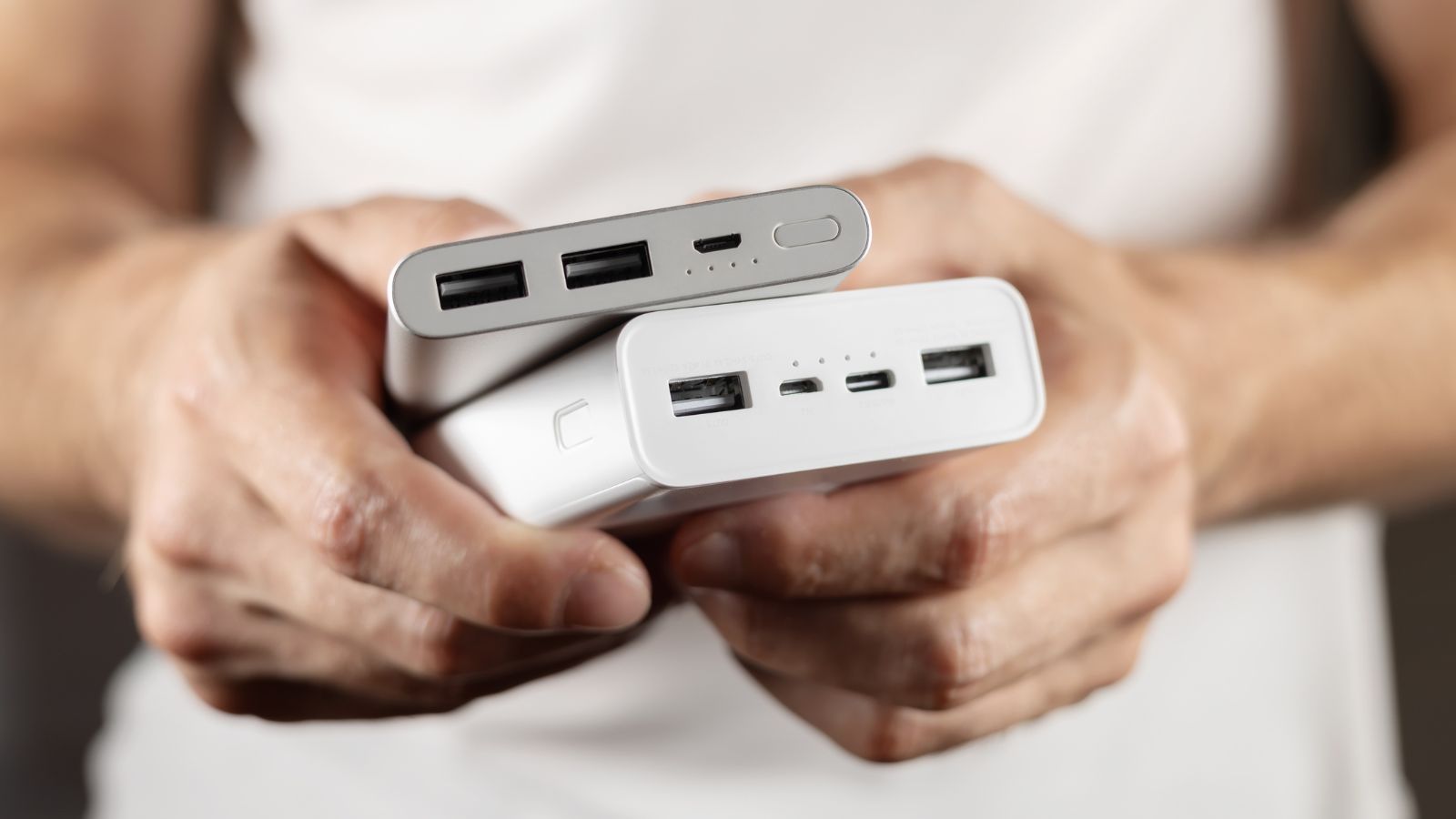
Portable chargers have become travel essentials, especially on long airport days, but lithium batteries are treated as a safety issue because of fire risk. Spare lithium batteries and power banks generally belong in carry-on baggage, not checked baggage. Devices with lithium batteries should be protected from damage and accidental activation, and damaged or recalled batteries should not be brought onto an aircraft.
The common mistake is packing a power bank deep inside a checked suitcase, especially when a carry-on gets gate-checked on a full flight. If a bag is checked at the gate, spare batteries and power banks should be removed and kept in the cabin. Travellers carrying camera batteries, drone batteries, laptop batteries, or high-capacity power banks should also check watt-hour limits and airline-specific rules before leaving home.
E-Cigarettes and Vape Devices
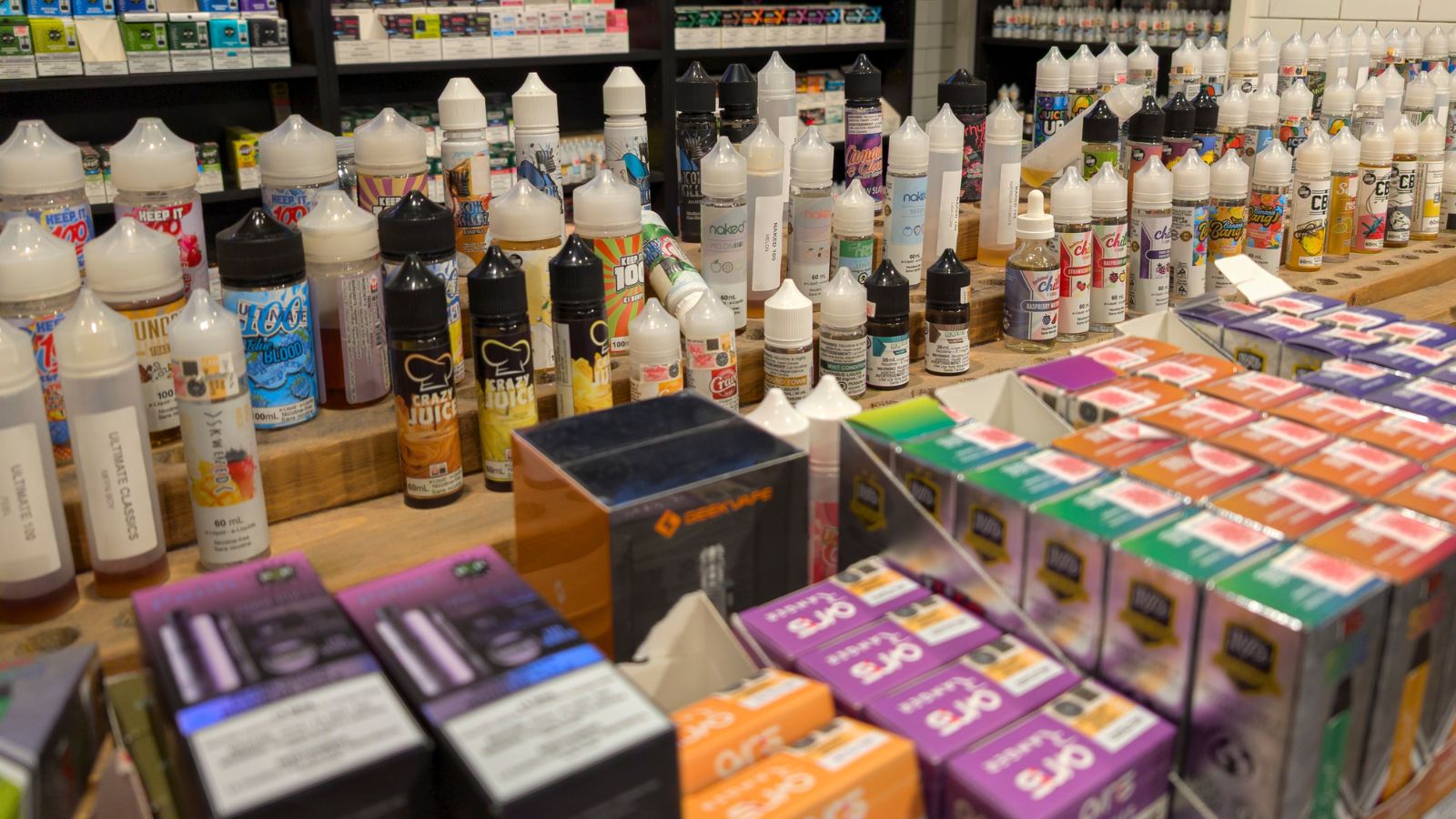
E-cigarettes and vape pens create two separate travel-rule problems: the battery and the liquid. Because many vape devices contain lithium batteries and heating elements, they generally should not be placed in checked baggage. They need to be protected from accidental activation, and charging them onboard may be prohibited. Refill liquids may also be subject to the same carry-on liquid limits as other gels and liquids.
There is also a destination issue. Some countries restrict or ban vaping products even when they are common in Canada. A traveller may clear airport security in Canada and still run into trouble abroad if the arrival country has different rules for import, possession, or use. Before packing a device, cartridges, pods, or refill bottles, it is worth checking both the airline’s dangerous goods rules and the destination’s laws.
Sharp Objects, Razors, and Small Tools

A nail clipper is not the same as a utility knife, and a disposable razor is not the same as a loose blade. Canadian screening rules allow some personal grooming items in carry-on baggage, such as disposable razors, tweezers, and small scissors with blades within permitted limits. Open razors, loose blades, knives, and longer sharp items may need to go in checked baggage or may not be allowed in carry-on at all.
Tools create similar surprises. A small tool may be permitted, but larger screwdrivers, chisels, saws, drills, hammers, and items that could be used as weapons can be restricted from carry-on baggage. Tradespeople travelling for work often learn this the hard way when a compact toolkit triggers extra screening. Measuring blade or shaft length before packing can save both the tool and the trip schedule.
Camping Fuel, Lighters, and Matches
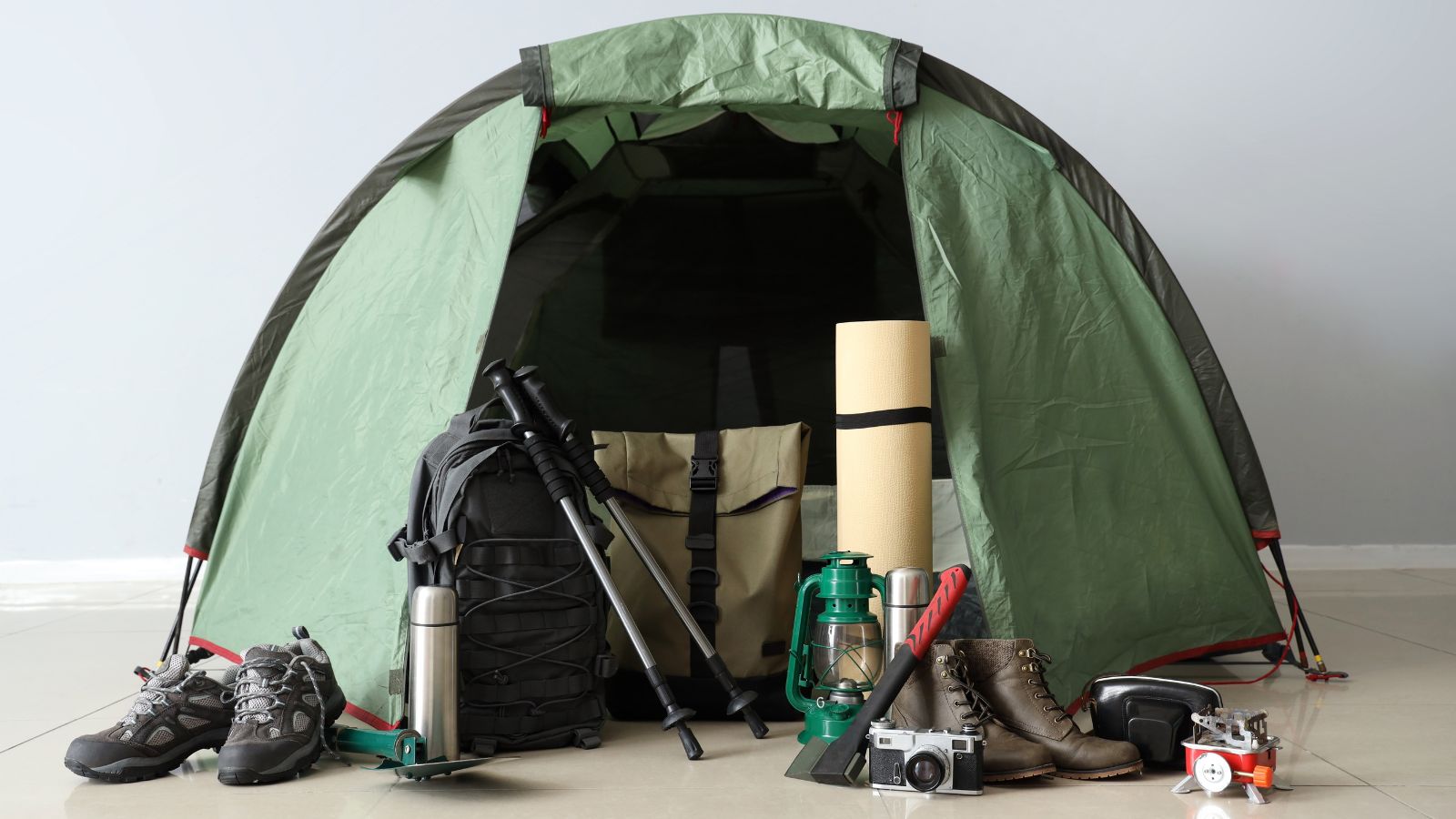
Camping gear can look harmless in a garage and become a dangerous-goods issue at the airport. Flammable fuels such as white gas, butane canisters, lighter fluid, and similar stove fuels are generally not allowed in carry-on or checked baggage. Even small amounts of fuel residue can create concerns, which is why used camping stoves sometimes require special airline approval or careful cleaning before travel.
Lighters and matches are another trap. Canadian guidance allows one lighter for personal use in carry-on, but lighters are not permitted in checked baggage, and strike-anywhere matches are not permitted in either carry-on or checked baggage. A traveller heading to a campsite, fishing lodge, or backcountry destination should plan to buy fuel and ignition supplies after arrival rather than trying to fly with them.
Sporting Equipment and Outdoor Gear

Hockey sticks, baseball bats, golf clubs, ski poles, fishing gear, and similar equipment may be part of a normal Canadian vacation, but many of these items do not belong in carry-on baggage. They can be treated as blunt objects or oversized sporting equipment, meaning they usually need to be checked, packed in a proper case, and accepted under airline size and weight rules.
The issue is not only security; it is also cost and handling. Airlines may treat skis, golf bags, bicycles, and fishing rods as special baggage, sometimes with advance packing requirements or fees. A family heading to a tournament or ski trip can be caught off guard if equipment exceeds the airline’s allowance. Checking both screening rules and airline baggage policies before packing helps avoid last-minute repacking beside the check-in counter.
Food, Meat, Fruit, and Plant Products
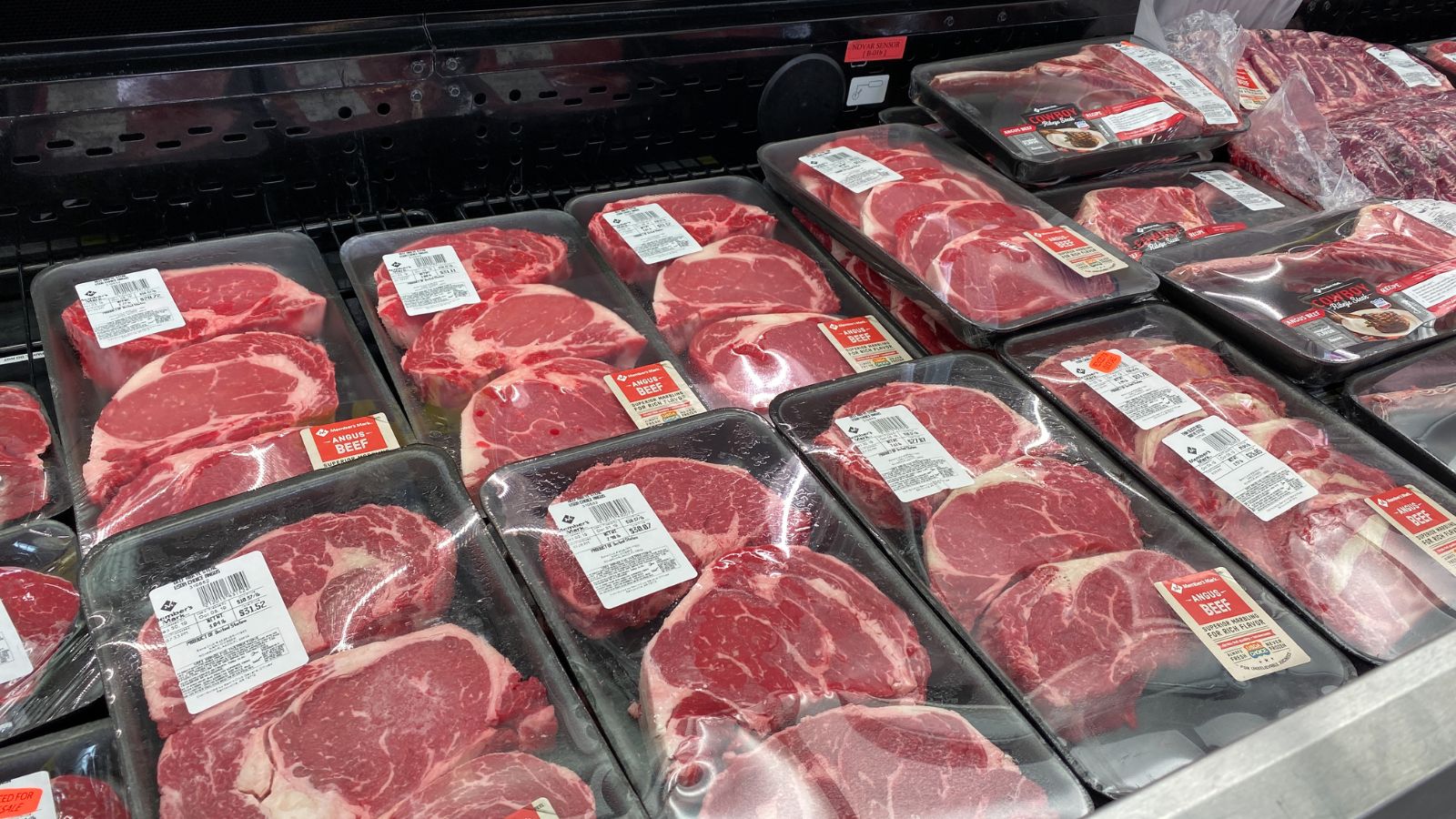
Food souvenirs can be memorable, but they can also carry pests, animal diseases, or plant risks. Canada requires travellers to declare food, plant, animal products, and related items when bringing them into the country. Restrictions can depend on the product, the country of origin, packaging, quantity, and current disease or pest concerns. A single piece of fruit, meat product, seed packet, or homemade snack may create more trouble than expected.
The same caution applies when Canadians travel abroad. Many countries have strict rules on meat, dairy, produce, seeds, soil, and plant materials. A traveller who packs homemade sandwiches for arrival, buys cured meat at a market, or brings back fresh fruit from a vacation property should check the rules first. Border officers are usually more concerned with undeclared risk items than with honest questions asked before inspection.
Baby Formula, Breast Milk, and Children’s Food

Families travelling with infants often need more liquids than the standard carry-on allowance would normally permit. Baby formula, breast milk, juice, and baby food may be allowed in quantities above the usual 100-millilitre limit, but they must be presented to screening officers for inspection. Packing these items where they can be removed easily can keep the line moving and reduce stress.
The detail many families miss is that exemptions at airport security do not erase customs or destination rules. Baby food containing meat, dairy, fruit, or plant ingredients can still be subject to border restrictions when entering another country or returning to Canada. Powdered items may also trigger separate screening if they fall under powder or granular material rules. Labelling, original packaging, and a practical quantity for the trip can make a meaningful difference.
Alcohol, Duty-Free Bottles, and Tobacco
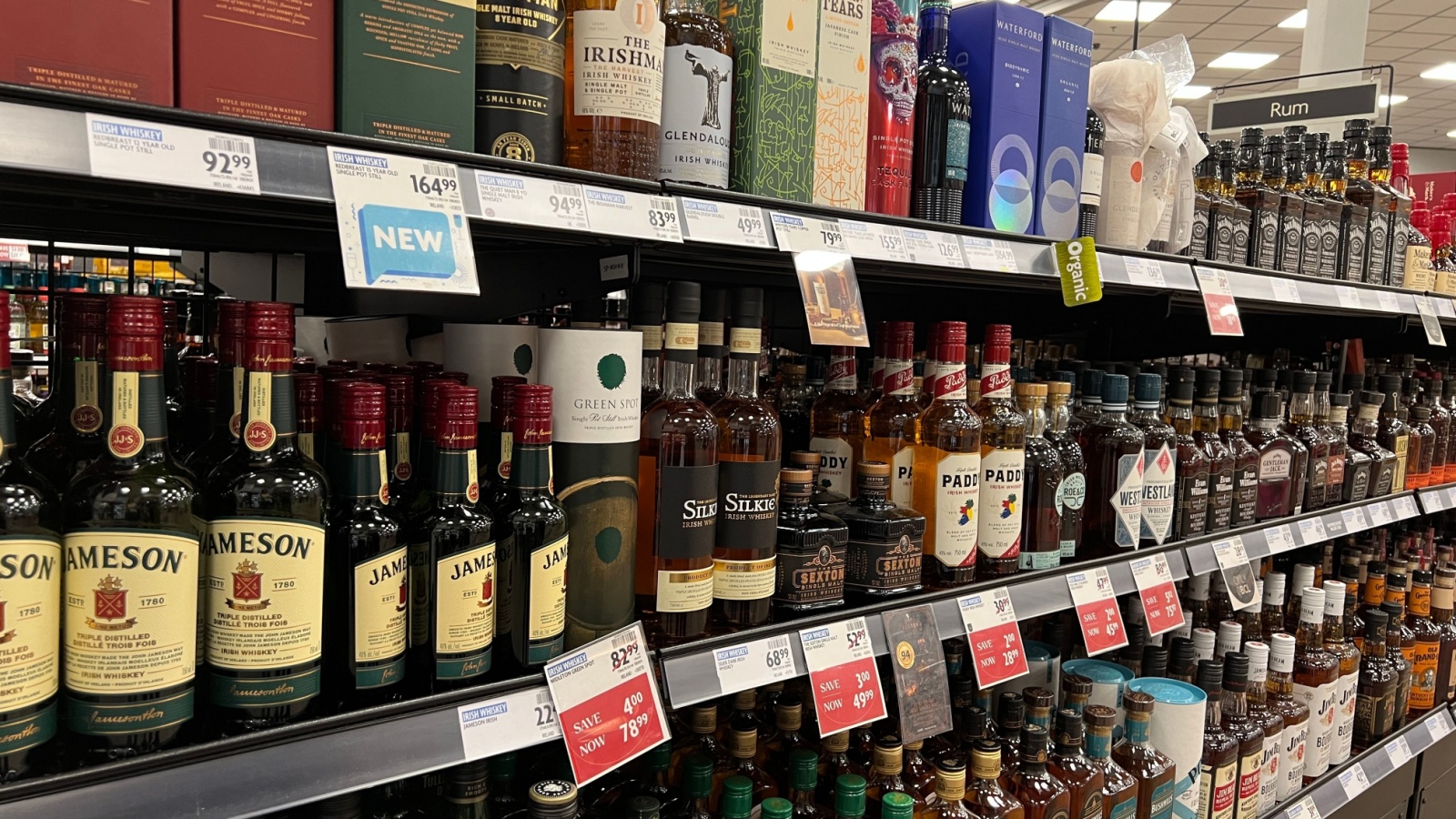
Alcohol and tobacco are classic travel purchases, but they come with quantity limits, age rules, duty and tax implications, airline rules, and sometimes provincial or territorial considerations. Canadian residents returning from abroad may have personal exemptions depending on how long they were away, but goods still need to be declared. Alcohol also has air-travel restrictions when it is high proof or packed in large quantities.
Duty-free purchases can be especially confusing on connecting flights. A sealed bag accepted at one airport may still face screening rules during a connection, particularly if the bag is opened or the receipt is missing. Tobacco and nicotine products can also be subject to declaration limits and destination rules. Before packing or buying extra bottles, cartons, or specialty products, travellers should check both customs allowances and airline dangerous-goods limits.
Large Amounts of Cash or Monetary Instruments

Cash is legal to travel with, but large amounts must be declared. Anyone entering or leaving Canada with currency or monetary instruments valued at CAN$10,000 or more must report it. Monetary instruments can include cash, cheques, bank drafts, money orders, and similar negotiable items. The rule is about reporting, not an automatic ban, but failing to declare can lead to seizure and penalties.
This matters for travellers carrying family funds, business payments, wedding cash gifts, or emergency money split between bags. A group may also misunderstand whether the amount is personal or combined. Keeping documentation and declaring properly can prevent a routine border crossing from becoming a long interview. When in doubt, travellers should ask before inspection rather than hoping an envelope or money belt goes unnoticed.
Firearms, Ammunition, Replicas, and Toy Weapons
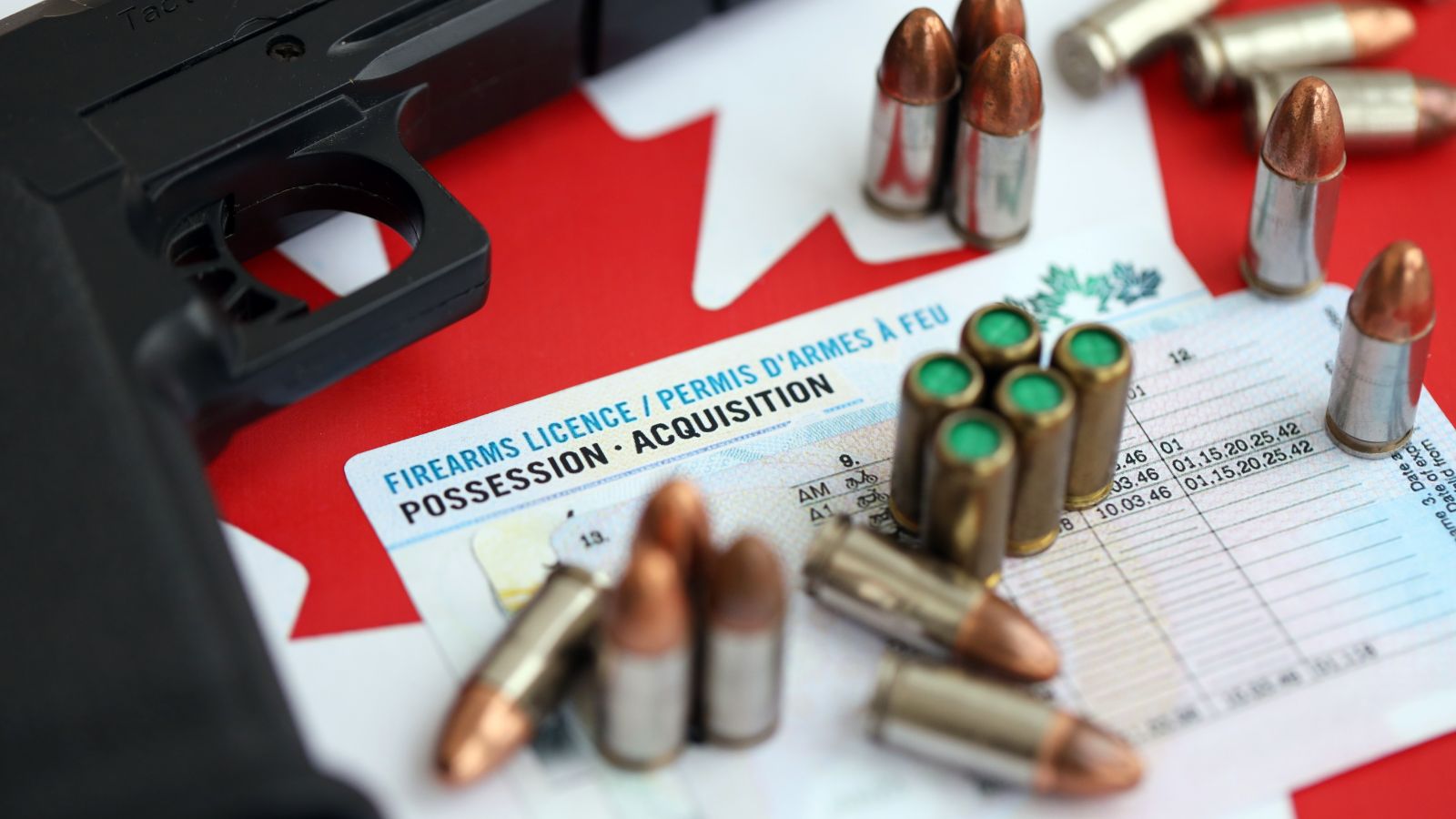
Firearms and ammunition are heavily regulated in travel, and they should never be packed without checking airline, airport, destination, and border rules. Firearms are not permitted in carry-on baggage and, where allowed, generally require unloaded storage in checked baggage, proper cases, declaration at check-in, and compliance with both Canadian law and the rules of every country on the itinerary.
Replicas and toy weapons can also cause serious problems. A realistic toy gun, replica grenade, starter pistol, BB gun, or firearm part may be treated as a security risk even if it was packed for a costume, sport, or child’s play. Travellers going hunting, attending competitions, or transporting inherited items should leave extra time, carry documentation, and confirm requirements directly with the airline and relevant authorities before packing.
Drones and Camera Gear With Batteries

Drones are popular for landscapes, cottages, road trips, and overseas adventures, but they combine several rule categories at once: electronics, lithium batteries, aviation restrictions, and destination laws. Some airlines allow drones in carry-on if powered off and safely stowed, while checked transport may require batteries to be removed and carried in the cabin. Spare batteries must be protected against short circuits.
The drone itself may be allowed on the aircraft, yet illegal or restricted to use at the destination. National parks, cities, airports, border zones, and certain countries have strict drone rules. A traveller may also need registration, permits, insurance, or operator credentials. Packing a drone without checking local laws can turn an expensive camera tool into dead weight, or worse, an item that gets confiscated on arrival.
Powders, Granular Items, and Unusual Souvenirs

Powders are easy to overlook because they are not liquids. Baby powder, bath salts, protein powder, powdered makeup, spices, sand, and granular souvenirs can still trigger screening limits or extra inspection. In Canada, certain powders and granular materials in carry-on are limited to a total quantity of 350 millilitres or less, with checked baggage often being the simpler option for larger amounts.
The souvenir angle is where travellers get surprised. A jar of beach sand, a pouch of ceremonial powder, a spice blend, or a mineral sample may be innocent, but it can still look unusual on an X-ray or raise customs questions. Some natural items may also overlap with plant, soil, wildlife, or cultural-property rules. Packing powders in labelled, sealed containers and checking destination restrictions can prevent delays and awkward explanations.
Wildlife Products, Shells, Coral, and Cultural Souvenirs

Not every souvenir that is sold openly abroad is legal to bring home or take across another border. Items made from ivory, coral, reptile skin, turtle shell, rare wood, feathers, shells, animal teeth, or protected plants may be covered by endangered-species rules. Some cultural objects and antiquities may also require permits or may be illegal to export from the country where they were purchased.
The most human version of this problem happens when someone buys a bracelet, carving, belt, shell ornament, or traditional remedy without realizing what it contains. A receipt from a market stall does not prove legal export or import. Canadians should be especially cautious with wildlife-derived souvenirs, beach finds, antique-looking objects, and natural materials. Checking before purchase is safer than trying to explain the item at a border counter.
19 Things Canadians Don’t Realize the CRA Can See About Their Online Income

Earning money online feels simple and informal for many Canadians. Freelancing, selling products, and digital services often start as side projects. The problem appears at tax time. Many people underestimate how much information the CRA can access. Online platforms, banks, and payment processors create detailed records automatically. These records do not disappear once money hits an account. Small gaps in reporting add up quickly.
Here are 19 things Canadians don’t realize the CRA can see about their online income.
This Options Discord Chat is The Real Deal
While the internet is scoured with trading chat rooms, many of which even charge upwards of thousands of dollars to join, this smaller options trading discord chatroom is the real deal and actually providing valuable trade setups, education, and community without the noise and spam of the larger more expensive rooms. With a incredibly low-cost monthly fee, Options Trading Club (click here to see their reviews) requires an application to join ensuring that every member is dedicated and serious about taking their trading to the next level. If you are looking for a change in your trading strategies, then click here to apply for a membership.