
35,000+ smart investors are already getting financial news, market signals, and macro shifts in the economy that could impact their money next with our FREE weekly newsletter. Get ahead of what the crowd finds out too late. Click Here to Subscribe for FREE.
Canadian affordability rarely collapses overnight. It usually changes block by block: rents jump before wages do, child-care spaces become harder to find, transit fares rise, and starter homes quietly disappear from ordinary listings. By the time families notice the pattern, the city may already be reshaped around higher incomes, smaller households, and more expensive daily routines.
Here are 16 signs a Canadian city may be moving beyond what regular families can comfortably afford, from housing pressure and transportation costs to grocery bills, municipal taxes, and the slow disappearance of family-friendly neighbourhoods.
Rents Start Climbing Faster Than Local Wages
16 Signs a Canadian City Is About to Get Too Expensive for Regular Families
- Rents Start Climbing Faster Than Local Wages
- Vacancy Rates Stay Low Even After New Buildings Open
- Starter Homes Disappear From Ordinary Listings
- Families Spend More Than 30% of Income on Shelter
- Commuting Becomes the Hidden Housing Tax
- Child-Care Spaces Become Scarce or Still Too Costly
- Grocery Bills Feel Like a Second Rent Increase
- Property Taxes and User Fees Rise Year After Year
- New Housing Is Mostly Luxury or Investor-Oriented
- Renovations Push Older Rentals Out of Reach
- Local Jobs No Longer Match Local Housing Prices
- Schools and Family Services Become Overcrowded
- Neighbourhood Shops Shift Toward Higher-Income Customers
- Emergency Savings Disappear From Family Budgets
- Population Growth Runs Ahead of Housing and Services
- Insurance, Utilities, and Maintenance Costs Keep Rising
- Families Start Leaving While Higher-Income Households Arrive
- 19 Things Canadians Don’t Realize the CRA Can See About Their Online Income

A city is usually flashing an early warning sign when rent growth starts outpacing paycheques. Families can absorb a bad month or a modest increase, but repeated rent hikes change the whole household equation. When a two-bedroom apartment begins taking a larger share of after-tax income, everyday choices become narrower: fewer savings, fewer extracurriculars, fewer restaurant meals, and more pressure to take on longer commutes.
This matters because rent pressure often hits before home prices fully show the strain. Newcomers, young families, single parents, and households saving for a down payment usually feel it first. In Canadian cities where vacancy is tight, landlords have more pricing power and families have fewer fallback options. A city may still look “affordable” on paper compared with Toronto or Vancouver, but if rents are rising faster than local wages, regular families are already being pushed toward the edge.
Vacancy Rates Stay Low Even After New Buildings Open

New apartment buildings can make a city look as though it is solving its housing problem, but the real test is whether vacancies actually loosen. If new rentals open and are quickly absorbed, it often means demand is running ahead of supply. Families then face a market where every decent unit has multiple applicants, quick deadlines, and fewer chances to negotiate rent, parking, pets, or move-in dates.
Low vacancy also changes the emotional side of housing. Parents may avoid leaving an unsuitable apartment because finding another place in the same school zone feels risky. A family needing an extra bedroom may stay crowded for another year. Even when national rental data improves, local pockets can remain extremely tight. If a city keeps adding units but families still struggle to find stable rentals, affordability is not recovering in a practical way.
Starter Homes Disappear From Ordinary Listings

A city becomes harder for regular families when “starter home” stops meaning a modest detached house or townhouse and starts meaning a small condo far from work. The disappearance of entry-level homes is not just a buyer problem. It affects renters too, because households that would normally move into ownership stay in the rental market longer, creating extra competition for family-sized apartments.
This shift often appears in listing patterns before it appears in official affordability reports. Three-bedroom homes become rare below the local median price, fixer-uppers receive multiple offers, and older townhouses are marketed as “investment opportunities” instead of family homes. When the cheapest path into ownership requires family help, unusually high income, or a long commute, the city’s housing ladder is no longer working for ordinary households.
Families Spend More Than 30% of Income on Shelter

Housing experts often use 30% of before-tax household income as a key affordability threshold. Once shelter costs consistently exceed that line, families have less room for food, transportation, debt repayment, savings, insurance, and emergencies. In high-cost cities, this burden can become normalized, but normal does not mean sustainable. It simply means more households are quietly making trade-offs.
The warning sign becomes stronger when middle-income families begin crossing that threshold, not only lower-income households. A teacher, nurse, construction worker, or retail manager may still earn a stable income but find that rent or mortgage payments leave little breathing room. In a genuinely family-friendly city, ordinary jobs should still support ordinary housing. When they no longer do, the city is becoming expensive in a structural way.
Commuting Becomes the Hidden Housing Tax
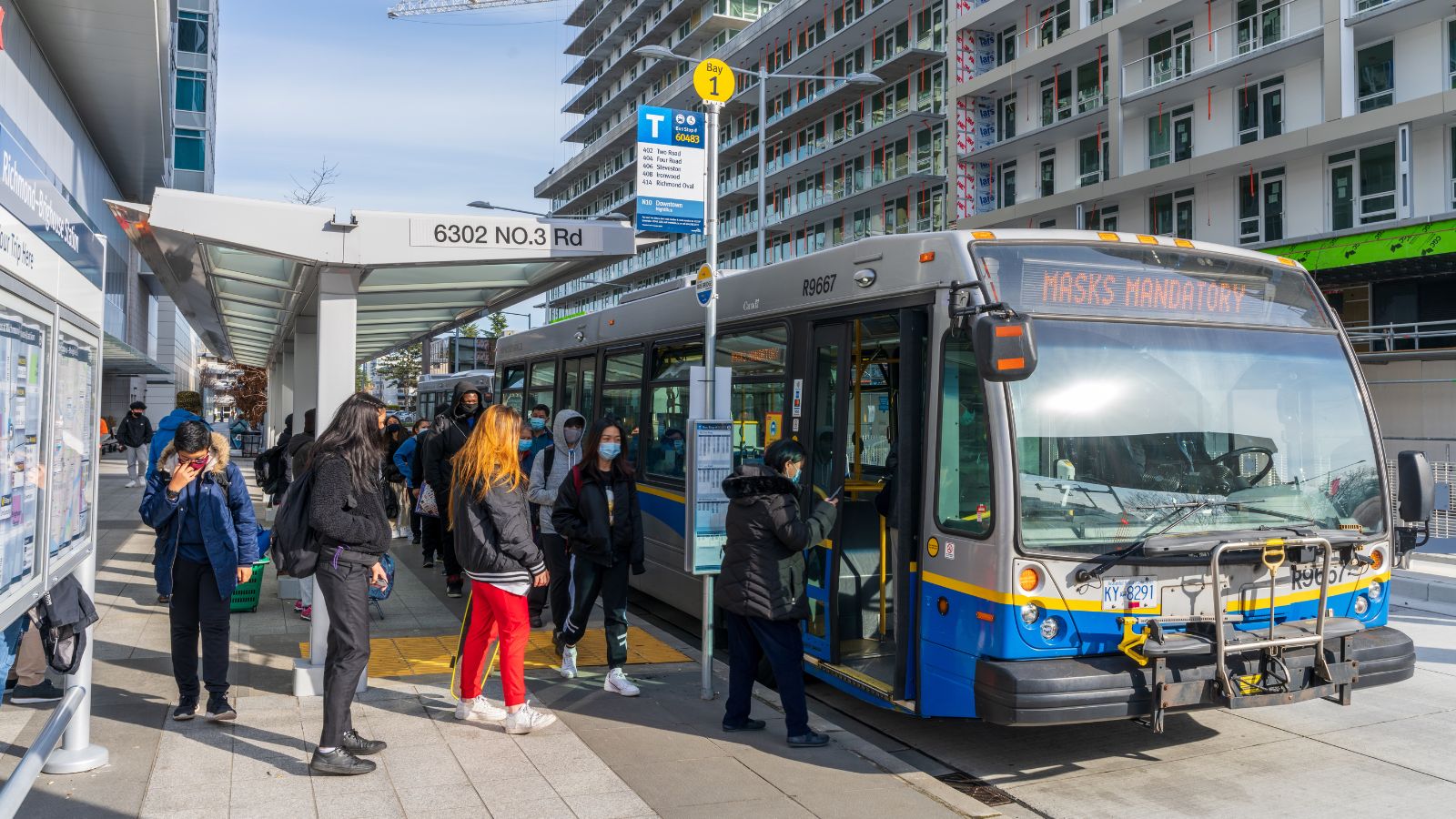
A cheaper home outside the urban core can look like a solution until transportation costs are added back in. Longer commutes often mean more fuel, parking, insurance, vehicle maintenance, transit passes, or lost time. For families, the cost is not only financial. A 90-minute commute can affect child-care pickup, dinner routines, after-school activities, and the ability to manage unexpected appointments.
Canadian researchers increasingly look at housing and transportation together because a low rent or mortgage payment may be misleading if the location requires expensive travel. A city is becoming too expensive when families can only afford housing by moving farther from jobs, schools, health care, and groceries. That pattern creates a two-part affordability problem: housing costs fall slightly, but transportation costs and daily stress rise sharply.
Child-Care Spaces Become Scarce or Still Too Costly

Affordable child care is one of the clearest tests of whether a city works for regular families. Even where fees have fallen under national child-care agreements, access can remain uneven. A space that costs less is only useful if a family can actually find one near home or work. Long waitlists force parents into awkward choices: delaying a return to work, relying on relatives, changing shifts, or paying more for private arrangements.
The pressure is especially visible in fast-growing suburbs and cities attracting young families. New housing may arrive faster than child-care centres, schools, and family services. When parents start joining waitlists before a child is born or driving across town for care, affordability has moved beyond rent. A city may advertise itself as family-friendly, but without accessible child care, regular working families face a major monthly and logistical burden.
Grocery Bills Feel Like a Second Rent Increase

Food costs are a daily reminder of whether a city remains manageable. Even if grocery prices are set by national and global forces, local affordability depends on how easily families can reach reasonably priced stores. When discount grocers are scarce, independent shops are priced for higher-income residents, or car-free families must pay delivery fees, food inflation lands harder.
The problem compounds in neighbourhoods undergoing rapid change. A family may once have relied on a nearby budget supermarket, only to see it replaced by a boutique grocery store or specialty market. The basket may look healthier and more polished, but the weekly bill rises. In a city already facing high shelter costs, grocery inflation reduces the margin families use for school supplies, winter clothing, sports registration, and emergency savings.
Property Taxes and User Fees Rise Year After Year

Municipal budgets eventually show up in family budgets. Property taxes, water charges, waste fees, recreation fees, parking rates, and transit fares can all rise as cities try to maintain roads, sewers, libraries, arenas, parks, and emergency services. Homeowners feel these increases directly, while renters often feel them indirectly when landlords pass higher operating costs into future rents.
This is a major sign of affordability pressure because municipalities have limited revenue tools compared with provincial and federal governments. When growth is rapid, infrastructure costs can surge before the tax base fully catches up. A city that relies heavily on property taxes and development-related charges may struggle to keep services affordable. Families then face a difficult mix: higher housing costs, higher taxes, and more expensive public services.
New Housing Is Mostly Luxury or Investor-Oriented

A city may be building plenty of units and still becoming less affordable for families. The type of housing matters. If most new construction is small condos, premium rentals, or units marketed to investors, the supply may not match what regular households need. Families often need two or three bedrooms, storage, access to schools, and predictable monthly costs—not just a compact unit near restaurants and transit.
This mismatch can create a strange local contradiction: cranes everywhere, but family housing still scarce. Developers may respond to land costs, financing conditions, zoning, and expected returns by building smaller or higher-end units. That can help some renters and buyers, but it does not automatically solve the family affordability problem. When the new supply rarely fits children, pets, strollers, or multi-generational living, regular families remain stuck competing for older homes.
Renovations Push Older Rentals Out of Reach

Older rental buildings are often the quiet backbone of family affordability. They may not have luxury finishes, but they offer larger layouts, established neighbourhoods, and rents that long-term tenants can manage. When these buildings are renovated, repositioned, or converted into higher-priced units, a city can lose affordable housing faster than it creates new affordable options.
The change can feel gradual from the outside: a new lobby, upgraded appliances, higher parking fees, and fresh branding. Inside, families may face rent increases on turnover or pressure to move when repairs become disruptive. Even when renovations are legal and sometimes necessary, the affordability impact can be significant. If every older building becomes “modernized” for a higher-income tenant, the city loses the middle layer that once kept regular families housed.
Local Jobs No Longer Match Local Housing Prices

A city becomes unstable for families when the people who keep it running cannot afford to live there. Health-care aides, early childhood educators, retail supervisors, restaurant workers, municipal staff, tradespeople, and young professionals all form the everyday workforce. If these workers must commute from distant towns, share housing longer than planned, or leave altogether, affordability has become a labour-market issue.
This gap can appear even in cities with strong employment. Good job growth does not guarantee family affordability if housing costs rise faster than wages. Employers may then struggle to recruit, especially for roles that require in-person work. The city still functions, but with a hidden cost: longer commutes, staffing shortages, and a growing divide between those who own property and those whose income depends mainly on work.
Schools and Family Services Become Overcrowded

When a city grows quickly, family infrastructure can lag behind. New subdivisions and condo districts may fill with children before schools, clinics, parks, libraries, and recreation programs catch up. Families then experience affordability through inconvenience: longer drives to school, crowded classrooms, waitlists for swimming lessons, fewer family doctors, and packed community programs.
This is a warning sign because expensive cities do not only strain wallets; they strain time. Parents may spend hours coordinating services that used to be close and predictable. If a city’s housing growth is not matched by public investment, regular families pay through delays, travel, and missed opportunities. A cheaper home in a fast-growing area may become less attractive when basic family services are stretched thin.
Neighbourhood Shops Shift Toward Higher-Income Customers

Affordability pressure often shows up on main streets before it appears in statistics. Hardware stores, discount grocers, family restaurants, laundromats, repair shops, and affordable barber shops may slowly give way to boutique fitness studios, luxury pet services, specialty cafés, and higher-end retail. These businesses can add energy to a neighbourhood, but they also signal a changing customer base.
For regular families, the shift matters because local convenience becomes more expensive. A Saturday errand that once involved affordable basics may now require driving to a big-box plaza. Children’s haircuts, school lunches, birthday cakes, and quick takeout all cost more. The neighbourhood may look more polished, but if everyday services disappear, the city becomes less practical for households living on normal wages.
Emergency Savings Disappear From Family Budgets

One of the clearest signs of a city becoming too expensive is when families can still pay the bills but cannot build a cushion. They cover rent, groceries, transportation, phone plans, insurance, and child care, yet a dental bill or car repair forces debt. This is the stage where affordability problems become less visible because households may appear stable while quietly losing resilience.
The danger is cumulative. Without emergency savings, families cannot easily move for a better job, leave an unsuitable rental, handle a rent increase, or manage reduced work hours. Expensive cities often create exactly this condition: households are not necessarily in crisis every day, but they are one surprise away from one. When ordinary life leaves no buffer, the city is no longer comfortably affordable.
Population Growth Runs Ahead of Housing and Services

Fast population growth can be healthy when it comes with enough homes, schools, transit, clinics, and jobs. The problem starts when growth arrives faster than planning systems can respond. More residents mean more competition for rentals, more demand for family doctors, busier roads, and longer waitlists for public services. Families feel the squeeze even if the city’s economy looks strong.
Canada’s recent population changes have made this especially important for mid-sized cities. Some communities that once marketed themselves as affordable alternatives have attracted newcomers from more expensive regions. That can bring investment and vitality, but it can also push rents and home prices upward quickly. If a city’s infrastructure was designed for yesterday’s population, regular families may pay the price for today’s growth.
Insurance, Utilities, and Maintenance Costs Keep Rising

Housing affordability is not just the purchase price or monthly rent. Insurance, electricity, heating, condo fees, repairs, and maintenance can quietly turn a manageable home into a stressful one. In older Canadian housing stock, families may face aging roofs, inefficient windows, basement water issues, or outdated heating systems. In condos, monthly fees can rise as buildings age and reserve funds need rebuilding.
This sign is easy to miss because these costs do not always appear in headline housing data. A family may qualify for a mortgage but underestimate the cost of keeping the home safe, warm, and insured. Renters may see utility charges separated from rent or face higher monthly costs in poorly insulated units. When the “extras” become unavoidable and expensive, affordability becomes much weaker than the listing price suggests.
Families Start Leaving While Higher-Income Households Arrive

The final sign is demographic: regular families begin moving out while higher-income households move in. This can show up as declining school enrolment in expensive neighbourhoods, more long-distance commuting, fewer children in central areas, or families relocating to smaller cities and outer suburbs. The city may still grow, but it becomes less balanced.
This shift changes the character of a place. Local schools lose stability, volunteer networks thin out, and service workers travel farther to support communities they can no longer afford. A city can remain vibrant, attractive, and economically successful while becoming less accessible to ordinary households. When families who once formed the backbone of a neighbourhood can no longer stay, the affordability problem has already moved from warning sign to lived reality.
19 Things Canadians Don’t Realize the CRA Can See About Their Online Income

Earning money online feels simple and informal for many Canadians. Freelancing, selling products, and digital services often start as side projects. The problem appears at tax time. Many people underestimate how much information the CRA can access. Online platforms, banks, and payment processors create detailed records automatically. These records do not disappear once money hits an account. Small gaps in reporting add up quickly.
Here are 19 things Canadians don’t realize the CRA can see about their online income.
This Options Discord Chat is The Real Deal
While the internet is scoured with trading chat rooms, many of which even charge upwards of thousands of dollars to join, this smaller options trading discord chatroom is the real deal and actually providing valuable trade setups, education, and community without the noise and spam of the larger more expensive rooms. With a incredibly low-cost monthly fee, Options Trading Club (click here to see their reviews) requires an application to join ensuring that every member is dedicated and serious about taking their trading to the next level. If you are looking for a change in your trading strategies, then click here to apply for a membership.