
35,000+ smart investors are already getting financial news, market signals, and macro shifts in the economy that could impact their money next with our FREE weekly newsletter. Get ahead of what the crowd finds out too late. Click Here to Subscribe for FREE.
When energy prices rise, many Canadians start shifting their focus toward TSX sectors linked to oil and gas. These sectors often show rapid movement, creating a sense of urgency to invest. While some opportunities may exist, chasing trends without a clear plan can increase risk. Not every sector benefits in the same way, and short-term gains may not last. Sudden shifts can also affect overall portfolio balance. Understanding which sectors attract attention during these periods helps in making better choices. Here are 15 TSX sectors Canadians chase during energy spikes and safer alternatives.
Oil & Gas Producers (Safer Alternative: Diversified Energy ETFs)
15 TSX Sectors Canadians Chase During Energy Spikes (And Safer Alternatives)
- Oil & Gas Producers (Safer Alternative: Diversified Energy ETFs)
- Oilfield Services (Safer Alternative: Industrial Diversified Funds)
- Pipeline Companies (Safer Alternative: Balanced Infrastructure Funds)
- Natural Gas Stocks (Safer Alternative: Utility Sector Investments)
- Energy Equipment Suppliers (Safer Alternative: Broad Industrial Stocks)
- Mining and Metals Linked to Energy (Safer Alternative: Commodity Diversified Funds)
- Refining and Marketing Companies (Safer Alternative: Consumer Staples Stocks)
- Petrochemical Companies (Safer Alternative: Global Diversified Funds)
- Small-Cap Energy Explorers (Safer Alternative: Large-Cap Stable Stocks)
- Energy-Focused Mutual Funds (Safer Alternative: Balanced Mutual Funds)
- Renewable Energy Stocks During Oil Rallies (Safer Alternative: Mixed Energy Portfolios)
- Transportation Stocks Linked to Fuel Prices (Safer Alternative: Logistics Diversified Stocks)
- Utility Stocks Reacting to Energy Prices (Safer Alternative: Regulated Utility Funds)
- Energy Infrastructure REITs (Safer Alternative: Broad REIT Funds)
- Leveraged Energy ETFs (Safer Alternative: Low-Volatility Index Funds)
- 19 Things Canadians Don’t Realize the CRA Can See About Their Online Income

When energy prices rise, Canadians often invest in oil and gas producers, expecting quick gains. These companies benefit directly from higher oil prices, making them attractive during price spikes. However, their performance can change quickly if prices fall. This creates risk for portfolios heavily invested in a single segment. A safer approach involves choosing diversified energy ETFs. These funds include multiple companies across the energy sector. This reduces dependence on one company or price movement. Diversification within the sector helps manage volatility better. Investors still gain exposure to energy trends without taking on concentrated risk. A balanced approach supports steadier returns during uncertain market conditions.
Oilfield Services (Safer Alternative: Industrial Diversified Funds)

Oilfield service companies often see increased demand during energy booms. Canadians may invest in these stocks expecting continued growth. However, these companies depend on oil producers’ spending, which can change quickly. When oil prices drop, demand for services may also decline. This creates uncertainty in returns. Industrial diversified funds offer a more stable option. These funds include companies across various industrial segments. This reduces reliance on the energy cycle alone. A broader exposure helps balance performance during market shifts. Investors benefit from industrial growth without depending only on oil-related activity. This approach supports better risk management over time.
Pipeline Companies (Safer Alternative: Balanced Infrastructure Funds)

Pipeline companies attract investors due to steady income and strong demand during energy spikes. Canadians often view them as stable investments within the energy sector. While pipelines generate consistent revenue, they still face regulatory and market risks. Changes in policy or demand can affect long-term performance. Balanced infrastructure funds provide a safer option. These funds include assets like transportation, utilities, and communication infrastructure. This creates a mix of stable income sources. Diversification across infrastructure sectors reduces exposure to energy-specific risks. Investors gain steady returns while maintaining balance. A broader approach helps support consistent portfolio performance over time.
Natural Gas Stocks (Safer Alternative: Utility Sector Investments)

Natural gas stocks often gain attention alongside rising oil prices. Canadians may invest in anticipation of similar growth trends. However, natural gas markets have different supply and demand factors. Prices can fluctuate based on seasonal demand and storage levels. This creates uncertainty in returns. Utility sector investments offer a more stable alternative. Utilities provide essential services with predictable demand. Their revenue tends to remain steady despite market changes. Including utility stocks helps balance portfolio risk. Investors gain consistent income without relying heavily on energy price movements. This approach supports long-term stability and reduces exposure to market volatility.
Energy Equipment Suppliers (Safer Alternative: Broad Industrial Stocks)

Energy equipment suppliers benefit when oil companies increase production. Canadians may invest in these companies during energy spikes. However, demand for equipment depends on industry activity. If production slows, these companies may face reduced orders. This creates variability in performance. Broad industrial stocks offer a safer alternative. These companies operate across multiple sectors, not just energy. This reduces dependence on oil market cycles. Diversified industrial exposure supports more stable returns. Investors benefit from broader economic activity rather than relying on a single sector. A balanced approach helps manage risk while maintaining growth potential.
Mining and Metals Linked to Energy (Safer Alternative: Commodity Diversified Funds)

Mining and metals companies often rise alongside energy demand. Canadians may invest in these stocks expecting continued growth. However, these companies depend on global commodity prices, which can change quickly. Demand for metals may shift based on economic conditions. This creates uncertainty in performance. Commodity diversified funds provide a safer option. These funds include a mix of different commodities, reducing reliance on one resource. Diversification helps balance risk across markets. Investors gain exposure to commodities without focusing on a single segment. This approach supports steadier performance and helps manage fluctuations in global demand.
Refining and Marketing Companies (Safer Alternative: Consumer Staples Stocks)

Refining and marketing companies often gain attention when oil prices rise. Canadians may invest in these stocks expecting strong margins from fuel processing and distribution. However, refining margins can change quickly with shifts in supply and demand. Price controls and operational costs also affect performance. This creates uncertainty for investors. Consumer staples stocks offer a safer alternative. These companies provide essential goods with steady demand. Their performance is less tied to energy price swings. Including consumer staples helps balance risk. Investors benefit from consistent revenue streams. A stable sector like this supports better portfolio control during periods of energy-driven volatility.
Petrochemical Companies (Safer Alternative: Global Diversified Funds)
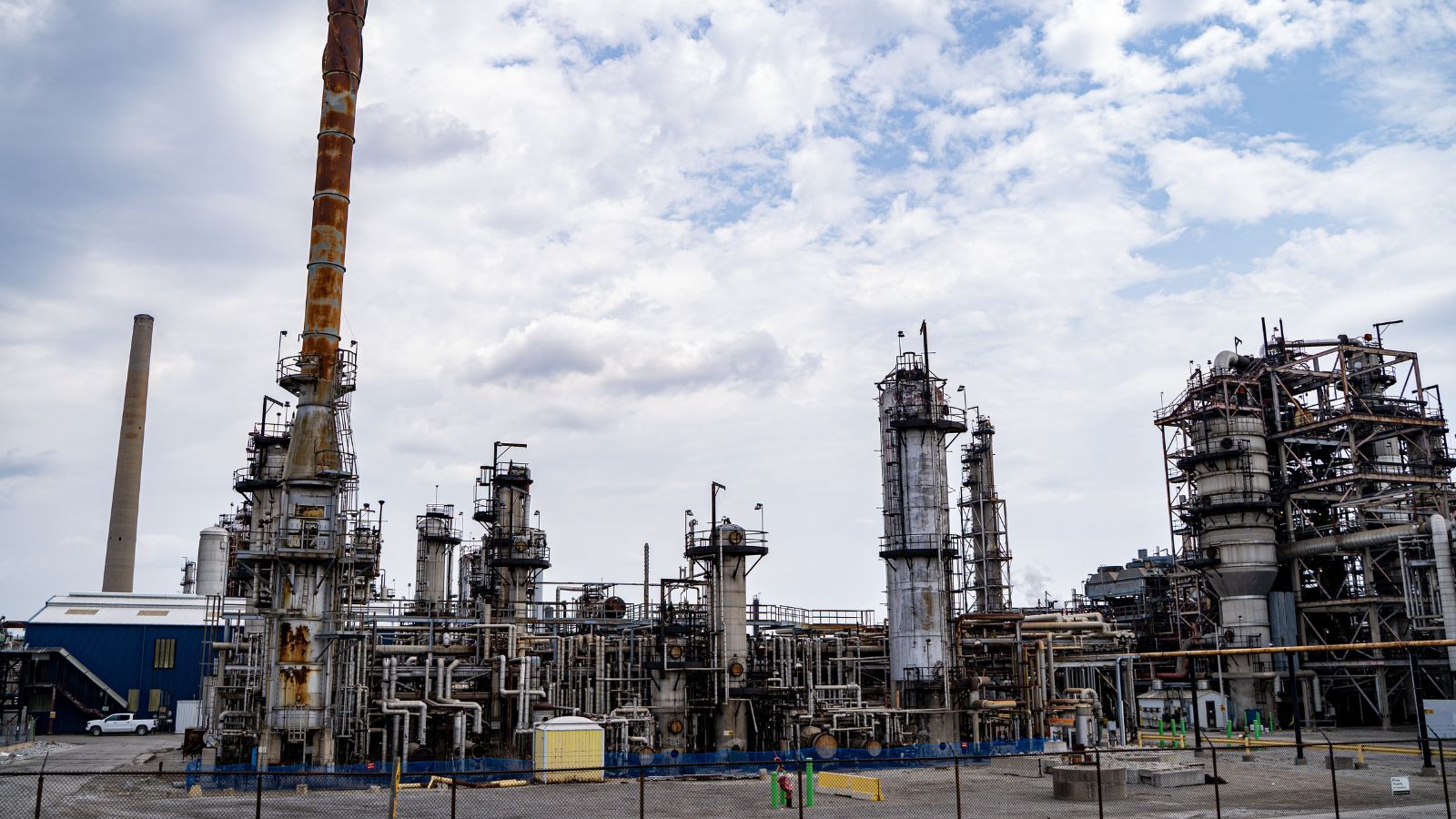
Petrochemical companies often rise with energy demand. Canadians may invest in them, expecting growth from industrial usage. However, these companies depend on both oil prices and global manufacturing demand. Changes in either can affect returns. This creates added complexity and risk. Global diversified funds provide a more balanced option. These funds include companies across different industries and regions. This reduces reliance on a single sector. Investors gain broader exposure to global growth trends. A diversified approach helps manage uncertainty. It also supports more stable returns than focusing solely on petrochemical companies during energy price spikes.
Small-Cap Energy Explorers (Safer Alternative: Large-Cap Stable Stocks)

Small-cap energy explorers often attract attention during oil rallies. Canadians may invest, expecting high growth from new discoveries. However, these companies carry a higher risk. Their performance depends on the success of exploration and the availability of funding. Price volatility is also higher compared to larger firms. Large-cap stable stocks offer a safer alternative. These companies have established operations and stronger financial positions. Their performance tends to be more predictable. Including large-cap stocks helps reduce risk. Investors still gain exposure to the energy sector without taking on extreme volatility. A balanced approach supports better long-term outcomes.
Energy-Focused Mutual Funds (Safer Alternative: Balanced Mutual Funds)

Energy-focused mutual funds often gain popularity during oil spikes. Canadians may invest in these funds to capture sector growth. However, these funds are heavily tied to energy market performance. This increases exposure to price swings. A downturn in oil prices can affect the entire fund. Balanced mutual funds offer a safer alternative. These funds include a mix of equities and fixed-income investments. This reduces dependence on one sector. Investors benefit from diversified returns. A balanced approach supports stability and helps manage risk more effectively. It also aligns better with long-term financial planning.
Renewable Energy Stocks During Oil Rallies (Safer Alternative: Mixed Energy Portfolios)

Renewable energy stocks may gain attention during oil rallies. Canadians may expect both sectors to rise together. However, renewable energy follows different market drivers. Policy changes, technology costs, and adoption rates influence performance. These factors may not align with oil price movements. Investing only in renewables during oil spikes can create an imbalance. Mixed energy portfolios offer a safer option. These include both traditional and renewable energy assets. This approach provides broader exposure across the energy sector. It helps balance risk and opportunity. A combined strategy supports more stable performance over time.
Transportation Stocks Linked to Fuel Prices (Safer Alternative: Logistics Diversified Stocks)

Transportation companies are directly affected by fuel costs. Canadians may invest in these stocks expecting benefits from changing oil prices. However, rising fuel costs can increase expenses for these companies. This can reduce profitability. Performance may vary depending on pricing strategies and demand. Logistics diversified stocks offer a safer alternative. These companies operate across supply chain services, not just transportation. This reduces dependence on fuel price changes. Investors gain exposure to broader economic activity. A diversified logistics approach helps maintain balance. It supports steadier returns during periods of energy market fluctuations.
Utility Stocks Reacting to Energy Prices (Safer Alternative: Regulated Utility Funds)

Utility stocks may attract Canadians when energy prices rise, as some companies adjust pricing based on fuel costs. This creates the impression of steady returns. However, many utilities operate under strict regulations that limit pricing flexibility. Rising energy costs can also increase operating expenses. This may reduce profit margins rather than improve them. Investing directly in individual utility stocks can expose portfolios to these uncertainties. Regulated utility funds offer a safer alternative. These funds include multiple utility companies across regions. This reduces dependence on a single company’s performance. A diversified approach provides more stability. Investors benefit from consistent demand while managing risk more effectively.
Energy Infrastructure REITs (Safer Alternative: Broad REIT Funds)

Energy infrastructure REITs often gain attention during oil spikes. Canadians may invest in assets like storage and transport facilities. While these REITs generate income, they remain linked to energy demand. Changes in oil activity can affect occupancy and revenue. This creates variability in returns. Broad REIT funds offer a safer option. These funds include properties across sectors such as residential, commercial, and industrial. This reduces reliance on energy-related income. Diversification supports more consistent performance. Investors gain exposure to real estate without focusing on one niche. A broader REIT approach helps manage risk and maintain portfolio balance.
Leveraged Energy ETFs (Safer Alternative: Low-Volatility Index Funds)

Leveraged energy ETFs attract Canadians looking for higher returns during oil rallies. These funds use borrowed capital to amplify gains. While this may increase profits in rising markets, losses can also grow quickly. Price swings become more intense, increasing overall risk. These ETFs are designed for short-term use and may not suit long-term investors. Holding them for extended periods can lead to unpredictable results. Low-volatility index funds offer a safer alternative. These funds focus on stable companies with lower price fluctuations. They provide steady growth with reduced risk. A balanced approach helps investors avoid sharp losses while maintaining consistent returns.
19 Things Canadians Don’t Realize the CRA Can See About Their Online Income

Earning money online feels simple and informal for many Canadians. Freelancing, selling products, and digital services often start as side projects. The problem appears at tax time. Many people underestimate how much information the CRA can access. Online platforms, banks, and payment processors create detailed records automatically. These records do not disappear once money hits an account. Small gaps in reporting add up quickly.
Here are 19 things Canadians don’t realize the CRA can see about their online income.
This Options Discord Chat is The Real Deal
While the internet is scoured with trading chat rooms, many of which even charge upwards of thousands of dollars to join, this smaller options trading discord chatroom is the real deal and actually providing valuable trade setups, education, and community without the noise and spam of the larger more expensive rooms. With a incredibly low-cost monthly fee, Options Trading Club (click here to see their reviews) requires an application to join ensuring that every member is dedicated and serious about taking their trading to the next level. If you are looking for a change in your trading strategies, then click here to apply for a membership.