
35,000+ smart investors are already getting financial news, market signals, and macro shifts in the economy that could impact their money next with our FREE weekly newsletter. Get ahead of what the crowd finds out too late. Click Here to Subscribe for FREE.
Canada and the United States share the world’s longest peaceful border, yet their leaders have never always agreed. Differences over war, trade, diplomacy, and sovereignty repeatedly placed Canadian prime ministers opposite American presidents. Rather than quietly yielding, several Canadian leaders chose to defend national independence when values or interests diverged. These moments rarely involved loud confrontation. Here are 15 times a Canadian Prime Minister stood up to a U.S. President.
Mackenzie King Rejects U.S. Wartime Integration – Franklin D. Roosevelt (1940)
15 Times a Canadian Prime Minister Stood Up to a U.S. President
- Mackenzie King Rejects U.S. Wartime Integration – Franklin D. Roosevelt (1940)
- Diefenbaker Blocks U.S. Nuclear Missile Deployment – John F. Kennedy (1962)
- Pearson Refuses Vietnam War Participation – Lyndon B. Johnson (1965)
- Trudeau Challenges Nixon Trade Pressures – Richard Nixon (1971)
- Brian Mulroney Defends Acid Rain Action – Ronald Reagan (1984–1988)
- Jean Chrétien Rejects Iraq War – George W. Bush (2003)
- Paul Martin Opposes Missile Defense Plans – George W. Bush (2005)
- Stephen Harper Pushes Back on Keystone Delays – Barack Obama (2011–2015)
- Pierre Trudeau Rejects NORAD Expansion – Gerald Ford (1974–1976)
- Brian Mulroney Halts U.S. Cultural Trade Intrusion – George H. W. Bush (1989)
- Jean Chrétien Refuses Guantanamo Silence – George W. Bush (2004)
- Stephen Harper Rejects Border Security Data Sharing – Barack Obama (2011)
- Justin Trudeau Challenges Steel Tariffs – Donald Trump (2018)
- Justin Trudeau Defends Huawei Executive Rule of Law – Donald Trump (2018–2020)
- Trudeau Opposes U.S. Abortion Aid Restrictions – Joe Biden (2021)
- 22 Groceries to Grab Now—Before another Price Shock Hits Canada
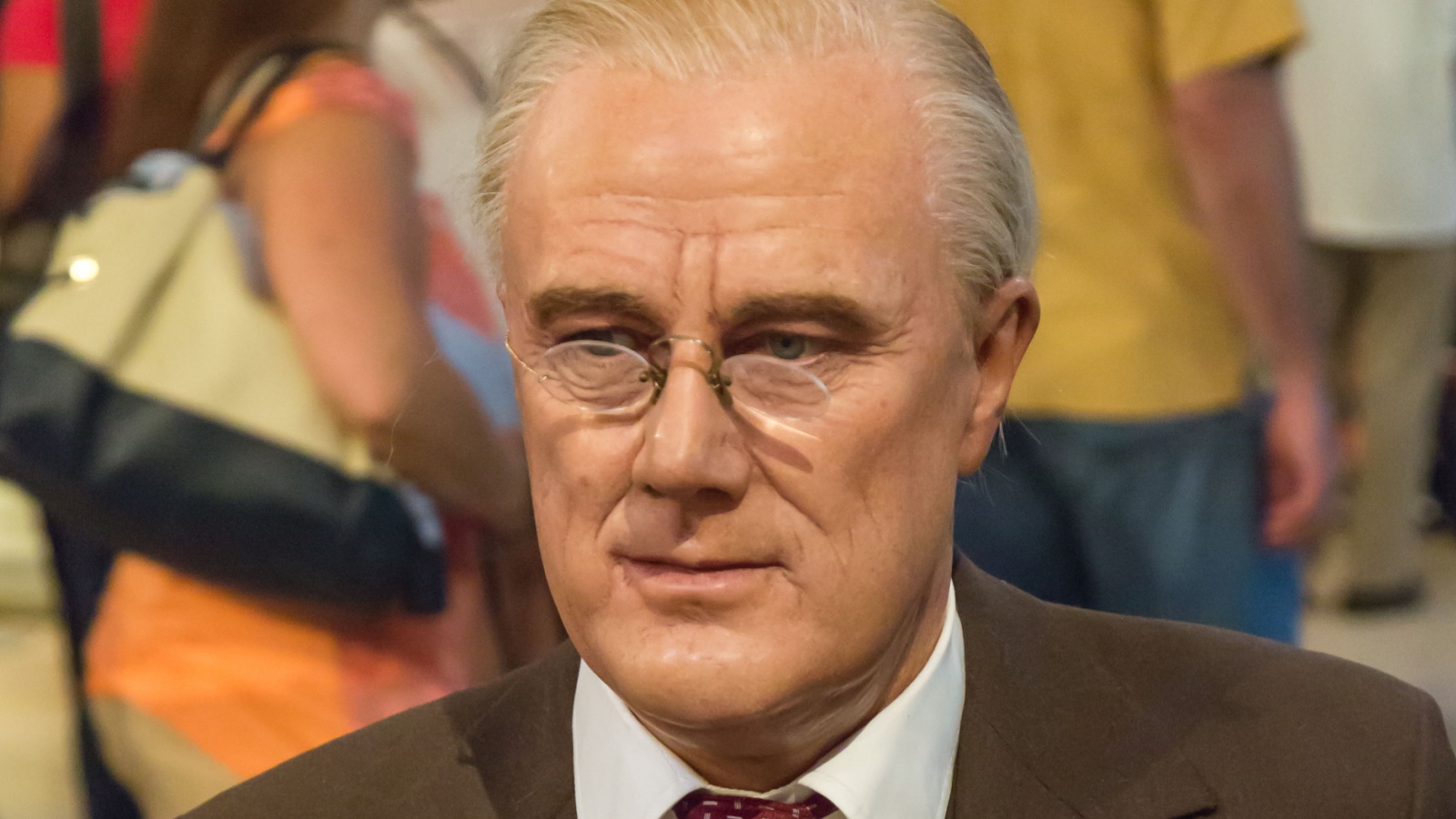
In 1940, as uncertainty mounted during early World War II, Franklin Roosevelt proposed deeper military integration to streamline North American defense. Prime Minister Mackenzie King supported cooperation but refused any arrangement that risked Canadian sovereignty erosion. He rejected suggestions of joint command authority under American leadership. Instead, King advocated creating bilateral frameworks that maintain national independence. This stance led to the Permanent Joint Board on Defense, where coordination occurred while preserving Canadian command autonomy.
Diefenbaker Blocks U.S. Nuclear Missile Deployment – John F. Kennedy (1962)
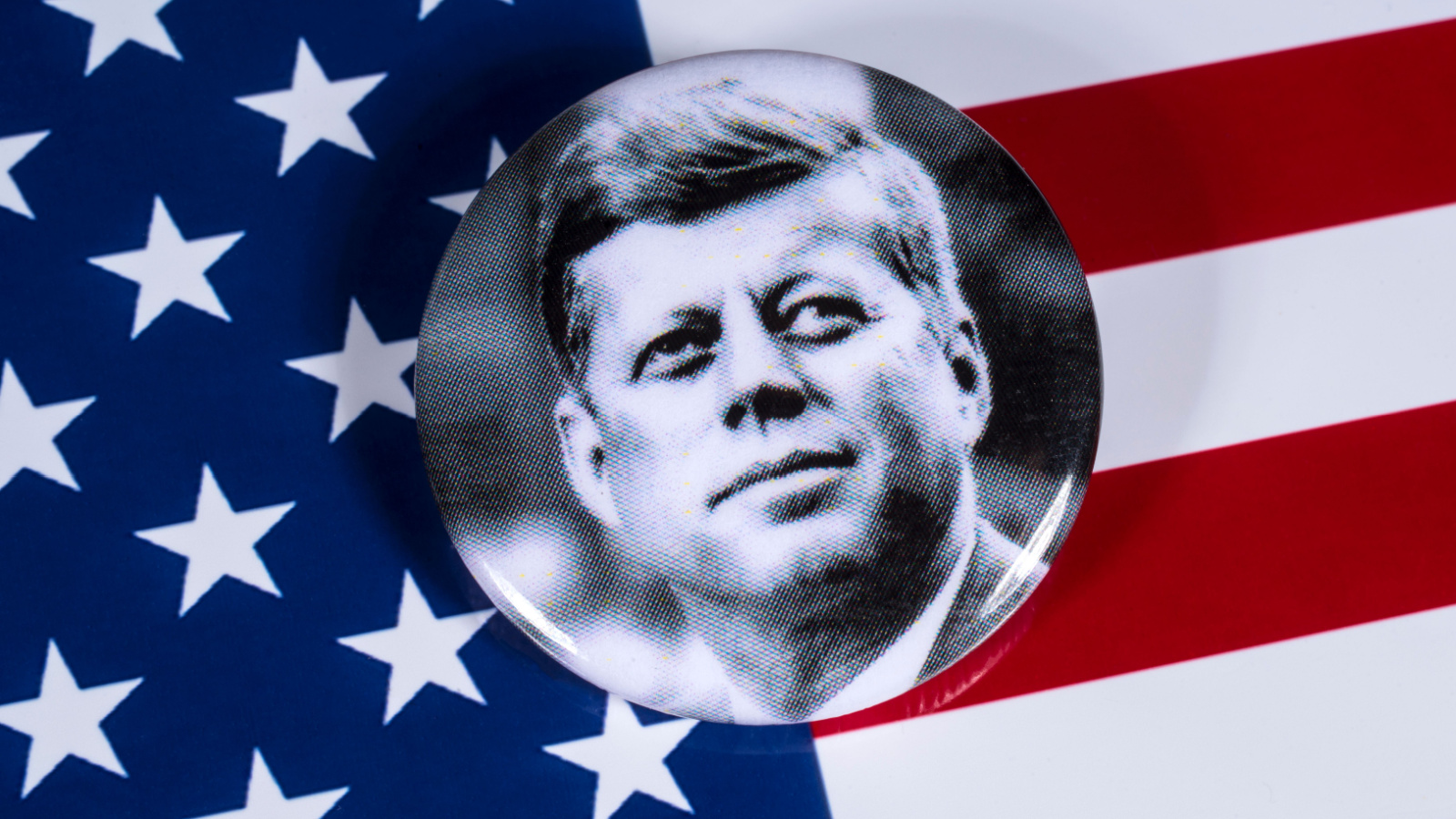
Prime Minister John Diefenbaker faced intense pressure from President Kennedy to accept nuclear warhead deployment for Canada’s Bomarc missiles. Diefenbaker challenged both safety concerns and nuclear escalation risks publicly. Cabinet divisions escalated nationally. Diefenbaker delayed commitments despite strained diplomatic exchange with Kennedy. His refusal avoided nuclear armament on Canadian soil. The dispute strained party unity. However, public sentiment supported caution toward American nuclear strategy. Diefenbaker prioritized peace sovereignty over alliance alignment. His stance influenced Canada’s long-term nuclear non-proliferation posture.
Pearson Refuses Vietnam War Participation – Lyndon B. Johnson (1965)
Prime Minister Lester B. Pearson publicly opposed U.S. bombing campaigns during the Vietnam War while visiting Washington in 1965. His speech called for negotiated peace rather than military expansion. Lyndon Johnson privately reprimanded Pearson afterward. Despite that confrontation, Pearson refused to commit Canadian forces. Canada maintained humanitarian and peacekeeping assistance only. This decision protected Canada from direct war involvement. Pearson prioritized peacekeeping neutrality consistent with Canada’s international reputation. His courage sustained diplomatic independence despite a relational strain with Washington.
Trudeau Challenges Nixon Trade Pressures – Richard Nixon (1971)
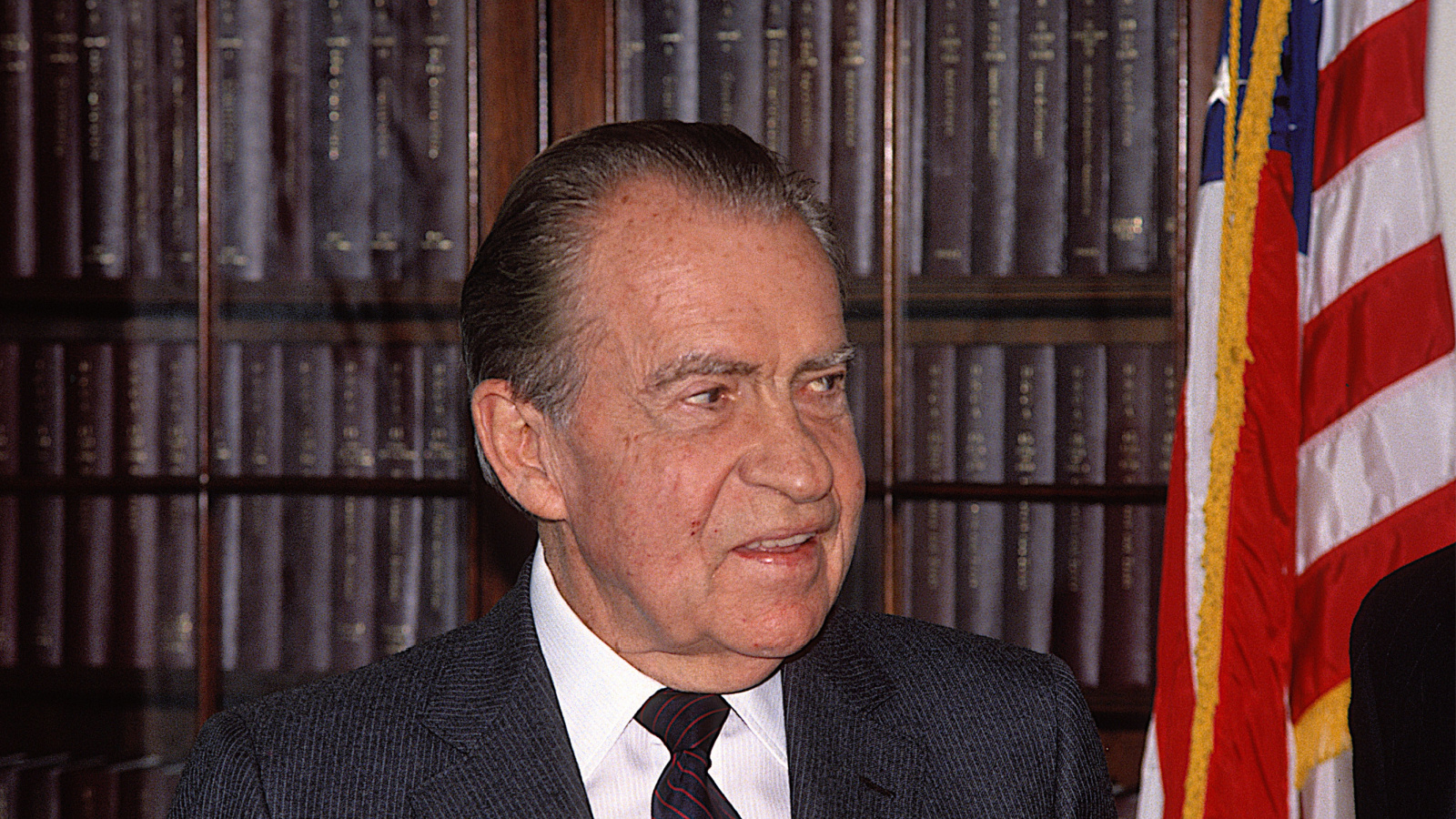
Pierre Trudeau openly criticized Nixon’s protectionist trade policies, including the 1971 U.S. import surcharge, which harmed Canadian exports. Trudeau accused the U.S. of unilateral economic coercion. He responded by diversifying trade partnerships under the “Third Option” strategy, targeting European markets. Trudeau restricted deeper economic dependency on American systems. Public messaging emphasized Canadian sovereignty in trade decision-making. Though economic ties persisted, Trudeau resisted becoming subservient to U.S. industrial policy agendas.
Brian Mulroney Defends Acid Rain Action – Ronald Reagan (1984–1988)
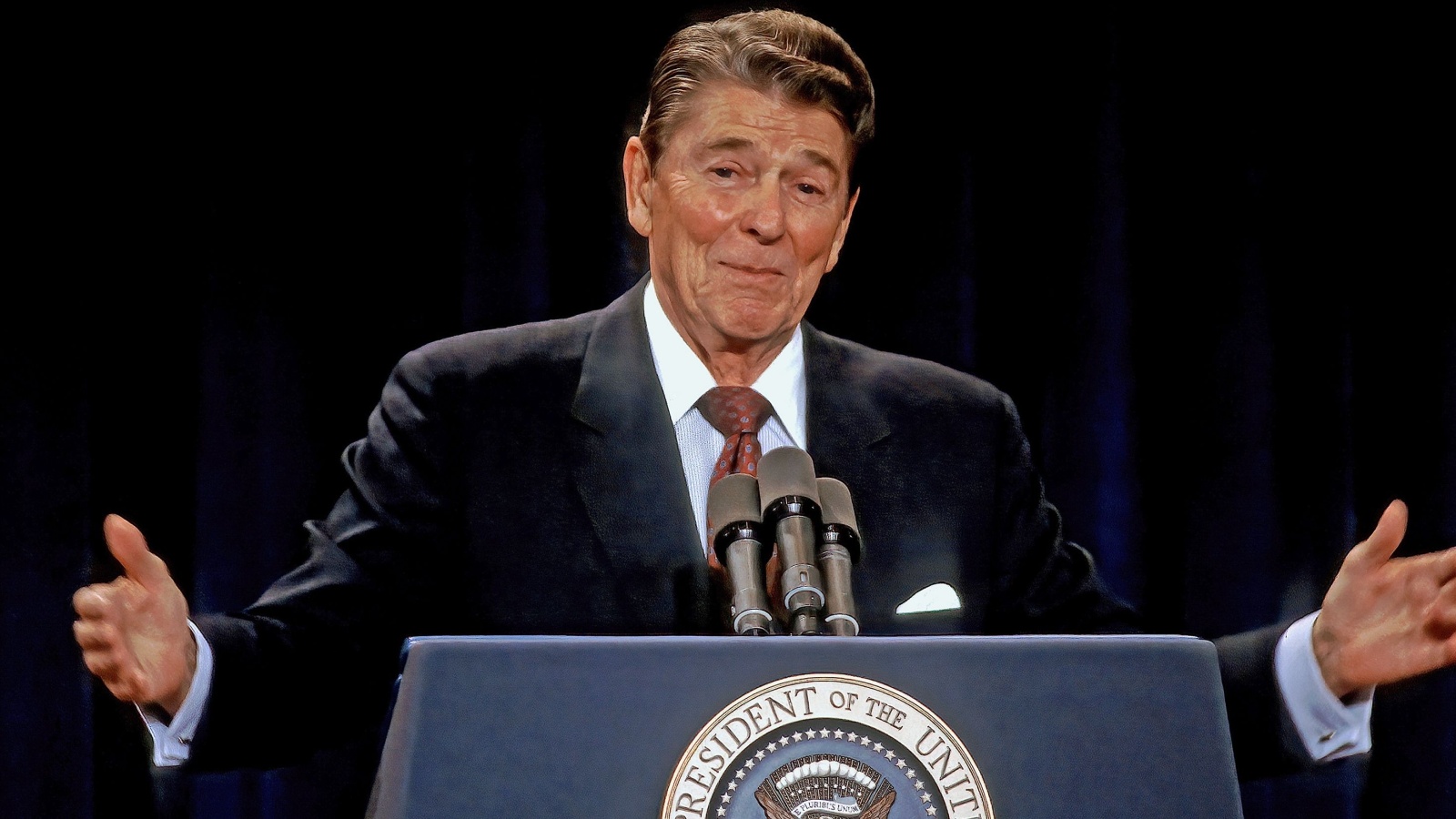
During the mid-1980s, acid rain devastated forests and thousands of Canadian lakes, mainly across Ontario and eastern provinces. Scientific studies traced pollution sources directly to coal-burning power plants in the American Midwest. Prime Minister Brian Mulroney rejected U.S. claims that emission restrictions lacked proof. In meetings with President Ronald Reagan between 1984 and 1988, Mulroney demanded binding commitments rather than symbolic discussions. The American administration resisted due to heavy industrial lobbying pressure. Mulroney responded by bypassing federal resistance and directly lobbying U.S. governors and members of Congress. Canadian diplomats generated international scientific support to strengthen negotiating positions. Public awareness campaigns ran across Canada emphasizing environmental responsibility. Mulroney framed the issue as transboundary ecological harm rather than domestic regulation disputes. After years of pressure, Reagan’s administration agreed to negotiations resulting in the 1991 Canada–U.S. Air Quality Agreement.
Jean Chrétien Rejects Iraq War – George W. Bush (2003)
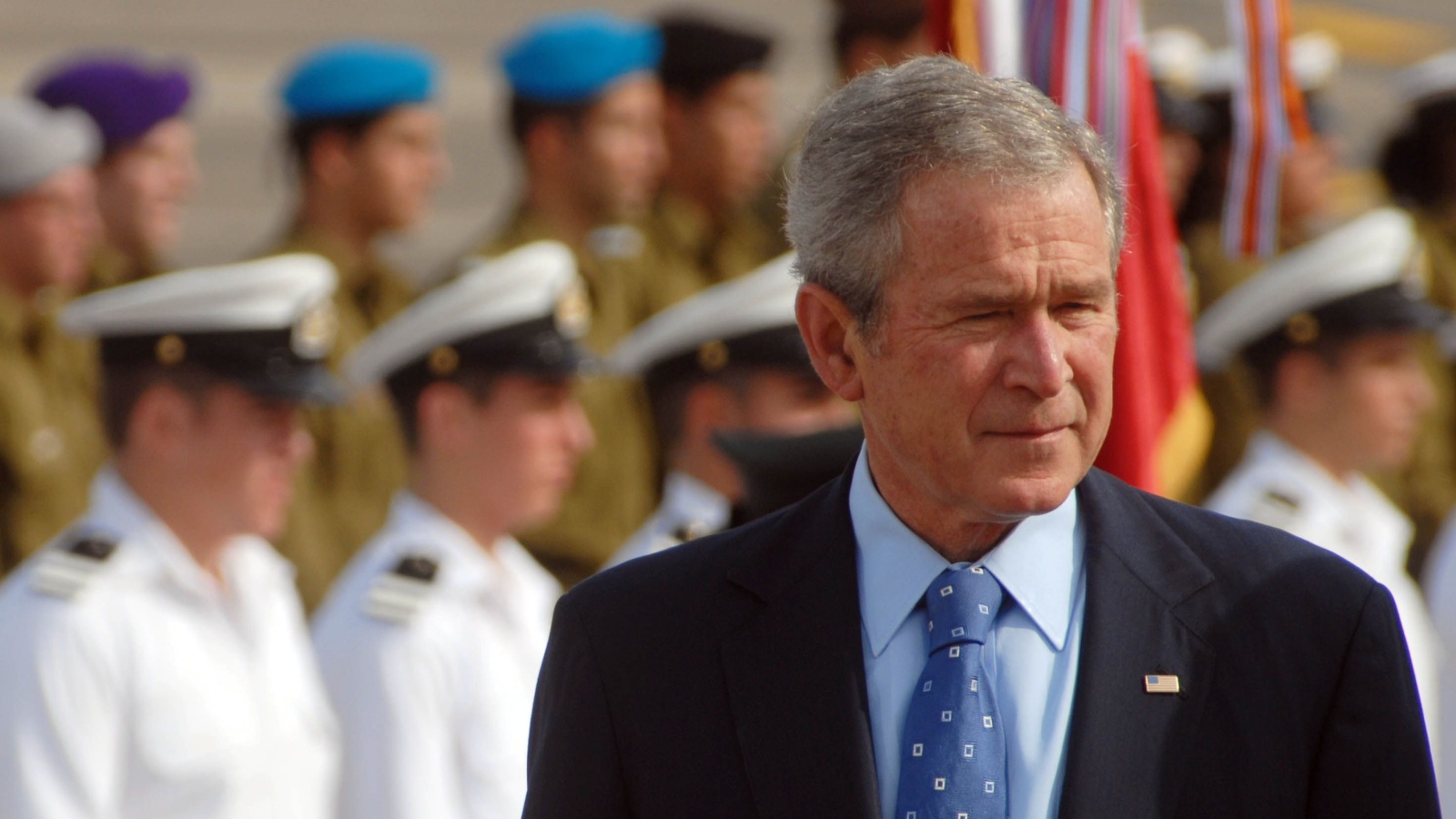
As U.S. preparations for invading Iraq intensified in early 2003, President George W. Bush strongly encouraged Canada to join the coalition. Several NATO allies confirmed participation. Canadian defense planners privately warned of serious operational and moral risks. Prime Minister Jean Chrétien declined to send troops, citing the absence of United Nations Security Council authorization. Bush administration officials expressed disappointment publicly and privately. Trade retaliation speculation surfaced across Canadian industries. Chrétien remained unmoved despite pressure. Cabinet discussions centered on maintaining Canada’s peacekeeping traditions rather than intervention missions. Media coverage abroad portrayed Canada as diplomatically isolated temporarily. Over time, international opinion shifted as evidence of weapons of mass destruction failed to appear.
Paul Martin Opposes Missile Defense Plans – George W. Bush (2005)
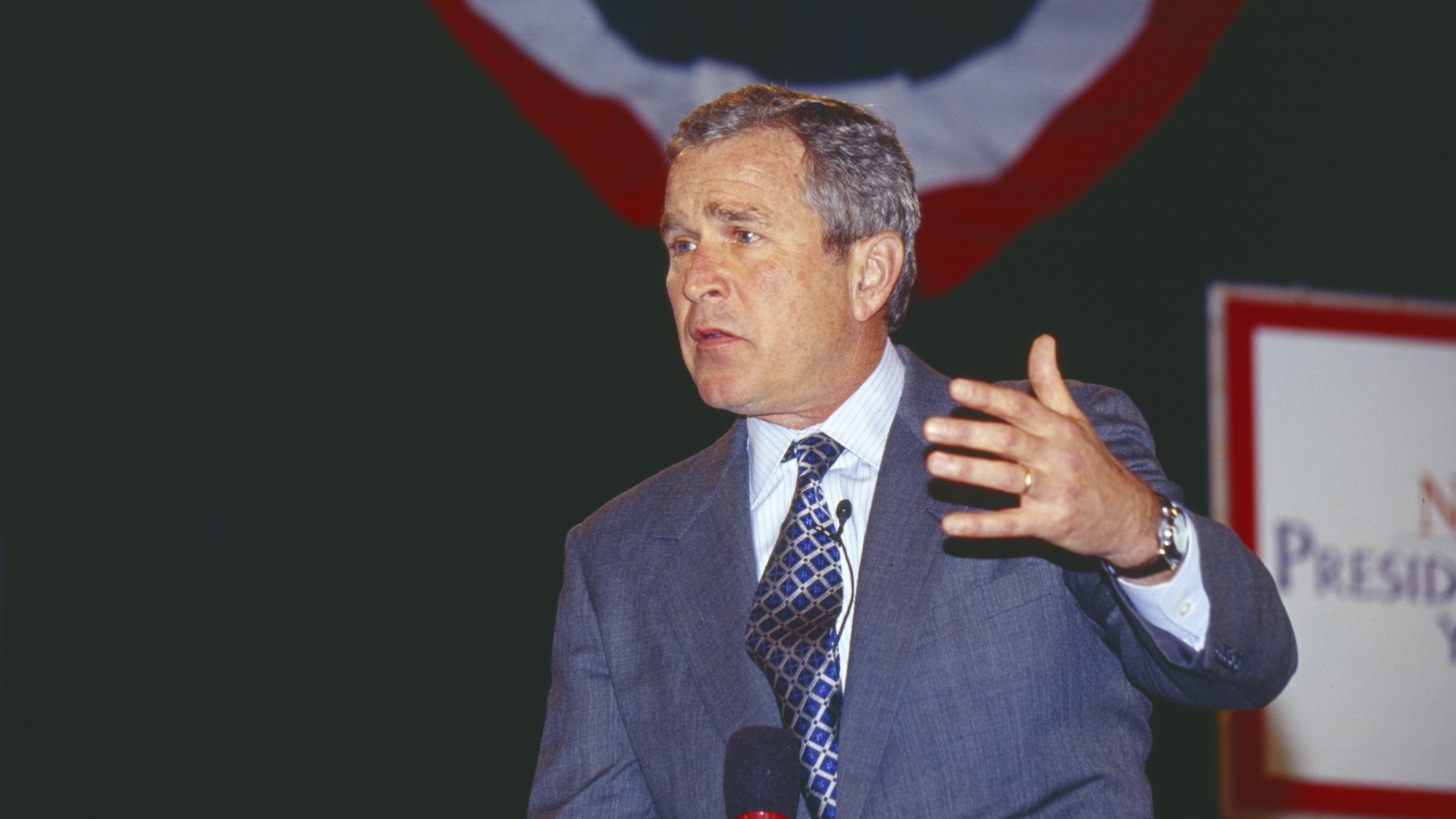
In 2005, President George W. Bush sought Canadian involvement in the expanding U.S. missile defense initiative. Support from Canada would have integrated NORAD tracking systems with defensive space-based interceptors. Prime Minister Paul Martin introduced a parliamentary review rather than immediate executive endorsement. Extensive debates unfolded regarding weaponization escalation risks. Canadian foreign policy experts warned that participation could destabilize arms reduction treaties. Public consultations revealed deep resistance toward militarizing space. Martin concluded that Canadian endorsement contradicted longstanding arms control principles. He formally declined American requests in February 2005.
Stephen Harper Pushes Back on Keystone Delays – Barack Obama (2011–2015)
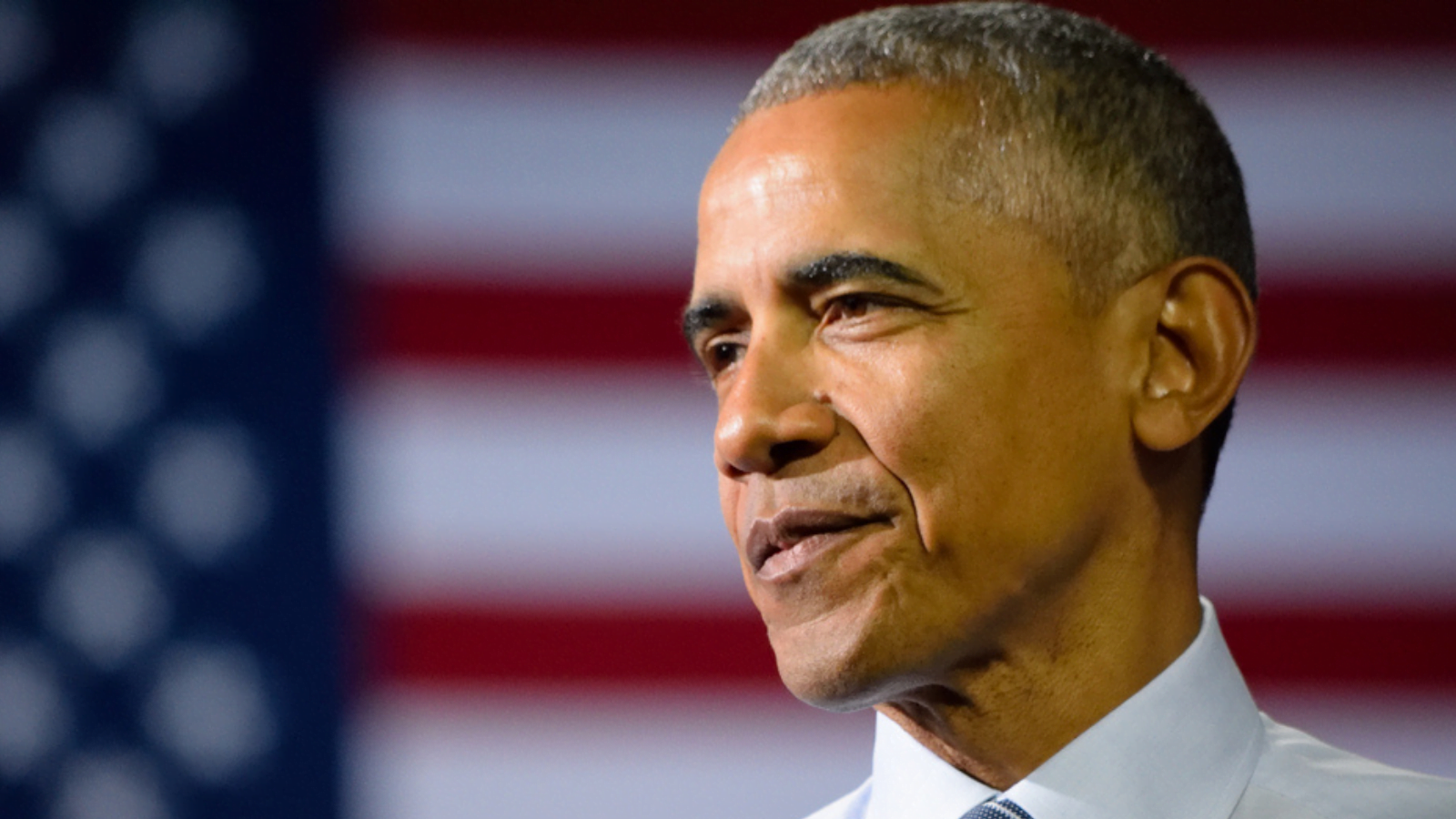
Prime Minister Stephen Harper repeatedly pressured President Obama to approve the Keystone XL pipeline. Harper accused the Americans of politicizing bilateral energy cooperation. Canada’s leadership publicly framed the pipeline as environmentally responsible by comparison with rail transportation alternatives. Though Obama stalled approvals until 2015, Harper refused diplomatic quietism. He addressed U.S. media directly and lobbied state governments. Harper maintained advocacy until politics shifted, preserving Canada’s resource export position and assertiveness at high diplomatic costs.
Pierre Trudeau Rejects NORAD Expansion – Gerald Ford (1974–1976)
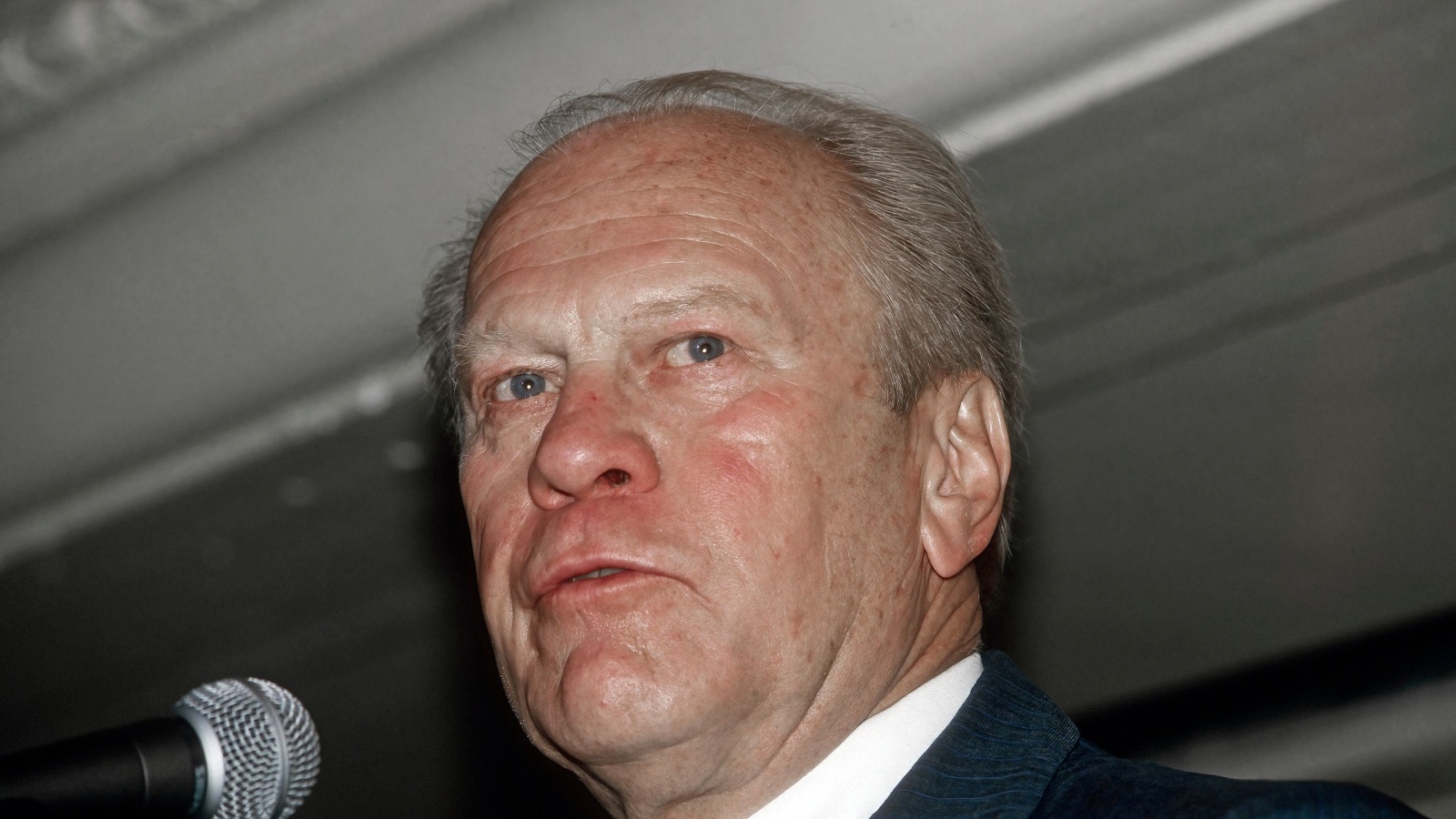
During the mid-1970s, U.S. President Gerald Ford sought stronger NORAD integration to counter Cold War escalation fears. Prime Minister Pierre Trudeau resisted expanded military commitments that increased Canada’s financial burden or reduced decision independence. Trudeau insisted continental defense must never compromise Canadian constitutional authority. Ottawa declined upgrades that extended American radar control beyond existing agreements. Trudeau also reduced Canada’s direct European NATO troop presence to emphasize diplomatic rather than military leadership. American officials strongly criticized the choice privately.
Brian Mulroney Halts U.S. Cultural Trade Intrusion – George H. W. Bush (1989)
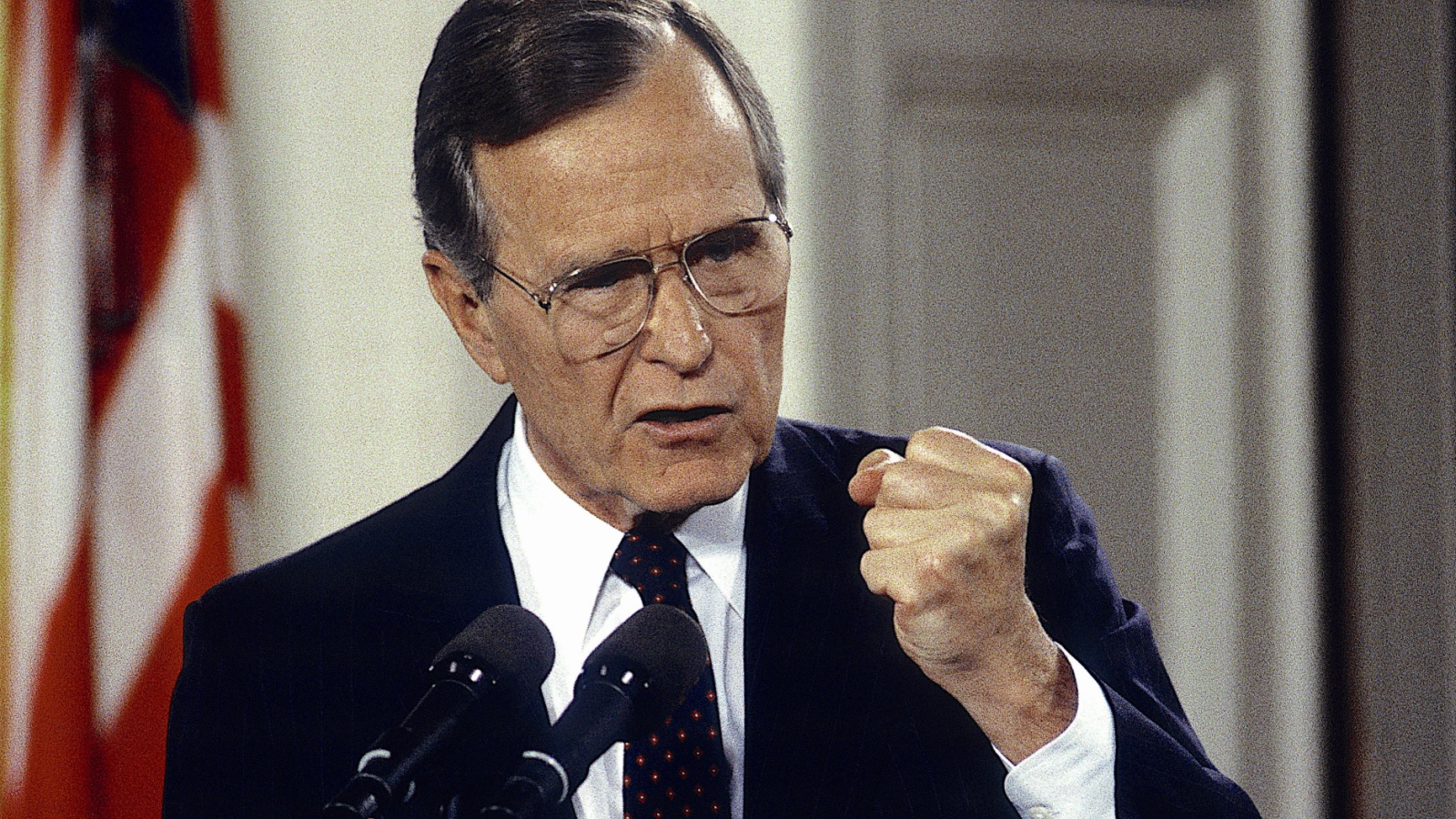
As free-trade negotiations deepened in 1989, American entertainment and publishing corporations pushed for deregulated entry into Canadian media industries. President George H. W. Bush’s trade team advocated reduced cultural protection barriers. Prime Minister Brian Mulroney blocked any erosion of Canadian broadcasting sovereignty. He defended laws protecting Canadian television content, publishing quotas, and radio play ratios. Multiparty support emerged domestically to resist foreign media dominance. Mulroney insisted cultural autonomy was non-negotiable within economic treaties. His firm stance maintained Canada’s Broadcasting Act protections despite U.S. pressure.
Jean Chrétien Refuses Guantanamo Silence – George W. Bush (2004)
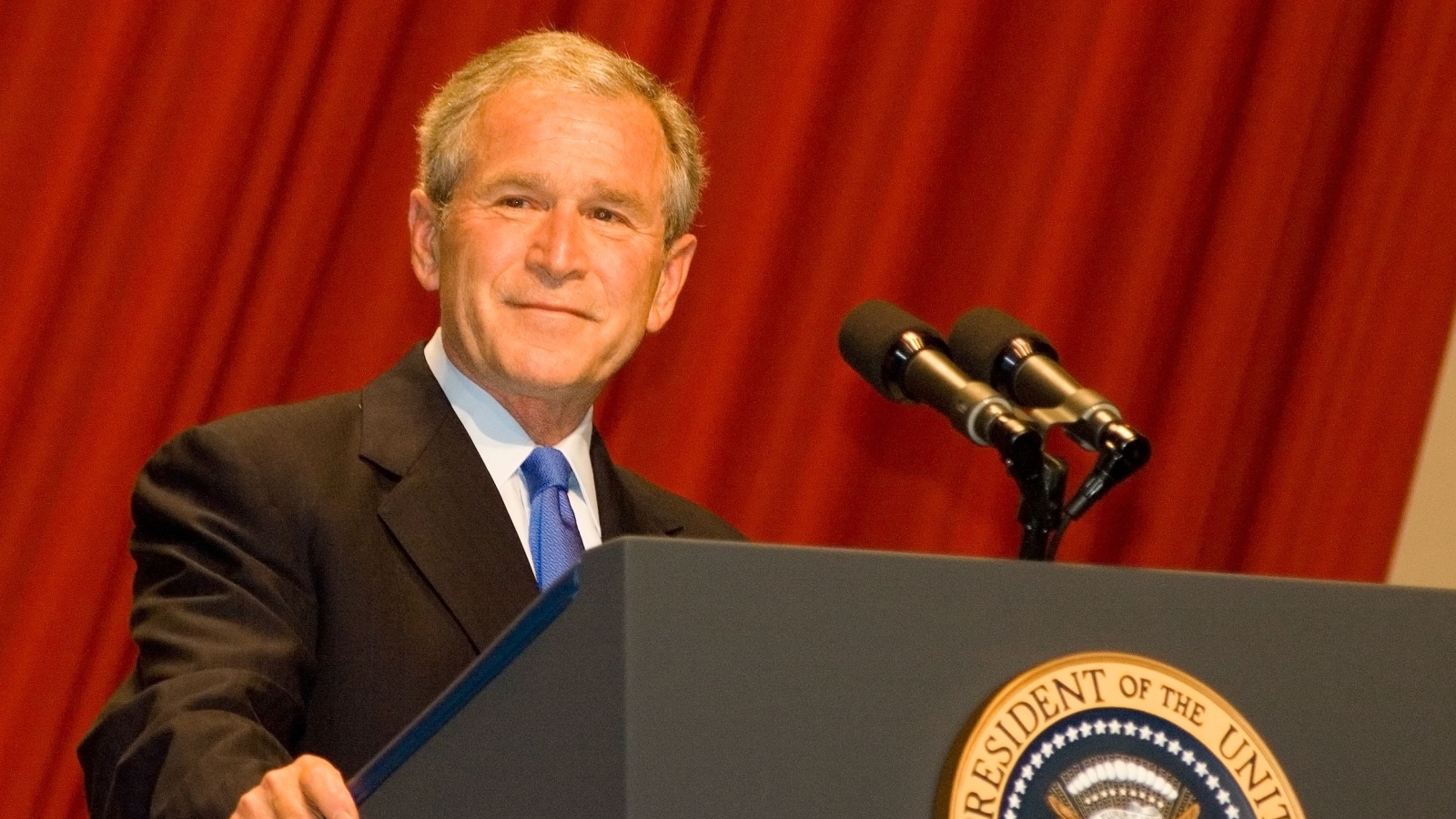
In 2004, revelations emerged of mistreatment allegations at Guantanamo Bay. Canadian citizen Omar Khadr’s detention triggered diplomatic sensitivity. President Bush resisted international criticism. Prime Minister Jean Chrétien publicly voiced concern over detainee legal rights. Ottawa demanded consular access despite U.S. reluctance. Chrétien refused to mute criticism for diplomatic convenience. Canadian legal organizations backed government intervention calls. U.S. officials attempted to downplay Canada’s pressures privately. Chrétien persisted until Canadian representatives were permitted direct communication with Khadr.
Stephen Harper Rejects Border Security Data Sharing – Barack Obama (2011)
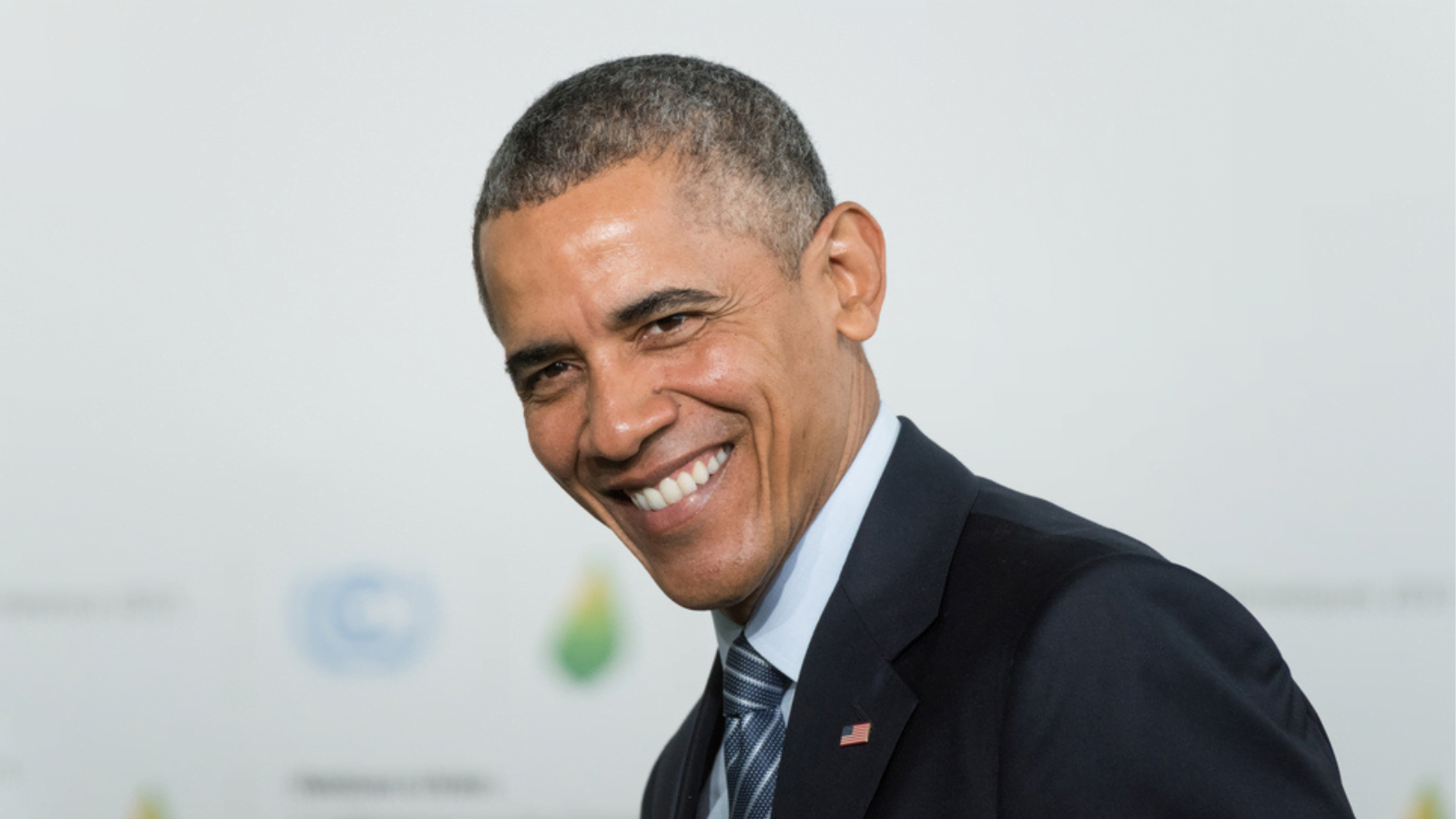
The U.S. sought expanded biometric data-sharing agreements as part of North American border securitization proposals. President Obama’s administration pushed for deeper traveller information integration. Prime Minister Stephen Harper refused certain data transfers. Ottawa cited privacy law protections requiring parliamentary oversight. Civil liberties organizations supported Harper’s resistance. Canada agreed to limited technical cooperation only after strict domestic safeguards were secured. Requests exceeding privacy compliance remained denied. Harper insisted that border security must not compromise Canadian civil liberties. The refusal slowed the bilateral data pipelines sought by Homeland Security agencies.
Justin Trudeau Challenges Steel Tariffs – Donald Trump (2018)
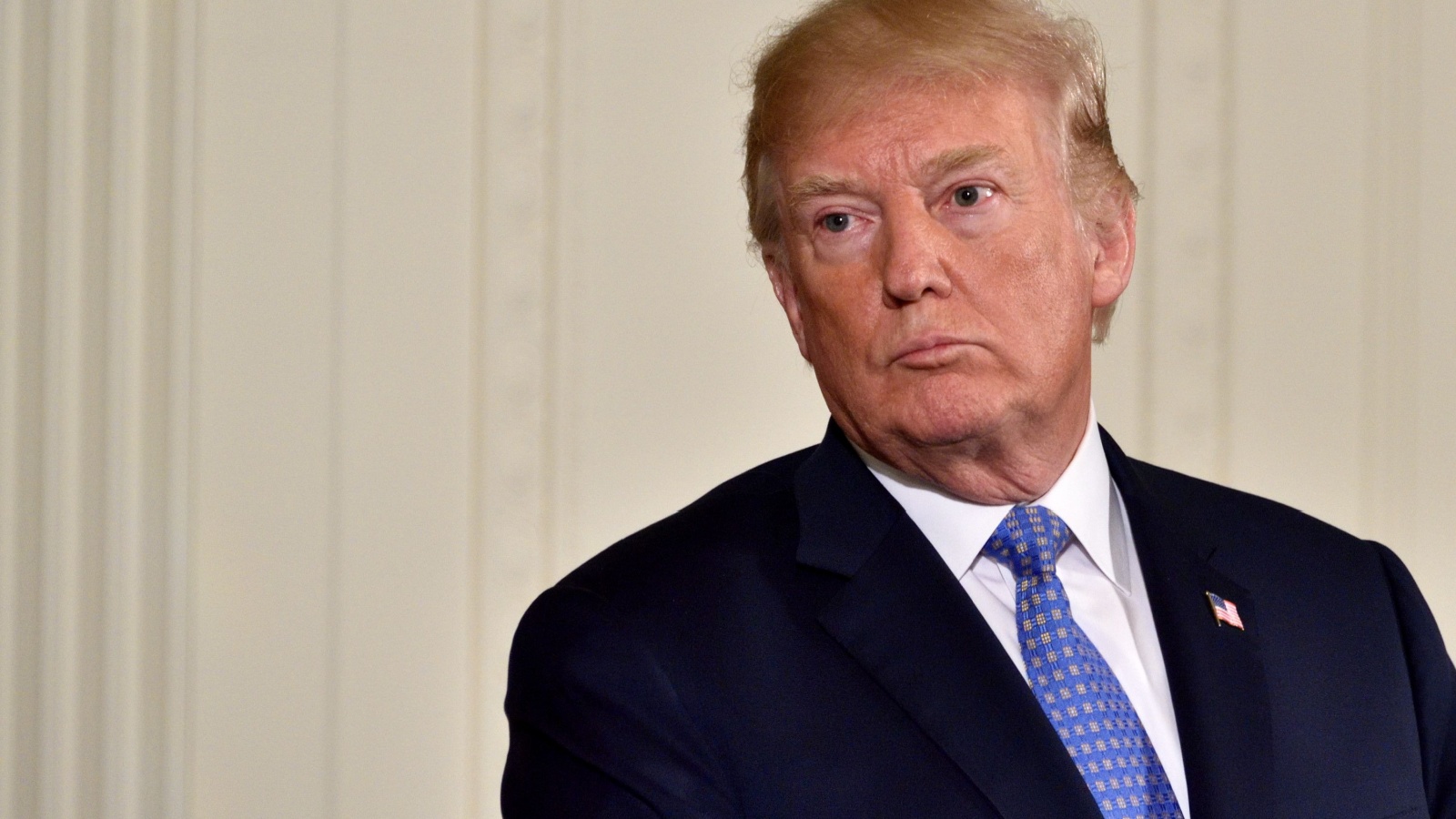
In 2018, President Donald Trump imposed steel and aluminium tariffs, citing national security doctrines. Canada was included unexpectedly. Prime Minister Justin Trudeau condemned the action publicly as “unacceptable.” Ottawa retaliated with targeted counter-tariffs matching U.S. totals dollar-for-dollar. Trudeau rallied provincial premiers behind a united stance. Diplomatic messaging framed Canada as America’s closest military ally, incapable of posing security threats. Intensive negotiations followed throughout 2018. Canada refused concessions on unrelated trade demands. The pressure forced Washington to remove tariffs in 2019.
Justin Trudeau Defends Huawei Executive Rule of Law – Donald Trump (2018–2020)

When Huawei executive Meng Wanzhou was arrested in Vancouver under a U.S. extradition request, Washington demanded expedited processing. President Trump publicly hinted that negotiations could influence outcomes. Prime Minister Justin Trudeau refused political interference. Ottawa adhered strictly to judicial procedures despite escalating Chinese retaliation. U.S. pressure mounted amid geopolitical trade strategy maneuvering. Trudeau reiterated that court independence remained non-negotiable. Canadian diplomats endured diplomatic isolation during detention disputes. International legal observers praised Canada’s adherence to rule-of-law neutrality. The ordeal demonstrated Ottawa’s willingness to resist presidential influence on judicial processes even at trade risk.
Trudeau Opposes U.S. Abortion Aid Restrictions – Joe Biden (2021)

Although President Biden rescinded harsh restrictions on global abortion aid policies, diplomatic pressure lingered to limit international reproductive funding discussions. Prime Minister Justin Trudeau continued expanding support for women’s health programs internationally, regardless of shifting U.S. political dynamics. Canada openly funded NGOs restricted under earlier U.S. frameworks. Trudeau emphasized that global healthcare equality required consistent international leadership. He rejected American attempts to limit coalition language addressing reproductive rights within UN haematology initiatives.
22 Groceries to Grab Now—Before another Price Shock Hits Canada

Food prices in Canada have been steadily climbing, and another spike could make your grocery bill feel like a mortgage payment. According to Statistics Canada, food inflation remains about 3.7% higher than last year, with essentials like bread, dairy, and fresh produce leading the surge. Some items are expected to rise even further due to transportation costs, droughts, and import tariffs. Here are 22 groceries to grab now before another price shock hits Canada.
22 Groceries to Grab Now—Before another Price Shock Hits Canada
This Options Discord Chat is The Real Deal
While the internet is scoured with trading chat rooms, many of which even charge upwards of thousands of dollars to join, this smaller options trading discord chatroom is the real deal and actually providing valuable trade setups, education, and community without the noise and spam of the larger more expensive rooms. With a incredibly low-cost monthly fee, Options Trading Club (click here to see their reviews) requires an application to join ensuring that every member is dedicated and serious about taking their trading to the next level. If you are looking for a change in your trading strategies, then click here to apply for a membership.