
35,000+ smart investors are already getting financial news, market signals, and macro shifts in the economy that could impact their money next with our FREE weekly newsletter. Get ahead of what the crowd finds out too late. Click Here to Subscribe for FREE.
Late-season patio furniture shopping can feel like a race between falling prices and disappearing inventory. Across Canada, however, a clearance tag does not automatically turn an oversized sectional, delicate finish, or final-sale floor model into a sensible purchase. The real value appears only after fit, storage, climate exposure, safety, delivery, and upkeep have been considered.
These 15 mistakes show why an end-of-summer bargain can become a winter storage problem or an expensive replacement project by spring. They also highlight practical checks that matter in Canadian conditions, from measuring balcony access and planning for strong winds to reading warranty terms and confirming that heaters, umbrellas, and recalled products are safe.
Buying the Discount Instead of the Furniture
15 Mistakes Canadians Make When Buying Patio Furniture Late in the Season
- Buying the Discount Instead of the Furniture
- Measuring Only the Open Floor Area
- Ignoring Where Everything Will Go in Winter
- Assuming Weather-Resistant Means Winter-Proof
- Choosing a Material That Fights the Location
- Overlooking UV Resistance and Colour Fading
- Treating Cushions as Decorative Extras
- Buying Furniture Too Light for the Wind
- Pairing an Umbrella With the Wrong Base
- Skipping the Recall and Model-Number Check
- Assuming Final Sale Still Allows an Easy Return
- Underestimating Delivery and Assembly
- Treating a Balcony Like an Unlimited Patio
- Adding a Heater or Fire Table Without Checking the Rules
- Forgetting the Cost of Covers and Maintenance
- 19 Things Canadians Don’t Realize the CRA Can See About Their Online Income

A markdown can create urgency, especially when retailers need floor space for fall merchandise. Yet the percentage-off figure is only useful when the reference price reflects a genuine regular selling price. Canada’s Competition Bureau specifically warns against inflated “regular” prices that manufacture the appearance of a bargain. Late-season buyers should compare the selling price across retailers, not admire a crossed-out number.
A family may see a seven-piece set marked down by 50 per cent and overlook that only four chairs are regularly needed. The extra pieces then consume storage space and raise delivery costs. A better calculation includes taxes, shipping, covers, assembly, maintenance supplies, and likely years of use. Clearance pricing can be excellent, but the strongest purchase is the set that fits the household’s routine. A smaller, better-built table at a modest discount may deliver more value than a heavily reduced package chosen mainly because the sign looked irresistible.
Measuring Only the Open Floor Area

Patio dimensions are only the beginning. Chairs need room to pull back, guests need walking paths, and sliding doors, barbecue lids, railings, stairs, and planters can consume usable space. Planning guides recommend about three feet of clearance around dining tables so chairs and people can move. A set that technically fits edge to edge may still make the patio frustrating or unsafe to use.
The delivery route matters as much as its destination. Buyers should measure gates, stairwells, elevators, corridors, and patio-door openings, then compare those figures with the largest packaged component. A Toronto condo owner may have a balcony but an elevator corner that cannot fit a tabletop. Modular furniture can solve it, while a welded sectional cannot. Taping the furniture footprint onto the surface is a reality check. It reveals blocked traffic patterns before a final-sale box arrives and turns an attractive clearance purchase into an expensive obstacle.
Ignoring Where Everything Will Go in Winter
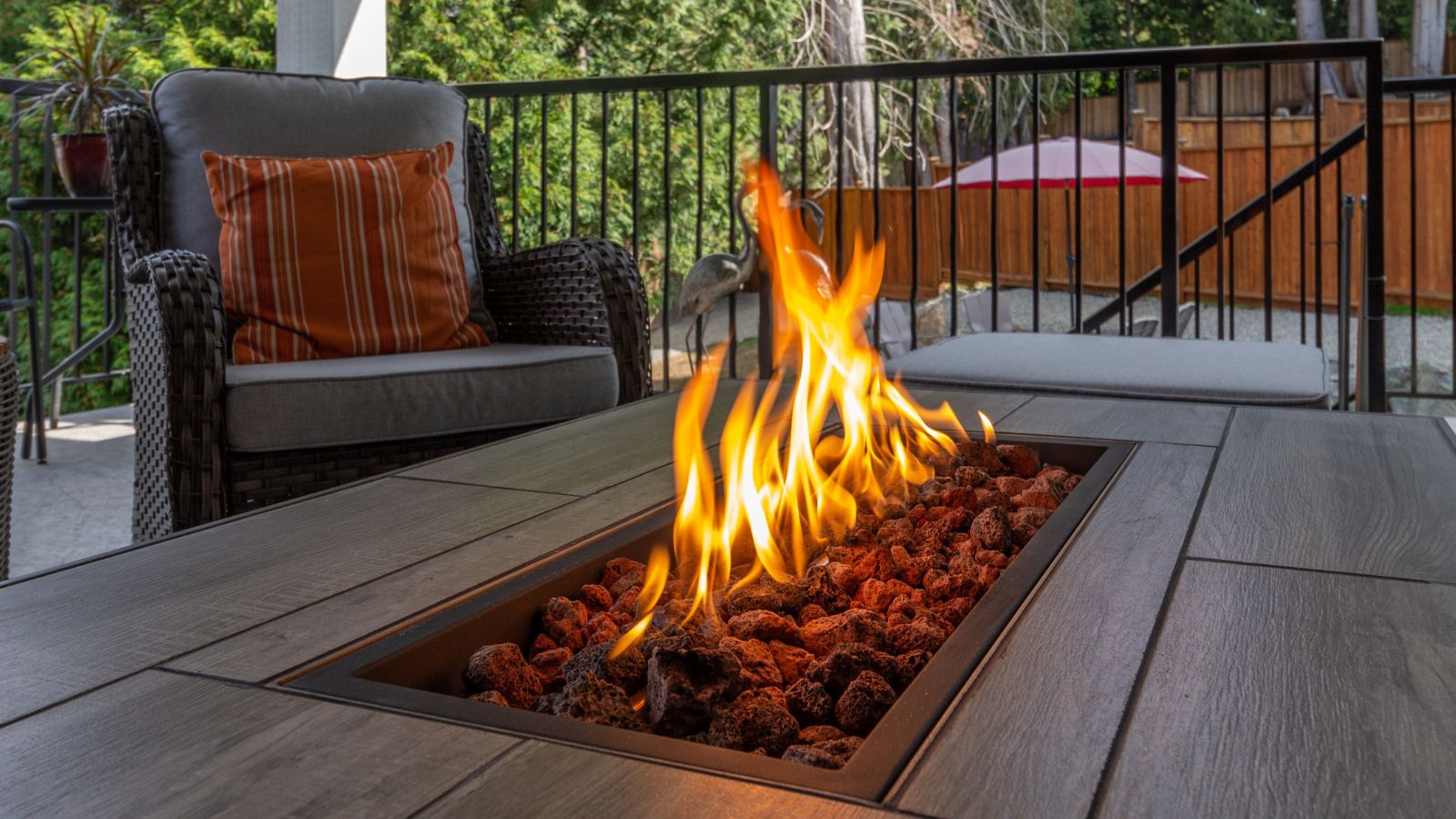
Late August furniture may spend only a few weeks outside before colder weather arrives. Without a storage plan, buyers may discover deep cushions fill a closet, stackable chairs do not actually stack, or a sectional cannot pass through the shed door. Measure the storage footprint before purchase, including covers, umbrella poles, bases, and removable table leaves.
Moisture makes rushed storage especially risky. Health Canada advises controlling dampness and maintaining airflow because moisture supports mould growth. Cushion makers likewise instruct owners to rinse fabrics thoroughly and allow them to air-dry. Packing damp cushions into sealed bags can preserve moisture rather than protect fabric. A plan identifies a dry, ventilated location and confirms whether frames can remain outside under breathable covers. A compact nesting set may be more valuable than a larger bargain when winter storage is limited. The time to solve January’s storage problem is before paying for the August furniture.
Assuming Weather-Resistant Means Winter-Proof

“Outdoor” and “weather-resistant” are descriptions, not promises of surviving every Canadian winter unprotected. Wood-weathering research identifies sunlight, moisture, heat, cold, abrasion, chemicals, and biological agents as sources of deterioration. Wetting, freezing, debris, and damaged finishes can shorten the useful life of frames, joints, coatings, and tabletops.
Product instructions and warranty terms should settle the question clearly. Some pieces can remain outdoors when cleaned, covered, and elevated from standing water; others require sheltered storage. A resin chair that handles summer rain may become brittle after ultraviolet exposure and cold. A well-built wood table may tolerate weather structurally while its surface greys, checks, or needs refinishing. Buyers should ask for the care manual before purchasing and save a copy with the receipt. The mistake is not leaving furniture outside. It is assuming every material, finish, fastener, and cushion has identical limits in Canada because the display was located in the garden centre.
Choosing a Material That Fights the Location

Material should match the site, not merely a preferred colour. Aluminum does not rust like iron-based metals, although it can oxidize or pit when protective finishes are damaged. Steel furniture can be strong and affordable, but chips in paint or powder coating may expose metal to corrosion. Wood offers warmth, yet weathering and moisture movement make cleaning, finishing, and drainage important.
A sheltered Calgary deck differs from a lakeside patio exposed to wind-driven rain or a coastal balcony with salty air. Lightweight aluminum may be convenient to move but need securing in gusty locations. Heavy steel may feel stable yet become difficult to carry into storage. Wood can suit a protected porch better than a spot where sprinkler water collects around the legs. Late-season shoppers often accept the remaining frame because alternatives are gone. Carefully test that compromise against exposure, maintenance tolerance, and storage capacity before price decides the material.
Overlooking UV Resistance and Colour Fading

Canadian summers may be short in many regions, but ultraviolet exposure still damages outdoor materials over time. The Canadian Conservation Institute notes prolonged UV exposure can weaken organic materials such as textiles, plastics, and paint binders, appearing as fading, brittleness, cracking, or chalking. NIST research also treats UV as a factor in the outdoor durability of polymer products and coatings.
Dark cushions, bright plastic chairs, synthetic wicker, and painted tabletops age differently depending on pigments, stabilizers, fabric construction, and hours of direct sun. A floor model showing uneven fading already offers a useful warning. Buyers should ask whether fabrics carry a fade warranty, whether replacement covers are available, and whether the furniture will sit beneath shade during peak sun. Rotating cushions and using a cover can reduce uneven exposure, but neither fixes poor material selection. The mistake is assuming “outdoor fabric” automatically means colourfast for every exposure level and location.
Treating Cushions as Decorative Extras

Cushions determine whether furniture stays pleasant after the first rain. Water-resistant fabric does not mean the entire cushion is waterproof. Moisture can enter through seams, zippers, or saturated foam, and slow drying creates odours and staining. Sunbrella’s care guidance calls for thorough rinsing and air-drying, noting mildew can grow on dirt or other substances even when the fabric itself does not promote growth.
When permitted, shoppers should unzip a sample and inspect the inner construction. Quick-draining foam, ventilated bottoms, removable covers, and clear washing instructions matter more than piping. Consider an end-of-season floor model: its cushions may have spent months collecting dust, pollen, spills, and repeated dampness. A low price disappoints if every insert needs replacement next spring. Buyers should also price a suitable storage box or indoor shelf. Deep sectional cushions can occupy considerably more space than the frame, turning a seemingly complete bargain into an ongoing storage problem.
Buying Furniture Too Light for the Wind

A chair that is easy to carry may also move easily in wind. Environment and Climate Change Canada warnings tell residents to secure loose objects when damaging gusts are possible. On open decks, balconies, prairie properties, and waterfront lots, lightweight chairs, side tables, covers, and umbrellas can become hazards during a storm.
Weight is not the full answer. Wide surfaces can catch wind, folding pieces can collapse or travel, and furniture covers can act like sails when poorly fastened. Buyers should examine whether chairs nest securely, tables have adjustable feet, and covers have straps. Condo residents also need to check building rules before tying anything to railings. A practical test is whether one adult can secure or move the set quickly when an alert arrives. Late-season inventory may leave buyers choosing between bulky heavy pieces and light promotional sets. The better choice reflects the actual exposure and a storm-preparation routine.
Pairing an Umbrella With the Wrong Base

Patio umbrellas are displayed through tables, creating the impression that the tabletop provides enough support. The base, pole diameter, canopy size, table design, and manufacturer’s wind instructions must work together. A mismatched base can allow tilting, damage the table opening, or make it difficult to close when weather changes.
Extra features also deserve scrutiny. Health Canada recalled a 10-foot solar LED market umbrella after lithium-ion batteries overheated; reports included umbrellas catching fire. That does not make solar umbrellas unsafe, but shows why model numbers, electrical components, charging instructions, and recall checks matter for safety. Buyers should confirm the base is included because clearance displays sometimes separate components or show accessories sold individually. They should also carefully check whether the closed canopy fits below an overhang and where the heavy base will be stored. An inexpensive umbrella becomes costly when it requires a second base, replacement table, or unavailable battery pack.
Skipping the Recall and Model-Number Check

Clearance areas contain discontinued products, floor models, returns, or boxes that have been moved repeatedly. That makes model labels important. Health Canada’s database includes patio dining sets and bistro chairs recalled because frames or legs could break and create fall hazards. A discount does not remove a safety problem; an unfamiliar brand should not be judged only by appearance.
Buyers should first photograph the model number, UPC, manufacturer, and production code, then search the federal recall database. That information helps when requesting replacement hardware or making a warranty claim. Floor models need inspection for cracked welds, loose joints, bent frames, missing glides, damaged glass, and mismatched fasteners. A wobble should not be dismissed as an assembly issue. Late-season shoppers may feel pressure because the last set may disappear, but ten minutes of checking is more valuable than months dealing with a chair that cannot be safely used or legally resold.
Assuming Final Sale Still Allows an Easy Return

Canadian return rights are misunderstood. The federal Office of Consumer Affairs states that businesses need not accept returns unless goods are defective, while provincial rules and store policies add details. Ontario similarly advises that retailers are not legally required to offer refunds or exchanges simply because a customer changes their mind. Clearance and final-sale labels therefore deserve careful reading before payment.
Ask whether assembled furniture can be returned, who pays freight, whether original packaging is required, and how cosmetic floor-model damage is recorded. The warranty should identify exclusions for fading, rust, commercial use, improper assembly, and winter exposure. Provincial and territorial laws generally provide implied protections that products be fit for their intended purpose, but documentation makes claims easier. Save photographs, receipts, product pages, instructions, and written promises. A seasonal employee’s verbal assurance may be difficult to prove after the garden centre closes for the year.
Underestimating Delivery and Assembly
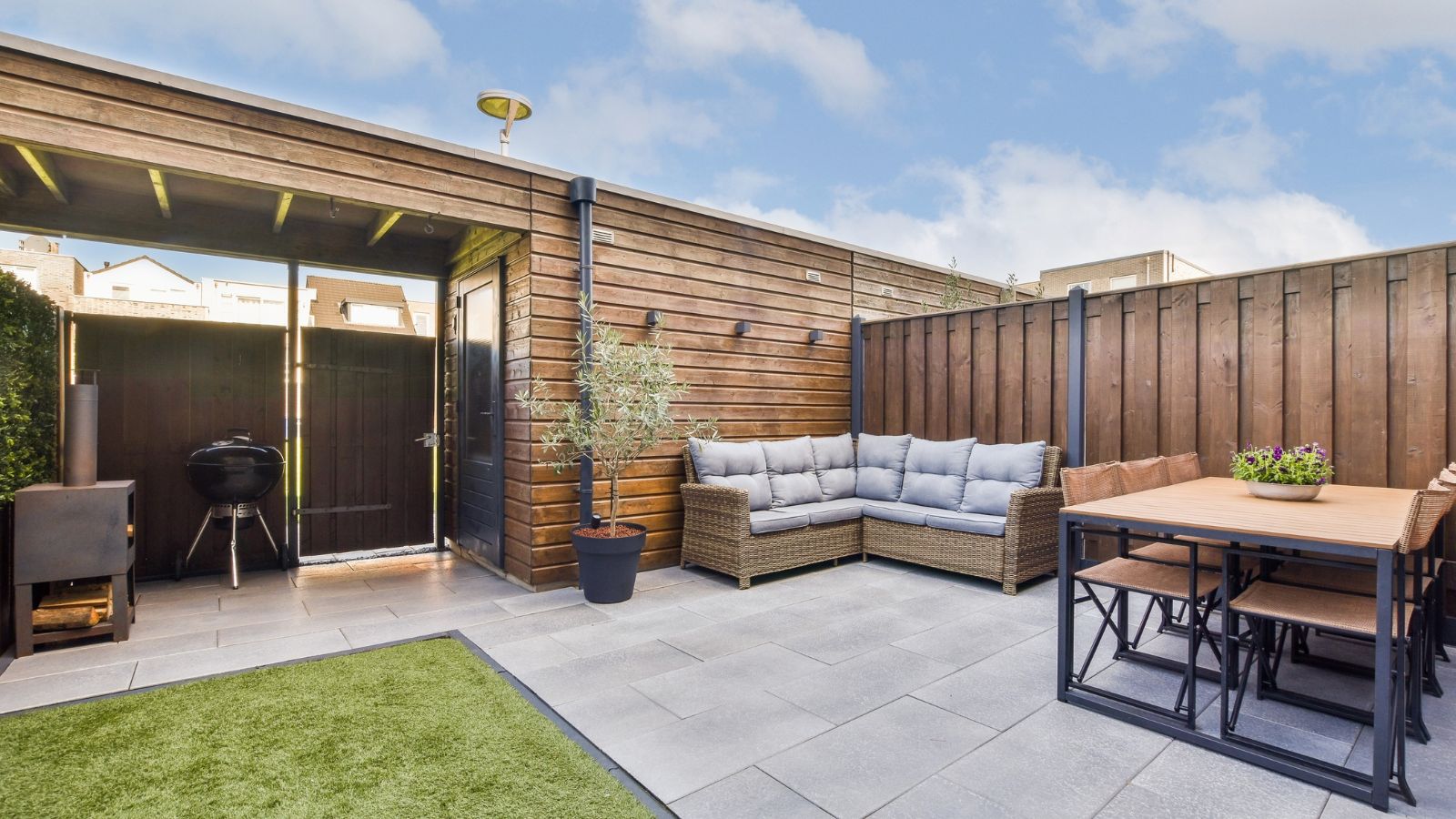
A late-season purchase can lose its practical value if delivery arrives after patio weather has ended. Ontario guidance says that under its Consumer Protection Act, a product ordered for delivery must arrive within 30 days of the promised date or the buyer may seek a refund. Rules vary, so the written contract and local consumer law should be checked before paying.
Assembly also adds a separate layer of risk. Health Canada has recalled patio furniture involving defective legs and frames, showing structural connections matter. Buyers should confirm box counts, inspect packaging, and inventory hardware immediately. Large tabletops may require two adults; stone, glass, or concrete-look pieces can be difficult to reposition after assembly. Professional assembly costs should be included in the real price. One common late-season mistake is scheduling delivery to a cottage after the final visit of the season, then discovering missing bolts when customer-service stock is already depleted.
Treating a Balcony Like an Unlimited Patio

Balconies and elevated decks are structural systems, not limitless outdoor rooms. Canada’s model codes address structural sufficiency, guards, wind, snow, and other loads, while provinces, territories, municipalities, condo corporations, and landlords may add requirements. Heavy tables, concrete umbrella bases, storage boxes, planters, and groups of people all add weight, so questions belong with building management or a qualified professional.
Layout matters too. Furniture should not encourage climbing, impede drainage, block doors, or narrow the only route back inside. Health Canada advises keeping climbable furniture away from windows and patio doors when children could reach cords or openings. A compact balcony may function better with folding chairs and a narrow table than with a clearance sectional pressed against every edge. Buyers should review condo bylaws for coverings, propane, fastening to railings, and visible storage. The mistake is to copy a backyard arrangement onto an elevated space with different rules and risks.
Adding a Heater or Fire Table Without Checking the Rules
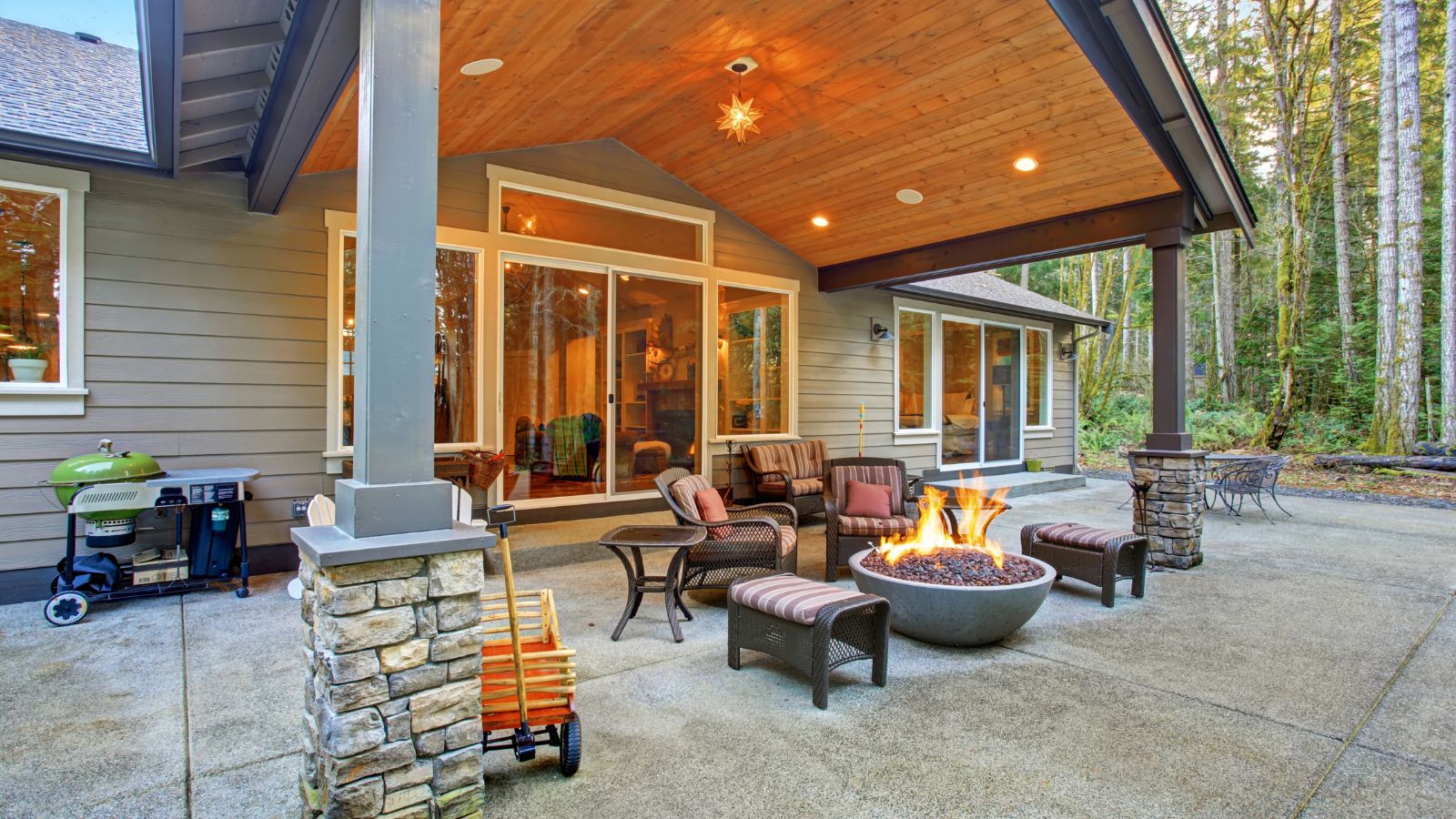
Late-season furniture displays pair seating with propane heaters or fire tables, encouraging buyers to extend patio use into autumn. The added warmth can be appealing, but the appliance changes the safety calculation. The Canadian Propane Association and Ontario’s Technical Standards and Safety Authority stress outdoor use, stability, maintenance, and manufacturer-specified clearances from combustible materials, openings, overhead covers, and air intakes.
Before purchasing, buyers should confirm that the appliance is approved for the exact location and that condo, landlord, municipal, and fire rules permit its fuel type. The layout must maintain clearances after chairs move. Cushions, plastic covers, umbrellas, and wooden pergolas can become nearby combustibles. Propane cylinders require correct handling and storage, and removal before indoor heater storage where instructions require it. A discounted fire table is no bargain if it cannot legally or safely be used on the intended balcony, under the gazebo, or beside the new sectional.
Forgetting the Cost of Covers and Maintenance

The purchase price is only the first season’s visible cost. Wood may require cleaning and renewed finish; coated metal needs inspection for chips; fasteners can loosen; fabrics need washing and drying; and covers wear over time. IKEA’s guidance recommends re-staining wooden furniture and tightening screws periodically, while wood research shows moisture, sunlight, temperature, abrasion, and biological agents combine during weathering.
Late-season buyers should price fitted covers, cleaning products, stain, replacement glides, storage racks, and assembly tools before comparing competing sets. A generic tarp may trap moisture or flap against finishes; a custom cover may be expensive or unavailable once a line is discontinued. Maintenance should match the owner’s habits. A teak table may suit one household; another may prefer lower-maintenance aluminum. The mistake is buying maximum furniture and leaving nothing for protection. A smaller set with proper care can outlast a larger bargain that enters winter dirty, loose, and uncovered.
19 Things Canadians Don’t Realize the CRA Can See About Their Online Income

Earning money online feels simple and informal for many Canadians. Freelancing, selling products, and digital services often start as side projects. The problem appears at tax time. Many people underestimate how much information the CRA can access. Online platforms, banks, and payment processors create detailed records automatically. These records do not disappear once money hits an account. Small gaps in reporting add up quickly.
Here are 19 things Canadians don’t realize the CRA can see about their online income.
This Options Discord Chat is The Real Deal
While the internet is scoured with trading chat rooms, many of which even charge upwards of thousands of dollars to join, this smaller options trading discord chatroom is the real deal and actually providing valuable trade setups, education, and community without the noise and spam of the larger more expensive rooms. With a incredibly low-cost monthly fee, Options Trading Club (click here to see their reviews) requires an application to join ensuring that every member is dedicated and serious about taking their trading to the next level. If you are looking for a change in your trading strategies, then click here to apply for a membership.