
35,000+ smart investors are already getting financial news, market signals, and macro shifts in the economy that could impact their money next with our FREE weekly newsletter. Get ahead of what the crowd finds out too late. Click Here to Subscribe for FREE.
Trade wars don’t just hit factories and supply chains. They can quietly erase everyday comforts. Canadians rely on a surprising number of iconic American brands, from favorite snacks to luxury goods, which could vanish overnight if tensions escalate. Whether sparked by tariffs, politics, or retaliatory bans, a full-blown trade dispute could make these items too expensive or too scarce to keep on store shelves. Here are 15 iconic brands Canadians could lose forever in a trade war:
Oreo Cookies
15 Iconic Brands Canadians Could Lose Forever in a Trade War

Beloved for their crisp chocolate wafers and sweet filling, Oreo cookies have become a pantry staple in Canadian households. Manufactured by Nabisco in the U.S., these sandwich cookies are often missing from domestic production lines, making Canada entirely dependent on cross-border shipments. A steep tariff or import ban would push prices through the roof or leave shelves bare, disrupting everything from family snack time to school lunch boxes.
Hershey’s Chocolate Bars

Hershey’s signature chocolate bars, like Milk Chocolate, Mr. Goodbar, and Almond, are a go-to treat for generations of Canadians. While Canada has chocolatiers, no homegrown brand matches Hershey’s scale or price point. Hershey’s products arrive via regular cross-border freight, and in a trade war scenario, skyrocketing duties would make everyday chocolate a luxury. Seasonal demand around Halloween and Easter would be hardest hit as cost-sensitive consumers swap out their favorites.
Heinz Ketchup
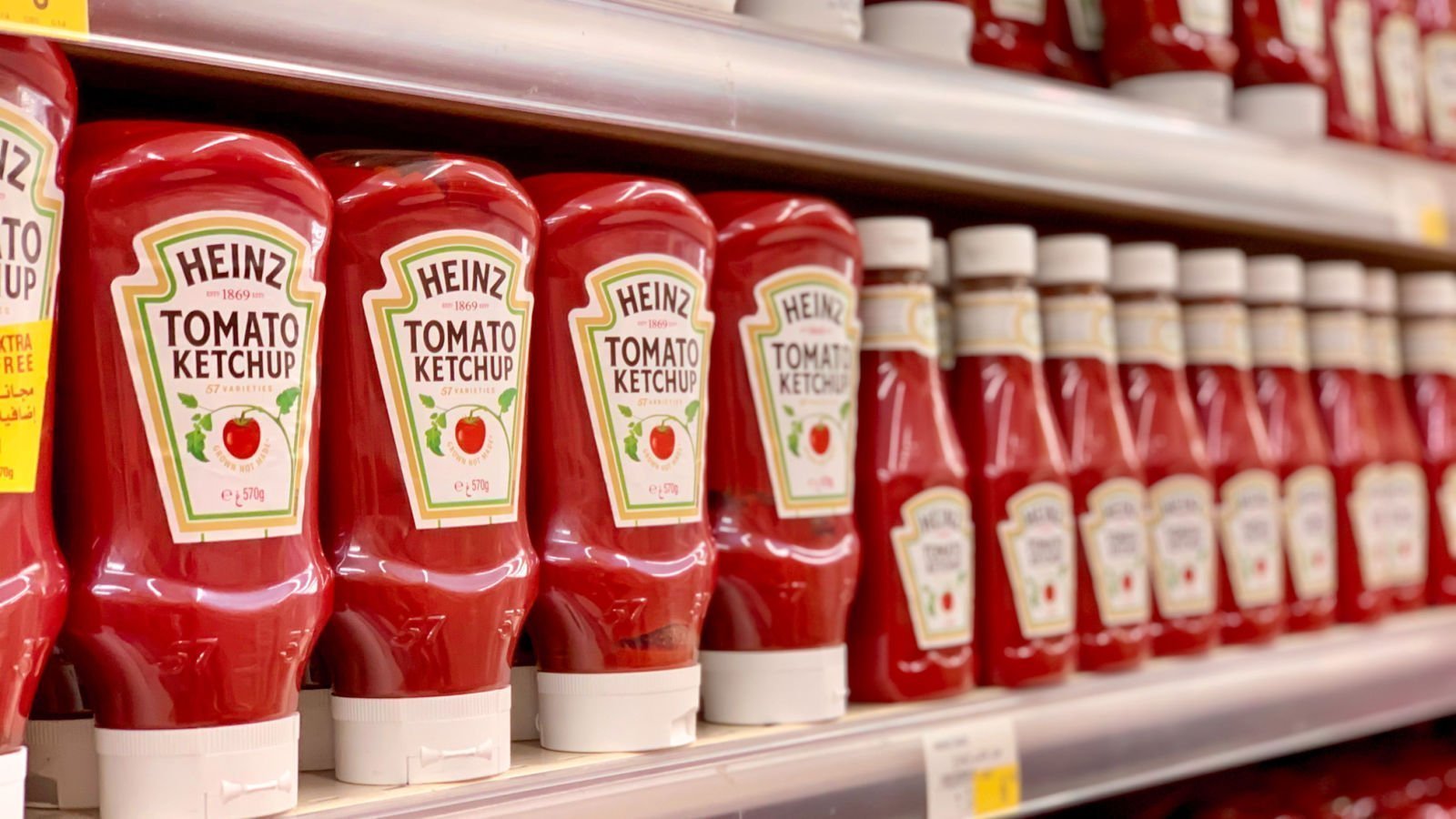
Heinz Ketchup’s familiar squeeze bottle is a fixture on Canadian tables, from backyard barbecues to fast-food joints. Produced at scale in the U.S., Heinz’s supply chain keeps grocery aisles well stocked year-round. Under a trade dispute, heavy tariffs on processed foods could render Heinz prohibitively expensive or unavailable, forcing Canadians to turn to smaller domestic brands with shorter shelf lives. The change would alter daily rituals like poutine toppings, burger condiments, and Sunday brunch staples, making its potential loss deeply felt.
Levi’s Denim

Levi’s jeans have been emblematic of casual North American style since the 19th century. Although some production has shifted overseas, a significant portion of classic Levi’s 501 and 511 lines still crosses the Canada-U.S. border en route to Canadian retailers. Tariffs on apparel are among the quickest to take effect in trade disputes, meaning Levi’s could become too costly for budget-minded shoppers or even be pulled from store displays.
Jack Daniel’s Tennessee Whiskey
 Jack Daniel’s has earned its place on Canadian back bars and home liquor cabinets with its distinctive charcoal-mellowed flavor. While Canada boasts its celebrated distilleries, Jack Daniel’s remains one of the top imported spirits by volume. The whiskey’s movement across the border depends on steady duty rates; in a trade war, Canada could slap steep tariffs or restrict imports, sending prices skyward. That shift would reshape cocktail culture and cottage-country toasts as Canadians swap familiar sips for pricier alternatives.
Nike

Nike’s presence in Canada goes far beyond athletic shoes, shaping sports culture, street fashion, and fitness routines. Though Nike operates some Canadian facilities, most core products, like shoes, performance apparel, and accessories, are designed, distributed, and shipped from the U.S. or through U.S.-based channels. A trade war could severely limit access or push retail prices far beyond what many consumers are willing to pay. Losing Nike would impact not only fashion trends but also youth sports, gym culture, and sponsorships, taking a major player out of everything from high school athletics to casual weekend wear in Canada.
Apple

Apple products are deeply embedded in Canadian life, with iPhones, iPads, MacBooks, and AirPods being as common in classrooms and offices as pens and notebooks. Although manufacturing happens abroad, Apple’s logistics and distribution hubs are heavily U.S.-centric. A breakdown in trade could delay releases, inflate prices, or even block specific models from entering the Canadian market. Consumers would face fewer choices, longer wait times, and steep surcharges on repairs and accessories. Losing regular access to Apple would affect everything from how Canadians work and study to connecting with friends and family.
Campbell’s Soup

Campbell’s Soup has long been a go-to for affordable, comforting meals in Canadian kitchens. While Campbell Canada manufactures several products domestically, many specialty flavors, condensed broths, and meal kits are imported from U.S. facilities. A disruption in trade could create gaps in the product lineup or increase prices on familiar favorites like Chicken Noodle or Cream of Mushroom. Campbell’s presence in lunch boxes, casserole recipes, and emergency food cupboards runs deep in Canada, and its absence would create both practical inconveniences and emotional disconnection from a brand that feels like home.
Ford

Ford is one of Canada’s top-selling auto brands, with a presence that spans pickup trucks in the Prairies to hybrids in suburban cities. Many models, including the popular F-150, are assembled in the U.S. before crossing the border to Canadian dealerships. A trade war could mean delayed deliveries, spiking vehicle prices, and supply chain snarls. The auto industry depends on finely tuned cross-border manufacturing and parts flow, making it particularly vulnerable to tariff disputes. Ford’s disappearance from lots or massive price hikes would directly affect working families, tradespeople, and small businesses nationwide.
Starbucks

Starbucks has become a daily ritual for millions of Canadians. Though it sources coffee globally, its operations, product development, and supply chain are closely tied to its Seattle headquarters. A significant trade dispute could impact pricing on key ingredients, equipment, or branded merchandise sold in Canadian stores. Beyond convenience, Starbucks locations often serve as informal meeting places and workspaces. Their absence or reduced footprint would be noticed by coffee lovers and communities that rely on them as public gathering spots.
Cheerios

Cheerios have been a breakfast staple in Canadian homes for generations, from toddler snack cups to quick weekday mornings. While some varieties are produced in Canada, many specialty flavors and bulk shipments come from the U.S. A trade war could lead to shortages or steep price hikes, limiting the availability of a brand trusted by parents for decades. The disruption would hit families hardest, especially those who rely on the brand’s simplicity, nutrition, and affordability.
Doritos

Doritos are one of Canada’s most popular snack foods, with bold flavors and iconic crunch. Produced by Frito-Lay, a subsidiary of PepsiCo, Doritos relies on U.S. supply lines for ingredients, packaging, and flavor development. While some production happens in Canada, a trade war could restrict newer or seasonal varieties or make the entire lineup too expensive to stock widely. For snack lovers, it would mean fewer choices and rising prices at convenience stores and grocery chains.
Harley-Davidson

Harley-Davidson motorcycles hold an outsized place in the imaginations of Canadian riders, representing freedom, power, and open road culture. These bikes are designed and built primarily in the U.S. and directly distributed to Canadian dealers. A trade war could make Harleys prohibitively expensive, slow down parts supply, or cause models to disappear from showrooms. For many enthusiasts, the brand is more than just transportation; it is a lifestyle, and losing Harley-Davidson would hit a passionate community of riders and leave a cultural void in parades, road trips, and weekend rides across Canada’s scenic highways.
Kellogg’s Cereal

From Frosted Flakes to Corn Pops, Kellogg’s cereals have long anchored the breakfast table in Canadian households. While some products are made locally, many are shipped from U.S. plants or depend on American-sourced ingredients. A trade disruption could shrink variety, increase costs, or remove iconic options entirely from shelves. Kids, students, and busy parents would lose out on fast, affordable meals they trust.
McDonald’s

McDonald’s may have restaurants on nearly every Canadian block. Still, the company’s supply chain and brand leadership are rooted in the U.S. Many food items, equipment, packaging, and menu innovations come through American pipelines. A trade war could affect everything from French fry production to Happy Meal toys, disrupting operations and altering the customer experience. For many Canadians, McDonald’s offers access to fast food, a first job, a road trip pit stop, or a reliable coffee run.
22 Times Canadian Ingenuity Left the U.S. in the Dust

When people think of innovation, they often picture Silicon Valley. However, Canada has a history of innovation, too. Whether it’s redefining sports, revolutionizing medicine, or just showing America up at its own game, Canadian inventors, thinkers, and dreamers have had their fair share of mic-drop moments. Here are 22 times Canadian ingenuity left the U.S. in the dust.
22 Times Canadian Ingenuity Left the U.S. in the Dust
This Options Discord Chat is The Real Deal
While the internet is scoured with trading chat rooms, many of which even charge upwards of thousands of dollars to join, this smaller options trading discord chatroom is the real deal and actually providing valuable trade setups, education, and community without the noise and spam of the larger more expensive rooms. With a incredibly low-cost monthly fee, Options Trading Club (click here to see their reviews) requires an application to join ensuring that every member is dedicated and serious about taking their trading to the next level. If you are looking for a change in your trading strategies, then click here to apply for a membership.