35,000+ smart investors are already getting financial news, market signals, and macro shifts in the economy that could impact their money next with our FREE weekly newsletter. Get ahead of what the crowd finds out too late. Click Here to Subscribe for FREE.
As electric vehicles gain momentum across Canada, many drivers focus on the savings from avoiding gasoline without fully accounting for the complex costs of charging. While EVs are marketed as cost-effective, expenses related to infrastructure, electricity rate structures, and varying usage patterns can create financial surprises. Transitioning to electric mobility requires a detailed understanding of both hidden and variable costs to accurately predict the total cost of ownership. Here are 15 EV charging costs Canadians don’t budget for (and how to estimate).
Time-of-Use Electricity Rate Variations
15 EV Charging Costs Canadians Don’t Budget For (And How to Estimate)
- Time-of-Use Electricity Rate Variations
- Cold Weather Charging Efficiency Losses
- Home Charging Station Installation Costs
- Public Fast-Charging Premium Rates
- Charging Network Subscription Fees
- Battery Thermal Management Energy Usage
- Idle Fees at Public Stations
- Demand Charges for Commercial Users
- Multi-Unit Residential Building (MURB) Access Fees
- Smart Charging Software Subscriptions
- Maintenance of Home Charging Equipment
- Impact of Battery Degradation on Charging Frequency
- Opportunity Costs of Charging Time
- Regulatory and Future Infrastructure Levies
- Travel Charging Variability and Long-Distance Costs
- 19 Things Canadians Don’t Realize the CRA Can See About Their Online Income

Many Canadians assume home charging is always inexpensive, but time-of-use pricing significantly impacts the actual cost. In provinces like Ontario, electricity rates fluctuate between peak, mid-peak, and off-peak hours, meaning charging during high-demand periods is considerably more expensive. Drivers who plug in without considering these bands may see unexpected increases in their monthly utility bills. Estimating this cost requires reviewing local utility schedules and calculating potential monthly usage based on your vehicle’s battery size. Being mindful of these variations is essential for maximizing the economic benefits of home charging.
Cold Weather Charging Efficiency Losses

Canadian winters pose a unique challenge for EV owners, as cold temperatures reduce battery efficiency and increase charging times. When it is cold, a vehicle requires more energy to warm the battery before it can accept a charge, leading to higher electricity consumption for the same range. Drivers often find they need to charge more frequently during winter months, which can inflate seasonal budgets. Estimating these losses involves factoring in a 20% to 30% increase in energy needs during the coldest months. Understanding this seasonal impact helps in creating a more realistic year-round energy budget.
Home Charging Station Installation Costs

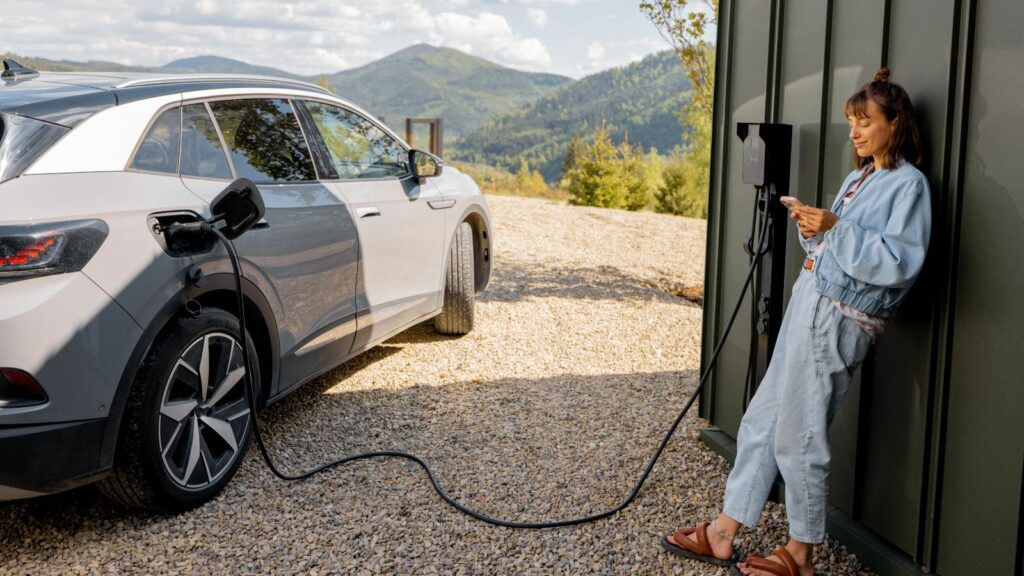
While the charging unit itself has a clear price, the professional installation of a Level 2 station can involve significant hidden expenses. Older Canadian homes may require electrical panel upgrades or extensive wiring to support the increased load, which can cost thousands of dollars. It is vital to obtain several quotes from certified electricians to accurately estimate these infrastructure costs before purchasing a vehicle. These one-time expenses should be factored into the initial purchase budget rather than being treated as an afterthought. Proper planning ensures your home is safely and efficiently equipped for daily charging.
Public Fast-Charging Premium Rates
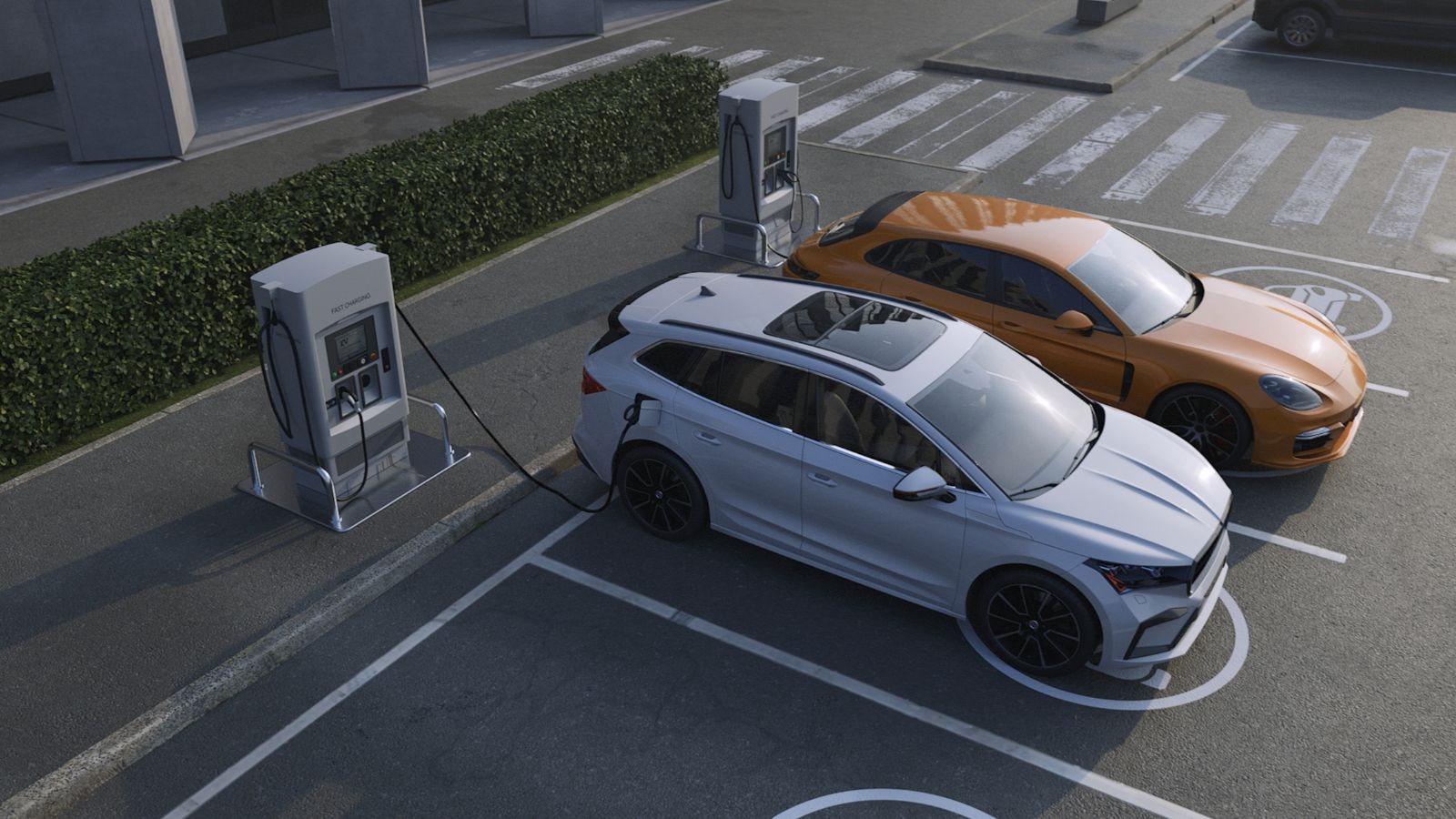
Relying on public DC fast-charging networks is significantly more expensive than charging at home, as providers charge a premium for speed and convenience. These stations often use “per-minute” or “per-kwh” pricing models that can vary by location and time of day. For Canadians without access to home charging, these costs can quickly add up to match or exceed traditional fuel expenses. Estimating this involves identifying the charging networks in your area and calculating the cost of a full charge based on their specific rates. Relying on public infrastructure requires a much higher monthly charging budget.
Charging Network Subscription Fees

Many public charging networks in Canada offer lower rates to members who pay a recurring monthly subscription fee. While these memberships can reduce the per-session cost, they introduce a fixed monthly expense that must be justified by high usage. Drivers who only use public chargers occasionally may find that the subscription cost outweighs the per-use savings. To estimate this, compare your projected monthly public charging sessions against the “member” versus “non-member” rates. Choosing the right plan based on your actual driving habits is key to maintaining a cost-effective charging strategy.
Battery Thermal Management Energy Usage

Electric vehicles use energy to keep their batteries within an optimal temperature range, even when the car is parked and plugged in. In Canada’s extreme climate, this “pre-conditioning” consumes a measurable amount of electricity that isn’t always reflected in driving-range calculations. While this process protects battery health and improves performance, it adds a small but consistent cost to your utility bill. You can estimate this by monitoring your electricity usage on days when the vehicle is idle but plugged in. Factoring in this maintenance energy ensures your budget covers the total electricity the car consumes.
Idle Fees at Public Stations

To encourage turnover, many charging networks apply “idle fees” if a vehicle remains plugged in after the battery is fully charged. These fees are often billed by the minute and can be surprisingly expensive if a driver is away from their vehicle for too long. Forgetting to move your car can quickly negate the savings of using a public station. To avoid these costs, use mobile apps to monitor your charging progress and move your vehicle as soon as it’s finished. Including a small buffer for potential idle fees in your travel budget prevents unexpected credit card charges.
Demand Charges for Commercial Users
For Canadians using EVs for business or small fleets, utilities may apply “demand charges” based on the maximum amount of electricity used at any given time. Simultaneous charging of multiple vehicles can trigger these expensive surcharges, significantly increasing commercial operating costs. Estimating these charges requires a deep dive into commercial utility rate structures and peak usage patterns. Businesses can manage these costs by installing smart chargers that stagger charging times to keep demand levels low. Proper management of peak load is essential for keeping commercial EV operations financially sustainable.
Multi-Unit Residential Building (MURB) Access Fees

Residents in condos or apartments often incur additional costs to access shared charging infrastructure, such as flat monthly fees or “user-pay” surcharges. These fees are set by the building’s strata or management and often cover the maintenance and administration of the stations. Because these chargers are shared, the convenience and cost may be less favorable than a private home setup. Estimating these costs involves reviewing your building’s specific EV policy and any associated monthly “access” or “maintenance” dues. These fixed costs should be compared with public charging alternatives to determine the best value.
Smart Charging Software Subscriptions

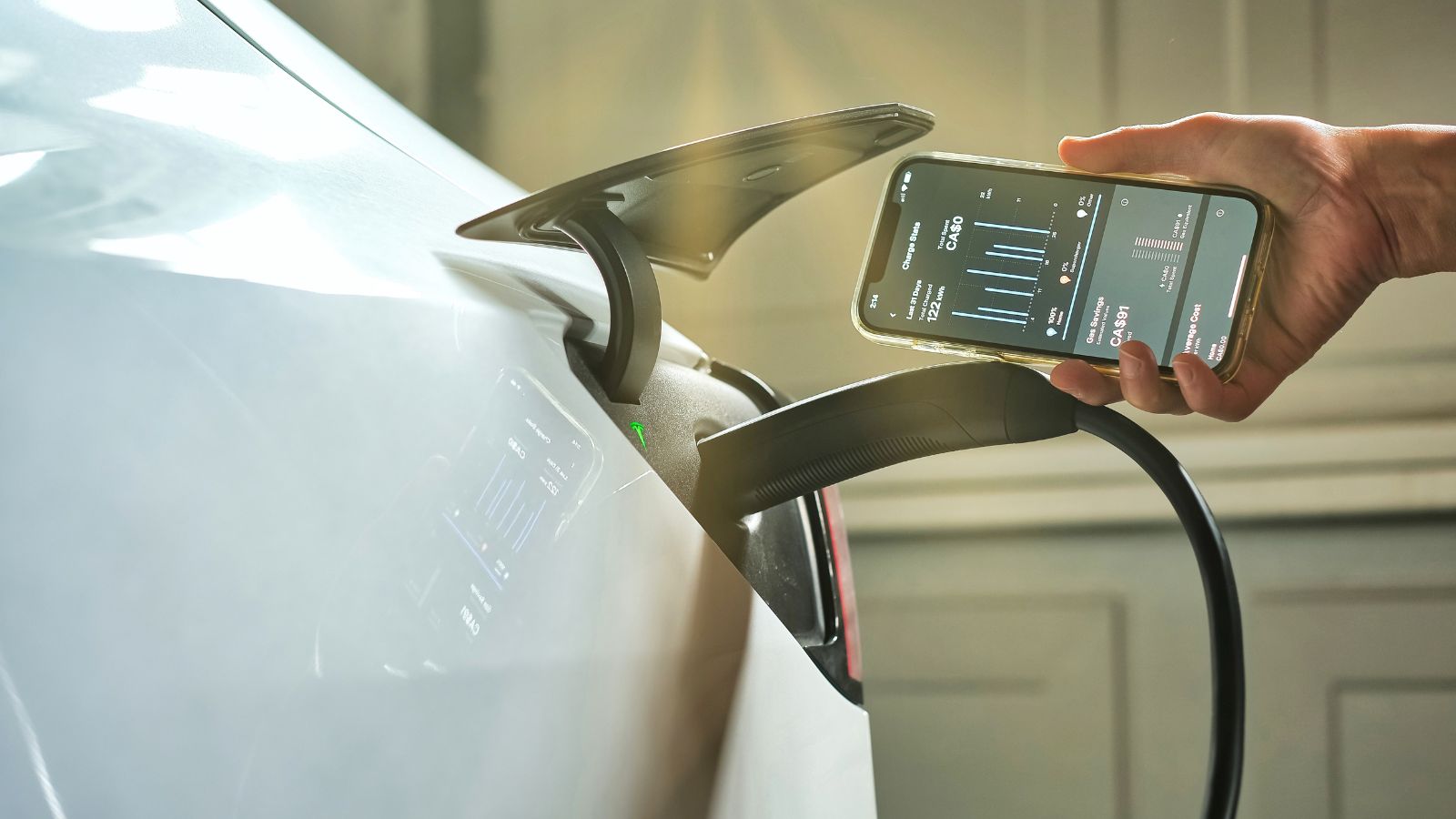
Advanced smart chargers often include software features like remote monitoring, scheduling, and data analytics that require an ongoing paid subscription. While these tools help optimize charging to save on electricity, the subscription itself is a recurring cost that should be budgeted for. Some manufacturers provide these features for a limited trial period before charging a fee. Check the terms of your charging hardware and vehicle app to see which features require a monthly payment. Determining if the data insights justify the subscription cost is an important part of personal EV budgeting.
Maintenance of Home Charging Equipment
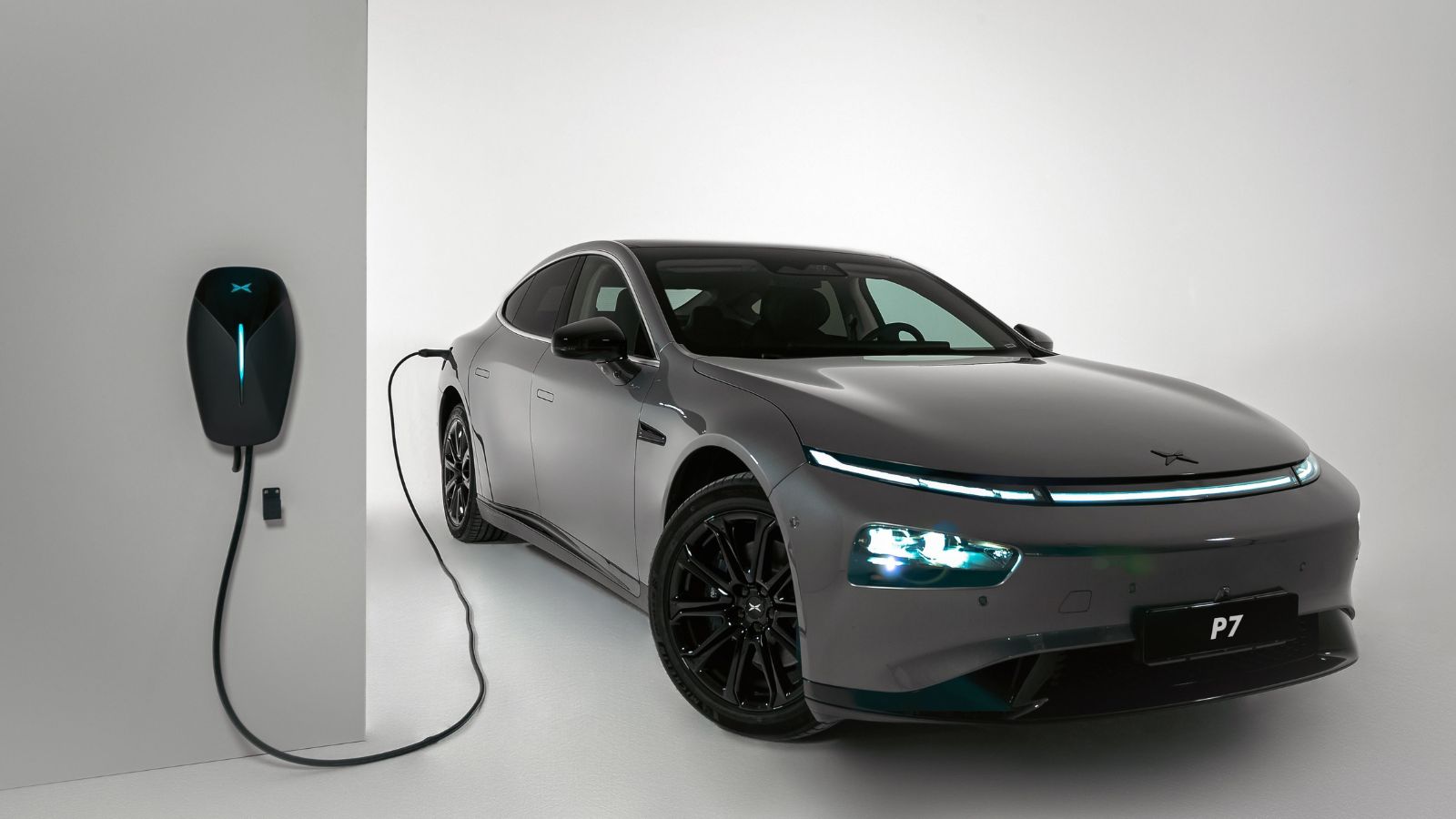
While home chargers are generally durable, they may eventually require maintenance or repairs, such as replacing a worn cable or a faulty connector. These components are exposed to the elements and physical wear, especially in harsh Canadian climates. It is wise to set aside a small annual “maintenance fund” to cover these potential out-of-pocket repairs over the life of the charger. Estimating this could involve looking at the cost of replacement parts for your specific model. Proactive care and occasional inspections help prevent the need for more expensive, emergency equipment replacements.
Impact of Battery Degradation on Charging Frequency
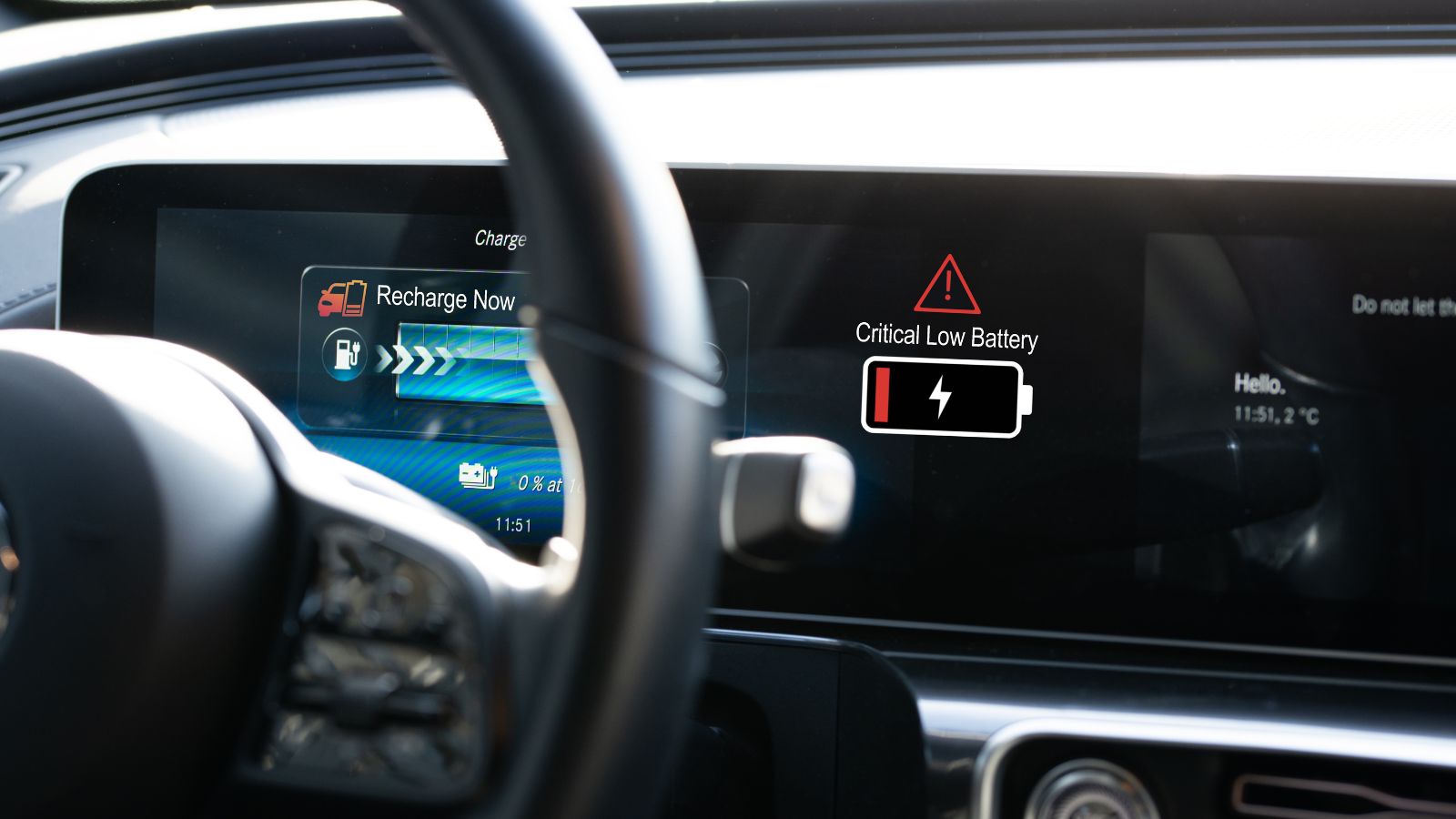
As an EV battery ages, its capacity naturally degrades, meaning it stores less energy and requires more frequent charging to cover the same distance. Over several years, this can lead to a slight increase in the total number of charging cycles needed for your daily commute. While modern batteries are designed to last, gradual efficiency declines can affect your long-term energy budget. Estimating this involves factoring in a minor increase in charging frequency after five to ten years of ownership. Long-term planning should account for this subtle shift in energy requirements.
Opportunity Costs of Charging Time

While not a direct monetary fee, the time spent waiting at public chargers represents an “opportunity cost,” especially for those without home or work charging. For busy professionals or families, the time redirected toward charging sessions could have been used for other productive or leisure activities. Estimating this cost is subjective but involves calculating how many hours per month are dedicated to managing charging. For some, the cost of time makes high-speed public charging or home installations a more valuable investment despite the higher upfront price. Valuing your time helps determine the best charging setup.
Regulatory and Future Infrastructure Levies

As EV adoption grows, some provinces or municipalities may introduce new levies or registration fees to help fund public charging infrastructure and road maintenance. While these are not yet universal, they are a potential future cost for Canadian EV owners as governments look to replace lost gas tax revenue. Staying informed about local policy shifts is the best way to anticipate these potential changes to your annual budget. While difficult to estimate precisely today, keeping a small “regulatory buffer” in your long-term plan prevents being caught off guard by new government-mandated EV fees.
Travel Charging Variability and Long-Distance Costs
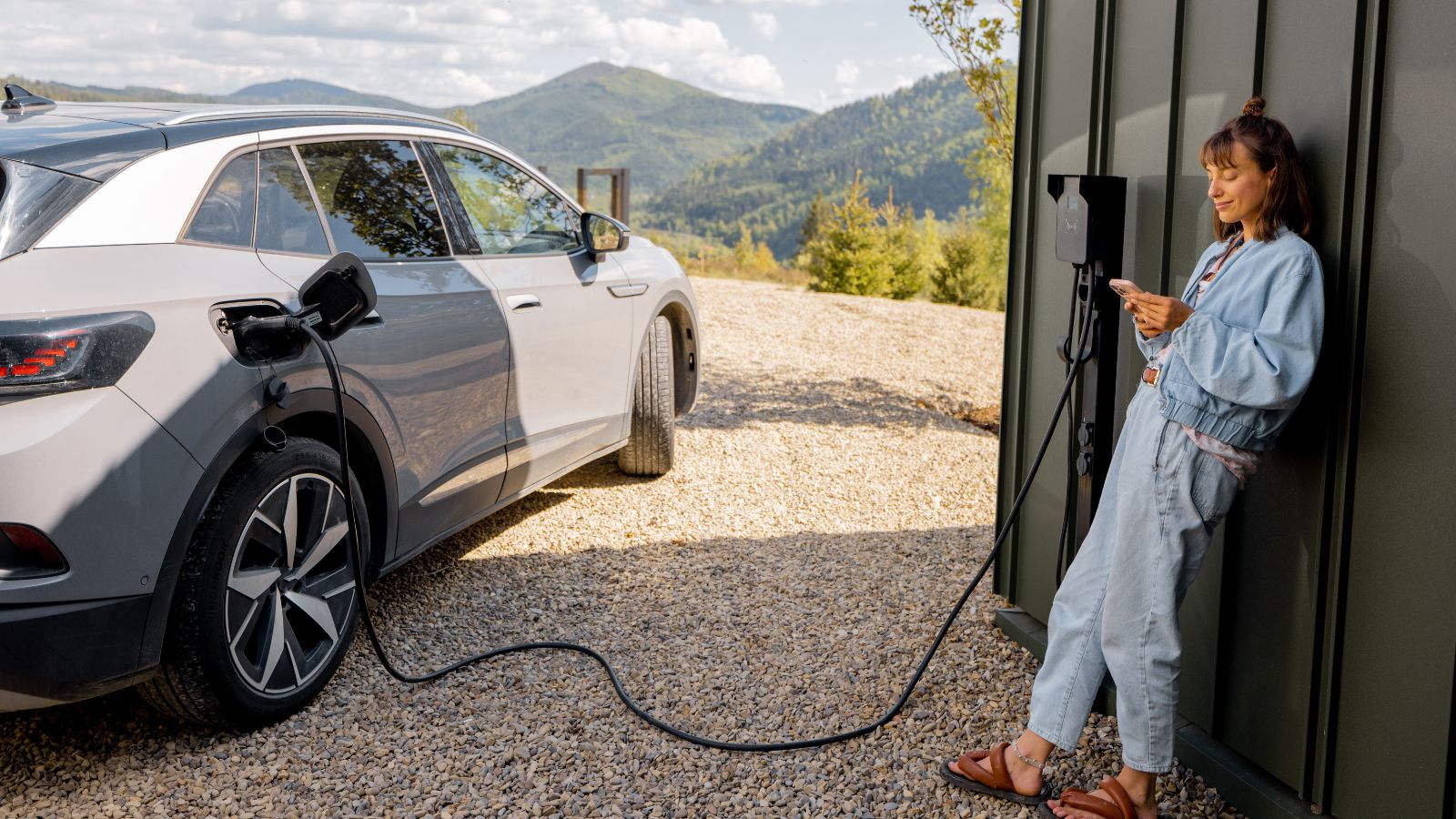
Long-distance travel introduces the highest variability in costs, as drivers rely on various public networks with vastly different pricing structures. Rates vary based on the provider, the charger speed, and even the specific province you are driving through. Canadians who take frequent road trips may encounter higher total costs than those who primarily charge at home. Estimating these expenses involves researching the networks along your planned routes and factoring in the frequency of your trips. Strategic route planning can help you find lower-cost options and maintain the financial benefits of your EV.
19 Things Canadians Don’t Realize the CRA Can See About Their Online Income

Earning money online feels simple and informal for many Canadians. Freelancing, selling products, and digital services often start as side projects. The problem appears at tax time. Many people underestimate how much information the CRA can access. Online platforms, banks, and payment processors create detailed records automatically. These records do not disappear once money hits an account. Small gaps in reporting add up quickly.
Here are 19 things Canadians don’t realize the CRA can see about their online income.
This Options Discord Chat is The Real Deal
While the internet is scoured with trading chat rooms, many of which even charge upwards of thousands of dollars to join, this smaller options trading discord chatroom is the real deal and actually providing valuable trade setups, education, and community without the noise and spam of the larger more expensive rooms. With a incredibly low-cost monthly fee, Options Trading Club (click here to see their reviews) requires an application to join ensuring that every member is dedicated and serious about taking their trading to the next level. If you are looking for a change in your trading strategies, then click here to apply for a membership.