
35,000+ smart investors are already getting financial news, market signals, and macro shifts in the economy that could impact their money next with our FREE weekly newsletter. Get ahead of what the crowd finds out too late. Click Here to Subscribe for FREE.
Return policies play an important role in everyday shopping across Canada. Many retailers allow customers to return or exchange items within a certain time period. However, most shoppers only follow the basic return instructions printed on receipts. In reality, store policies often include additional options that can help customers save money. Price adjustments, exchanges, and extended return periods are examples that many people overlook. Understanding these policies can help avoid unnecessary spending when purchases do not work out. Reading store return rules carefully can reveal useful opportunities. Knowing these small details can make shopping more flexible. Here are 14 return policy tricks Canadians don’t know that can help save real money.
Returning Items Within Extended Holiday Return Windows
14 Return Policy Tricks Canadians Don’t Know (That Save Real Money)
- Returning Items Within Extended Holiday Return Windows
- Asking for Price Adjustments After a Recent Purchase
- Using Store Credit Instead of Losing a Return Deadline
- Returning Online Orders to Physical Store Locations
- Keeping Original Packaging to Avoid Return Issues
- Checking Final Sale Terms Before Buying Discount Items
- Requesting Exchanges Instead of Refunds for Faster Service
- Using Credit Card Purchase Protection for Returns
- Returning Defective Items Even After Standard Return Periods
- Asking Customer Service for One-Time Return Exceptions
- Checking Return Policies Before Major Seasonal Sales
- Using Gift Receipts to Return Unwanted Gifts
- Tracking Return Deadlines on Receipts or Order Emails
- Understanding Restocking Fees Before Making Large Purchases
- 22 Groceries to Grab Now—Before another Price Shock Hits Canada

Many Canadian retailers extend their return windows during major holiday shopping seasons. While the policy is often advertised during the winter holidays, similar extensions sometimes appear during seasonal sales. These longer return periods allow shoppers to return items weeks later than the standard deadline. Customers who understand these timelines can avoid losing money on unwanted purchases. Checking the return date on the receipt is important because the extended window may differ from the regular policy. Some stores also display these dates on their websites. Knowing when extended returns apply allows shoppers to make purchases more confidently during seasonal promotions without rushing to return items immediately.
Asking for Price Adjustments After a Recent Purchase

Price adjustments are a useful policy that many Canadians overlook. Some retailers allow customers to request a refund of the price difference if an item goes on sale shortly after purchase. This policy usually applies within a specific period, such as 7 to 30 days. Shoppers can bring their receipt and ask customer service to review the price change. If the store confirms the promotion, they may refund the difference. This option helps customers avoid returning and repurchasing the same item. Checking store price adjustment policies before buying can help shoppers benefit from future discounts without losing money.
Using Store Credit Instead of Losing a Return Deadline

Some stores offer store credit even after the regular return deadline has passed. Instead of rejecting the return completely, the retailer may issue a credit for the item’s value. This credit can usually be used for future purchases within the store. While the refund may not return directly to the original payment method, it still helps recover the money spent. Customers who miss the standard return window may still have this option available. Asking customer service about store credit policies can sometimes lead to a helpful solution. This approach allows shoppers to recover value from purchases they no longer want.
Returning Online Orders to Physical Store Locations

Many Canadian retailers allow online purchases to be returned in physical stores. This option often simplifies the return process. Instead of shipping the item back and waiting for processing, customers can visit a nearby store. Store staff can usually process the return immediately. This saves time and sometimes avoids shipping fees. Customers should bring the original receipt or order confirmation when returning online purchases. Some stores also allow returns using the order number from the email confirmation. Checking whether a retailer supports in-store returns for online orders can make the process faster and more convenient.
Keeping Original Packaging to Avoid Return Issues
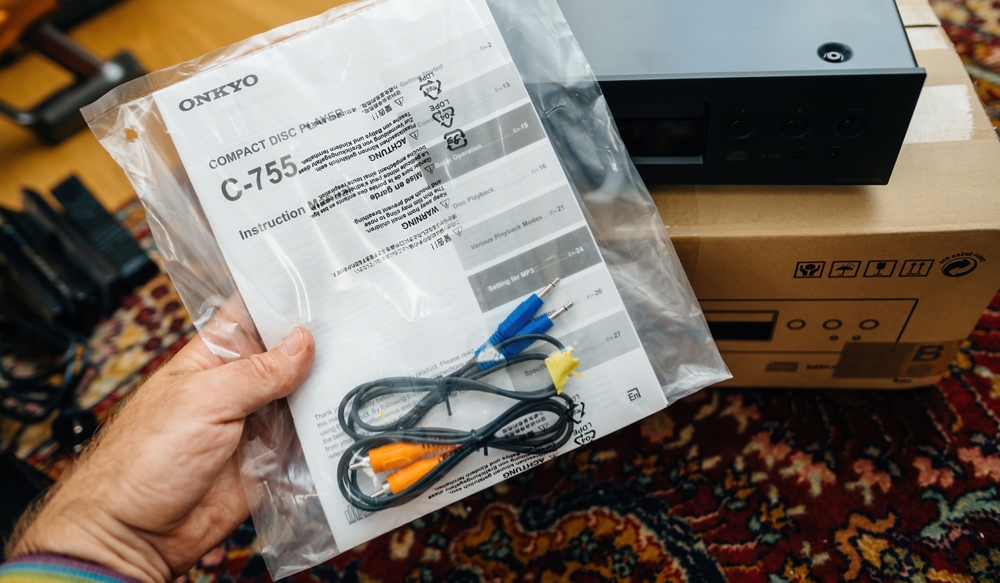
Original packaging can play an important role in the return process. Many Canadian retailers prefer items to be returned with their original boxes, tags, and accessories. Missing packaging may sometimes lead to delays or rejected returns. Electronics and fragile items are especially likely to require complete packaging. Keeping the box and receipts until the return period ends can prevent complications. Some stores may still accept returns without packaging, but policies vary between retailers. Storing packaging temporarily ensures that the item can be returned smoothly if needed. This small habit helps protect the customer’s ability to receive a full refund.
Checking Final Sale Terms Before Buying Discount Items

Many retailers mark heavily discounted items as final sale. This means the product cannot be returned or exchanged after purchase. Some shoppers focus on the low price and overlook this condition. If the item does not fit or meet expectations, the money cannot be recovered. Checking the receipt or product label before buying helps avoid this problem. Stores often display final sale notices near clearance sections. Online listings usually include this information in the product details. Reading these terms carefully protects shoppers from unexpected losses. Understanding final sale rules allows customers to make better decisions when buying discounted items.
Requesting Exchanges Instead of Refunds for Faster Service

Some retailers process exchanges faster than refunds. When customers request a refund, the store may need to review the payment method and process the transaction. This can take several days, especially for card payments. Exchanges, on the other hand, may be completed immediately in-store. Customers can simply swap the item for a different size or color. This option works well when the product itself is acceptable, but the fit or style is wrong. Asking for an exchange can reduce waiting time and simplify the process. Understanding this option helps shoppers resolve return situations more quickly.
Using Credit Card Purchase Protection for Returns

Many credit cards in Canada include purchase protection benefits. These programs may help when a retailer refuses a return or when an item is damaged shortly after purchase. Some cards offer extended return protection or refund assistance within a certain period. Customers usually need to submit receipts and purchase details to the credit card provider. If the claim is approved, the card issuer may reimburse the purchase amount. These benefits vary depending on the credit card provider. Checking the card’s insurance coverage before shopping can reveal helpful protections. Using credit card purchase protection can sometimes recover money when store policies do not allow a return.
Returning Defective Items Even After Standard Return Periods

Return policies often include special rules for defective products. Even after the standard return period ends, defective items may still qualify for replacement or repair. Canadian consumer protection laws also support customers in cases of faulty products. Customers should contact the retailer or manufacturer when a product stops working unexpectedly. Providing the receipt and explaining the problem usually helps start the process. Some stores offer repair services or replacements for defective items. Warranty coverage may also apply depending on the product. Knowing that defective items can sometimes be returned later helps shoppers avoid losing money on faulty purchases.
Asking Customer Service for One-Time Return Exceptions

Retailers sometimes make one-time exceptions for customers who miss the standard return deadline. These decisions usually depend on the store’s policy and the situation. Customers who approach customer service politely may receive help even after the return window closes. Some stores offer store credit or allow an exchange instead of a full refund. This flexibility often applies to loyal customers or recent purchases. Explaining the situation clearly can increase the chances of approval. While not guaranteed, asking for assistance is often worth trying. This approach can help recover value from items that would otherwise remain unused.
Checking Return Policies Before Major Seasonal Sales

Seasonal sales often attract many shoppers looking for discounts. However, return policies may change during these sales events. Some retailers shorten return windows or mark discounted items as final sale. Customers who check the policy before purchasing can avoid problems later. Reading the return details on the store website or product page is helpful. In-store shoppers can ask staff about the return conditions for sale items. Knowing the rules before buying helps shoppers make informed decisions. This is especially important for clothing, electronics, or large purchases. Understanding the return policy in advance protects customers from losing money on items they may need to return.
Using Gift Receipts to Return Unwanted Gifts

Gift receipts make returning unwanted presents much easier. Many Canadian retailers offer gift receipts during the purchase process. These receipts allow the recipient to return or exchange the item without revealing the purchase price. If the gift does not fit or match the recipient’s preferences, it can still be exchanged. Stores often provide store credit instead of a cash refund for gift receipt returns. This allows the recipient to choose something more suitable. Asking for a gift receipt when buying presents can prevent problems later. This small step ensures the recipient has flexibility if they need to return the item.
Tracking Return Deadlines on Receipts or Order Emails

Return deadlines are usually printed on store receipts or included in order confirmation emails. Many shoppers forget to check these dates after making a purchase. Missing the return window may mean losing the opportunity for a refund. Keeping track of these deadlines helps prevent this situation. Some customers mark return dates on their calendar or phone reminders. This simple habit makes it easier to remember when action is needed. Online shoppers can also save confirmation emails for quick reference. Monitoring these deadlines helps ensure unwanted items are returned within the allowed time frame.
Understanding Restocking Fees Before Making Large Purchases

Some retailers charge restocking fees when certain items are returned. This fee usually applies to large or specialized purchases such as electronics or appliances. The restocking fee is often a percentage of the purchase price. Customers may receive a partial refund instead of the full amount. Many shoppers are unaware of this rule until they attempt to return the product. Checking store policies before buying expensive items helps avoid surprises later. Asking about restocking fees can clarify the return conditions. Understanding these fees helps shoppers decide whether the purchase is worth the risk.
22 Groceries to Grab Now—Before another Price Shock Hits Canada

Food prices in Canada have been steadily climbing, and another spike could make your grocery bill feel like a mortgage payment. According to Statistics Canada, food inflation remains about 3.7% higher than last year, with essentials like bread, dairy, and fresh produce leading the surge. Some items are expected to rise even further due to transportation costs, droughts, and import tariffs. Here are 22 groceries to grab now before another price shock hits Canada.
22 Groceries to Grab Now—Before another Price Shock Hits Canada
This Options Discord Chat is The Real Deal
While the internet is scoured with trading chat rooms, many of which even charge upwards of thousands of dollars to join, this smaller options trading discord chatroom is the real deal and actually providing valuable trade setups, education, and community without the noise and spam of the larger more expensive rooms. With a incredibly low-cost monthly fee, Options Trading Club (click here to see their reviews) requires an application to join ensuring that every member is dedicated and serious about taking their trading to the next level. If you are looking for a change in your trading strategies, then click here to apply for a membership.