
35,000+ smart investors are already getting financial news, market signals, and macro shifts in the economy that could impact their money next with our FREE weekly newsletter. Get ahead of what the crowd finds out too late. Click Here to Subscribe for FREE.
Each winter, thousands of Canadian retirees travel south as seasonal snowbirds. Most enjoy smooth entry and months of sunshine abroad. However, border rules are tighter than many realize. U.S. officers evaluate every traveller for entry eligibility carefully. Even long-time visitors face scrutiny at crossings. Documentation issues trigger immediate questioning frequently. Here are 13 reasons your “Snowbird” parents might be denied entry to the U.S. this winter.
Overstaying on Previous Visits
13 Reasons Your “Snowbird” Parents Might Be Denied Entry to the U.S. This Winter
- Overstaying on Previous Visits
- Suspected U.S. Residency Intent
- Inadequate Proof of Funds
- Expired or Near-Expired Passports
- Frequent Extended Stays
- Lacking Proper Travel Insurance
- Social Media or Statement Inconsistencies
- Carrying Work Equipment or Business Materials
- Prior Customs or Border Violations
- Confusing Immigration Status History
- Health-Related Entry Concerns
- Inconsistencies in Travel Purpose
- Border Officer Discretion Authority
- 22 Groceries to Grab Now—Before another Price Shock Hits Canada

Previous overstays represent one of the most serious red flags. U.S. border records track entry and exit timelines closely. Many parents misunderstand six-month visitor stay limits. Partial days still count toward allowable durations. Leaving briefly does not reset accumulated presence calculations. Officers may suspect deliberate circumvention attempts. Past overstays prompt automatic computer alerts during inspection. Secondary questioning often follows immediately. Parents must prove they complied fully previously.
Suspected U.S. Residency Intent
Border officers must prevent visitors from living unlawfully in the United States. Repeated long stays raise residency suspicion instantly. Possessing leased properties strengthens the appearance of permanent settlement. Holding U.S. vehicles implies domestic ties. Maintaining American mailing addresses worsens scrutiny concerns. Frequent medical appointments raise residency red flags. U.S. utility accounts or domestic banking raise alarms. Declaring vague return plans further harms credibility assessments. Parents must convincingly demonstrate that Canada remains their primary home.
Inadequate Proof of Funds
Visitors must demonstrate financial independence while traveling. Border officers request evidence of sufficient funds routinely. Credit limits alone may not satisfy inspectors. Printed bank statements show real liquidity levels. Absence of verifiable funds raises dependency concerns instantly. Officers worry about unauthorized employment risks. Stating vague support sources creates further suspicion. Cash-only travel appears risky under modern scrutiny trends. Joint account confusion complicates proof presentation. Parents who are unaware of financial documentation expectations become vulnerable.
Expired or Near-Expired Passports
Passports require validity beyond the intended visit length. Many parents forget renewal timelines completely. Border officials deny entry on insufficient validity grounds. U.S. rules require passports to remain valid for the entire stay duration. Some airlines enforce stricter limits than border agencies. Failing airline screenings prevents boarding departure outright. Emergency passport extensions may not suffice for entry. Officers may deny entry even with minor expiry proximity. Passport damage further complicates admissibility evaluations.
Frequent Extended Stays
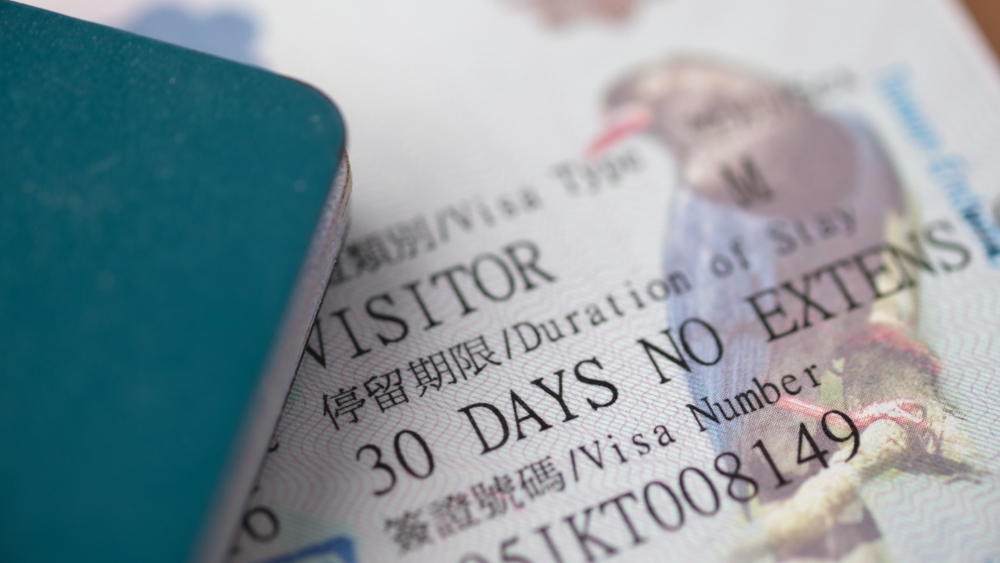
Staying close to maximum durations repeatedly attracts attention. Border data systems identify cumulative stay patterns automatically. Officers analyze yearly presence totals quickly. Rotating between Canada and the United States does not reset residency calculations. Spending more time in America than in Canada seems suspicious. Each crossing requires reaffirmed visitor intent determination. Extended winter stays compound the scrutiny risk annually. Long hospital visits further deepen suspicion scores.
Lacking Proper Travel Insurance

Travel insurance now heavily influences admission outcomes. Uninsured seniors pose potential public healthcare burdens abroad. Officers request a demonstration of valid coverage. Provincial healthcare does not cover U.S. treatment sufficiently. High U.S. medical expenses drive strict scrutiny. Parents without insurance face intensified questioning immediately. Emergency billing risks frighten border administrators significantly. Policies must cover the entire intended trip duration. Partial or expired policies raise refusal possibilities. Insurance proof reduces perceived overstay risk strongly.
Social Media or Statement Inconsistencies

Border officers review verbal answers carefully for mismatches. Statements must align with the known travel history exactly. Social media posts create accidental contradictions frequently. Announcing long stays publicly raises residency intent suspicions. Posting property purchases signals permanency concerns. Online mentions of working activities cause immediate alarm. Casual remarks during questioning become sworn declarations legally. Parents sometimes overshare details unknowingly. Statements regarding the length of stay must match ticket bookings accurately.
Carrying Work Equipment or Business Materials

Snowbirds sometimes travel with items that raise employment concerns. Laptops, tools, product samples, or business documents attract an officer’s attention. Border officials watch for evidence of unauthorized work activity closely. Even volunteer intentions create legal entry violations. Parents mentioning “helping friends” sparks immediate alarms. Contracts or invoices trigger automatic secondary inspections. Trade tools imply skilled labor plans. Marketing materials suggest income generation intentions. Social hobby equipment usually passes without problems. However, anything resembling commercial gear invites deeper questioning. Officers determine whether visitors may earn U.S. income.
Prior Customs or Border Violations

Previous border infractions remain visible permanently within databases. Minor past issues surface during inspections instantly. Past seized items or undeclared purchases raise compliance doubts. Failure to declare goods damages traveller’s credibility long-term. Agricultural product violations remain particularly damaging records. Border warnings serve as behavioural markers internally. Officers interpret patterns of rule-bending seriously. Even decade-old infractions hold influence. Parents often forget earlier border mistakes completely. Secondary inspection becomes routine for flagged profiles. Officers assess behavioural risk before granting entry. Explanations rarely remove credibility black marks.
Confusing Immigration Status History
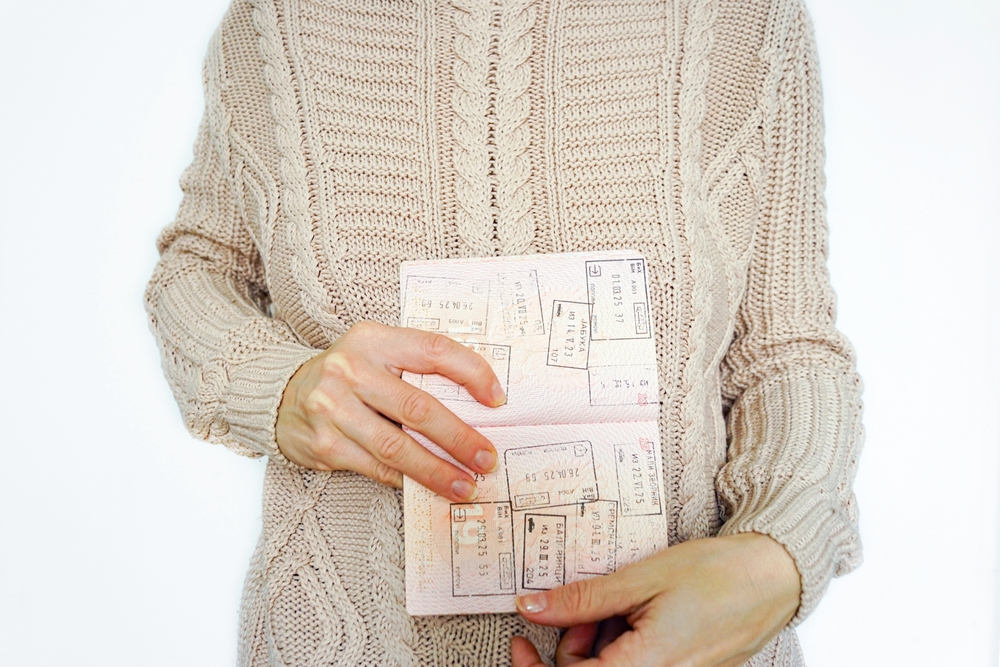
Mixed status histories confuse border risk assessments. Parents who previously studied or worked in the U.S. face scrutiny. Expired visas sometimes remain misrecorded in databases. Officers require proof that past statuses ended legally. Failure to provide documentation raises questions of unlawful overlaps. Status change misunderstandings occur frequently among travellers. Electronic exit records may not reconcile properly. Data errors occasionally wrongly suggest overstays. Parents must dispute inaccuracies through lengthy processes. Border officers cannot resolve database discrepancies on-site.
Health-Related Entry Concerns
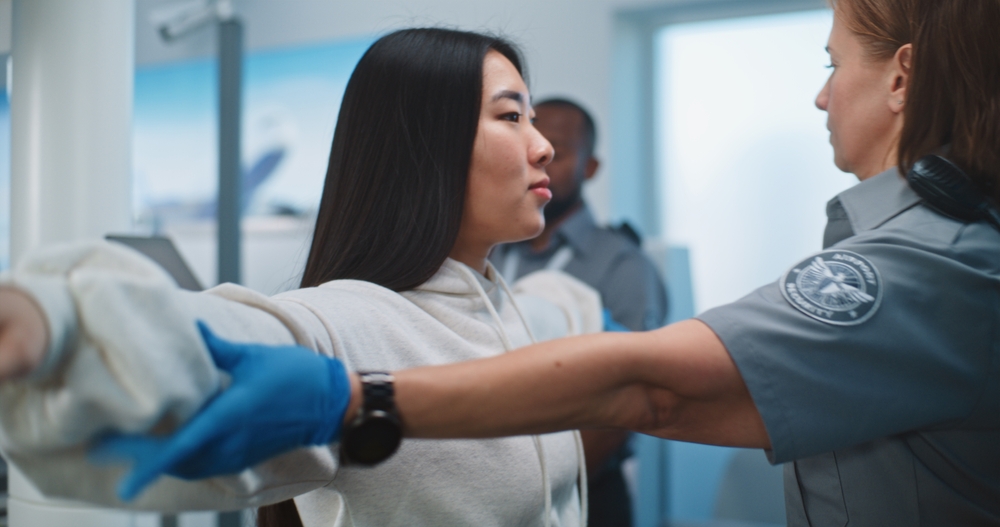
Health conditions now influence admission scrutiny more actively. Officers assess potential medical burden risks carefully. Serious, untreated conditions may concern public healthcare administrators. Declared need for American treatments raises residency suspicions. Frequent medical appointment lists trigger questioning. Lack of sufficient insurance elevates refusal risks sharply. Medication volumes raise stay-length doubts. Carrying unusually large prescriptions suggests extended stay intentions. Border discretion includes health stability considerations. Emergency care risks factor into admissibility judgments. Parents rarely expect health questions at borders.
Inconsistencies in Travel Purpose

Declared visit purposes must match supporting evidence precisely. Claiming tourism while carrying rental paperwork raises doubts. Stating leisure intentions but discussing renovations alarms officers. Inconsistent destination addresses prompt scrutiny. Hotel bookings contradict residential statements significantly. Declared short stays conflicting with extended return tickets undermine trust. Officers evaluate truthfulness meticulously. Even confused responses weaken admissibility assessments. Nervous explanations worsen perceived credibility issues. Documentation must clearly support stated travel goals.
Border Officer Discretion Authority
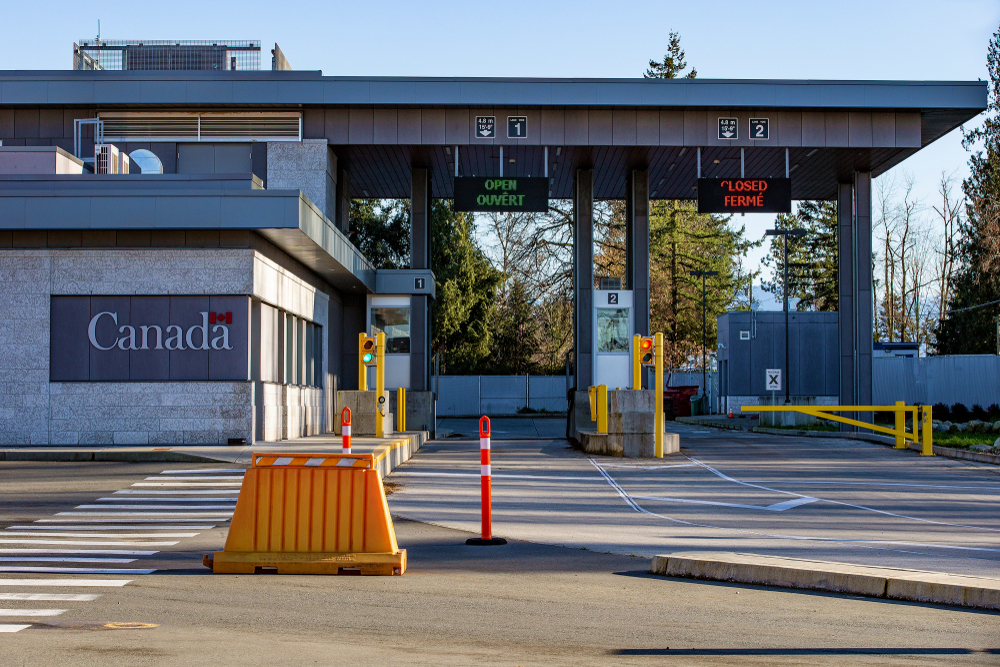
Ultimately, entry decisions rely entirely on the officer’s discretion. No guaranteed right exists for Canadians seeking tourist admission. Meeting all requirements does not ensure entry approval. Officers weigh all facts simultaneously. Subjective credibility assessments dominate outcomes frequently. Tone and cooperation affect judgments measurably. Defensive behaviour escalates refusal probability dramatically. Lack of readiness signals unreliability to officers. Excessive arguments instantly worsen inspection experiences. Border discretion is legally absolute and final at crossing points.
22 Groceries to Grab Now—Before another Price Shock Hits Canada

Food prices in Canada have been steadily climbing, and another spike could make your grocery bill feel like a mortgage payment. According to Statistics Canada, food inflation remains about 3.7% higher than last year, with essentials like bread, dairy, and fresh produce leading the surge. Some items are expected to rise even further due to transportation costs, droughts, and import tariffs. Here are 22 groceries to grab now before another price shock hits Canada.
22 Groceries to Grab Now—Before another Price Shock Hits Canada
This Options Discord Chat is The Real Deal
While the internet is scoured with trading chat rooms, many of which even charge upwards of thousands of dollars to join, this smaller options trading discord chatroom is the real deal and actually providing valuable trade setups, education, and community without the noise and spam of the larger more expensive rooms. With a incredibly low-cost monthly fee, Options Trading Club (click here to see their reviews) requires an application to join ensuring that every member is dedicated and serious about taking their trading to the next level. If you are looking for a change in your trading strategies, then click here to apply for a membership.