35,000+ smart investors are already getting financial news, market signals, and macro shifts in the economy that could impact their money next with our FREE weekly newsletter. Get ahead of what the crowd finds out too late. Click Here to Subscribe for FREE.
Thanksgiving can turn an ordinary grocery run into one of the more expensive shops of the fall. That matters even more in 2026, with Statistics Canada reporting that grocery-store prices were 2.8% higher in August than a year earlier. Holiday promotions can help, but the biggest package, flashiest label, or deepest-looking discount is not necessarily the best value once serving size, food waste, storage and quality are considered.
These 20 Thanksgiving purchases are especially worth comparing before they land in the cart. Some involve obvious price differences, while others require a closer look at unit pricing, nutrition labels, package dates, durability or how useful the purchase will remain after the holiday weekend.
Whole Turkey
20 Thanksgiving Purchases Canadians Should Compare Before Buying
- Whole Turkey
- Ham
- Stuffing Mix
- Potatoes
- Butter
- Cranberry Sauce
- Gravy
- Dinner Rolls
- Fresh and Frozen Vegetables
- Cheese and Appetizer Trays
- Pumpkin Pie and Other Desserts
- Baking Staples
- Coffee and Tea
- Soft Drinks and Sparkling Water
- Roasting Pans
- Digital Food Thermometers
- Slow Cookers and Countertop Appliances
- Leftover Storage Containers
- Disposable Plates, Cutlery and Napkins
- Candles and Table Décor
- 16 Costco Canada Habits That Could Be Costing Shoppers More Than They Save
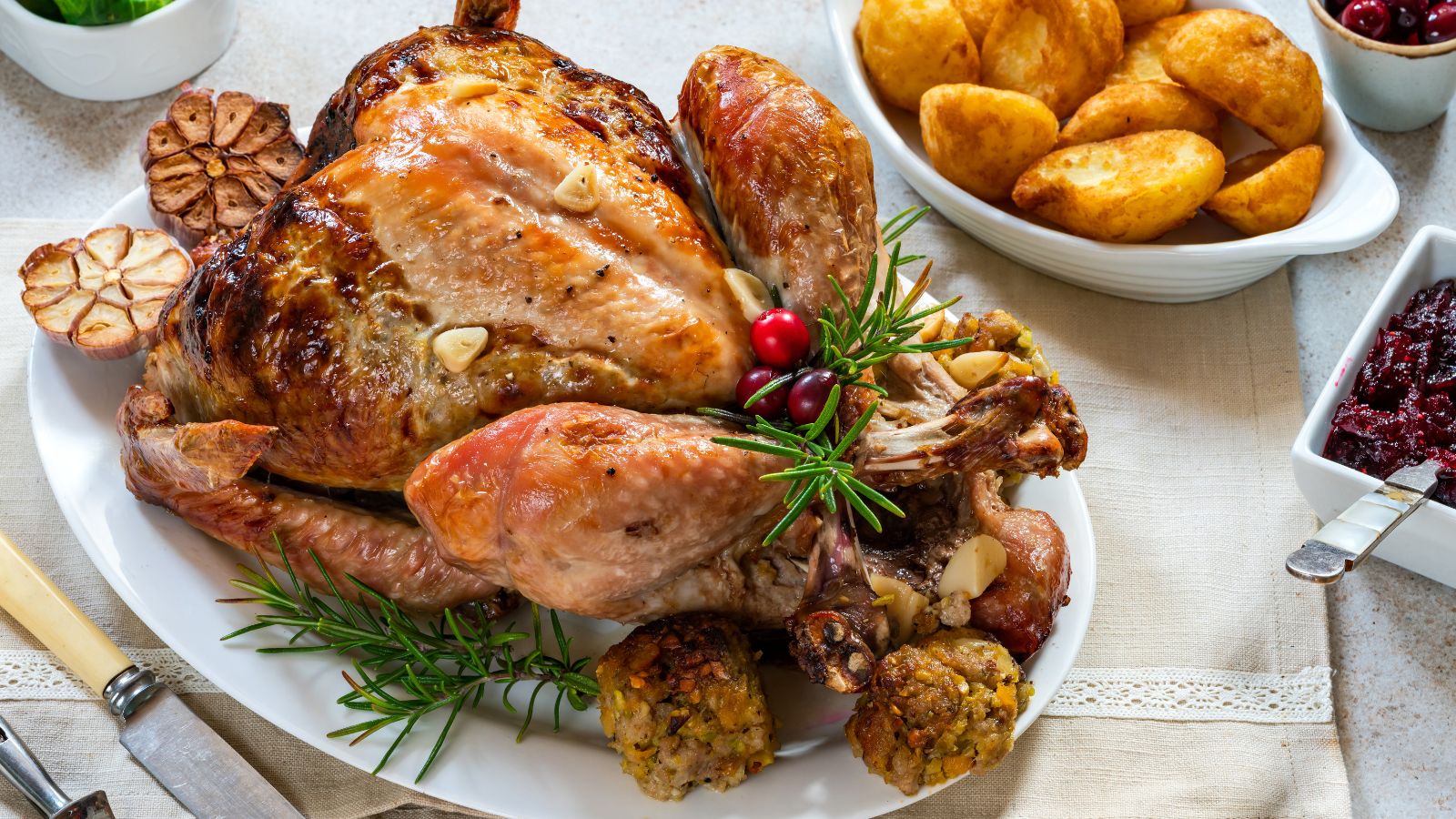
Turkey is often the most expensive single item on a Thanksgiving grocery bill, making the comparison between fresh, frozen and different bird sizes worthwhile. Sticker price alone can be misleading because turkeys are usually sold by weight. Comparing the price per kilogram provides a much clearer picture than comparing two packages with dramatically different total prices. A heavily promoted large turkey may have an attractive unit price, but it is not a bargain if the household cannot realistically use the leftovers. Fresh birds also carry a convenience premium in some stores because they require no multi-day refrigerator thaw.
Frozen turkey can make more sense for households shopping early, provided there is enough freezer and refrigerator space. Health Canada recommends thawing poultry safely in the refrigerator, cold water or microwave rather than on the counter, so buying an oversized frozen bird at the last minute can create a logistical problem. The best comparison therefore includes price per kilogram, bird size, available storage, thawing time and realistic leftover plans—not simply whether the package has a Thanksgiving sale sticker.
Ham
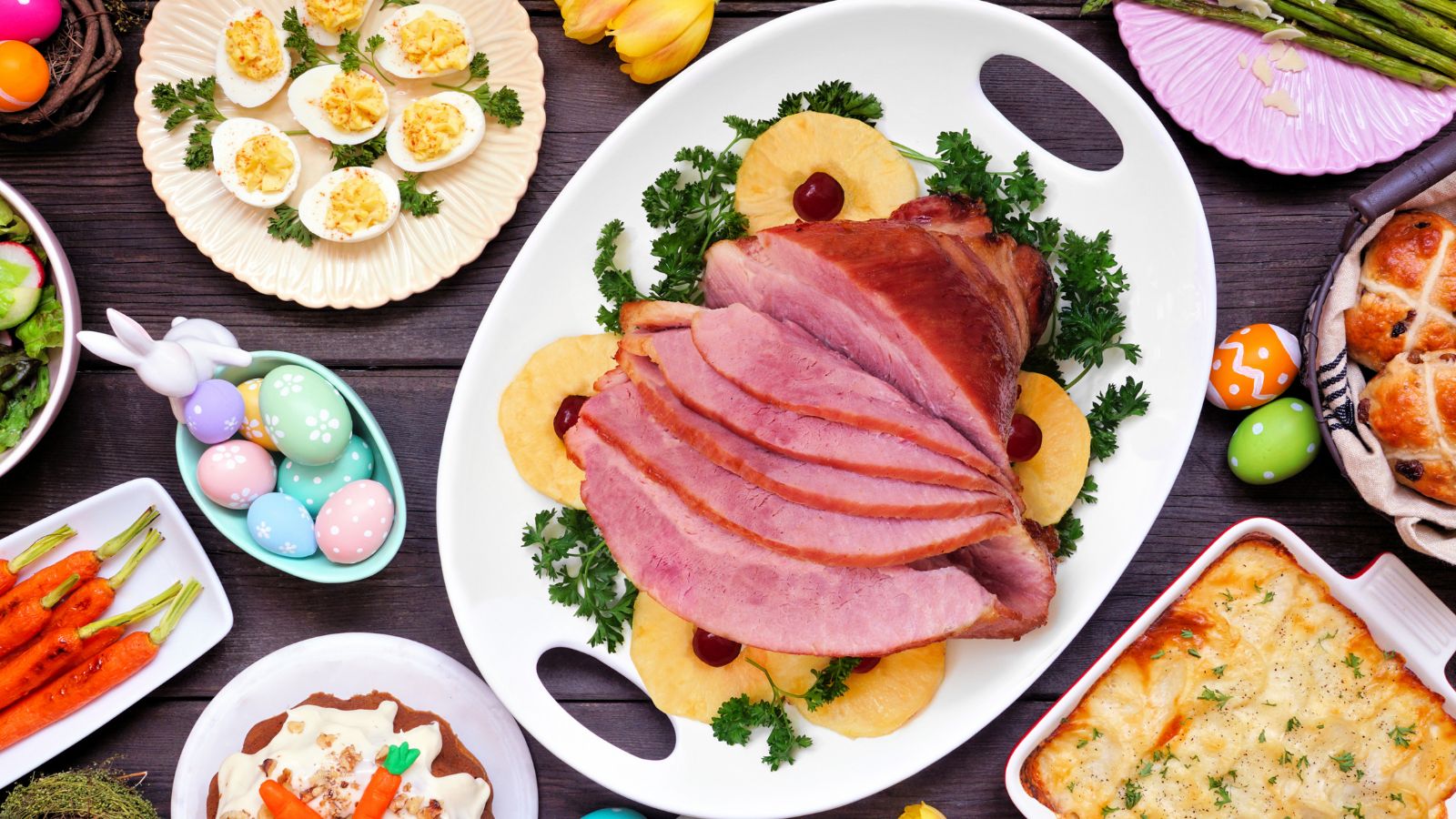
Ham is a popular alternative or second main dish when a gathering includes guests who are less enthusiastic about turkey. The comparison should begin with the amount of edible meat rather than simply package weight. A bone-in ham may carry a lower price per kilogram while yielding less sliced meat than a similarly sized boneless product. That does not automatically make boneless ham the better deal; bones can add flavour to soups and beans later. The important point is that two packages of equal weight may not deliver the same number of servings.
Nutrition labels are also useful when comparing prepared hams. Health Canada identifies processed meats as one of the common sources of dietary sodium and recommends using the Nutrition Facts table to compare similar products. A lower-priced ham may contain substantially more sodium per serving than another option. Glazes can add another variable, especially when they contain sugar or are sold as part of a premium package. Price, usable yield, sodium and intended leftovers all deserve consideration before the final choice.
Stuffing Mix

Boxed stuffing can be one of the easiest Thanksgiving shortcuts, yet there can be surprising differences between packages that look almost identical. Comparing cost per 100 grams is more informative than comparing box prices because package sizes vary. It is also worth looking at how many prepared servings the manufacturer claims each package makes. A small box that costs less may require two packages for a large table, wiping out the apparent savings. Store-brand stuffing can also be worth checking beside national brands rather than assuming one offers better value.
The Nutrition Facts table adds another comparison point. Prepared and processed foods are important sources of sodium in Canadian diets, and stuffing mixes can contain seasoning blends that make sodium levels vary considerably. Another option is using bread already on hand or buying a loaf specifically for homemade stuffing. That takes more preparation but gives the cook more control over seasoning and add-ins. The real comparison is therefore between convenience, serving yield, unit cost and the amount of seasoning already built into the product.
Potatoes

A large bag of potatoes often looks like the obvious Thanksgiving value, especially when mashed potatoes are expected to disappear quickly. But the cheapest price per kilogram is only useful if most of the bag will actually be eaten. Health Canada advises consumers to consider unit prices while also avoiding bulk purchases that may lead to waste. A smaller household may therefore spend less overall by purchasing loose potatoes or a smaller bag, even when the unit price is slightly higher.
Variety matters as well. Russets, Yukon Golds and red potatoes behave differently when mashed, roasted or boiled, so buying whichever bag happens to have the largest discount may not give the desired result. Potatoes with visible damage, significant sprouting or soft spots are also less useful than a sound bag that costs slightly more. A practical comparison considers the recipe, the number of guests, likely leftovers and storage space. Thanksgiving savings disappear quickly when several kilograms of bargain potatoes remain forgotten in a cupboard weeks later.
Butter

Thanksgiving baking, mashed potatoes and rich side dishes can send butter usage sharply higher for a few days, which makes package comparisons worthwhile. The most useful number is usually price per 100 grams rather than the price printed in large type on the shelf tag. Multipacks and larger formats may have a lower unit cost, but only households that regularly use or freeze butter will capture that saving. Otherwise, paying more upfront simply moves unused inventory into the refrigerator.
Shoppers should also recognize that Canada’s front-of-package nutrition-symbol rules treat butter differently from many prepared foods. Butter sold as butter is exempt from the mandatory front-of-package symbol, even though other foods may display symbols for high saturated fat, sugars or sodium. That means the absence of a symbol should not be interpreted as a nutritional comparison with another spread. Instead, compare the Nutrition Facts information, ingredient lists where relevant, unit cost, salt level and intended cooking use. For holiday baking, buying the correct type can matter more than saving a few cents on the wrong product.
Cranberry Sauce
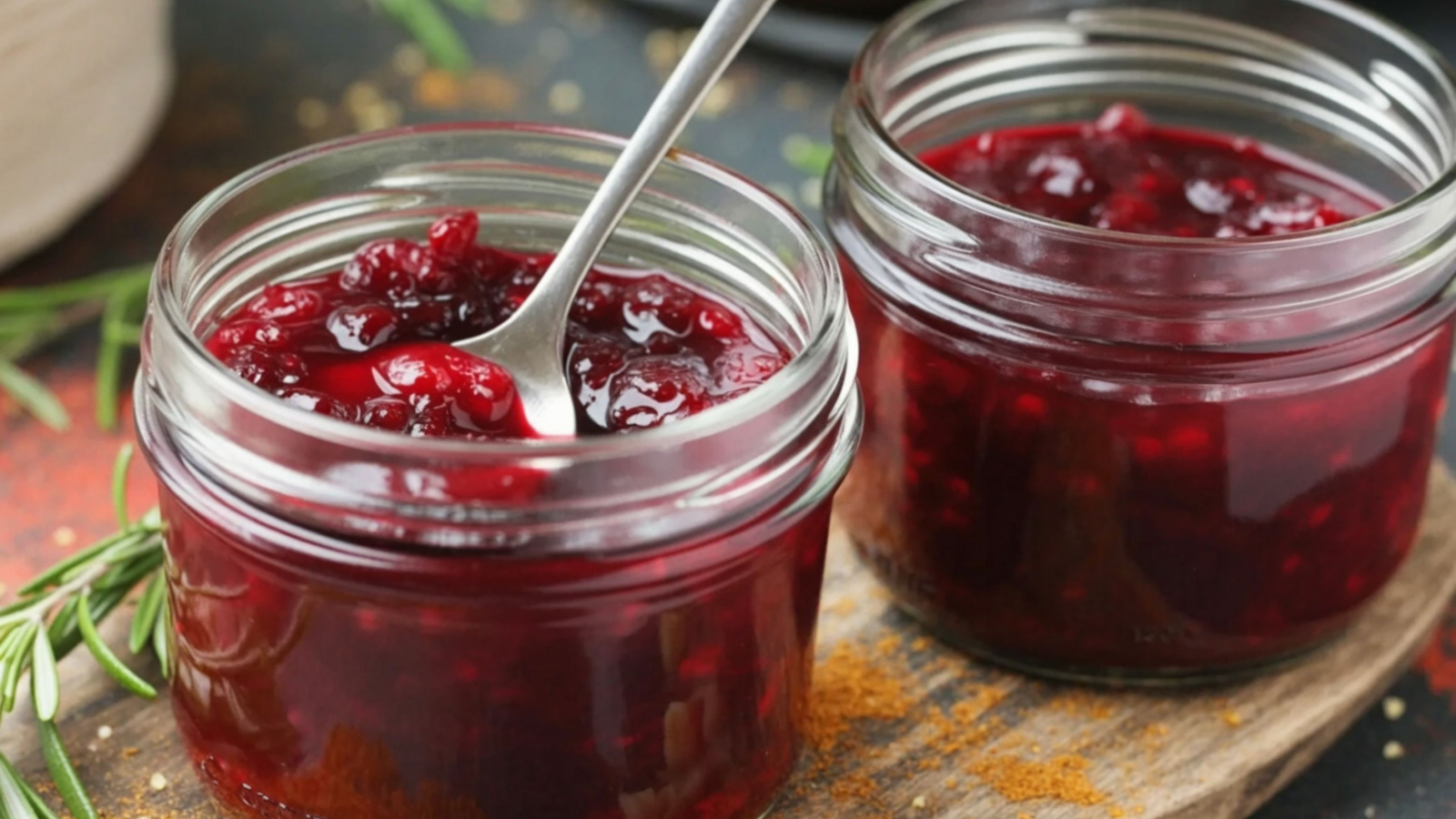
Cranberry sauce is one of those Thanksgiving purchases where three very different formats compete for the same place on the table: canned sauce, fresh cranberries and frozen berries. Canned sauce offers convenience and predictable texture, while fresh or frozen cranberries provide more control over sweetness and flavour. Health Canada notes that frozen fruit can be just as nutritious as fresh and can reduce food waste because only the needed amount has to be used. That makes frozen berries worth comparing when fresh cranberries are expensive or likely to go unused.
With prepared cranberry sauce, package size and sugar content deserve a closer look. Similar-looking cans or jars may have different serving sizes, so comparing Nutrition Facts panels works best when the serving amounts are comparable. Fresh berries also require sugar and cooking time, meaning homemade is not automatically cheaper once all ingredients are counted. The most sensible purchase depends on whether convenience, sweetness control, leftovers or the absolute lowest cost matters most to the household preparing the meal.
Gravy
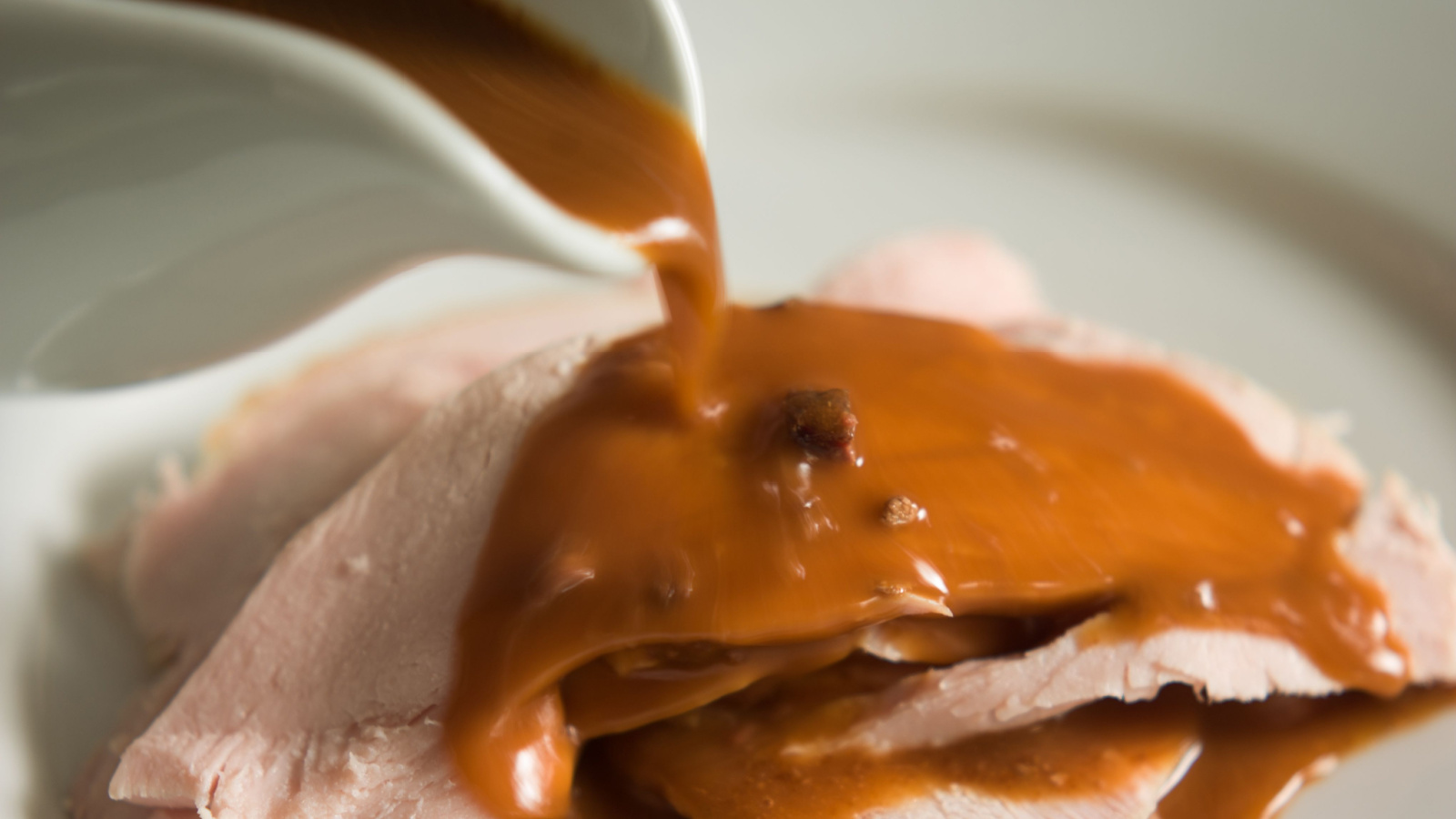
Gravy can be homemade, powdered, canned, jarred or sold refrigerated, and each format carries a different combination of price and convenience. Powdered packets may seem inexpensive but should be compared by the amount of prepared gravy they produce, not simply the packet price. Jars and cartons cost more upfront but reduce preparation at the busiest point of the meal. Homemade gravy can use turkey drippings already available in the kitchen, although extra stock, flour or seasonings may still be required.
Sodium is another important comparison because sauces and gravies are among the processed foods Health Canada identifies as potential sources of added sodium. Canada’s Nutrition Facts table makes it possible to compare similar products using serving size and percentage Daily Value. Under Health Canada’s guidance, 5% Daily Value or less is considered a little of a nutrient, while 15% or more is considered a lot. For families serving ham, stuffing and other seasoned foods alongside the gravy, comparing sodium can be especially useful because several individually modest sources can accumulate across one holiday plate.
Dinner Rolls
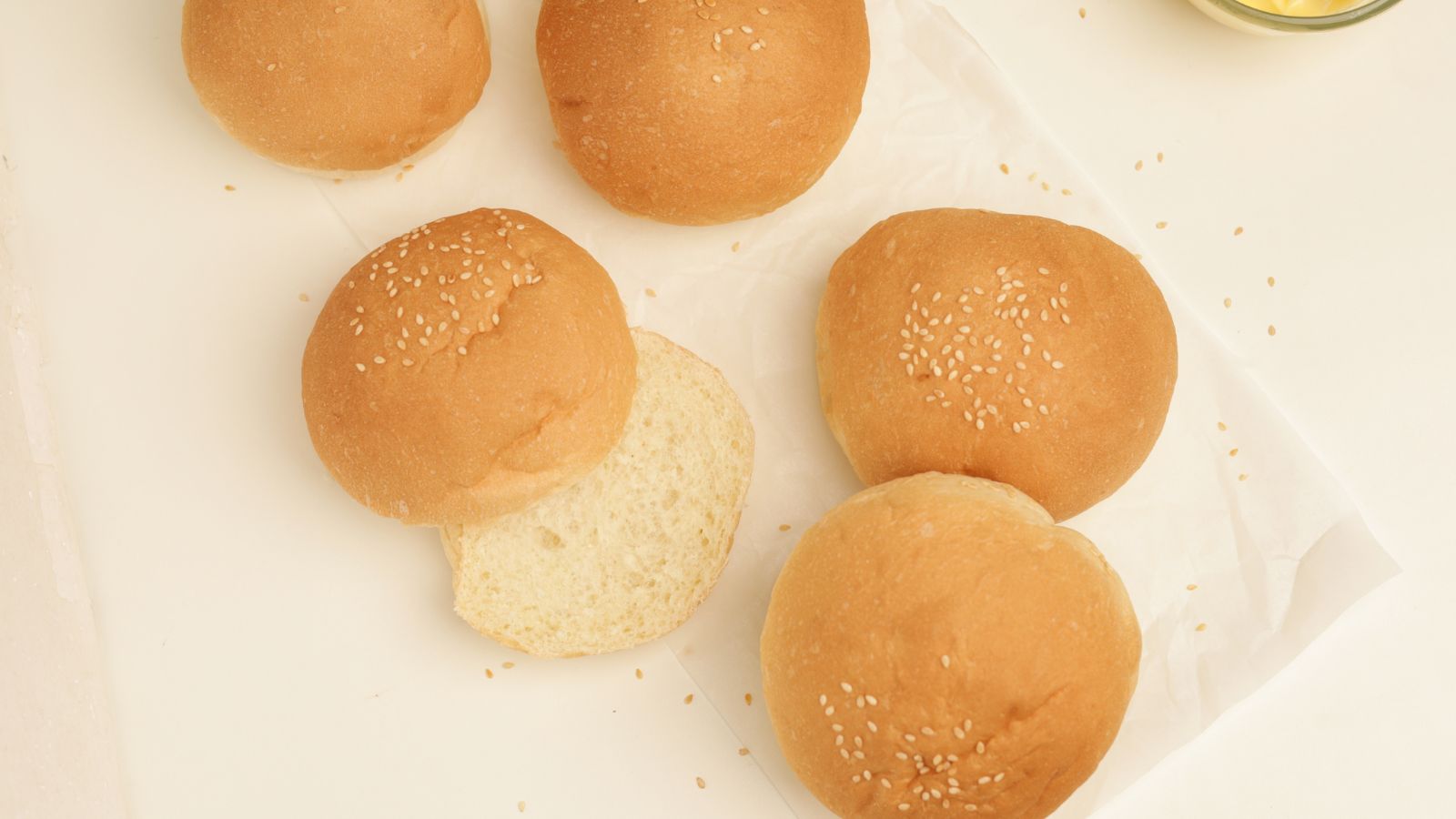
Warm dinner rolls are inexpensive compared with the turkey, yet they are surprisingly easy to overbuy. Bakery rolls, packaged buns, bake-at-home products and frozen dough all have different shelf lives, labour requirements and serving counts. A package of 24 may have the lowest unit cost, but a household expecting eight guests might ultimately spend more if half the rolls become stale. Health Canada’s budget guidance specifically warns that larger or bulk packages only save money when the food will actually be used.
Date labels also deserve attention, particularly when rolls are purchased several days before Thanksgiving. The Canadian Food Inspection Agency explains that a best-before date describes the expected quality of a properly stored, unopened product rather than guaranteeing food safety. Foods packaged in-store may instead carry a packaged-on date accompanied by shelf-life information. Frozen rolls can be useful when plans are uncertain because unused portions remain available later. Comparing freshness, package size, freezer space and price per roll is more meaningful than choosing whichever bag has the brightest holiday promotion.
Fresh and Frozen Vegetables
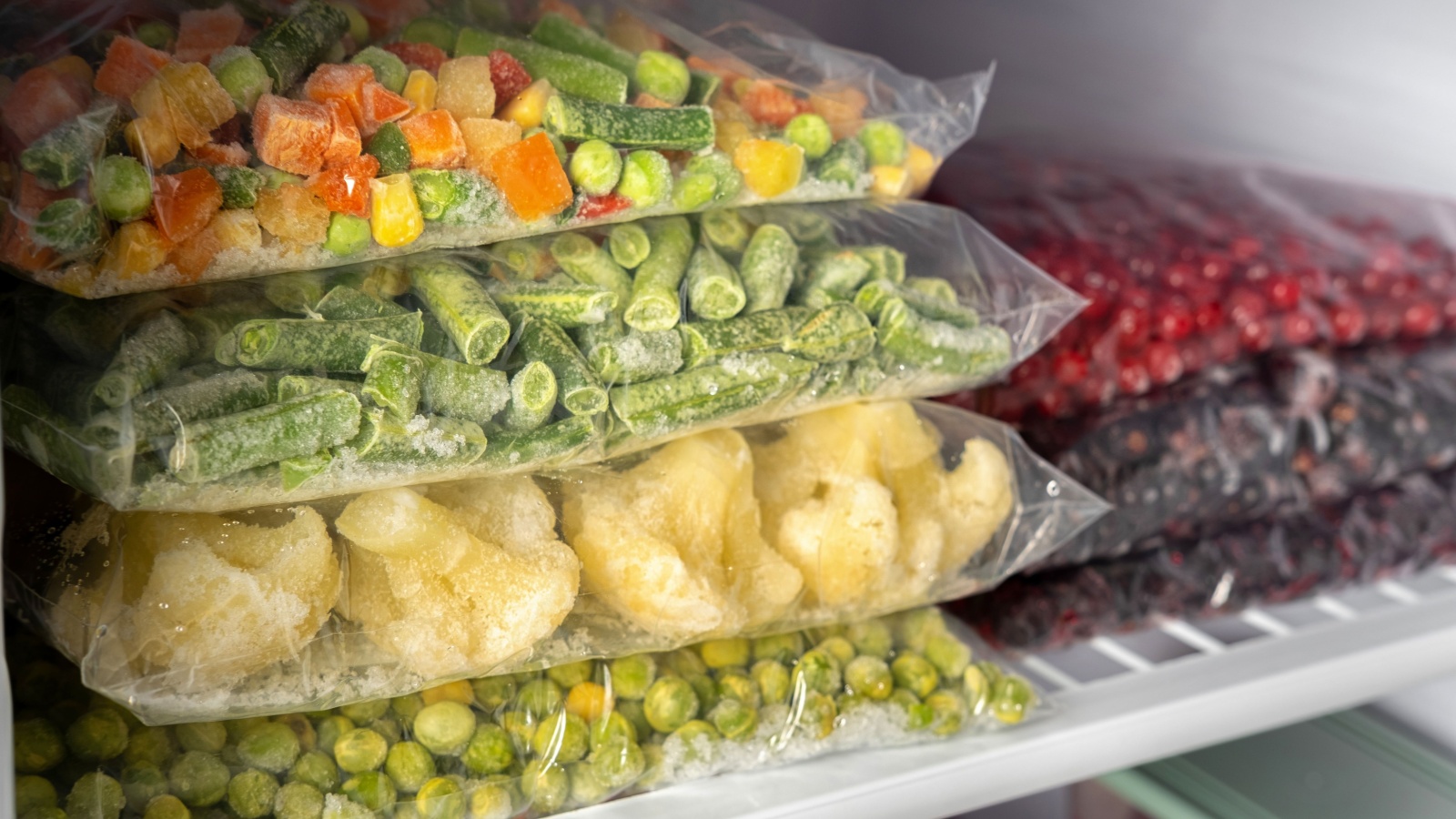
Thanksgiving produce displays make fresh carrots, beans, Brussels sprouts and squash look especially appealing, but fresh is not automatically the best-value format for every dish. Canada’s Food Guide says fresh, frozen and canned vegetables can all be healthy options and notes that frozen produce can be just as nutritious as fresh. Frozen vegetables may also cost less when produce is out of season and can reduce waste because cooks can return unused portions to the freezer.
Fresh vegetables still have advantages, particularly when texture and roasting quality are central to the recipe. The comparison should therefore extend beyond price. A household making roasted Brussels sprouts may prefer fresh, while frozen peas destined for a casserole could be the more economical choice. Pre-cut vegetables save labour but often command a convenience premium, and Health Canada specifically notes that pre-prepared foods can cost more. Comparing price per kilogram, preparation time, usable yield and expected leftovers can produce a very different answer from simply buying every vegetable from the same produce display.
Cheese and Appetizer Trays

Pre-made cheese trays can rescue a host who is short on time, but convenience is built into the price. Health Canada’s grocery-budget guidance specifically notes that prepackaged foods such as grated cheese can cost more than less-prepared alternatives. The same principle often applies to cubes, slices and assembled appetizer trays. Comparing the tray price with the cost of buying blocks of cheese and preparing them at home can reveal how much is being paid for slicing, arranging and packaging.
Nutrition can vary as well. Health Canada advises comparing cheeses using the Nutrition Facts table for saturated fat and sodium, even though many cheeses are exempt from the mandatory front-of-package symbol because they provide calcium. Portion size matters, too. A huge tray may look appropriate for a holiday gathering but can be poor value if dinner follows shortly afterward and much of it remains untouched. A useful comparison includes price per 100 grams, cheese variety, preparation time, serving size and how easily leftovers can be incorporated into sandwiches, omelettes or other meals.
Pumpkin Pie and Other Desserts
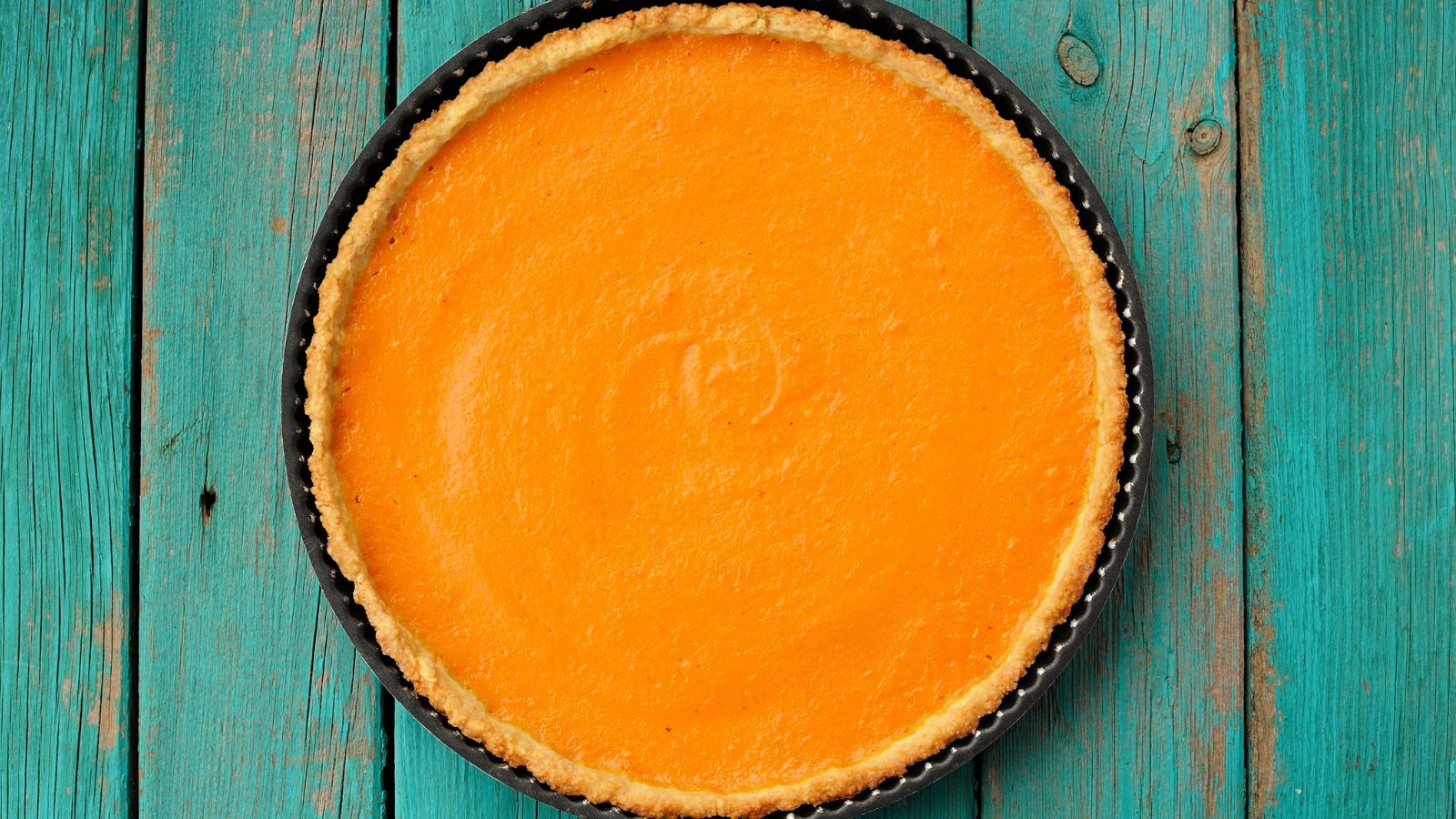
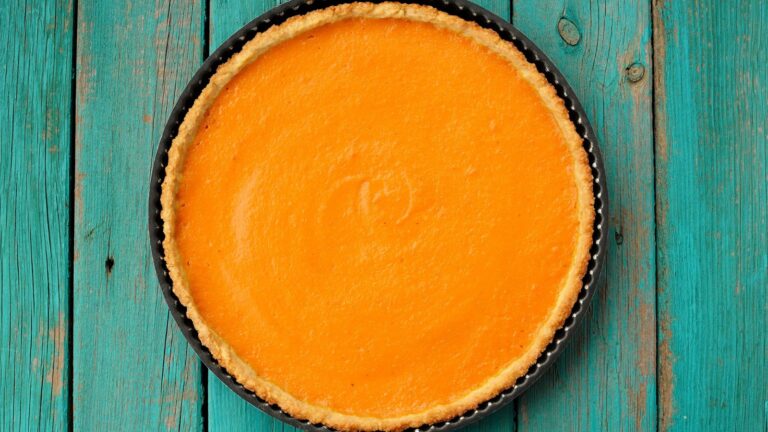
Pumpkin pie can be bought from an in-store bakery, selected from the freezer aisle or made from scratch, and none of those routes is automatically the cheapest. A bakery pie bundles ingredients and labour into one price, while homemade pie requires counting pumpkin, pastry ingredients, eggs, dairy, sugar and spices that may not already be in the pantry. Frozen pies can offer a middle ground but require oven or thawing time. Comparing the number of realistic servings provides a better measure than looking at diameter alone.
Freshness should also influence the purchase. CFIA rules generally require foods with a durable life of 90 days or less to carry relevant date information, although requirements vary depending on how and where the food is packaged. For bakery products prepared in-store, checking the packaged-on or best-before information can help when shopping several days early. Dessert also tends to generate optimistic purchasing: three pies can seem reasonable before dinner but excessive afterward. Comparing guest count, expected serving size, storage life and leftover plans can prevent a seemingly festive bargain from becoming food waste.
Baking Staples
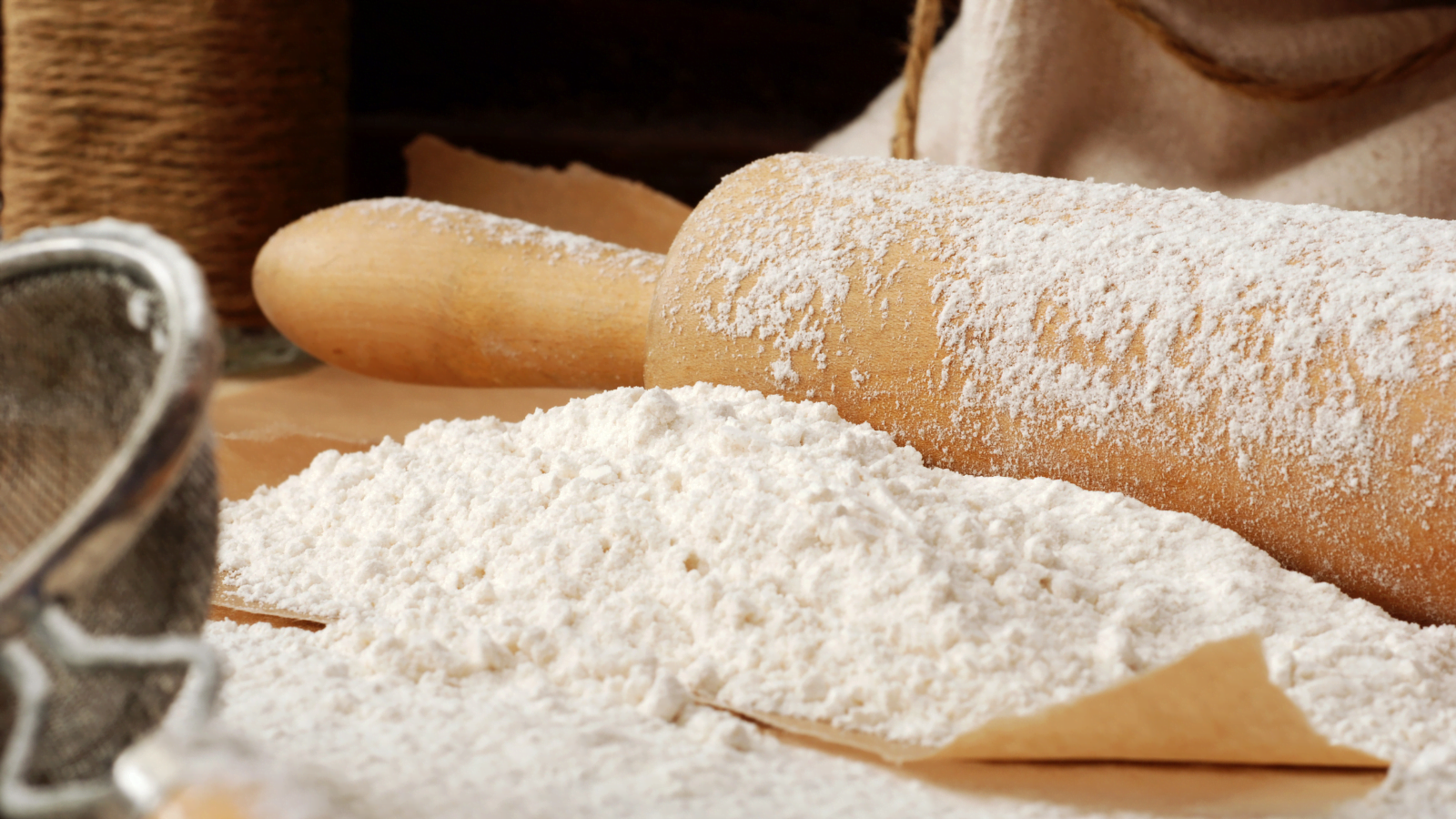
Flour, sugar, brown sugar and spices are classic examples of purchases where the largest package can appear cheapest without necessarily being the best buy. Unit pricing is particularly valuable here. Canada’s Competition Bureau describes unit pricing—such as the cost per 100 grams—as a simple way to compare products sold in different package sizes. A five-kilogram bag of flour can beat a smaller bag on unit cost, but that saving matters only when the remainder will be used and stored properly.
Spices deserve even more caution. Thanksgiving recipes may call for small amounts of cinnamon, nutmeg, cloves or poultry seasoning, making large containers unnecessary for households that rarely use them. Bulk sections can sometimes allow shoppers to purchase closer to the required quantity. Store brands are also worth comparing with branded staples rather than assuming that familiar packaging signals better value. Canada’s Food Guide recommends comparing generic and brand-name prices and warns against buying more than needed. For occasional bakers, minimizing unused ingredients may save more than chasing the lowest theoretical unit price.
Coffee and Tea

A long Thanksgiving meal can turn coffee and tea into an unexpectedly important part of the grocery list. Pods, ground coffee, whole beans, tea bags and specialty beverages can differ dramatically in cost per serving. Comparing package prices alone is difficult because one container may produce far more cups than another. A better approach is to estimate the number of servings from each package and consider whether the remaining product fits the household’s normal routine after guests leave.
Coffee accompaniments can also change the comparison. Flavoured creamers, sweetened drink mixes and specialty products may contain added sugars or saturated fat, while unsweetened coffee and tea are identified by Canada’s Food Guide as beverage options without those additions. The Nutrition Facts table can help when comparing prepared or flavoured products. Hosts should also resist buying several varieties merely to create a coffee-shop-style selection if most guests will drink the same thing. A familiar coffee in a sensible package size can be better value than multiple premium formats that remain open for months.
Soft Drinks and Sparkling Water

Multi-buy beverage promotions are everywhere around long weekends, but the lowest case price is not always the lowest cost per litre. Comparing bottles, cans and different case sizes using unit pricing can reveal substantial differences. Small cans may reduce unfinished drinks but usually contain less product per package, while two-litre bottles can be economical for a large gathering if they are likely to be finished. Sparkling water presents another comparison because plain carbonated water can provide the festive fizz without the sugar found in many soft drinks.
Health Canada recommends water as the beverage of choice and advises consumers to compare drinks for added sugars, sodium and saturated fat. Sugary drinks include regular soft drinks, fruit punches and sweetened teas, among others. Canada’s front-of-package nutrition-symbol requirements, fully phased in for 2026, also make it easier to identify many packaged foods and drinks that meet thresholds for sugars, sodium or saturated fat. For Thanksgiving shopping, the useful comparison is therefore cost per litre, realistic consumption, sugar content and whether unopened extras will actually be used afterward.
Roasting Pans
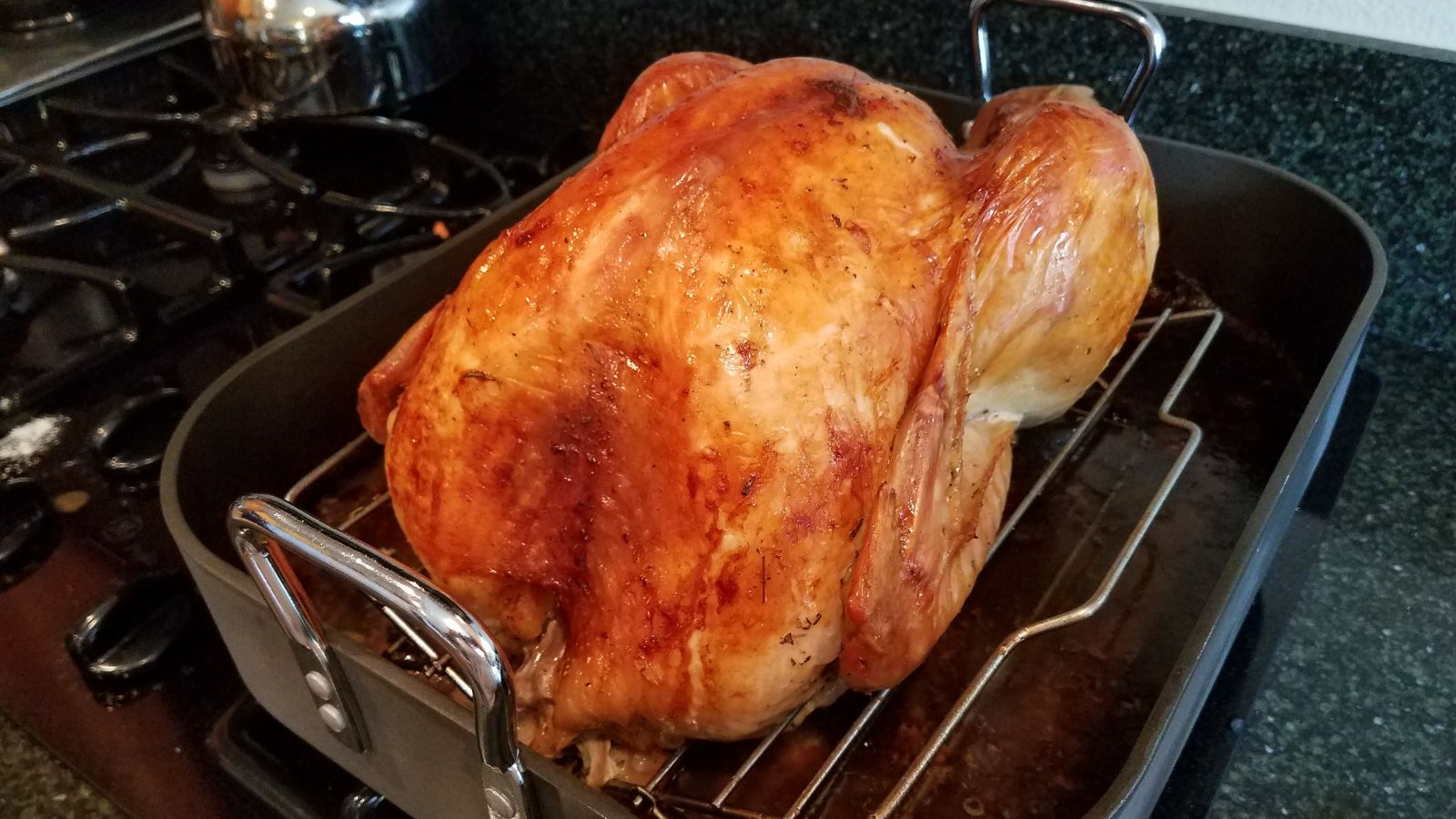
Thanksgiving can prompt an emergency roasting-pan purchase, especially when a turkey turns out to be larger than expected. Disposable aluminum pans are inexpensive and eliminate some cleanup, while a sturdy reusable roasting pan carries a higher upfront cost but can serve for years. A disposable pan may make perfect sense for an occasional cook, but someone who roasts frequently should compare the long-term cost rather than focusing solely on Thanksgiving weekend.
Material and intended use matter as much as price. Health Canada notes that aluminum cookware conducts heat well and is relatively inexpensive, but recommends following manufacturer instructions and avoiding prolonged storage of food in aluminum cookware. Acidic or salty foods can interact more readily with worn or pitted aluminum surfaces. Reusable pans also vary in construction, handles, rack design, oven compatibility and maximum temperature. Before paying for premium features, shoppers should confirm that the pan fits both the turkey and the oven. An oversized pan that cannot circulate heat properly—or cannot fit inside the oven at all—is no bargain regardless of its sale price.
Digital Food Thermometers
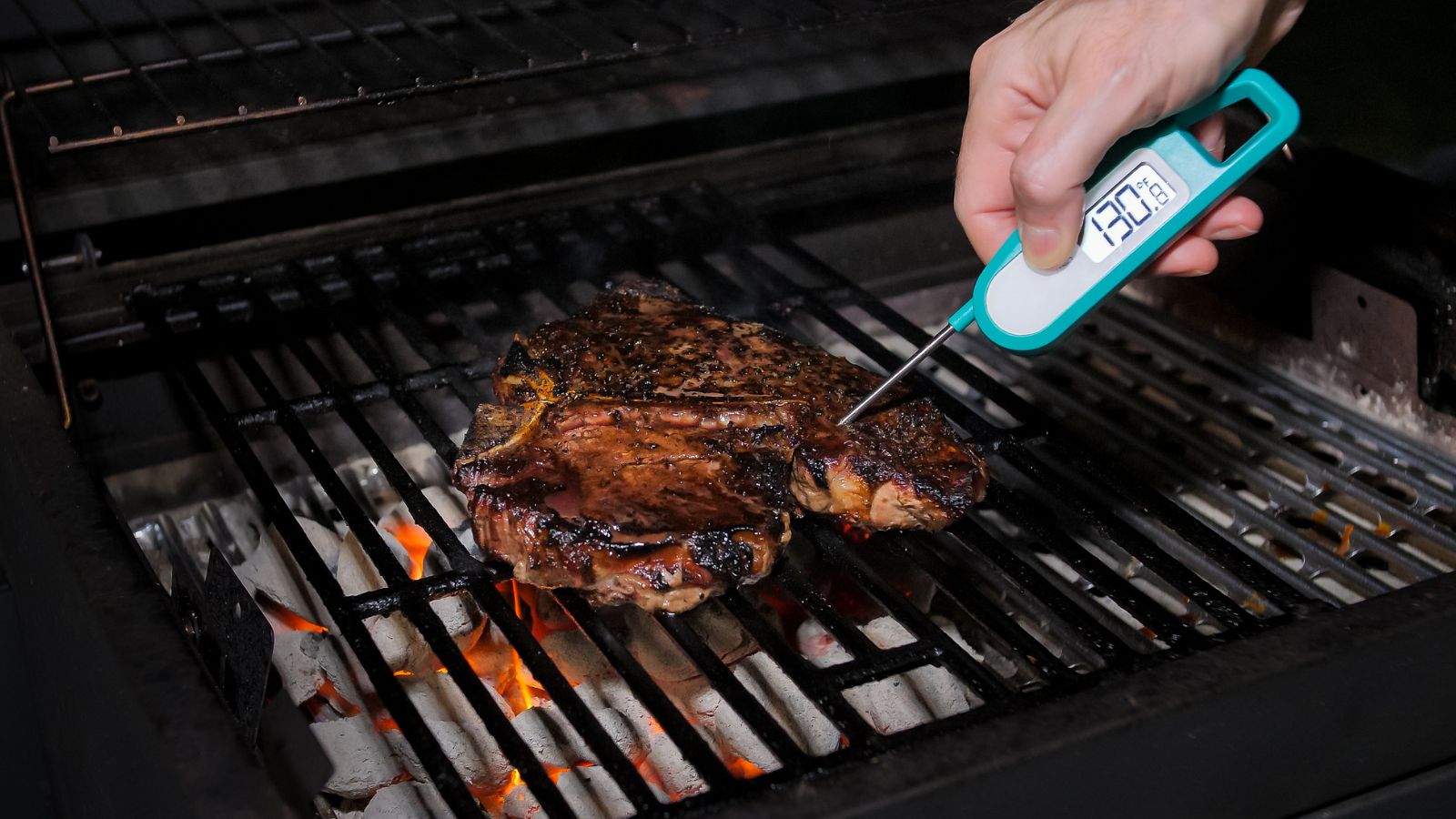
A meat thermometer is a small purchase with a much larger role than decorative Thanksgiving gadgets. Health Canada recommends using a digital food thermometer because appearance alone cannot reliably establish that poultry has reached a safe internal temperature. Current federal guidance lists 82°C for whole poultry and 74°C for stuffing. That makes a functioning thermometer particularly important for a large turkey whose outer skin can look finished while the thickest parts still require more cooking.
When comparing models, shoppers should distinguish between instant-read thermometers and probes designed to remain in food during cooking. Features such as response time, readability, temperature range, probe length and ease of cleaning may matter more than elaborate app connections. A thermometer that is simple enough to use repeatedly can be more valuable than a premium model that spends the year in a drawer. Health Canada also advises washing the thermometer between checks when it has contacted raw or partially cooked food. Thanksgiving is therefore a good time to replace a damaged or unreliable unit rather than gambling on an old kitchen gadget.
Slow Cookers and Countertop Appliances
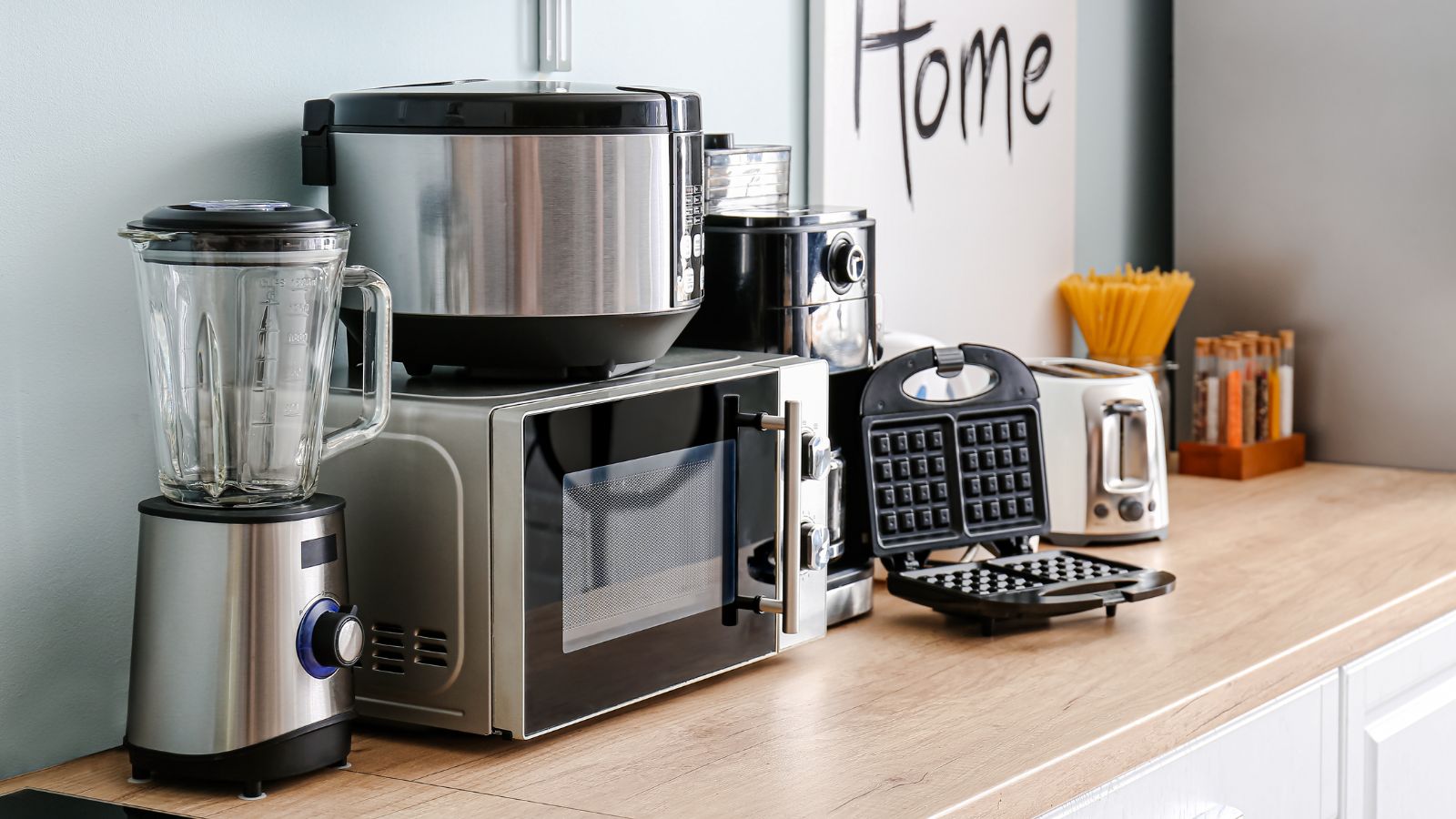
A slow cooker or other countertop appliance can be tempting when oven space becomes Thanksgiving’s scarcest resource. Before buying one specifically for the holiday, however, it is worth comparing capacity, storage requirements and likely year-round use. A huge slow cooker may accommodate potatoes or vegetables for a crowd but become cumbersome for ordinary weekday meals. Conversely, a small appliance bought solely because it is heavily discounted may not solve the actual problem of feeding a large gathering.
Energy use adds another dimension. Natural Resources Canada notes that small appliances such as slow cookers and microwaves generally use significantly less energy than a full-size oven or cooktop for suitable cooking tasks. That can make them useful for smaller dishes while the turkey occupies the oven. Still, energy savings alone rarely justify buying an appliance that will seldom be used. The better comparison weighs purchase price, usable capacity, counter and cupboard space, cooking functions, warranty and how often the appliance is likely to replace the main oven during the rest of the year.
Leftover Storage Containers

Thanksgiving almost guarantees leftovers, yet storage containers are often an afterthought until the refrigerator is full of awkward serving bowls. Buying containers before the holiday can make sense, but sets should be compared by usable sizes rather than piece count. A 30-piece set may count lids as separate pieces and still contain only a handful of containers large enough for turkey, potatoes or vegetables. Stackability and freezer compatibility can be more valuable than an impressive number printed on the package.
Food safety makes the purchase functional rather than merely organizational. Health Canada recommends putting leftovers into clean containers and using shallow containers so food cools quickly. Refrigerated leftovers should generally be eaten within two to three days or frozen. Containers used in the microwave should also be specifically labelled microwave-safe; takeout tubs and some single-use packaging are not designed for repeated heating. Glass, stainless steel and reusable food-grade plastic each have different weight, durability and reheating advantages. Comparing lids, sizes, temperature ratings and intended use helps avoid paying for a set that fails when the first batch of gravy needs storing.
Disposable Plates, Cutlery and Napkins
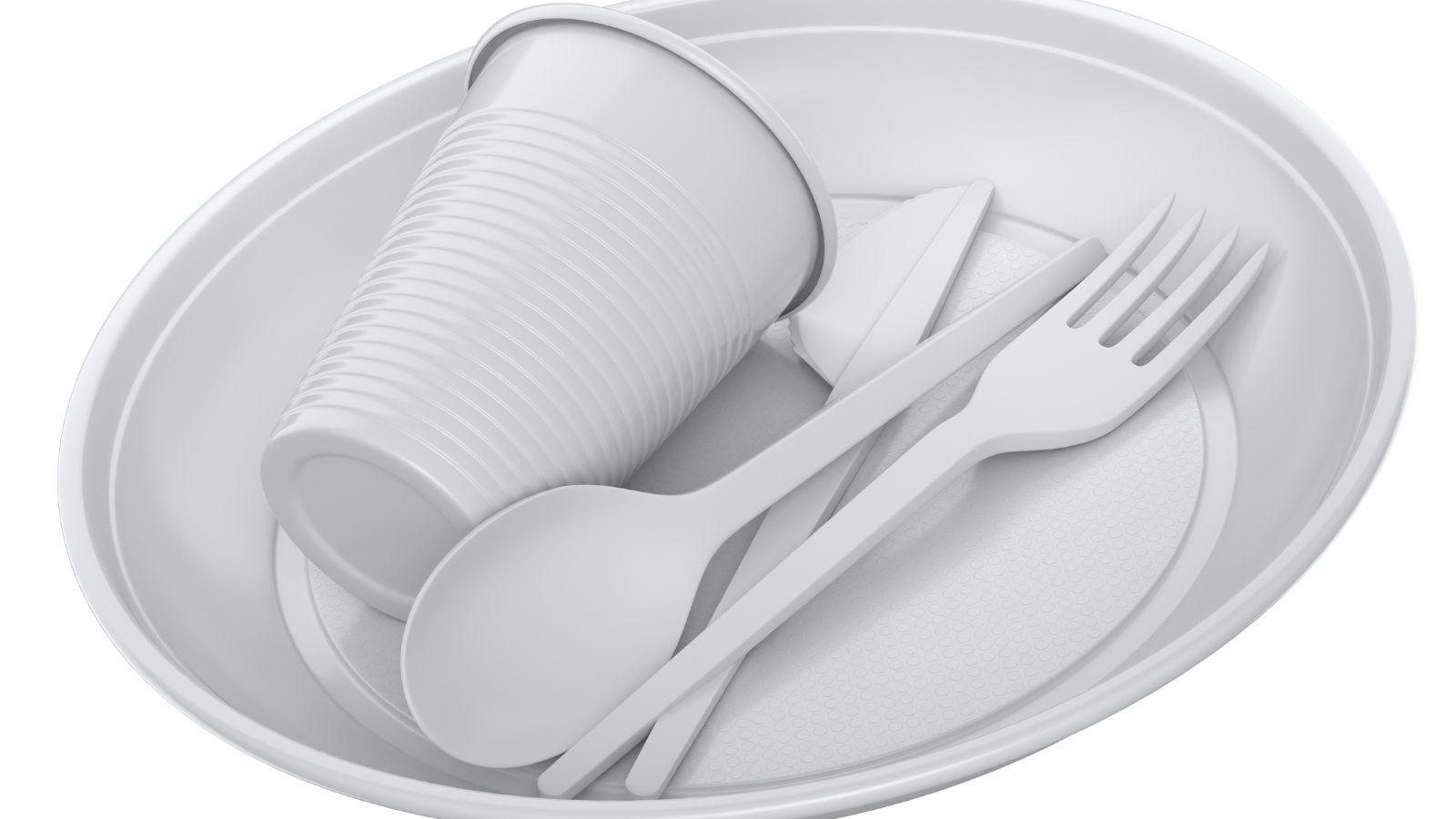
Disposable tableware saves cleanup, but convenience can become expensive when plates, bowls, napkins, cups and cutlery are all purchased separately for one meal. Comparing the total cost per guest with the cost of using dishes already in the cupboard can be revealing. For very large gatherings, disposables may still be practical, especially when there is limited dishware or no dishwasher. For smaller dinners, a package of 50 plates may simply create another half-used seasonal item that remains in storage.
Canadian rules also changed the disposable-product market. Federal Single-use Plastics Prohibition Regulations restrict the manufacture, import and sale of several categories of problematic single-use plastics, including certain cutlery and foodservice ware. As a result, shoppers increasingly encounter paper, fibre, wood and reusable alternatives. Those substitutes vary in stiffness, heat resistance and price. A bargain plate that bends under turkey and gravy can be frustrating, while premium compostable tableware may cost considerably more. Comparing strength, quantity, local disposal options and whether reusable dishes are practical produces a more realistic assessment than package price alone.
Candles and Table Décor

Seasonal centrepieces, decorative pumpkins, garlands and candles can quickly turn into a second Thanksgiving bill after the groceries are paid for. Before buying, it helps to separate items that can return every autumn from those designed for one dinner. Neutral table linens, reusable candle holders and durable decorations may cost more upfront but can be used for years. Highly specific disposable décor needs a much lower purchase price to offer comparable value.
Safety deserves particular attention around candles. Health Canada warns that burning candles should be kept away from curtains, decorations and other combustible materials and should never be left unattended. It also recommends sturdy candle holders and suggests flameless candles where possible. That means the cheapest decorative candle is not automatically the most sensible table purchase, especially in homes with children, pets or crowded dining tables. Battery-operated alternatives avoid an open flame, although products using button batteries require secure battery compartments around young children. The best Thanksgiving décor comparison balances appearance, reusability, storage, safety and the likelihood that the item will still be welcome next fall.
16 Costco Canada Habits That Could Be Costing Shoppers More Than They Save

The Executive Membership can feel like an obvious upgrade because the 2% annual reward sounds straightforward. For households that spend heavily at Costco Canada, the extra fee may be easy to justify. But the habit becomes costly when shoppers upgrade first and calculate later. A Gold Star Membership costs less, while Executive costs more and only pays off if eligible annual spending is high enough to offset the difference.
16 Costco Canada Habits That Could Be Costing Shoppers More Than They Save
This Options Discord Chat is The Real Deal
While the internet is scoured with trading chat rooms, many of which even charge upwards of thousands of dollars to join, this smaller options trading discord chatroom is the real deal and actually providing valuable trade setups, education, and community without the noise and spam of the larger more expensive rooms. With a incredibly low-cost monthly fee, Options Trading Club (click here to see their reviews) requires an application to join ensuring that every member is dedicated and serious about taking their trading to the next level. If you are looking for a change in your trading strategies, then click here to apply for a membership.