
35,000+ smart investors are already getting financial news, market signals, and macro shifts in the economy that could impact their money next with our FREE weekly newsletter. Get ahead of what the crowd finds out too late. Click Here to Subscribe for FREE.
A home insurance renewal can look deceptively routine: a new premium, a few updated numbers and a request to keep paying for another year. Yet a great deal can change between renewals, from rebuilding costs and weather risks to renovations, deductibles and the fine print around water damage. For Canadian homeowners heading into fall, those details become especially important as freezing temperatures, winter travel and storm season approach.
Simply accepting last year’s coverage can leave a household paying too much in one area while carrying an expensive gap somewhere else. These 17 things Canadians should know before renewing home insurance this fall highlight the questions worth asking before another policy year begins.
A Renewal Increase Does Not Necessarily Mean Something Changed at Home
17 Things Canadians Should Know Before Renewing Home Insurance This Fall
- A Renewal Increase Does Not Necessarily Mean Something Changed at Home
- The Home’s Rebuilding Cost Matters More Than Its Selling Price
- Replacement Cost and Actual Cash Value Are Not the Same Thing
- Guaranteed Replacement Coverage Still Comes With Conditions
- A Bigger Deductible Can Save Money Until a Claim Happens
- Overland Flood Coverage Should Never Be Assumed
- Sewer Backup Is a Separate Coverage Question
- Fire Coverage Is Broad, but Displacement Costs Have Limits
- Wind and Hail Damage Can Be Covered While Maintenance Is Not
- Aging Wiring, Plumbing and Heating Systems Can Affect Insurability
- Renovations Should Be Reported Rather Than Left Until the Next Claim
- Renting Space or Running a Business From Home Changes the Risk
- Jewellery, Art and Collections May Have Much Lower Limits Than Expected
- Personal Liability Deserves Attention Before Ice and Snow Arrive
- Claims History Can Influence What a Home Costs to Insure
- Shopping Around Works Best When Coverage Is Compared Alongside Price
- Winter Vacations Can Create Insurance Obligations at an Empty Home
- 16 Costco Canada Habits That Could Be Costing Shoppers More Than They Save

A homeowner can go an entire year without filing a claim and still open a renewal notice to find a higher premium. Insurers consider much more than an individual household’s recent experience. Replacement costs, the value of insured contents, the property’s location, nearby fire protection and claims patterns in the surrounding area can all influence pricing. A homeowner’s own claims history is another factor, but it is only one piece of a larger calculation.
Severe weather is increasingly part of that calculation across Canada. Insurance Bureau of Canada reported that insured damage from severe weather exceeded $2.4 billion in 2025, with major losses from an Ontario-Quebec ice storm, wildfires, Prairie storms, hail and flooding. That does not mean every household will see the same increase, but it helps explain why renewal pricing can change even when the house itself looks exactly as it did a year earlier. Asking the insurer what specifically changed can make the renewal notice much easier to evaluate.
The Home’s Rebuilding Cost Matters More Than Its Selling Price

A house that could sell for $900,000 does not necessarily need $900,000 of building insurance. Home policies generally focus on what it would cost to reconstruct the physical building after a covered total loss, rather than the home’s real-estate value. Land represents a significant part of market value in expensive Canadian cities, yet the land does not need to be rebuilt after a fire. Conversely, rebuilding a modestly priced rural or custom home could cost more than expected.
Those calculations deserve another look this fall because construction prices continue to change. Statistics Canada reported residential building construction costs across its 15-CMA composite were 2.3% higher in the second quarter of 2026 than a year earlier. Changes varied considerably by city. Renovated kitchens, finished basements, upgraded materials and additions can push a particular home’s rebuilding cost higher still. An outdated estimate can therefore leave the policy disconnected from what contractors would actually charge after a major loss.
Replacement Cost and Actual Cash Value Are Not the Same Thing

Two policies can both say they cover household belongings while producing very different settlements after a claim. Replacement-value coverage is generally intended to cover the cost of replacing an insured item with something comparable, subject to the policy’s conditions and limits. Actual cash value, by contrast, takes depreciation into account. That distinction becomes noticeable very quickly with electronics, furniture and other belongings that lose value as they age.
Consider an older television destroyed in an insured fire. The amount needed to purchase a comparable new television could be substantially higher than the depreciated value of the damaged one. The Financial Consumer Agency of Canada specifically advises consumers to understand which settlement method applies. Homeowners renewing coverage should therefore look beyond the total contents limit and ask how claims would actually be settled. A cheaper policy can become considerably less attractive if a large portion of the household’s property would be reimbursed on a depreciated-value basis.
Guaranteed Replacement Coverage Still Comes With Conditions

“Guaranteed replacement” can sound like a promise that rebuilding costs will never become the homeowner’s problem. The protection can indeed be valuable: when the applicable conditions are satisfied, guaranteed building replacement coverage may pay the cost of reconstructing a home after an insured loss even when that amount exceeds the stated building limit. It provides a buffer against unexpected increases in labour, materials and other rebuilding expenses.
The word “guaranteed,” however, does not eliminate policy requirements. The Financial Consumer Agency of Canada notes that conditions commonly apply, including maintaining insurance based on the insurer’s calculated replacement cost, reporting improvements that increase the home’s value and, depending on the contract, rebuilding on the same site. A substantial unreported addition or renovation could therefore become important after a loss. At renewal, homeowners with this feature should confirm both that it remains on the policy and what must be done to preserve it.
A Bigger Deductible Can Save Money Until a Claim Happens

Increasing a deductible is one of the traditional ways to lower an insurance premium. The trade-off is straightforward: the homeowner accepts a larger share of any covered loss before insurance begins paying. A household moving from a $500 deductible to $1,000 or $2,500 may reduce its annual cost, but it also needs enough readily available cash to absorb that amount when something goes wrong.
The calculation deserves more thought than simply choosing the quote with the lowest premium. A $2,000 repair paired with a $2,500 deductible effectively becomes the homeowner’s responsibility. Some policies may also contain different deductibles for particular types of losses, so the number shown most prominently on the renewal package may not tell the entire story. Before raising a deductible, homeowners should compare the annual savings with the additional amount they would need to pay after a realistic claim. The least expensive premium is not automatically the least expensive policy to live with.
Overland Flood Coverage Should Never Be Assumed
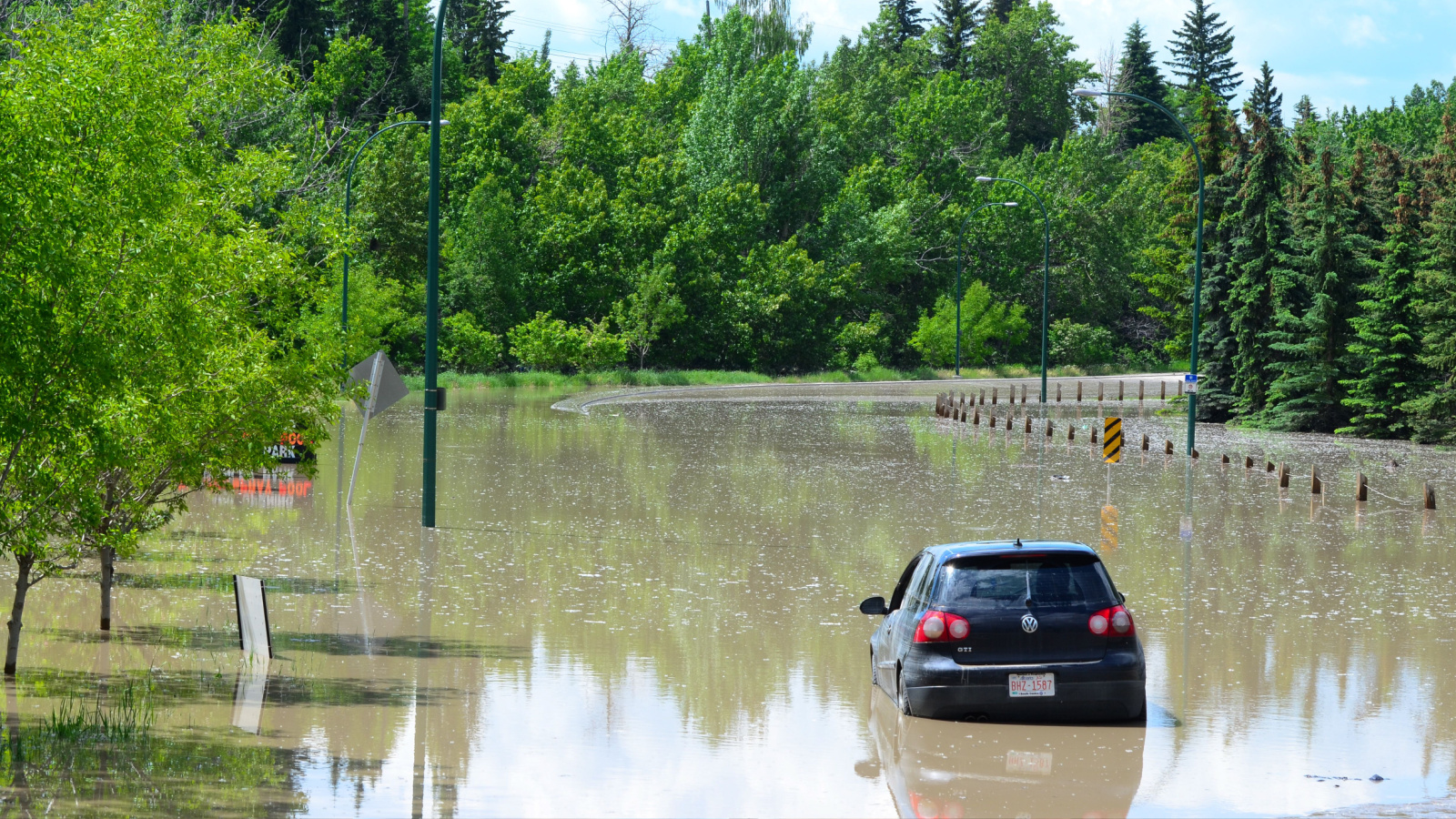
Canadian homeowners who see “water damage” somewhere in a policy can easily assume flooding is covered. That assumption can prove expensive. Overland flood protection is generally an optional form of coverage and can apply to water entering a home because of events such as overflowing rivers, surface water from heavy rainfall or melting snow. Availability, limits and definitions can vary by insurer and by the property’s level of flood risk.
That makes renewal an appropriate time to ask a very specific question: what happens if water comes across the ground and enters the house? Insurance Bureau of Canada notes that homeowners in known flood plains or other high-risk areas may face restrictions or may not be able to obtain certain coverage. Groundwater and seepage can also be treated differently from overland flooding. Rather than relying on a general reference to “water,” homeowners should identify exactly which water events are insured, the applicable limits and the deductible that would apply.
Sewer Backup Is a Separate Coverage Question
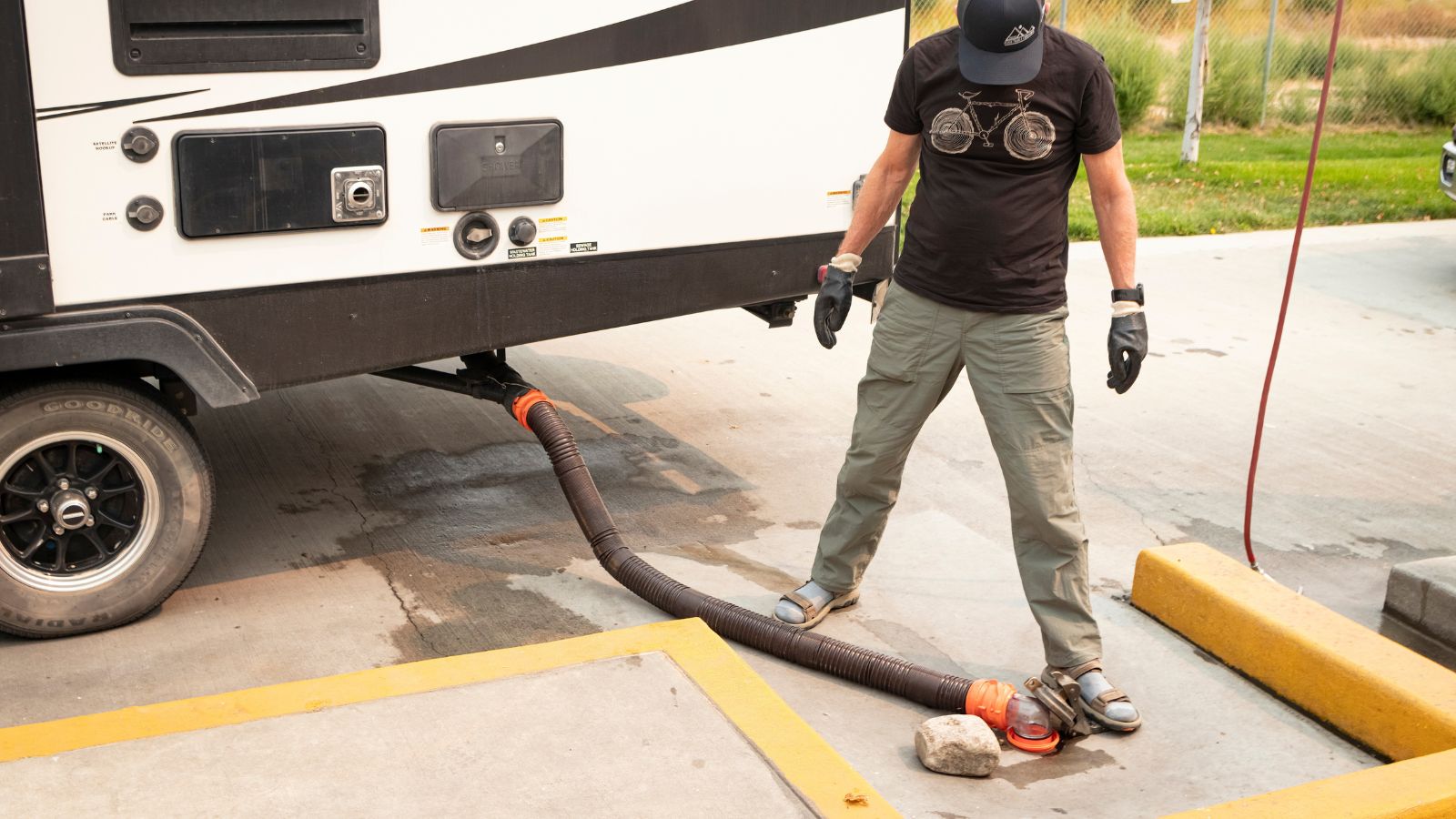
A basement full of contaminated water after a municipal sewer system becomes overwhelmed is different from a river flowing through a front door, and insurance policies commonly treat the two situations differently. Insurance Bureau of Canada states that basement water damage caused by sewer backup is covered only when the homeowner has purchased the applicable optional sewer-backup protection. Having another type of water coverage does not automatically settle the question.
The distinction matters because basements increasingly contain expensive living space. Furnaces, water heaters, electrical equipment, home theatres, offices, flooring and finished walls can turn one backup into a substantial loss. Homeowners should confirm both whether sewer-backup coverage is present and how much protection it provides. A relatively small sub-limit may be inadequate for a fully finished basement. Fall is also a logical time to consider prevention measures such as maintaining drainage systems and discussing backwater valves or other risk-reduction steps with qualified professionals.
Fire Coverage Is Broad, but Displacement Costs Have Limits
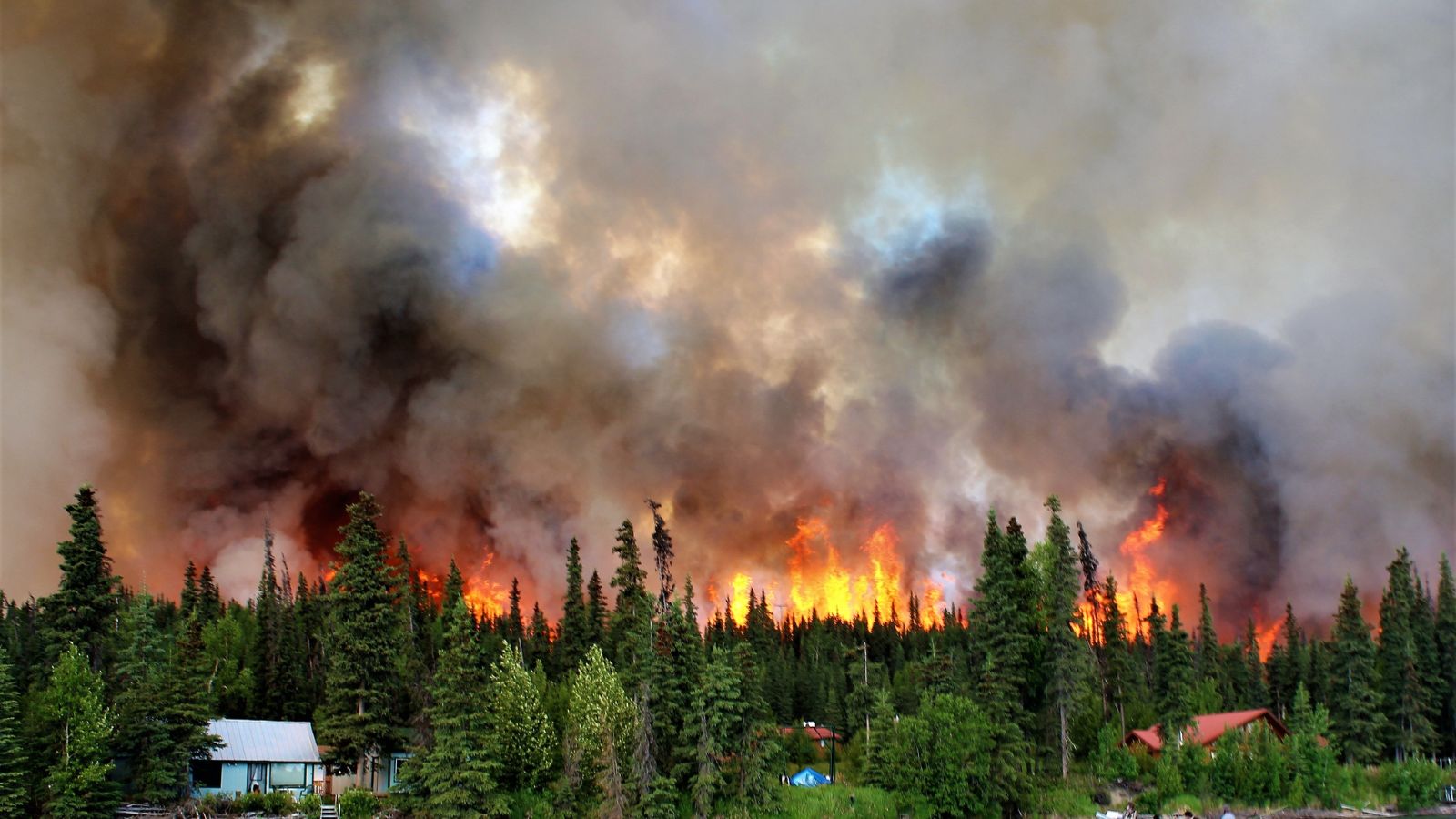
Fire remains one of the better-understood home insurance risks. Standard Canadian homeowner policies generally cover damage caused by fire, including wildfire. Another important benefit can become just as valuable after a major loss: additional living expense coverage. When an insured event makes a home uninhabitable, this portion of a policy may cover extra costs associated with temporary accommodation and other increases in normal living expenses.
The details deserve attention before wildfire smoke or a neighbourhood evacuation makes them urgent. Insurance Bureau of Canada notes that standard home policies include additional living expense protection and may also provide limited protection when civil authorities order an evacuation. Limits and time periods still apply. The coverage is intended for additional costs caused by displacement, rather than every normal household expense. A family that could be out of its home for months after a major fire should understand the dollar limit, time limit and circumstances under which evacuation coverage starts and stops.
Wind and Hail Damage Can Be Covered While Maintenance Is Not

Autumn windstorms and early winter weather can punish an aging roof, siding and exterior fixtures. Standard home policies commonly cover sudden damage caused by wind or hail, including certain damage from falling branches, flying debris and water entering through an opening suddenly created by the storm. That protection does not turn a home insurance policy into a maintenance contract.
An old roof illustrates the difference. If a storm suddenly tears shingles from an otherwise maintained roof and causes insured damage, coverage may apply according to the policy. If the roof has simply deteriorated over many years and begins leaking because it has reached the end of its service life, the worn-out roofing itself may not be covered. Pre-existing damage also matters. Before renewal, homeowners should examine the condition of roofs, eaves, siding and other exposed components. Insurers may ask about roof age, and deferred maintenance can create both underwriting concerns and unpleasant surprises when a claim is adjusted.
Aging Wiring, Plumbing and Heating Systems Can Affect Insurability
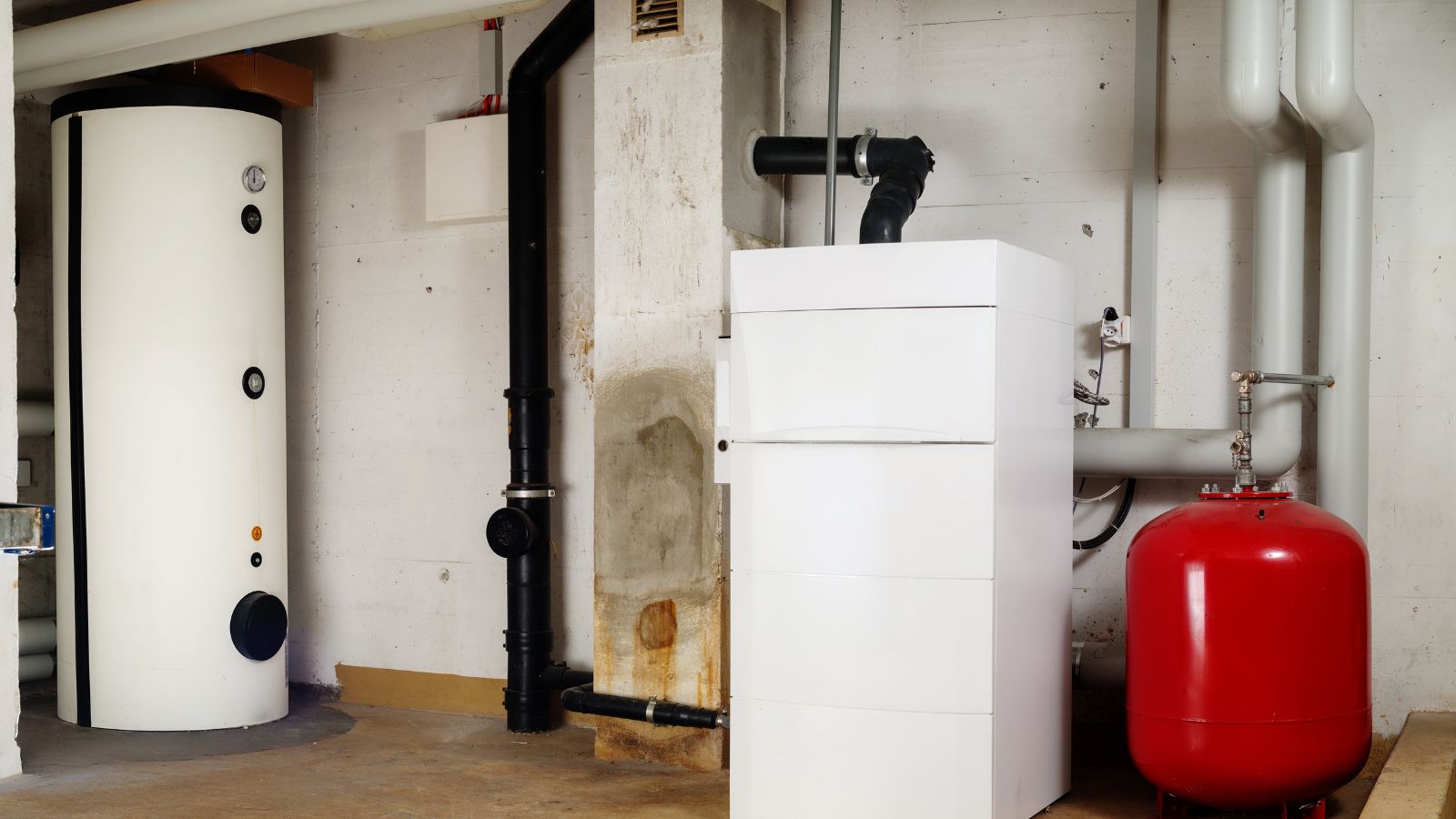
The kitchen countertops may attract more attention during a renovation, but insurers often care deeply about what is hidden behind walls and in mechanical rooms. Insurance Bureau of Canada identifies electrical systems, plumbing, roofing and heating-related features among the characteristics insurers consider. Older knob-and-tube or aluminum wiring, low-capacity electrical service and aging plumbing materials can raise questions because they are associated with different loss risks.
Wood-burning appliances can matter as well. Insurers may request information or inspections when homes contain wood stoves or fireplaces, while updates to electrical and plumbing systems may improve a property’s risk profile. Renewal is therefore a useful time to make sure the insurer’s records match reality. A homeowner who replaced galvanized plumbing, upgraded an electrical panel or installed a new roof should not assume the information automatically reached the insurer. Providing accurate details can help prevent underwriting misunderstandings and ensure the policy reflects the home that actually exists today.
Renovations Should Be Reported Rather Than Left Until the Next Claim

A finished basement, major kitchen renovation or new addition can increase both the replacement cost of a home and the amount an insurer could ultimately have to pay after a loss. Canadian insurance guidance consistently tells homeowners to report material changes and renovations. Waiting until after a serious claim to explain that an additional bedroom, luxury kitchen or substantial extension was added creates an avoidable complication.
The same principle applies to features that can change liability or property risk, such as a new swimming pool or spa. An insurer may need to update the building value, endorsements, liability considerations or other underwriting information. Homeowners should therefore make renewal a yearly checkpoint: compare the description on the policy with what has changed on the property since the previous term. Even work completed months earlier is worth discussing. Accurate information is not merely administrative housekeeping; material misrepresentation or failure to disclose important changes can affect how an insurance contract responds.
Renting Space or Running a Business From Home Changes the Risk

A spare bedroom can become a rental suite, and a kitchen table can become the headquarters of a small business surprisingly quickly. Both changes can matter to an insurer. Homeowners are expected to tell their insurance representative when they rent or lease all or part of the property or begin operating certain home-based businesses. A standard homeowner policy was designed primarily around personal residential use, not every commercial or landlord exposure.
Business property and liability are particularly easy to underestimate. Insurance Bureau of Canada notes that homeowner policies may provide only small limits for business books, tools or equipment, while personal liability coverage typically does not substitute for commercial liability protection. A client slipping on an icy walkway during a business visit, for example, can raise issues beyond damaged office equipment. Anyone who started consulting, storing inventory, offering daycare, hosting paying guests or renting part of the home since the previous renewal should disclose that activity and ask whether additional coverage is required.
Jewellery, Art and Collections May Have Much Lower Limits Than Expected

A homeowner can have hundreds of thousands of dollars in overall contents coverage while still being underinsured for a single valuable possession. Home policies commonly place special dollar limits on categories such as jewellery, fine art, antiques, cash, furs, watercraft or collections. Those special limits can apply even when the policy’s headline contents limit looks more than adequate.
That makes a home inventory particularly useful at renewal. An engagement ring purchased years ago may be worth more now, while a collection may have expanded gradually without anyone reconsidering the insurance. Insurance Bureau of Canada recommends reviewing home inventories and considering endorsements for valuable items that would otherwise be subject to policy caps. Receipts, appraisals, photographs and serial numbers can also become useful evidence during a future claim. A few minutes spent documenting expensive belongings before a loss is far easier than trying to reconstruct ownership details after a theft, fire or major water event.
Personal Liability Deserves Attention Before Ice and Snow Arrive

Home insurance is not only about replacing damaged walls and possessions. It also commonly includes personal liability protection for bodily injury or property damage the insured unintentionally causes to other people, subject to the policy’s terms and limit. That part of the contract can become especially relevant during a Canadian winter, when icy walkways, snow-covered steps and other hazards create opportunities for serious injuries.
Insurance Bureau of Canada uses slips and falls as a practical example of homeowner liability risk and stresses the importance of keeping property reasonably safe. A guest injured on an inadequately maintained walkway could potentially bring a claim alleging negligence. Renewal therefore offers a chance to confirm the liability limit rather than assuming the amount selected years ago is still appropriate. Homeowners should also understand exclusions and whether additional liability protection is available if their assets or circumstances have changed. The liability section may receive little attention until a lawsuit makes it the most important part of the policy.
Claims History Can Influence What a Home Costs to Insure

Not every broken window or minor leak automatically needs to become an insurance claim. Insurance Bureau of Canada says a homeowner’s personal claims history may affect premiums because previous claims can be used by insurers when assessing future risk. A policyholder may also have a claims-free discount that could be relevant when deciding whether to submit a relatively small loss.
That does not mean homeowners should avoid legitimate claims when insurance is needed. It means the deductible, estimated repair cost and potential effect on discounts are worth understanding before making a decision on a modest loss. IBC specifically advises policyholders to consider whether paying for damage themselves may make sense in situations where the repair amount is low relative to the deductible or a claims-free discount is involved. At renewal, reviewing the household’s recent claims history can also reveal why pricing changed and help frame better questions when comparing competing quotes.
Shopping Around Works Best When Coverage Is Compared Alongside Price

Renewal time provides a natural opportunity to obtain quotes without creating the complications that can accompany cancelling a policy partway through its term. Canadian consumer guidance encourages homeowners to shop around because insurers can price the same property differently. Discounts may also be available for combining home and auto insurance, installing security measures or making a property more resistant to certain losses.
Price should not be compared in isolation. One quote may have a higher deductible, lower water-damage limits or different exclusions, while another may include endorsements that would cost extra elsewhere. FSRA recommends asking about exclusions, valuables, flood protection, sewer backup, deductibles and available discounts when comparing property insurance. Homeowners with mortgages should also make sure a switch produces no gap in coverage and that required lender information is handled correctly. A $150 saving can disappear quickly if it comes with several thousand dollars less protection where the household actually needs it.
Winter Vacations Can Create Insurance Obligations at an Empty Home

Renewing in fall is a good time to read the rules for leaving the property empty during the heating season. Most home policies continue to provide protection during ordinary vacations, but longer absences or winter conditions can create specific obligations. Insurance Bureau of Canada advises people planning extended absences to tell their insurer and notes that individual policies may require someone to check the home periodically while the occupants are away.
Frozen pipes are the classic concern. Homeowners may need to maintain heat, arrange regular inspections or shut off and drain plumbing depending on the circumstances and policy language. IBC warns that frozen-pipe damage can be excluded when a property is vacant or when required precautions are not followed. The exact inspection interval is not universal, which makes checking the contract essential. For snowbirds, long holiday trips and extended work travel, arranging a trusted person to inspect the home can be just as important as locking the doors before leaving.
16 Costco Canada Habits That Could Be Costing Shoppers More Than They Save
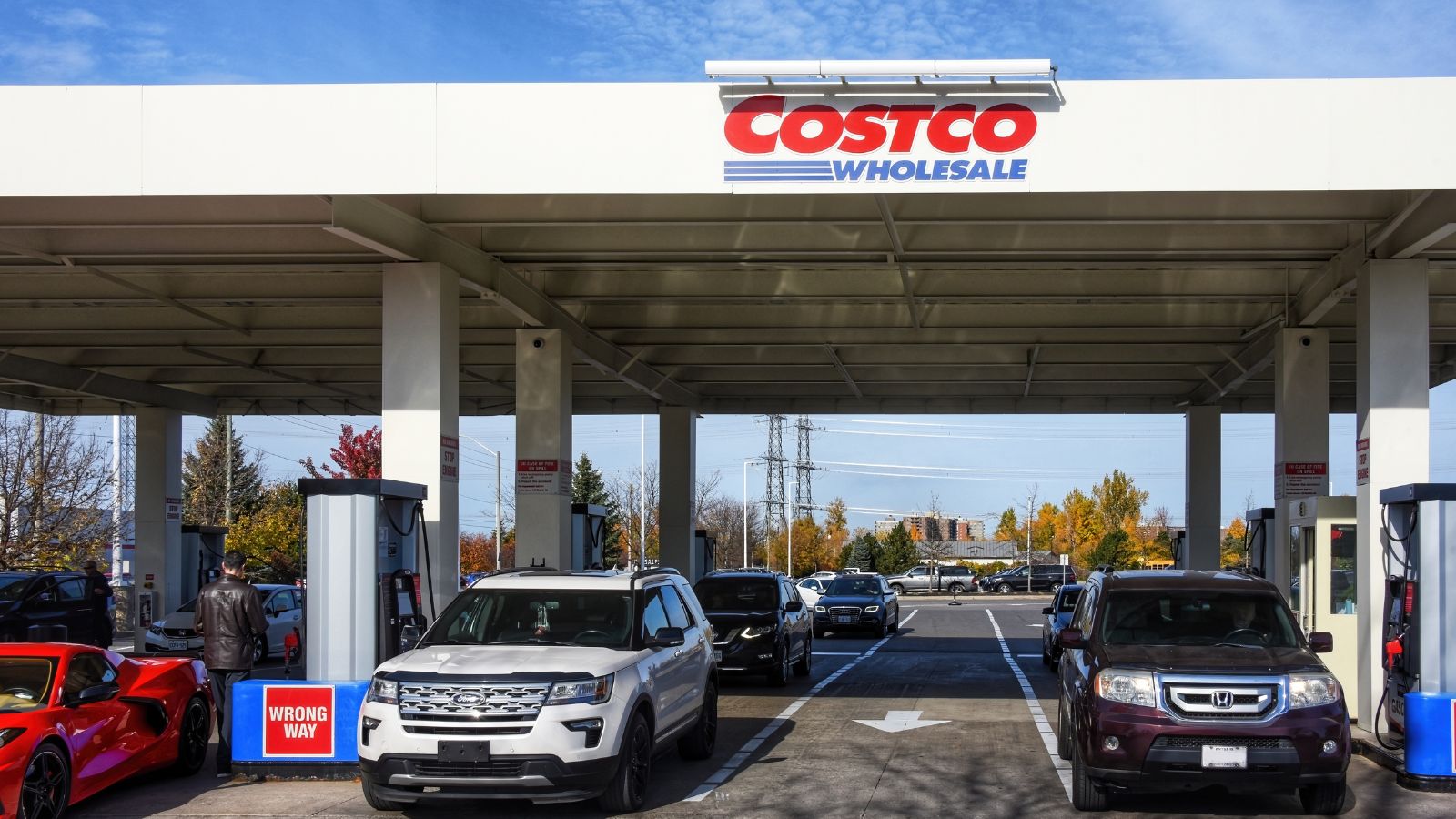
The Executive Membership can feel like an obvious upgrade because the 2% annual reward sounds straightforward. For households that spend heavily at Costco Canada, the extra fee may be easy to justify. But the habit becomes costly when shoppers upgrade first and calculate later. A Gold Star Membership costs less, while Executive costs more and only pays off if eligible annual spending is high enough to offset the difference.
16 Costco Canada Habits That Could Be Costing Shoppers More Than They Save
This Options Discord Chat is The Real Deal
While the internet is scoured with trading chat rooms, many of which even charge upwards of thousands of dollars to join, this smaller options trading discord chatroom is the real deal and actually providing valuable trade setups, education, and community without the noise and spam of the larger more expensive rooms. With a incredibly low-cost monthly fee, Options Trading Club (click here to see their reviews) requires an application to join ensuring that every member is dedicated and serious about taking their trading to the next level. If you are looking for a change in your trading strategies, then click here to apply for a membership.