
35,000+ smart investors are already getting financial news, market signals, and macro shifts in the economy that could impact their money next with our FREE weekly newsletter. Get ahead of what the crowd finds out too late. Click Here to Subscribe for FREE.
Fall can be an awkward season for household utility costs. Air conditioning may finally be switched off, yet furnaces, baseboards and heat pumps are beginning another heating season. At the same time, electricity pricing schedules, equal-payment plans and meter readings can create changes that are easy to mistake for ordinary seasonal spending.
A higher total does not always mean a household suddenly consumed far more energy. Billing-period length, estimated readings, delivery charges, rate structures and old balances can all change the number at the bottom of the page. These 16 things Canadians should never ignore on a fall utility bill can help distinguish a predictable seasonal increase from a charge that deserves a closer look.
The Billing Period Is Longer Than Usual
16 Things Canadians Should Never Ignore on a Fall Utility Bill
- The Billing Period Is Longer Than Usual
- An Estimated Reading Can Hide a Future Catch-Up Bill
- Consumption Matters More Than the Dollar Total
- The First Heating-Season Increase Can Be Bigger Than Expected
- A New Rate May Have Taken Effect
- Time-of-Use Hours May Shift With the Season
- Seasonal Tier Thresholds Can Change the Math
- Equal-Payment Plans Can Conceal a Growing Balance
- The Natural Gas Commodity Charge Is Only Part of the Gas Bill
- Delivery, Transmission and Storage Charges Deserve Attention
- A Fixed Customer Charge Does Not Disappear When Usage Falls
- A Retail Energy Contract Can Change What the Rate Means
- Missing Rebates or Credits Can Quietly Inflate the Total
- Taxes Can Explain Part of a Change, But Not Every Charge Is Treated the Same
- Past-Due Amounts and Late Charges Can Snowball Into Fall
- A Water Spike Can Signal a Leak or a Catch-Up Reading
- 16 Costco Canada Habits That Could Be Costing Shoppers More Than They Save

One of the simplest explanations for a surprisingly large utility bill is also one of the easiest to miss: the bill may cover more days. Electricity billing periods are often around a month, but they do not necessarily begin on the first day and end on the last. Depending on meter-reading schedules, weekends, holidays and the utility involved, one statement can cover a noticeably different number of days from another. Municipal water bills can vary in the same way.
That difference matters during fall because daily energy use may already be climbing. Imagine a household averaging $5 worth of utilities per day. A 28-day bill would represent roughly $140, while 34 days at precisely the same daily cost would produce about $170. Nothing about the home became dramatically less efficient; six extra days were simply captured. Comparing the start date, end date and total number of billing days should therefore come before assuming that a new furnace problem or unexplained consumption spike is responsible.
An Estimated Reading Can Hide a Future Catch-Up Bill
A utility statement marked “estimated” deserves attention even when the amount looks comfortably low. Utilities sometimes estimate consumption when an actual meter reading is unavailable. Those estimates may be based on previous consumption at the property or other available information. Once an actual reading eventually arrives, the account can be adjusted to reflect what the household really consumed. That is when an apparently inexpensive summer can turn into an unpleasant fall correction.
The danger is not necessarily that an estimate is wrong by a huge amount. Several modest underestimates can accumulate. Hydro-Québec, for example, explains that when actual consumption data are unavailable, billing can be based on an estimate and later adjusted after actual information is obtained. Water utilities can produce similar catch-up effects after missed readings. A homeowner who sees an “E,” “estimate” or similar notation should compare the stated meter reading with the physical or online meter data where possible. Otherwise, part of today’s apparently low bill may simply be waiting for a later statement.
Consumption Matters More Than the Dollar Total
A bill that rises by $40 does not automatically mean the household used $40 worth of additional energy at the old rate. Prices, fixed charges, taxes and billing-period length can all change. For that reason, kilowatt-hours of electricity, cubic metres of natural gas or cubic metres of water often tell a clearer story than the final amount owing. Many utility portals also make historical consumption available, allowing households to compare recent usage with previous billing periods.
The most useful comparison is often consumption during a similar season rather than the immediately preceding summer month. A September or October home in Winnipeg, Quebec City or Edmonton naturally has a different heating profile from the same property in July. If energy use rose sharply even after seasonal differences are considered, the household can start looking for an explanation. If consumption stayed roughly stable while the bill jumped, attention can instead shift toward rates, delivery charges, taxes or adjustments. Separating “how much was used” from “how much was charged” prevents two very different problems from being confused.
The First Heating-Season Increase Can Be Bigger Than Expected

Canadian homes are heavily influenced by heating demand, so the first sustained stretch of cold weather can change utility consumption quickly. Natural Resources Canada reports that space heating represents about 63.6% of the energy consumed in the average Canadian home. Its 2026 Energy Fact Book similarly shows that space and water heating together account for 79% of residential energy consumption. That makes fall more than a transitional season for household budgets.
A furnace beginning regular operation, electric baseboards switching back on or a heat pump moving from occasional cooling into daily heating can produce a visible break from summer consumption. The effect varies enormously by climate, home size, insulation, equipment and fuel. A sudden increase therefore should not automatically be dismissed as “just winter,” but neither is every increase evidence of a malfunction. Comparing consumption with the same period in previous years can help. A much steeper rise than historical weather-season patterns may justify checking thermostat settings, heating equipment, doors, windows and other potential sources of excessive demand.
A New Rate May Have Taken Effect

Consumption is only half of the utility-bill equation. The rate applied to each unit of energy can change as well, and fall is a particularly important time to watch for new pricing. Regulators and utilities frequently provide notices explaining approved rate adjustments, yet those messages are easy to overlook when they arrive as bill inserts, emails or notices buried inside online accounts. A household can therefore use almost exactly the same amount of electricity and still face a different total.
Ontario offers a clear example of why effective dates matter. The Ontario Energy Board sets Regulated Price Plan electricity prices for applicable customers and its current framework uses November 1 for annual pricing changes. Other provinces and utilities operate under their own regulatory schedules, so Canadians should not assume Ontario’s dates apply elsewhere. When a fall bill suddenly moves higher or lower, the rate printed beside the consumption figure should be compared with the previous statement. A few cents per kilowatt-hour can become meaningful when household consumption reaches several hundred or several thousand kilowatt-hours.
Time-of-Use Hours May Shift With the Season

For households on time-sensitive electricity pricing, when electricity is consumed can matter almost as much as how much is consumed. Ontario’s Time-of-Use structure provides a particularly visible fall example. Winter price periods run from November 1 through April 30, and the weekday hours assigned to on-peak and mid-peak categories differ from the summer schedule. That means routines that worked economically in September may produce a different mix of charges in November.
The practical impact can appear in ordinary household behaviour. Laundry, electric cooking, dishwasher use, space heating and vehicle charging can all add substantial consumption during particular hours. Ontario customers on Ultra-Low Overnight pricing face an even wider spread between overnight and high-priced evening periods, making the timing of large loads especially noticeable. The broader lesson applies beyond Ontario: households enrolled in any variable or time-based rate should check the rate schedule printed on the bill or published by the utility. Fall is a poor time to assume that summer pricing hours remain unchanged simply because the household routine has not changed.
Seasonal Tier Thresholds Can Change the Math
Tiered electricity pricing can create another counterintuitive result: two households using identical amounts of power may pay differently depending on the seasonal threshold in effect. Under a tiered system, a certain amount of electricity is billed at one price before consumption above the threshold moves to another rate. Anyone looking only at the total number of kilowatt-hours can therefore miss an important part of the calculation.
Ontario again provides a useful example. For residential customers on the province’s Tiered Regulated Price Plan, the lower-priced threshold is 600 kWh per month from May 1 through October 31 and rises to 1,000 kWh during the November 1-to-April 30 winter period. The higher winter allowance recognizes seasonal electricity needs, including heating and longer periods of darkness. That structure is not a nationwide rule; provincial systems vary considerably. Still, it illustrates why the threshold shown on a fall bill deserves attention. A changing threshold can alter the proportion of consumption billed at each rate even when a household’s basic daily habits remain broadly similar.
Equal-Payment Plans Can Conceal a Growing Balance

Equal or budget billing can make winter expenses more predictable, but the amount automatically withdrawn each month is not necessarily the actual cost of energy consumed that month. Utilities generally estimate annual costs and divide them into more manageable payments. Actual usage continues accumulating behind the scenes, which means a household can be building either a credit or a balance while seeing nearly identical payments each month.
Manitoba Hydro provides a clear example. Its Equal Payment Plan begins in September, uses past energy consumption to estimate monthly payments and can be rebalanced after actual use is reviewed. Its bills can show the difference between instalments already billed and the cost of energy actually consumed. BC Hydro similarly calculates equal payments using previous consumption and later reconciles billed amounts with actual annual electricity use. Fall is therefore an important time to check the plan’s running balance rather than looking only at the required payment. A monthly amount that still appears manageable may be masking higher consumption that eventually results in an adjustment.
The Natural Gas Commodity Charge Is Only Part of the Gas Bill
When natural gas prices make headlines, homeowners can reasonably expect those changes to influence household costs. But the commodity itself is only one component of a natural gas bill. Natural Resources Canada explains that bills generally contain the cost of the gas commodity, long-distance pipeline transportation and local distribution or storage-related costs. That distinction becomes important when trying to understand why a fall gas bill moved in a particular direction.
A household might see the commodity rate fall while the overall bill declines only slightly because other charges remain. The reverse can also happen: gas consumption can rise when a furnace starts operating even if the underlying commodity rate has not increased. Some charges vary with consumption while others operate differently depending on the utility and jurisdiction. Rather than comparing only the headline natural gas price with the bottom line, homeowners should identify the amount attributed to supply itself. Separating gas supply from transportation and distribution makes it easier to determine whether the main driver is market pricing, colder weather, greater consumption or regulated network costs.
Delivery, Transmission and Storage Charges Deserve Attention
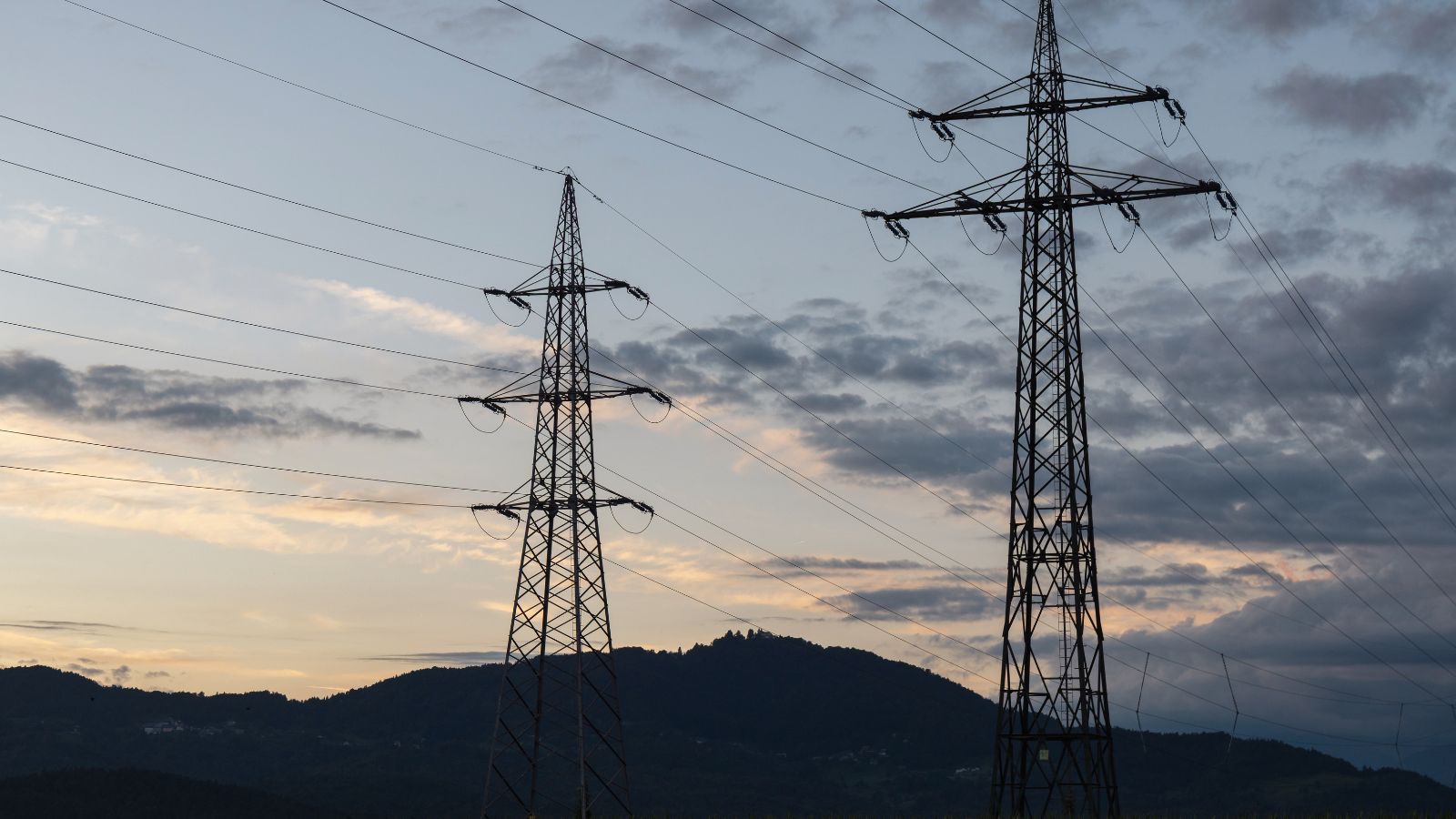
The electricity or natural gas consumed inside a home has to reach the property somehow, and that infrastructure creates costs separate from the energy itself. Electricity bills may include distribution and transmission components, while natural gas bills can incorporate transportation, distribution and storage. These charges pay for networks such as power lines, transformers, pipelines and other infrastructure required to keep service available.
Ontario’s electricity regulator, for example, describes delivery charges that include customer service, distribution and transmission costs. Its natural gas guidance similarly separates gas supply from transportation, storage and delivery. The exact labels and calculations differ across Canada, which is why comparing only the commodity or electricity rate can produce the wrong conclusion. A homeowner might reduce consumption yet see the bill fall by less than expected because some network costs remain fixed or are calculated differently. When a fall statement looks inconsistent with household usage, comparing each delivery-related line against the previous bill can reveal whether the change actually came from energy consumption or from another regulated part of the service.
A Fixed Customer Charge Does Not Disappear When Usage Falls
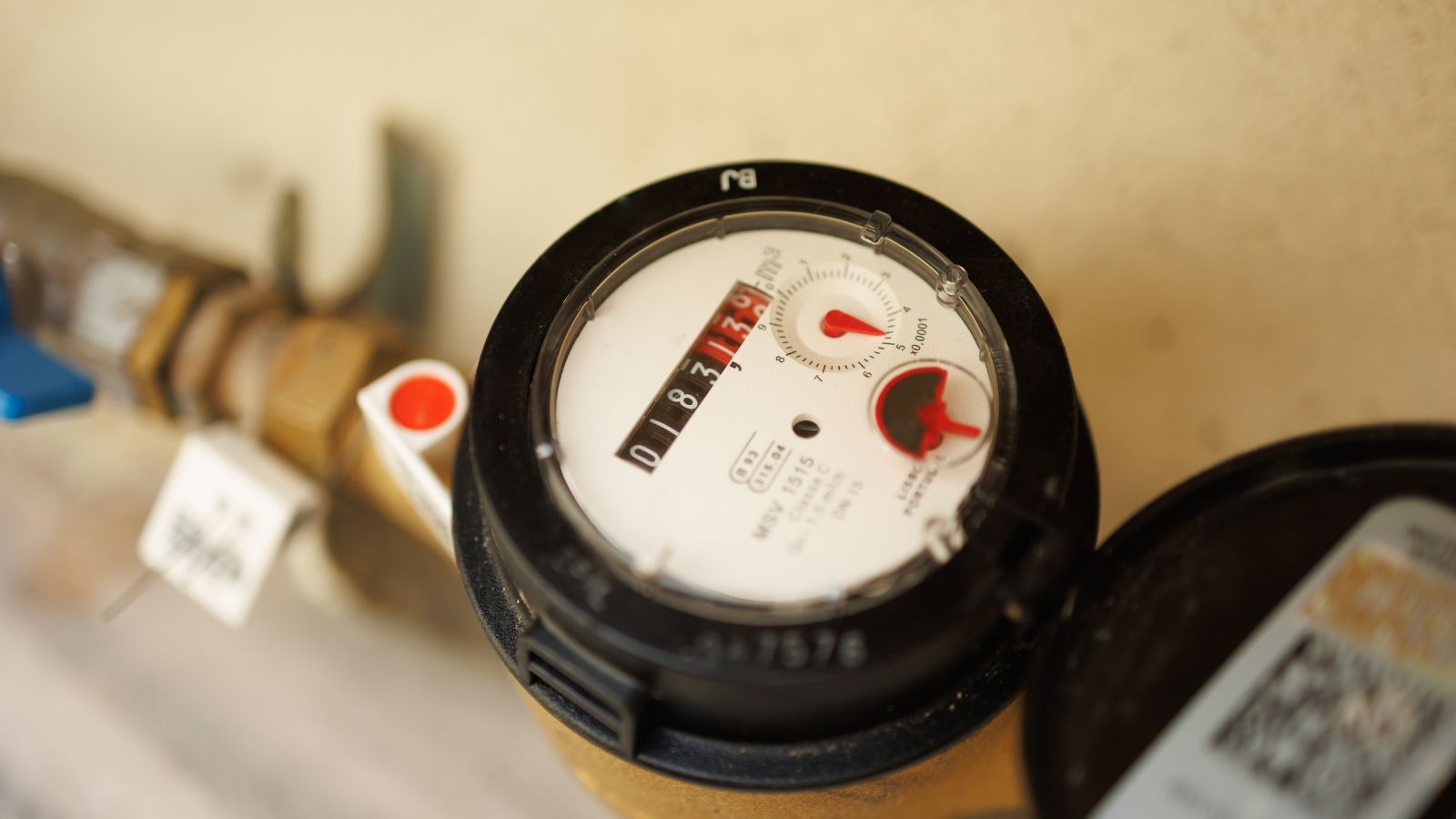
Low consumption does not necessarily mean a utility bill can fall close to zero. Many rate structures contain a basic, customer or monthly service charge that remains even when very little energy is used. Ontario’s natural gas billing guidance, for instance, describes a fixed customer charge covering functions such as account administration, meter reading, equipment maintenance, customer service and emergency response. Electricity bills can contain similar fixed delivery-related charges.
This becomes noticeable during mild autumn weeks when neither air conditioning nor heating operates very much. A homeowner may cut electricity or gas consumption sharply and wonder why the total did not fall by the same percentage. Part of the answer can be fixed costs. BC Hydro also identifies a Basic Charge separately from energy charges on residential bills. These charges are not automatically evidence of overbilling; they reflect the structure approved for the utility. Still, they should be recognized. Understanding the fixed portion establishes a realistic floor for the monthly bill and makes claimed savings from conservation measures easier to evaluate.
A Retail Energy Contract Can Change What the Rate Means

Not every Canadian household buys energy under the standard regulated or utility-supplied price available in its jurisdiction. In markets where retail energy contracts are offered, the supply price can be determined by a private contract instead. Ontario’s regulator notes that retailer contract prices are not set by the Ontario Energy Board and warns consumers that entering a contract does not guarantee savings.
That matters when a fall bill appears out of step with rates being quoted in news reports or on a regulator’s website. A homeowner under a retail contract may be paying a contract price while still paying separate utility charges for delivering electricity or natural gas. In Ontario, customers with electricity retailer contracts can also face bill components that differ from those paid by customers under the standard Regulated Price Plan. The contract’s term, renewal provisions and price therefore deserve another look before assuming the utility calculated the bill incorrectly. A rate that seemed attractive when signed several years earlier may no longer compare favourably with current regulated options.
Missing Rebates or Credits Can Quietly Inflate the Total

Some utility statements contain rebates, assistance credits or other reductions that appear below the main energy charges. Because these amounts may be presented as negative figures rather than prominent payments, they can be overlooked during a quick glance at the total. A missing credit, changed eligibility status or expired program can therefore make a bill appear to jump even when energy use did not.
Ontario illustrates the size such programs can reach. The province’s 2026 budget states that the Ontario Electricity Rebate is currently 23.5%, reducing the bill of a typical residential customer using 700 kWh a month by about $36. Ontario also maintains targeted supports for eligible low-income, rural, remote and First Nations consumers. Other provinces and utilities have their own programs and eligibility rules. The important habit is comparing the rebate and credit section with earlier bills. If a recurring credit suddenly disappears, the change should be investigated before assuming the household’s furnace, appliances or electricity habits caused the entire increase.
Taxes Can Explain Part of a Change, But Not Every Charge Is Treated the Same

Taxes deserve their own check because the tax treatment of utility services is not identical in every situation. The Canada Revenue Agency notes that GST/HST rates depend on the place of supply. It also identifies hydro-electricity and natural gas supplied by municipalities as examples of taxable supplies, while standard residential water distribution supplied by certain public-service bodies can be exempt. Provincial tax structures and rebates can further affect what ultimately appears on a household statement.
That means Canadians comparing bills across provinces—or even different services on one combined municipal statement—should not assume every line receives the same tax treatment. A move between provinces can also change the applicable GST/HST rate even when consumption barely changes. When reviewing a high fall bill, the subtotal before tax should therefore be compared with the final amount, while rebates should be identified separately. Taxes normally follow underlying charges, so a larger tax amount may simply reflect a larger taxable subtotal. An unexplained tax calculation, however, is worth checking with the utility rather than treating it as an unavoidable mystery.
Past-Due Amounts and Late Charges Can Snowball Into Fall
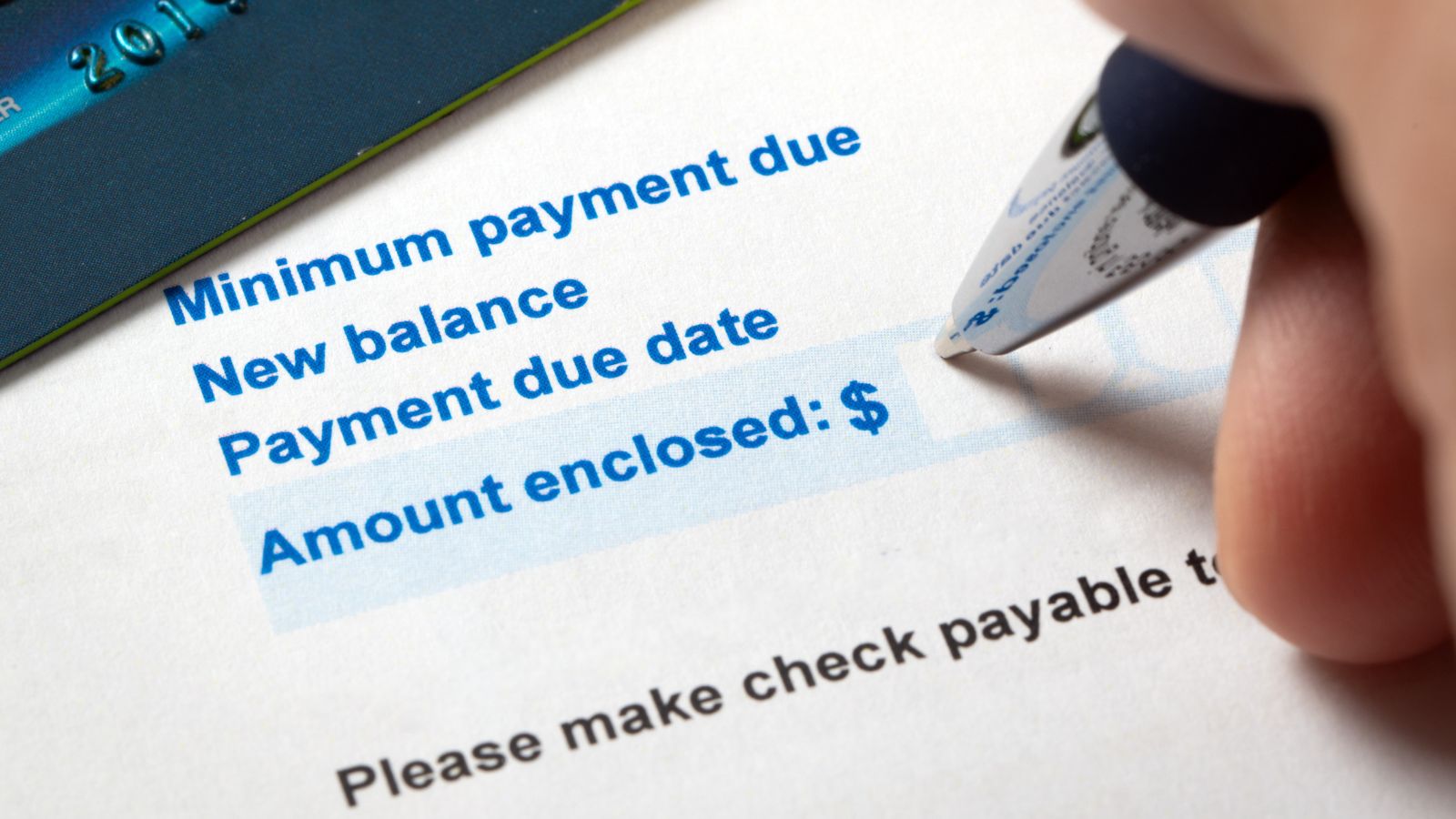
The most important number on a utility bill is not always the current month’s energy charge. Previous balances, missed payments and late fees can quietly move forward from one statement to the next. BC Hydro, for example, requires payment within its stated billing period and says outstanding balances can become subject to late-payment charges. Ontario’s rules also permit regulated electricity utilities to apply late-payment penalties under specified conditions.
Fall makes old balances especially dangerous because household energy costs may soon rise with heating demand. A $100 arrears balance can therefore become mixed into a much larger winter statement and make the current month look far more expensive than it actually was. Consumers should separate “new charges” from “previous balance,” “payments received” and “late payment” lines before assessing consumption. Anyone already struggling should contact the utility promptly. Payment arrangements and assistance programs exist in several provinces, although eligibility and rules vary. Ontario’s winter disconnection protections, for example, do not erase the debt or automatically stop late charges from accumulating.
A Water Spike Can Signal a Leak or a Catch-Up Reading

Electricity and natural gas attract most of the attention in fall, but homeowners receiving municipal water or combined utility statements should also examine water consumption. A sudden increase can point to something as mundane as a longer billing period or something as costly as a leaking toilet, fixture or pipe. The City of Toronto identifies leaks, increased occupancy, hot weather, longer billing periods and actual readings after previous estimates among potential causes of an unexpectedly high water bill.
The City of Ottawa similarly warns that a high bill can result from plumbing leaks, household changes, new water-using equipment or catch-up billing when an actual meter reading was previously missed. Those examples illustrate why a water spike should not be dismissed simply because no obvious flooding is visible. Toilets and other fixtures can waste water quietly. If fall consumption suddenly departs from the property’s historical pattern, meter information and daily-use data should be checked promptly. Finding a continuous leak early can prevent the abnormal consumption from appearing again on the next statement.
16 Costco Canada Habits That Could Be Costing Shoppers More Than They Save

The Executive Membership can feel like an obvious upgrade because the 2% annual reward sounds straightforward. For households that spend heavily at Costco Canada, the extra fee may be easy to justify. But the habit becomes costly when shoppers upgrade first and calculate later. A Gold Star Membership costs less, while Executive costs more and only pays off if eligible annual spending is high enough to offset the difference.
16 Costco Canada Habits That Could Be Costing Shoppers More Than They Save
This Options Discord Chat is The Real Deal
While the internet is scoured with trading chat rooms, many of which even charge upwards of thousands of dollars to join, this smaller options trading discord chatroom is the real deal and actually providing valuable trade setups, education, and community without the noise and spam of the larger more expensive rooms. With a incredibly low-cost monthly fee, Options Trading Club (click here to see their reviews) requires an application to join ensuring that every member is dedicated and serious about taking their trading to the next level. If you are looking for a change in your trading strategies, then click here to apply for a membership.