
35,000+ smart investors are already getting financial news, market signals, and macro shifts in the economy that could impact their money next with our FREE weekly newsletter. Get ahead of what the crowd finds out too late. Click Here to Subscribe for FREE.
Summer’s end has a way of making ordinary spending feel unusually necessary. September brings school routines, cooler weather, home projects, fall celebrations and the first reminders that winter and the holidays are not far away. Individually, many of these purchases look manageable. Together, they can quietly turn autumn into one of the most expensive stretches of the year.
That pressure is especially noticeable when everyday prices remain elevated and transportation, groceries and household costs are already taking large pieces of Canadian budgets. From wardrobe resets to early holiday purchases, these 20 ways Canadians overspend once summer ends show how small seasonal decisions can pile up before winter has even properly arrived.
Treating September Like a Financial New Year
20 Ways Canadians Overspend Once Summer Ends
- Treating September Like a Financial New Year
- Buying Too Many Back-to-School Extras
- Replacing an Entire Fall Wardrobe at Once
- Buying Winter Gear Before Checking What Still Fits
- Turning the House Into a Fall Décor Project
- Letting Halloween Spending Expand Beyond Candy
- Hosting Thanksgiving Like a Major Event
- Ordering More Takeout When Routines Get Busy
- Rebuilding the Daily Coffee-and-Snack Habit
- Spending Heavily on Indoor Entertainment
- Stacking Streaming Services for the Colder Months
- Joining a Gym Without Comparing the Real Cost
- Turning the Heat Up Too Early
- Buying Heating Gadgets Instead of Fixing Drafts
- Leaving Vehicle Winter Preparation Until the Last Minute
- Waiting for Snow Before Shopping for Winter Tires
- Booking a Fall Getaway Based Only on the Headline Price
- Using Buy Now, Pay Later for Seasonal Purchases
- Starting Holiday Shopping Without Setting a Total Budget
- Carrying Fall Spending Onto Credit Cards Until Christmas
- 16 Costco Canada Habits That Could Be Costing Shoppers More Than They Save

September can feel like January without the resolutions. School starts again, workplaces become busier, activities restart and households often decide it is time to “get organized.” That mindset can encourage a cluster of purchases: new storage bins, calendars, office supplies, lunch containers, clothes, technology and small home upgrades. None seems excessive alone. The problem is that they often arrive together, creating a spending reset at precisely the moment other seasonal expenses are beginning to rise.
The broader household numbers show why those little decisions matter. Statistics Canada reported that Canadian households spent an average of $76,750 on goods and services in 2023, up 14.3% from 2021, although part of that increase reflected inflation. The Financial Consumer Agency of Canada recommends tracking actual purchases and comparing them with a budget because small recurring expenditures can become substantial over time. A September refresh is much less expensive when households first decide what genuinely needs replacing rather than treating a change of season as permission to start over.
Buying Too Many Back-to-School Extras

The first school bell can ring up considerably more than pencils and notebooks. Families may find themselves adding new backpacks, water bottles, lunch kits, shoes, headphones, calculators, sports equipment and classroom supplies that were never on the original list. Children may also return home during the first week with requests for additional materials, activity fees or items preferred by a particular teacher. The result is often several rounds of shopping instead of one controlled purchase.
That pressure is visible in recent Canadian research. Abacus Data reported in September 2026 that back-to-school shoppers expected to spend about $331.80 on average, roughly $27 more than in 2024. Forty-four per cent said they expected to spend more than in previous years, while 34% anticipated spending above $300. For households shopping for two or more children, the share expecting to exceed $300 reached 45%. Waiting until actual classroom requirements are known can prevent duplicates, while checking closets and last year’s supplies before shopping can make a surprisingly large difference.
Replacing an Entire Fall Wardrobe at Once

The first cool morning can make summer clothing suddenly feel obsolete, even though most Canadians already own enough sweaters, jackets, jeans and closed-toe footwear to handle early autumn. Retail displays reinforce the temptation by presenting fall fashion as a complete seasonal reset. A new jacket becomes new boots, which lead to new jeans, work clothes and accessories. Within a weekend, a few planned replacements can turn into several hundred dollars of discretionary spending.
Clothing is already a meaningful household expense. Statistics Canada found that Canadian households spent an average of $2,739 on clothing and accessories in 2023, an increase of 18.9% from 2021. Broader national accounts have also shown a pronounced fourth-quarter bump in clothing and footwear spending around the holiday season. That makes September and October an important time to avoid buying everything at once. Rotating summer pieces into cooler-weather outfits, replacing only worn items and waiting to see what is genuinely missing can keep a wardrobe refresh from becoming a full seasonal rebuild.
Buying Winter Gear Before Checking What Still Fits

Autumn forecasts can trigger an expensive ritual in families with growing children: buying coats, boots, mittens, snow pants and thermal layers immediately. Some replacements are unavoidable, particularly when children have outgrown last year’s clothing. Overspending happens when households assume everything needs replacing before trying items on, checking hand-me-downs or looking through storage. An apparently sensible $80 pair of boots becomes much more costly when multiplied across several children and combined with jackets, snow pants and accessories.
The timing matters because clothing purchases tend to rise heading toward the holiday period. Statistics Canada reported household spending of $2,739 on clothing and accessories in 2023, while separate national spending data showed a clear holiday-related increase in clothing and footwear purchases in the final quarter of that year. Families can reduce the autumn hit by performing a simple inventory before temperatures plunge. A coat that still fits, spare gloves from the previous winter or usable boots passed between siblings can remove entire categories from the shopping list without sacrificing warmth or safety.
Turning the House Into a Fall Décor Project

A few pumpkins on the porch rarely break a budget. The spending creep begins when seasonal decorating becomes a room-by-room project. New throw pillows, candles, blankets, wreaths, tableware, porch signs and artificial foliage can make an ordinary grocery or home-store visit much more expensive. Social media contributes to the pressure by turning seasonal decorating into a yearly aesthetic refresh rather than something households reuse.
Home furnishings already account for thousands of dollars in annual household spending. Statistics Canada recorded average spending of $3,390 on household furnishings and equipment in 2023, while household operations added another $6,014. Decorative products are specifically captured within household furnishing expenditure categories. The easiest way to overspend is to think of inexpensive décor one item at a time: a $15 candle, a $25 cushion and a $30 wreath do not feel dramatic until a cart contains ten similar purchases. Reusing decorations, changing only a few focal pieces and avoiding a new colour theme every year can preserve the seasonal atmosphere without creating another major spending category.
Letting Halloween Spending Expand Beyond Candy

Halloween has evolved into more than a bag of miniature chocolate bars. Costumes, decorations, pumpkins, school events, adult parties and themed entertainment can create an October budget of their own. Parents may face additional pressure when children change costume ideas late or when inexpensive decorations accumulate over several shopping trips. A single purchase rarely feels significant, which is exactly why the total can become larger than expected.
Leger’s 2025 research found that 46% of Canadians planned to hand out candy and 39% planned to decorate their homes. Among Canadians spending on Halloween candy, the average expected expense was $44.32, rising to $53.35 among parents. Earlier Canadian findings also showed higher totals once costumes, decorations and other Halloween expenses were included. The most effective spending control is often deciding what the household will do before entering a store. Reusing costumes, swapping children’s outfits, setting a candy quantity and bringing out decorations already in storage can turn Halloween back into a modest occasion instead of an expanding retail season.
Hosting Thanksgiving Like a Major Event

Thanksgiving arrives early enough in autumn that it can catch households before they have recovered from September expenses. A family meal can quickly grow beyond turkey and potatoes once appetizers, desserts, beverages, specialty ingredients, flowers, decorations and last-minute grocery runs are added. Hosts may also buy oversized quantities because running out feels worse than buying too much, particularly when a large group is expected.
The celebration remains substantial in Canada. Turkey Farmers of Canada reports that Canadians bought about 2.1 million whole turkeys for Thanksgiving in 2025, representing 37% of all whole turkeys sold that year. Meanwhile, Statistics Canada reported in September 2026 that grocery prices were 2.8% higher than a year earlier. Those conditions make menu planning more valuable than ever. Choosing a realistic guest count, assigning dishes to relatives and building meals around ingredients that can be reused afterward can reduce both waste and cost. The expensive Thanksgiving dinner is often not the turkey itself, but the dozens of extras surrounding it.
Ordering More Takeout When Routines Get Busy

September often replaces relaxed summer schedules with commuting, school pickups, sports practices and evening activities. Dinner can become the casualty. A household that cooked frequently during summer may suddenly rely on delivery apps or restaurant meals several times a week because everyone arrives home at different times. The expense can hide because each order solves an immediate problem, especially on evenings when cooking feels impossible.
Statistics Canada found that Canadian households spent an average of $3,351 on food purchased from restaurants in 2023. That category had rebounded sharply from pandemic-era lows and exceeded its 2019 level. Restaurant meals are not automatically wasteful, but the budget changes when convenience becomes a default rather than an occasional choice. A family spending $60 on delivery twice each week would be committing roughly $480 over four weeks before considering other dining out. Batch cooking, freezer meals and keeping two or three low-effort dinners available can prevent a hectic autumn schedule from quietly creating another monthly bill.
Rebuilding the Daily Coffee-and-Snack Habit

Returning to the office or a regular school-run routine can revive spending that almost disappeared during summer holidays. A purchased coffee on the commute, a muffin after drop-off and an afternoon snack seem too small to deserve much attention. Yet these are precisely the transactions that become expensive because they repeat so frequently. Tap-to-pay makes the process even less noticeable, turning five or ten dollars into background noise.
The Financial Consumer Agency of Canada uses a simple example when discussing budgeting: spending $3 a day on coffee adds up to more than $1,000 over a year. Real-world café purchases can easily cost more once food or specialty drinks are included. The point is not that Canadians need to give up coffee. It is that repetition changes the math. Someone who enjoys café coffee twice a week may barely notice the impact, while someone buying breakfast and coffee every weekday can create a meaningful monthly expense. Autumn routines are a good moment to decide which purchases are treats and which have simply become habits.
Spending Heavily on Indoor Entertainment

As evenings get darker and outdoor activities become less predictable, families naturally move more entertainment indoors. Movies, concerts, hockey games, children’s activity centres, bowling, arcades and other paid outings can replace relatively inexpensive summer activities such as beaches, parks and backyard gatherings. The transition can cause entertainment costs to jump without households consciously deciding to increase their recreation budgets.
Statistics Canada reported that average household recreation spending reached $5,231 in 2023, up 23.9% from 2021. Spending on recreational services was a major contributor to that increase as Canadians returned to movie theatres, sporting events, performances and other activities. Autumn does not need to become a season of staying home, but the mix matters. One expensive ticketed outing combined with library programs, community events, walks, home movie nights and free local attractions can provide variety without every weekend carrying an admission price. The budget problem usually appears when paid entertainment becomes the automatic solution to colder or wetter weather.
Stacking Streaming Services for the Colder Months

The arrival of fall television schedules, sports seasons and longer evenings can encourage households to add another streaming subscription “just for a few months.” One service carries a favourite series, another has a particular sport and a third offers movies for the family. Because each monthly fee looks relatively modest, it can be surprisingly easy to maintain several simultaneously while still paying for cable or satellite service.
Statistics Canada reported that Canadian households spent $11.3 billion on cable, satellite and other program-distribution services, including streaming, in 2024. Prices for video and audio subscription services were 21% higher in 2024 than in 2019 and 52.7% higher than in 2014. Statistics Canada also noted that consumers increasingly need multiple services to access different content. Rotating subscriptions rather than keeping every platform active year-round can reduce the cost without eliminating entertainment. The important step is reviewing recurring charges, because subscriptions are easy to add during a rainy October weekend and equally easy to forget once the show that prompted the purchase has ended.
Joining a Gym Without Comparing the Real Cost

Cooler weather pushes many Canadians indoors for exercise, making September and October natural months to consider gyms, fitness studios and recreation centres. The mistake is not purchasing a membership; regular exercise can be worthwhile. Overspending happens when someone buys a premium plan based on enthusiasm rather than realistic usage. Initiation fees, upgraded membership levels, classes, locker rentals and long contracts can turn a modest fitness goal into a substantial recurring expense.
Statistics Canada reported that fitness and recreational sports centres generated $5.8 billion in operating revenue in 2024, up 14.9% from the previous year. Prices for using recreational facilities and services such as gyms rose 5.2% between 2023 and 2024 and 15.9% compared with 2021. Before committing, households can compare municipal recreation centres, workplace facilities, pay-per-visit options and basic memberships. A cheaper facility used consistently can deliver more value than a premium club visited four times in January and then charged to a credit card for the rest of the year.
Turning the Heat Up Too Early

The first chilly September night often produces a strong temptation to turn on the furnace and immediately restore mid-winter temperatures. That can become expensive if the thermostat remains high through weeks when daytime temperatures are still relatively mild. Heating decisions also tend to disappear into utility bills, making the cost less visible than a store purchase even though the cumulative expense can be significant.
Natural Resources Canada has estimated that space heating accounts for about 54% of the average Canadian homeowner’s energy bill, costing more than $1,100 annually in the cited example. NRCan also says that, for suitable heating systems, lowering the thermostat by 1°C for an eight-hour period can reduce heating-energy consumption by roughly 2%. That does not mean households should tolerate uncomfortable or unsafe temperatures. It means small adjustments matter. Using programmable settings, adding an extra layer of clothing and lowering temperatures when the home is empty or people are sleeping can prevent autumn heating costs from reaching January levels in October.
Buying Heating Gadgets Instead of Fixing Drafts

A cold room can lead directly to the home-improvement aisle. Space heaters, heated blankets, thick curtains and smart-home gadgets may all seem like quick solutions. Some can certainly improve comfort, but adding equipment without finding out why the room is cold can lead to spending money while the underlying problem continues. A draft around a door or window may be allowing heated air to escape regardless of how many devices are plugged in.
Natural Resources Canada identifies uncontrolled air leakage as a major source of heat loss in homes and describes air-sealing as one of the first retrofit measures homeowners should consider. Weatherstripping, caulking and sealing accessible leakage points can often be relatively inexpensive compared with major equipment purchases. That distinction is important in autumn, when homeowners are especially susceptible to products marketed as winter-preparation necessities. Before buying another heater or expensive smart device, checking weatherstripping, furnace filters, vents and obvious leaks can reveal whether the solution is actually maintenance rather than more equipment.
Leaving Vehicle Winter Preparation Until the Last Minute
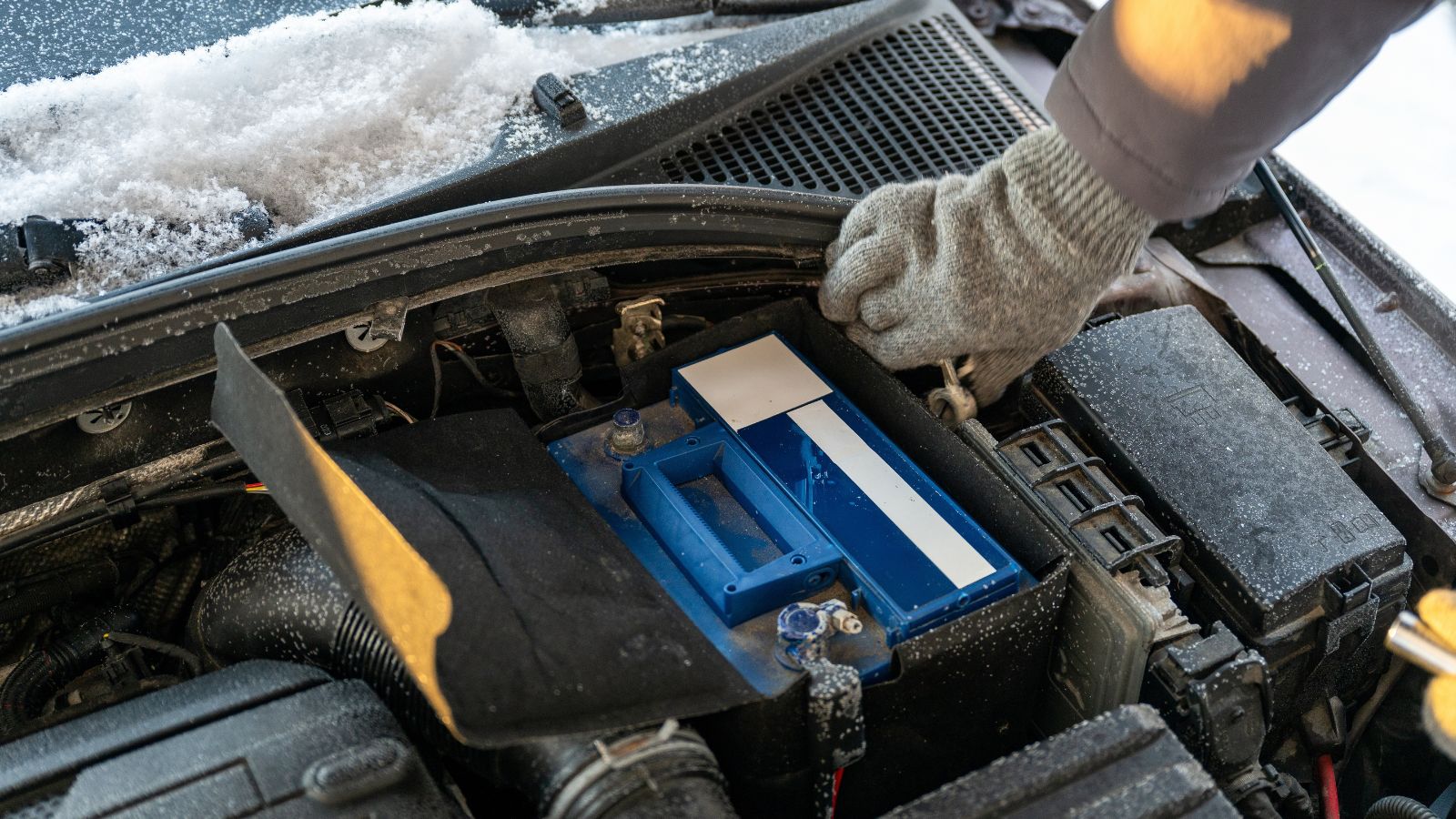
Cars tend to fade into the background during warm weather when starting, visibility and traction require less thought. Then temperatures drop and a weak battery, worn wiper or aging tire suddenly becomes urgent. Waiting until the first major cold snap can create a costly chain reaction: an emergency service call, a rushed repair and replacement parts purchased with little time to compare prices.
Transport Canada recommends preparing vehicles before severe winter weather and checking components including batteries, brakes, coolant, lights, wipers, tires and heating and defrosting systems. CAA has historically estimated that routine scheduled vehicle maintenance can amount to hundreds of dollars per year even before major repairs or tire replacement. That makes maintenance a predictable expense rather than an unexpected one. Setting aside money through the year and booking fall inspections before garages become overwhelmed gives motorists more choice. Preventive spending may still hurt, but it is generally easier to budget than discovering on a freezing Monday morning that the battery and wipers both need immediate replacement.
Waiting for Snow Before Shopping for Winter Tires
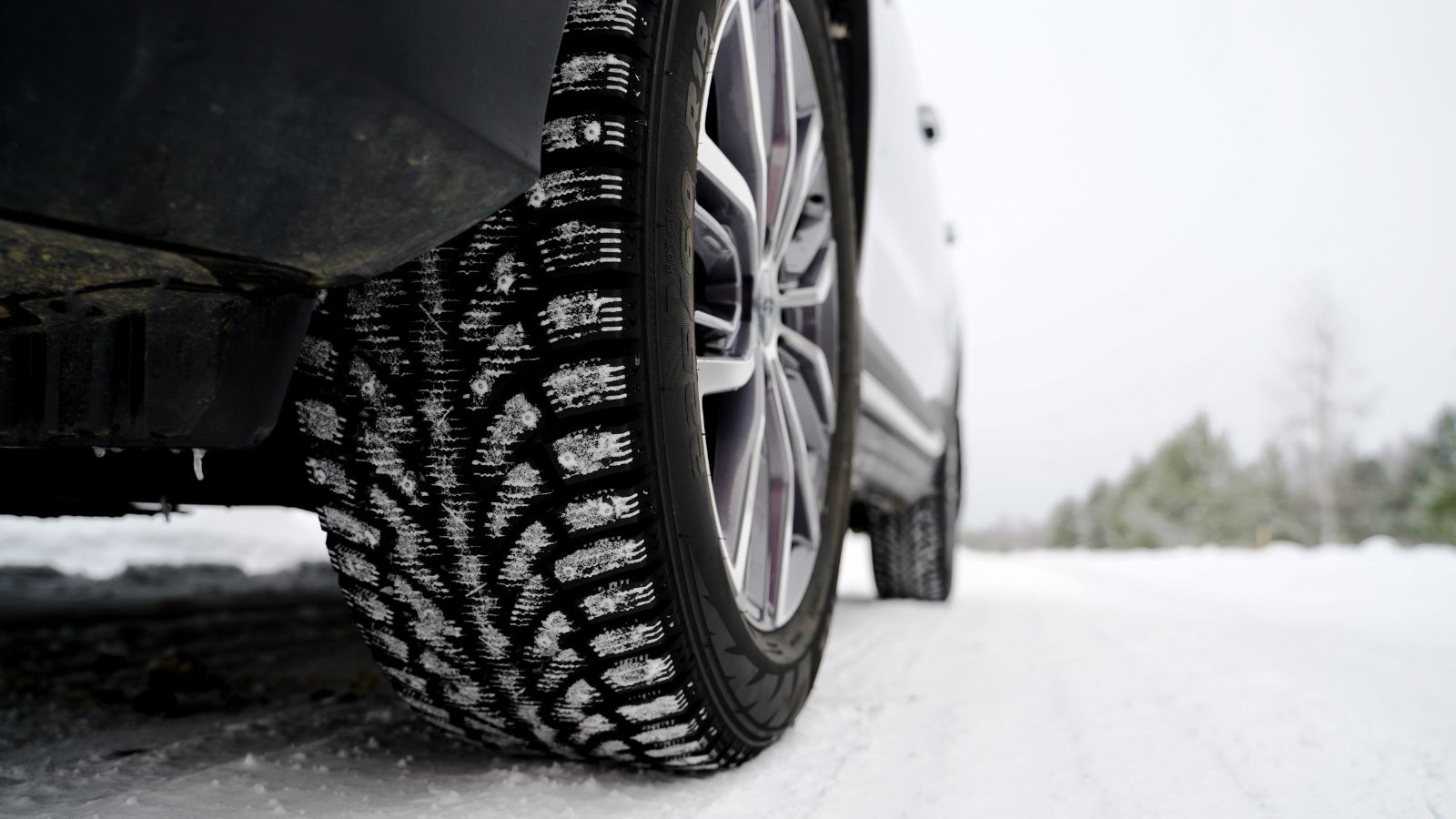
Winter tires are a safety purchase in much of Canada, but procrastination can make them feel like an emergency purchase. Drivers who wait until the first major snowfall may face crowded installation schedules and fewer opportunities to compare models, retailers or package prices. The rush can encourage overspending on whatever suitable tire is available rather than choosing a product that fits the vehicle, driving conditions and budget.
Transport Canada says all-season and summer tires begin losing elasticity and traction below 7°C, while winter tires remain flexible at lower temperatures. It recommends installing winter tires on all four wheels for cold, snowy or icy driving. CAA similarly advises motorists not to wait for snow before making the change. Planning several weeks ahead allows drivers to inspect existing tires, measure tread depth, compare prices and determine whether replacement is even necessary. The goal is not to save money by avoiding proper winter equipment. It is to avoid paying a premium created by poor timing and a sudden sense of urgency.
Booking a Fall Getaway Based Only on the Headline Price

Shoulder-season travel can look irresistible after summer. A discounted hotel room or inexpensive airfare may encourage a spontaneous weekend trip, particularly when destinations are quieter and autumn scenery is at its best. The overspending often appears after the initial booking. Parking, baggage, resort charges, seat selection, meals, transportation and attraction tickets can push the final total far beyond the price that originally made the trip attractive.
Statistics Canada reported average household spending of $910 on accommodation away from home in 2023, a sharp rebound from 2021 and above the 2019 level. The Competition Bureau also warns consumers about drip pricing, where mandatory charges are added to an advertised price and make the initial amount unattainable. Under Canadian competition law, fixed mandatory non-government charges generally cannot simply be added later to an advertised price. Travellers can still face plenty of optional expenses, however. Building the trip budget from the final checkout price rather than the search-page price creates a much more realistic picture of what that “cheap” autumn escape actually costs.
Using Buy Now, Pay Later for Seasonal Purchases

Fall produces exactly the kind of medium-sized purchases that make instalment plans attractive: coats, boots, school electronics, furniture, tires and early holiday gifts. Dividing a $400 purchase into smaller payments can make the item feel far cheaper even though the household has taken on the entire $400 obligation. When several instalment plans overlap, October income may already be committed before Halloween arrives.
The Financial Consumer Agency of Canada stresses that buy-now-pay-later arrangements are credit products. Some plans charge administration or processing fees, and missed payments can lead to additional costs. FCAC also warns that these products can encourage over-borrowing, impulsive buying and underestimating the total cost of purchases. In some retail credit arrangements, missing required payments can also cause promotional rates to disappear and much higher interest to apply. Instalments can be useful when carefully managed, but affordability should be judged using the full purchase price. A jacket is still a $300 expense even when the checkout page makes it look like four manageable payments.
Starting Holiday Shopping Without Setting a Total Budget

Retailers increasingly begin holiday promotions well before December, and many Canadians intentionally shop early to spread costs. That can be sensible. The danger appears when spreading purchases also makes the total harder to track. A gift bought in September, another in October and several during Black Friday can feel less expensive than one December shopping spree even when the final amount is larger.
Retail Council of Canada and Leger found that Canadians planned to spend an average of $975 on holiday gifts in 2025. The research also showed strong price sensitivity: 85% planned to wait for sales, 80% compared prices online and 78% bought discounted or promotional items. Those behaviours can save money, but a discount does not automatically make a purchase necessary. Establishing a total gift budget and a recipient list before early promotions begin helps shoppers distinguish between moving a planned purchase forward and adding an unplanned gift simply because the price appears attractive.
Carrying Fall Spending Onto Credit Cards Until Christmas

The most expensive autumn spending mistake may not happen in a store at all. September purchases, Thanksgiving costs, winter preparation and early holiday shopping can accumulate on credit cards with the assumption that the balance will be dealt with later. By December, the household can be financing expenses from three different seasons while simultaneously facing the biggest gift-buying period of the year.
The Financial Consumer Agency of Canada identifies a growing credit-card balance, carrying balances from month to month and making only minimum payments as warning signs that spending may be exceeding available income. Interest makes past purchases more expensive and reduces room in future budgets. Some Canadian merchants outside Quebec may also apply credit-card surcharges of up to 2.4% when properly disclosed. Reviewing balances before holiday shopping begins can reveal whether autumn expenses were actually affordable. The best time to notice seasonal overspending is before another round of celebrations is added to the same statement.
16 Costco Canada Habits That Could Be Costing Shoppers More Than They Save

The Executive Membership can feel like an obvious upgrade because the 2% annual reward sounds straightforward. For households that spend heavily at Costco Canada, the extra fee may be easy to justify. But the habit becomes costly when shoppers upgrade first and calculate later. A Gold Star Membership costs less, while Executive costs more and only pays off if eligible annual spending is high enough to offset the difference.
16 Costco Canada Habits That Could Be Costing Shoppers More Than They Save
This Options Discord Chat is The Real Deal
While the internet is scoured with trading chat rooms, many of which even charge upwards of thousands of dollars to join, this smaller options trading discord chatroom is the real deal and actually providing valuable trade setups, education, and community without the noise and spam of the larger more expensive rooms. With a incredibly low-cost monthly fee, Options Trading Club (click here to see their reviews) requires an application to join ensuring that every member is dedicated and serious about taking their trading to the next level. If you are looking for a change in your trading strategies, then click here to apply for a membership.