
35,000+ smart investors are already getting financial news, market signals, and macro shifts in the economy that could impact their money next with our FREE weekly newsletter. Get ahead of what the crowd finds out too late. Click Here to Subscribe for FREE.
Canadian Thanksgiving has a habit of arriving at an awkward moment for travellers. Summer routines are over, daylight is shrinking, temperatures can swing quickly, and highways, airports, border crossings and popular fall destinations can all become busier as families try to make the most of the long weekend. In 2026, Thanksgiving falls on Monday, October 12, putting much of the travel rush between Friday, October 9 and Monday evening.
A little preparation can make the difference between a relaxed family visit and a weekend dominated by traffic, weather or logistical problems. These 18 things Canadians should do before Thanksgiving weekend travel cover the details that are easiest to overlook—from tires, road conditions and charging stops to airport security, border documents, medications and seasonal closures.
Lock Down the Travel Plan Before the Weekend Arrives
18 Things Canadians Should Do Before Thanksgiving Weekend Travel
- Lock Down the Travel Plan Before the Weekend Arrives
- Check the Forecast More Than Once
- Look at Provincial 511 Services Before Choosing the Route4
- Give the Vehicle a Proper Pre-Trip Check
- Check Tire Pressure, Tread and Cold-Weather Readiness
- Put an Emergency Kit in the Car
- Map Charging or Fuel Stops Before Leaving
- Start the Drive Rested Instead of Racing the Clock
- Set the Navigation Before the Car Starts Moving
- Decide Who Is Driving Home Before the Celebration Starts
- Check Seasonal Closures at Parks and Outdoor Destinations
- Prepare for Airport Security Before Reaching the Terminal
- Save Flight Records in Case the Trip Goes Sideways
- Check Border Wait Times and Crossing Hours Before a U.S. Trip
- Make Sure Passports and Children’s Documents Are Ready
- Think Carefully About Thanksgiving Food Crossing the Border
- Review Travel Insurance Before Leaving Canada
- Pack Medications, Contacts and a Backup Copy of the Itinerary
- 16 Costco Canada Habits That Could Be Costing Shoppers More Than They Save

Thanksgiving Day falls on Monday, October 12, 2026, which means many Canadians will effectively be planning around a three-day weekend beginning after work or school on Friday, October 9. That makes the first job surprisingly simple: finalize where everyone is going, how they are getting there and where they are staying. Waiting until the last moment can turn a straightforward family visit into a collection of awkward compromises, particularly when the destination involves limited accommodation, a campground, ferry connection or popular fall recreation area.
Reservations matter beyond hotel rooms. Parks Canada, for example, accepts reservations for camping and accommodations at dozens of destinations, while individual parks operate on their own seasonal schedules. Travellers planning a cabin, campground or national-park visit should confirm the booking rather than relying on a summer routine from a previous trip. Having confirmation numbers, check-in instructions and cancellation terms stored somewhere accessible also prevents a dead phone battery from becoming an unexpectedly serious problem.
Check the Forecast More Than Once

A forecast viewed on Tuesday should not be treated as the final word for a Friday road trip. October sits in a transitional period when conditions can change substantially across Canada, particularly on routes involving higher elevations, northern communities or long stretches between cities. Transport Canada specifically recommends checking weather reports regularly before winter-season travel because Environment and Climate Change Canada issues warnings for hazards such as heavy snow, freezing rain, strong winds and other conditions that can make driving more difficult.
The practical approach is to check once while planning and again before departure. A Toronto-to-Ottawa drive may look uncomplicated several days ahead, yet a change in temperature can alter conditions along the route. The same is true for a trip through the Rockies or across sections of the Prairies where wind and rapidly changing temperatures can matter. Travellers should also look at conditions at the destination, not merely the departure city. Packing for 15°C at home is little help when an overnight stop several hundred kilometres away is approaching freezing.
Look at Provincial 511 Services Before Choosing the Route4
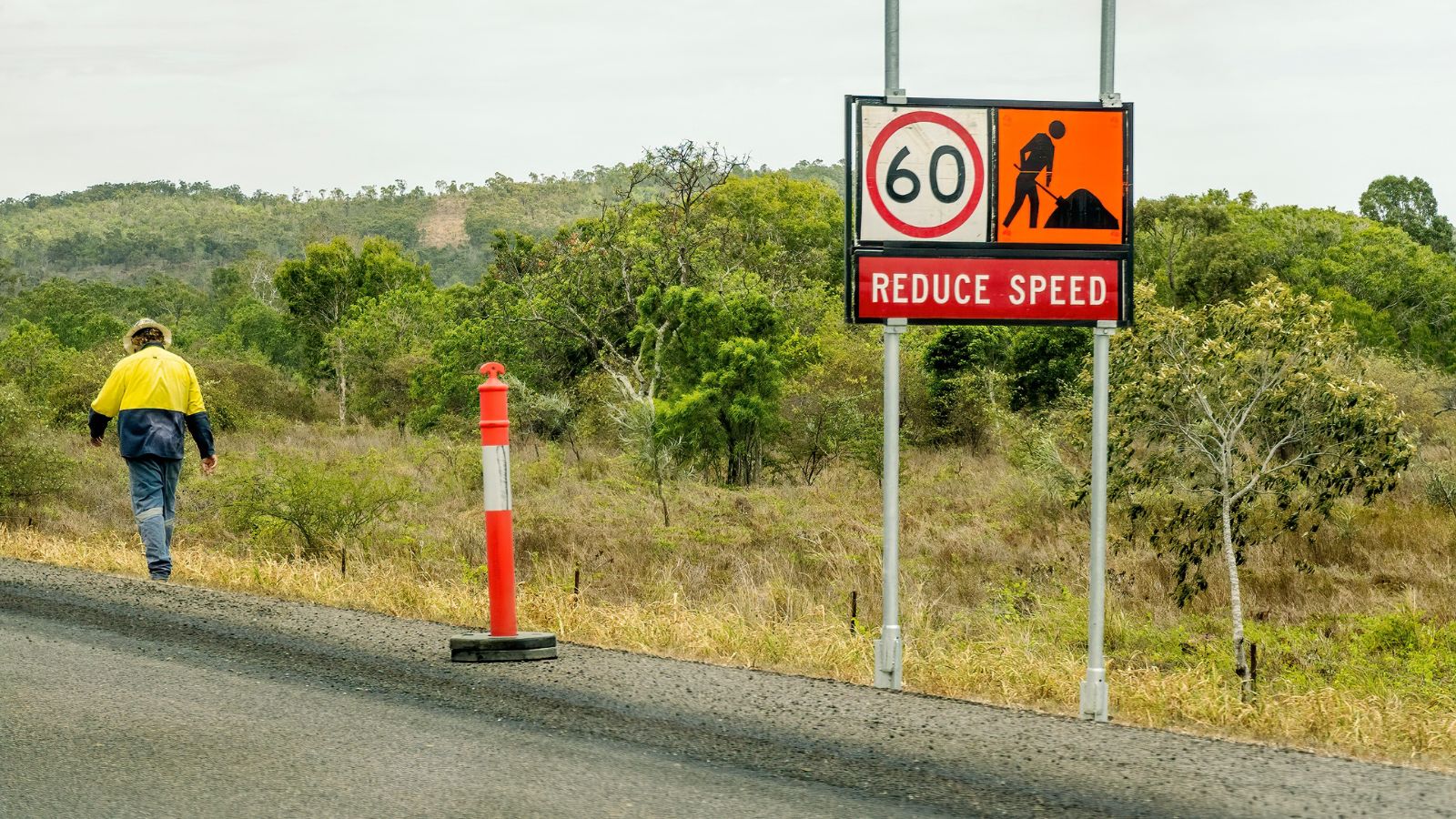
A familiar highway is not necessarily a predictable highway on a holiday weekend. Provincial traveller-information systems can reveal construction, incidents, closures, poor visibility and other problems that a driver might otherwise discover only after joining a long line of brake lights. Transport Canada specifically points motorists toward provincial and territorial traveller-information services, including 511 systems, when planning trips in potentially difficult conditions.
Those services can provide considerably more information than a simple navigation app. Ontario 511, for example, displays incidents, closures, roadwork, traffic cameras, weather information and service areas. Québec 511 can display road conditions, congestion, crashes, construction, closures and roadside weather information. Alberta’s system similarly includes road conditions, incidents, closures and cameras. A five-minute check before loading the vehicle can therefore expose a closure or major construction project early enough to choose another route. It is also worth checking again immediately before departure because a route that looked clear at breakfast can change before lunch.
Give the Vehicle a Proper Pre-Trip Check

Thanksgiving weekend is a poor time to discover that a battery was already weak, a brake was beginning to drag or a windshield wiper could no longer clear heavy rain. Transport Canada advises keeping vehicles in good working condition as colder weather approaches and notes that a professional seasonal inspection can include the battery and charging system, lights, brakes, exhaust system, coolant, heater, defroster, wipers and tires.
Not every traveller needs a full workshop appointment before a weekend visit, but basic checks are sensible. Lights should work, windshield washer fluid should be topped up, wipers should clear rather than smear, and unusual brake noises should not be ignored. Fluids and obvious leaks deserve attention as well. A family heading several hundred kilometres away has fewer convenient options when a neglected problem becomes a breakdown late on Friday evening. Thanksgiving also arrives close enough to winter that maintenance postponed through summer can suddenly matter. Preparing the car before packing it is generally easier than troubleshooting it on the shoulder of a highway.
Check Tire Pressure, Tread and Cold-Weather Readiness

October temperatures are an important reason to pay closer attention to tires. Transport Canada says all-season and summer tires begin losing elasticity and traction at temperatures below 7°C, while winter tires are designed to retain grip at lower temperatures. The agency also recommends winter tires on all four wheels for cold, snowy or icy conditions and warns against relying on tires worn close to 4 millimetres of tread depth on snow-covered roads.
Pressure deserves attention too. Cooler temperatures can reduce tire pressure, and Transport Canada recommends checking it regularly, particularly before highway driving or longer trips. The correct specification is normally found on the vehicle’s tire-information label around the driver’s door area rather than guessed from the tire itself. Thanksgiving may still feel like autumn in southern Canada, but travellers heading toward northern Ontario, Quebec, the Rockies or other colder regions can encounter conditions far removed from what they left behind. A few minutes with a pressure gauge can reveal a slow leak before hundreds of highway kilometres make it a larger problem.
Put an Emergency Kit in the Car

A long-weekend road trip can become uncomfortable remarkably quickly when a vehicle is stranded. Canada’s emergency-preparedness guidance recommends keeping a dedicated emergency car kit containing items such as non-perishable food, water, blankets, extra clothing, a first-aid kit, flashlight, whistle, road maps, a shovel, scraper, jumper cables and warning equipment. Warm clothing becomes particularly relevant as Thanksgiving pushes travel farther into the colder part of the year.
The goal is not to pack for an expedition every time relatives live two hours away. It is to make an unexpected delay manageable. Consider a vehicle stuck after a collision closes a rural highway, or a mechanical problem occurring after businesses have closed for the evening. Water, a warm layer, a charged phone, flashlight and basic roadside equipment suddenly stop looking excessive. Families travelling with young children, older relatives or pets should adjust the kit accordingly. Checking it before Thanksgiving is also a useful annual habit because batteries die, food expires, bottled water gets removed, and useful equipment has a way of disappearing between one road trip and the next.
Map Charging or Fuel Stops Before Leaving
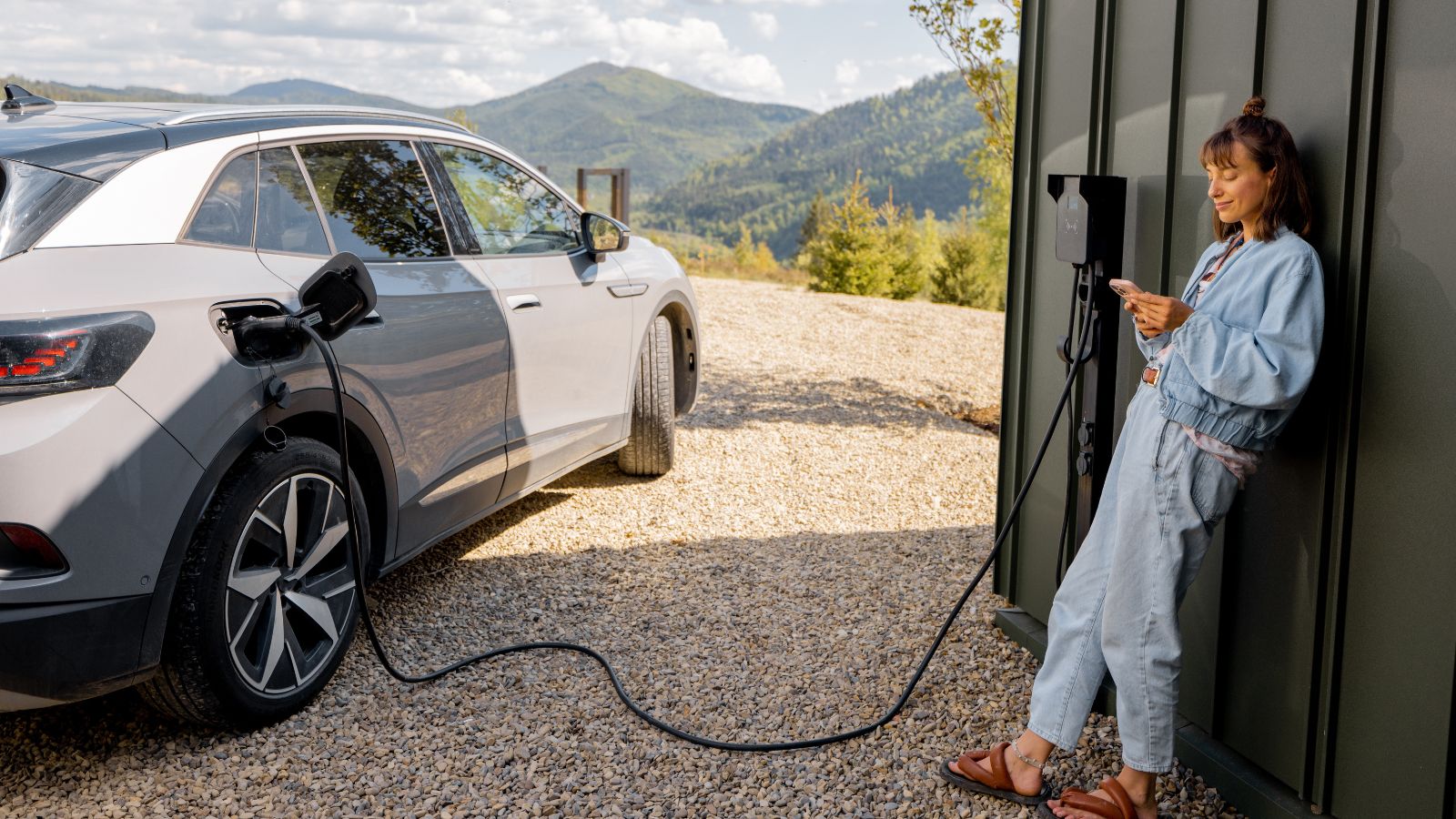
Stopping for energy should be part of the itinerary rather than something considered only when the dashboard warning appears. This is especially important for electric-vehicle drivers on unfamiliar routes. Natural Resources Canada maintains an Electric Charging and Alternative Fuelling Stations Locator covering Canada, with filters for station types and a route-mapping feature that can identify charging or alternative-fuel locations along a planned journey.
EV drivers can use that information to identify a primary charging stop and at least one backup, particularly on routes where stations are spaced farther apart. Charger availability, vehicle range and colder temperatures should all be considered conservatively rather than assuming the optimistic distance shown at the beginning of the trip will remain unchanged. Gasoline and diesel drivers have more established refuelling networks, but topping up before joining a busy highway can still remove one unnecessary stop. A family that begins the weekend with a nearly empty tank or low battery is effectively volunteering to solve a predictable problem during one of the least convenient parts of the journey.
Start the Drive Rested Instead of Racing the Clock

Holiday-weekend schedules often encourage bad decisions: work a full day, pack after dinner and then attempt a long drive late at night. Fatigue can make that plan far more dangerous than it appears. Transport Canada has identified tired driving as an important road-safety issue, while federal impaired-driving prevention guidance notes how quickly a vehicle covers distance at highway speed. At 100 km/h, a vehicle can travel roughly 150 metres in only six seconds.
That gives context to what a few moments of heavy eyelids can mean. Drivers should sleep properly before a long trip, divide driving duties where possible and plan breaks rather than treating every stop as lost time. Frequent yawning, difficulty remembering the previous stretch of road, lane drifting or trouble focusing are signs that pushing ahead is the wrong choice. Thanksgiving dinner will still be there if arrival is a little later. A tired driver trying to “make good time” may instead turn a routine family journey into the most consequential event of the weekend.

Phones have made road trips easier, but they have also created an endless stream of reasons to take attention away from driving. Transport Canada defines distraction broadly: texting and phone conversations count, but so can eating, drinking, interacting with passengers or adjusting entertainment and navigation systems. Even a brief loss of attention can reduce a driver’s ability to recognize and respond to something developing ahead.
Much of that distraction can be removed before departure. Enter the destination, review the route, queue music or podcasts, connect the phone and position it where instructions can be heard without repeated handling. If plans change, a passenger can make the adjustment or the driver can stop somewhere safe. This is especially valuable on unfamiliar routes where complex interchanges already demand more attention. Thanksgiving traffic may include families, motorcycles, trucks, recreational vehicles and drivers unfamiliar with local roads. The safest navigation system is one that provides guidance without becoming another task competing with the road for the driver’s attention.
Decide Who Is Driving Home Before the Celebration Starts

Thanksgiving gatherings often combine long drives with alcohol, cannabis or both, making the return trip something that should be planned before anyone begins celebrating. Health Canada says alcohol and drugs can reduce attention, judgment, reaction time, coordination and decision-making ability. Federal guidance estimates that alcohol, drugs or both are involved in a substantial share of fatal road crashes in Canada.
Cannabis deserves particular caution because there is no universal waiting time that guarantees someone is safe to drive. Health Canada notes that cannabis can impair judgment and reaction ability and that some effects, including drowsiness, can persist long after the most obvious effects fade. Mixing cannabis and alcohol creates still greater impairment. The sensible Thanksgiving plan may therefore involve a designated driver, taxi, rideshare, public transit or an overnight stay. Deciding that arrangement while everyone is sober removes the temptation to make a much poorer calculation late at night when the only argument for driving may be that home is “not that far away.”
Check Seasonal Closures at Parks and Outdoor Destinations

Canadian Thanksgiving lands almost exactly when many recreation sites transition from summer to winter operations. That can mean reduced visitor-centre hours, closed washrooms, campground shutdowns, seasonal road restrictions or trails affected by snow and ice. The situation varies considerably by location, which makes checking the exact destination essential.
Parks Canada provides useful examples for 2026. At Glacier National Park in British Columbia, some facilities shift hours in early October and autumn snowfall can affect trails. At Forillon National Park in Quebec, several services operate through Thanksgiving weekend but others have already closed for the season. La Mauricie National Park also has camping and accommodation dates that change around October 12. These details matter for families planning what appears to be a simple fall-colour excursion. A destination may technically remain open while services visitors relied on in July are no longer available. Confirm road access, parking, campground status, visitor-centre hours and trail conditions before leaving home rather than discovering the seasonal transition at the entrance gate.
Prepare for Airport Security Before Reaching the Terminal
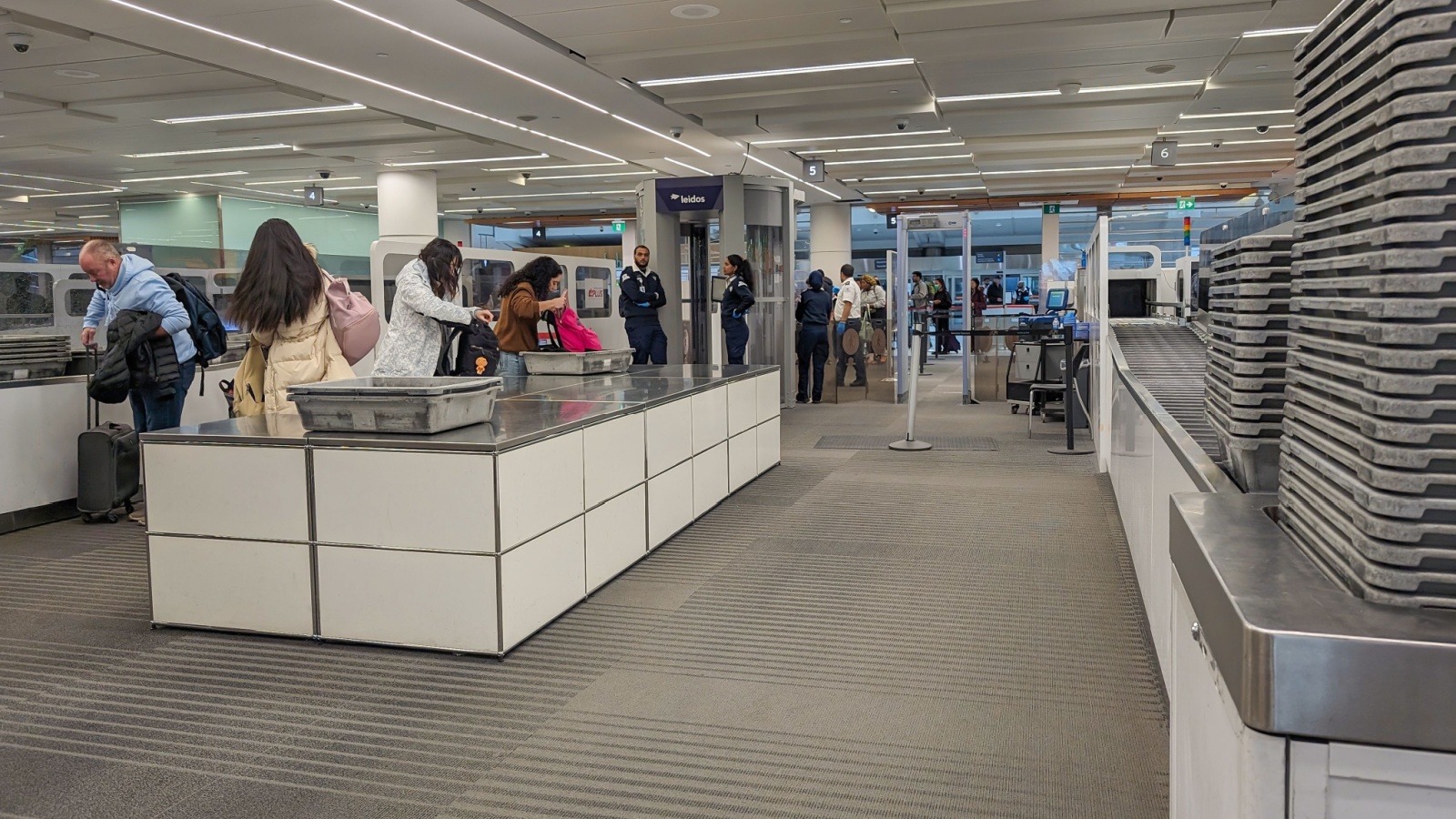
Flying over Thanksgiving becomes much easier when security rules are handled during packing rather than at the checkpoint. The Canadian Air Transport Security Authority says liquids, aerosols and gels in carry-on baggage generally need to be in containers of 100 millilitres or less and fit into a one-litre clear resealable bag. CATSA also recommends keeping medications and electronics accessible and checking restrictions on food, batteries and other potentially confusing items before travelling.
Extra time is equally important. CATSA’s holiday guidance recommends arriving at least two hours before a domestic flight and three hours before an international or U.S.-bound flight. That buffer accounts for check-in, baggage drop, screening and movement through a busy terminal. Thanksgiving food can create its own surprises: solid snacks are generally simpler, while spreadable or pourable foods can fall under liquid rules. A jar of sauce that seemed harmless at home can become the reason a carry-on needs repacking. Reviewing the rules the night before is far easier than holding up a security line while deciding what to abandon.
Save Flight Records in Case the Trip Goes Sideways
Flight delays and cancellations are frustrating enough without scrambling afterward to prove what happened. The Canadian Transportation Agency advises passengers affected by disruptions to retain booking confirmations, reservation codes, itineraries, boarding passes, airline notifications and receipts for costs such as meals, hotels and transportation. Those records can become important when requesting reimbursement or compensation.
Canada’s Air Passenger Protection framework distinguishes between disruptions within an airline’s control, those within its control but required for safety, and events outside its control such as extreme weather. Entitlements can differ depending on the circumstances and the airline’s size. Airlines must also provide information about disruptions and update passengers as a delay develops. Travellers therefore benefit from installing the carrier’s app, enabling alerts and making screenshots of important notices. A printed itinerary is a sensible backup if a phone dies. The objective is not to begin the weekend expecting a dispute; it is to ensure that, if one occurs, the traveller has the records needed to establish what happened.
Check Border Wait Times and Crossing Hours Before a U.S. Trip
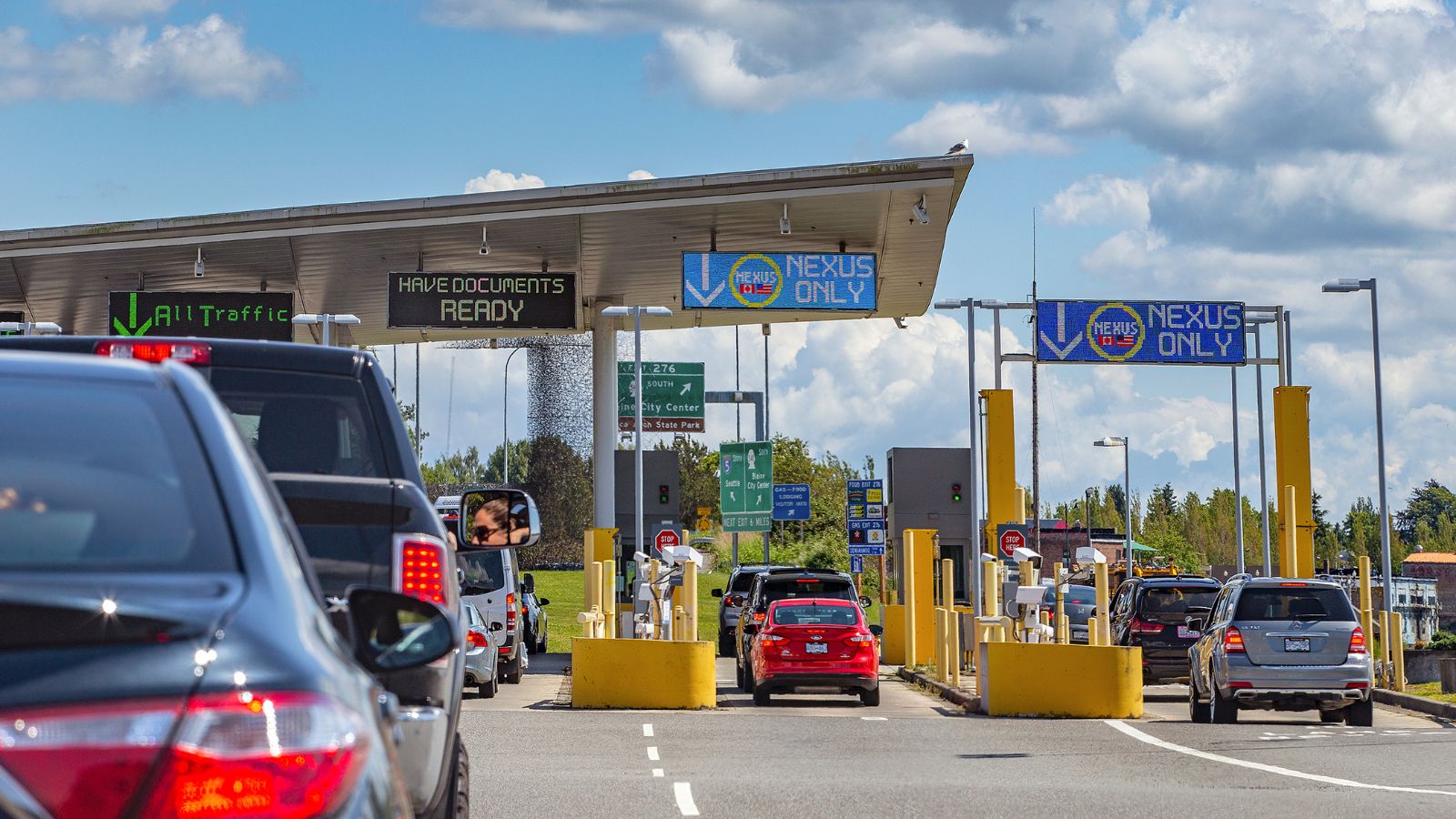
For Canadians turning Thanksgiving into a cross-border weekend, the border itself should be treated as part of the itinerary. The Canada Border Services Agency specifically recommends checking current border wait times and confirming a port of entry’s operating hours before travelling by land. It also warns that holiday long weekends are peak travel periods and suggests avoiding especially busy periods such as weekend evenings and the Monday of a holiday weekend when possible.
That matters because the nearest crossing is not always the quickest one. CBSA suggests considering alternative ports of entry where practical and comparing route options rather than automatically following the first navigation suggestion. Travellers returning to Canada by air may also be able to submit an Advance Declaration up to 72 hours before arrival at participating airports. A family facing a five-hour drive does not need another avoidable hour idling at a border crossing because nobody checked conditions. Reviewing wait times shortly before departure allows the route or departure time to be adjusted while those choices are still easy.
Make Sure Passports and Children’s Documents Are Ready

Cross-border travel can unravel over something as simple as an expired or missing document. Canadians travelling internationally should confirm passport validity and check the entry requirements of the destination before leaving. Families need to pay particular attention to children’s documentation because Canadian authorities recommend that children travelling abroad without both parents or legal guardians carry a signed consent letter.
The recommendation applies in situations including a child travelling with only one parent, with relatives or friends, alone or as part of a group. Canadian guidance notes that immigration authorities, airline representatives or Canadian officials may request the letter and that failing to produce it can result in additional questioning or delays. Relevant custody documentation may also be appropriate depending on the circumstances. This is the sort of paperwork that is easy to postpone because it seems unlikely to matter—until a family reaches the border. Thanksgiving morning is not the ideal time to discover that the necessary signature belongs to someone who is several provinces away.
Think Carefully About Thanksgiving Food Crossing the Border

Bringing leftovers home from a U.S. Thanksgiving-weekend trip can create customs obligations that do not exist during an ordinary drive between Canadian provinces. The Canada Border Services Agency requires travellers entering Canada to declare food, plant and animal products. That includes items people may not instinctively think of as border concerns, such as cooked or cured meat, cheese, fruits, vegetables, plants, seeds and even some homemade foods.
The safest approach is not to guess whether a particular pie, turkey sandwich, cheese board or bag of produce is exempt. Declare the item and let the border officer determine whether it can enter. CBSA warns that undeclared food, plant and animal products can be detained and that penalties can apply. Travellers carrying gifts should likewise know what they are bringing rather than agreeing to transport a mystery package from a relative. Thanksgiving naturally produces coolers full of food and leftovers, which is precisely why a quick check of import rules before the drive home can prevent an awkward conversation at the inspection booth.
Review Travel Insurance Before Leaving Canada
A quick weekend in the United States can feel too short to justify thinking about insurance, but the Government of Canada recommends travel health insurance even for a short trip across the border. Provincial and territorial health coverage may pay only a portion of medical costs outside Canada, if it covers them at all, while the federal government does not pay travellers’ foreign medical bills.
Travellers should therefore confirm whether an existing workplace benefit, private policy or credit card actually provides the protection they assume it does. Coverage periods, exclusions, pre-existing conditions, deductibles and emergency medical transportation can matter. Trip-interruption coverage may also be relevant when non-refundable bookings are involved. A Thanksgiving drive to visit relatives may seem routine, but a fall on a staircase, sudden illness or highway collision does not become inexpensive merely because the trip lasts three days. Keeping the insurer’s contact details and policy information available on the phone—and ideally somewhere else as a backup—makes the coverage far more useful if an emergency occurs.
Pack Medications, Contacts and a Backup Copy of the Itinerary

The final preparation should be a small package of things travellers most regret not having when plans change. The Public Health Agency of Canada recommends taking enough required medication to cover the intended trip and potential delays when travelling abroad, keeping medications in their original labelled containers and carrying an appropriate travel-health kit. Some medications that are legal in Canada may also be restricted elsewhere, making destination-specific checks important for international travel.
Someone at home should also know the itinerary. Government travel guidance recommends leaving travel details and copies of important information with a trusted friend or relative when going abroad. Phone numbers, accommodation details, insurance information and important documents should not exist only on one device. Airlines likewise encourage travellers to keep phones charged and use alerts for schedule changes, while Canadian emergency-preparedness guidance recommends carrying charging cables or a power bank. None of this requires elaborate preparation. A folder, a few screenshots and a fully charged battery can provide exactly the backup needed when weather, traffic or transportation problems turn a simple Thanksgiving trip into an unexpected overnight delay.
16 Costco Canada Habits That Could Be Costing Shoppers More Than They Save

The Executive Membership can feel like an obvious upgrade because the 2% annual reward sounds straightforward. For households that spend heavily at Costco Canada, the extra fee may be easy to justify. But the habit becomes costly when shoppers upgrade first and calculate later. A Gold Star Membership costs less, while Executive costs more and only pays off if eligible annual spending is high enough to offset the difference.
16 Costco Canada Habits That Could Be Costing Shoppers More Than They Save
This Options Discord Chat is The Real Deal
While the internet is scoured with trading chat rooms, many of which even charge upwards of thousands of dollars to join, this smaller options trading discord chatroom is the real deal and actually providing valuable trade setups, education, and community without the noise and spam of the larger more expensive rooms. With a incredibly low-cost monthly fee, Options Trading Club (click here to see their reviews) requires an application to join ensuring that every member is dedicated and serious about taking their trading to the next level. If you are looking for a change in your trading strategies, then click here to apply for a membership.