35,000+ smart investors are already getting financial news, market signals, and macro shifts in the economy that could impact their money next with our FREE weekly newsletter. Get ahead of what the crowd finds out too late. Click Here to Subscribe for FREE.
Thanksgiving dinner has a way of turning an ordinary grocery run into a cart packed with turkey, potatoes, butter, cranberries, desserts and several things nobody remembered were needed until reaching the store. That makes the weeks before the holiday particularly fertile ground for promotions, loyalty offers and merchandising techniques designed to influence what lands in the basket.
With food affordability still a major concern in Canada, small differences in package size, unit price and promotional conditions can add up quickly. Some practices are simply smart retailing, while others deserve closer attention because the apparent bargain may not be as straightforward as it looks. These 20 grocery-store tactics are worth recognizing before Canadians start filling their Thanksgiving carts.
The Bigger Price Is Not Always the Number That Matters
20 Grocery Store Tricks Canadians Should Watch Before Thanksgiving Dinner
- The Bigger Price Is Not Always the Number That Matters
- Shrinkflation Can Hide Behind Familiar Packaging
- Multi-Buy Deals Can Encourage a Bigger Basket Than Planned
- Loyalty Prices Can Make the Shelf Tag More Complicated
- Some Digital Coupons Have to Be Activated First
- Eye-Level Placement Deserves a Second Look
- End-of-Aisle Displays Can Make Ordinary Products Feel Special
- A Great Flyer Deal May Be Designed to Get the Whole Cart Through the Door
- Store Layout Creates More Chances to See Promotions
- Checkout Is One Last Opportunity for an Impulse Purchase
- “Basted” Turkey Is Worth Reading Beyond the Front Label
- Convenience Produce Can Carry a Price for Saving Time
- Best-Before Dates Are Not the Same as Expiration Dates
- The Shelf Price and the Scanner Price Should Match
- A Big “Was” Price Does Not Automatically Prove a Big Saving
- An Advertised Bargain Is Less Useful When It Is Not Actually Available
- A Maple Leaf Does Not Always Mean the Same Thing
- “Fresh” and “Previously Frozen” Turkey Are Different Claims
- Spend-Threshold Rewards Can Turn the Target Into the Shopping List
- “Limited Time” Should Create Awareness, Not Panic
- 16 Costco Canada Habits That Could Be Costing Shoppers More Than They Save
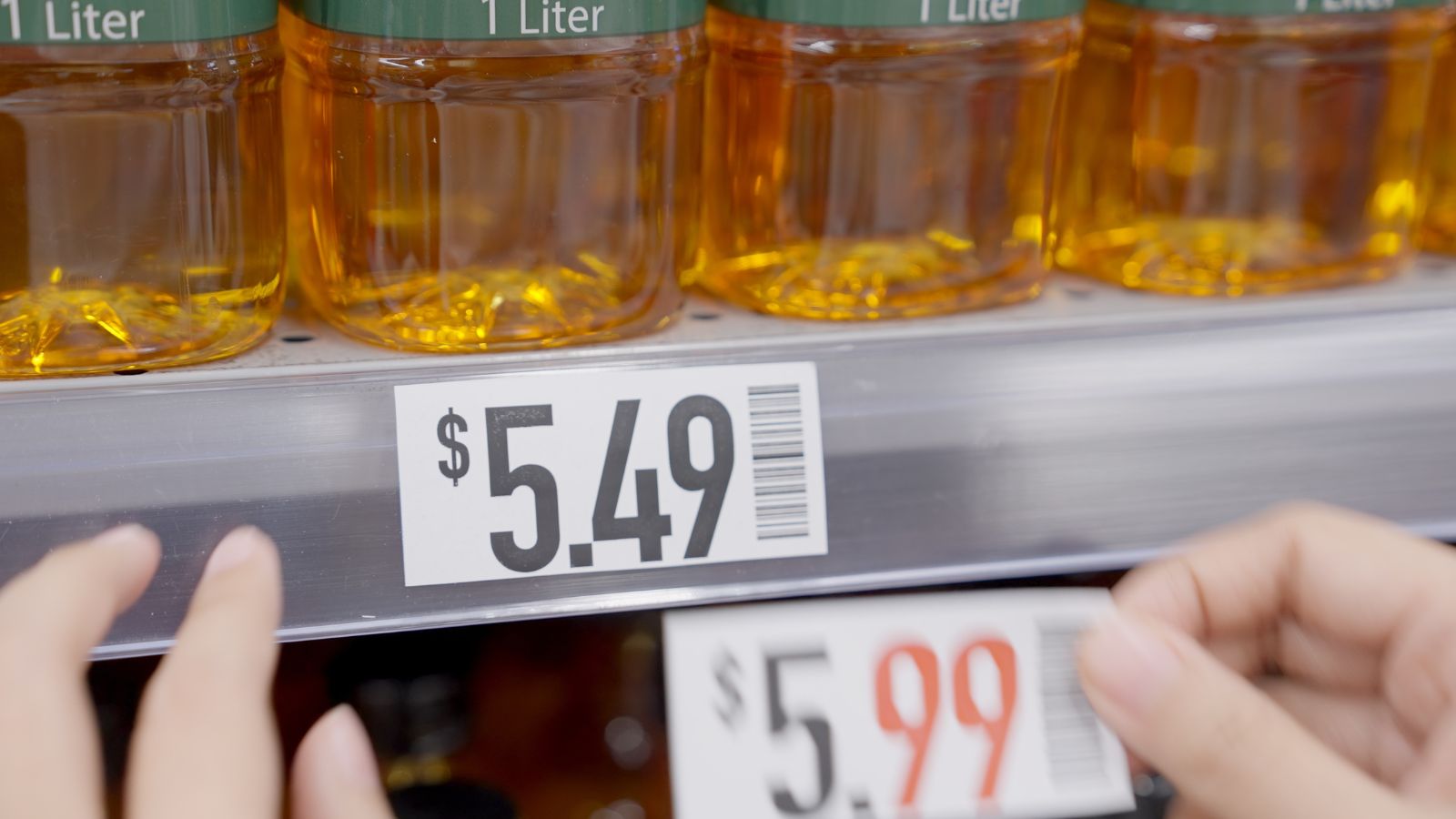
A bright $5.99 shelf tag naturally attracts attention, but comparing total prices alone can hide which package actually offers better value. Unit pricing converts products into a common measurement—such as price per 100 grams or per litre—so a shopper can compare a small bag of stuffing mix with a family-sized package without doing awkward arithmetic in the aisle. That becomes particularly useful before Thanksgiving, when stores may carry several sizes of potatoes, cheese, butter, broth and baking ingredients side by side.
Canada still does not have consistent mandatory unit-pricing rules nationwide. Quebec has requirements, while retailers elsewhere often provide unit prices voluntarily and in different formats. Some labels also display the unit figure in much smaller type than the headline price. A Thanksgiving-sized package can therefore look like the obvious bargain without actually costing less per gram. Checking the smaller unit-price line can reveal whether stocking up genuinely saves money or merely produces a larger grocery bill.
Shrinkflation Can Hide Behind Familiar Packaging

A familiar box can look unchanged while quietly containing less food. Shrinkflation occurs when the quantity of a product declines without a corresponding reduction in price, effectively increasing the amount paid per unit. That matters for holiday staples because recipes are often written around standard quantities. A slightly smaller package of cheese, crackers, butter or cereal may require buying a second package when preparing food for a large family gathering.
Statistics Canada found that 29.6% of eligible grocery items it tracked from 2021 through 2023 experienced shrinkflation. The agency also reported that quantity adjustments were particularly common among products such as margarine, cookies and crackers, cereal and several cheeses. Those categories overlap surprisingly well with holiday cooking and entertaining. Packaging redesigns can make reductions difficult to spot at a glance, so remembering what something “normally costs” is no longer enough. Comparing net weight and unit price offers a better defence than relying on the physical size of the box.
Multi-Buy Deals Can Encourage a Bigger Basket Than Planned

“Two for $8” feels more compelling than “$4 each,” even when the mathematics are identical. Multi-buy promotions are designed to frame a larger quantity as the natural purchasing choice. That can make sense for canned pumpkin, broth or other products that will genuinely be used, but it becomes less useful when the promotion persuades a household to buy three containers of fresh dip or extra produce simply because the sign makes the larger quantity seem like the better decision.
Research published in Scientific Reports in 2025 examined more than 43,000 vegetable purchases and found multi-unit offers increased the number of units purchased by 19.5% compared with equivalent single-unit discounts. Research on whether those deals necessarily create more food waste is mixed, however; another peer-reviewed study found households sometimes responded to multi-buy offers by consuming or freezing more. The practical lesson is simpler: calculate the per-item price, determine whether the extra quantity will actually be used and do not treat the promotional quantity as a requirement unless the offer specifically makes it one.
Loyalty Prices Can Make the Shelf Tag More Complicated
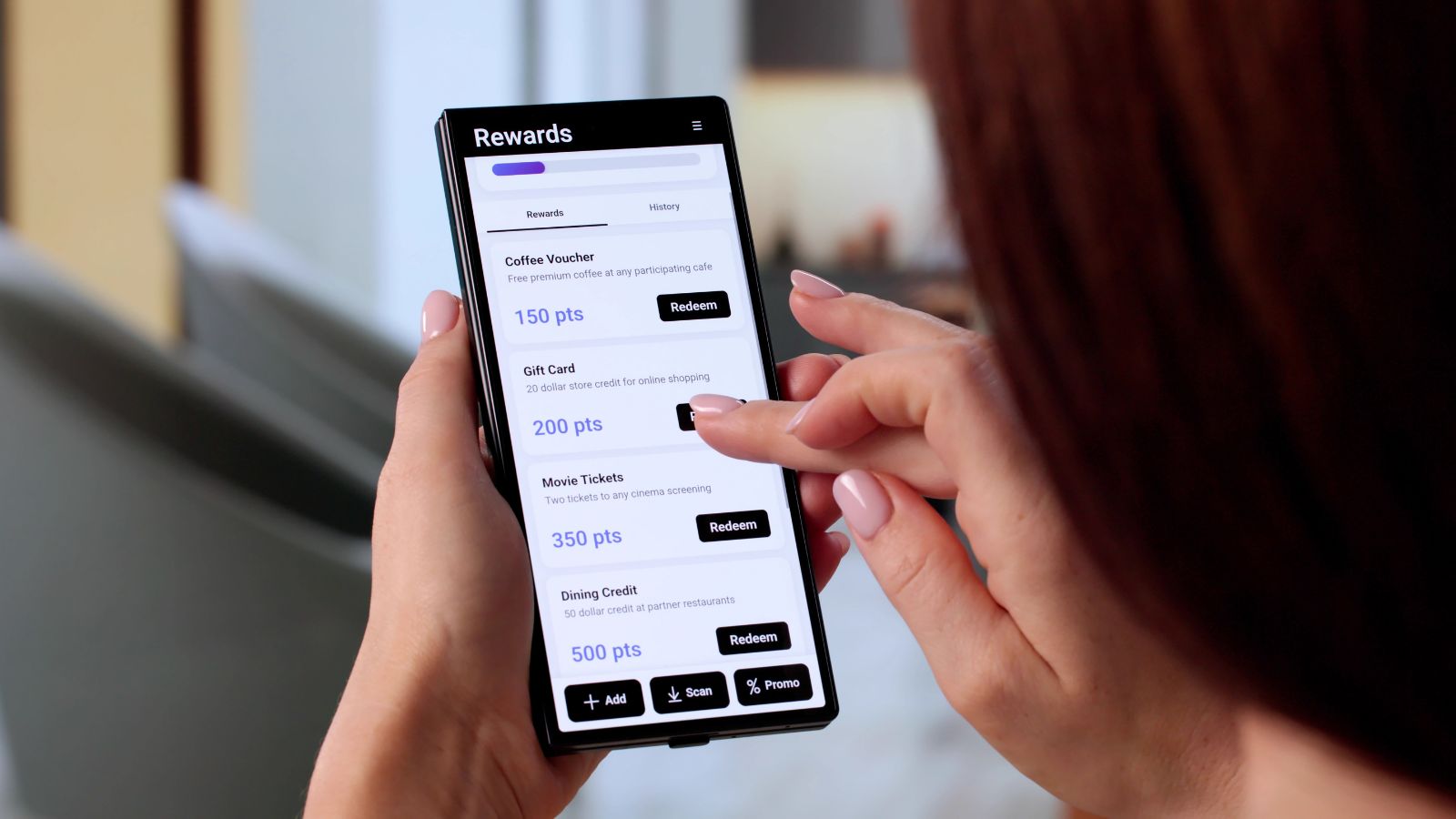
A Thanksgiving shopper may see several numbers on one shelf label: the regular price, a sale price and perhaps a lower loyalty-member price. That creates an important distinction between the price displayed most prominently and the price actually available to a particular shopper. Loyalty pricing itself is not inherently problematic, but it means two people standing in front of the same turkey, pie or box of crackers may face different effective prices depending on membership or promotional eligibility.
Canada’s Competition Bureau specifically identified loyalty programs among the retail-pricing practices it is examining as part of its broader 2026 review of the food supply chain. Canadian grocery applications also openly advertise personalized offers, member-only pricing and rewards tied to customer accounts. Before building a Thanksgiving menu around a prominent promotion, it is worth checking the small print for membership conditions. A price that requires scanning a loyalty card is different from an ordinary storewide sale, and comparing stores works best when the comparison uses the price the household can actually obtain.
Some Digital Coupons Have to Be Activated First

Having a loyalty account does not necessarily mean every digital discount attached to that program will automatically appear at checkout. Several Canadian grocery programs require shoppers to load or activate personalized offers before purchasing the relevant product. Someone who remembers seeing a discounted Thanksgiving item in an application can therefore reach the register and discover that the expected savings never appeared because the offer was not activated.
Sobeys-family grocery applications, for example, advertise digital offers that can be loaded to a Scene+ account, while the My Grocery Offers platform instructs members to open their grocery application and load personalized offers. Similar systems are designed to connect promotions to individual accounts before the transaction takes place. The easiest safeguard is to review and activate relevant offers before entering the store, then check the receipt afterward. A $2 coupon on butter, $3 off a roast and several bonus-point promotions may individually appear modest, but missing several of them during a large holiday shop can materially change the final total.
Eye-Level Placement Deserves a Second Look
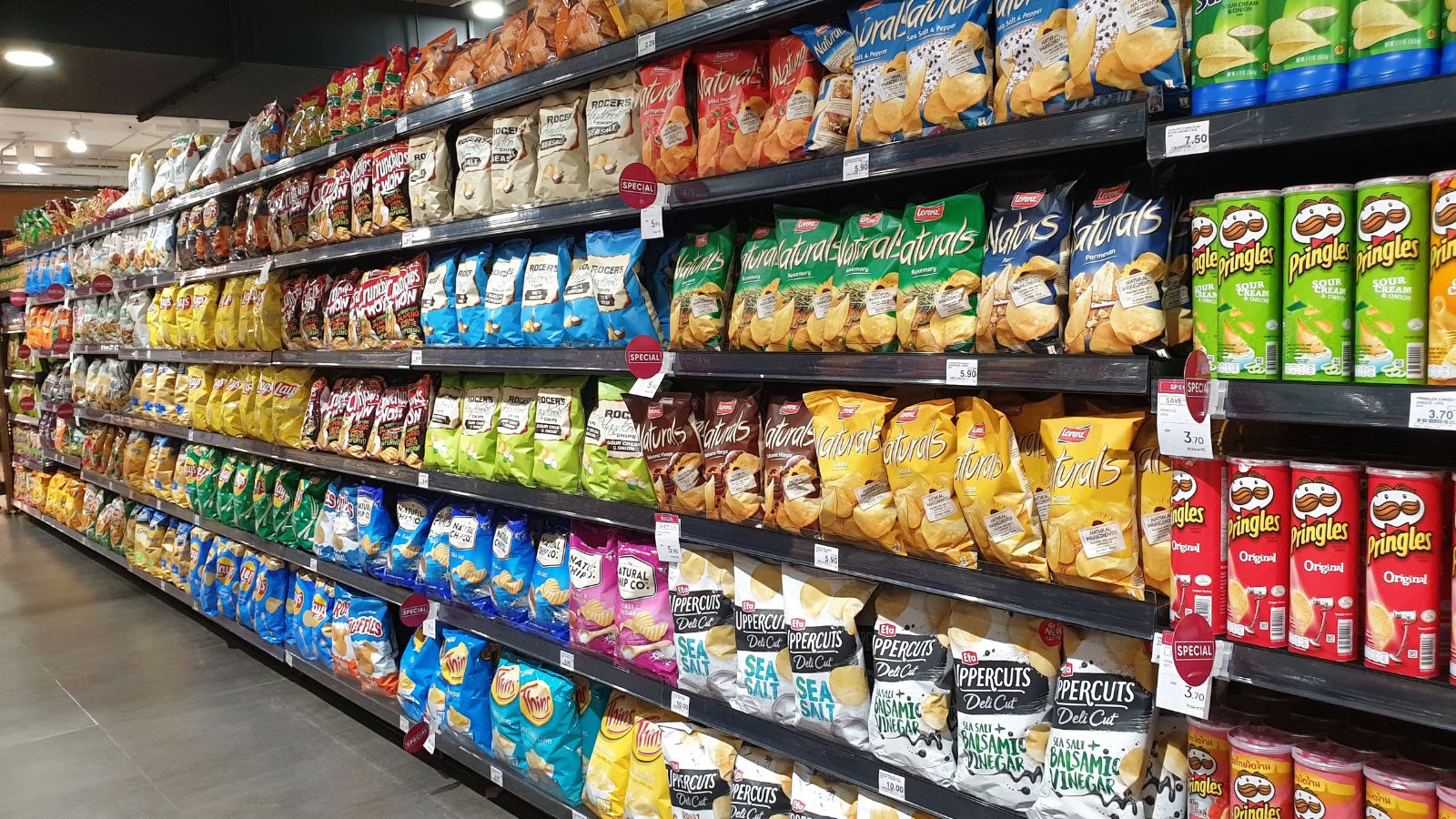
The easiest product to see is not necessarily the best value. Supermarket shelves are carefully organized spaces, and prominent positioning can influence which products receive attention. Researchers using eye-tracking have found that visual attention is an important predictor of grocery choices, while broader reviews of supermarket interventions have repeatedly examined eye-level placement as a meaningful part of the retail environment.
That makes looking above and below the most comfortable viewing height worthwhile, especially in heavily promoted Thanksgiving categories. The stuffing mix positioned directly in front of an adult shopper may have a cheaper store-brand equivalent one shelf lower. The premium cranberry sauce may dominate the centre while a larger or less expensive tin sits nearby. Placement alone does not guarantee higher sales in every study—price and brand preference remain powerful influences—but attention is valuable retail real estate. Scanning the entire shelf rather than choosing the first recognizable package can reveal alternatives that the display does not visually prioritize.
End-of-Aisle Displays Can Make Ordinary Products Feel Special
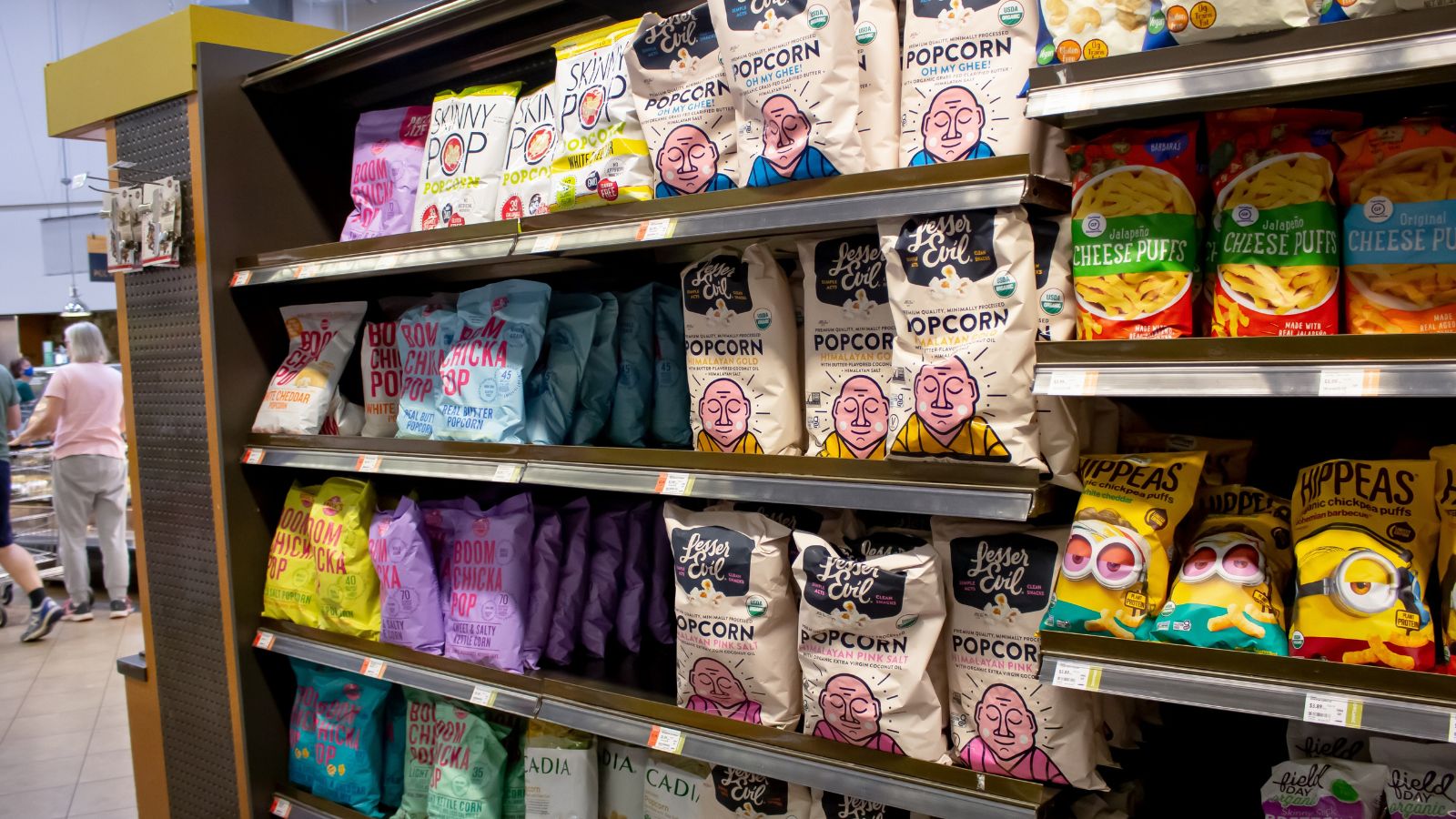
A tower of gravy, crackers or canned pumpkin at the end of an aisle can create the impression that the product is there because it represents an exceptional deal. Sometimes it does. Other times the display’s greatest advantage is simply visibility. Endcaps are among the most prominent locations in a supermarket, giving a product a second selling opportunity before shoppers even enter the aisle where comparable alternatives are stocked.
A supermarket field study published in the Journal of Retailing and Consumer Services found substantial sales lifts associated with endcap displays, with the effect varying depending on whether the display was located at the front or rear of the aisle. Researchers described rear endcaps as functioning partly like billboards that draw shoppers toward products. Before Thanksgiving, seasonal endcaps become especially dense with baking supplies, snacks, beverages and entertaining foods. Treating the display as an advertisement rather than proof of value can help. Check the regular shelf, compare competing brands and confirm that the prominent item is actually discounted before dropping it into the cart.
A Great Flyer Deal May Be Designed to Get the Whole Cart Through the Door
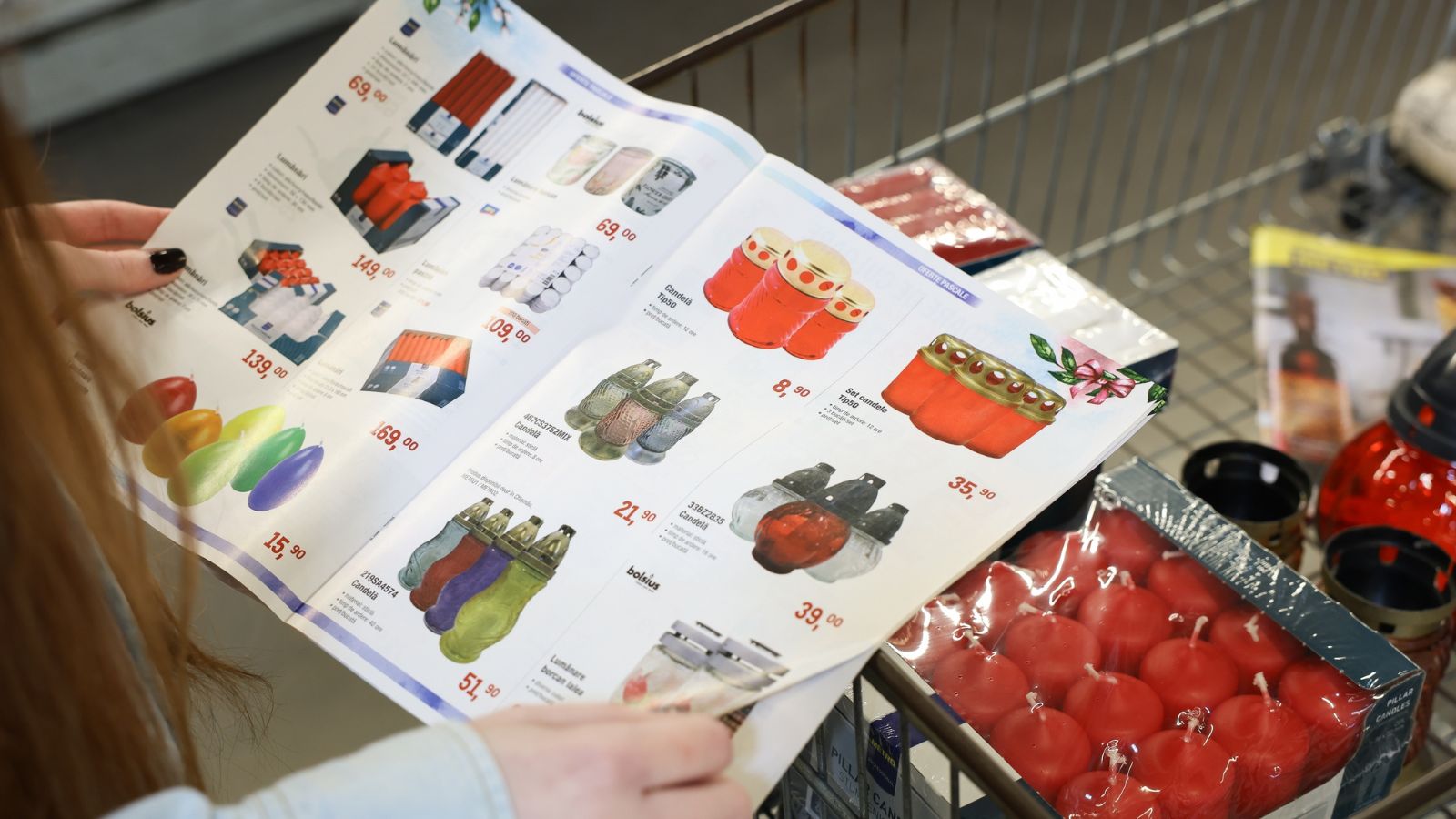
The deeply discounted turkey, butter or bag of potatoes on the front page of a flyer can be genuinely inexpensive. That does not mean every item purchased during the same trip will be equally competitive. Retail researchers use the term “loss leader” for products priced aggressively to attract customers, with retailers potentially recovering some of the margin through other things those customers buy during the visit.
Research in the Journal of Retailing has examined how loss-leader strategies can work because a discounted product brings shoppers into a store where complementary products enter the same basket. Other economic research has found legitimate competitive reasons for below-cost pricing rather than treating loss leaders as inherently improper. For households, the relevant point is that one excellent Thanksgiving price should not automatically establish that the entire store is cheapest. A discounted turkey can save real money while higher-priced desserts, drinks, vegetables and disposable tableware quietly erase part of the benefit. A list—and selective comparison shopping—keeps the headline deal from determining every other purchase.
Store Layout Creates More Chances to See Promotions
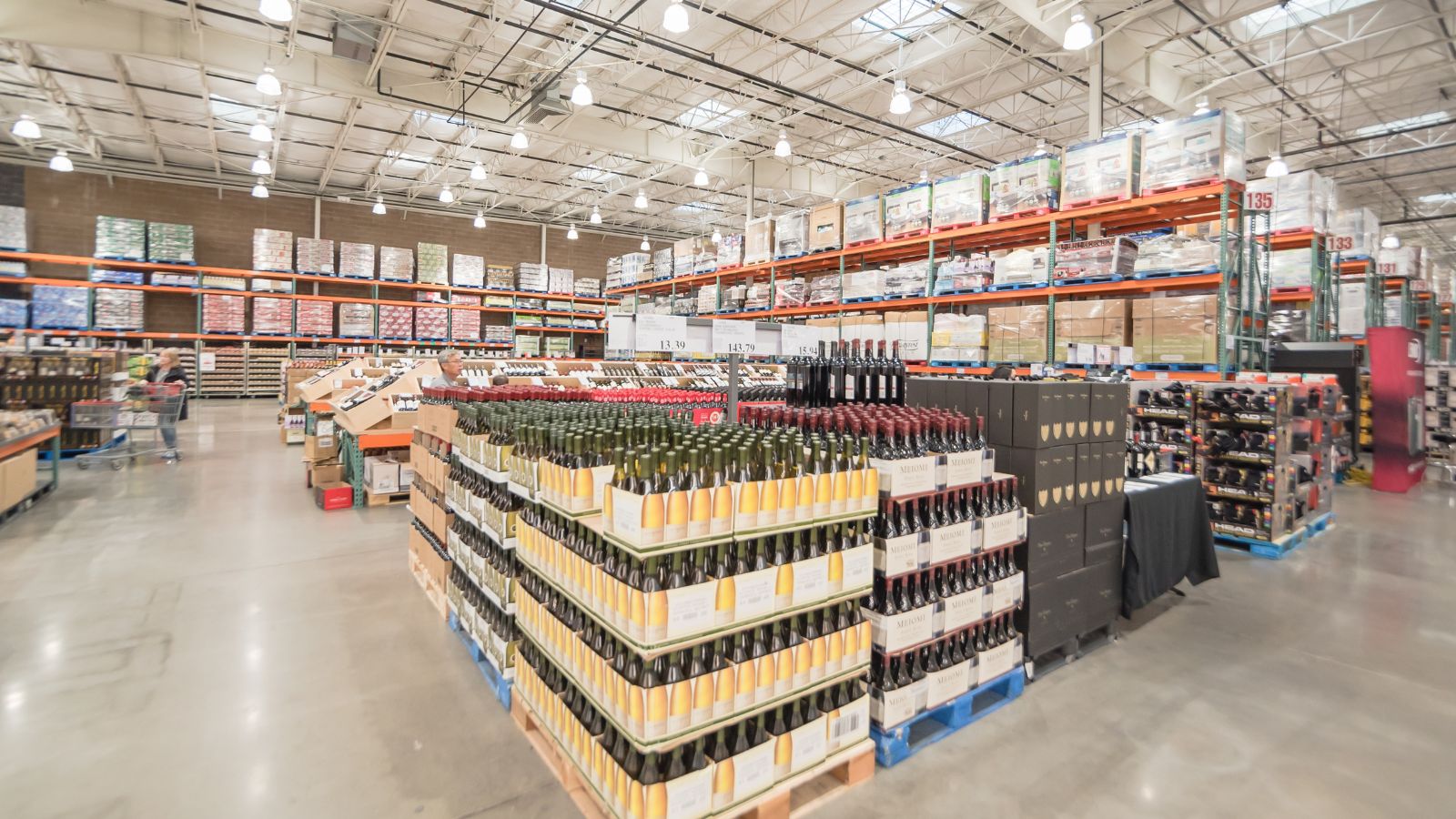
Grocery-store layout is not random, but it is also important not to exaggerate its power. Stores can use aisle arrangements, secondary displays and promotional spaces to increase the number of opportunities shoppers have to encounter products. Yet research comparing two real supermarkets—one with an additional middle aisle and one with a more traditional layout—found almost identical overall spending, basket size and trip duration.
That finding is useful because it separates evidence from supermarket folklore. Layout alone does not automatically force people to spend more. What it can do is create additional promotional surfaces and repeated product exposure. During a Thanksgiving shop, a customer may encounter the same crackers near the entrance, on an endcap and again in the snack aisle. Seasonal pies may appear beside the bakery and again near checkout. Recognizing repetition as merchandising rather than independent confirmation that an item is popular or discounted helps shoppers remain anchored to the meal plan instead of gradually expanding it as they move through the store.
Checkout Is One Last Opportunity for an Impulse Purchase
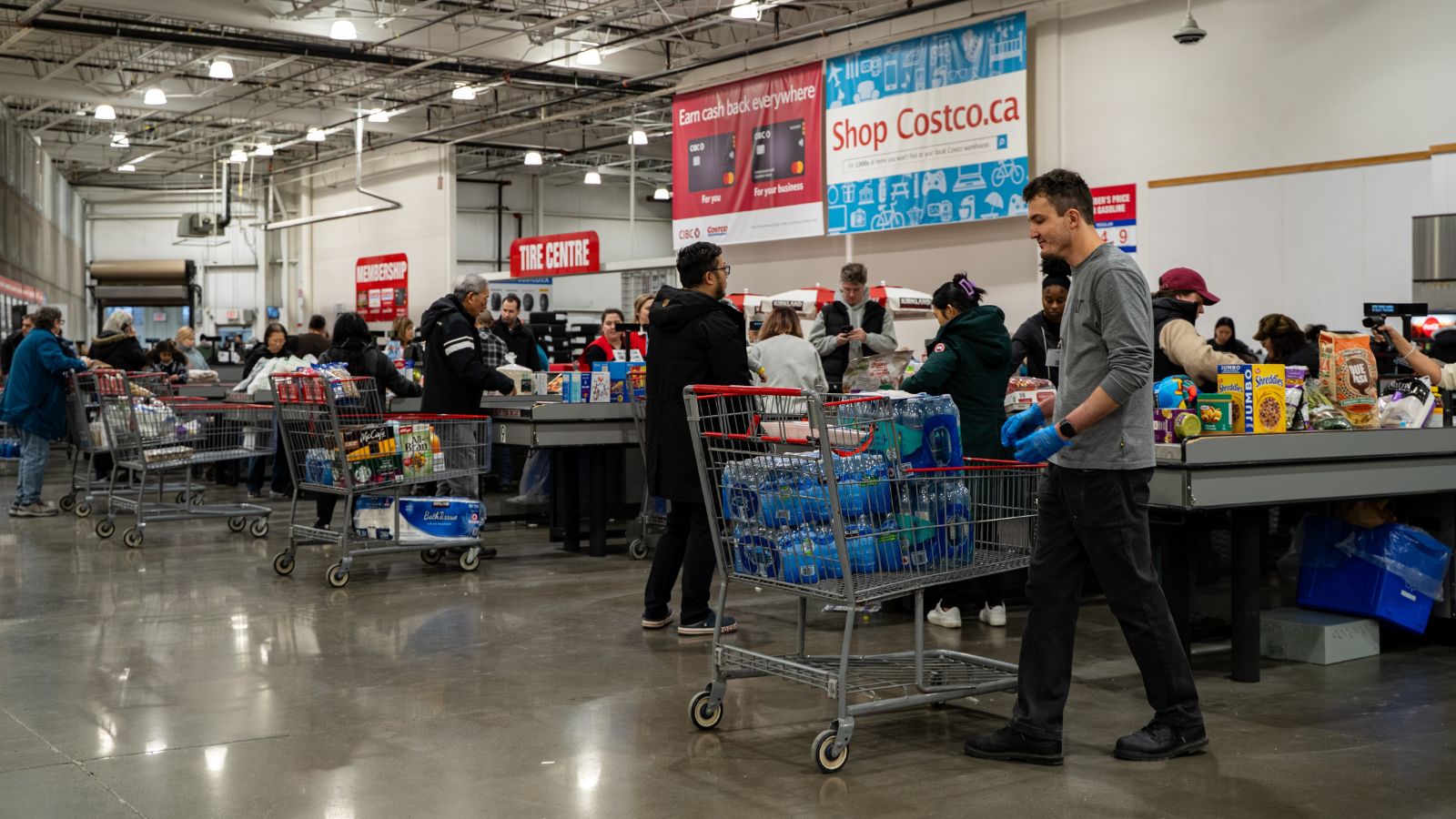
By the time Thanksgiving groceries reach the register, the household may already have decided on every major part of dinner. The checkout area creates one final retail environment before payment, often concentrating small products that can be added without much deliberation. Chocolates, drinks, gum, seasonal treats and small convenience products are common because they require little physical space and can be considered while the shopper is temporarily stationary.
A systematic review in Nutrition Reviews examined dozens of studies involving supermarket product availability and placement, including checkout locations, entrances and end-of-aisle displays. Overall, the evidence suggested that prominent positioning and availability can influence purchasing and dietary behaviour, although individual studies varied in strength and significance. For a Thanksgiving trip already costing well above an ordinary grocery run, several small additions can disappear psychologically into the much larger total. Keeping the planned total in mind until payment—not merely until the final aisle—helps prevent a $5 treat here and $4 drink there from quietly becoming another $20 or $30.
“Basted” Turkey Is Worth Reading Beyond the Front Label
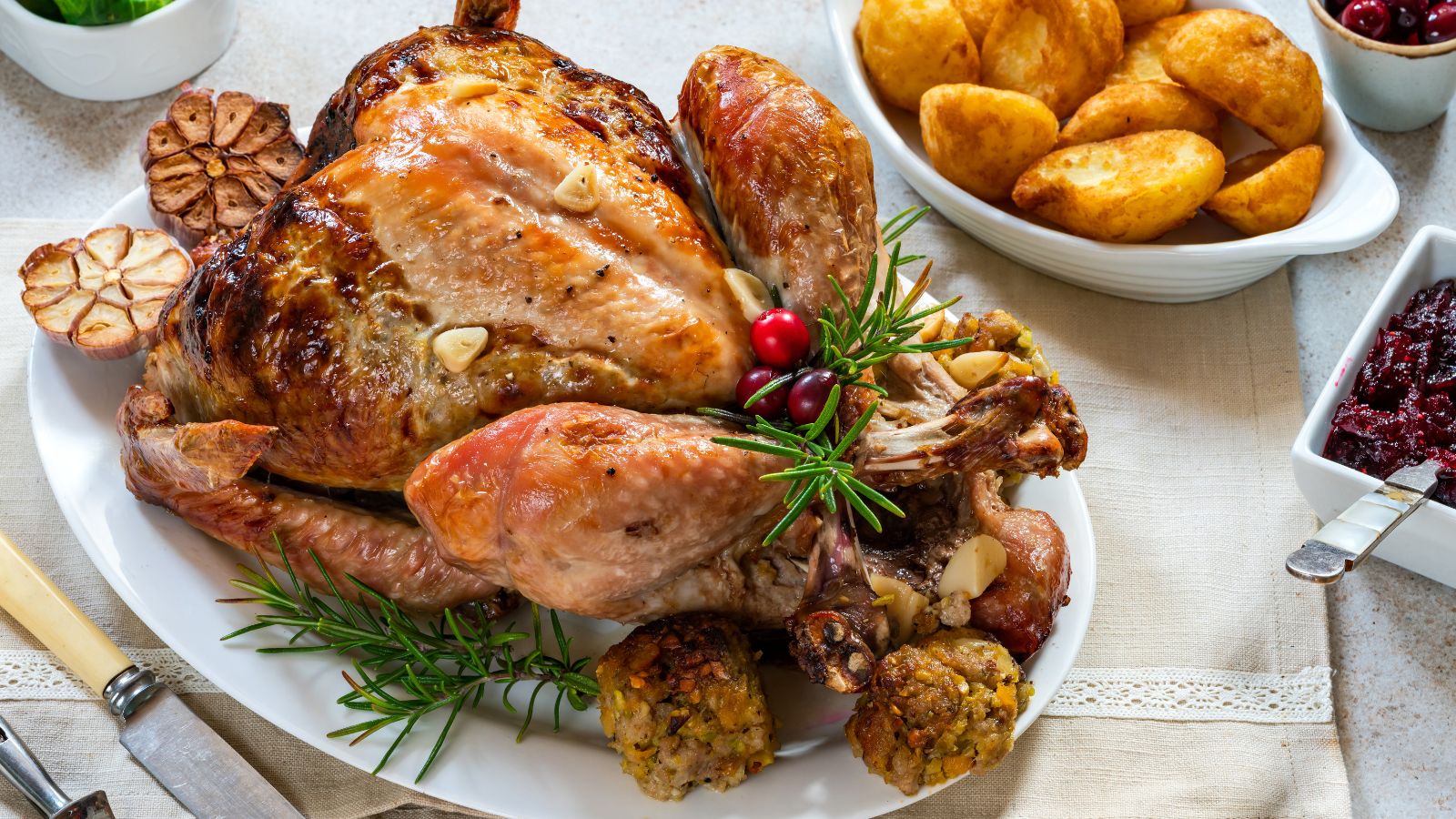
Turkey shoppers often compare weight and price while overlooking how the bird has been prepared. Canadian meat-labelling rules distinguish single-ingredient poultry from products containing added water or other ingredients, and prepared poultry products may be subject to different labelling requirements. Pre-basted turkey is specifically recognized in CFIA guidance as a multi-ingredient prepared meat product rather than simply an untouched raw bird.
That does not make a basted turkey inferior. Some households actively prefer the flavour, moisture or convenience. It does mean the ingredient list deserves attention when comparing two birds that appear similar from the front of the package. CFIA guidance also sets rules around retained water in poultry processing and establishes allowable weight increases for dressed turkey carcasses under water-retention controls. Thanksgiving shoppers comparing products should therefore look beyond the per-kilogram price and read whether a bird is plain, seasoned, basted or otherwise prepared. The best value depends on what the household actually wants to cook, not merely which turkey has the lowest-looking shelf number.
Convenience Produce Can Carry a Price for Saving Time
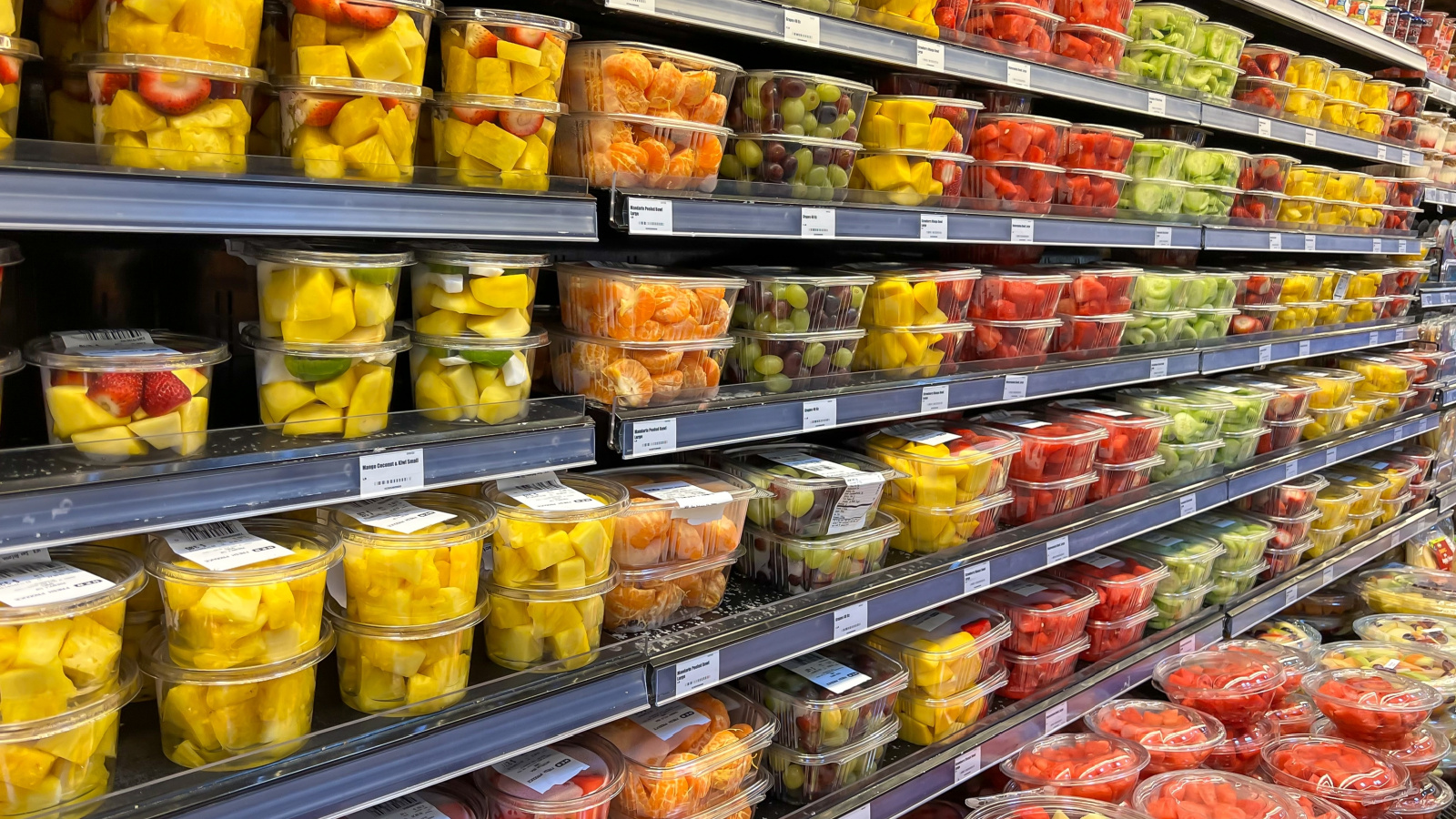
Peeled squash, trimmed beans, chopped vegetables and ready-made fruit trays can be extremely useful when a Thanksgiving kitchen is already crowded. The trade-off is that value-added preparation often changes the price equation. Canadian grocery-industry reporting has documented consumers’ willingness to pay more for pre-cut and prewashed produce because it removes work and can reduce unused leftovers.
The comparison is not as simple as claiming that loose produce is always cheaper. Agriculture and Agri-Food Canada research has found that, for some fresh produce, loose items can actually cost more by weight than packaged equivalents because of handling, labour, shrink and distribution differences. That makes unit-price comparison particularly important. A tray of chopped vegetables may be expensive relative to doing the preparation at home, while a packaged bag of apples could still beat loose apples on price per kilogram. Thanksgiving shopping rewards case-by-case comparison: calculate the premium being paid for convenience, then decide whether the saved preparation time is worth it during an already busy cooking weekend.
Best-Before Dates Are Not the Same as Expiration Dates

A carton of cream or package of dinner rolls approaching its best-before date may be discounted heavily, which can look risky to someone who interprets that date as a safety deadline. In Canada, however, a best-before date generally describes the expected quality of an unopened product—its freshness, taste and nutritional characteristics—rather than guaranteeing whether it is safe to consume on a specific day.
The Canadian Food Inspection Agency explicitly states that best-before dates are not the same as expiration dates. Properly stored foods may be sold and consumed after a best-before date, although quality can decline. True expiration dates are required only for certain products with specific nutritional requirements, including infant formula and meal replacements. For Thanksgiving shoppers, the distinction can create savings on foods that will be used immediately, particularly bakery, dairy or refrigerated products marked down near their dates. Storage history and signs of spoilage still matter, especially with perishable foods, but automatically rejecting every near-dated product can mean overlooking legitimate discounts without gaining additional safety.
The Shelf Price and the Scanner Price Should Match
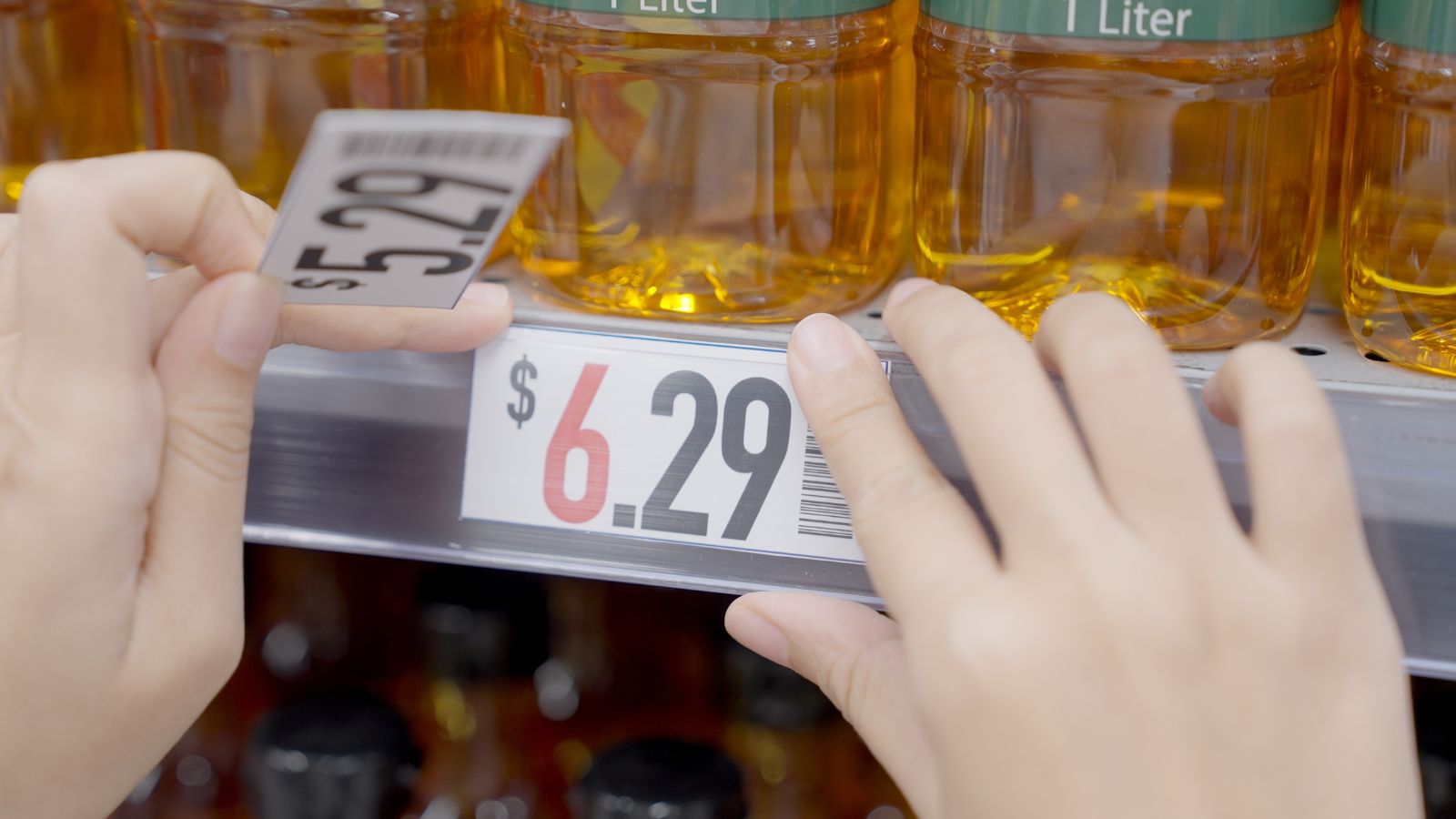
A crowded holiday shop makes it easy to miss a 50-cent or $2 difference between what appeared on the shelf and what rings through at checkout. Canadian consumers nevertheless have protections and voluntary industry mechanisms addressing scanner-price discrepancies. The Competition Bureau notes that charging more than an advertised price can raise concerns under the Competition Act and endorses the Scanner Price Accuracy Voluntary Code used by participating retailers.
Under that code, when an eligible item scans higher than the displayed price, participating retailers generally provide the item free when the correct price is $10 or less, or apply a $10 reduction when it is worth more than $10. Quebec has its own regulated price-accuracy system, with different compensation rules. There are exclusions, so the policy should not be assumed to cover every weighted, individually ticketed or regulated product. Still, photographing an important sale tag and checking the receipt can be worthwhile during Thanksgiving week. Ten discounted items are not bargains if several quietly revert to regular price at the register.
A Big “Was” Price Does Not Automatically Prove a Big Saving

A crossed-out regular price is powerful because it gives the sale price context. A package marked “regular $9.99, now $6.99” feels more compelling than a plain $6.99 label even when the shopper has no idea what the product normally costs. Canadian competition law therefore places restrictions on how businesses represent ordinary or regular selling prices.
The Competition Bureau says retailers cannot invent an inflated regular price simply to create the appearance of a bargain. A claimed ordinary price must satisfy legal tests based on the amount of product sold at that price or the period during which it was genuinely offered at that level. That does not mean a Thanksgiving sale tag should be viewed with suspicion by default. Most ordinary promotions are legitimate. It does mean the strongest comparison is still with competing products and unit prices rather than the size of the claimed percentage reduction. Saving “30%” on an expensive brand can still cost more than buying the regular-priced alternative beside it.
An Advertised Bargain Is Less Useful When It Is Not Actually Available

Few pre-holiday frustrations compare with travelling to a grocery store for a prominent turkey or butter special and finding an empty case. A genuinely popular sale can certainly sell out. Canadian competition rules nevertheless recognize a different problem known as bait-and-switch selling, where a product is advertised cheaply without reasonable quantities and customers are steered toward something else.
The Competition Bureau lists bait-and-switch tactics among deceptive sales practices and advises businesses to maintain reasonable quantities of products advertised at bargain prices. That does not guarantee every location will have every Thanksgiving special at all times; unexpected demand and supply disruptions happen. Still, shoppers should be cautious when a missing headline deal suddenly turns into pressure to buy a substantially more expensive substitute. Checking flyer conditions, limits and availability before making a special trip can help. If the holiday meal depends on one aggressively promoted item, shopping earlier in the promotion period or confirming stock may be more valuable than assuming the advertised price will still be waiting late in the week.
A Maple Leaf Does Not Always Mean the Same Thing

Canadian origin has become an increasingly visible selling point in grocery aisles, but several different label phrases carry different meanings. Under CFIA guidance, “Product of Canada” generally indicates that all or virtually all significant ingredients, processing and labour are Canadian. “Made in Canada,” by contrast, means the product underwent its last substantial transformation in Canada and must be accompanied by wording explaining whether the ingredients are domestic, imported or a combination.
Even a maple leaf symbol by itself should not be treated as definitive proof of ingredient origin. The CFIA recommends that businesses place a clear domestic-content statement near maple-leaf imagery so consumers understand what the symbol represents. That distinction matters for Thanksgiving ingredients marketed around Canadian identity, from pies and prepared foods to sauces and packaged vegetables. Someone deliberately trying to support Canadian agriculture may want “Product of Canada” or a specific ingredient-origin statement, whereas another shopper may be satisfied knowing the food was processed domestically. Reading the actual origin wording is more informative than relying on patriotic packaging alone.
“Fresh” and “Previously Frozen” Turkey Are Different Claims
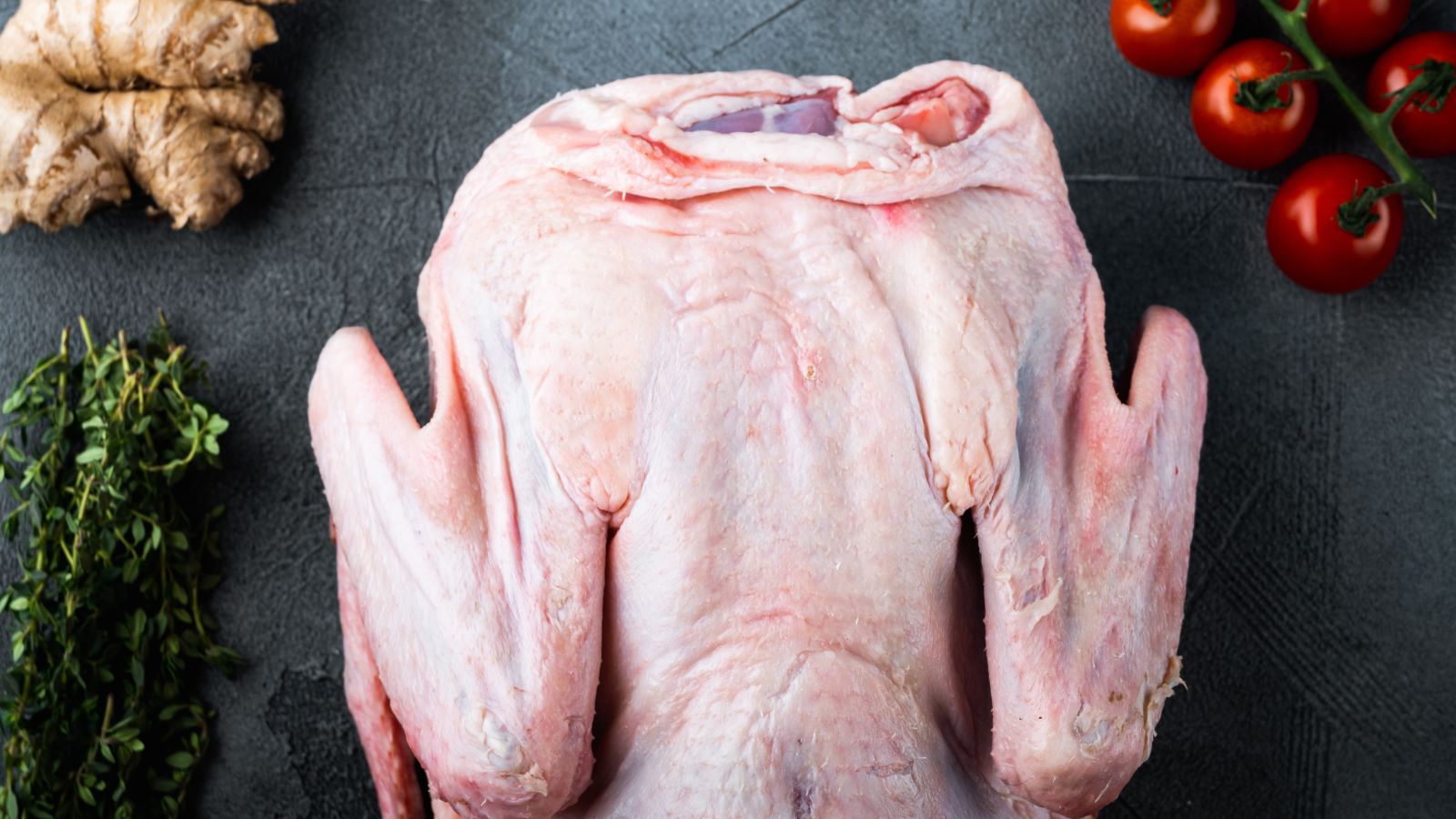
Thanksgiving turkey cases often contain birds sold in several conditions, and Canadian labelling rules make an important distinction between meat that is fresh and meat that has been frozen and thawed. CFIA guidance says meat and poultry previously frozen and thawed before sale must display “previously frozen” on the principal display panel or on a nearby sign where consumers can readily see it.
The agency also explains that “fresh” generally describes meat and poultry that have not been preserved through freezing or similar processing, although refrigeration, vacuum packaging and modified-atmosphere packaging are compatible with a fresh claim. This is primarily about accurately describing the product, not declaring that one bird will produce a better Thanksgiving dinner. Frozen turkey can offer good value and easier advance purchasing, while fresh turkey avoids the need for several days of refrigerator thawing. The useful shopping habit is to know which one is being purchased and price the products accordingly rather than assuming every refrigerated bird in the display started out fresh.
Spend-Threshold Rewards Can Turn the Target Into the Shopping List

“Spend $100 and earn bonus points” creates a different decision than simply rewarding every dollar equally. Once a cart reaches $91, the remaining $9 can start to feel less like additional spending and more like the cost of unlocking the reward. That psychological shift becomes particularly relevant before Thanksgiving because an already-large holiday basket may sit tantalizingly close to a promotional threshold.
Threshold promotions are a well-established retail technique. Recent research in the Journal of Consumer Research examined promotions that activate only after customers reach a specified spending amount and found that their design can influence purchase intentions. Canadian loyalty programs also use spend-based bonus events; PC Optimum materials, for example, have described promotions such as earning bonus points after spending a specified amount. The sensible calculation is the incremental one. If another $15 of unplanned groceries earns points worth $10, the household has not “saved” $10—it has spent an extra $15 to receive $10 in future value. The reward only wins when the extra purchases were needed anyway.
“Limited Time” Should Create Awareness, Not Panic

Thanksgiving food promotions really do have deadlines. Turkeys are finite, weekly flyers change and seasonal bakery products disappear. That makes urgency a legitimate part of holiday shopping. It can also make shoppers less likely to compare prices when language such as “today only,” “last chance” or “while quantities last” creates pressure to decide immediately.
Canada’s Competition Bureau distinguishes legitimate limited offers from false urgency cues. It identifies potentially deceptive practices such as claiming an offer is about to end when the discounted price continues afterward, using countdowns that reset or making inaccurate low-stock claims. The broader lesson applies even when the promotion itself is completely honest: urgency should not replace arithmetic. Thanksgiving dinner involves enough genuine deadlines without allowing every red sale tag to manufacture another one. Checking the unit price, the amount actually needed and the cost of substitutes takes only a moment. A promotion is useful when it improves the meal or lowers its cost—not merely because the sign makes hesitation feel expensive.
16 Costco Canada Habits That Could Be Costing Shoppers More Than They Save
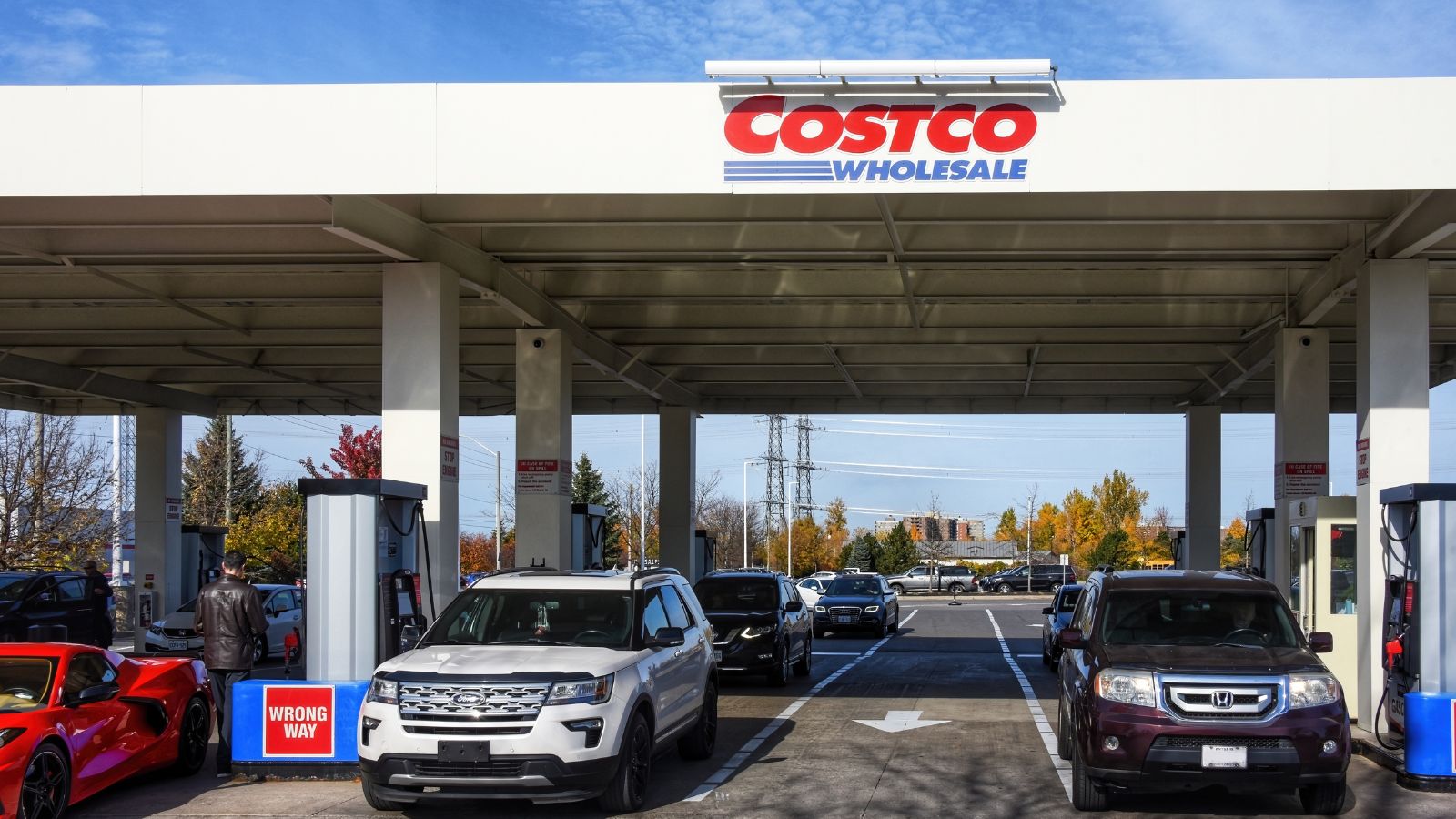
The Executive Membership can feel like an obvious upgrade because the 2% annual reward sounds straightforward. For households that spend heavily at Costco Canada, the extra fee may be easy to justify. But the habit becomes costly when shoppers upgrade first and calculate later. A Gold Star Membership costs less, while Executive costs more and only pays off if eligible annual spending is high enough to offset the difference.
16 Costco Canada Habits That Could Be Costing Shoppers More Than They Save
This Options Discord Chat is The Real Deal
While the internet is scoured with trading chat rooms, many of which even charge upwards of thousands of dollars to join, this smaller options trading discord chatroom is the real deal and actually providing valuable trade setups, education, and community without the noise and spam of the larger more expensive rooms. With a incredibly low-cost monthly fee, Options Trading Club (click here to see their reviews) requires an application to join ensuring that every member is dedicated and serious about taking their trading to the next level. If you are looking for a change in your trading strategies, then click here to apply for a membership.