35,000+ smart investors are already getting financial news, market signals, and macro shifts in the economy that could impact their money next with our FREE weekly newsletter. Get ahead of what the crowd finds out too late. Click Here to Subscribe for FREE.
Fall has a way of looking financially harmless at first. The air cools, routines settle in and winter still seems far enough away to worry about later. Then the expenses begin arriving together: vehicle preparation, home maintenance, heating costs, school activities and the first signs of holiday spending.
Many of these bills are predictable, but their timing makes them easy to underestimate. Some are annual, others appear only when equipment wears out or children outgrow last year’s gear. Together, they can put surprising pressure on a household budget between September and November. These 21 fall expenses show where the seasonal squeeze often comes from—and why planning for autumn can matter almost as much as preparing financially for December.
Winter Tires Can Turn Into a Four-Figure Surprise
21 Fall Expenses Canadians Forget Until the Bills Start Landing
- Winter Tires Can Turn Into a Four-Figure Surprise
- Tire Changeovers and Storage Keep Charging After the Tires Are Bought
- Cold-Weather Car Maintenance Arrives Before the First Snowstorm
- Winter Car Supplies Create a Second, Smaller Automotive Bill
- The Heating Bill Starts Climbing Before Winter Officially Begins
- Furnace Servicing and Filters Are Easy to Postpone Until Fall
- Fireplaces and Chimneys Come With Their Own Pre-Winter Tab
- Gutter Cleaning Becomes Expensive When a Ladder Is Not an Option
- Outdoor Plumbing Needs Money Before Freezing Temperatures Arrive
- Weatherstripping and Caulking Quietly Become a Shopping List
- Small Roof Repairs Can Become Urgent Before Freeze-Thaw Weather
- Snow Removal Is Often Paid for Before the Snow Arrives
- Yard Cleanup Can Cost More Than a Few Leaf Bags
- Back-to-School Spending Often Continues Well After the First Day
- Fall Sports Registrations Can Rival a Major Household Bill
- Halloween Can Become a Full Seasonal Spending Category
- Thanksgiving Groceries Can Turn One Weekend Into a Costly Food Shop
- Coats, Boots and Gloves Often Need Replacing at the Same Time
- Cottages, Boats and RVs Send One Final Bill After Summer Ends
- Holiday Travel Deposits Start Landing While It Still Looks Like Fall
- Holiday Shopping Now Starts Before Autumn Is Over
- 16 Costco Canada Habits That Could Be Costing Shoppers More Than They Save
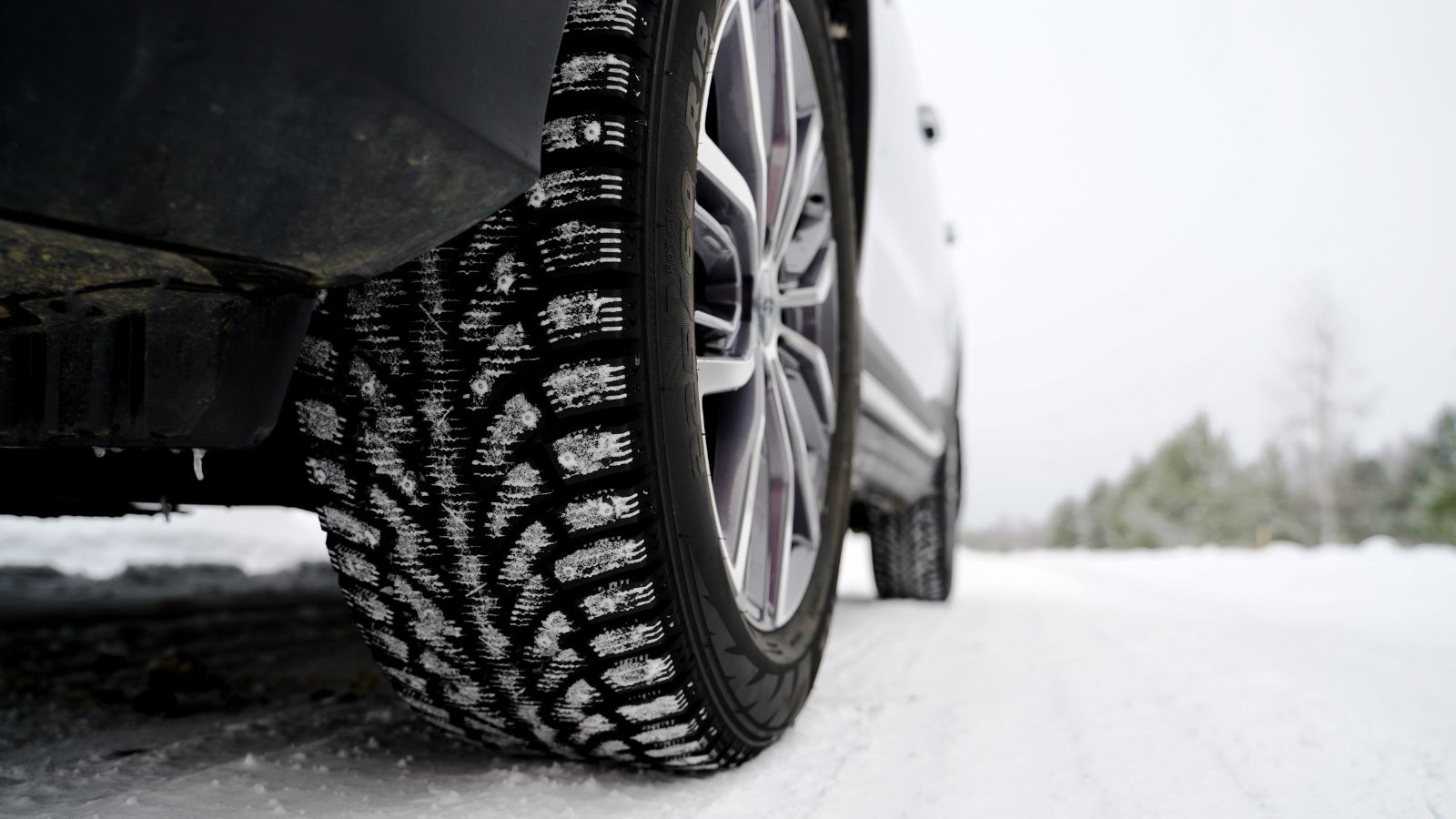
The first cold mornings often arrive before household budgets are ready for them. For drivers whose existing winter tires are worn out, undersized for a new vehicle, or still sitting on a “next year” replacement list, fall can bring a large one-time purchase. Transport Canada says all-season and summer tires begin losing elasticity below 7°C, while winter tires are designed to remain flexible and should be installed as a matching set of four. That makes delaying replacement a safety decision as much as a financial one.
The cost is easy to underestimate because the tire itself is only part of the bill. New wheels, installation, balancing, valve hardware and taxes can all add up, particularly on SUVs, pickups and vehicles with larger wheel sizes. A family that expected to simply “put the winters back on” can discover during inspection that tread depth is too low or damage has developed in storage. Fall budgets work better when tire replacement is treated as a periodic capital expense rather than a last-minute repair.
Tire Changeovers and Storage Keep Charging After the Tires Are Bought
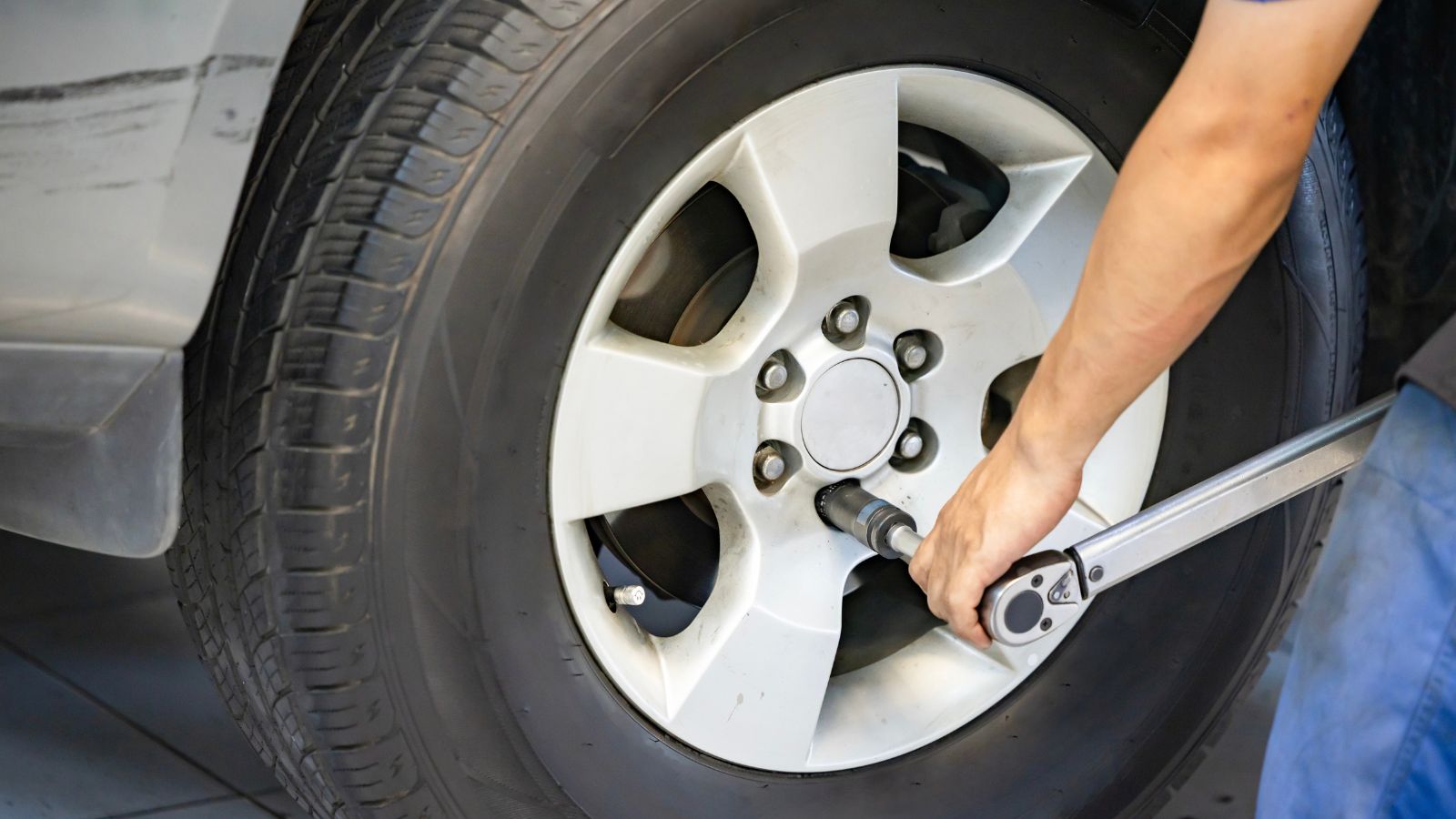
Even households that already own two good sets of tires can face a recurring autumn bill. Seasonal changeovers cost money when a shop handles the work, and the labour is usually higher when tires must be removed from one set of wheels and mounted on another. Kal Tire, for example, lists seasonal wheel-and-tire swaps as a per-tire service, while CAA clubs in some regions publish separate prices for on-rim and off-rim changes. Those charges come back every spring and fall.
Storage is the second expense that quietly attaches itself to winter-tire ownership. Drivers without a garage, basement or safe storage area may pay a shop or “tire hotel” to hold the unused set. CAA North & East Ontario currently lists seasonal tire storage as an add-on, while Kal Tire notes that pricing varies by region. The convenience can be worth it, especially in condos, but it turns a one-time tire purchase into an ongoing annual cost. Booking early also matters because fall appointment calendars fill quickly.
Cold-Weather Car Maintenance Arrives Before the First Snowstorm
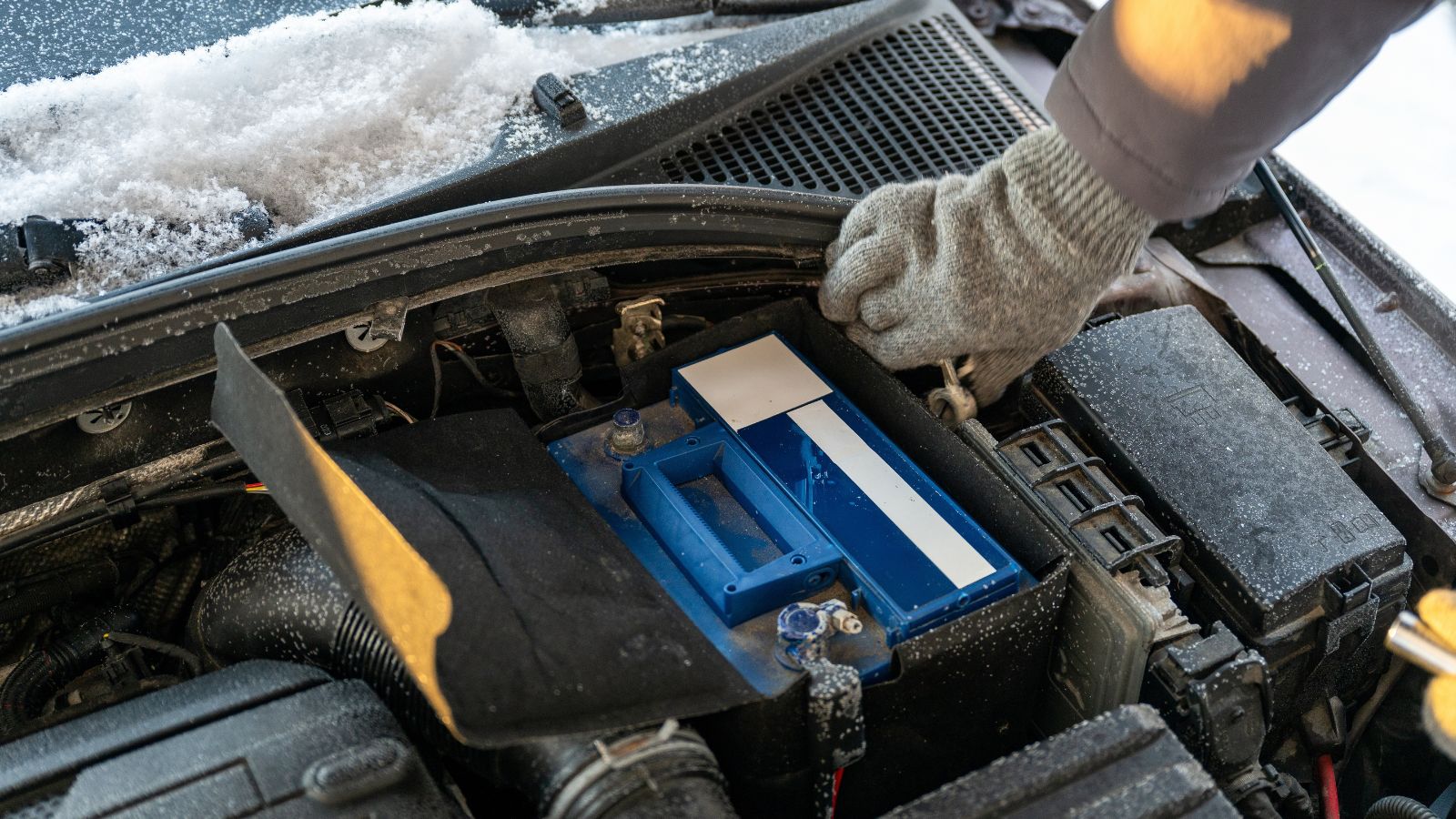
The battery that started flawlessly all summer can become unreliable as temperatures fall. CAA warns that batteries work harder in cold weather and says a weak unit, particularly one already several years old, can become a winter liability. A pre-winter inspection may uncover a battery that needs replacement, worn brake components, aging belts, low coolant strength or other maintenance that was easy to ignore during warm weather. None of those items feels seasonal until the invoice arrives.
Wiper blades are another small expense that often becomes urgent all at once. CAA notes that worn blades should be replaced when they streak, and winter driving places added demands on visibility through snow, road spray and salt. The same pre-season check may also identify burned-out bulbs, poor tire pressure or a defroster problem. Individually, these are manageable. Combined with tires and other fall obligations, however, they can create a surprisingly expensive week at the garage, especially for a two-vehicle household preparing both cars at once.
Winter Car Supplies Create a Second, Smaller Automotive Bill
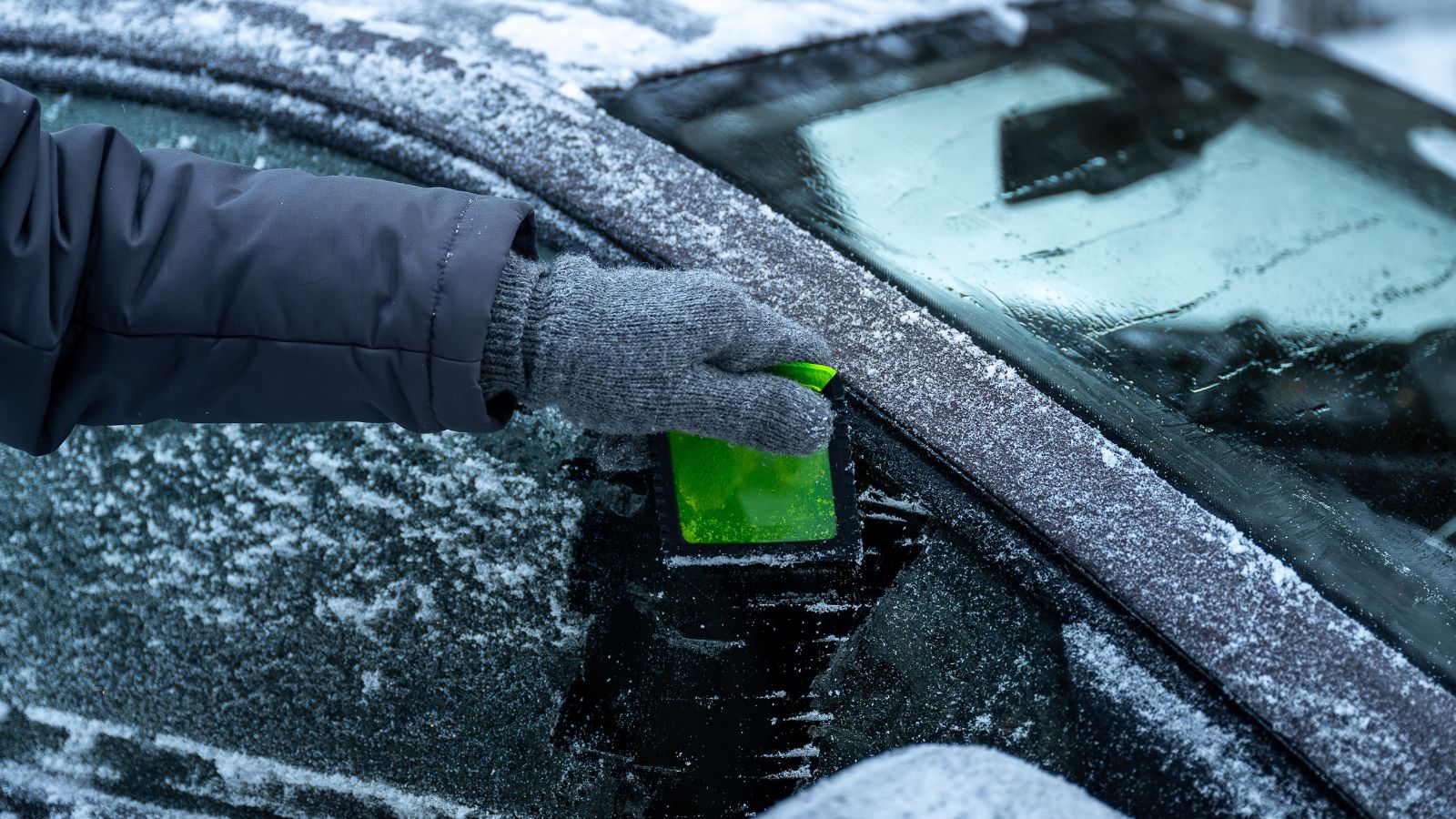
After the garage visit, many drivers still need to restock the trunk. Winter-grade windshield washer fluid, a snow brush, ice scraper, small shovel, booster cables, gloves and traction aids are ordinary purchases, but they tend to happen together. CAA recommends keeping plenty of washer fluid on hand and using fluid rated for very cold temperatures. Its emergency-kit guidance also includes items such as a flashlight, blanket, first-aid supplies, warm clothing and abrasive material for traction.
The expense is rarely dramatic enough to earn its own budget category, which is exactly why it gets missed. A household may already own most of the kit, then discover that the old flashlight batteries leaked, the scraper cracked, the shovel disappeared, or the spare washer-fluid jug was used last winter. Families with a newly licensed driver can face the cost of building an entire second kit from scratch. Add a roadside emergency bag, compact inflator or portable booster pack and the “small stuff” can quickly become a meaningful fall checkout total.
The Heating Bill Starts Climbing Before Winter Officially Begins
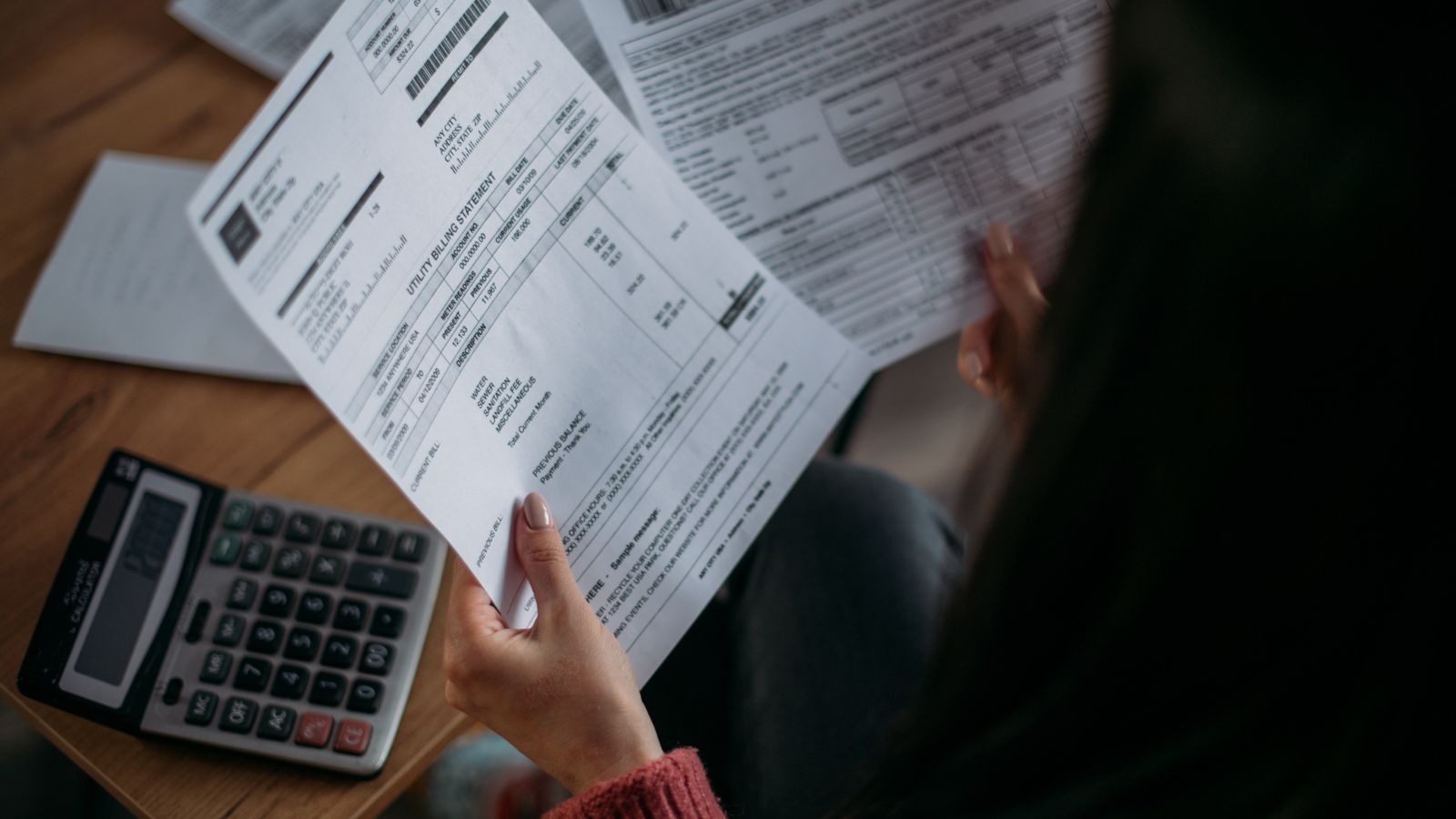
The first furnace cycle of the season can feel harmless, but it marks the return of a major household expense. Statistics Canada reported that Canadian households consumed an average of 85.4 gigajoules of electricity, natural gas and heating oil in 2021, with natural gas accounting for 51.5% of total residential energy use and electricity 45.8%. Heating systems also vary sharply by province, meaning the fall cost increase can show up as a gas bill, electricity bill, heating-oil delivery or a combination.
That timing matters because the expense often rises at the same moment as school costs, tire changes and holiday planning. In Ontario and the Prairie provinces, forced-air furnaces are especially common, while electric heating is more prevalent in Quebec and parts of Atlantic Canada. A household that enjoyed relatively light utility bills through summer can therefore see the monthly baseline change quickly once overnight temperatures drop. Budgeting from last month’s utility bill can leave too little room for the colder billing cycle that follows.
Furnace Servicing and Filters Are Easy to Postpone Until Fall
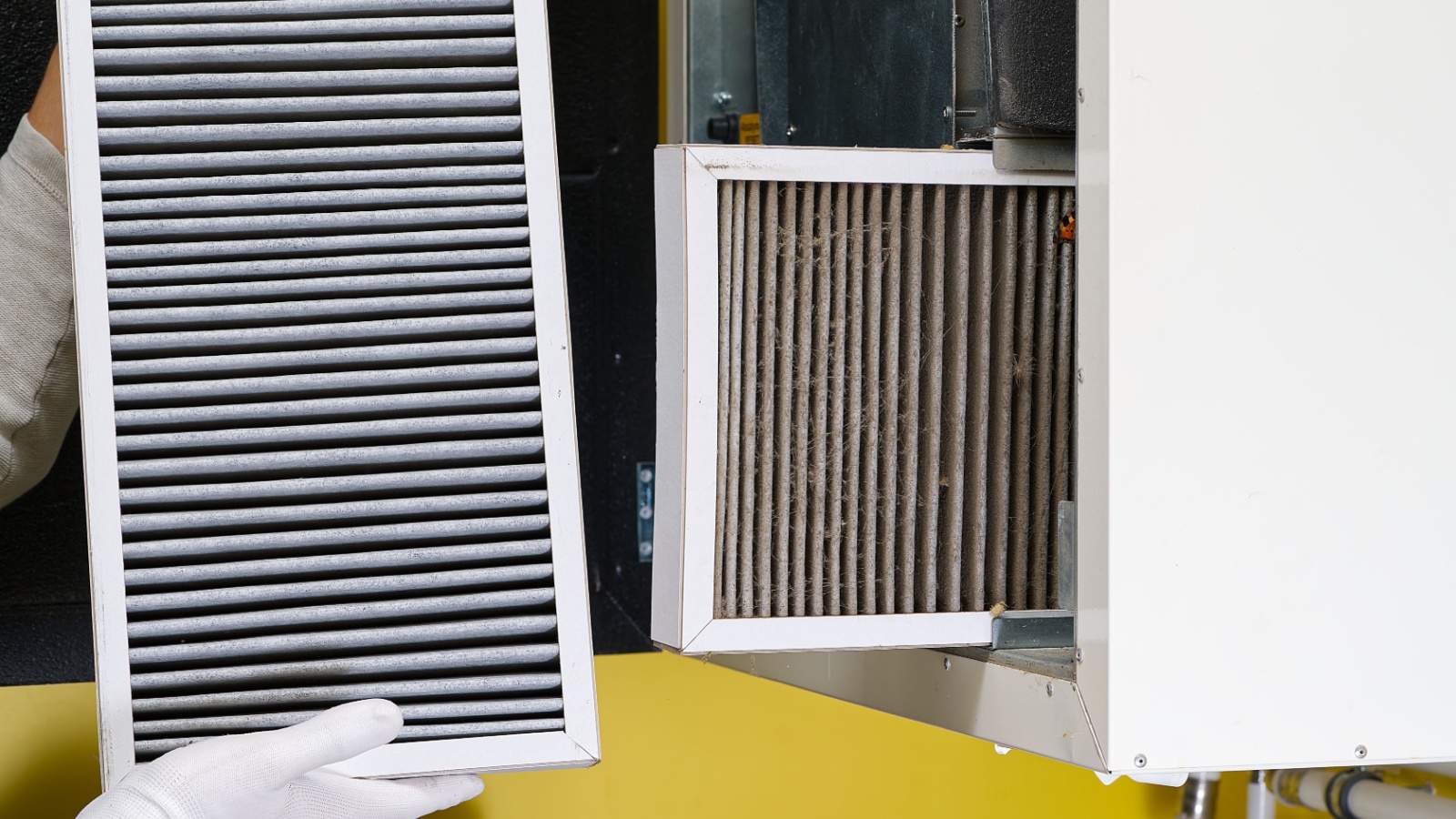
Heating equipment has its own maintenance bill before the fuel bill fully arrives. Natural Resources Canada says oil-fired furnaces and boilers require annual cleaning and tuning, while natural gas and propane systems should generally be serviced at least every two years. It also recommends cleaning or changing forced-air filters about every three months, or sooner when they become loaded. Those intervals turn filters, service calls and occasional repairs into predictable ownership costs rather than true surprises.
The problem is that fall concentrates them. A homeowner who skipped a service appointment in spring may suddenly be booking a technician at the same time everyone else wants one. The visit can also uncover an aging igniter, blower issue, thermostat problem or other repair that was invisible during cooling season. Renters may have some of these costs handled by a landlord, but homeowners carry them directly. Setting aside money for routine service is often less disruptive than discovering a heating failure during the first serious cold snap.
Fireplaces and Chimneys Come With Their Own Pre-Winter Tab

For households that use a wood stove or fireplace, autumn often brings another maintenance expense: inspection and cleaning. Natural Resources Canada recommends annual inspection of solid-fuel equipment and chimneys, with cleaning as often as necessary. Ontario’s carbon-monoxide safety guidance similarly advises professional cleaning and inspection of fuel-burning appliances, chimneys and vents before cold weather. That makes a chimney sweep less of a cosmetic chore and more of a safety-related seasonal cost.
Then there is the fuel itself. Households that supplement central heating with firewood may buy, split, stack or deliver wood in fall, often in one large purchase rather than through small monthly bills. Accessories can pile on too—replacement fireplace tools, chimney caps, door gaskets or a new carbon-monoxide alarm. The expense is highly household-specific, but it has a common pattern: nothing happens for months, then several related costs arrive before the first long stretch of cold weather. Owners who budget only for natural gas or electricity can miss that second heating budget entirely.
Gutter Cleaning Becomes Expensive When a Ladder Is Not an Option
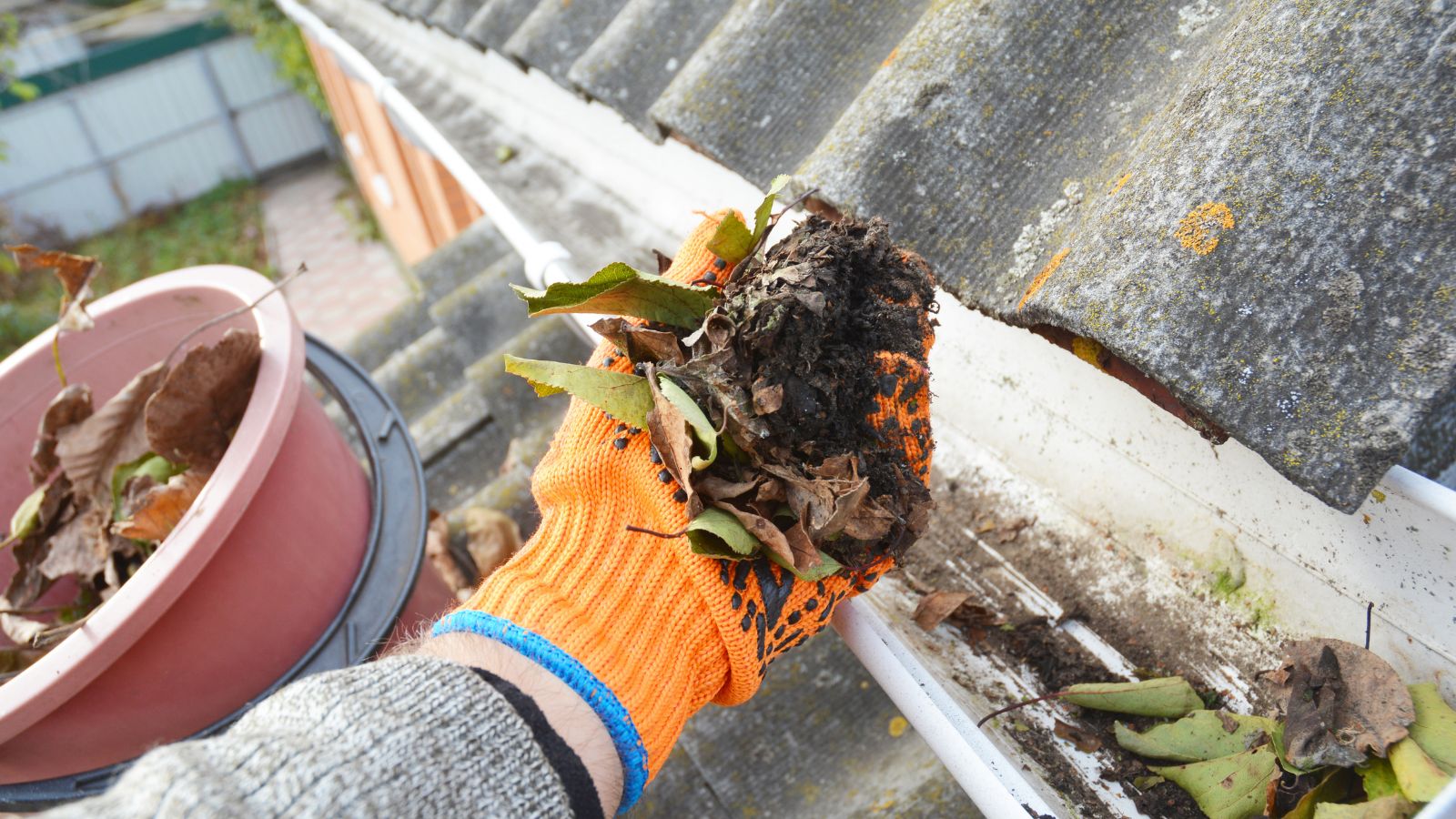
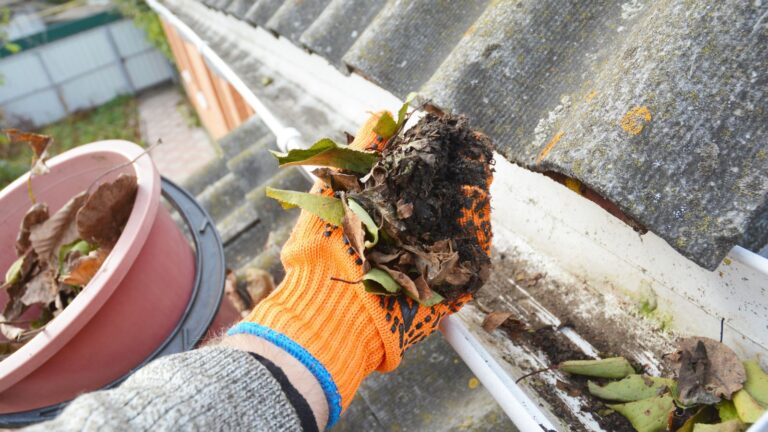
Leaves are free; getting them out of the eavestroughs may not be. Canada’s federal flood-preparedness guidance recommends checking eavestroughs and downspouts at least twice a year, including in fall, to remove leaves and debris. CMHC’s seasonal maintenance guidance makes the same point and advises testing downspouts so roof water drains properly. For homeowners comfortable working safely at height, the direct cost may be little more than gloves and yard bags.
For many others, the practical option is to hire someone. Two-storey homes, steep roofs, mobility limitations and awkward lot layouts can turn a simple chore into a paid service. The bill may also grow if a contractor finds loose hangers, leaking joints, damaged downspouts or drainage that sends water back toward the foundation. Because gutter work is easy to postpone while the weather is pleasant, it tends to collide with other October expenses. A modest maintenance visit can therefore land at exactly the wrong moment for a household already absorbing several seasonal costs.
Outdoor Plumbing Needs Money Before Freezing Temperatures Arrive
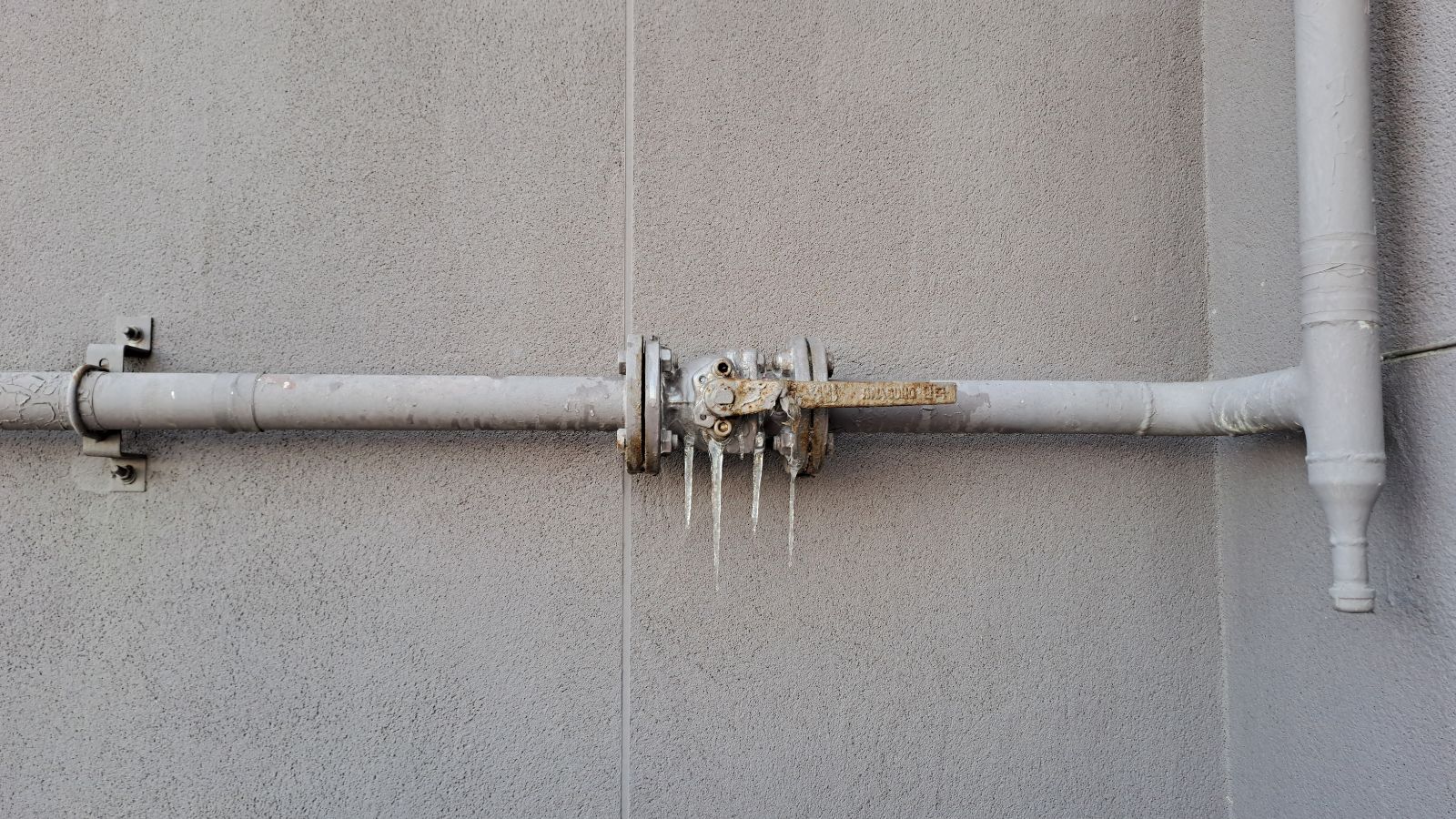
Garden hoses and exterior taps disappear from view once summer ends, but they can create an expensive fall task. CMHC recommends draining and storing outdoor hoses, closing the interior valve to exterior hose connections and draining hose bibs unless they are frost-proof. Homes with irrigation systems, outdoor kitchens, pools or more complicated plumbing can require additional winterization, sometimes involving compressed air, antifreeze or a professional service call.
The expense is preventive, which makes it tempting to skip. Nothing appears broken in September, so paying to protect pipes can feel optional. The financial logic changes after a freeze. Water expands when it freezes, and trapped water can damage exposed plumbing and connected equipment. For a homeowner who cannot safely access shutoffs or who owns a sprinkler system, the fall service bill is really an insurance-like cost against a much larger repair. It belongs in the same seasonal budget as furnace work and roof maintenance, even though it may involve only a short appointment.
Weatherstripping and Caulking Quietly Become a Shopping List

A draft around a door is easy to ignore during a mild September afternoon. By November, it can become both a comfort problem and an energy problem. CMHC’s fall maintenance guidance recommends checking exterior doors and windows, renewing weatherstripping where needed and making sure openings close tightly. Natural Resources Canada identifies air-leakage control—including weatherstripping and caulking—as an important part of improving a home’s energy performance. The fix may be simple, but it still costs money and time.
For many households, the purchases arrive in fragments: a tube of exterior caulk, foam tape for one door, a door sweep, window film, replacement storm-window hardware or a contractor visit for a larger gap. That fragmentation makes the category almost invisible in a monthly plan. Yet several small hardware-store trips can rival a utility bill. Older homes can be especially demanding because one draft often reveals another. Fall is when those weaknesses become obvious, so the cash outlay tends to come before the household sees any potential savings from using less heat.
Small Roof Repairs Can Become Urgent Before Freeze-Thaw Weather
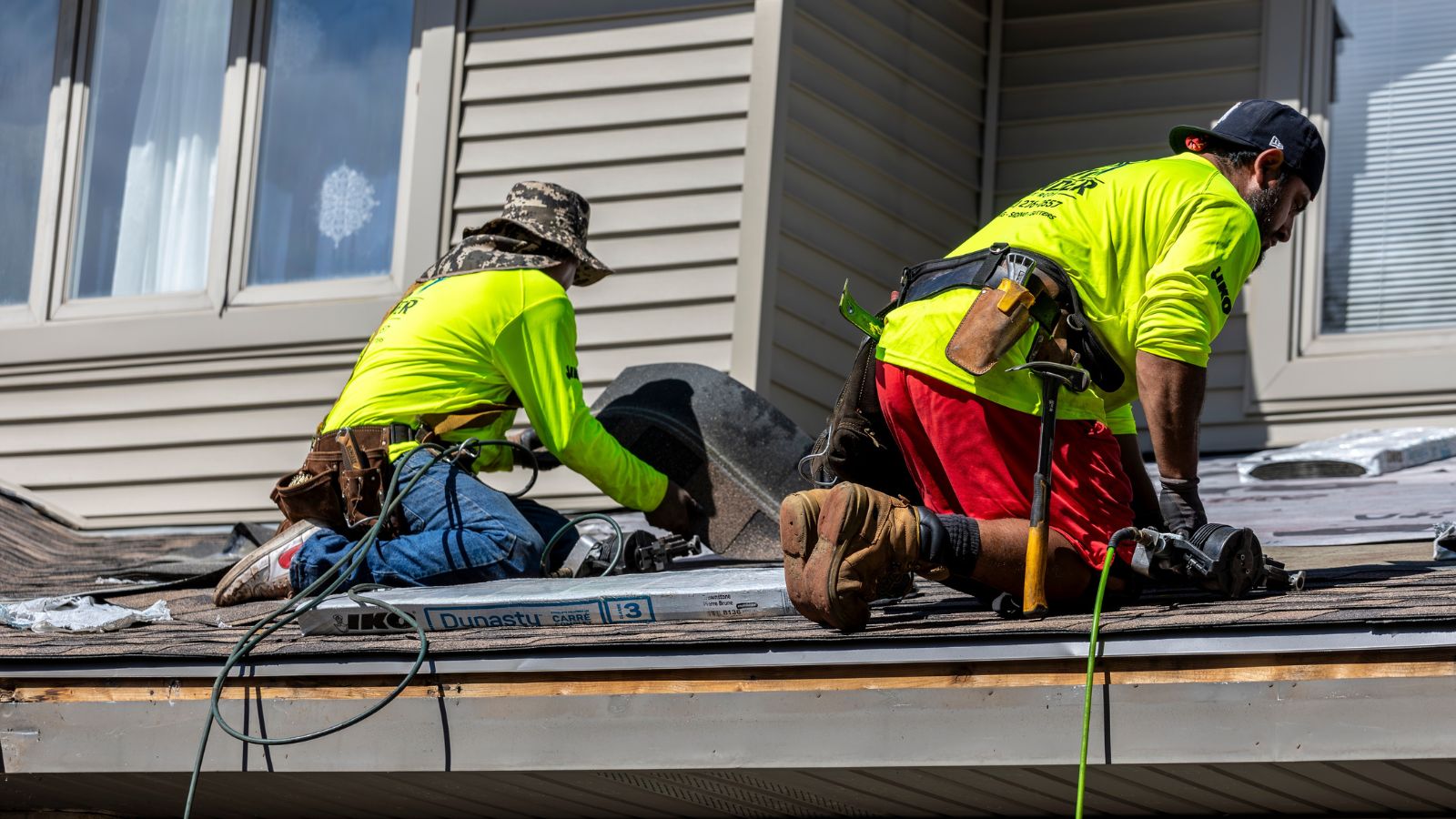
Fall is often the last comfortable window for dealing with a roof problem before snow and ice complicate access. Federal building-maintenance guidance recommends looking for loose, cracked, curled, worn or missing shingles and checking flashing for leaks. CMHC also includes roofs and roof drainage in its seasonal maintenance checklist. Problems caught while they are small can be easier to contain than damage discovered after winter moisture has entered the structure.
That is why a “quick roof check” can unexpectedly become a budget item. A homeowner may call for routine gutter cleaning and end up learning that a small repair is advisable before winter. Even without major work, sealants, replacement shingles, vent caps or professional inspection fees add to the fall total. The key financial mistake is treating roof spending as something that happens only when an entire roof is replaced. In reality, seasonal upkeep can create smaller, irregular bills for years before a full replacement is ever needed.
Snow Removal Is Often Paid for Before the Snow Arrives

The first plow may not come until November or December, but many snow-removal contracts are sold in fall. HomeStars, using price data gathered from homeowners across Canada, has reported an average annual spend of about $605 for snow-removal services, while emphasizing that property size, location and service level can move the price substantially. Some contractors want seasonal payment up front, turning a winter service into an autumn cash-flow problem.
Do-it-yourself snow removal is not free either. A household may need a new shovel, ice melt, traction grit, replacement snow-blower parts, fuel or an entirely new machine. Those purchases are particularly easy to forget after a mild previous winter. Condo owners may see snow costs indirectly through maintenance fees, while homeowners face them more visibly. The important budgeting point is timing: the bill can arrive before the service feels necessary. By the time the first forecast turns white, popular contractors may already have full routes and equipment prices may feel less negotiable.
Yard Cleanup Can Cost More Than a Few Leaf Bags
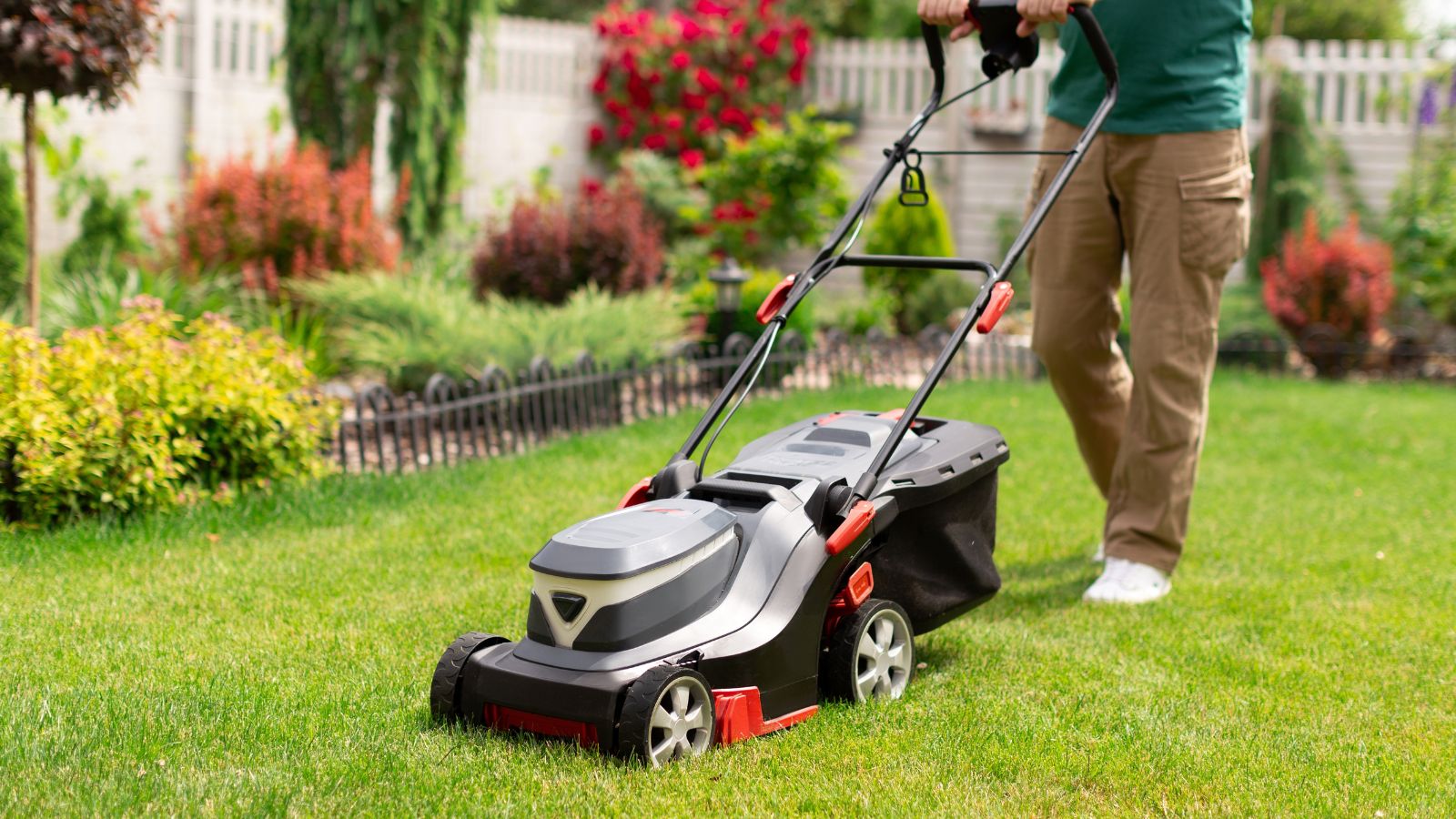
Fall yard work looks inexpensive when it is reduced to raking leaves, but many properties need more than that. CMHC’s fall checklist advises winterizing landscaping, storing outdoor furniture and protecting young trees or bushes where necessary. Depending on the property, the seasonal job can include pruning, leaf removal, garden cleanup, lawn treatment, tree wrapping, tool servicing and disposal of organic waste. Households that hire a landscaper may receive one concentrated bill for work that was spread casually across summer.
There is also the equipment problem. A broken rake, worn blower battery, dull mower blade or damaged garden-hose reel often gets replaced just as outdoor spending was supposed to be finished for the year. Municipal leaf and yard-waste rules differ, so some households also need approved bags, tags or private hauling. The cost is rarely identical from one home to another, but the pattern is familiar: fall turns months of gradual outdoor wear into one final round of purchases before everything is put away.
Back-to-School Spending Often Continues Well After the First Day

The biggest school-shopping trip may happen in August, but the spending does not necessarily stop when classes begin. A September 2026 Abacus Data study found back-to-school shoppers expected to spend about $332 on average, and 44% said they were spending more than in previous years. The Retail Council of Canada also describes back-to-school as a multibillion-dollar market covering supplies, clothing, food, hygiene products and, for some families, electronics.
What catches budgets is the second wave. A teacher may request additional materials after classes start. Indoor shoes no longer fit. A calculator becomes mandatory. A laptop charger gets lost, or a child joins an activity that needs specific clothing. School photos, lunch programs, fundraising and field-trip payments can also appear later, depending on the school and province. None of these charges is universal, but that is precisely why they are hard to plan around. Families may mentally close the “back-to-school” category too early and then spend through September and October from general household funds.
Fall Sports Registrations Can Rival a Major Household Bill
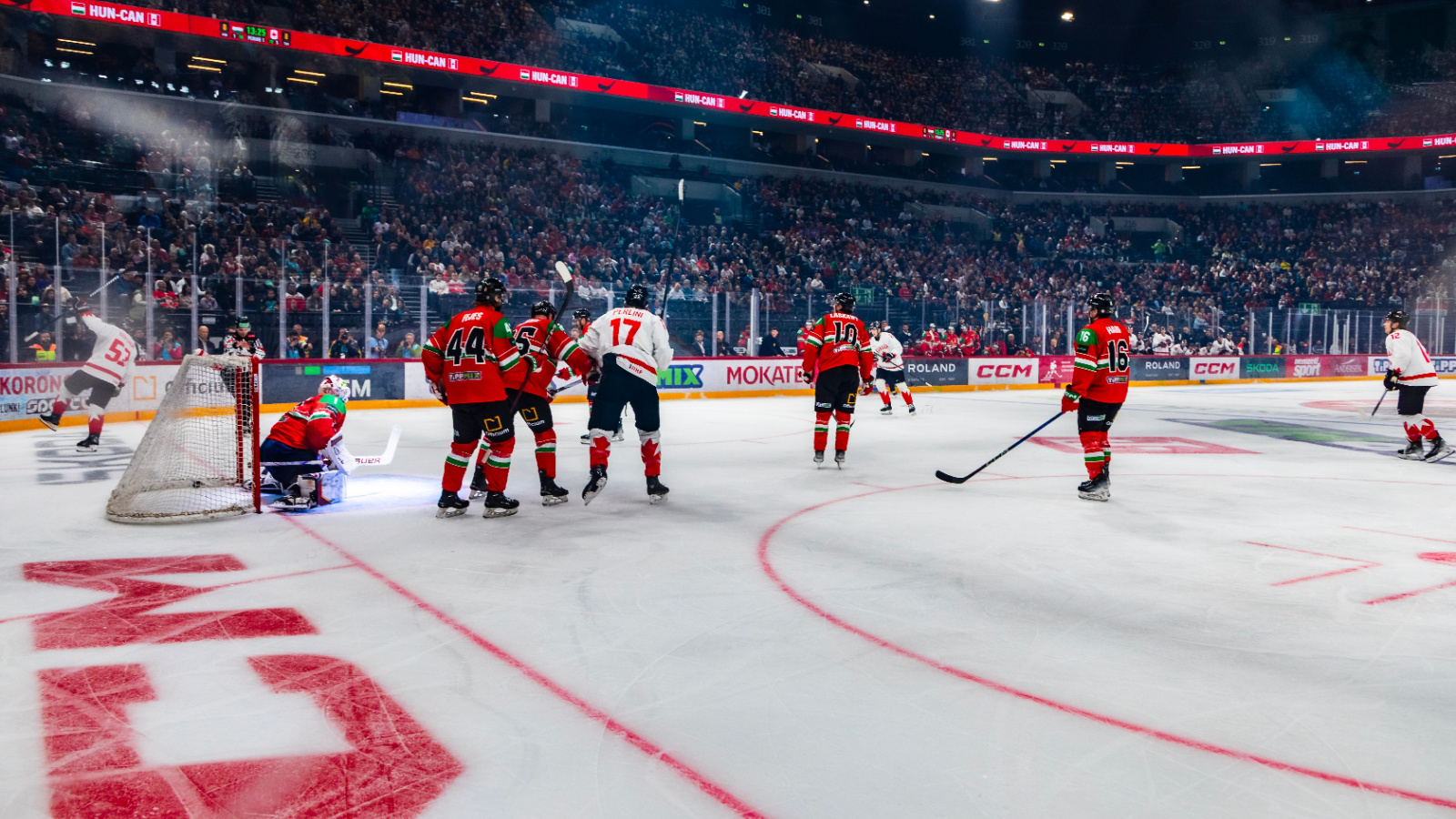
September is also the start of many organized sport seasons, and registration is only the first line on the receipt. Hockey Canada says participation costs can include registration, tournament fees, equipment, insurance, arena time and travel. Current local association fee schedules show how wide the range can be. For example, 2026–27 house-league fees at one eastern Ontario minor hockey association run from several hundred dollars upward depending on age group, before many team-specific expenses are added.
Other sports can be cheaper, but the budgeting pattern is similar. New skates, cleats, helmets, uniforms, sticks, lessons or travel costs tend to cluster near the start of the season. Children who grew over the summer may need multiple replacements at once. Families with two or three participants can feel the impact particularly quickly. Payment plans and assistance programs exist in many communities, but the bills still arrive in fall. Treating recreation as a year-round average can hide just how front-loaded the spending becomes.
Halloween Can Become a Full Seasonal Spending Category

Candy is only the beginning of the Halloween bill. Canadian spending research from the Retail Council of Canada has shown purchases spread across treats, clothing or costumes, decorations and food-related celebrations. More recent 2026 shopper research published by Walmart Connect Canada indicates that many Halloween shoppers expect to spend more than $50, with a sizable share planning budgets above $100. For households with children, parties or multiple trick-or-treat stops, the total can climb quickly.
The spending also starts earlier than October 31. Pumpkins, school-event costumes, outdoor decorations and party supplies may be bought weeks in advance, which means Halloween competes directly with other fall expenses instead of arriving as one neat end-of-month charge. Reusing decorations and costumes can control the cost, but growing children and changing plans often defeat that strategy. The financial surprise comes from treating Halloween as a bag-of-candy purchase when, for many households, it behaves more like a small holiday with several separate shopping trips.
Thanksgiving Groceries Can Turn One Weekend Into a Costly Food Shop

A holiday meal concentrates grocery spending into a few days, and the Canadian Thanksgiving table is often built around higher-cost items bought in larger quantities than usual. Turkey Farmers of Canada reported that Canadians purchased about 2.1 million whole turkeys at Thanksgiving in 2025, representing 37% of whole turkeys sold during the year. The meal may also include butter, vegetables, baking ingredients, drinks and desserts, plus extra food when relatives stay for more than one meal.
Current food prices make that concentration more noticeable. Statistics Canada reported grocery-store food prices were 2.8% higher year over year in August 2026. That does not mean every Thanksgiving item rose by the same amount, but it helps explain why a familiar menu may cost more than expected. The bill can also include fuel for a family visit or a host’s extra household supplies. Thanksgiving is predictable on the calendar, yet its grocery spike still catches budgets that were built around a normal weekly shop.
Coats, Boots and Gloves Often Need Replacing at the Same Time

Fall exposes a clothing problem that summer can hide: last year’s winter gear may no longer fit, may be worn out, or may simply have gone missing. Statistics Canada treats outerwear, footwear and accessories such as gloves and hats as distinct household-spending categories, reflecting how many separate purchases can be involved. Ipsos research released in 2026 also found that most Canadians still buy the majority of their clothing new, even as affordability pushes some shoppers toward second-hand options.
For families with growing children, the cost can land all at once. A coat still hanging in the closet creates the impression that the winter wardrobe is handled—until a child tries it on. Boots may be too small, snow pants too short and mittens nowhere to be found. Adults face similar replacement cycles when footwear loses waterproofing or a commuting routine changes. The category is especially easy to underestimate because each piece seems ordinary. Together, outfitting even one person for cold weather can become a substantial seasonal purchase.
Cottages, Boats and RVs Send One Final Bill After Summer Ends

Recreational property often stops being fun before it stops costing money. Transport Canada tells boat owners to maintain vessels properly and store them securely when they are not in use. Canadian boating guidance recommends winterization steps such as draining water systems, protecting engines and fuel systems, removing or maintaining batteries and arranging suitable storage. Cottages and RVs can require similar attention to plumbing, heating, pest prevention and freeze protection.
Many owners pay professionals because mistakes can be expensive. A marina may charge separately for haul-out, storage, shrink-wrap and mechanical winterization. RV owners may pay for plumbing winterization and off-season storage, while seasonal-property owners may need a final service visit, septic work, firewood delivery or security checks. These are not universal Canadian expenses, but for households that own recreational assets they can be among the largest fall bills. Summer memories end gradually; winterization invoices tend to arrive in a much tighter window.
Holiday Travel Deposits Start Landing While It Still Looks Like Fall

Families planning Christmas or New Year travel often start paying for it well before the holidays. BDC research published in 2026 found travel intentions remained strong, with nearly nine in ten Canadians planning to travel during the year and 92% of travellers expecting at least one trip within Canada. Airfare, hotel deposits, rental cars and travel insurance can therefore begin hitting credit cards in September, October and November, even when the trip itself is months away.
The timing can be counterintuitive because there is no single rule that says earlier is always cheaper. Expedia’s 2026 Canadian airfare analysis found the most affordable booking windows vary by route and trip type. What remains true financially is that a booking creates a fall cash requirement. A family may reserve seats for four people, pay a hotel deposit and lock in a rental vehicle before buying a single gift. That makes holiday travel a fall expense in practical budgeting terms, not merely a December expense.
Holiday Shopping Now Starts Before Autumn Is Over

The calendar may say fall, but retail spending increasingly behaves as if the holidays have already begun. Retail Council of Canada’s 2025 holiday research found Canadians were planning earlier, comparing prices and waiting for sales, with Black Friday a major spending period. For 2026, Walmart Connect Canada reported that 86% of Canadians planned to celebrate the holidays and 62% of celebrants intended to give gifts, signalling another season in which gift spending will touch a large share of households.
The result is a financial overlap that is easy to miss. Winter tires, heating, Halloween and Thanksgiving do not finish before holiday purchases begin. Black Friday deals can pull large electronics, toys and household gifts into November, while online orders may be paid immediately even if they are not opened for weeks. Buying early can reduce December stress and spread purchases across paycheques, but only if the fall budget anticipates it. Otherwise, “getting ahead” on holiday shopping simply moves the bill forward.
16 Costco Canada Habits That Could Be Costing Shoppers More Than They Save
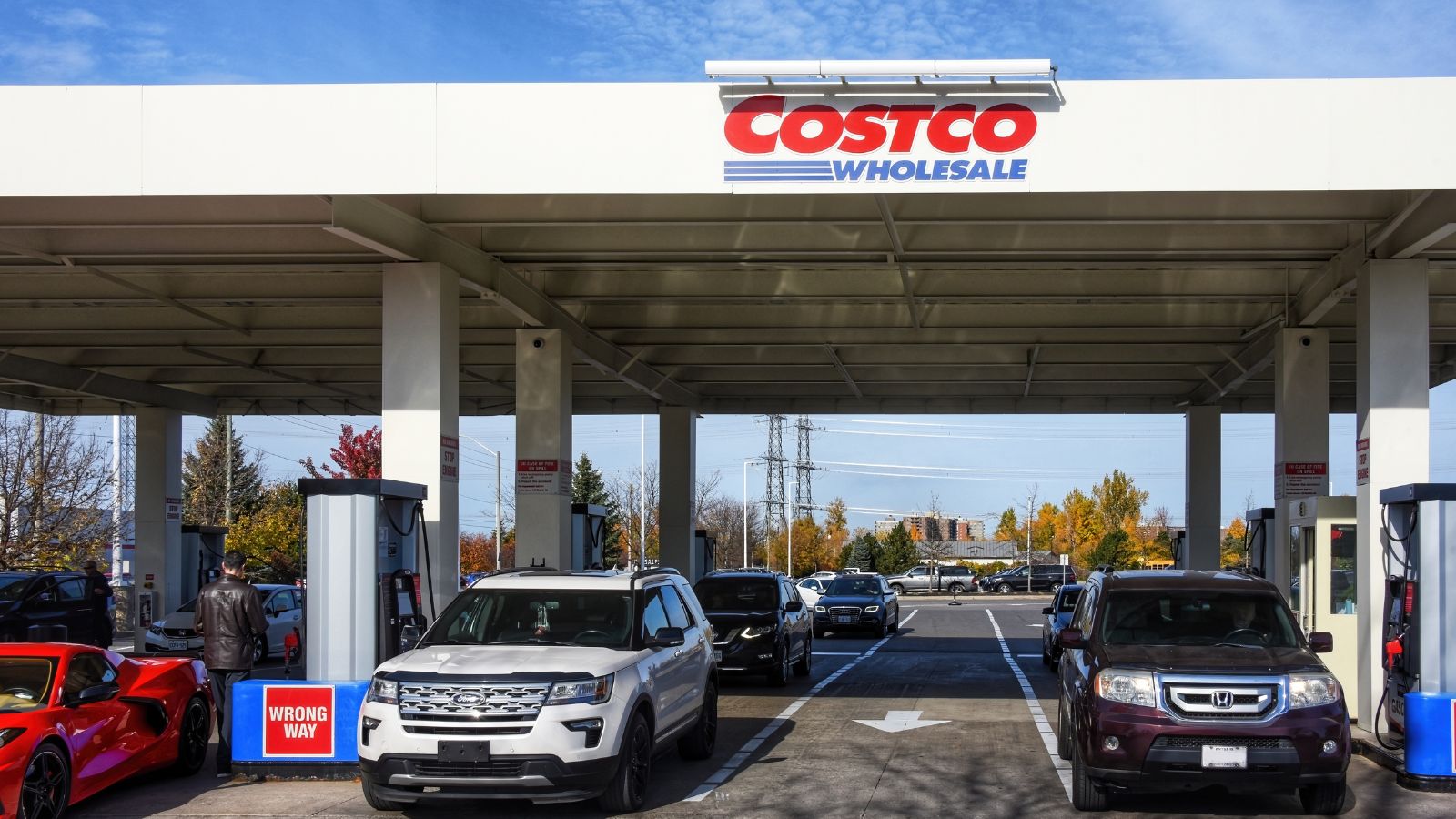
The Executive Membership can feel like an obvious upgrade because the 2% annual reward sounds straightforward. For households that spend heavily at Costco Canada, the extra fee may be easy to justify. But the habit becomes costly when shoppers upgrade first and calculate later. A Gold Star Membership costs less, while Executive costs more and only pays off if eligible annual spending is high enough to offset the difference.
16 Costco Canada Habits That Could Be Costing Shoppers More Than They Save
This Options Discord Chat is The Real Deal
While the internet is scoured with trading chat rooms, many of which even charge upwards of thousands of dollars to join, this smaller options trading discord chatroom is the real deal and actually providing valuable trade setups, education, and community without the noise and spam of the larger more expensive rooms. With a incredibly low-cost monthly fee, Options Trading Club (click here to see their reviews) requires an application to join ensuring that every member is dedicated and serious about taking their trading to the next level. If you are looking for a change in your trading strategies, then click here to apply for a membership.