35,000+ smart investors are already getting financial news, market signals, and macro shifts in the economy that could impact their money next with our FREE weekly newsletter. Get ahead of what the crowd finds out too late. Click Here to Subscribe for FREE.
A rental car can look affordable on the booking screen and feel very different once the pickup contract is placed on the counter. The gap is not always caused by hidden charges: some costs are mandatory location-related fees, while others come from optional protection, equipment, fuel plans or changes made to the reservation. Canadian travellers also face distinctly local considerations, including airport charges, winter-tire requirements and electronic toll programs. Understanding the difference between a base rate, an estimated total and optional extras makes comparison shopping much more useful. These 17 ways Canadian rental companies can add costs at pickup show where the total can grow, which charges deserve closer attention, and which conveniences may still be worth paying for.
Airport Concession Recovery Charges
17 Ways Canadian Rental Companies Add Costs at Pickup
- Airport Concession Recovery Charges
- Customer Facility Fees at Airports
- Vehicle Licence Recovery Fees
- Loss Damage Waiver
- Personal Accident, Effects and Liability Products
- Prepaid Fuel and Fuel Service Options
- Additional Driver Charges
- Young Renter Surcharges
- Vehicle-Class Upgrades
- Child Safety Seat Rentals
- GPS, Ski Racks and Other Equipment
- Premium Roadside Assistance
- One-Way and Drop Charges
- Toll Convenience Charges
- Winter Tires and Tire-Management Charges
- Reservation Changes at the Counter
- Security Deposits and Card Authorization Holds
- 16 Costco Canada Habits That Could Be Costing Shoppers More Than They Save

Airport rentals often carry concession-related charges that do not appear in the same way at neighbourhood branches. Rental companies operating on airport property typically pay concession costs to the airport authority and may recover those costs from customers through an itemized concession recovery fee. Avis Canada, for example, describes a concession recovery fee as reimbursement for concession fees paid to an airport for each rental. The important distinction is that this is not the same thing as an optional counter product such as insurance or GPS.
For a traveller comparing a downtown branch with a terminal counter, that line item can make two otherwise similar rentals price differently. It may already be included in the estimated total shown online, even if the shopper focused mainly on the base daily rate. Canada’s Competition Bureau has specifically warned against “drip pricing,” where mandatory non-government charges are added later instead of being presented in the attainable price. The practical move is to compare final totals, not just the large advertised daily number.
Customer Facility Fees at Airports

A second airport-related charge can appear under a different name: customer facility fee, facility charge, or another local assessment connected with the rental-car centre. Budget’s rental terms list customer facility fees among the taxes, surcharges and similar charges that may apply. These fees can help fund consolidated rental facilities, shuttle systems or other airport infrastructure, depending on the location. Because the labels sound administrative, travellers sometimes mentally group them with taxes even though the invoice may show them separately.
That matters when a rental is booked for several days. A facility charge may be assessed as a daily amount, a percentage, a fixed amount, or under another formula set by the location. The same brand can therefore produce a different all-in price at two airports. A family landing late at night may still prefer the terminal convenience, but the comparison should be made against the complete off-airport price plus the cost and time of reaching that branch. The cheapest base rate is not always the cheapest pickup.
Vehicle Licence Recovery Fees

Rental fleets must be registered and licensed, and some companies itemize a vehicle licence recovery fee to recoup part of those costs. Avis Canada identifies a Vehicle License Recovery Fee in its Canadian fees-and-taxes guidance, while Budget’s current rental terms also list vehicle license recovery fees among charges that may apply. To a customer, the line can be easy to overlook because it is neither an obvious tax nor an optional upgrade.
The key is to treat it as part of the all-in rental cost whenever it appears, rather than as a negotiable add-on at the counter. In a compliant reservation flow, mandatory charges should not suddenly transform an unattainable advertised price into the real price at checkout or pickup. Still, the receipt may break the total into a base rental amount plus multiple recovery fees and taxes. That itemization can make a modest-looking daily rate feel much less modest. Saving the original reservation confirmation makes it easier to compare the promised estimated total with the pickup contract before signing.
Loss Damage Waiver

Loss Damage Waiver is one of the largest optional additions that can be accepted at pickup. It is generally a contractual waiver rather than ordinary auto insurance: the rental company agrees, subject to the agreement’s conditions and exclusions, to waive or reduce the renter’s financial responsibility for loss of or damage to the vehicle. Enterprise Canada says its Damage Waiver typically varies by rental and lists a daily range on its Canadian protection pages; Avis likewise states that LDW is optional rather than mandatory.
The decision can be expensive because the charge is normally assessed per rental day. A five- or seven-day trip can therefore turn a single counter choice into a meaningful addition to the bill. At the same time, declining it without checking existing protection can expose the renter to substantial responsibility after a collision or theft. Some personal auto policies, travel policies and premium credit cards may provide rental-car damage coverage, but limits, exclusions, deductibles and payment requirements vary. The sensible comparison is coverage against coverage—not simply “buy” versus “decline.”
Personal Accident, Effects and Liability Products

Damage to the rental car is only one risk sold at the counter. Companies can also offer products covering accidental injury, personal belongings or additional third-party liability. Enterprise Canada, for example, offers Personal Accident Insurance and Personal Effects Coverage in many locations for an additional daily charge, while Budget Canada markets Personal Accident and Effects coverage. These products can sound reassuring after a long flight, especially when several different protections are presented in rapid succession.
The potential duplication is the important part. A traveller may already have medical travel insurance, homeowners or tenants coverage for belongings, employer coverage, or liability protection through another policy. Enterprise itself advises renters to examine existing policies because optional coverage may duplicate protection they already have. For a week-long rental, even a relatively small daily premium becomes a noticeable total once taxes and other products are stacked on top. Before the trip, checking policy documents or calling the insurer can turn a pressured counter decision into a simple yes-or-no choice based on actual gaps.
Prepaid Fuel and Fuel Service Options

Fuel is another place where the pickup contract can move away from the headline rental rate. Many companies offer a prepaid-fuel option at the start of the rental, allowing the car to be returned without refilling to the original level. Avis Canada’s terms explain that renters who buy the fuel service option pay the amount shown on the agreement and generally receive no credit for unused fuel left in the tank. Enterprise locations also commonly present choices between prepaying, refilling the tank personally, or paying the company to replace fuel.
Prepaying can be convenient for an early flight or a remote return, but convenience and value are not identical. Someone who buys a full tank and returns the vehicle half full may effectively pay for fuel never used. Conversely, returning below the required level without a prepaid plan can trigger a refuelling charge that is higher than nearby pump prices. A simple trip estimate helps: expected kilometres, vehicle fuel economy, local fuel availability and return timing all matter more than the counter pitch alone.
Additional Driver Charges

Adding another authorized driver can change the rental total immediately. Enterprise Canada currently states that most additional drivers other than a qualifying spouse or domestic partner are subject to a daily fee, while Avis Canada also publishes a daily additional-driver charge. The exact amount and exemptions can depend on the company, location, corporate agreement or relationship between the drivers, so the rule is not identical everywhere.
The cost can surprise groups that assume “one car” means everyone in the group can drive it. A couple travelling with an adult child, for example, may discover that giving three people legal permission to drive is more expensive than authorizing only the primary renter and an exempt spouse. Yet allowing an unauthorized driver to take the wheel can create serious contractual and coverage problems. The better strategy is not to hide a driver; it is to identify who actually needs to drive and check the company’s exemptions before arrival. On a long rental, a daily additional-driver fee can add up quickly.
Young Renter Surcharges

Age-based surcharges remain a major pickup cost for younger Canadian renters. Enterprise Canada allows rentals from age 21 in most of the country but says renters under 25 are generally charged a young-renter fee, with an average around $25 per day. Avis location policies also commonly apply an underage surcharge to drivers aged 21 to 24, although exact rates and exceptions vary by province, branch and program.
For a 22-year-old renting for a full week, the surcharge can rival the cost of another travel expense such as airport parking or a checked bag. It can also apply to an additional driver who is under the age threshold, depending on the rental rules. Membership programs, employer agreements or limited promotions sometimes change the treatment, so younger travellers benefit from pricing the reservation with the correct age entered from the beginning. A low search-engine rate that assumes a 30-year-old driver is not a meaningful comparison for someone who will face an age surcharge at pickup.
Vehicle-Class Upgrades

A counter upgrade can be tempting when a compact car suddenly looks too small for luggage or the agent offers a larger SUV. Changing vehicle class, however, is one of the factors that can raise the final rental total. Enterprise Canada says rental cost depends partly on the car class selected, and Budget’s rental terms specifically note that total charges can change when the vehicle class changes. Free-upgrade coupons exist, but they come with eligibility and availability conditions.
The difference is easy to miss when the offer is framed as “only a little more per day.” Multiplying that amount by the full rental period, then adding applicable taxes and percentage-based surcharges, can produce a much larger number. A group that needs cargo space may find the upgrade worthwhile; another may be able to fit its bags by choosing a different seating arrangement. The key question at the counter is the new all-in total for the entire rental, not merely the incremental daily amount. Asking to see the revised contract before accepting keeps the decision concrete.
Child Safety Seat Rentals

Families travelling with young children often face an equipment decision immediately at the counter. Avis Canada says child safety seats are available at most Canadian locations for a daily or weekly charge, and Enterprise Canada lists child seats among equipment offered for an additional per-day fee at many airport locations. Availability, models and pricing can vary, so reserving the seat in advance is safer than assuming one will be waiting.
The convenience can be valuable: carrying a bulky seat through an airport is not pleasant, and airline baggage policies differ. But the rental charge across a longer trip may approach the cost of buying or bringing a seat. Parents also need to consider familiarity with installation and fit. A rental company may provide the seat, but the adult transporting the child still needs to make sure it is installed and used correctly. For budgeting, the important point is that the car-seat line is normally separate from the vehicle’s base price, and more than one child can multiply the equipment charge.
GPS, Ski Racks and Other Equipment
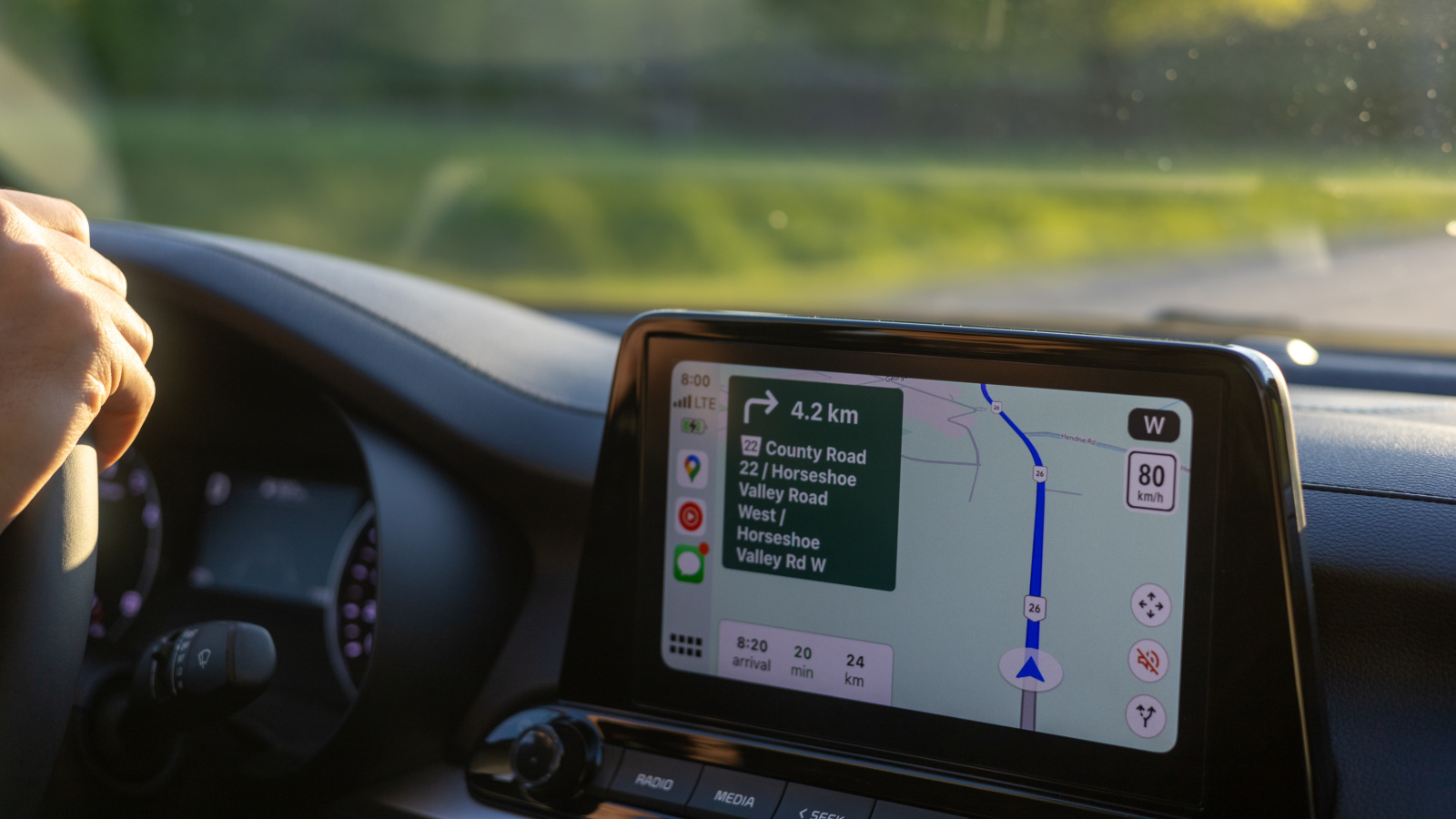
The keys may come with an invitation to add equipment. Enterprise Canada says many airport locations offer GPS/navigation systems, ski racks and child seats for an additional daily charge. Budget’s Vancouver airport page similarly promotes optional GPS systems. These extras can be useful, but a per-day equipment charge can become disproportionate on a long rental, particularly when a phone already provides navigation or the traveller owns compatible gear.
Consider a seven-day ski trip. A rack that solves a genuine space problem may be worth the cost, while a GPS unit may add little if offline maps have already been downloaded to a phone. The decision also depends on roaming, battery life and whether the vehicle supports smartphone integration. Because equipment availability differs by branch, waiting until pickup can leave fewer choices or a different price than expected. Reserving essential gear ahead of time and declining redundant accessories keeps the counter conversation focused on needs rather than convenience-driven impulse purchases.
Premium Roadside Assistance
Basic mechanical breakdown assistance is often different from optional premium roadside protection. Hertz Canada, for example, says its Premium Emergency Roadside Assistance is an optional service that can reduce financial responsibility for non-mechanical problems such as lockouts, lost keys, flat tires or running out of fuel. Budget’s terms likewise distinguish limited roadside assistance from optional extended protection. That distinction can easily blur when the product is presented as “roadside coverage.”
The value depends on what the renter already carries. A CAA membership, credit-card benefit, vehicle-assistance plan or travel policy may cover some incidents, although terms can restrict rental vehicles or the number of service calls. Premium rental-company coverage can still be attractive because it is tied directly to the rental and may simplify help after a problem. What matters is knowing which events are already included with the car and which require the paid upgrade. Otherwise, a traveller may pay twice for overlapping roadside help—or decline a service while incorrectly assuming every lockout or flat tire is included for free.
One-Way and Drop Charges

Returning a rental somewhere other than the pickup branch can create a separate one-way or drop charge. Enterprise Canada says some one-way rentals carry a one-time drop fee or kilometre charge in addition to the rental rate, and that the amount varies with pickup location, return location and other factors. Its policy also notes that even a same-city return can sometimes carry a different rate or charge.
This is especially relevant to Canadian road trips where the itinerary naturally ends in another city—Calgary to Vancouver, Toronto to Ottawa, or Halifax to another Atlantic destination. A one-way rental can save hours of backtracking, but the convenience must be priced into the trip from the start. Changing the return location at the counter can also alter the rate structure. Travellers should compare the complete one-way quote with alternatives such as a round trip, rail connection or separate local rental. The drop fee is not necessarily unreasonable; it reflects fleet repositioning, but it can materially change the economics of the itinerary.
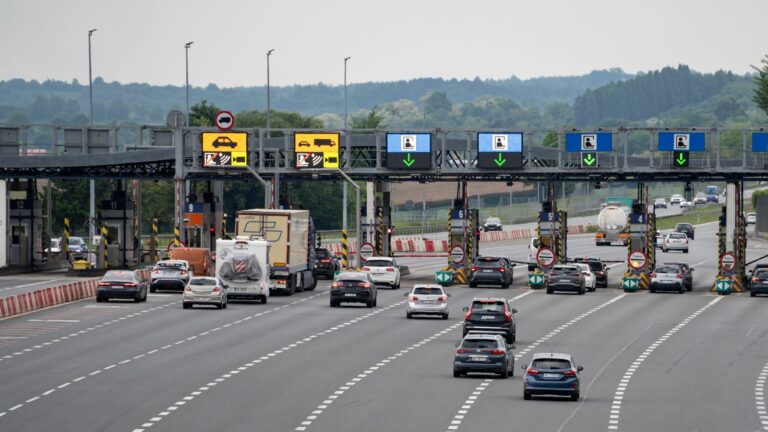
Toll Convenience Charges
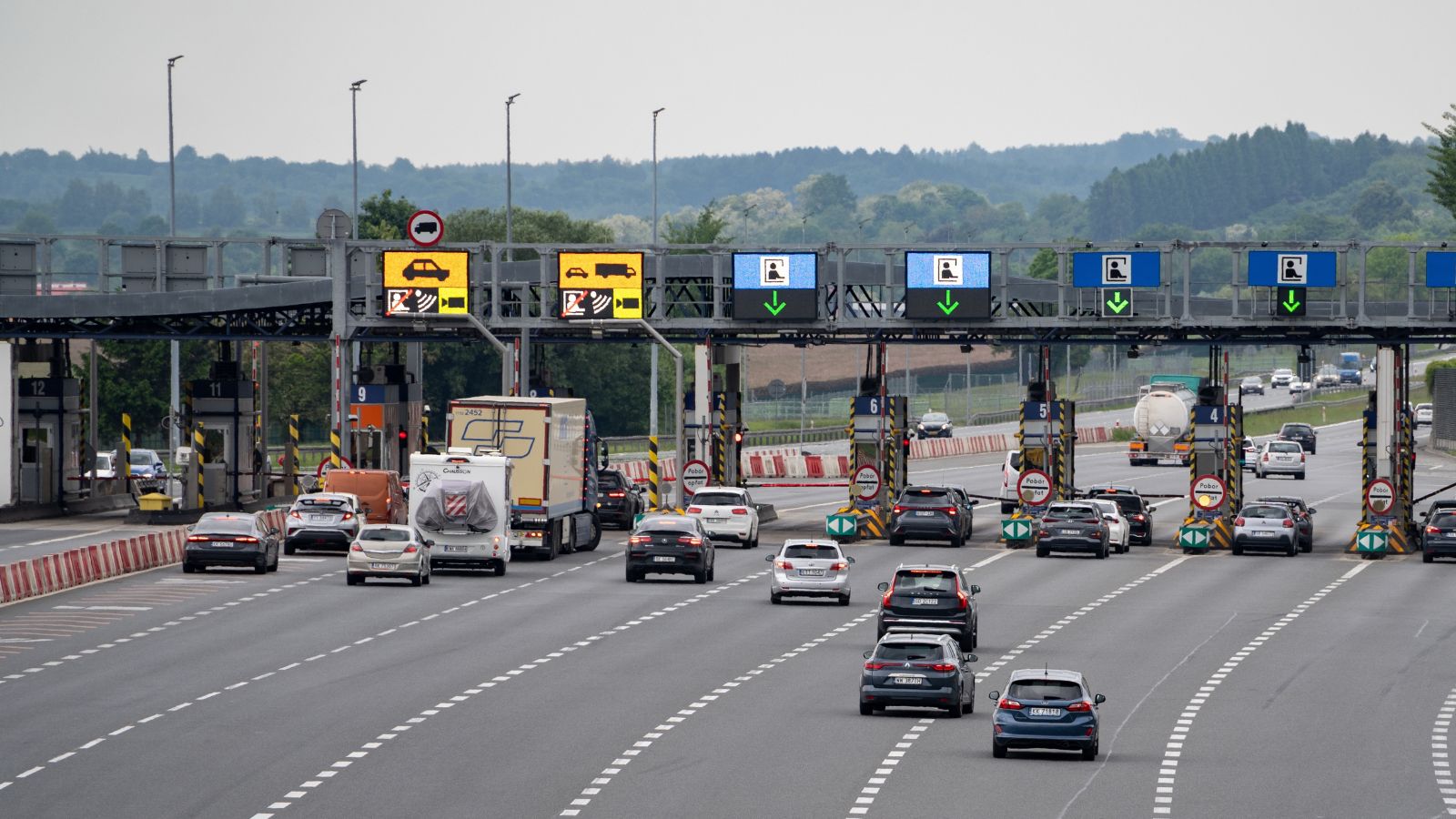
Electronic toll roads can generate more than the toll itself. Enterprise Canada’s TollPass information says renters using Ontario’s 407 ETR through its program are charged the toll plus a TollPass convenience charge, subject to a rental maximum. The program may be automatic when a rental vehicle incurs an eligible electronic toll, and toll-related amounts can appear after the vehicle has already been returned. Other companies use their own e-toll programs and fee structures.
The pickup counter is therefore the right moment to ask how tolls will be handled, especially for a trip through the Greater Toronto Area or across the United States. A traveller who assumes the licence plate will simply receive the road authority’s normal toll may later see a separate service charge on the card used for the rental. Routes, personal transponders and payment options vary, so there is no single rule for every road. Knowing the program before driving makes it possible to compare convenience fees with toll-free routes or permitted alternatives.
Winter Tires and Tire-Management Charges

Canadian winter driving creates a uniquely seasonal rental cost. Québec requires winter tires on vehicles registered in the province from December 1 through March 15, including rental vehicles. Rental-company pricing still varies: Hertz Canada says rentals in Québec incur a daily Tire Management Fee, while winter-rated tires at its corporate locations elsewhere in Canada can be an optional paid product. Avis location pages also show tire-management or snow-tire charges at some Canadian branches.
That means “winter-ready” does not always mean “included in the base rate.” A traveller flying into Montréal in January may see a mandatory tire-related line item, while someone renting in Calgary or Toronto may face a choice between the standard vehicle and a winter-tire-equipped option. The practical issue is route, not just pickup city. A trip into mountain passes or another province can create different safety and legal considerations. Checking the exact tire specification and charge before arrival avoids discovering at the counter that the desired winter setup changes the rental price.
Reservation Changes at the Counter

Small changes at pickup can change more than one line on the contract. Enterprise Canada lists reservation modification, extension and a change of drop-off location among factors that can affect rental cost. Budget’s terms similarly state that changing vehicle class, rental timeframe or return location can make the final total higher or lower than the original estimate. Even when a company does not charge a standalone “modification fee,” the underlying rate can be recalculated.
A common example is a flight schedule change. Moving pickup several hours earlier, returning a day later or switching the destination branch may push the rental into a different rate period or inventory category. Promotional and prepaid rates can also carry conditions that disappear when the booking is altered. Before accepting a counter change, travellers should ask whether the original rate remains intact and request the revised total in writing. The most expensive sentence in a rushed pickup can be “that should be fine” when the change actually reprices several days of the rental.
Security Deposits and Card Authorization Holds

A security deposit is not the same as a rental fee, but it can make pickup feel far more expensive. Enterprise Canada says a deposit is required and that the amount varies by location; when paying by credit card, the estimated rental cost plus the deposit can be authorized against available credit. With debit-card payment, the rental cost and deposit can reduce the cash available in the linked account until the refund is processed.
That distinction matters to travel budgets. A renter may have prepaid the car and still discover that substantial credit or bank funds must remain available for the hold. The deposit is normally released or refunded after the vehicle is returned, less any valid additional charges, but bank processing time can delay when the money becomes usable again. Calling the exact pickup branch before travel is the safest way to confirm the required hold, accepted payment methods and debit-card rules. It is a cash-flow constraint rather than a true cost—unless it contributes to overdraft, interest or other bank charges.
16 Costco Canada Habits That Could Be Costing Shoppers More Than They Save

The Executive Membership can feel like an obvious upgrade because the 2% annual reward sounds straightforward. For households that spend heavily at Costco Canada, the extra fee may be easy to justify. But the habit becomes costly when shoppers upgrade first and calculate later. A Gold Star Membership costs less, while Executive costs more and only pays off if eligible annual spending is high enough to offset the difference.
16 Costco Canada Habits That Could Be Costing Shoppers More Than They Save
This Options Discord Chat is The Real Deal
While the internet is scoured with trading chat rooms, many of which even charge upwards of thousands of dollars to join, this smaller options trading discord chatroom is the real deal and actually providing valuable trade setups, education, and community without the noise and spam of the larger more expensive rooms. With a incredibly low-cost monthly fee, Options Trading Club (click here to see their reviews) requires an application to join ensuring that every member is dedicated and serious about taking their trading to the next level. If you are looking for a change in your trading strategies, then click here to apply for a membership.