
35,000+ smart investors are already getting financial news, market signals, and macro shifts in the economy that could impact their money next with our FREE weekly newsletter. Get ahead of what the crowd finds out too late. Click Here to Subscribe for FREE.
Wedding season has a way of turning a cheerful string of invitations into a surprisingly complicated household expense. The gift may be the most visible cost, but attending a wedding can also mean hotel rooms, transportation, clothing, childcare, meals, pre-wedding celebrations and even missed work. That matters especially in Canada, where weddings have historically been heavily concentrated in the warmer months, creating periods when several invitations can land close together.
For couples trying to celebrate friends and relatives without derailing their own financial plans, the smartest approach is to budget for the entire occasion rather than the reception alone. These 20 wedding-season expenses cover the costs most likely to appear before, during and after the big day.
Wedding Gifts and Cash Envelopes
20 Things Canadian Couples Should Budget For During Wedding Season
- Wedding Gifts and Cash Envelopes
- Getting to the Wedding
- Hotel Rooms and Extra Nights
- Wedding Attire for Both Partners
- Alterations, Shoes and Accessories
- Showers, Engagement Parties and Other Pre-Wedding Events
- Bachelor, Bachelorette and Stag Celebrations
- Hair, Makeup and Grooming
- Childcare
- Pet Sitting and Boarding
- Meals Outside the Reception
- Vacation Days and Lost Income
- Parking, Public Transit and Rideshares
- Destination-Wedding Insurance and Travel Documents
- Currency Conversion and Foreign Card Fees
- Several Weddings in the Same Season
- Being in the Wedding Party
- Taxes, Mandatory Charges and Gratuities
- Weather-Related Backup Costs
- A Wedding-Season Emergency Buffer
- 16 Costco Canada Habits That Could Be Costing Shoppers More Than They Save

The wedding gift is usually the first expense couples think about, but deciding on an amount can become uncomfortable when several invitations arrive in one summer. There is no official Canadian rule saying guests must spend enough to “cover their plate,” and gift amounts can reasonably depend on the relationship, personal finances and the other costs required to attend. Wedding-industry research generally treats affordability as more important than matching the hosts’ reception costs. That becomes particularly relevant when two people are attending together and may feel pressure to increase the gift accordingly.
A useful strategy is to decide on a household gift range before wedding season begins rather than negotiating the amount after every invitation arrives. For example, a couple might reserve a larger amount for siblings and close friends while choosing something more modest for acquaintances or coworkers. U.S.-based research from The Knot found an average wedding gift of about US$150 in its 2024 guest study, but that figure should be viewed as context rather than a Canadian rule. A sincere card and manageable gift are better than financing generosity with debt.
Getting to the Wedding

A wedding 20 minutes from home creates a completely different budget from one requiring a four-hour drive or a flight across Canada. Transportation can include airfare, gasoline, highway stops, vehicle wear, airport transfers and baggage charges. Statistics Canada tracks air transportation and other travel expenses as meaningful parts of consumer spending, and prices can change substantially between months. Waiting until shortly before a popular summer weekend to organize transportation can therefore turn what seemed like a manageable invitation into one of the season’s biggest expenses.
Couples can avoid surprises by calculating the round-trip cost as soon as the invitation arrives. A Toronto couple attending a wedding in Halifax, for example, should think beyond the initial airfare displayed on a booking screen. Checked luggage, seat-selection charges, transportation between the airport and hotel, meals during travel and the trip home all belong in the same budget. Drivers should similarly estimate fuel for the complete journey rather than simply assuming that driving will automatically be cheaper. The wedding may last one evening, but reaching it can consume much of the weekend budget.
Hotel Rooms and Extra Nights

Accommodation is one of the easiest costs to underestimate because the advertised nightly rate rarely represents the complete financial commitment. A Saturday wedding may effectively require Friday and Saturday nights if the ceremony starts early, the venue is far from home or a welcome event is scheduled the evening before. Statistics Canada maintains a dedicated Traveller Accommodation Services Price Index because hotel and short-term accommodation prices change over time and by location.
Room blocks arranged by the marrying couple can help, but guests should still compare the total booking price and cancellation terms. A room that looks inexpensive at first may become considerably more expensive once taxes and additional mandatory charges are included. Canada’s Competition Bureau has specifically warned businesses about drip pricing, in which unavoidable fees are added after a lower price is initially promoted. Couples attending several weddings can control this expense by sharing larger accommodations with trusted friends, booking refundable options early or choosing a less expensive property a short drive from the official wedding hotel. One extra hotel night multiplied across several invitations can quietly become hundreds of dollars.
Wedding Attire for Both Partners

A dress code containing words such as formal, cocktail, garden party or black tie can trigger an immediate shopping trip. When both members of a couple need something appropriate, the combined cost can be substantial. Canadian households already spend significant amounts on clothing and accessories: Statistics Canada reported average household spending of $2,739 in this category in 2023. Wedding season can concentrate an unusually large portion of those purchases into only a few months.
That does not mean every invitation requires a completely new outfit. A couple with three weddings might build around one versatile suit, one neutral dress or jumpsuit, and accessories that change the overall appearance. Clothing rental, borrowing from friends and buying second-hand can also reduce the cost of highly specific dress codes. The important budgeting step is to treat clothing for both partners as a single household category. A $180 outfit may seem manageable until another partner needs shoes, a jacket and accessories at the same time. Looking through existing closets before shopping can sometimes eliminate the expense entirely while still respecting the event’s requested level of formality.
Alterations, Shoes and Accessories

The price on a clothing tag is rarely the final price of getting wedding-ready. Pants may need hemming, a dress might require shortening, a suit may need tailoring and new shoes may be necessary for an outdoor ceremony. Statistics Canada’s household-spending classifications specifically recognize expenditures such as tailoring, dressmaking, clothing alterations, repairs and clothing rentals. In other words, these secondary wardrobe costs are real consumer expenses rather than minor details that should automatically disappear into the clothing budget.
Accessories can compound the problem. Belts, jewellery, ties, pocket squares, handbags, hosiery and weather-appropriate layers may each seem inexpensive individually, yet together they can rival the price of the primary outfit. Couples can reduce duplication by making a complete checklist before buying anything. Someone who already owns suitable formal shoes, for instance, may only need inexpensive polishing or repairs rather than another pair. It is also sensible to test wedding shoes before the event. Discovering the night before that a pair is uncomfortable can lead to an emergency purchase at full price—exactly the kind of wedding-season spending that advance planning is meant to prevent.
Showers, Engagement Parties and Other Pre-Wedding Events

For close friends and relatives, the wedding day may be only one event in a longer calendar of celebrations. Invitations can include engagement parties, bridal or wedding showers, stag-and-doe events, rehearsal gatherings and informal dinners. Not every event carries the same expectation, but transportation, food, drinks and gifts can accumulate long before the reception begins. Canadian wedding guidance from WeddingWire notes that showers traditionally involve gifts, making them financially different from some other pre-wedding gatherings.
Couples should therefore create an event-by-event budget rather than attaching every expense to the wedding date. A shower might involve a smaller registry gift, for example, while the main wedding receives the larger gift. WeddingWire Canada has suggested roughly $50 as one possible shower-gift benchmark, although personal affordability remains the more important consideration. Nobody needs to treat that amount as mandatory. When wedding season becomes crowded, attending every optional event can be more expensive than attending the ceremony itself. Close friends may choose to prioritize the occasion that matters most while politely declining others. Budget boundaries established early are far easier to maintain than decisions made after deposits, tickets or group purchases have already been committed.
Bachelor, Bachelorette and Stag Celebrations

The traditional single-night bachelor or bachelorette party has increasingly competed with destination weekends, cottage rentals and multi-day trips. That changes the economics considerably. WeddingWire Canada advises groups to establish budgets before making reservations because participants may have very different incomes. U.S. research illustrates how quickly elaborate versions can escalate: The Knot has reported average costs above US$1,000 per attendee for some multi-day bachelor celebrations, with flying to the destination pushing the figure higher.
Canadian couples do not need to assume their own invitation will cost anything close to those amounts, but the trend makes one lesson clear: ask what the full commitment is before saying yes. A $250 accommodation share can turn into a much larger weekend once restaurants, activities, decorations, drinks, taxis and the guest of honour’s portion are divided among the group. Someone attending as part of a couple may also face two separate pre-wedding celebrations for the same wedding. Establishing a maximum contribution before plans are finalized can preserve both friendships and finances, particularly when several wedding parties overlap during the summer.
Hair, Makeup and Grooming

Formal occasions often generate personal-care spending that ordinary weekends do not. Haircuts, styling, nails, makeup appointments, beard trims, skincare and other grooming services may be optional, but they become easy to justify when photographs and formal dress are involved. Statistics Canada includes personal care among the categories that households regularly spend money on, so couples should recognize these appointments as part of the real cost of attending rather than treating them as invisible miscellaneous spending.
A simple example shows how quickly it adds up. One partner may book hair and makeup while the other schedules a haircut and beard trim. Add manicures or new cosmetics, and the preparation bill can become significant before either person reaches the venue. Couples trying to control costs can decide which services matter most and handle the rest at home. Scheduling normal grooming appointments to coincide with wedding weekends can also avoid paying twice within a short period. Wedding-party members should pay particularly close attention because professional hair and makeup may be requested as part of the event schedule. Clarifying whether those services are optional and who is paying prevents uncomfortable surprises on the wedding morning.
Childcare

A child-free wedding can create an expense that is invisible on the invitation: several hours—or sometimes an entire overnight period—of childcare. Canada has made substantial progress in lowering regulated early-learning and child-care fees, but those programs do not necessarily solve the problem of finding a sitter on a Saturday evening. Statistics Canada’s child-care research continues to show that families use a mix of arrangements, and availability can matter as much as the regular daily fee.
Parents should calculate the complete window of care rather than only the reception hours. A 4 p.m. ceremony followed by a late reception might require a sitter from mid-afternoon until midnight, while an out-of-town wedding could require overnight arrangements. Meals, transportation for the caregiver or additional hours can also affect the final price. When relatives normally provide free childcare, wedding season can create an unusual complication: those same relatives may have been invited to the celebration. Booking early is therefore valuable even when the likely cost is not yet known. For some families, childcare can determine whether both partners attend, only one goes, or the invitation is declined entirely.
Pet Sitting and Boarding

Pets also need a plan when a wedding takes a couple away from home for a long day or an entire weekend. Statistics Canada’s household-expenditure framework explicitly includes pet food, veterinary services, kennels, grooming and other pet-related services. Boarding and pet-sitting therefore belong in the same advance planning conversation as hotels and childcare, especially for couples travelling outside their city.
Costs vary dramatically depending on the animal and the arrangement. A cat may only need scheduled home visits, while a dog could require multiple walks, overnight care or kennel boarding. An out-of-town wedding that involves two hotel nights may effectively require three days of pet care once driving time is included. Couples with animals requiring medication or specialized supervision may also have fewer providers from which to choose. Asking trusted friends or relatives can reduce the bill, but wedding weekends may make informal help less available if much of the social circle is attending the same event. Reserving pet care early avoids the last-minute situation in which the only remaining option is also the most expensive one.
Meals Outside the Reception

A catered wedding meal can create the impression that food is already covered, yet guests often spend considerably more on meals over the course of the weekend. There may be breakfast before the ceremony, lunch while travelling, coffee during a long gap between events, late-night food after the reception and brunch the morning afterward. Statistics Canada reported that grocery prices were still rising faster than overall inflation in June 2026, while restaurant and takeout spending remains a regular component of the consumer price basket.
Multi-day weddings make this category particularly important. A couple arriving Friday evening for a Saturday ceremony and leaving Sunday afternoon could easily purchase several meals that have nothing to do with the reception itself. Even hotel breakfasts may cost extra unless specifically included in the room rate. Setting a daily food allowance prevents these purchases from becoming untracked credit-card spending. Couples can also pack snacks for road trips, confirm which meals the hosts are actually providing and make breakfast plans before arriving at a resort or downtown hotel. Hunger is predictable; paying premium prices because nothing was planned is not.
Vacation Days and Lost Income

Attending a wedding can cost money even when nobody purchases anything. Friday ceremonies, destination weddings and long drives may require one or both partners to miss work. Statistics Canada found that 72.9% of Canadian employees reported entitlement to paid vacation leave in 2024, meaning a significant minority did not. Access also differs depending on employment type and sector. Self-employed workers, hourly workers and people without paid vacation can face a direct reduction in income when taking a wedding day off.
The cost is worth calculating explicitly. Someone earning an hourly wage who gives up an eight-hour shift has effectively added that lost income to the wedding budget. Even workers with paid vacation are spending a limited resource that might otherwise support a family trip, holiday or emergency. Federally regulated employees have minimum annual-vacation entitlements under the Canada Labour Code, but most workers fall under provincial or territorial employment rules, employer policies or collective agreements. Couples should therefore check their own circumstances rather than assume a wedding automatically qualifies for paid leave. Sometimes leaving after work, attending only the main celebration or declining an extra pre-wedding event can preserve both income and vacation time.

Transportation expenses do not stop once guests reach the wedding city. Downtown hotels may charge for parking, remote venues may require taxis, and couples who plan to drink responsibly may need a rideshare or shuttle. Statistics Canada reported that Canadian households spent roughly $760 million on parking in the fourth quarter of 2023 alone, showing that parking is far from a trivial consumer expense.
The smartest approach is to map the wedding logistics before deciding how to travel. A hotel that costs $20 less per night may cease to be the cheaper option if it charges substantially more for parking and requires paid transportation to the venue. Likewise, two rideshare trips late on a busy Saturday night can change the calculation between driving and taking transit. Couples should also confirm whether the hosts are providing a shuttle; doing so can eliminate both parking expenses and concerns about driving after drinking. Budgeting a dedicated local-transportation amount makes these choices easier. It also prevents the common situation where gasoline or airfare was planned carefully while another $50 or $100 disappears into parking lots, taxis and short rides around town.
Destination-Wedding Insurance and Travel Documents
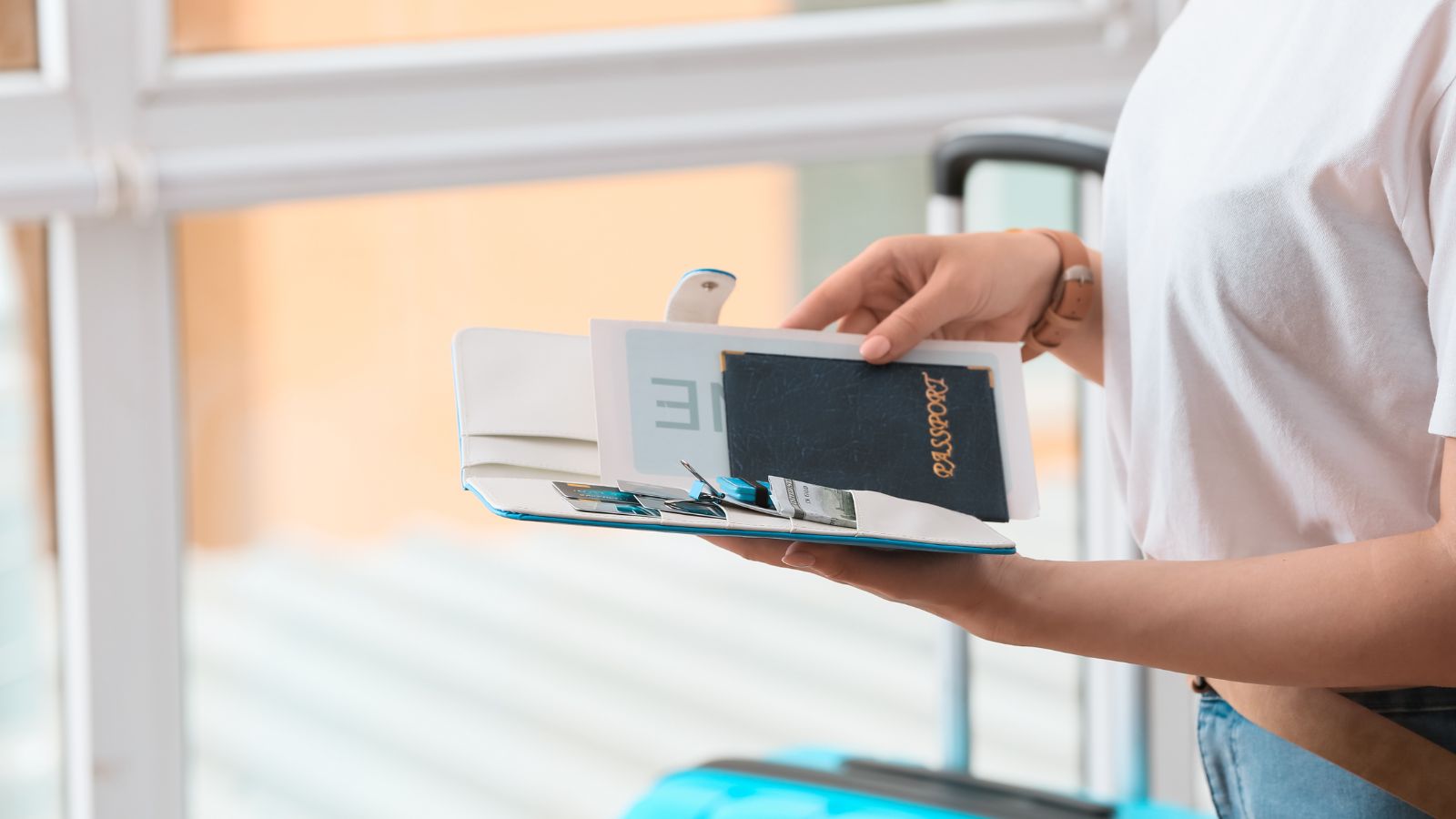
An overseas or international destination wedding deserves its own financial checklist. Flights and resorts are obvious expenses, but Canadians should also budget for appropriate travel insurance and any required documents. The Government of Canada warns that provincial or territorial health plans may cover little or none of the cost of medical treatment abroad, and foreign hospitals may demand immediate payment. Travel health and trip-interruption coverage can therefore protect against a financial loss much larger than the wedding trip itself.
Documentation should be checked before money becomes non-refundable. A passport is Canada’s universally accepted travel identification document, but individual countries can impose their own passport-validity, visa and entry requirements. Replacing an expiring document, purchasing insurance or changing a booking because an entry requirement was missed can add unexpected costs. Couples should review official Canadian travel advice for the destination rather than relying only on information shared in a wedding group chat. It is also sensible to keep some emergency funds accessible. The Government of Canada specifically recommends travelling with a backup source of money in case of unexpected disruptions or delays.
Currency Conversion and Foreign Card Fees

Destination weddings introduce another expense that can be almost invisible until the credit-card statement arrives: currency conversion. Hotel bills, restaurants, taxis and activities purchased in foreign currency are converted into Canadian dollars, and some financial institutions add foreign-currency conversion charges. The Financial Consumer Agency of Canada advises cardholders to examine their card agreements because fees vary between products.
For a couple making dozens of purchases during a destination wedding, even a relatively small percentage charge can become noticeable. The exchange rate may also move between the date the trip is booked and the date the card is charged, making a foreign hotel or activity cost more in Canadian dollars than originally expected. Couples should therefore build the destination budget in Canadian dollars using a reasonable buffer rather than assuming the first currency conversion they see will remain unchanged. Before travelling, they can compare the foreign-transaction terms on cards they already own and avoid relying heavily on cash advances, which can carry additional fees and immediate interest. The reception may be prepaid, but the surrounding vacation often is not.
Several Weddings in the Same Season

One wedding may fit comfortably into a monthly budget. Four weddings between June and September can become a completely different financial problem. Historical Statistics Canada marriage data demonstrate how strongly Canadian weddings have clustered in warmer months: in 2008, August alone accounted for 22.2% of marriages, followed by July, September and June as other popular months. Although wedding patterns evolve, the longstanding seasonality helps explain why invitations can arrive in batches.
This is where an annual wedding-season budget can be more useful than treating every invitation independently. Suppose a couple decides they can comfortably spend $2,400 attending weddings this year. That total can then be divided among gifts, travel, hotels, clothing and related celebrations based on the importance and location of each event. Without an overall cap, each individual decision can look reasonable while the cumulative total becomes difficult to manage. A new outfit here, a $200 gift there and one hotel weekend at a time may not feel alarming until several credit-card statements arrive. Looking at the entire season at once makes trade-offs visible before money is committed.
Being in the Wedding Party

Being asked to serve as a bridesmaid, groomsman or other attendant can be meaningful, but it can also create a different level of financial responsibility. Canadian wedding guidance notes that attendants are often expected to purchase or rent their clothing and may contribute to bachelor, bachelorette or shower expenses. Expectations vary enormously between families and social circles, which makes advance communication more important than relying on tradition.
Before accepting, couples should find out what the role could involve. One partner might need a specific $300 outfit, alterations, rehearsal travel and a two-night bachelor weekend; the other could simultaneously be attending another friend’s wedding party. Costs that might be manageable individually can collide within a household budget. The Associated Press has reported growing attention to the financial pressure wedding-party members face, with experts recommending that expectations be discussed before expensive plans are made. Being close to the marrying couple does not require agreeing to an unlimited budget. Asking about clothing, travel, pre-wedding events and professional grooming at the beginning allows everyone to celebrate with fewer financial misunderstandings later.
Taxes, Mandatory Charges and Gratuities

A quoted wedding-weekend price is not always the amount that ultimately leaves the bank account. Canadian sales taxes differ by province, and many taxable purchases will have GST, HST or provincial sales tax added. The Canada Revenue Agency lists HST rates ranging from 13% in Ontario to 15% in several Atlantic provinces, while Alberta and the territories use the 5% federal GST without a provincial sales tax. Nova Scotia’s HST is 14% as of April 2025.
Those differences matter when budgeting hotels, restaurant meals, clothing and personal services. Couples should also check whether gratuities or service charges are already included before adding additional tips. For a simple example, a $200 pre-tax purchase does not necessarily cost $200 once applicable taxes are added. The principle becomes more important on larger bills such as hotel stays or group dinners. Canada’s Competition Bureau has also taken a firm position against drip pricing involving mandatory non-government fees that appear later in a transaction. Looking at the final checkout total rather than the advertised starting price produces a far more accurate wedding budget.
Weather-Related Backup Costs

Summer weddings may be associated with sunshine, but Canadian warm-season weather also brings thunderstorms, hail, smoke and extreme heat. Environment and Climate Change Canada says thunderstorms are among the country’s most frequent hazardous weather types, and federal preparedness guidance notes that they are most common from late spring through summer. Outdoor wedding weekends can therefore change unexpectedly.
For guests, a weather disruption can produce practical expenses rather than simply inconvenience. An outdoor ceremony may suddenly require an umbrella, rain-resistant footwear or an extra layer. A cancelled flight could extend a hotel stay, while severe weather on a driving route might make leaving a day earlier the safer option. Wildfire smoke can also affect outdoor events, and Health Canada advises considering air quality when planning outdoor activities. Couples do not need to budget hundreds of dollars purely for bad weather, but a small contingency amount and flexible bookings can be valuable. Packing weather-appropriate basics from home is usually much cheaper than buying them near a venue after conditions change.
A Wedding-Season Emergency Buffer

Even the most carefully planned wedding weekend can produce one unplanned expense: a missed connection, damaged clothing, an extra taxi, a hotel deposit, forgotten medication or an unexpected meal. The solution is not to predict every possibility but to build a buffer into the overall wedding-season budget. The Financial Consumer Agency of Canada’s budgeting guidance emphasizes accounting for expenses systematically rather than allowing spending to accumulate without a plan.
A couple budgeting $1,000 for an out-of-town wedding, for example, might intentionally reserve another $100 or $150 rather than allocating every dollar in advance. If nothing goes wrong, that money stays in the household budget. If something does, the problem can be handled without immediately adding revolving debt. FCAC also recommends paying credit-card balances in full by the due date where possible because carrying a balance generates interest costs. Weddings are meant to create memories, not months of repayment. A financial buffer gives couples room to be generous, flexible and present for people they care about while still protecting the goals waiting for them after wedding season ends.
16 Costco Canada Habits That Could Be Costing Shoppers More Than They Save

The Executive Membership can feel like an obvious upgrade because the 2% annual reward sounds straightforward. For households that spend heavily at Costco Canada, the extra fee may be easy to justify. But the habit becomes costly when shoppers upgrade first and calculate later. A Gold Star Membership costs less, while Executive costs more and only pays off if eligible annual spending is high enough to offset the difference.
16 Costco Canada Habits That Could Be Costing Shoppers More Than They Save
This Options Discord Chat is The Real Deal
While the internet is scoured with trading chat rooms, many of which even charge upwards of thousands of dollars to join, this smaller options trading discord chatroom is the real deal and actually providing valuable trade setups, education, and community without the noise and spam of the larger more expensive rooms. With a incredibly low-cost monthly fee, Options Trading Club (click here to see their reviews) requires an application to join ensuring that every member is dedicated and serious about taking their trading to the next level. If you are looking for a change in your trading strategies, then click here to apply for a membership.