
35,000+ smart investors are already getting financial news, market signals, and macro shifts in the economy that could impact their money next with our FREE weekly newsletter. Get ahead of what the crowd finds out too late. Click Here to Subscribe for FREE.
A cart filled for a week or two can turn into a surprisingly large household expense, especially when small pricing differences are multiplied across dozens of products. Statistics Canada reported that food purchased from stores was 3.9% more expensive in June 2026 than a year earlier, while several everyday staples continued to carry noticeably higher price tags.
That makes preparation increasingly valuable. A cheaper sticker price is not always a cheaper unit price, a bigger package is not automatically a bargain, and a promotion can encourage households to buy more than they will realistically use. These 18 checks cover the details worth reviewing before the next major grocery haul, from pantry inventory and flyers to package sizes, loyalty offers, nutrition labels, taxes and checkout accuracy.
Check the Fridge, Freezer and Pantry Before Making the List
18 Things Canadians Should Check Before Their Next Big Grocery Haul
- Check the Fridge, Freezer and Pantry Before Making the List
- Turn the Shopping List Into a Meal Plan
- Check Flyers, Coupons and Apps Before Leaving Home
- Compare Unit Prices, Not Just the Number on the Shelf
- Look at the Package Size Again—even on Familiar Products
- Make Sure the Bulk Package Will Actually Be Used
- Compare Store Brands With the National Brand
- Check Whether Another Store—or Price Matching—Changes the Math
- Review Loyalty Offers Before Deciding They Are Savings
- Understand What “Best Before” Actually Means
- Compare Fresh Produce With Frozen and Canned Alternatives
- Recalculate the Protein Part of the Basket
- Check the Nutrition Facts Table, Not Just the Marketing Claims
- Check Which Foods Will Add GST or HST
- Do the Math on Multi-Buy Promotions
- Compare the Online Checkout Total With the In-Store Option
- Check Storage Space Before Buying the Food
- Keep the Receipt and Check the Scanned Prices
- 16 Costco Canada Habits That Could Be Costing Shoppers More Than They Save
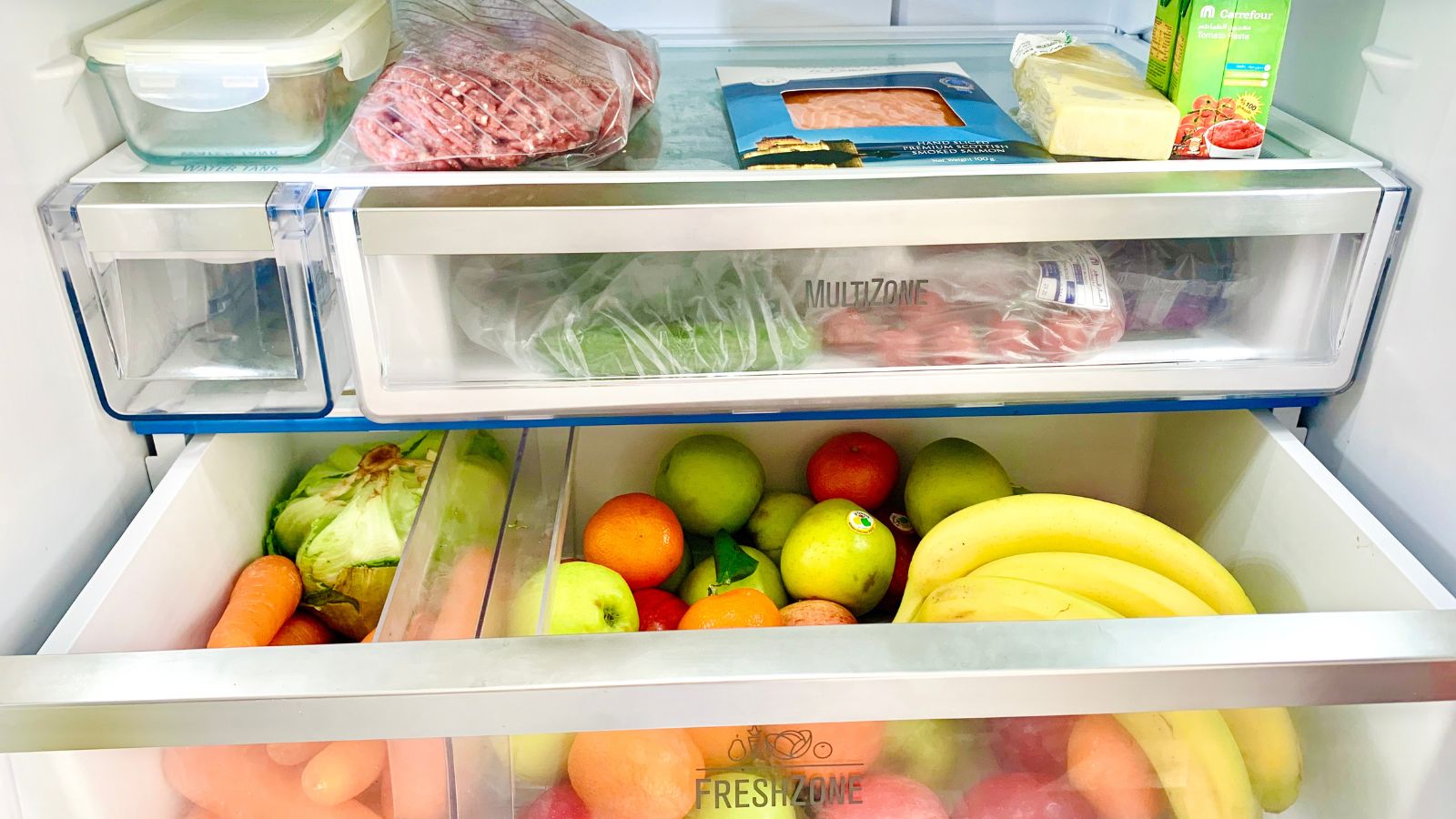
One of the easiest grocery savings happens before anyone reaches the store. Health Canada specifically recommends checking the refrigerator before shopping because it reminds households what needs to be used and prevents them from buying food they already have. A quick inventory should include not only obvious staples such as milk and bread, but freezer proteins, half-used vegetables, unopened sauces, pasta, rice and canned goods.
The difference can become substantial during a large haul. A household that already has frozen chicken, two cans of beans and enough rice for several dinners may need only vegetables and a few supporting ingredients rather than another complete set of meals. It also helps to move foods nearing the end of their useful life to the front. Canadian government guidance identifies over-purchasing and weak meal planning among the reasons food is wasted at home. Treating the kitchen as the first aisle of the grocery store can therefore protect both the food budget and the food already purchased.
Turn the Shopping List Into a Meal Plan
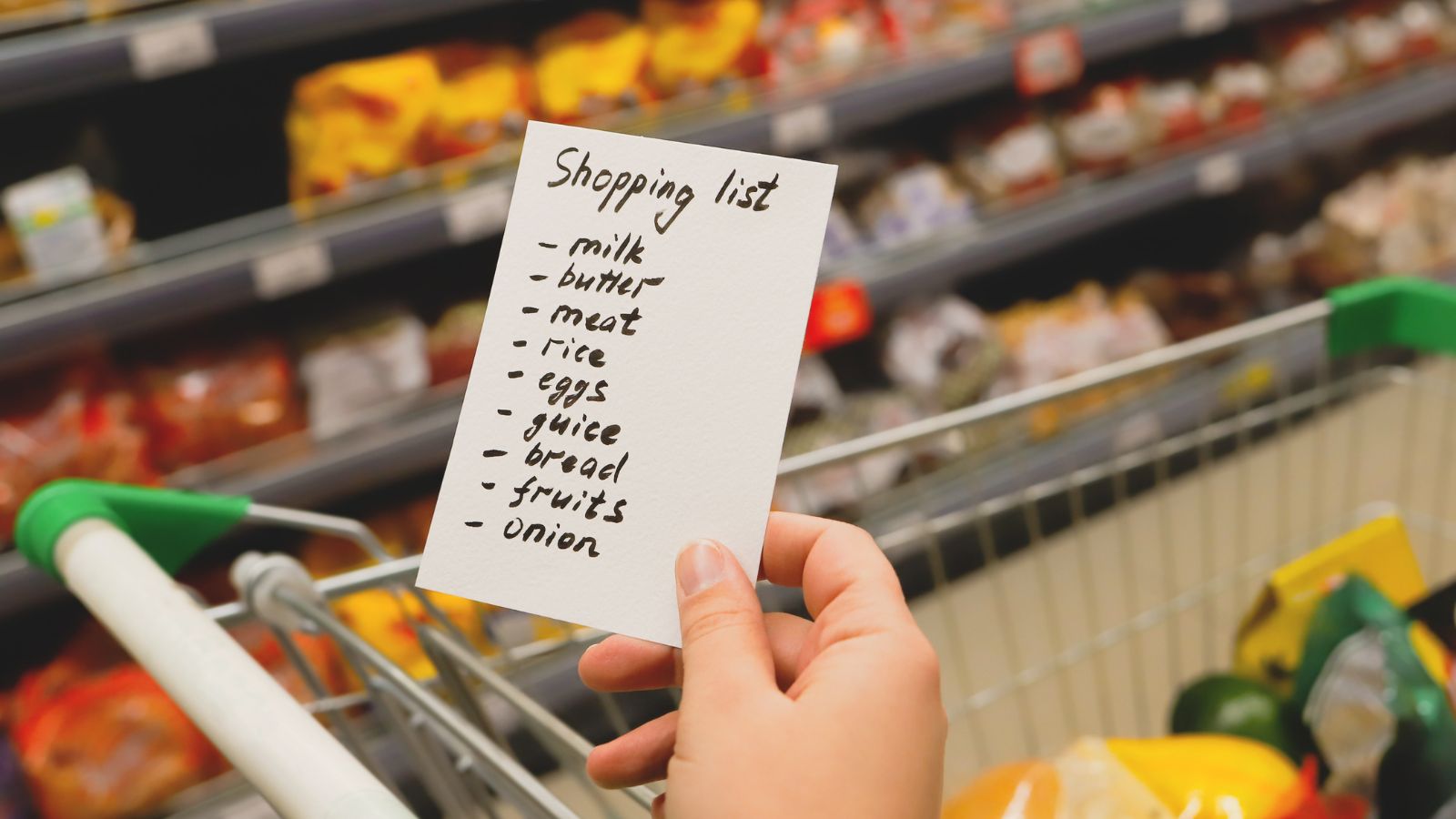
A grocery list is more useful when every major perishable item has a purpose. Rather than writing “vegetables, meat, yogurt,” households can sketch several meals and determine approximately how much each one requires. Environment and Climate Change Canada recommends planning meals before shopping so households buy food they can consume before it spoils. That becomes particularly important during a large stock-up trip, when an overflowing cart can create the illusion that every purchase will eventually find a use.
The plan does not need to be rigid. In fact, leaving room for substitutions can produce better savings. A planned chicken stir-fry might become a pork or tofu stir-fry if another protein is substantially cheaper that week. A soup can absorb vegetables already sitting in the crisper. Agriculture and Agri-Food Canada also notes that meal planning can save time and money while reducing waste. The goal is not to predict every bite for the next two weeks; it is to make sure expensive perishables are not entering the cart without a realistic destination.
Check Flyers, Coupons and Apps Before Leaving Home
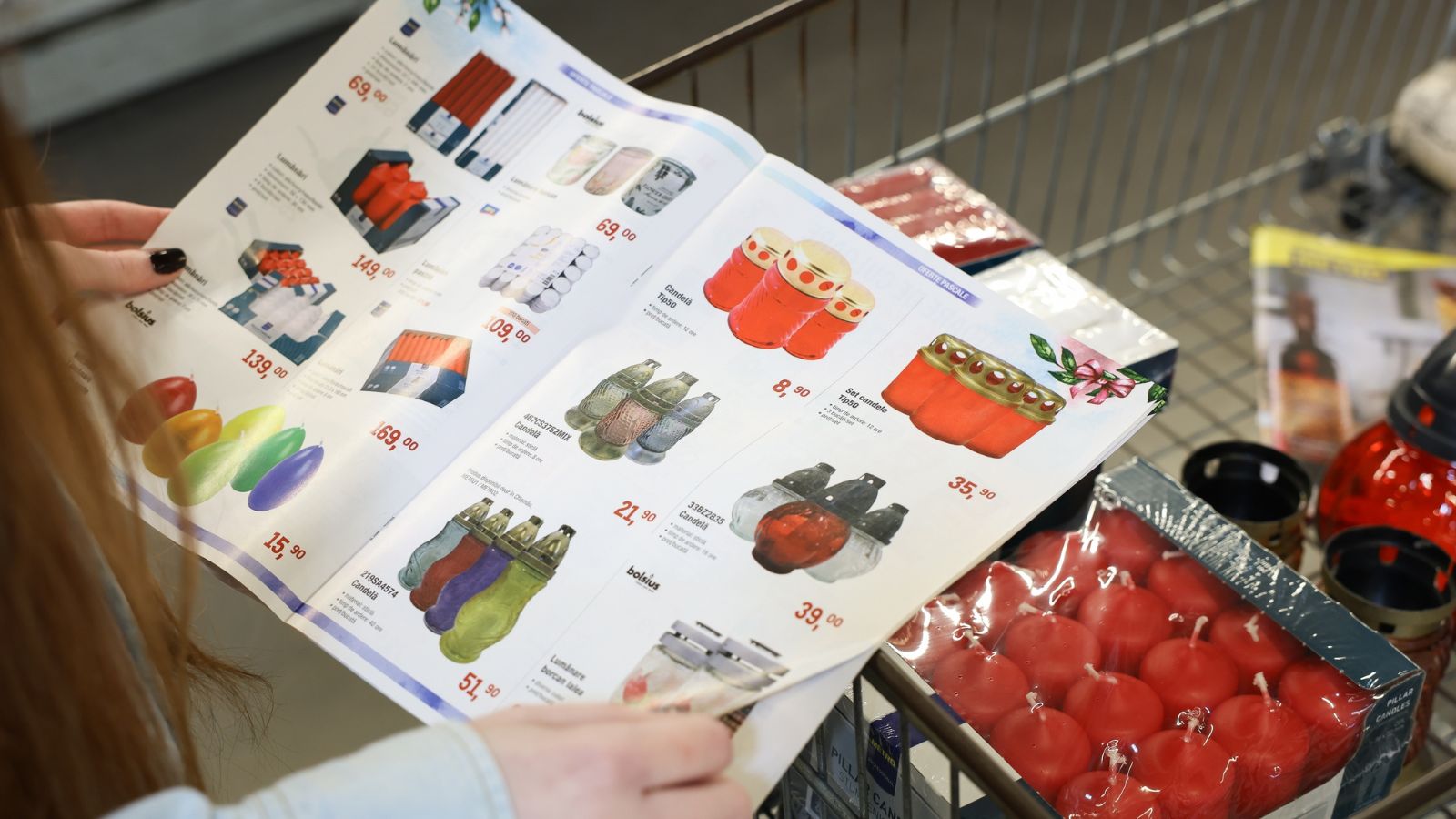
Weekly promotions can reshape the cheapest version of a grocery list. Health Canada recommends checking flyers, coupons, mobile apps and websites for deals on foods that are already needed. That last part matters. A half-price product that was never going to be purchased still increases the final bill, while a sale on something regularly consumed can create genuine savings.
A useful approach is to identify several high-cost items first—perhaps meat, coffee, cheese, cooking oil or household staples—and compare those before worrying about a 30-cent difference on a smaller purchase. Digital tools can make that easier by gathering flyers from several stores, while retailer apps may contain offers unavailable on the printed flyer. The federal Office of Consumer Affairs also recommends using flyers as shopping guides for comparing prices across retailers. On a $250 or $300 stock-up, finding meaningful savings on five or six major items can matter considerably more than chasing every small promotion scattered through the aisles.
Compare Unit Prices, Not Just the Number on the Shelf
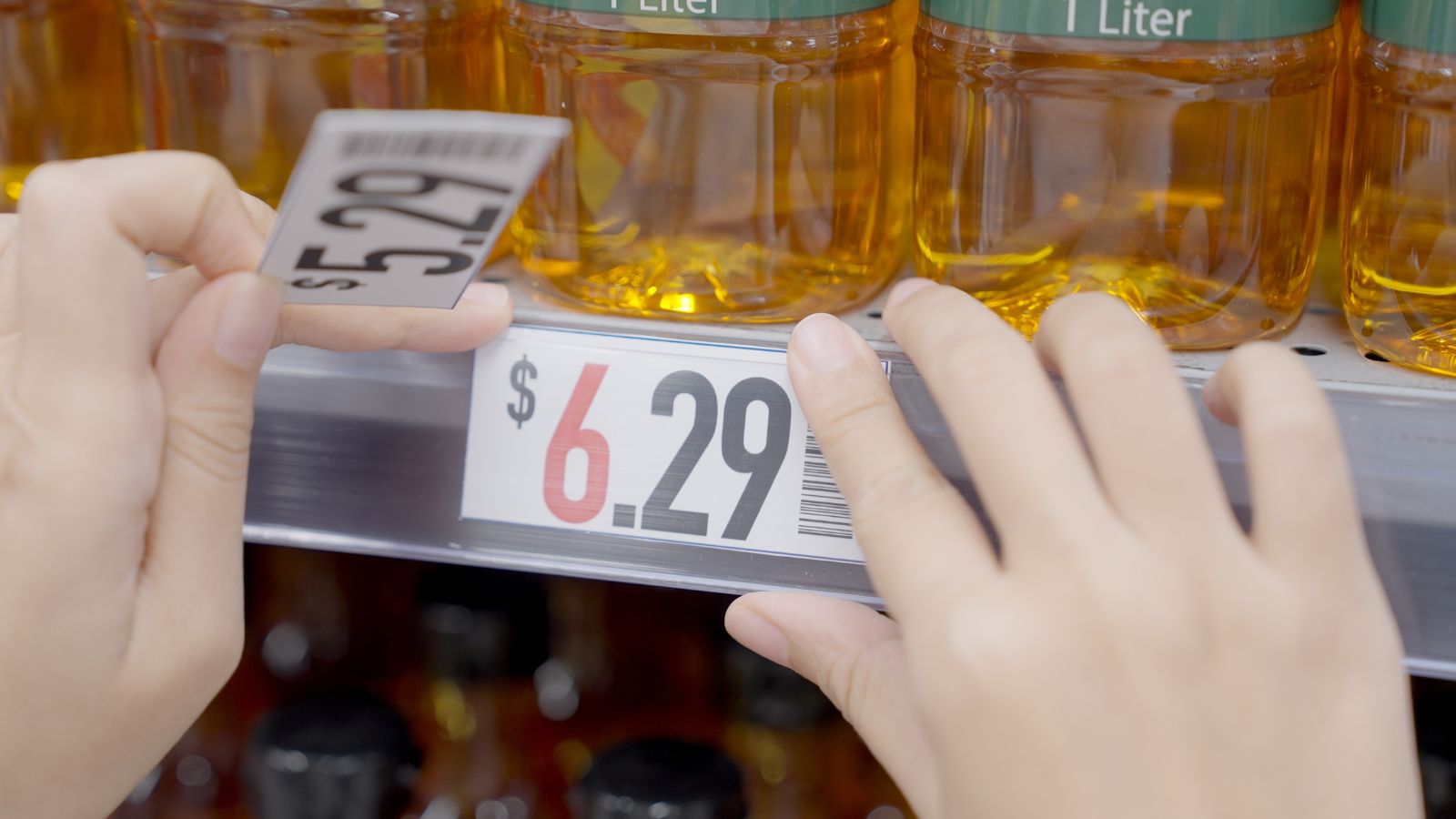
A $6 package can be more expensive than an $8 package once quantity is considered. Unit pricing converts different sizes into a comparable measure, such as dollars per 100 grams, per kilogram or per litre. Both the federal Office of Consumer Affairs and the Competition Bureau identify unit pricing as an important way for shoppers to compare products that come in different package sizes.
Consider two bags of rice. If a 900-gram bag costs $4.50, the price is 50 cents per 100 grams. A 1.8-kilogram bag priced at $7.20 works out to 40 cents per 100 grams. The larger bag costs more at checkout but provides better value if the household will use it. The reverse can happen just as easily when a large package carries a convenience premium. Unit-price checks are particularly valuable for cereal, cheese, yogurt, detergent, meat and packaged snacks, where containers can look similar while holding significantly different quantities. The shelf price answers “What will this cost today?” Unit price answers the more useful question: “How much product is this money actually buying?”
Look at the Package Size Again—even on Familiar Products

Habit can become expensive when package sizes change. A shopper who has purchased the same crackers, cereal or frozen food for years may instinctively compare today’s price with the price remembered from previous trips without noticing that the box now contains less. The Competition Bureau describes shrinkflation as reducing a product’s size or quantity while keeping its price unchanged, while the Canadian Food Inspection Agency recommends checking net quantity rather than relying on the apparent size of the container.
That means familiar packaging deserves nearly as much scrutiny as unfamiliar packaging. A product moving from 500 grams to 450 grams represents a 10% reduction in quantity. Even if the shelf price remains identical, the cost per gram has increased by roughly 11%. Package shape can make the difference difficult to notice at a glance, so checking the printed net weight or volume is more reliable. CFIA specifically advises consumers to examine unit prices and avoid automatically reaching for the same product because quantities can change. For repeat purchases, a two-second label check can expose a price increase that the sticker alone does not reveal.
Make Sure the Bulk Package Will Actually Be Used
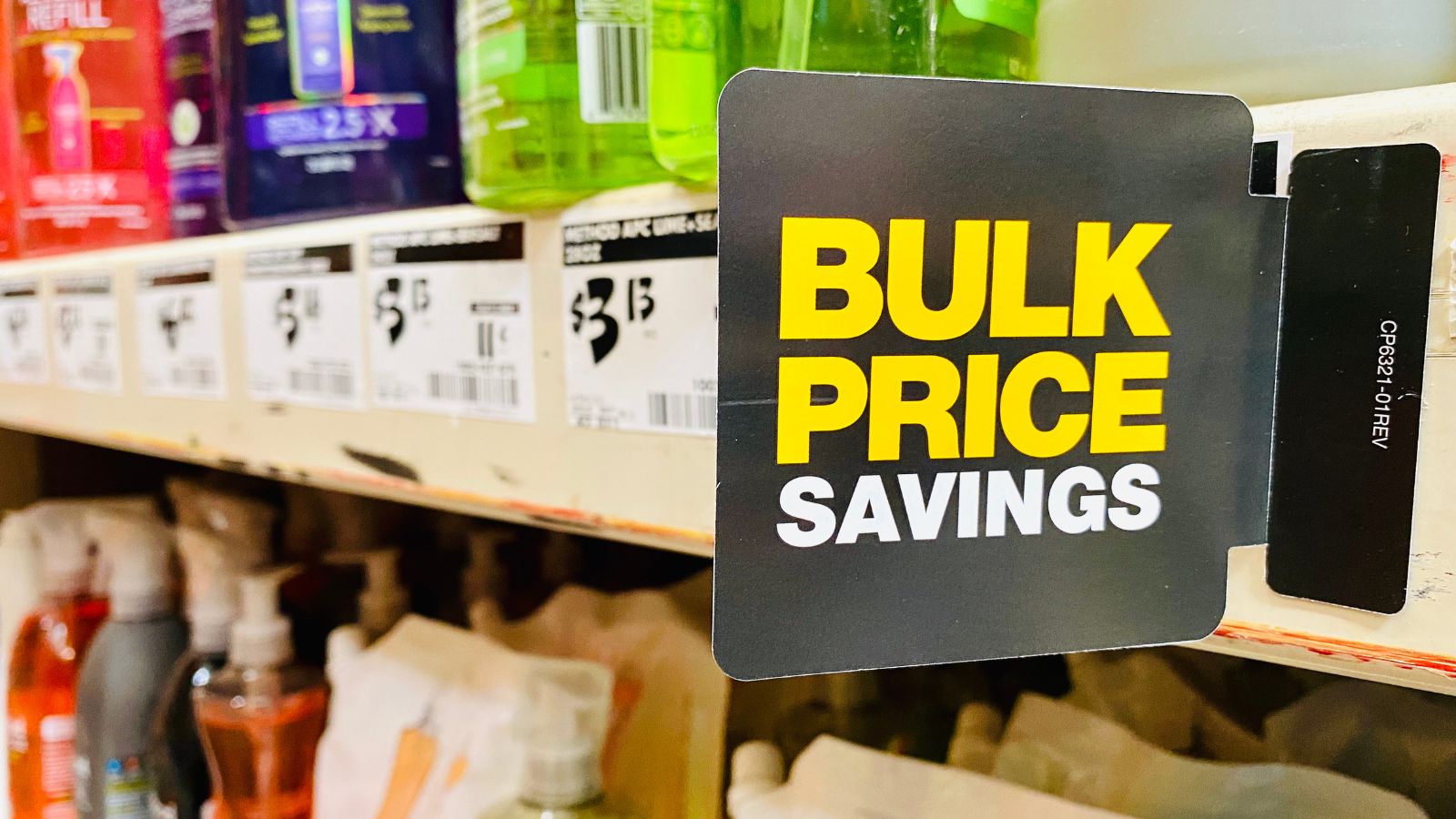
Warehouse packs and family sizes can deliver excellent value, but only when their contents are consumed. A 24-pack costing less per unit than a six-pack is not much of a bargain if half eventually expires, goes stale or occupies freezer space needed for other food. The same logic applies to oversized bags of produce, large tubs of dairy products and restaurant-sized condiments.
Before putting a bulk item on the list, households can ask three questions: Is the unit price truly lower? Is there enough storage space? Will the product realistically be used while its quality remains acceptable? A hypothetical $20 bulk package containing twice as much food as a $12 regular package looks attractive on unit price, but throwing away one-quarter of the large package effectively erases much of the advantage. Canadian government guidance repeatedly connects over-purchasing with household food waste. Shelf-stable foods, frequently eaten frozen items and household basics usually carry less risk than fragile produce or short-life dairy. Bigger is therefore best treated as a calculation rather than a synonym for cheaper.
Compare Store Brands With the National Brand

Brand loyalty can make a grocery trip faster, but it can also prevent meaningful comparisons. Health Canada’s budget-shopping guidance specifically recommends comparing prices between generic and brand-name products rather than assuming one is automatically the best choice. Store brands now cover far more than basic canned goods, extending into cheese, frozen meals, snacks, sauces, coffee and many household staples.
The useful comparison involves more than the front-of-package price. Check package quantity, ingredients and the unit price. Imagine a national-brand pasta sauce selling for $5.49 per 650 millilitres beside a private-label version priced at $3.79 for the same volume. Buying four jars during a stock-up would create a $6.80 difference before tax considerations. In another category, however, a national brand on promotion may undercut the store brand. Taste and quality preferences also matter; repeatedly buying a cheaper product nobody in the household enjoys can simply create waste. The practical rule is to make brands compete for the cart rather than allowing familiarity alone to decide.
Check Whether Another Store—or Price Matching—Changes the Math
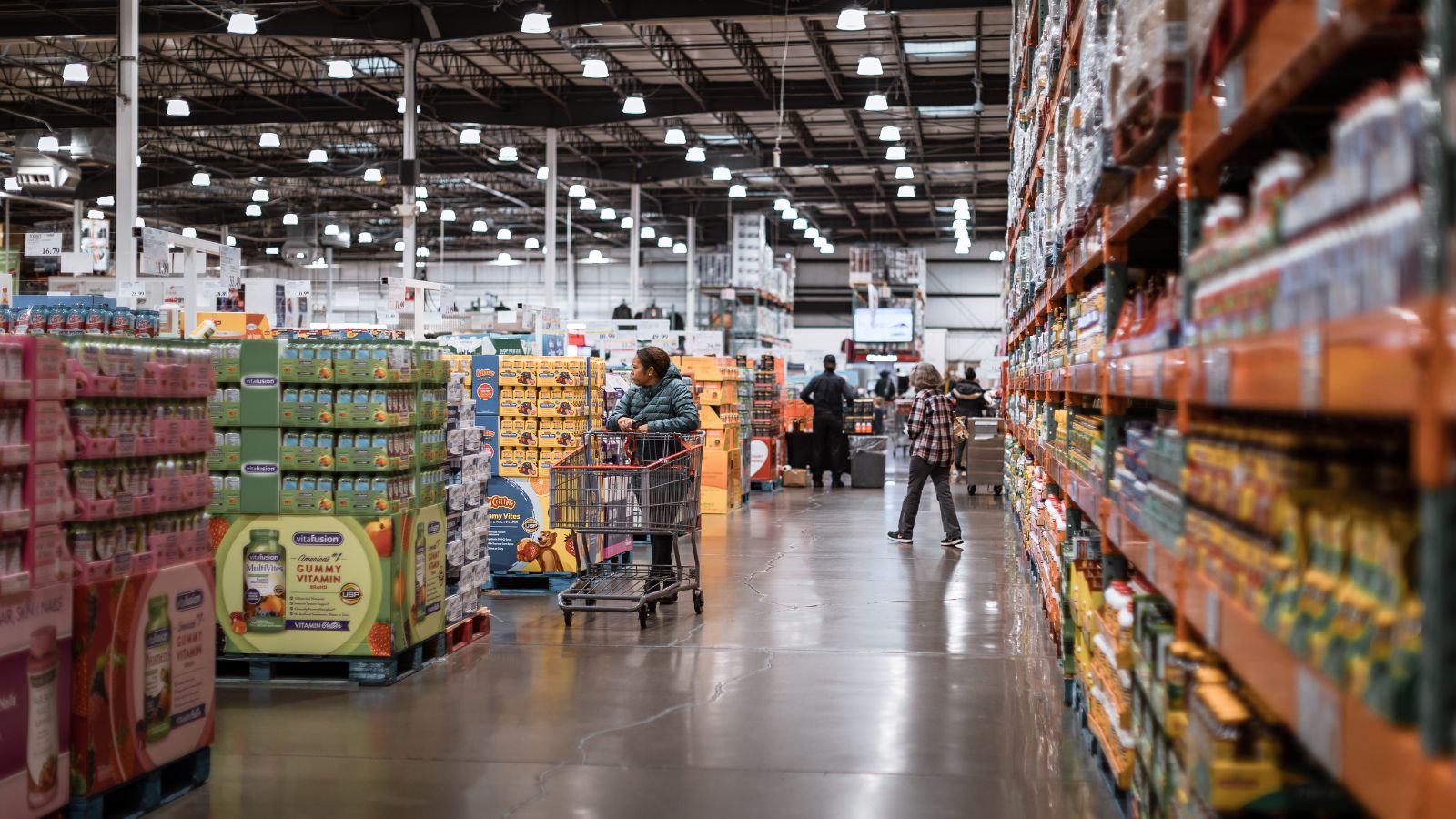
Large grocery hauls magnify price differences between stores. Moving an entire trip across town to save 20 cents on bananas makes little sense, but comparing the expensive components of a basket can be worthwhile. Health Canada recommends comparing prices and notes that shoppers can use flyers for price matching at stores that offer the service. The federal Office of Consumer Affairs similarly advises comparing flyer prices among retailers.
A sensible comparison focuses on the basket rather than one dramatic loss-leader. One store may advertise inexpensive chicken but charge more for dairy, produce and packaged goods. Another may have a slightly higher meat price but a lower total bill. Fuel costs and travel time should also be part of the decision. When price matching is available, it can eliminate an extra trip, although each retailer sets its own conditions and eligible competitors. Before a $300 haul, checking perhaps 10 high-value items across two nearby stores can reveal whether switching locations is worthwhile. The cheapest headline special does not necessarily identify the cheapest place to buy the whole basket.
Review Loyalty Offers Before Deciding They Are Savings
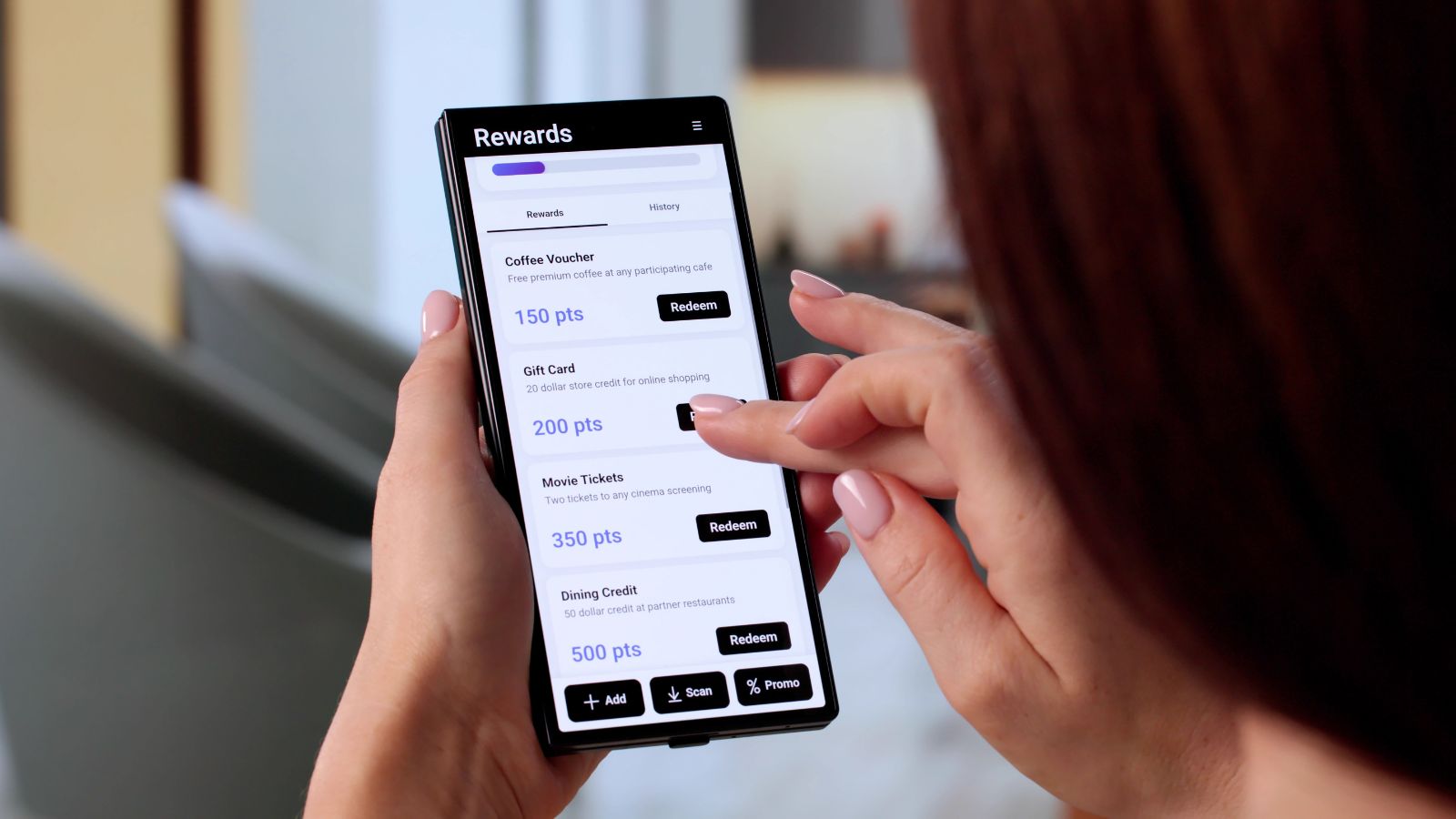
Loyalty points have real value only when they change the household’s eventual spending. Canada’s Office of Consumer Affairs notes that loyalty programs can allow customers to accumulate points exchangeable for products, services, coupons or discounts and advises checking program terms and conditions. Grocery programs may also offer member-only prices or personalized promotions, making a pre-trip account check worthwhile.
The trap is allowing the reward to become the reason for buying something unnecessary. Spending $30 extra to earn $5 worth of points still leaves the household $25 further behind unless those products were genuinely needed. It is also worth checking whether an offer must be loaded in an app, whether a spending threshold applies and whether points have restrictions on redemption. A family already planning to spend $200 might benefit substantially from an offer triggered at that amount; adding unwanted items to push a $165 basket to $200 is a different calculation. Loyalty programs work best as an extra discount on planned purchases, not as permission to expand the cart.
Understand What “Best Before” Actually Means

Date labels can influence both what goes into the cart and what eventually gets discarded. The Canadian Food Inspection Agency states that a best-before date is primarily about freshness and quality, not an indicator of food safety before or after that date. It generally describes how long an unopened product should retain its expected characteristics when stored appropriately.
That distinction can make discounted groceries near their best-before date attractive when they will be consumed quickly. A loaf of bread marked down because its date is approaching may work perfectly for a household planning to use or freeze it immediately. The same purchase makes less sense if it is expected to sit untouched for another week. Best-before dates should also not be confused with expiration dates, which apply to certain foods with specific nutritional requirements and carry different implications. For a large grocery haul, checking dates on milk, yogurt, bread and other shorter-life foods can prevent several packages from reaching peak freshness at exactly the same time—and becoming a waste problem days later.
Compare Fresh Produce With Frozen and Canned Alternatives

Fresh produce deserves an automatic comparison with the freezer and canned-food aisles, particularly when an ingredient is out of season or unusually expensive. Health Canada says fresh, frozen and canned vegetables and fruits can all be healthy options and notes that frozen or canned choices may be less expensive when fresh produce is out of season.
The comparison can be surprisingly practical. A fresh berry purchase may be perfect when berries are abundant and competitively priced, while frozen berries can provide a more predictable cost for smoothies in colder months. Frozen vegetables also eliminate much of the trimming and spoilage that can occur with fresh produce. For canned options, Health Canada recommends looking for vegetables with little or no added sodium and fruit with little or no added sugar. The best choice therefore depends on the meal, price and expected waste rather than a simple fresh-versus-frozen rule. A stock-up cart often benefits from a mix: fresh foods for the next several days and longer-lasting frozen or canned choices for later meals.
Recalculate the Protein Part of the Basket
Protein can quickly dominate a large grocery bill, so this category deserves deliberate comparison. Statistics Canada’s June 2026 national averages included approximately $16.61 per kilogram for ground beef and $14.63 per kilogram for chicken breasts, illustrating how a few packages can consume a considerable share of the weekly food budget.
The comparison should extend beyond cuts of meat. Health Canada’s budget guidance identifies beans, lentils and other legumes as inexpensive protein foods and encourages using them regularly. That does not require eliminating meat; it can mean stretching it. A chili might use one package of beef plus beans rather than twice as much beef, while lentils can add protein and volume to soup or pasta sauce. When comparing meat, look at price per kilogram rather than package price, then consider bones, fat, portion size and leftovers. A $15 package yielding six meals can provide better household value than a $10 package yielding three. For a major grocery haul, deciding the protein strategy before entering the meat aisle can prevent several spontaneous $15-to-$25 additions.
Check the Nutrition Facts Table, Not Just the Marketing Claims

Two products with similar prices and packaging can have very different nutritional profiles. Health Canada says Nutrition Facts tables provide serving size, calories, nutrient quantities and percentage daily values. Serving sizes are standardized more closely than in the past to help consumers compare similar prepackaged foods, making the panel particularly useful when choosing between products side by side.
Canada’s newer front-of-package symbol adds another quick check. As of 2026, qualifying prepackaged foods that meet or exceed specified thresholds for saturated fat, sugars or sodium are generally required to carry the symbol, subject to exemptions. That does not automatically make a product “bad,” but it gives shoppers another piece of information before purchase. Health Canada explains that 5% Daily Value or less is considered a little of a nutrient, while 15% or more is considered a lot. During a large haul, comparing several cereals, soups, sauces or frozen meals by both price and nutrition can prevent a low sticker price from becoming the only standard used to judge value.
Check Which Foods Will Add GST or HST

The shelf price is not always the final price. Across Canada, basic groceries are generally zero-rated for GST/HST, meaning the applicable GST/HST rate is 0%. However, the Canada Revenue Agency identifies several categories that remain taxable, including certain candies, confectionery, carbonated beverages and snack foods.
This can create different checkout totals for products displayed only a few metres apart. A cart dominated by ordinary grocery staples may therefore track fairly closely with the shelf-price subtotal, while a basket containing more taxable snack and convenience products can rise more at checkout. Provincial sales-tax rules can add further complexity depending on the jurisdiction and product, so shoppers should avoid assuming every food item receives identical tax treatment. The distinction becomes more noticeable during a party shop or large holiday haul when soft drinks, chips, sweets and prepared items make up a larger share of the cart. Budgeting a little room for tax—and understanding that “food” does not automatically mean “tax-free”—reduces the chance of a surprisingly high total at the register.
Do the Math on Multi-Buy Promotions

“Two for $8” and “Buy three, save $3” are designed to make quantity feel rewarding, but the useful question is still the unit cost. Before adding the extra package, compare the promotional total with the regular unit price, competing sizes and other brands. A three-pack deal is only beneficial when the price is lower and the household actually wants three.
Promotion conditions also deserve attention. Retailers may set quantity limits or require a specific number of products for a discount, while other promotions may allow customers to buy one at the proportional price. Those details should be checked rather than assumed. Retail Council of Canada guidance on scanner-price disputes specifically recognizes multi-buy and bundle promotions, illustrating how common these pricing structures are in Canadian retail. A household buying two boxes because it needs two has potentially found useful savings; buying four because the sign makes four appear “efficient” is a different decision. The bigger the grocery haul, the easier it becomes for six or seven small multi-buy upgrades to quietly add another $20 or $30 to the receipt.
Compare the Online Checkout Total With the In-Store Option
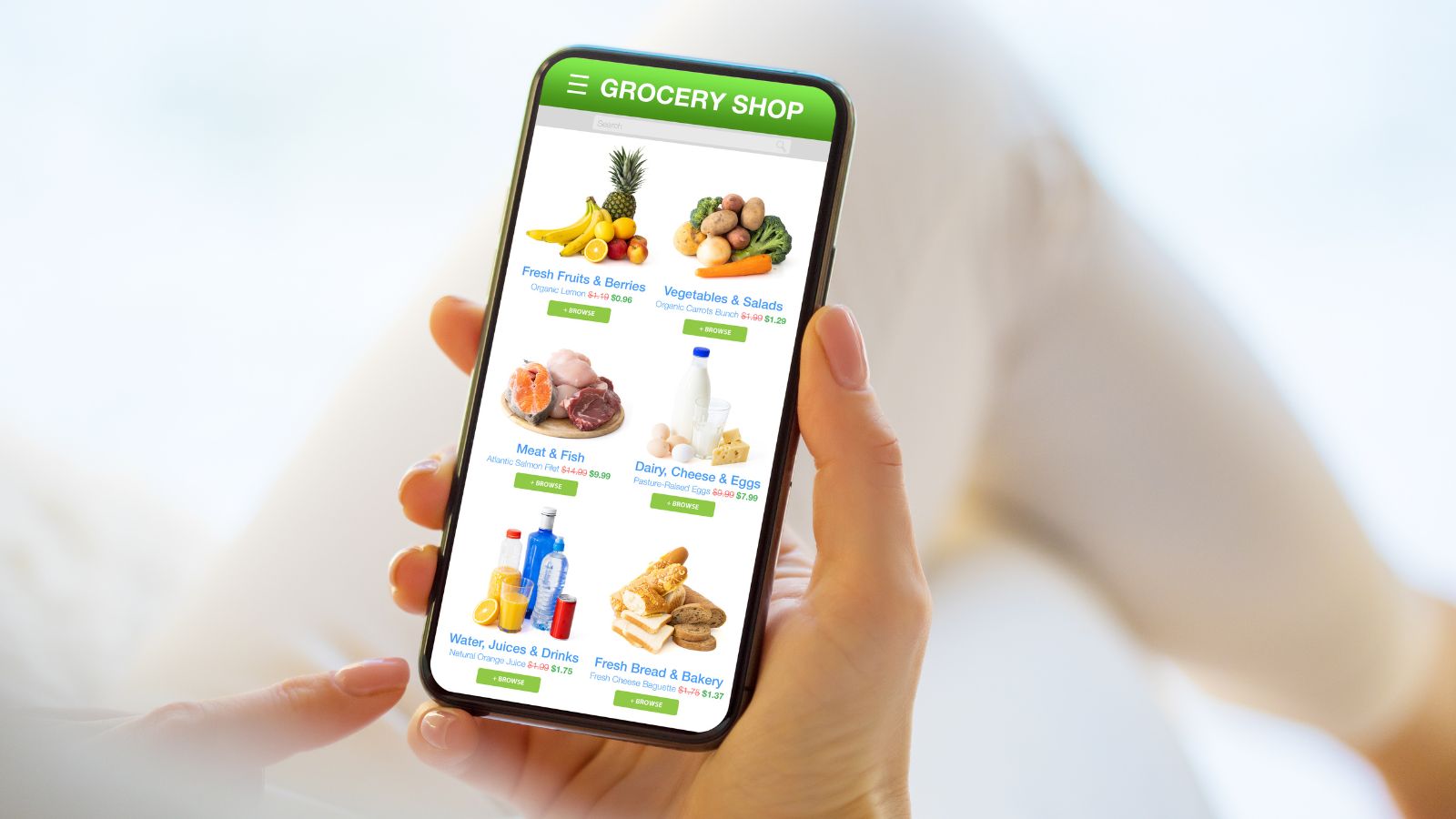
Online grocery ordering can save time and make it easier to watch the running subtotal, but shoppers should compare the final cost rather than only the listed food prices. Depending on the retailer or delivery service, a hypothetical order can include delivery charges, service fees, minimum-spend conditions or other costs that change the economics of the basket.
Canada’s Competition Bureau describes “drip pricing” as advertising a price that cannot actually be obtained because mandatory additional charges are added later. Not every grocery delivery fee is drip pricing—clearly disclosed optional or legitimate charges are a different matter—but the principle reinforces the value of reviewing the complete checkout amount. A $180 grocery basket delivered for $15 more may be worthwhile for someone saving substantial time or transportation costs; another household may prefer free pickup or an in-store visit. Also check whether online promotional prices, loyalty offers and substitutions work the same way as they do inside the store. Convenience has value, but it should appear explicitly in the household’s calculation rather than hiding outside the grocery subtotal.
Check Storage Space Before Buying the Food
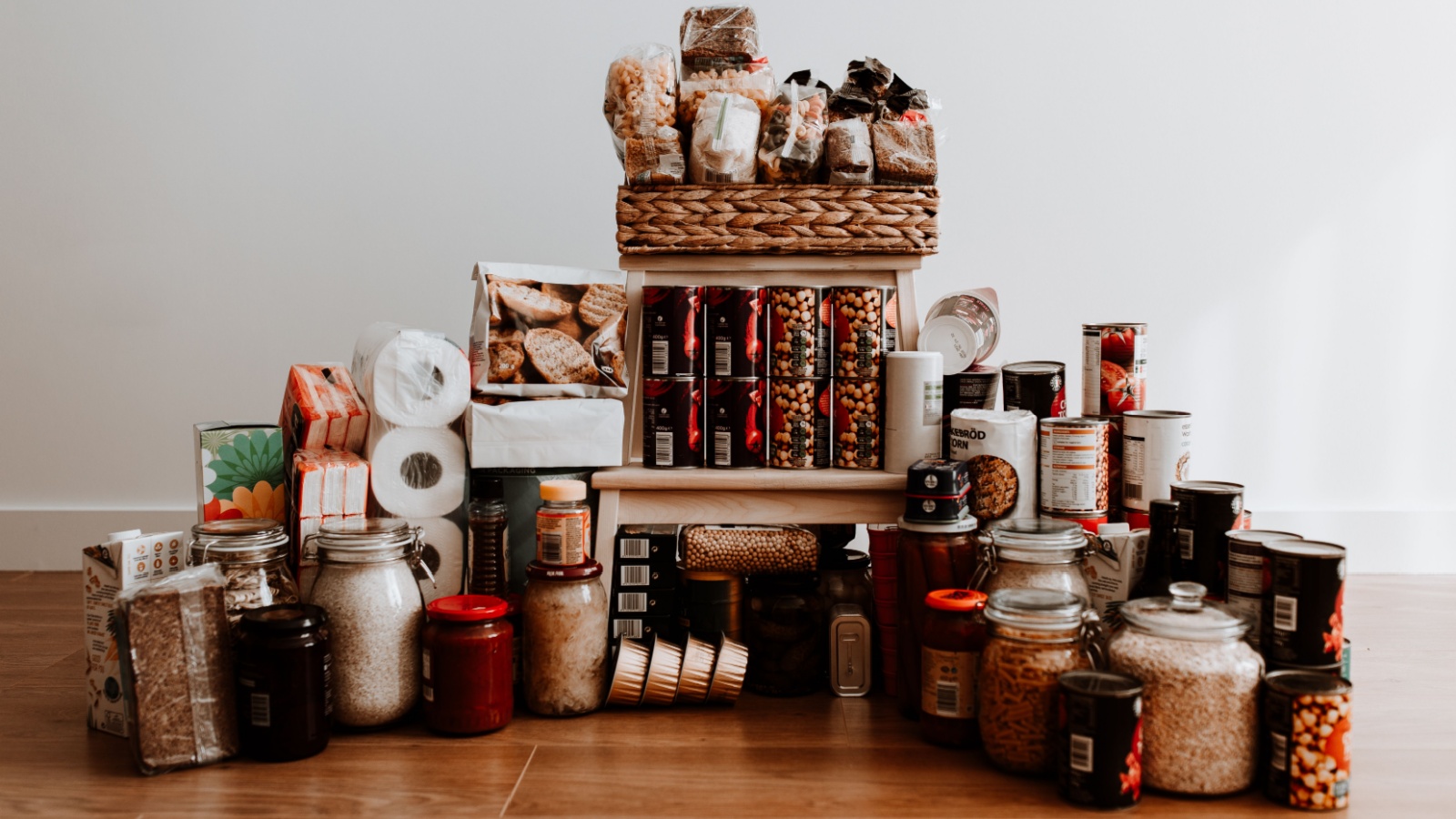
A successful stock-up ends with everything stored safely and practically. Agriculture and Agri-Food Canada advises keeping refrigerators at 4°C and freezers at −18°C, while also recommending that more perishable or already-opened foods be kept where they are easy to see and use first. Those guidelines matter when a large haul suddenly fills every available shelf.
Freezer capacity is especially easy to overestimate. Ten discounted packages of meat are not a bargain if there is room for only six, and tightly packing a refrigerator without a plan can leave fragile food forgotten at the back. Before leaving home, households can identify freezer space, empty containers and the foods that need to be eaten first. A “first in, first out” habit is useful for pantry goods as well: older pasta, canned products and sauces can move forward while new stock goes behind them. The grocery budget is not protected when food crosses the checkout—it is protected when the purchase is eventually eaten rather than discarded.
Keep the Receipt and Check the Scanned Prices

A large transaction can contain dozens of opportunities for a pricing error, so the final check happens after the cart is packed. Compare major sale items, multi-buy promotions and loyalty discounts against the receipt before leaving the store. The Retail Council of Canada administers the voluntary Scanner Price Accuracy Code, endorsed by the Competition Bureau and adopted by numerous major retailers, although different rules apply in Quebec.
At participating stores covered by the national voluntary code, when an eligible product scans above the displayed or advertised price, the lower price must be honoured. For eligible items displayed at $10 or less, the code can result in the item being provided free; for items above $10, it can provide a $10 discount. Restrictions apply, and Quebec has its own regulated system, including a different compensation amount. The code also does not cover every product or every pricing situation. Still, keeping a receipt serves a much simpler purpose: it gives households a final record of whether the carefully planned $250 grocery haul actually rang through at the prices that justified those purchases.
16 Costco Canada Habits That Could Be Costing Shoppers More Than They Save
The Executive Membership can feel like an obvious upgrade because the 2% annual reward sounds straightforward. For households that spend heavily at Costco Canada, the extra fee may be easy to justify. But the habit becomes costly when shoppers upgrade first and calculate later. A Gold Star Membership costs less, while Executive costs more and only pays off if eligible annual spending is high enough to offset the difference.
16 Costco Canada Habits That Could Be Costing Shoppers More Than They Save
This Options Discord Chat is The Real Deal
While the internet is scoured with trading chat rooms, many of which even charge upwards of thousands of dollars to join, this smaller options trading discord chatroom is the real deal and actually providing valuable trade setups, education, and community without the noise and spam of the larger more expensive rooms. With a incredibly low-cost monthly fee, Options Trading Club (click here to see their reviews) requires an application to join ensuring that every member is dedicated and serious about taking their trading to the next level. If you are looking for a change in your trading strategies, then click here to apply for a membership.