35,000+ smart investors are already getting financial news, market signals, and macro shifts in the economy that could impact their money next with our FREE weekly newsletter. Get ahead of what the crowd finds out too late. Click Here to Subscribe for FREE.
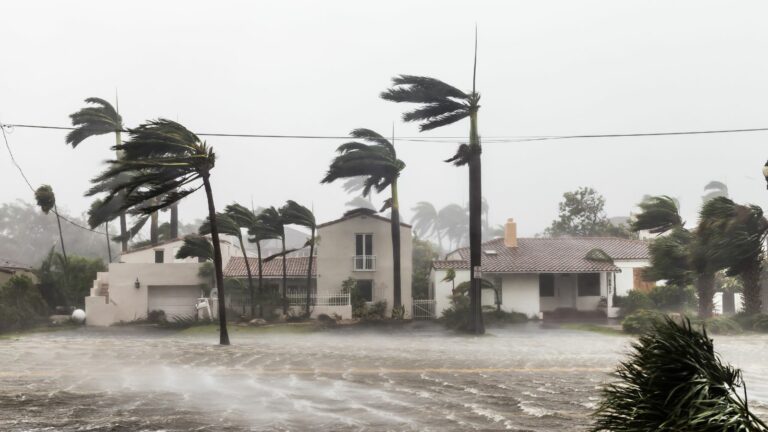
Canadian storms can turn an ordinary summer evening into a costly cleanup with remarkably little warning. Heavy rainfall, flash flooding, hail, wind, falling trees and power outages can damage the same home in very different ways—and insurance coverage often depends on the exact cause of that damage.
Recent severe-weather losses have made understanding those distinctions increasingly important for households across the country. Before storm season reaches its most active stretch, these 18 home insurance questions can help Canadians identify gaps involving water, roofs, deductibles, temporary accommodation, rebuilding costs and claims. The goal is not simply to confirm that a policy exists, but to understand what that policy would actually do when water is rising, shingles are missing and an adjuster is suddenly needed.
Does the Policy Actually Include Overland Flood Coverage?
18 Home Insurance Questions Canadians Should Ask Before Storm Season Peaks
- Does the Policy Actually Include Overland Flood Coverage?
- Is Sewer Backup Covered Separately?
- How Does Coverage Change Depending on Where the Water Enters?
- What Exactly Happens If Hail or Wind Damages the House?
- Would an Older Roof Be Replaced at Full Cost or a Depreciated Amount?
- What Deductible Would Apply to a Major Storm Claim?
- Are the Garage, Shed, Fence and Other Detached Structures Properly Covered?
- How Much Additional Living Expense Coverage Is Available?
- What Happens If the Sump Pump Stops During a Power Outage?
- Are Underground Water, Sewer and Electrical Service Lines Covered?
- If a Tree Falls, Who Pays for the Damage and Cleanup?
- Are Basement Improvements and Belongings Covered to the Level Expected?
- Is the Dwelling Limit Based on Rebuilding Cost Rather Than Market Value?
- Would New Building Codes Create an Uninsured Rebuilding Gap?
- What Emergency Repairs Can Be Made Before the Adjuster Arrives?
- Is the Home Inventory Detailed Enough to Support a Large Claim?
- What Exactly Is the Claim Process After a Major Storm?
- Do Resilience Upgrades Qualify for Insurance Savings?

“Flood insurance” can sound like a single, straightforward protection, but Canadian policies may distinguish between several different ways water enters a house. Overland flooding generally involves water from heavy rainfall, snowmelt, overflowing rivers or other freshwater sources moving across normally dry land and entering a home. Standard home insurance may not automatically cover that type of loss, so homeowners should ask whether their policy includes an overland-water endorsement and precisely what events qualify.
That distinction can become painfully important during an intense downpour. Federal flood guidance says flooding is Canada’s most common and costly natural hazard and puts the average cost of repairing a flooded basement above C$40,000. Someone several kilometres from a river should not assume the question is irrelevant, either. Surface water can accumulate after drainage systems are overwhelmed. Canadians should therefore ask about the dollar limit, deductible, exclusions and availability of overland coverage rather than relying on the general phrase “water damage.”
Is Sewer Backup Covered Separately?
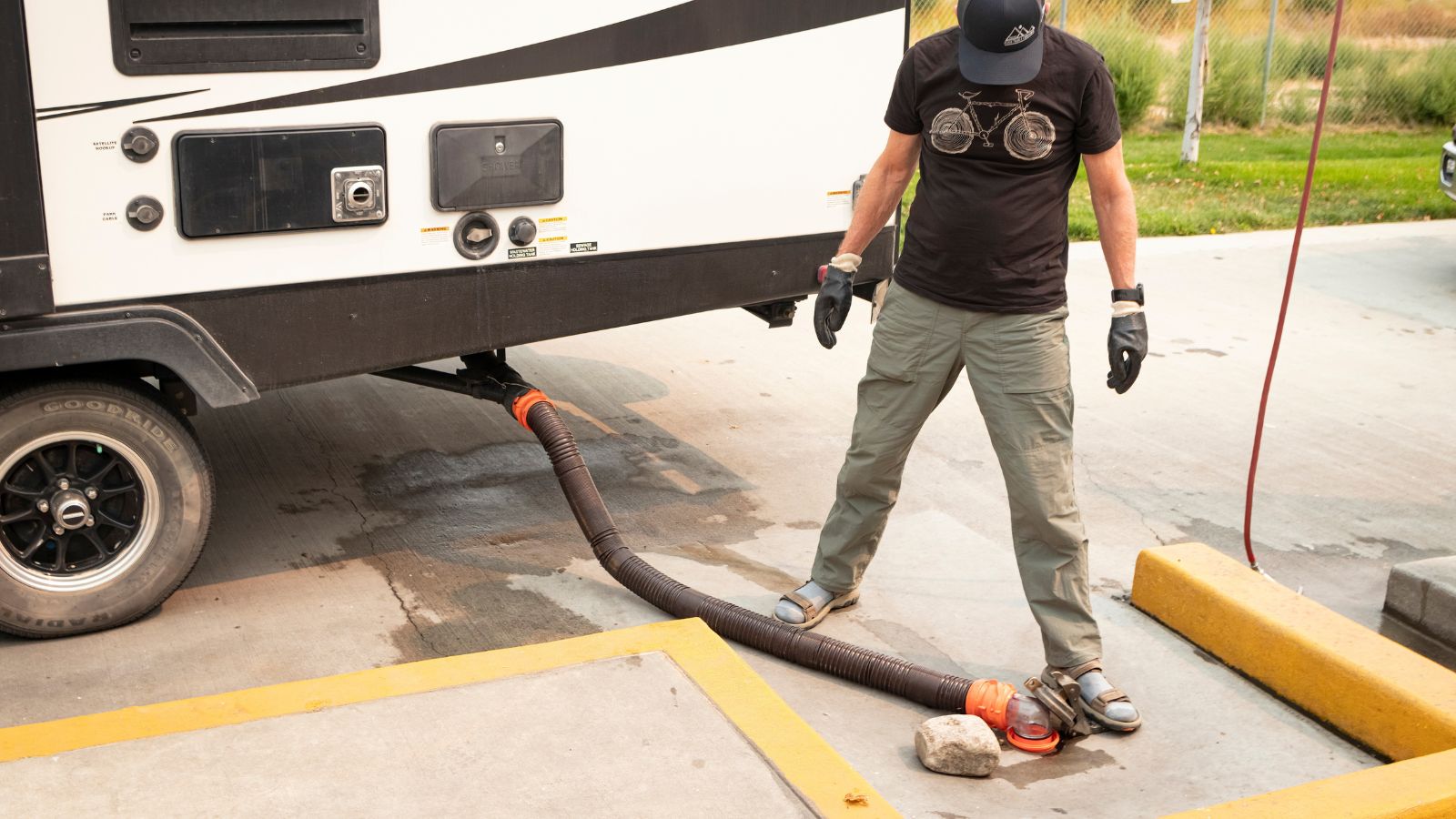
A basement full of water after a thunderstorm does not automatically mean the insurance company will classify the loss as flooding. Water and sewage pushed backwards through a floor drain, toilet or sewer connection may instead be treated as sewer backup. Standard policies typically do not cover sewer or drain backup automatically, although optional protection is widely available. Homeowners should therefore ask explicitly whether the endorsement appears on the declarations page and how much coverage it provides.
This matters because a single storm can create several causes of damage at once. Surface water might enter through a doorway while overloaded municipal infrastructure pushes wastewater up through a basement drain. Depending on the policy wording, different portions of the damage could potentially fall under different coverages. The financial stakes can be considerable: federal guidance again estimates that repairing a flooded basement can exceed C$40,000 on average. Asking whether sewer backup has its own limit, deductible or interaction with overland-water coverage can reveal a gap before that distinction becomes part of a claim investigation.
How Does Coverage Change Depending on Where the Water Enters?

Two houses on the same street can experience the same storm and still have very different insurance outcomes because the route taken by the water matters. Wind-driven rain entering through an opening suddenly created by a storm can commonly be insured, while surface flooding, sewer backup, groundwater or coastal storm surge may be treated differently. Canadians living near the Atlantic, Pacific or other coastal areas should pay particular attention to storm-surge exclusions because most home policies generally do not insure coastal flooding or tidal-wave damage.
Consider a windstorm that tears part of a roof away before rain soaks the upstairs bedrooms. That is materially different from rainwater accumulating outside and entering a basement window at ground level. The resulting rooms may look equally wet, but the insurance definitions are not necessarily the same. A useful conversation with an insurer should walk through specific scenarios: water through a damaged roof, basement window, foundation crack, sewer, sump pit or overflowing river. Understanding those pathways is more useful than simply asking whether “storms” are covered.
What Exactly Happens If Hail or Wind Damages the House?

Wind and hail are generally among the weather perils covered by standard Canadian home insurance policies, including damage from flying debris, fallen branches and openings suddenly created by a storm. That does not mean every consequence of a hailstorm receives unlimited coverage, however. Pre-existing deterioration is not insured, and homeowners should ask how siding, roofing, windows, exterior finishes and interior water damage would be handled after a severe event.
Calgary illustrates why the question deserves attention. The August 5, 2024 hailstorm ultimately produced more than C$3.2 billion in insured losses, making it Canada’s costliest hailstorm on record according to updated industry figures. Alberta has experienced major insured hail losses repeatedly, but destructive hail can occur elsewhere as well. A homeowner should confirm the deductible and settlement basis before the forecast turns threatening. Someone with older vinyl siding or discontinued roofing materials might also ask what happens when an exact visual match is impossible. Coverage for physical damage is important; understanding how the insurer would repair it is equally valuable.
Would an Older Roof Be Replaced at Full Cost or a Depreciated Amount?

A roof can be insured against sudden storm damage while still being affected by age, condition and settlement rules. Canadian consumer guidance distinguishes replacement-value coverage from actual-cash-value coverage. Replacement value generally pays the cost of replacing covered property with something of similar quality, while actual cash value subtracts depreciation. Homeowners should ask which method applies to roofing under their specific contract and whether any separate roof wording or endorsement changes the calculation.
Maintenance is another critical boundary. Insurance is designed for sudden and accidental loss, not the predictable deterioration of aging materials. If high winds tear sound shingles from a maintained roof, the circumstances are different from long-standing leakage through a worn surface that needed replacement before the storm arrived. An owner of a 15- or 20-year-old roof should therefore avoid assuming that “wind is covered” answers the entire question. Asking how roof age is recorded, whether replacement-cost conditions apply and how pre-existing deterioration is assessed can help prevent a major settlement surprise.
What Deductible Would Apply to a Major Storm Claim?

The deductible is the portion of an insured loss the homeowner must absorb before insurance contributes, making it one of the most practical numbers to confirm before storm season. Financial regulators specifically encourage consumers to ask how much their property-insurance deductibles are. Rather than assuming the familiar base deductible applies to everything, Canadians should ask whether water endorsements or other optional protections carry their own amounts or conditions.
The difference matters most on losses that are significant but not catastrophic. Imagine C$4,500 of insured storm damage subject to a C$2,500 deductible. The insurer’s contribution would be much smaller than a homeowner expecting a C$500 deductible might have budgeted for. Conversely, choosing a higher deductible can sometimes reduce premiums, but it transfers more immediate financial responsibility to the policyholder. A useful review should therefore identify every relevant deductible in dollar terms and clarify whether multiple types of damage from one storm could involve different coverage sections. Knowing the number before filing a claim makes it easier to decide how manageable a moderate loss would actually be.
Are the Garage, Shed, Fence and Other Detached Structures Properly Covered?

Storm damage rarely respects the walls of the main house. Detached garages, garden sheds, fences, decks and other structures may take the first hit from falling trees, wind or debris. Canadian home policies commonly include coverage for outbuildings, but limitations apply and policy structures differ. Homeowners with substantial detached buildings should ask how much insurance is allocated to them rather than assuming the dwelling’s headline coverage limit automatically applies in full.
The question becomes particularly important when an outbuilding has evolved beyond a simple storage shed. A detached workshop containing electrical service, custom cabinetry and thousands of dollars in tools can cost considerably more to rebuild than a basic structure. Likewise, a large garage damaged by a fallen tree can generate both structural and debris-removal costs. Insurance Bureau of Canada guidance says wind- or lightning-related tree damage is generally covered when a tree hits insured structures such as garages, sheds, fences or decks. Owners should verify both the structural limit and whether expensive contents stored inside need additional coverage.
How Much Additional Living Expense Coverage Is Available?

After a major storm, repairing the physical building may only be part of the financial problem. A family could spend weeks or months away from home while contractors remove damaged materials, dry the structure and rebuild rooms. Home insurance may provide additional living expenses, often called ALE, when an insured loss makes the residence uninhabitable. The exact amount and duration depend on the policy, which is why Canadians should ask for the limit before needing a hotel.
ALE generally deals with the increase in normal living costs caused by displacement rather than paying every household expense. Insurance Bureau of Canada guidance gives a simple example: if temporary accommodation lacks laundry facilities, reasonable laundromat expenses may qualify because they are an additional cost created by displacement. Hotel bills, temporary rentals and other eligible expenses should also be documented carefully. Homeowners should ask when ALE begins, whether it is capped by a dollar amount or time period, and how it interacts with optional flood or sewer-backup coverage. A six-month reconstruction becomes much harder if accommodation coverage runs out after only a fraction of that period.
What Happens If the Sump Pump Stops During a Power Outage?

A sump pump can quietly protect a basement for years and then become useless at exactly the wrong moment if a thunderstorm knocks out electricity. Federal flood guidance notes that sump pumps depend on functioning power and recommends both an alternate power source and a backup pump. Battery- or generator-powered systems can keep moving water when the main electrical supply disappears. Homeowners should still ask their insurer a separate question: how does the policy classify damage caused by sump-pump failure?
Federal insurance guidance specifically identifies sump-pump failure as one of the flood-related risks households should discuss with an insurance provider. The answer should not be assumed from the presence of sewer-backup or overland-flood protection because definitions can differ between companies. A practical storm-season review can pair insurance with prevention: test the pump, confirm the discharge route, inspect the backup and check battery condition. Federal recommendations call for sump pumps to be tested at least annually. A relatively inexpensive backup system can potentially prevent a basement loss before insurance ever needs to become involved.
Are Underground Water, Sewer and Electrical Service Lines Covered?

Homeowners often think of storm insurance in terms of visible parts of a house, yet important infrastructure is buried beneath the lawn. Private water, sewer and electrical lines running between a house and municipal connections can be expensive to excavate and repair. Those underground services may not receive the same protection as the dwelling itself, so Canadians should ask whether their policy contains service-line coverage and what causes of loss qualify.
The issue can overlap with storm damage in unexpected ways. Insurance Bureau of Canada notes that service-line coverage may be available as an optional add-on and can cover underground supply lines when, for example, tree roots damage water, sewer or electrical infrastructure. That is distinct from gradual root damage to a home’s foundation, which is generally excluded because insurance is intended for sudden losses rather than gradual deterioration. The important lesson is to identify where the homeowner’s responsibility begins and ends. A damaged line that requires excavation, landscaping restoration and pipe replacement can turn an invisible problem into a sizeable bill, especially after saturated soil or damaged trees expose existing vulnerabilities.
If a Tree Falls, Who Pays for the Damage and Cleanup?
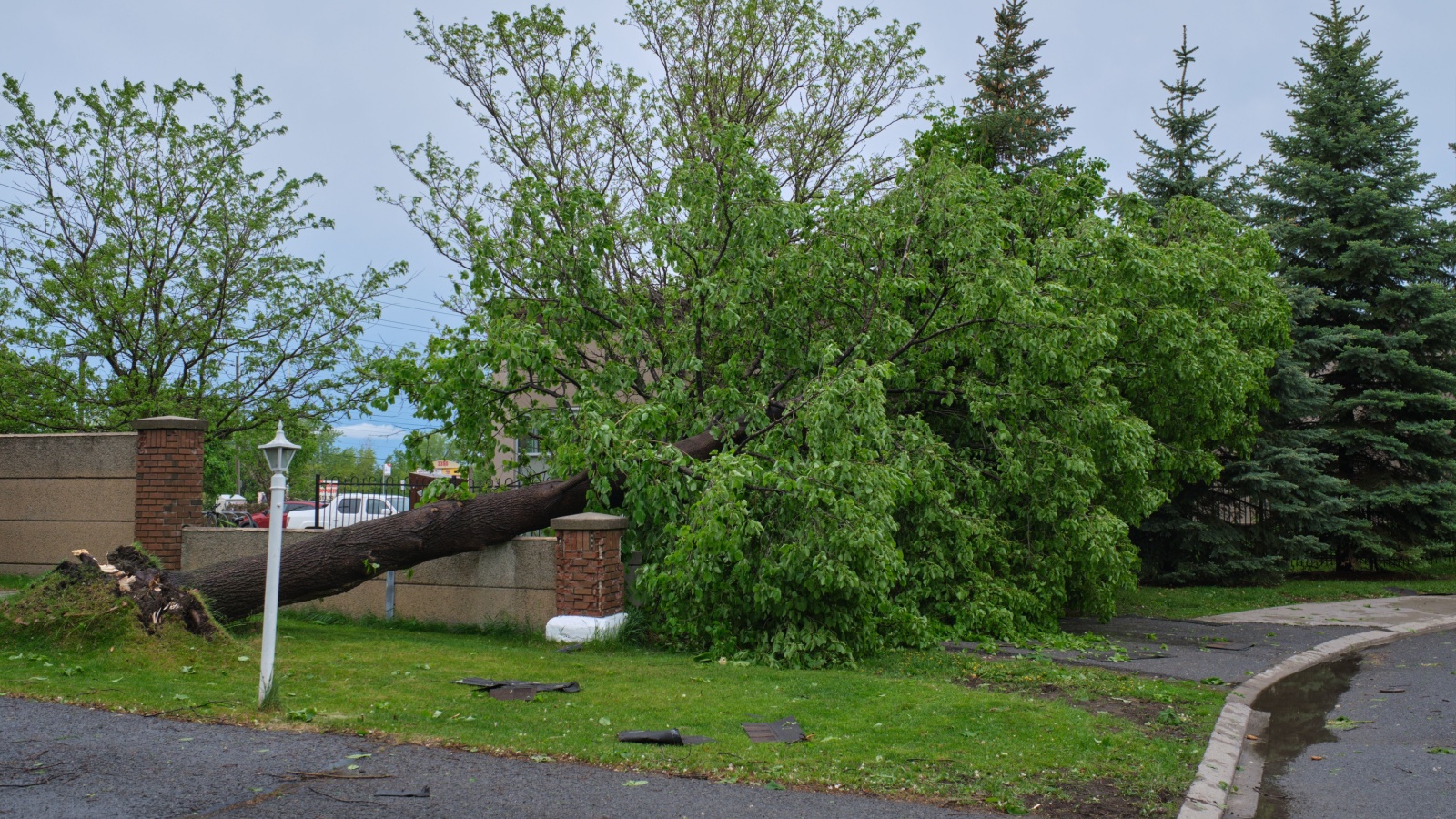
Windstorms can transform a healthy-looking backyard tree into a several-tonne insurance problem within seconds. Canadian property insurance generally covers physical damage caused when a tree or branch falls on an insured home or another covered structure because of wind or lightning. Insurance Bureau of Canada also says associated debris removal is generally covered when the tree has caused insured damage. However, insurance usually does not pay simply to replace a mature tree lost to wind.
Neighbouring trees add another layer. If a tree from next door lands on a house, the affected homeowner would normally contact their own insurer to deal with covered repairs. Questions about negligence can be pursued afterward if a tree was obviously dead, dangerous or poorly maintained. That is why documenting concerns about hazardous trees before storm season can be worthwhile. Homeowners should ask whether tree removal has a separate limit and whether cleanup is covered when a tree falls without actually striking an insured structure. Those details can make a surprisingly large difference after a wind event leaves trunks and branches across a property.
Are Basement Improvements and Belongings Covered to the Level Expected?
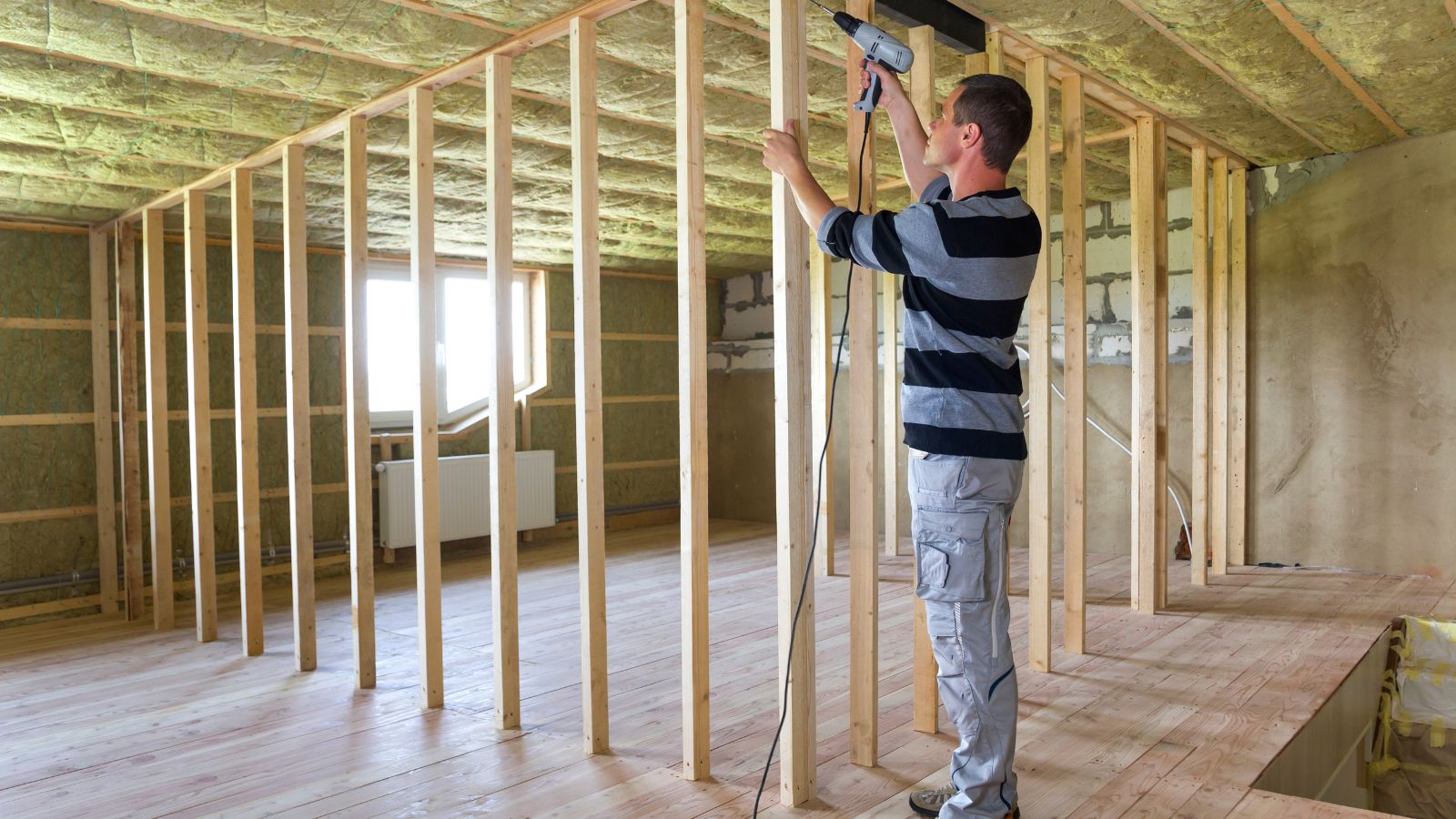
Finished basements have changed what is financially at risk during heavy rainfall. What was once concrete flooring and a few storage shelves may now contain drywall, flooring, a home theatre, office equipment, furniture, appliances and children’s belongings. Overland-flood insurance can potentially provide support for covered repairs, replacement, cleanup and additional living expenses, but homeowners need to understand their own policy’s limits rather than assuming every basement item receives identical treatment.
Federal flood guidance estimates the average cost of repairing a flooded basement at more than C$40,000, illustrating how quickly relatively ordinary possessions and construction materials can add up. A household that renovated five years ago but never told its insurer may also have changed the replacement profile of the home considerably. Ask whether basement contents are fully insured, whether specific categories of property have sublimits and whether mechanical equipment such as a furnace or water heater is included when damaged by a covered flood. Federal guidance also recommends moving or elevating major appliances and equipment where practical, reducing the amount of property exposed when water enters.
Is the Dwelling Limit Based on Rebuilding Cost Rather Than Market Value?

A home’s resale price and the amount needed to reconstruct it after a catastrophic loss are two different numbers. Insurance Bureau of Canada advises that building coverage should correspond to the estimated cost of replacing the structure if it is completely destroyed. That replacement value can differ significantly from both the property’s market price and its municipal tax assessment because land value, location premiums and resale demand do not directly represent construction costs.
Insurers estimate rebuilding costs using information such as square footage, number of storeys, construction type, roofing, heating systems and unique features. Renovations can therefore make an old insurance estimate obsolete. A homeowner who added a large kitchen, finished a basement or built an addition should ask whether those improvements are reflected in the current replacement calculation. Some contracts offer guaranteed replacement-cost provisions subject to conditions, while others rely on stated limits. The most important storm-season question is simple: if the home had to be rebuilt from the foundation upward at today’s labour and material prices, how exactly would the policy respond?
Would New Building Codes Create an Uninsured Rebuilding Gap?
Rebuilding after a destructive storm does not always mean recreating a house exactly as it stood before the loss. Municipal bylaws and building codes may have changed since the property was constructed, potentially requiring upgraded electrical systems, insulation, structural components, plumbing or other improvements. Those mandatory upgrades can create costs beyond simply replacing damaged materials. Canadians—particularly owners of older properties—should ask whether their policy includes building-ordinance or bylaw coverage.
The distinction between replacement cost and bylaw coverage is important. Replacement-cost insurance generally focuses on restoring insured property to comparable condition, while bylaw protection addresses additional expenses imposed by current legal construction requirements after an insured loss. Canadian insurers offer this protection in different forms, and coverage amounts vary. An older home built several decades ago could face more code-related work than a recently constructed property. Rather than discovering this during reconstruction, homeowners can ask for the exact bylaw limit, which demolition expenses qualify and whether upgrades to undamaged portions of the structure could be covered when authorities require them as part of the rebuilding process.
What Emergency Repairs Can Be Made Before the Adjuster Arrives?
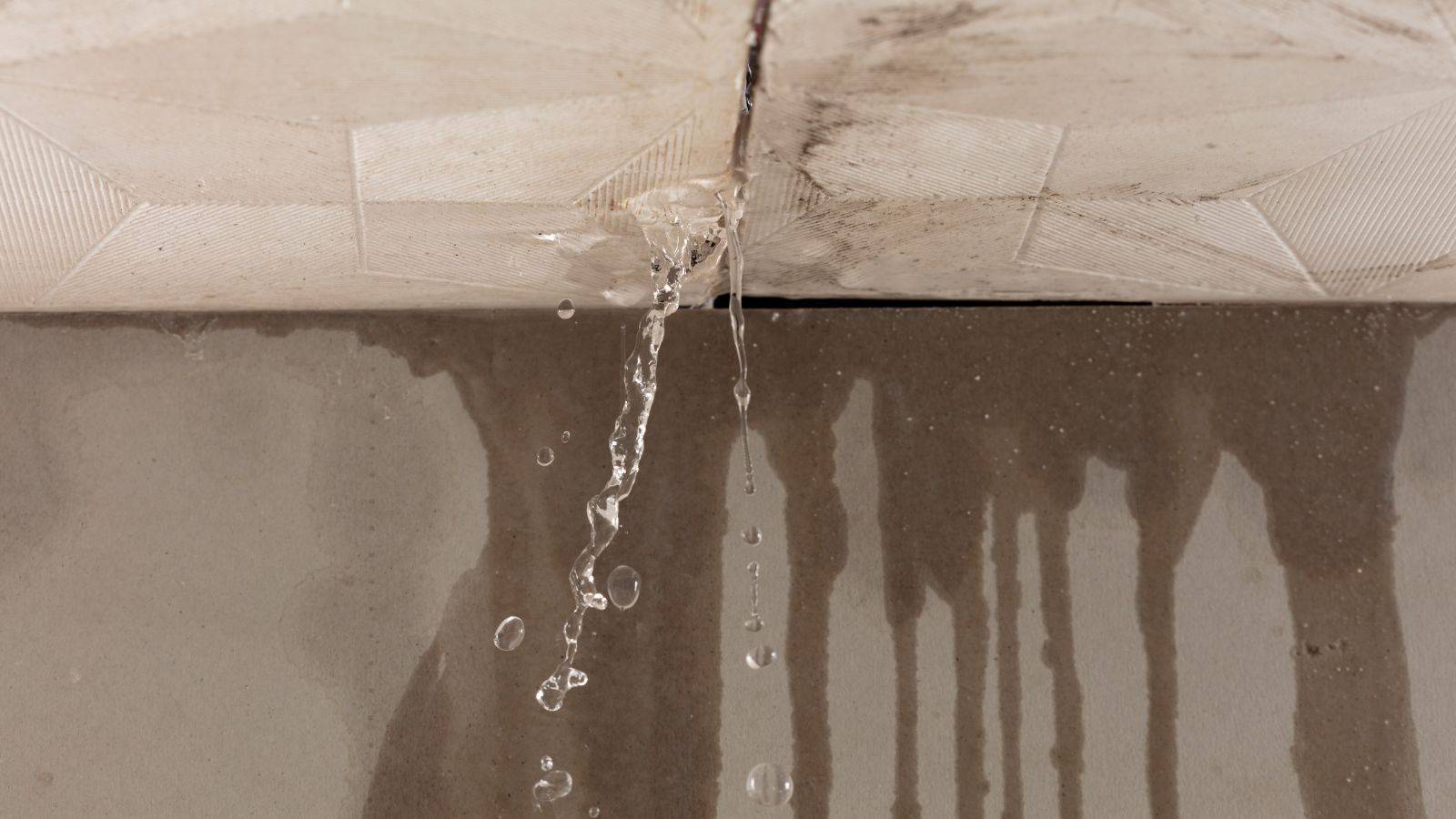
Storm damage can worsen rapidly. A hole in the roof that is manageable immediately after a windstorm can become extensive interior water damage during the next downpour. Insurance Bureau of Canada says policyholders are expected to take reasonable steps, when safe, to protect insured property against further damage. Examples include boarding broken windows and placing tarps over damaged roofing. Canadians should ask ahead of time what emergency work they can authorize without waiting for an adjuster’s inspection.
Safety comes first, and dangerous roofing, electrical or structural work should be left to qualified professionals. The practical insurance issue is documentation. IBC recommends keeping receipts and invoices for emergency repairs, cleanup and other loss-related expenses because eligible amounts may be reimbursable. A homeowner should also photograph the damage before temporary work whenever conditions allow. Asking whether the insurer operates a 24-hour claim line, maintains preferred emergency contractors or places spending limits on immediate work can eliminate confusion during the first chaotic hours after a storm. Preventing additional damage benefits both the homeowner and insurer.
Is the Home Inventory Detailed Enough to Support a Large Claim?

After a flood or destructive wind event, remembering every possession in a damaged room can be much harder than expected. Canadian consumer agencies therefore recommend maintaining a home inventory that includes photographs and information about valuable belongings. Receipts for major purchases can provide additional proof of ownership and help establish replacement value. Insurance Bureau of Canada similarly recommends retaining bills, warranties, manuals, photographs or video and storing records somewhere safe.
A quick smartphone video recorded before storm season can capture furniture, electronics, kitchen equipment, tools, sporting goods and dozens of smaller items that might otherwise be forgotten. A more detailed inventory can include brands, model numbers, purchase dates and approximate replacement costs. The record should not exist only on a computer sitting in the basement it is intended to document; secure cloud storage or another protected location is more useful after a disaster. Homeowners should also ask whether expensive jewellery, bicycles, collectibles, artwork or specialized equipment face policy sublimits. An inventory can expose those gaps while there is still time to change coverage.
What Exactly Is the Claim Process After a Major Storm?

Knowing who to call after damage sounds elementary until phone lines are busy, electricity is out and an entire neighbourhood is filing claims at once. Insurance Bureau of Canada recommends contacting the insurance representative or claims department, documenting damage carefully, listing damaged or destroyed property and assembling receipts, photographs, warranties or other records when possible. Most insurers offer round-the-clock claims reporting, but homeowners should confirm their own company’s process before an emergency.
It is also worth asking what happens after the first call. Who assigns the adjuster? Can temporary repairs begin immediately? Should damaged materials be kept for inspection? How are contractors selected? What expenses require prior authorization? IBC advises keeping damaged items unless they create a health hazard and retaining receipts connected to cleanup and displacement. Regulators also emphasize consumers’ right to receive clear information about the claims process. Saving the insurer’s claims number, policy number and broker contact somewhere accessible can make the first hours substantially easier when a storm has already disrupted everything else.
Do Resilience Upgrades Qualify for Insurance Savings?

Storm preparation can sometimes do more than reduce physical damage; certain improvements may also affect insurance pricing. Canadians should ask whether their insurer offers discounts or other incentives for measures that make a home more resistant to flooding, hail or other hazards. Ontario’s insurance regulator specifically encourages consumers to ask about discounts for making a property more disaster resistant, while Insurance Bureau of Canada recommends reviewing coverage annually and discussing available discounts.
The potential savings can be substantial in particularly high-risk locations. In August 2026, IBC said hail-resistant roofing and siding could reduce home-insurance premiums by as much as 50% in high-risk areas such as Calgary, depending on the insurer and circumstances. Federal flood guidance separately recommends measures including backwater valves, sump pumps, better drainage, property grading and maintaining downspouts. Not every upgrade produces an insurance discount, so the conversation should happen before money is spent. Ask which materials or devices qualify, what documentation is required and whether a professional installation or specific certification standard must be met to receive any reduction.
This Options Discord Chat is The Real Deal
While the internet is scoured with trading chat rooms, many of which even charge upwards of thousands of dollars to join, this smaller options trading discord chatroom is the real deal and actually providing valuable trade setups, education, and community without the noise and spam of the larger more expensive rooms. With a incredibly low-cost monthly fee, Options Trading Club (click here to see their reviews) requires an application to join ensuring that every member is dedicated and serious about taking their trading to the next level. If you are looking for a change in your trading strategies, then click here to apply for a membership.