35,000+ smart investors are already getting financial news, market signals, and macro shifts in the economy that could impact their money next with our FREE weekly newsletter. Get ahead of what the crowd finds out too late. Click Here to Subscribe for FREE.
Airport packing mistakes are often less about what travellers own than where they put it. An everyday bottle of sunscreen, a power bank, a hockey stick or even a souvenir can move from harmless to unacceptable depending on whether it is packed in carry-on or checked baggage. Some dangerous goods cannot travel by air at all.
For Canadians preparing for domestic, U.S. or international flights, a final bag check can prevent surrendered belongings, repacking at the airport or more serious complications. These 17 things Canadian travellers should remove from their bags before flying cover commonly misunderstood security restrictions, dangerous-goods rules and international border requirements.
Oversized Liquids, Gels and Spreadable Foods
17 Things Canadian Travellers Should Remove From Their Bags Before Flying
- Oversized Liquids, Gels and Spreadable Foods
- Excess Powders and Granular Materials
- Long Blades and Restricted Sharp Objects
- Drills, Saws and Other Heavy Tools
- Hockey Sticks, Bats and Golf Clubs
- Firearms and Ammunition in Carry-On Bags
- Realistic Replica Firearms and Weapon-Like Souvenirs
- Pepper Spray—and Unapproved Animal Repellents
- Camping Fuel, Propane, Butane and Lighter Fluid
- Strike-Anywhere Matches and Prohibited Lighters
- Alcohol Above 70% ABV—or Too Much Mid-Strength Liquor
- Oversized Aerosol Cans in Checked Baggage
- Power Banks and Spare Lithium Batteries in Checked Bags
- Vapes and E-Cigarettes in Checked Bags
- Damaged, Defective or Recalled Lithium Batteries
- Excess or Improperly Packed Dry Ice
- Cannabis and CBD Before an International Flight
- 16 Costco Canada Habits That Could Be Costing Shoppers More Than They Save

That half-used bottle of shampoo may look as though it contains less than 100 millilitres, but the size printed on the container matters when it is packed in carry-on baggage. Canadian screening rules generally limit liquids, aerosols, gels and non-solid foods in carry-on bags to containers with a capacity of 100 mL or 100 g or less. Those containers must fit inside a single clear, closed and resealable plastic bag with a maximum capacity of one litre.
The definition is wider than many travellers expect. Sunscreen, toothpaste, creams and gels are obvious candidates, but spreadable foods such as peanut butter can also fall under the restriction. Larger containers should normally be removed from the carry-on and placed in checked baggage. Important exemptions exist for prescription and essential non-prescription medications, as well as certain baby foods, formula, breast milk and other necessities. Those exemptions make it worth separating genuine essentials from ordinary toiletries rather than assuming every large liquid will be rejected.
Excess Powders and Granular Materials

Liquids receive most of the attention before a flight, but certain powders and granular materials have their own carry-on restrictions. Canadian screening guidance limits affected powders and granular products in carry-on baggage to a combined volume of 350 mL or less, roughly comparable to the volume of a standard soda can. Quantities above that threshold should generally be removed from the carry-on and packed in checked baggage instead.
This rule can catch travellers with surprisingly ordinary items. Examples identified in Canadian guidance include bath salts, foot powder, sand, some mineral-based supplements, baking powder and certain powdered cosmetics. Even permitted quantities may receive additional screening, so an unlabelled container of powder buried beneath clothing can create more work at the checkpoint. There are exemptions in some circumstances, including certain life-sustaining medications and sacred or spiritual materials. The practical lesson is simple: large quantities of non-essential powders are usually easier to manage in checked luggage, while anything medically or culturally essential should be packed accessibly for inspection.
Long Blades and Restricted Sharp Objects

A forgotten pocketknife can turn an otherwise routine security screening into an unpleasant decision about what to do with a valued possession. For flights within Canada or to international destinations other than the United States, knives with blades longer than 6 centimetres must be removed from carry-on baggage and placed in checked luggage. Straight razors, loose razor blades, box cutters, saws and other exposed cutting implements are also among the items that generally belong outside the cabin.
Flights to the United States require particular attention because knives of any type or blade length are not permitted in carry-on baggage at Canadian transborder checkpoints. At the same time, not every sharp-looking grooming item is banned: disposable razors, tweezers, nail clippers and small scissors can generally be carried under Canadian screening rules. Prohibited knives are a different matter entirely. Concealed knives and certain prohibited weapon designs cannot simply be moved to another suitcase. A useful final check is to empty coat pockets, backpacks and multi-tools that may have been used on a previous camping or work trip.
Drills, Saws and Other Heavy Tools
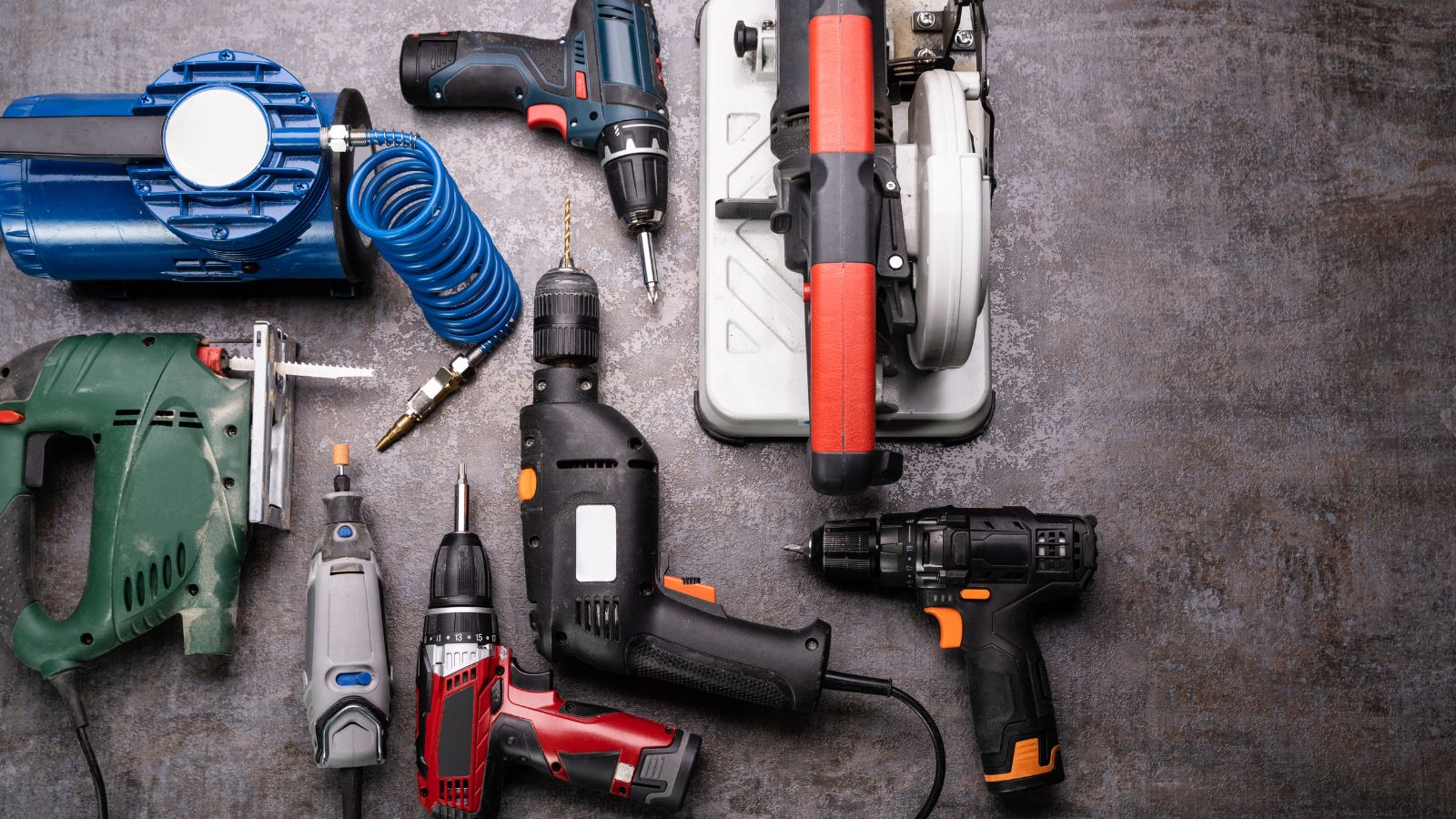
Tradespeople, contractors and travellers heading to a renovation project can easily forget that a tool bag packed for the job site is not automatically suitable for an aircraft cabin. Canadian screening guidance directs heavier tools such as drills, rotary tools, pneumatic tools, welding equipment and saws into checked baggage. Many cutting attachments and other sharp components similarly need to stay out of the carry-on.
The complication is that the tool and its battery may need to travel separately. A cordless drill, for example, may belong in checked luggage while a spare lithium battery associated with it belongs in the cabin under battery-safety rules. That can feel counterintuitive to someone who normally stores the entire kit together. Before leaving home, separating the equipment according to security and battery requirements is far easier than dismantling a tool case at check-in. Small tools can be treated differently depending on their dimensions and design, so anyone travelling with specialized equipment should check the exact item rather than relying on the general assumption that all tools are prohibited from carry-on baggage.
Hockey Sticks, Bats and Golf Clubs

A hockey stick may feel like ordinary luggage in Canada, but the cabin is not where it belongs. Canadian screening guidance places several long, heavy or striking pieces of sports equipment in checked baggage. Hockey and lacrosse sticks, baseball bats and golf clubs are clear examples. Skis, snowboards and their poles also normally travel outside the passenger cabin, while fishing equipment can be affected by the size of attached hooks.
The distinction is particularly relevant for families travelling to tournaments, golfers heading south for winter and athletes accustomed to carrying expensive equipment themselves. The fact that an item is normal sporting equipment does not mean it can pass through passenger screening. Airlines can also impose their own rules for oversized sporting baggage, including packaging, dimensions and fees, so clearing security rules is only one part of the preparation. Smaller equipment such as helmets, gloves and many balls is treated more leniently. Packing the large striking equipment properly before arriving at the airport prevents the awkward discovery that a prized club or stick cannot accompany its owner through the checkpoint.
Firearms and Ammunition in Carry-On Bags
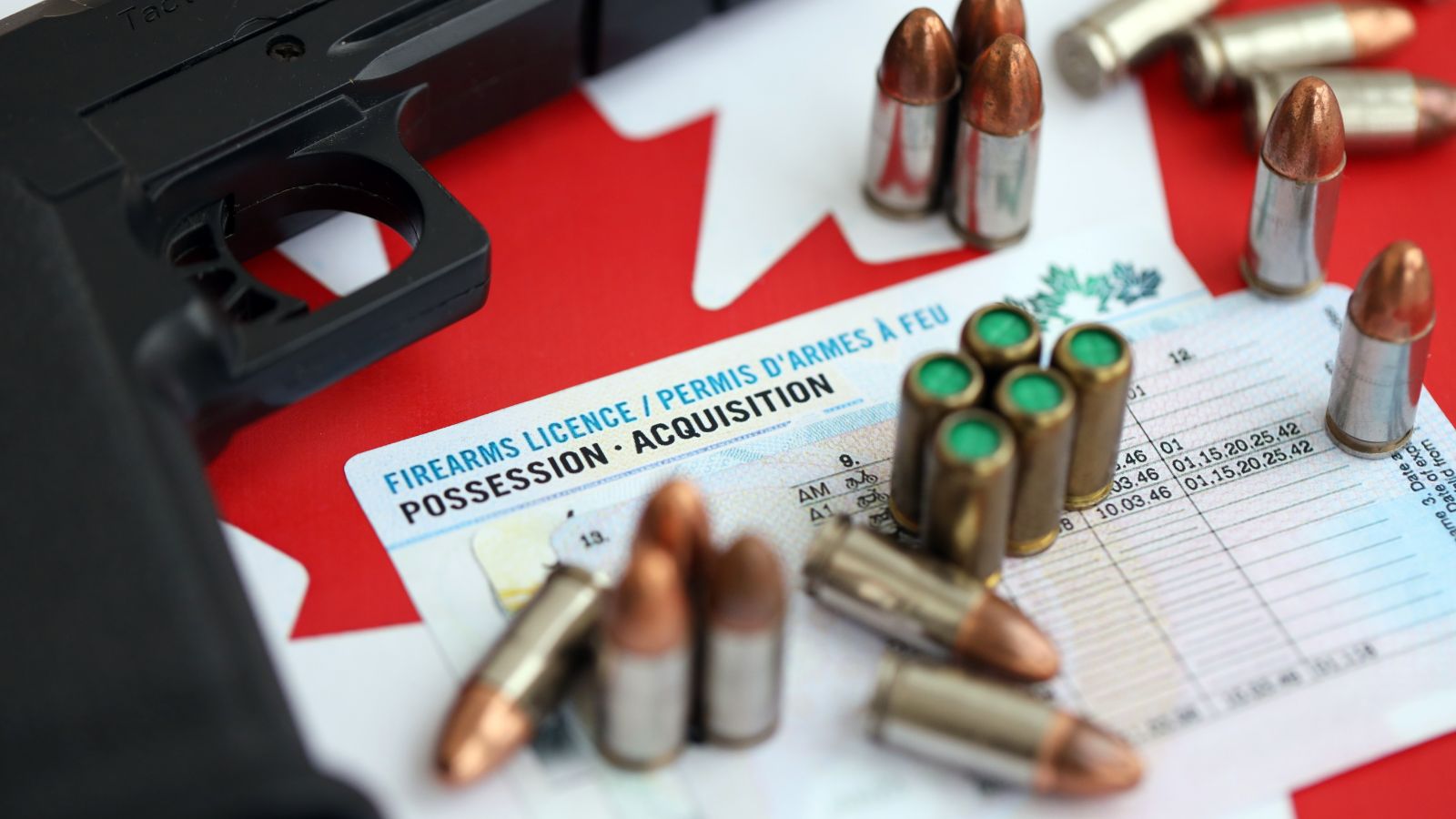
Firearms, firearm parts, real ammunition and cartridges do not belong in carry-on baggage on Canadian flights. Travellers legally transporting these items must deal directly with the airline during check-in rather than treating them like ordinary luggage. Firearms carried as checked baggage must be unloaded and packed in a locked, hard-sided container, and the firearm, related parts and ammunition must be declared to the carrier.
Ammunition also has specific limits and packaging requirements. Canadian screening guidance identifies a limit of 5 kilograms, or 11 pounds, of ammunition per person and directs travellers to their air carrier for detailed transportation instructions. The distinction matters because simply moving a firearm from a backpack to a suitcase in the airport parking lot does not address every legal and airline requirement. Hunters, competitive shooters and other lawful firearms owners should prepare before reaching the terminal, including reviewing carrier rules and applicable firearms requirements. A forgotten cartridge left in a frequently used backpack can also cause a serious disruption, making a complete pocket-by-pocket inspection worthwhile before any flight.
Realistic Replica Firearms and Weapon-Like Souvenirs

An object does not need to function as a weapon to create a security problem. Replica firearms that closely resemble genuine guns are not permitted in carry-on baggage under Canadian screening rules. They may be accepted in checked baggage only after consultation with the air carrier. That makes realistic props, collectors’ replicas and certain souvenirs very different from obviously unrealistic children’s toys.
Other weapon-like objects can be subject to additional restrictions. Canadian guidance notes, for example, that objects designed to resemble weapons may have to travel in checked baggage, while replicas of illegal weapons or explosives can be prohibited altogether. This is the kind of rule that matters after conventions, film shoots, historical events or souvenir shopping, when an item may have been purchased purely as decoration. Security staff must consider what an object appears to be, not just what the owner intends to do with it. Before travelling, realistic replicas should therefore be removed from carry-on baggage and checked against both security rules and the airline’s conditions instead of being packed as an afterthought.
Pepper Spray—and Unapproved Animal Repellents
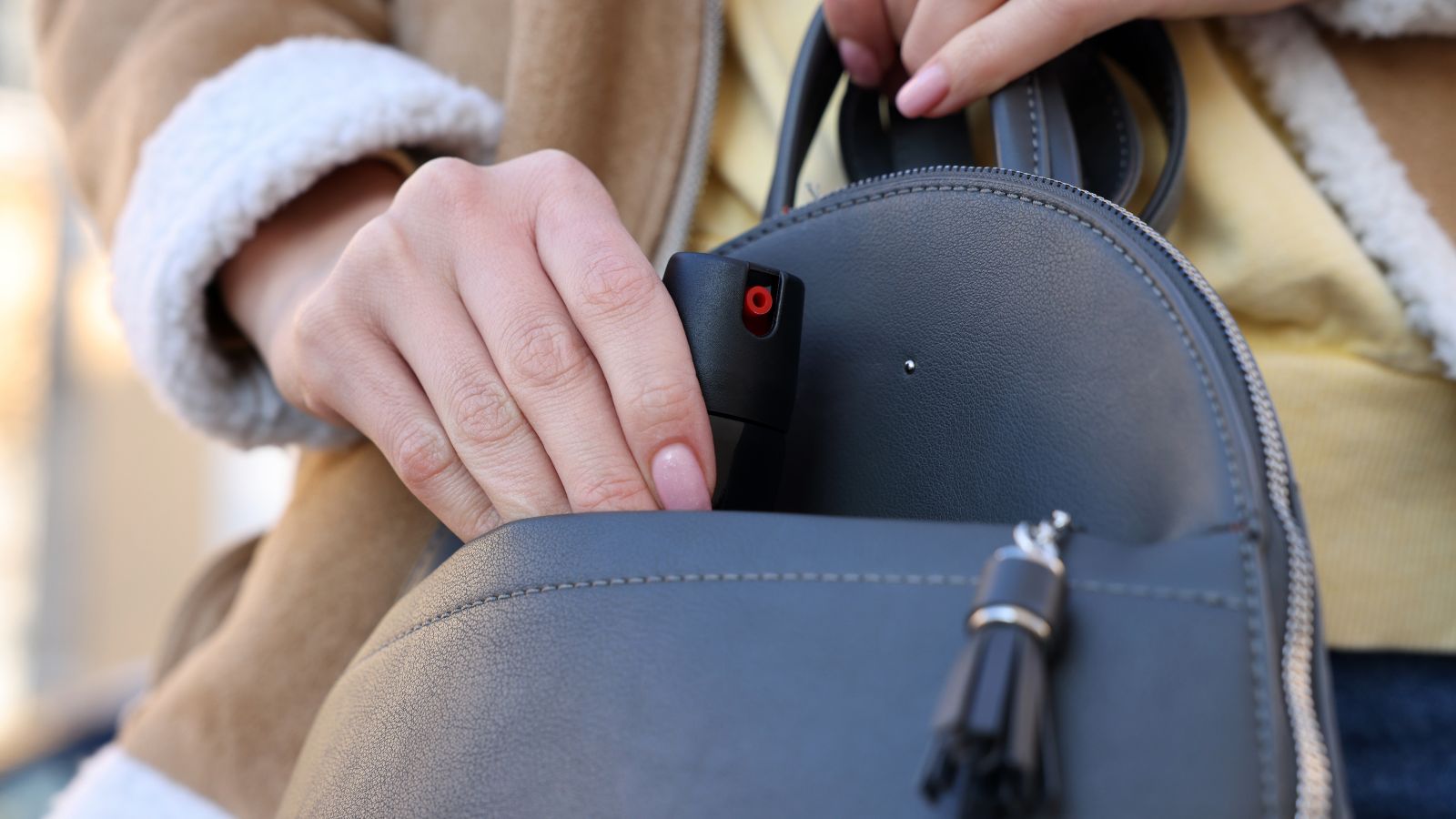
A small self-defence spray can create a much bigger airport problem than its size suggests. Pepper spray intended for use against people is not permitted in either carry-on or checked baggage under Canadian screening guidance. Travellers therefore should not assume that shifting a canister from a backpack into a checked suitcase makes it acceptable. Canadian authorities also warn that some types of pepper spray may be illegal to possess.
Animal repellents require a different but still cautious approach. Products such as bear spray are not permitted in carry-on baggage, although an air carrier may permit certain animal repellents in checked baggage if its requirements are satisfied. That distinction matters to Canadian hikers returning from the backcountry or flying to an outdoor destination. A canister that lived unnoticed in a hiking pack all summer should be discovered at home, not at airport security. Because the product type and airline approval matter, travellers carrying an animal repellent should confirm the carrier’s policy in advance rather than assuming that every aerosol marketed for wildlife protection can fly.
Camping Fuel, Propane, Butane and Lighter Fluid
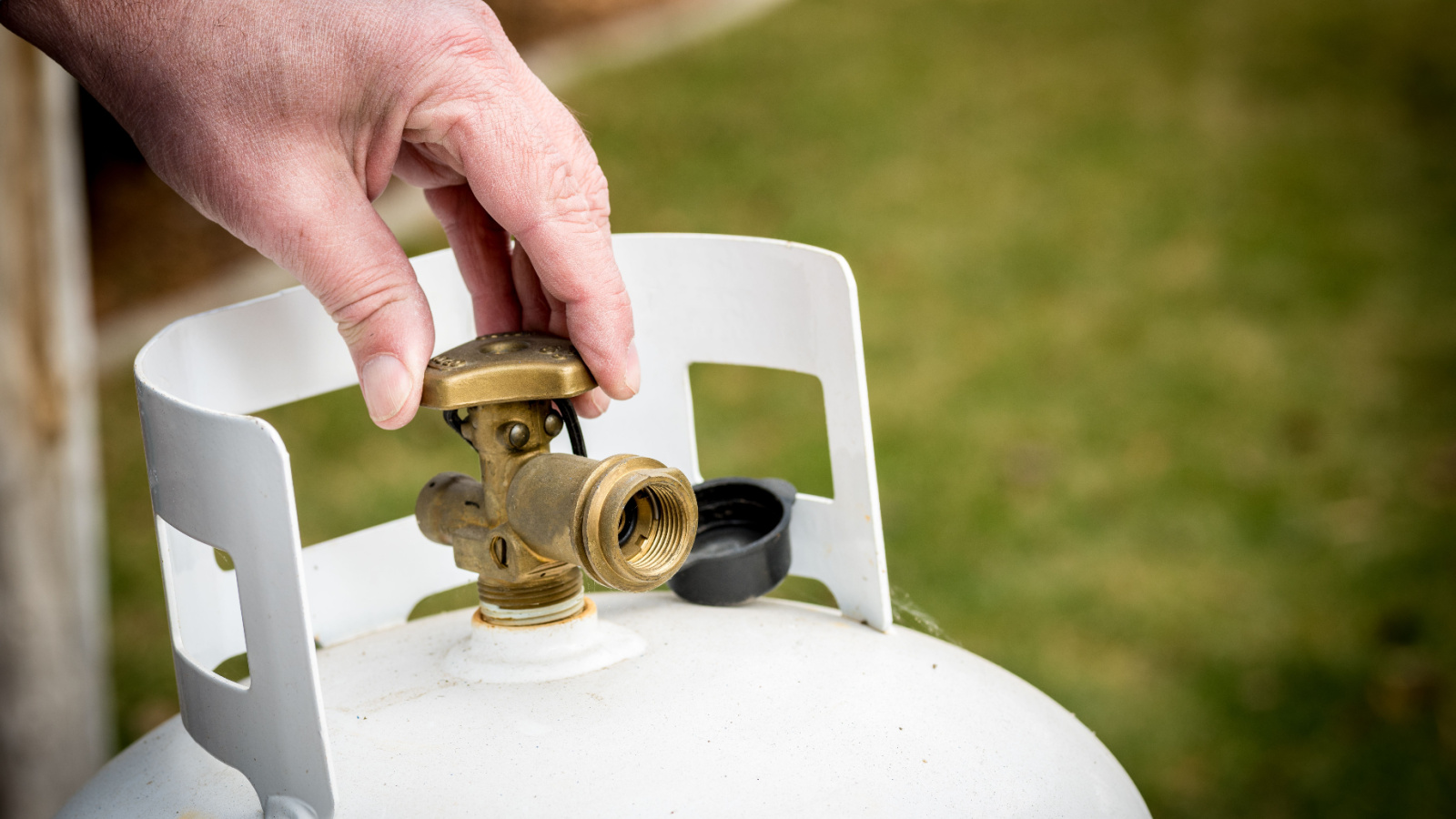
Camping equipment is a classic example of something that can be safe in the wilderness and unacceptable inside an aircraft. Flammable liquids such as white gas and similar stove fuels are prohibited from both carry-on and checked baggage. Canadian screening guidance also lists propane and butane cylinders among items that cannot simply be packed for a passenger flight, while lighter or lighting fluid and many fuel refills face similarly strict restrictions.
The stove itself can be a different story. Equipment designed to contain flammable liquid may be permitted in carry-on baggage if it has been completely emptied and cleaned of fuel. Checked transportation of previously fuelled equipment can depend on the airline and the steps taken to eliminate the hazard. For campers flying to a trailhead, that creates an important packing distinction: bringing a properly cleaned stove may be possible, but bringing the fuel from home generally is not. Purchasing fuel after arrival is often the practical alternative. A lingering smell or residue can also complicate acceptance, so emptying equipment immediately before departure is not the same as thoroughly preparing it for air travel.
Strike-Anywhere Matches and Prohibited Lighters
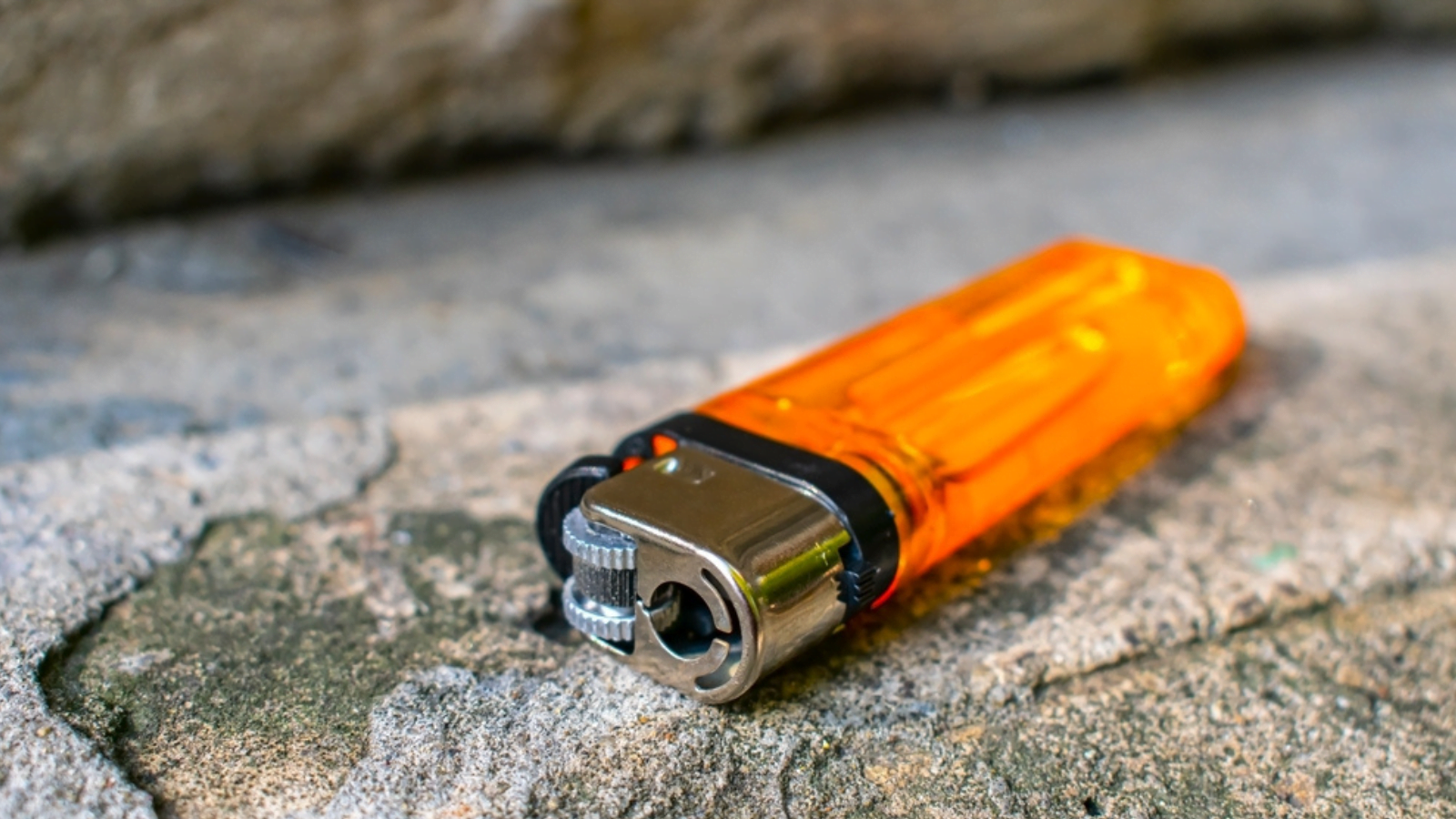
The humble lighter is another item whose details matter. Canadian screening rules permit certain ordinary disposable and non-torch lighters in carry-on baggage, but several other designs are prohibited. Torch lighters, gun-shaped or grenade-shaped lighters, and lighters containing unabsorbed liquid fuel are not permitted in either carry-on or checked baggage. Strike-anywhere matches are also prohibited from both.
Safety matches are treated differently and can generally be taken in carry-on baggage, illustrating why the word “matches” alone is not enough to determine whether an item can fly. For a traveller who keeps a lighter in a jacket pocket or matches tucked into a camping kit, this can easily become an accidental packing problem rather than a deliberate attempt to carry restricted material. The safest pre-flight habit is to identify exactly which type is being carried and remove prohibited versions before leaving home. Fuel refills and lighter fluid should also stay behind because their flammable contents bring additional dangerous-goods restrictions that do not disappear simply because the container is small.
Alcohol Above 70% ABV—or Too Much Mid-Strength Liquor

A bottle bought for a celebration can become prohibited baggage when its alcohol concentration is high enough. Canadian screening guidance allows alcoholic beverages in checked baggage when they contain no more than 70% alcohol by volume, equivalent to 140 proof. Alcohol above that concentration should therefore be removed before flying rather than assumed to be acceptable simply because it is sealed.
There is also a quantity limit for beverages containing between 24% and 70% alcohol by volume: no more than five litres per person may be packed under the cited passenger-baggage rules. Beverages containing 24% alcohol or less are not subject to that particular quantity restriction, although baggage weight, customs and destination rules can still matter. Alcohol packed in carry-on baggage before security must also comply with normal liquid-container rules unless it qualifies under duty-free procedures. The important distinction is between a conventional bottle of wine or spirits and unusually high-proof products. Checking the percentage printed on the bottle is a small step that can prevent a surprisingly expensive item from becoming unusable at the airport.
Oversized Aerosol Cans in Checked Baggage

Moving a large aerosol from carry-on to checked baggage solves only part of the problem. Ordinary aerosol toiletries are subject to limits even when checked. Canadian screening guidance states that affected aerosol containers can hold no more than 500 mL or 500 g each, while the total net quantity is limited to 2 L or 2 kg per passenger. Release valves must also be protected with a cap or another suitable method to prevent accidental discharge.
That matters for items such as hairspray, aerosol deodorant and some other personal-care products. Travellers sometimes assume that checked baggage has no liquid or aerosol restrictions because full-size shampoo and sunscreen can usually be packed there. Aerosols are different because a pressurized container introduces additional hazards. A traveller packing several salon-sized cans, for instance, can exceed the total allowance even though each can fits easily inside a suitcase. Certain aerosols may face still more restrictions depending on their contents. Checking both container size and combined quantity before departure is therefore more reliable than treating the checked suitcase as an unrestricted storage space.
Power Banks and Spare Lithium Batteries in Checked Bags
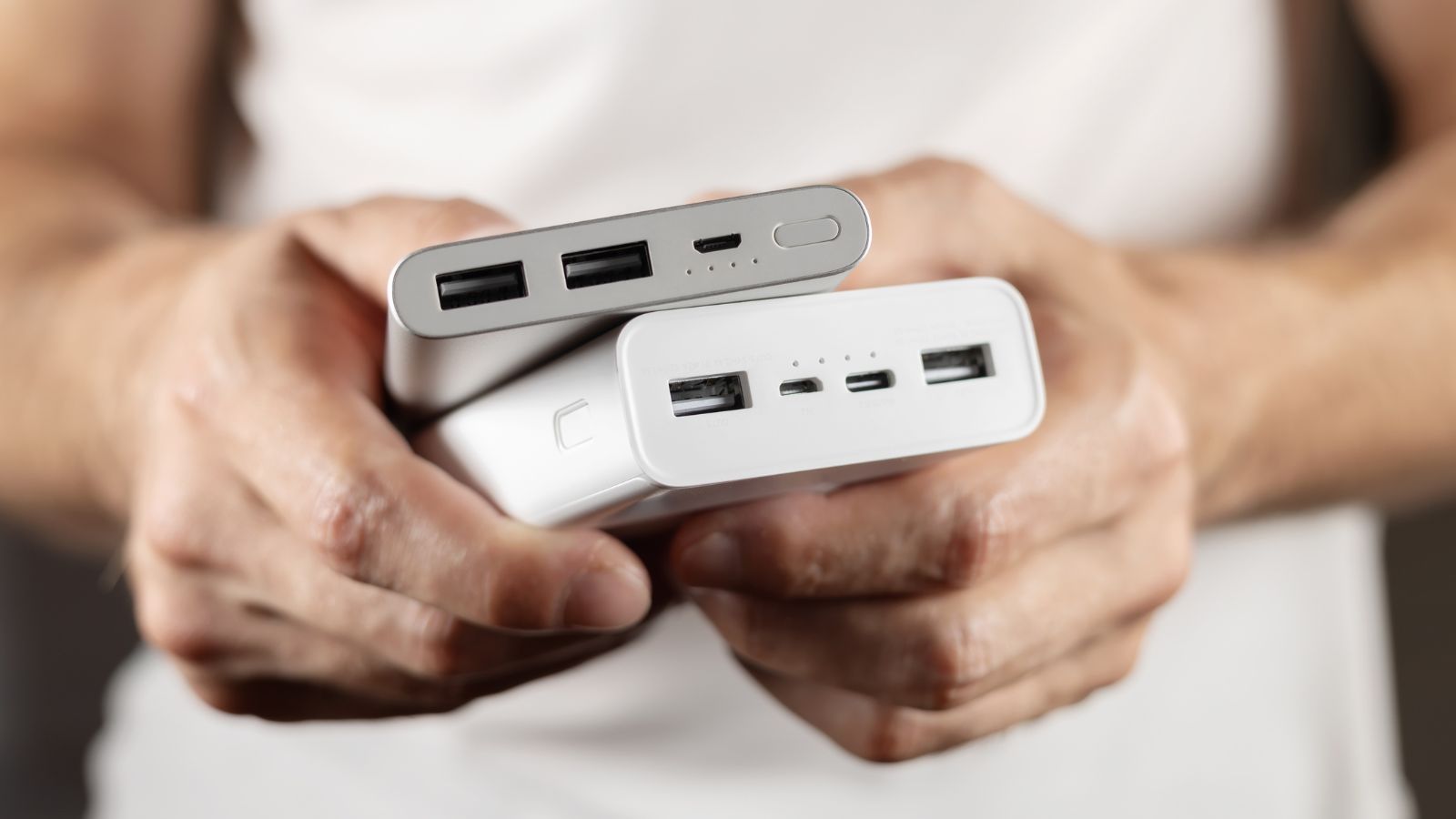
One of the most important modern packing checks happens just before a carry-on is surrendered at the counter or unexpectedly gate-checked. Spare lithium batteries and power banks should be removed from baggage that will travel in the cargo hold and kept in the aircraft cabin. Transport Canada specifically states that spare lithium-ion and lithium-metal batteries, including power banks and phone battery-charging cases, must be carried in carry-on baggage only.
The terminals also need protection against short circuits, which can be accomplished through appropriate packaging, individual protective pouches or insulation of exposed terminals. Capacity matters as well. Canadian guidance notes that many airlines follow rules allowing power banks up to 100 watt-hours without special approval and requiring approval for capacities between 100 and 160 watt-hours. The gate-check scenario is especially easy to overlook: a backpack originally intended for the cabin may suddenly be tagged for the hold. Before handing it over, travellers should retrieve power banks and spare batteries. Keeping them in an accessible pocket from the beginning makes that last-minute transfer considerably easier.
Vapes and E-Cigarettes in Checked Bags

Vaping devices belong in the cabin rather than buried in checked luggage. Transport Canada has warned about the fire risk created by electronic cigarettes in checked baggage and requires e-cigarettes to be carried in the cabin. The reasoning is straightforward: a malfunctioning lithium battery can overheat, and an incident is easier for trained crew to identify and respond to when the device is accessible rather than inside the cargo hold.
Canadian screening guidance similarly advises travellers to pack vapes in carry-on baggage. Refill liquid is treated separately and is subject to the normal carry-on liquid limits, meaning containers of 100 mL or less should be placed with other permitted liquids in the clear one-litre bag. The distinction between the device and the liquid is worth remembering when packing. Someone who throws an entire vaping kit into a checked toiletry bag may have both components in the wrong place for different reasons. Travellers also need to check airline-specific lithium-battery policies because carriers can impose additional rules governing storage and use during the flight.
Damaged, Defective or Recalled Lithium Batteries

A battery does not become safe for air travel merely because it fits within the usual watt-hour limits. Transport Canada guidance identifies damaged, defective and recalled lithium batteries as a special hazard because they have an increased risk of overheating and fire. Separate dangerous-goods guidance states that damaged, defective or recalled batteries are forbidden for air transport in circumstances covered by those requirements.
This makes the condition of a device almost as important as its size. A swollen power bank, cracked battery pack, device that has recently overheated or product subject to a safety recall should not be treated like an ordinary working charger. Transport Canada has specifically issued safety guidance after power-bank recalls, noting the potential for short circuits, fires and explosions. Before a trip, travellers can inspect frequently abused electronics and check whether a power bank has been recalled instead of discovering the issue after boarding. If a defective or recalled device is inadvertently brought aboard, Transport Canada’s operator guidance calls for it to be powered off and not used or charged, underscoring why the better option is to identify the problem before reaching the aircraft.
Excess or Improperly Packed Dry Ice

Dry ice sometimes appears in travellers’ luggage when food, medical materials or other temperature-sensitive items need to stay cold. It is not automatically forbidden, but the conditions are strict enough that an ordinary cooler cannot simply be packed without preparation. Canadian screening guidance says an air carrier may permit dry ice in either carry-on or checked baggage only with the carrier’s approval and subject to specific conditions.
The quantity must not exceed 2.5 kilograms per person, and the package needs to allow carbon dioxide gas to escape. When dry ice is placed in checked baggage, the package must also be marked “DRY ICE” or “Carbon Dioxide Solid” and indicate a net weight of 2.5 kilograms or less. Travellers carrying too much dry ice, using an airtight container or lacking airline approval should therefore remove or repack it before arriving for the flight. The restrictions reflect the unusual properties of solid carbon dioxide, so a cooler that works perfectly well for a road trip may require a substantially different setup when it is travelling by air.
Cannabis and CBD Before an International Flight

Legalization inside Canada does not make cannabis an international travel item. The Government of Canada states that, without the required authorizations from Health Canada and the relevant foreign authorities, it is illegal to take cannabis across the Canadian border in either direction. That applies whether a traveller is leaving or entering Canada and regardless of how much cannabis is being carried.
The restriction covers more than dried cannabis. Government travel guidance specifically includes edible cannabis, extracts, topical products and products containing cannabidiol, or CBD. It also applies even when the destination has legalized or decriminalized cannabis. Medical authorization or a prescription does not automatically provide permission to cross an international border with it; separate authorization is required. Within Canada, cannabis can be treated differently for air travel, subject to applicable laws and liquid restrictions, which may contribute to the confusion. For an international itinerary—including a connection through another country—the safest packing check is therefore especially clear: cannabis and CBD products should be removed unless the traveller has the specific legal authorizations required.
16 Costco Canada Habits That Could Be Costing Shoppers More Than They Save

The Executive Membership can feel like an obvious upgrade because the 2% annual reward sounds straightforward. For households that spend heavily at Costco Canada, the extra fee may be easy to justify. But the habit becomes costly when shoppers upgrade first and calculate later. A Gold Star Membership costs less, while Executive costs more and only pays off if eligible annual spending is high enough to offset the difference.
16 Costco Canada Habits That Could Be Costing Shoppers More Than They Save
This Options Discord Chat is The Real Deal
While the internet is scoured with trading chat rooms, many of which even charge upwards of thousands of dollars to join, this smaller options trading discord chatroom is the real deal and actually providing valuable trade setups, education, and community without the noise and spam of the larger more expensive rooms. With a incredibly low-cost monthly fee, Options Trading Club (click here to see their reviews) requires an application to join ensuring that every member is dedicated and serious about taking their trading to the next level. If you are looking for a change in your trading strategies, then click here to apply for a membership.