35,000+ smart investors are already getting financial news, market signals, and macro shifts in the economy that could impact their money next with our FREE weekly newsletter. Get ahead of what the crowd finds out too late. Click Here to Subscribe for FREE.
Flying within Canada can feel straightforward: no border crossing, no customs declaration, and often only a few hours between departure and arrival. Yet domestic air travel still comes with identification rules, security restrictions, baggage policies, passenger protections, and airline-specific deadlines that can quickly complicate an otherwise routine trip.
A little preparation can prevent an expensive bag fee, a rejected item at security, a missed check-in cutoff, or confusion when a flight is disrupted. These 22 things Canadians should know before taking a domestic flight cover the practical details that matter most, from acceptable identification and carry-on rules to family seating, accessibility, cannabis, pets, delays, refunds, and lost baggage.
Bring the Right Identification
22 Things Canadians Should Know Before Taking a Domestic Flight
- Bring the Right Identification
- Make Sure the Ticket Name Matches the ID
- Two Hours Early Is Still a Sensible Target
- Check the Airline’s Actual Cutoff Times
- A Basic Fare May Not Include a Full Carry-On
- Measure Checked Bags Before Reaching the Airport
- The 100 mL Liquid Rule Still Matters
- Medication Has Important Security Exceptions
- Power Banks Belong in Carry-On Baggage
- Check Unusual Items Before Packing Them
- Cannabis Is Different on a Truly Domestic Trip
- Families Have Rights on Seating Children
- Rules for Children Travelling Alone Vary by Airline
- Accessibility Arrangements Can Include Extra Seating
- Mobility Aids and Service Dogs Deserve Advance Planning
- Pets Usually Need a Reservation of Their Own
- Delay Compensation Depends on Why the Flight Was Disrupted
- Being Bumped Can Trigger Much Larger Compensation
- Three Hours on the Tarmac Is an Important Threshold
- Lost or Damaged Baggage Has Formal Claim Rules
- Rebooking and a Refund Are Not the Same Remedy
- Check Security Wait Times and Travel Alerts Before Leaving
- 16 Costco Canada Habits That Could Be Costing Shoppers More Than They Save
A Canadian passport is not normally required simply to fly from one Canadian city to another. For travellers using Canadian identification, adults can generally present one piece of photo identification issued by a federal, provincial, or territorial government showing their full name and date of birth. Alternatively, two pieces of Canadian government-issued identification can be used, provided both show the traveller’s name and at least one shows the full name and date of birth.
That makes a provincial driver’s licence a common choice, but travellers should not assume every card in a wallet qualifies. Public Safety Canada specifically notes that hunting, boating, and fishing licences are no longer accepted for domestic air travel. Original, valid identification should be checked before leaving home rather than discovered to be expired at the boarding gate. Travellers without Canadian identification can have different acceptable-document options, making Public Safety Canada’s current list worth checking before departure.
Make Sure the Ticket Name Matches the ID

A surprisingly small booking error can create an outsized airport problem. Public Safety Canada states that the name appearing on identification must match the name shown on the airline ticket and boarding pass. Someone who normally shortens Katherine to Kate, uses a middle name socially, or recently changed a surname should therefore examine the reservation instead of assuming the difference will be ignored.
This is particularly important when another person, employer, or online travel agency made the booking. Catching a spelling error days beforehand gives the airline more room to explain its correction procedure than discovering it while boarding is underway. Airlines may distinguish between correcting a minor typo and transferring a ticket to a different person, so the remedy is not necessarily the same. The practical habit is simple: compare the booking confirmation with the identification intended for travel immediately after buying the ticket and deal with discrepancies before airport day.
Two Hours Early Is Still a Sensible Target

Domestic flights may be shorter than international trips, but the airport process is not necessarily quick. CATSA recommends arriving about two hours before a domestic departure. WestJet similarly tells domestic passengers to arrive 120 minutes before departure. That buffer has to cover parking or ground transportation, check-in, baggage drop, security screening, finding the gate, and any unexpected queue along the way.
Experienced travellers sometimes trim that margin at familiar airports, especially when travelling carry-on only. The risk is that security lines and passenger volumes can change dramatically by hour and season. A quiet Tuesday afternoon and the first morning of a long weekend can produce very different airport experiences. CATSA publishes security wait estimates, but it also cautions that those figures change throughout the day and should not replace proper preparation. Arriving early may feel excessive when everything runs smoothly, but missing a flight because of a queue can be far more costly.
Check the Airline’s Actual Cutoff Times
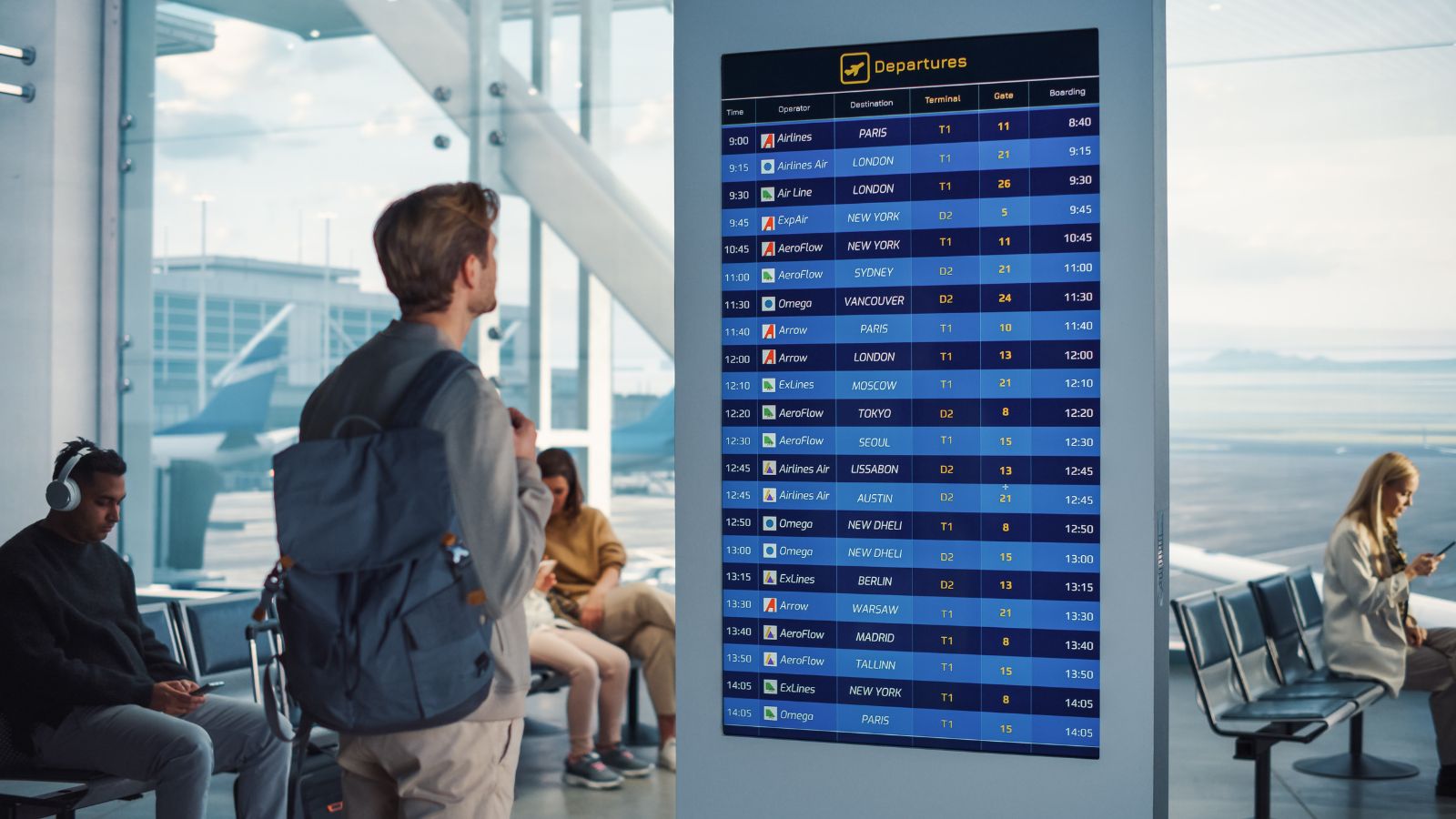
Recommended arrival time and mandatory cutoff time are two different things. An airline can stop accepting a passenger even when the aircraft is still sitting at the gate. Air Canada’s general policy, for example, requires most customers to check in no later than 60 minutes before departure, while the domestic baggage-drop deadline is generally 45 minutes before departure. Toronto Billy Bishop has different domestic cutoffs, demonstrating why relying on a remembered rule can backfire.
Similar variations exist between airlines, airports, and special travel situations. Travellers checking oversized baggage, travelling with a pet, using special assistance, or departing from a station with unique operating procedures may need additional time. Online check-in does not automatically solve the problem for someone who still has a bag to drop. A useful routine is to look at three separate deadlines before leaving home: recommended airport arrival, check-in or boarding-pass cutoff, and checked-baggage cutoff. The earliest relevant deadline should shape the travel plan.
A Basic Fare May Not Include a Full Carry-On
The word “carry-on” no longer means the same thing across every Canadian economy fare. Air Canada Economy Basic tickets for travel within Canada generally permit one personal item rather than a standard overhead-bin carry-on. WestJet’s UltraBasic fare also normally includes a personal item but not a regular carry-on bag, subject to specified exceptions. A passenger arriving with a roller bag under those fares can face a different experience from someone holding a higher economy fare on the same aircraft.
This is why comparing airfare solely by the advertised base price can be misleading. Two tickets that look $30 apart on a search screen may end up much closer once baggage is added. Before packing, travellers should open the reservation itself and confirm the allowance attached to that fare, not rely on what was included on a previous trip. Personal-item dimensions also matter because the bag must fit under the seat. Fare families and baggage policies change, making an old packing habit an unreliable guide.
Measure Checked Bags Before Reaching the Airport
Checked baggage charges are only part of the calculation. Airlines also impose size and weight thresholds, and exceeding them can trigger overweight or oversized fees. Air Canada’s standard checked-bag benchmark is a maximum of 23 kilograms, or 50 pounds, and 158 centimetres in total linear dimensions. WestJet uses a similar standard, with regular checked baggage generally limited to 23 kilograms and about 157 centimetres in combined dimensions.
A suitcase that seems ordinary at home can become expensive after winter boots, gifts, sporting equipment, or several heavy books are added. Weighing it before departure gives travellers the chance to redistribute items rather than repack on the terminal floor. The number of free or paid checked bags also varies by fare, loyalty status, credit-card benefits, and route. Looking up the baggage calculator or allowance attached to the actual booking is more reliable than assuming the first bag is free. Wheels and handles can count when determining outside dimensions.
The 100 mL Liquid Rule Still Matters
Canadian airport security generally limits liquids, aerosols, and gels in carry-on baggage to containers of no more than 100 millilitres or 100 grams. Those containers must fit inside a single transparent, closed, resealable plastic bag with a maximum capacity of one litre per passenger. A half-empty 200 mL bottle does not become compliant merely because only 50 mL remains inside; the container’s capacity matters.
The rule reaches beyond shampoo and toothpaste. Foods with pourable, spreadable, or gel-like textures can also fall under the liquid restrictions. CATSA gives examples such as yogurt, applesauce, soups, peanut butter, sauces, and dressings. Ordinary solid snacks such as crackers or sandwiches are generally much simpler to take through screening. Some checkpoints equipped with newer CT technology may let passengers leave qualifying items inside their bags during screening, but that does not eliminate the underlying size restrictions. Packing to the national rule remains the safest approach.
Medication Has Important Security Exceptions

Travellers who rely on medication should not assume the ordinary 100 mL liquid restriction applies in exactly the same way. CATSA permits prescription and essential non-prescription liquid and gel medications in quantities greater than 100 mL in carry-on baggage. These medically necessary items should be declared separately to the screening officer. Inhalers, diabetic supplies, and many other medical items can also be taken through security.
Keeping essential medicine in carry-on baggage is especially practical because a checked suitcase can be delayed or inaccessible after boarding. CATSA itself recommends keeping medication accessible during the journey. Travellers carrying unusual equipment, injectable medications, cooling packs, pumps, or other medical supplies can check the agency’s item-specific guidance before leaving home. Original pharmacy-labelled containers can also make identification easier even when they are not universally mandated for domestic screening. A traveller who needs medicine every few hours should plan as though checked baggage might not be immediately available at the destination.
Power Banks Belong in Carry-On Baggage
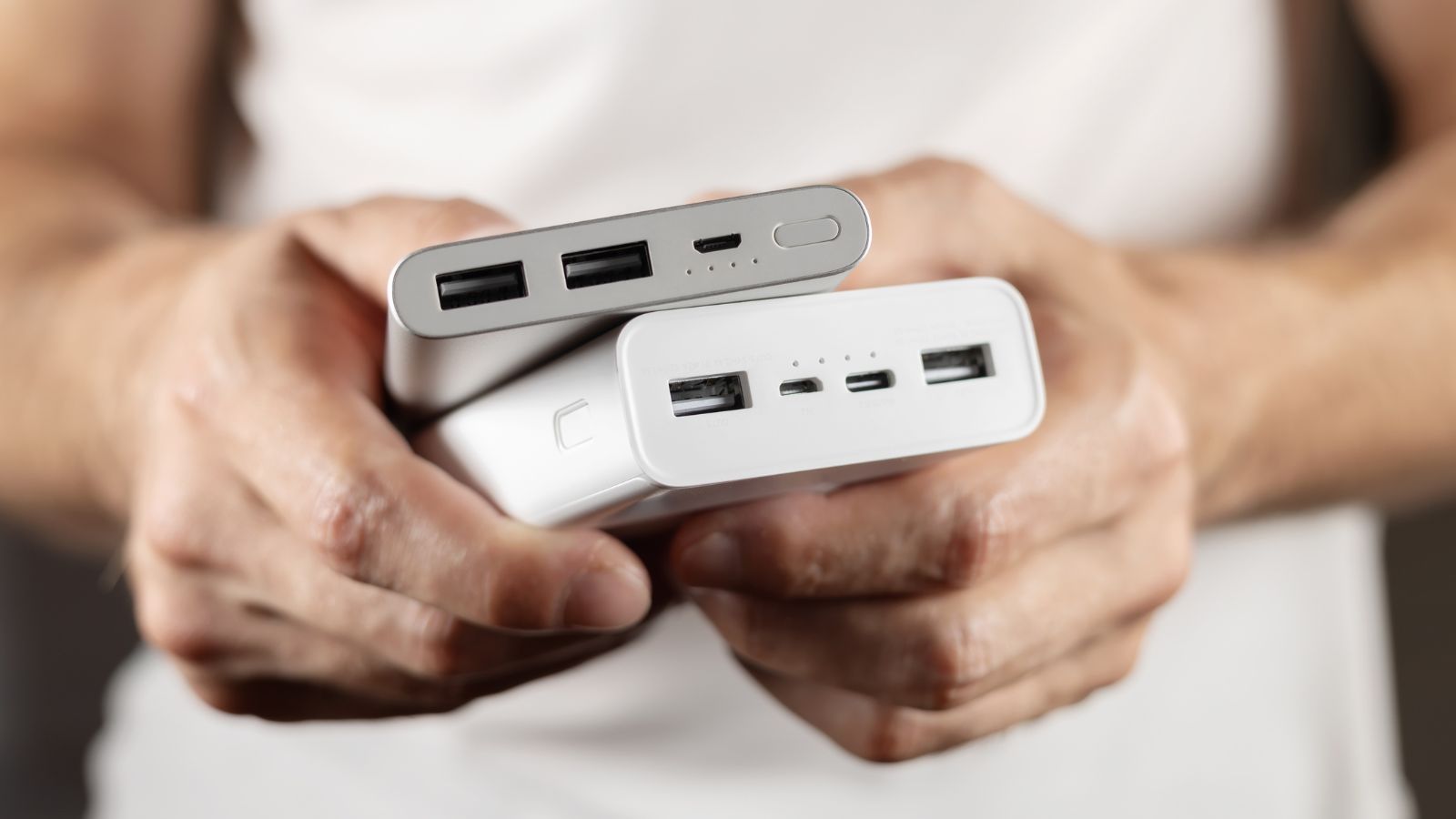
Portable chargers have become almost as common as boarding passes, but lithium batteries require special handling. CATSA states that power banks and spare lithium batteries should be carried in carry-on baggage rather than packed away in checked luggage. Portable chargers below 100 watt-hours are permitted in carry-on baggage, while CATSA allows a maximum of two portable chargers in the 100-to-160 Wh range, subject to applicable restrictions.
The reasoning is safety-related: a battery problem is easier for crew to identify and manage in the cabin than deep inside an aircraft’s baggage hold. Travellers should also protect spare battery terminals from short circuits and avoid bringing damaged, swollen, or questionable batteries. Airline-specific restrictions can go beyond the baseline screening rules, especially for larger batteries, mobility equipment, or specialized electronics. Before packing a high-capacity power station or unusually large battery, checking both CATSA and the airline is far wiser than assuming that anything capable of charging a phone is automatically acceptable.
Check Unusual Items Before Packing Them
Many airport-security surprises come from objects that passengers never thought of as aviation concerns. CATSA maintains a searchable “What Can I Bring?” database covering items ranging from tools and sporting equipment to food, electronics, medical supplies, powders, camping gear, and household products. It identifies whether an item is permitted in carry-on baggage, checked baggage, both, or neither, and whether restrictions apply.
That database is worth consulting before packing anything unusual because intuitive guesses are often unreliable. An object that is perfectly legal to own can still be restricted in an aircraft cabin, while something that looks questionable may be permitted when packed correctly. CATSA also emphasizes that the final decision about whether an item can pass through a checkpoint rests with the screening officer. Airline dangerous-goods policies may create an additional layer of restrictions beyond screening. Ten minutes of research at home can therefore save an item from being surrendered, returned to a vehicle, mailed home, or abandoned at security.
Cannabis Is Different on a Truly Domestic Trip

Legal recreational cannabis can be transported on a domestic Canadian flight, but “domestic” is the critical word. CATSA lists recreational cannabis as permitted in both carry-on and checked baggage, while federal law allows an adult to possess up to 30 grams of dried cannabis, or its equivalent, in public. Travellers remain responsible for complying with the cannabis laws that apply at their destination, including provincial or territorial age and possession rules.
The situation changes completely when a border becomes involved. Taking cannabis across Canada’s international border remains illegal, regardless of whether cannabis is legal at the destination or whether the traveller has authorization for medical use. That makes the itinerary as important as the destination printed on the front of the ticket. A journey that includes an international segment cannot be treated like a simple Toronto-to-Calgary flight. Cannabis oils and other liquid forms must also comply with security rules unless a medical exemption applies. Checking the full itinerary before packing prevents a serious mistake.
Families Have Rights on Seating Children
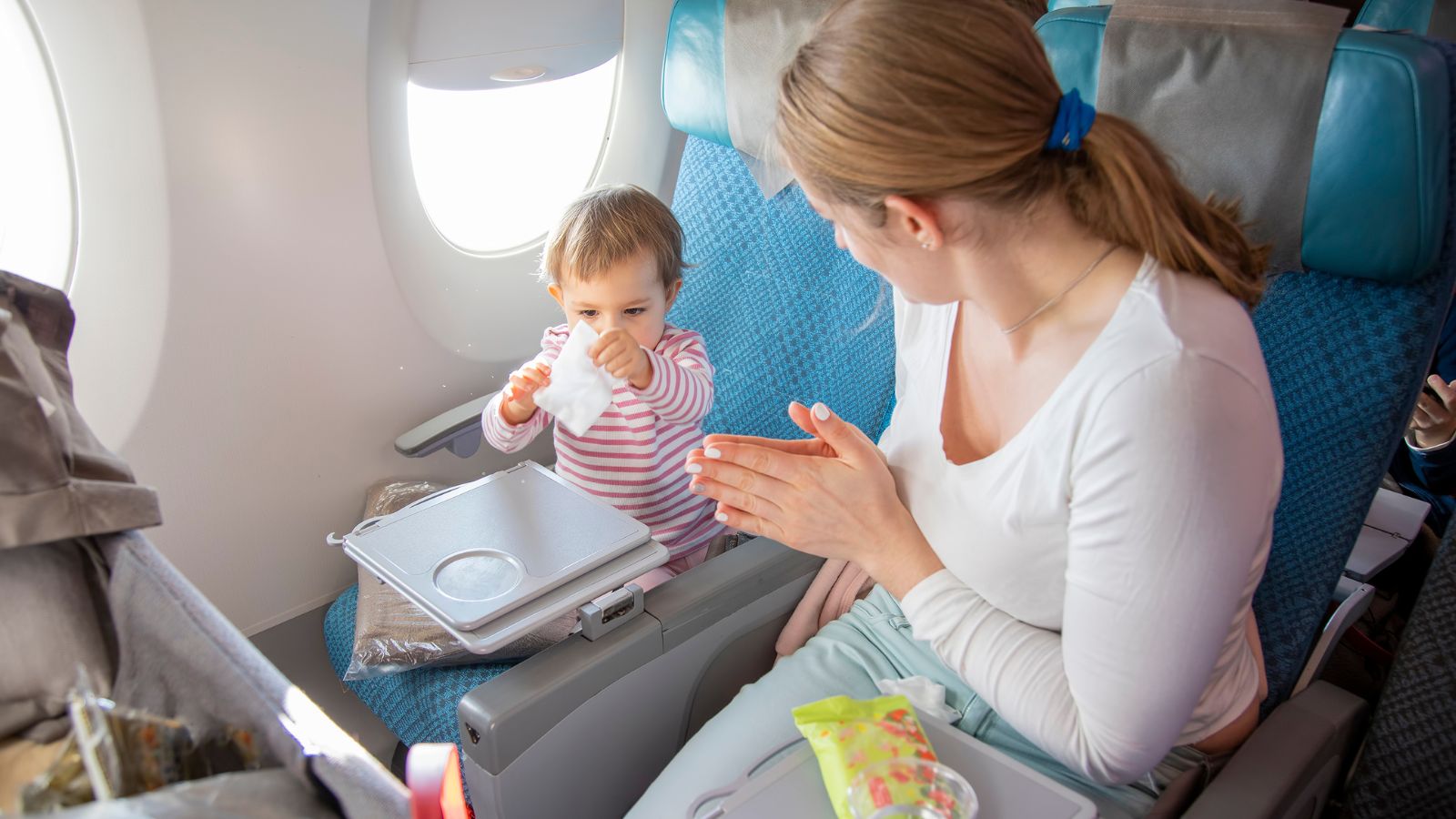
Parents do not necessarily have to pay an extra seat-selection charge simply to keep a young child reasonably close on a flight covered by Canada’s Air Passenger Protection Regulations. Airlines must take steps, at no additional charge and at the earliest opportunity, to seat children under 14 near their accompanying parent, guardian, or tutor. The required degree of proximity depends on the child’s age.
Children younger than five should be seated directly adjacent to the accompanying adult. Children aged five through 11 should be placed in the same row and no more than one seat away, while children aged 12 or 13 should be separated by no more than one row. These rules do not guarantee that every family group will occupy a perfect block of favourite seats, particularly on a heavily booked aircraft. Still, they establish a meaningful minimum standard. Families should make sure the airline knows children are included in the reservation and review seat assignments before airport day.
Rules for Children Travelling Alone Vary by Airline
Federal identification rules for adults do not simply translate into one universal airline policy for children. Airlines can have their own documentation and age-verification procedures. WestJet, for example, states that children under 18 generally do not need identification for domestic travel, although proof of age may be requested for an infant. Air Canada suggests identification such as an original birth certificate or other appropriate document for young domestic travellers and has additional requirements when its Unaccompanied Minor service is used.
Rules become even more important when a child travels without an adult. Air Canada’s Unaccompanied Minor service is mandatory for children aged eight through 11 travelling alone and optional for those aged 12 through 17; younger children cannot travel alone under that service. WestJet also has age-specific unaccompanied-minor procedures. Parents should therefore check the operating carrier, not simply the company that sold the ticket, especially on codeshare itineraries. Required forms, identification, drop-off procedures, and eligible flight types can differ.
Accessibility Arrangements Can Include Extra Seating
Canada’s accessible-transportation rules give passengers with disabilities protections that go beyond ordinary seat selection. For qualifying domestic travel, carriers covered by the Accessible Transportation for Persons with Disabilities Regulations may have to provide additional adjacent seating without charging an additional fare when it is required because of a disability. That can include a seat for a necessary support person, additional room required because of the nature of a disability, or space associated with a service dog.
The principle is commonly described as “One Person, One Fare.” It does not mean every travelling companion automatically flies free; the additional seating must relate to a disability-related need recognized under the rules. A carrier may request information or reasonable documentation necessary to assess an accommodation request. Travellers who may need this support should contact the airline before departure rather than attempt to arrange everything at the gate. Advance planning also creates time to clarify seating, assistance, documentation, boarding, and any equipment that must travel with the passenger.
Mobility Aids and Service Dogs Deserve Advance Planning

Travellers using wheelchairs, scooters, mobility aids, or service dogs have specific protections, but communicating with the carrier early can make a major difference. Canadian Transportation Agency guidance notes that carriers may require advance notice for some accessibility services, commonly between 48 and 96 hours depending on what is needed. Small assistive devices should be allowed in the cabin when they are needed during travel and can be safely accommodated.
Mobility aids that must travel in the baggage compartment receive additional consideration. CTA guidance says they should be carried as priority baggage without a transportation fee, and carriers have responsibilities relating to their safe handling. Battery-powered mobility equipment can require additional technical information, so travellers should know the battery type and equipment dimensions. Service dogs can also require advance documentation and sufficient floor space. Providing details early allows the airline to plan rather than improvise after boarding has begun, which is particularly important on smaller aircraft where doors and cargo compartments may impose physical limitations.
Pets Usually Need a Reservation of Their Own

A pet cannot always be added to a domestic flight at the last moment, even when the animal and carrier meet the size rules. Airlines limit the number of animals accepted on individual aircraft and require advance arrangements. WestJet advises passengers to request space for pets at least 48 hours before departure because a pet may be unable to travel if space has not been reserved.
Air Canada’s cabin policy generally permits one small cat or dog per passenger, subject to fare, aircraft, carrier-size, and other restrictions. Since June 2025, pets travelling in Air Canada cabins have had to use soft-sided carriers. Air Canada also tells customers travelling with pets to arrive earlier than its normal recommended check-in time and notes that these customers may need agent-assisted check-in. WestJet counts an in-cabin pet kennel as the passenger’s personal item. The practical lesson is that booking the human ticket first and thinking about the pet later can create problems; both should be planned together.
Delay Compensation Depends on Why the Flight Was Disrupted

Canada’s Air Passenger Protection Regulations apply to flights within Canada, but not every delayed flight automatically produces compensation. For delays or cancellations that are within the airline’s control and not required for safety, eligible passengers can receive compensation when they arrive at least three hours late and other regulatory conditions are met, including the timing of notice. Large carriers currently face compensation levels of $400 for delays of three to under six hours, $700 for six to under nine hours, and $1,000 for nine hours or more.
Small carriers have lower compensation levels of $125, $250, and $500 for those same delay bands. Weather and certain other circumstances outside an airline’s control are treated differently, although rebooking or refund obligations can still apply. Airlines are also required to provide status updates during delays, generally every 30 minutes until a new departure time or alternate arrangement is confirmed. Keeping screenshots and written notices can make a later claim easier to document.
Being Bumped Can Trigger Much Larger Compensation
Denied boarding is not simply another word for a cancelled flight. It can occur when the airline refuses to carry a confirmed passenger even though the passenger has complied with the relevant check-in and boarding requirements. When denied boarding is within the airline’s control and is not required for safety—for example, in certain commercial overbooking situations—the Air Passenger Protection Regulations establish substantial compensation based on how late the passenger ultimately reaches the destination.
The current minimum amounts are $900 when the arrival delay is less than six hours, $1,800 when it is six to under nine hours, and $2,400 when it reaches nine hours or more. The airline must also arrange alternate travel according to applicable rules. Compensation should be issued as soon as operationally feasible and no later than 48 hours after boarding is denied. Travellers should distinguish an involuntary denial from voluntarily agreeing to take a later flight in exchange for an airline’s negotiated offer, because the circumstances and rights are not necessarily the same.
Three Hours on the Tarmac Is an Important Threshold
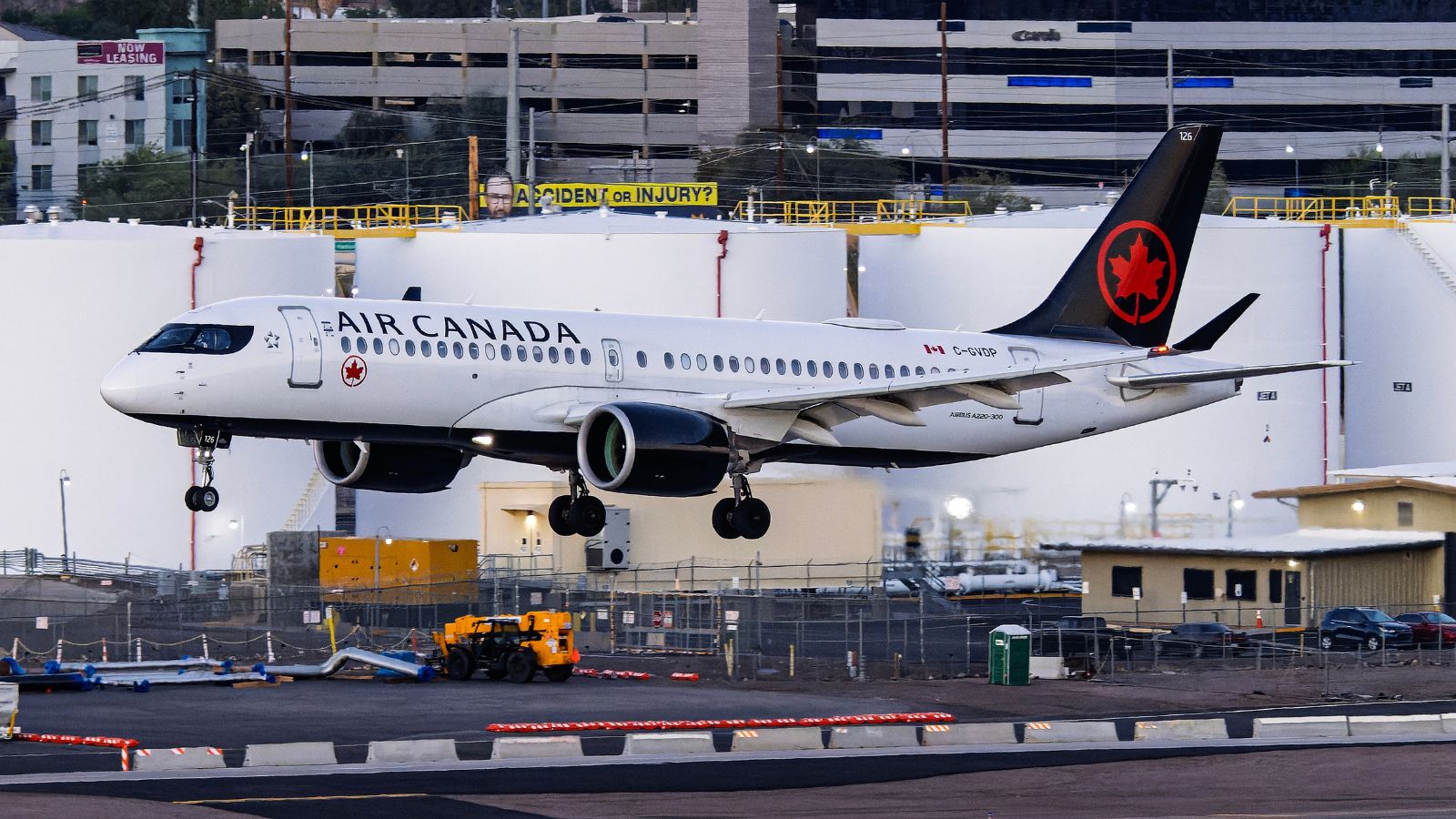
Canadian rules specifically address lengthy tarmac delays at airports in Canada. If an aircraft remains on the tarmac after its doors have been closed for departure, or after landing, airlines must provide required standards of treatment. These include access to working lavatories when the aircraft has them, appropriate ventilation and heating or cooling, and access to urgent medical assistance when necessary. Other assistance, including food, drink, and communication, is required in applicable circumstances.
The three-hour mark is particularly important. At a Canadian airport, passengers generally must be given an opportunity to disembark once the tarmac delay reaches three hours. There is a limited exception when the carrier reasonably expects takeoff to occur before the delay reaches three hours and 45 minutes and it can continue providing the required treatment. These rules turn what can feel like an indefinite wait into a regulated situation. Knowing the threshold also helps passengers understand announcements made during an extended ground delay.
Lost or Damaged Baggage Has Formal Claim Rules
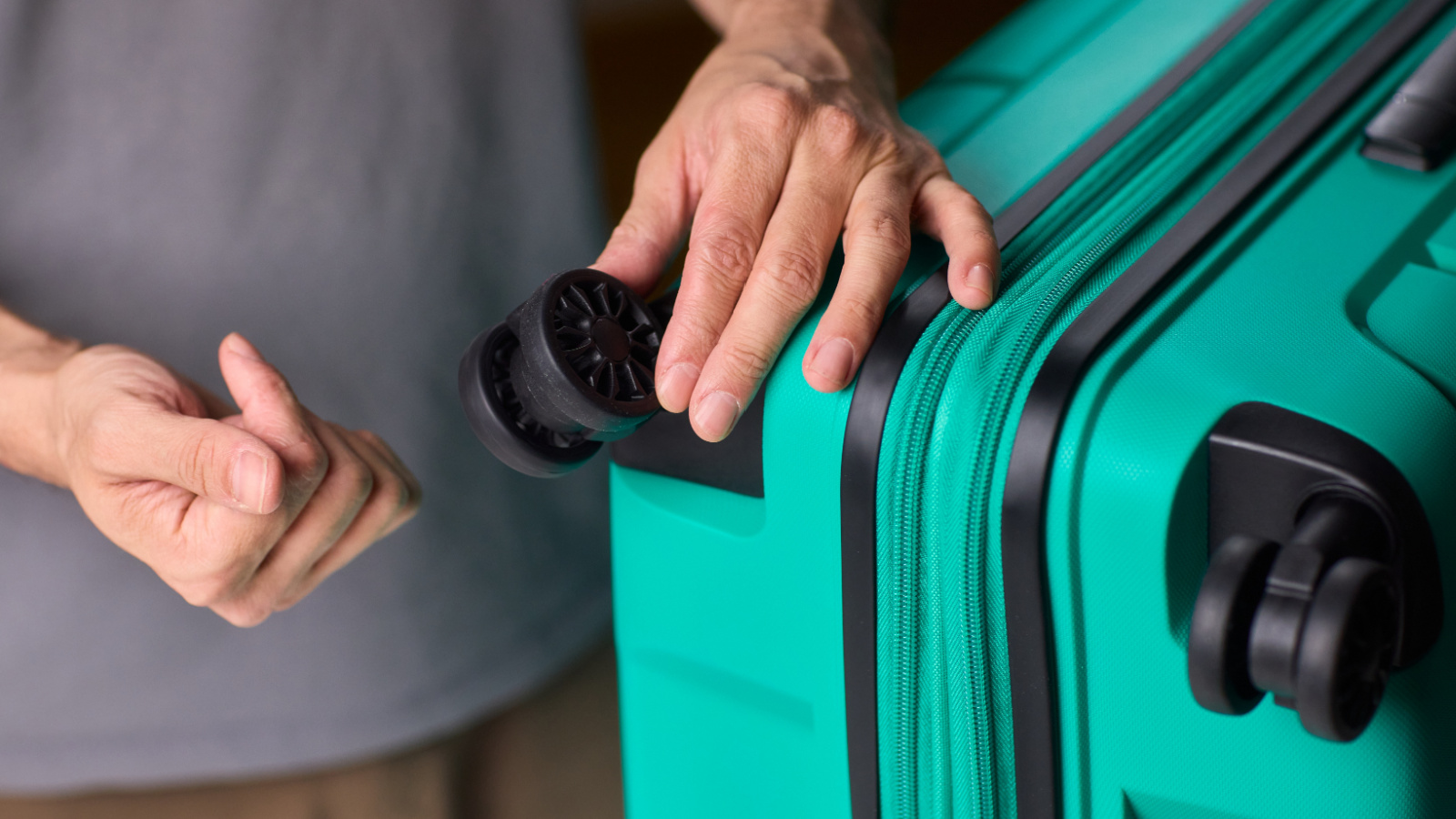
A suitcase disappearing from the carousel is more than a customer-service inconvenience. Canada’s domestic baggage rules apply liability principles similar to those used under the Montreal Convention for lost and damaged baggage. Following the 2024 adjustment to international liability limits, the applicable baggage liability ceiling is 1,519 Special Drawing Rights per passenger for covered loss or damage. Because the SDR is an international accounting unit whose value moves with exchange rates, the Canadian-dollar equivalent changes.
Deadlines matter as much as the dollar limit. A passenger with damaged baggage should submit a written claim to the airline within seven days of receiving the bag. Delayed domestic baggage should be reported and claimed as soon as possible within the airline’s applicable tariff deadline. Baggage is generally considered lost after it has been delayed for 21 days, or earlier if the carrier acknowledges the loss. Airlines must also refund optional baggage fees when baggage is lost or damaged. Receipts, photographs, baggage tags, and written reports can become valuable evidence.
Rebooking and a Refund Are Not the Same Remedy
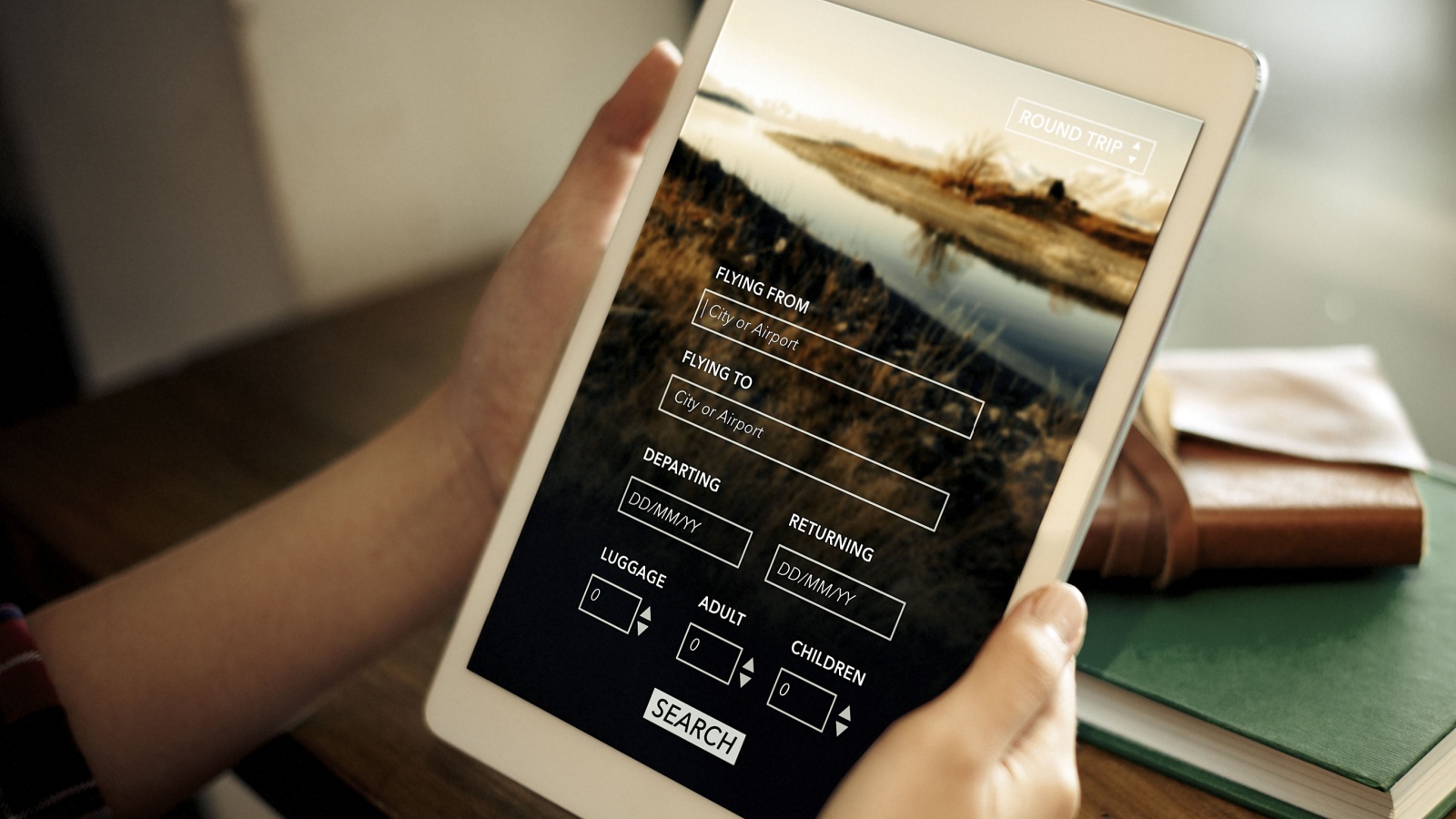
When a domestic flight is seriously disrupted, passengers should pay attention to what the airline is offering rather than automatically accepting the first option in an app. Under Canada’s passenger-protection framework, airlines have obligations to arrange alternate travel in qualifying delay and cancellation situations. Even disruptions outside the carrier’s control can trigger rebooking requirements. The airline must generally attempt to provide a confirmed reservation on its next available flight or that of a commercial partner leaving within 48 hours of the original departure time.
If the carrier cannot provide the required option within that period in applicable circumstances, the passenger can have a choice between a refund and further alternate travel arrangements without additional charge. Refunds required under the Air Passenger Protection Regulations must generally be provided within 30 days. The precise entitlement depends on the disruption category and circumstances, so travellers should keep the cancellation notice, original itinerary, receipts, rebooking offers, and any written explanation of the cause before deciding what remedy best fits their plans.
Check Security Wait Times and Travel Alerts Before Leaving

Airport conditions can change between breakfast and departure. CATSA publishes current security-screening wait estimates for many Canadian airports and says those estimates fluctuate with flight volume and passenger demand. The authority also cautions that the figures are for convenience and should not replace the recommended preparation and arrival time. In other words, seeing a five-minute security estimate is not a reason to leave home 90 minutes later.
The airline’s own app or website should be checked at the same time for flight status, gate information, operational notices, and travel advisories. Weather systems, runway work, airport congestion, equipment changes, and other operational events can affect a domestic journey before the scheduled departure time changes dramatically. CATSA provides screening at 89 designated Canadian airports, but conditions are inherently local: Pearson at 7 a.m. can look nothing like Regina at noon. A final status check before heading out is one of the easiest ways to catch a change early.
16 Costco Canada Habits That Could Be Costing Shoppers More Than They Save

The Executive Membership can feel like an obvious upgrade because the 2% annual reward sounds straightforward. For households that spend heavily at Costco Canada, the extra fee may be easy to justify. But the habit becomes costly when shoppers upgrade first and calculate later. A Gold Star Membership costs less, while Executive costs more and only pays off if eligible annual spending is high enough to offset the difference.
16 Costco Canada Habits That Could Be Costing Shoppers More Than They Save
This Options Discord Chat is The Real Deal
While the internet is scoured with trading chat rooms, many of which even charge upwards of thousands of dollars to join, this smaller options trading discord chatroom is the real deal and actually providing valuable trade setups, education, and community without the noise and spam of the larger more expensive rooms. With a incredibly low-cost monthly fee, Options Trading Club (click here to see their reviews) requires an application to join ensuring that every member is dedicated and serious about taking their trading to the next level. If you are looking for a change in your trading strategies, then click here to apply for a membership.