
35,000+ smart investors are already getting financial news, market signals, and macro shifts in the economy that could impact their money next with our FREE weekly newsletter. Get ahead of what the crowd finds out too late. Click Here to Subscribe for FREE.
Summer can make a Canadian home feel almost maintenance-free. The furnace is quiet, snow is no longer pressing against the foundation, and outdoor repairs seem easy to postpone when the weather is pleasant. Yet this is precisely when many small defects are most visible—and most affordable to correct.
These 18 summer maintenance mistakes can allow rain, humidity, pests, heat and ordinary wear to develop into roof leaks, basement flooding, mould, structural deterioration or preventable insurance disputes. A few hours of inspection during warm weather may reveal problems that become far more disruptive once autumn storms and freezing temperatures arrive.
Treating Clogged Eavestroughs as a Cosmetic Problem
18 Summer Maintenance Mistakes That Can Cost Canadian Homeowners Later
- Treating Clogged Eavestroughs as a Cosmetic Problem
- Allowing Downspouts to Empty Beside the Foundation
- Ignoring Soil That Slopes Toward the House
- Assuming the Sump Pump Will Work When Needed
- Postponing Minor Roof and Flashing Repairs
- Leaving Failed Caulking Around Windows and Doors
- Dismissing Foundation Cracks and Leaking Window Wells
- Overlooking Attic Heat, Moisture and Ventilation Problems
- Neglecting Air-Conditioner and Heat-Pump Filters
- Crowding Outdoor Cooling Equipment With Plants and Storage
- Letting Basement Humidity Stay High All Summer
- Ignoring Loose, Rotted or Weathered Deck Components
- Waiting for a Storm Before Assessing Trees
- Stacking Firewood and Decaying Material Against the House
- Forgetting the Dryer Vent Beyond the Lint Screen
- Delaying Chimney and Fireplace Inspection Until Winter
- Failing to Test Smoke and Carbon-Monoxide Alarms
- Believing Insurance Will Pay for Deferred Maintenance
- 16 Costco Canada Habits That Could Be Costing Shoppers More Than They Save

Leaves, seed pods, roofing granules and nesting material can gradually block an eavestrough without creating an obvious problem during light rain. The trouble appears when a summer thunderstorm sends more water onto the roof than the blocked system can carry. Water may spill over the edge, run behind fascia boards, soak exterior walls or collect near the foundation. Staining along the siding is often dismissed as an appearance issue, even though it may be evidence that water is travelling where it should not.
Canadian insurance guidance recommends keeping eavestroughs and downspouts clear so water can be directed away from the building. Homeowners should inspect them after major storms and during periods when nearby trees are shedding heavily. Sagging sections, separated joints and standing water deserve attention as well. A homeowner who repeatedly sweeps a wet basement floor without checking the eavestrough above may be treating the symptom rather than the source. Cleaning debris now is considerably simpler than replacing rotted fascia, damaged insulation or finished basement materials later.
Allowing Downspouts to Empty Beside the Foundation

A clean eavestrough cannot protect a house if the downspout releases water directly beside the basement wall. During a heavy rainfall, hundreds of litres may move off a roof in a relatively short period. When that water is concentrated at one corner of the house, it can saturate backfill around the foundation, enter window wells or find small openings around utility penetrations. The damage may remain hidden until damp drywall, swollen baseboards or a musty smell appears indoors.
Downspout extensions should remain connected, unobstructed and positioned so water moves safely away from the building without being directed toward a neighbouring property. Extensions often get removed for lawn mowing and never reattached, while splash blocks can shift on soft soil. Summer is a practical time to observe the system during rainfall rather than guessing where the water travels. A five-minute walk around the home during a storm may reveal pooling, overflowing joints or water flowing back toward the wall. Correcting that path early can reduce pressure on foundation drainage and basement waterproofing systems.
Ignoring Soil That Slopes Toward the House

Landscaping changes gradually. Soil settles, gardens are raised, walkways sink and decorative borders are added without considering drainage. A yard that once carried rain away from the house may eventually funnel it toward the foundation. Low areas can hold water against basement walls, while reverse-sloped driveways and walkways can create direct routes into garages, stairwells and below-grade entrances. Because these changes happen slowly, homeowners may not recognize the connection between a new flower bed and a damp basement.
Proper grading is repeatedly identified in Canadian flood-prevention guidance as a basic defence against water intrusion. Summer provides dry conditions for adding and compacting soil, correcting low spots and checking whether patios or paths have settled. Soil should not be piled against siding or cover drainage openings. The most useful test is not whether the yard looks level, but whether water visibly moves away from the building. A beautifully landscaped property can still have poor drainage, and cosmetic improvements that trap water may eventually create repairs far more expensive than the original landscaping project.
Assuming the Sump Pump Will Work When Needed
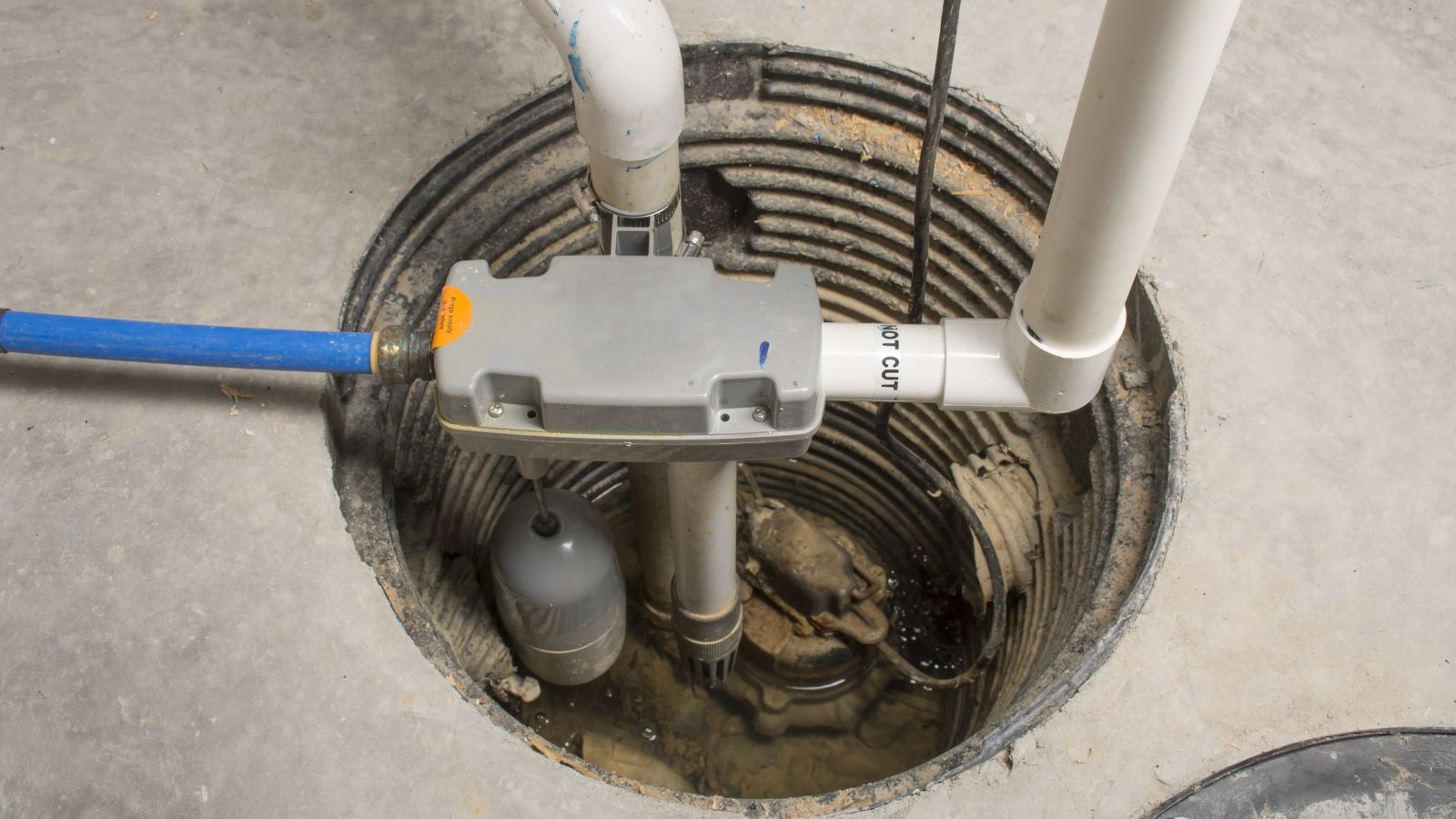
A sump pump may sit quietly for months, creating the impression that it requires no attention. Unfortunately, a seized float, blocked discharge line, failed check valve or electrical outage may become apparent only when water is already rising. Pumps can also lose capacity as they age. Canadian flood-resilience guidance recommends regular maintenance, battery backup and alarms, and advises replacing pumps more than 10 years old with appropriately sized equipment.
Summer testing should involve more than confirming that the pump makes noise. Water can be added to the pit to verify that the float activates, the pump removes water and the system shuts off correctly. The discharge point should be checked outside to ensure water is not cycling back toward the foundation. Backwater valves also require maintenance because debris can prevent them from closing during a sewer surcharge. Consider the common scenario of a storm knocking out power while intense rain overwhelms drainage systems: the sump pump is needed most at the exact moment electricity disappears. A functioning backup system can separate a wet pit from a flooded basement.
Postponing Minor Roof and Flashing Repairs

A missing shingle or lifted flashing may not leak during every storm. Wind direction, rainfall intensity and the location of the defect all influence whether water reaches the interior. That inconsistency encourages delay. A homeowner may place a bucket beneath one attic drip and assume the situation can wait, while moisture continues affecting roof sheathing, rafters or insulation. Roof penetrations around chimneys, plumbing vents, skylights and exhaust outlets are particularly important because several materials and joints meet in a small area.
Canadian guidance emphasizes preventative maintenance of roofs and flashings, while insurance information distinguishes sudden interior water damage from deterioration caused by wear or poor maintenance. Summer is often the safest season for a professional roof inspection because surfaces are free of snow and ice. Binoculars can reveal curling shingles, exposed fasteners or damaged flashing from the ground, but walking on a roof should be left to qualified people. A small repair completed before autumn rain may prevent hidden decay and avoid a later dispute over whether the underlying roof damage resulted from neglect.
Leaving Failed Caulking Around Windows and Doors
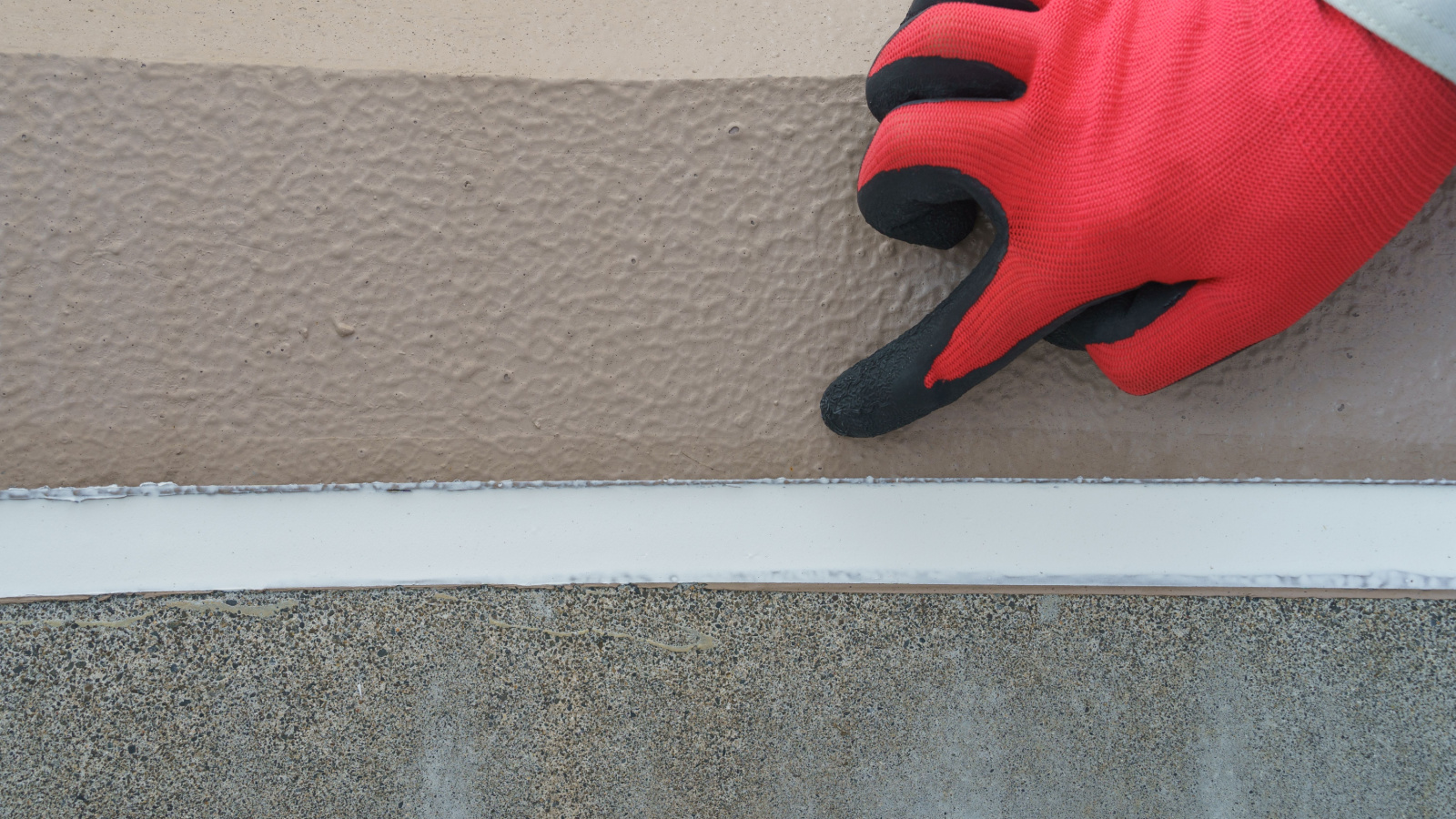
Exterior caulking eventually cracks, separates or loses adhesion as it is exposed to sunlight, rain and seasonal movement. The openings may appear too small to matter, yet they can admit wind-driven rain and outdoor air around window frames, door trim and wall penetrations. Moisture entering these joints may damage wood before any stain becomes visible indoors. In winter, the same gaps can contribute to drafts, cold surfaces and condensation.
Natural Resources Canada notes that windows and doors can account for up to 25 per cent of a home’s total heat loss, making sealing work relevant to both moisture protection and energy performance. Summer is a convenient time to inspect joints because old material is easier to remove and many sealants require dry surfaces and suitable temperatures. New caulking should not simply be layered over loose, dirty material; failed sealant should be removed and the joint prepared according to product instructions. A narrow crack around one window may seem insignificant, but repeated across an entire house, failed seals can become a widespread pathway for water and conditioned air.
Dismissing Foundation Cracks and Leaking Window Wells
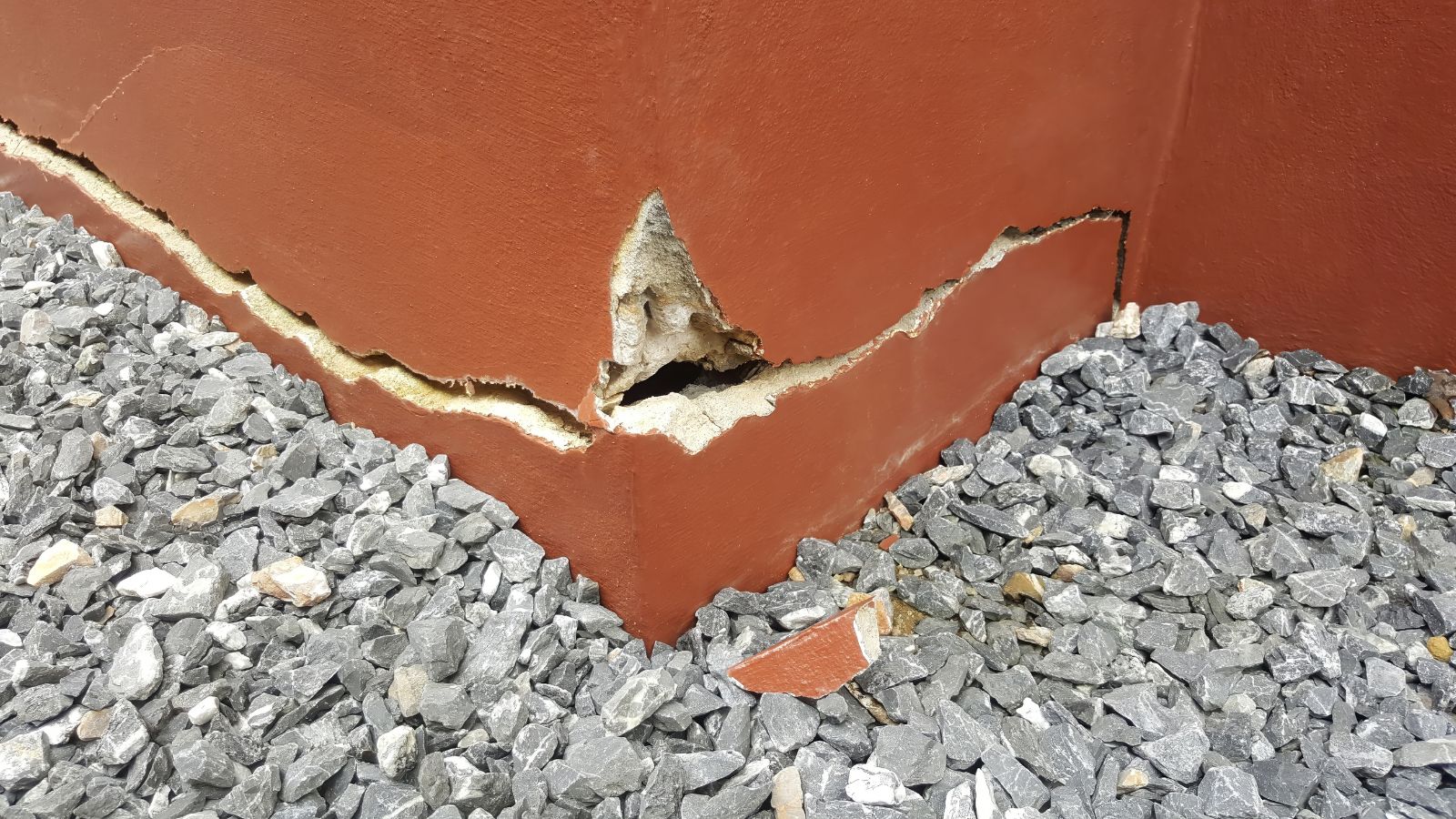
Not every foundation crack signals structural failure, but every crack deserves observation. Rain, groundwater and snowmelt can enter through surprisingly small openings, especially when soil outside is saturated. Cracks may also appear around basement windows, vents, pipes and the point where foundation walls meet other materials. Painting over a stain or applying an interior patch without understanding the source can hide evidence while water continues moving through the assembly.
Federal flood-prevention guidance recommends inspecting foundations from both the interior and exterior at least annually, checking seals around penetrations and monitoring cracks for moisture or growth. Summer offers an opportunity to photograph cracks, mark their ends and compare them after storms. Growing cracks, widespread cracking or active seepage should be assessed professionally. Window wells also need drainage and should not be filled with leaves or soil. One useful household example is a basement window that remains dry during ordinary rain but leaks when the nearby downspout overflows. The window is not the only problem; grading, drainage and foundation sealing must be evaluated together.
Overlooking Attic Heat, Moisture and Ventilation Problems

An attic is easy to ignore during summer because it is uncomfortable to enter and largely out of sight. Yet extreme attic heat, blocked vents, wet insulation and roof leaks can affect both summer comfort and winter durability. Poor airflow may increase the burden on cooling equipment, while moisture can reduce insulation performance and contribute to wood rot, mould or damaged rafters. Bathroom fans vented into the attic rather than outdoors can add substantial moisture to the space.
Homeowners can begin with an inspection from the access hatch, looking for dark staining, compressed insulation, visible daylight through unintended openings or signs of animal activity. Work in a hot attic should be approached cautiously, and electrical, structural or mould concerns may require a professional. Proper attic ventilation is not created by adding random openings; intake and exhaust components must work as a balanced system without allowing rain or snow inside. Summer repairs are generally easier than emergency work during freezing weather. A faint ceiling stain discovered in July may be the first warning of a roof or ventilation problem that could become far more extensive by spring.
Neglecting Air-Conditioner and Heat-Pump Filters
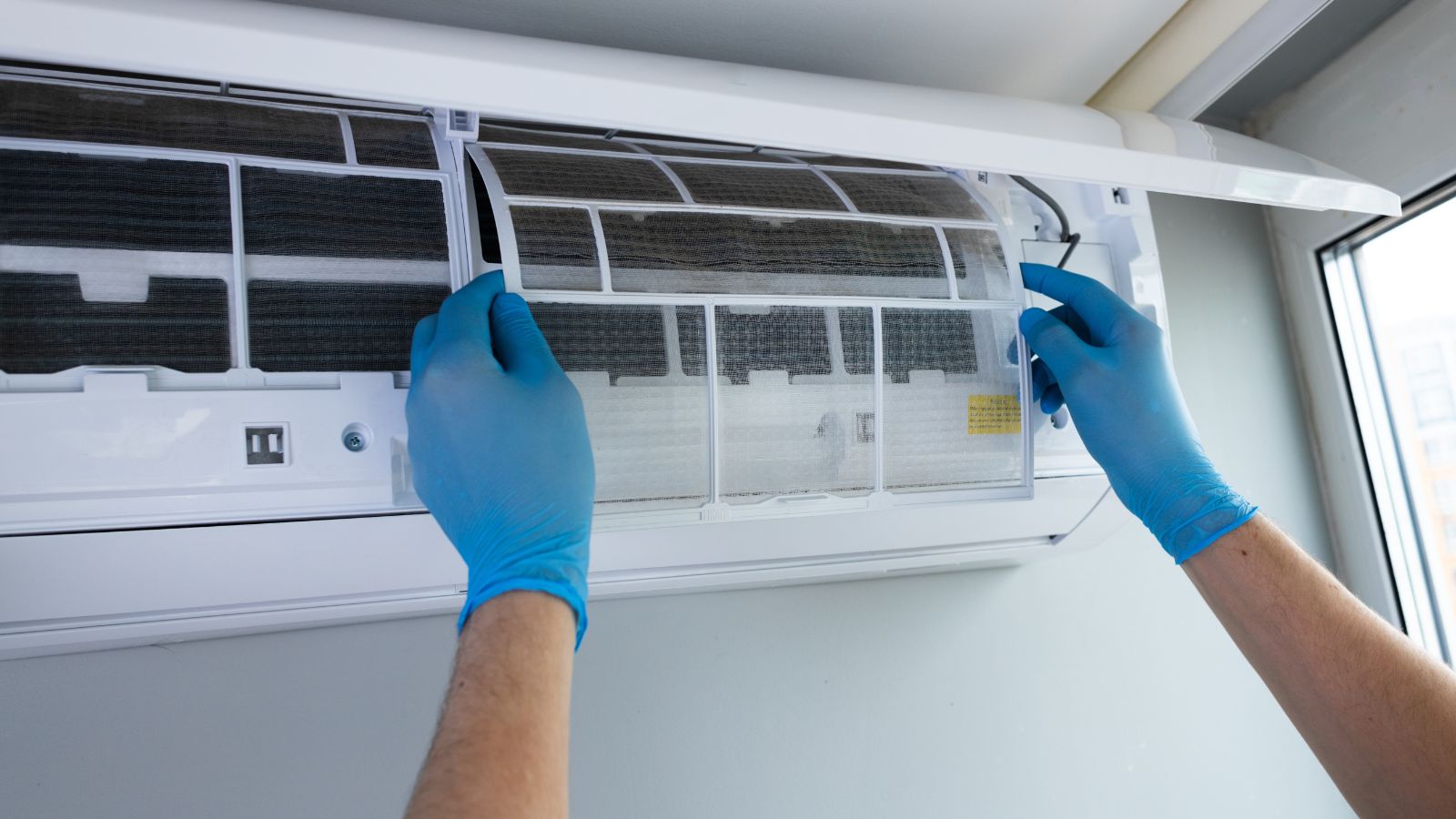
Cooling equipment often runs hardest during heat waves, precisely when a dirty filter is most restrictive. Reduced airflow can weaken cooling performance, increase operating time and allow dust to accumulate inside the system. Homeowners sometimes lower the thermostat repeatedly because rooms feel warm, without recognizing that the equipment is struggling to move air. BC Hydro has reported that 20 per cent of residents in one study had never changed their air-conditioner filter, illustrating how easily this routine task is overlooked.
Filters should be cleaned or replaced according to the manufacturer’s instructions, with more frequent attention sometimes needed in homes with pets, renovations or heavy dust. Return-air grilles and supply registers should remain unobstructed. Filters that are too restrictive for the system can also create problems, so the highest-rated product is not automatically the best choice. Summer maintenance can include checking condensate drainage and arranging professional service when the unit makes unusual noises, cycles excessively or fails to cool evenly. A relatively inexpensive filter should not be allowed to become the reason a major mechanical system operates poorly through the hottest weeks of the year.
Crowding Outdoor Cooling Equipment With Plants and Storage

An outdoor heat-pump or air-conditioning unit needs space to move air. Shrubs, tall grass, fallen leaves, patio furniture and renovation materials can gradually crowd the cabinet. The unit may still operate, but restricted airflow can reduce performance and cause it to run longer. Grass clippings blown directly into the coil during mowing can create another layer of obstruction. In some homes, the equipment becomes an unofficial storage area for garden tools or children’s toys simply because it occupies a convenient corner.
Federal housing maintenance guidance calls for clearance around mechanical equipment, while utilities advise keeping cooling components clean. Vegetation should be trimmed without damaging wiring, refrigerant lines or the coil’s delicate fins. Homeowners should shut off power according to manufacturer instructions before performing permitted cleaning, and aggressive pressure washing should be avoided. The top of the unit should also remain clear. A useful comparison is breathing through a clean screen versus a blanket: the machine may continue working, but it must work harder. Keeping the area open protects airflow, simplifies professional servicing and reduces the chance that unnoticed debris remains in place until the next heat wave.
Letting Basement Humidity Stay High All Summer

A basement can feel cool while still holding excessive moisture. Warm outdoor air entering through open windows may cool against basement surfaces, raising relative humidity and creating condensation on pipes, walls and floors. Cardboard boxes, carpeting and furniture placed tightly against exterior walls can trap that dampness. The first warning may be an earthy odour rather than visible mould, which makes it tempting to use air freshener instead of addressing the moisture source.
Health Canada recommends maintaining indoor relative humidity between 30 and 50 per cent and using a dehumidifier when needed. Its guidance also notes that mould can begin growing in excessively damp areas within 48 hours. A basic hygrometer can show whether a basement is actually dry rather than merely cool. Dehumidifiers need clean filters, unobstructed airflow and reliable drainage; a full collection bucket provides no protection after the machine shuts off. Summer inspections should also look for plumbing condensation, leaks and water staining. One damp corner behind stored boxes can quietly affect belongings and wall materials for months before it becomes visible from the centre of the room.
Ignoring Loose, Rotted or Weathered Deck Components
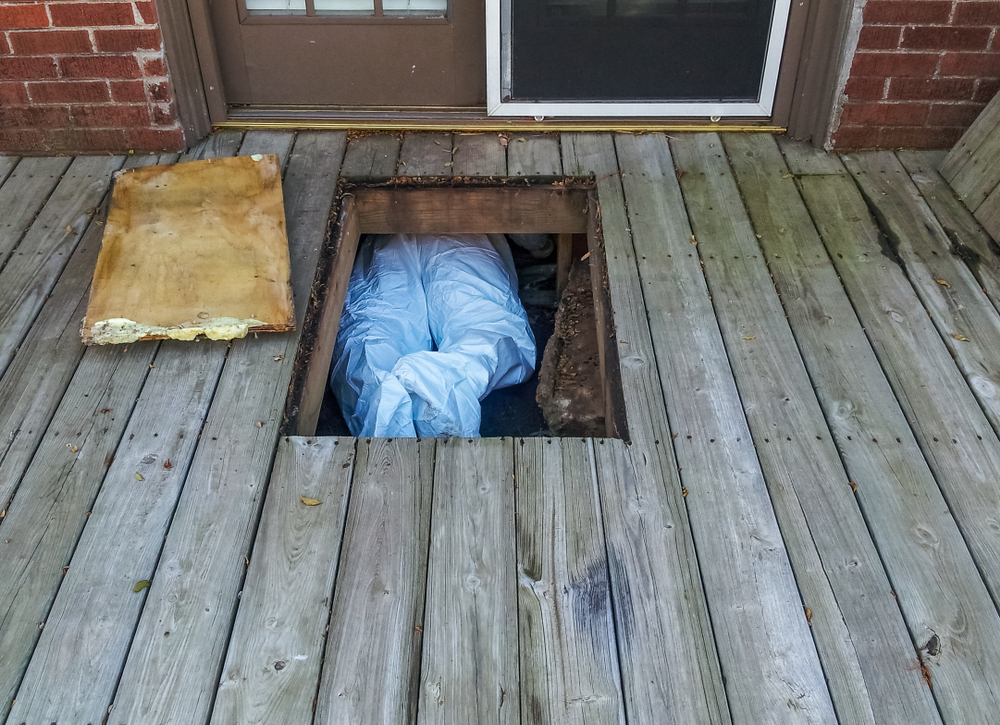
A deck can look acceptable from above while deterioration develops around fasteners, posts, beams and connections beneath it. Loose railings, soft boards and corroded hardware are safety concerns, not simply cosmetic defects. Dirt and organic debris trapped between boards can hold moisture, while aggressive pressure washing may damage wood fibres. Applying a fresh coating over damp, dirty or deteriorated material can hide problems without correcting them.
Older Canadian decks deserve particular care. Health Canada notes that residential decks and fences built before 2004 may contain chromated copper arsenate-treated lumber and recommends monitoring older treated wood for rot, scraped surfaces and other damage. Such wood should never be burned, and sanding or cutting requires appropriate precautions. Summer maintenance should include checking stairs, guards, ledger connections and areas where wood remains close to soil. Finishes should be selected and applied according to the wood type and manufacturer’s directions rather than on a fixed annual schedule. A board that feels slightly springy during a barbecue may be an early warning that water has been affecting the structure for several seasons.
Waiting for a Storm Before Assessing Trees

Healthy-looking trees can contain dead limbs, weak unions, decay or root problems that are difficult to judge from the ground. Summer foliage may add weight and catch strong winds, while branches rubbing against shingles can damage roof surfaces even without falling. Trees may also interfere with service lines, gutters and exterior walls. Homeowners sometimes postpone professional assessment because removing a branch feels expensive, only to face emergency removal and property repairs after a storm.
Insurance Bureau of Canada guidance recommends regular inspection by a qualified professional when trees show signs of illness or damage. Insurance commonly responds to sudden wind or lightning damage, but neglect can create liability questions, particularly when a dead or obviously hazardous tree affects a neighbouring property. Homeowners should document concerns involving municipal or neighbouring trees and avoid climbing or cutting near electrical lines. A cracked limb hanging over a roof is easier to address on a calm summer morning than during high winds. Proactive pruning can also protect fences, sheds, decks and parked vehicles that may not be considered until the branch is already on the ground.
Stacking Firewood and Decaying Material Against the House

Firewood, old landscape timbers, buried stumps and damp decorative wood can create favourable conditions for carpenter ants and other pests. Carpenter ants do not eat wood, but they excavate galleries in it and often prefer moist or decaying material. Health Canada identifies common entry points such as foundation openings, utility lines, attached wooden structures and branches touching the building. Bringing infested firewood indoors can provide another route.
Wood piles should be stored away from the sides of the house and inspected before pieces are brought inside. Decaying lumber, stumps and construction scraps should not remain against foundations or beneath decks. Mulch and decorative bark should be managed so they do not trap constant moisture against vulnerable wood. Piles of sawdust-like shavings, rustling sounds inside walls or repeated trails of large ants may justify professional investigation. Spraying visible ants without correcting moisture or removing the nest source may provide only temporary relief. A summer cleanup of one damp storage corner can prevent pests from becoming established in structural wood that is much harder to reach.
Forgetting the Dryer Vent Beyond the Lint Screen
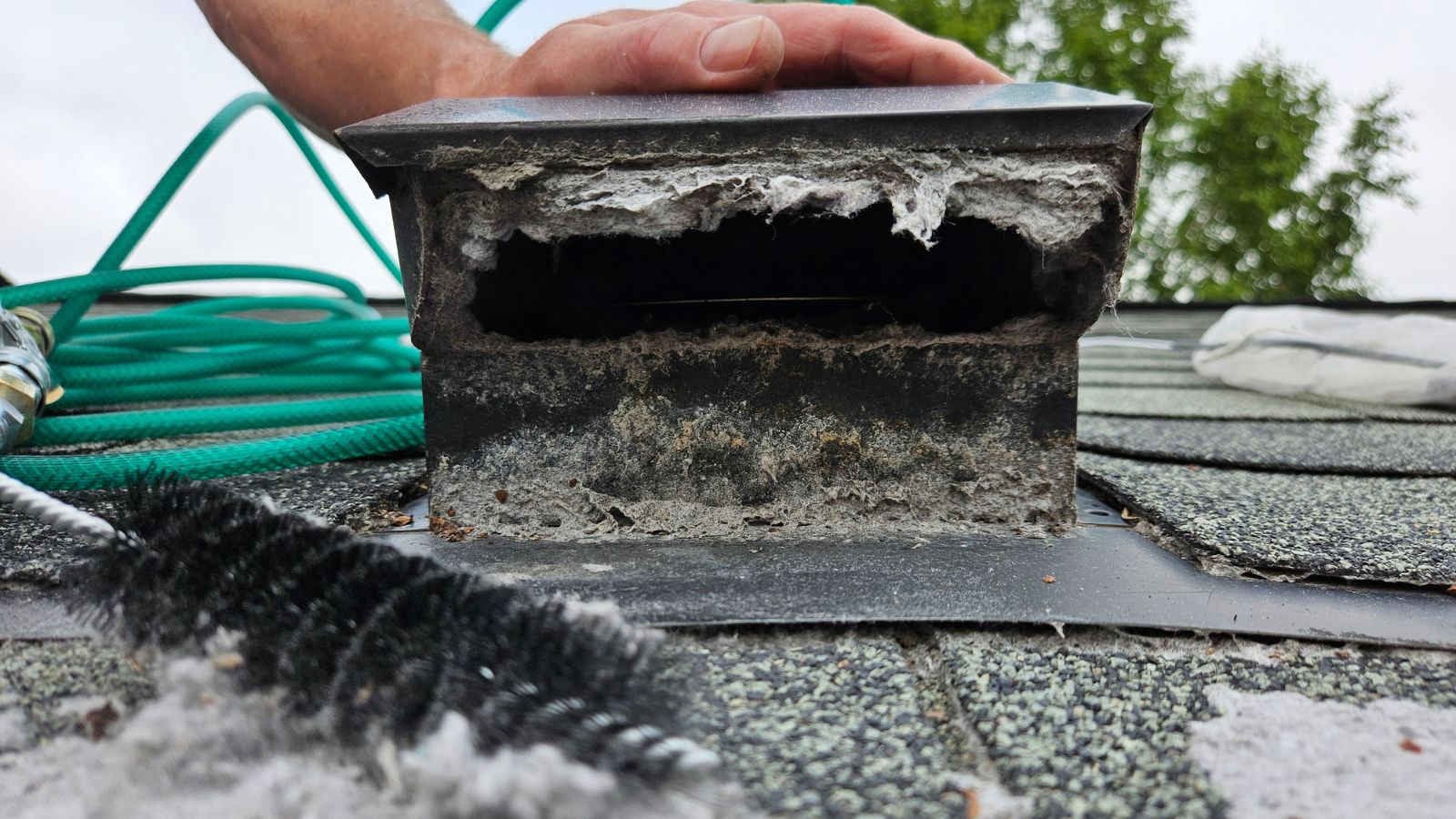
Cleaning the lint screen is important, but it does not remove lint that has accumulated in the exhaust duct or exterior hood. A crushed flexible hose, long duct run, blocked flap or nest at the outside opening can reduce airflow. Clothes may take longer to dry, the appliance may become hotter and moisture may remain in the laundry area. Homeowners sometimes respond by running another cycle, increasing both energy use and heat buildup without addressing the blockage.
Health Canada warns that lint left in dryer screens and exhaust piping can ignite at high temperatures. It recommends ensuring the dryer vents outdoors, cleaning the lint tray after each use and routinely checking the outside vent for buildup and obstructions such as foliage. Summer is an ideal time to inspect the exterior hood while it is accessible. The flap should open when the dryer runs, and joints should be secured with suitable foil tape rather than ordinary cloth duct tape. Persistent slow drying, excessive heat or a burning smell warrants immediate attention. A dryer vent is a hidden mechanical pathway, not a permanent installation that can be forgotten after moving in.
Delaying Chimney and Fireplace Inspection Until Winter

Many homeowners do not think about a fireplace until the first cold evening, when inspection appointments may already be difficult to obtain. Chimneys can develop creosote buildup, damaged liners, blocked flues, deteriorated masonry or animal nests during periods of inactivity. Fuel-burning equipment that is not venting properly can create fire and carbon-monoxide risks. A fireplace that appeared to work last winter is not automatically ready for another season.
Natural Resources Canada recommends annual inspection of solid-fuel-burning equipment and chimneys, with cleaning as often as necessary. Health Canada similarly advises yearly professional inspection of fuel-burning appliances, chimneys and flues. Summer scheduling gives homeowners time to repair cracked crowns, damaged flashing or missing caps before cold weather. It also allows masonry work to cure under appropriate conditions. A bird nest discovered in August is an inconvenience; the same obstruction discovered after smoke enters a living room in November is an emergency. Even rarely used fireplaces require attention because weather and animals can affect the venting system when no fire is burning.
Failing to Test Smoke and Carbon-Monoxide Alarms
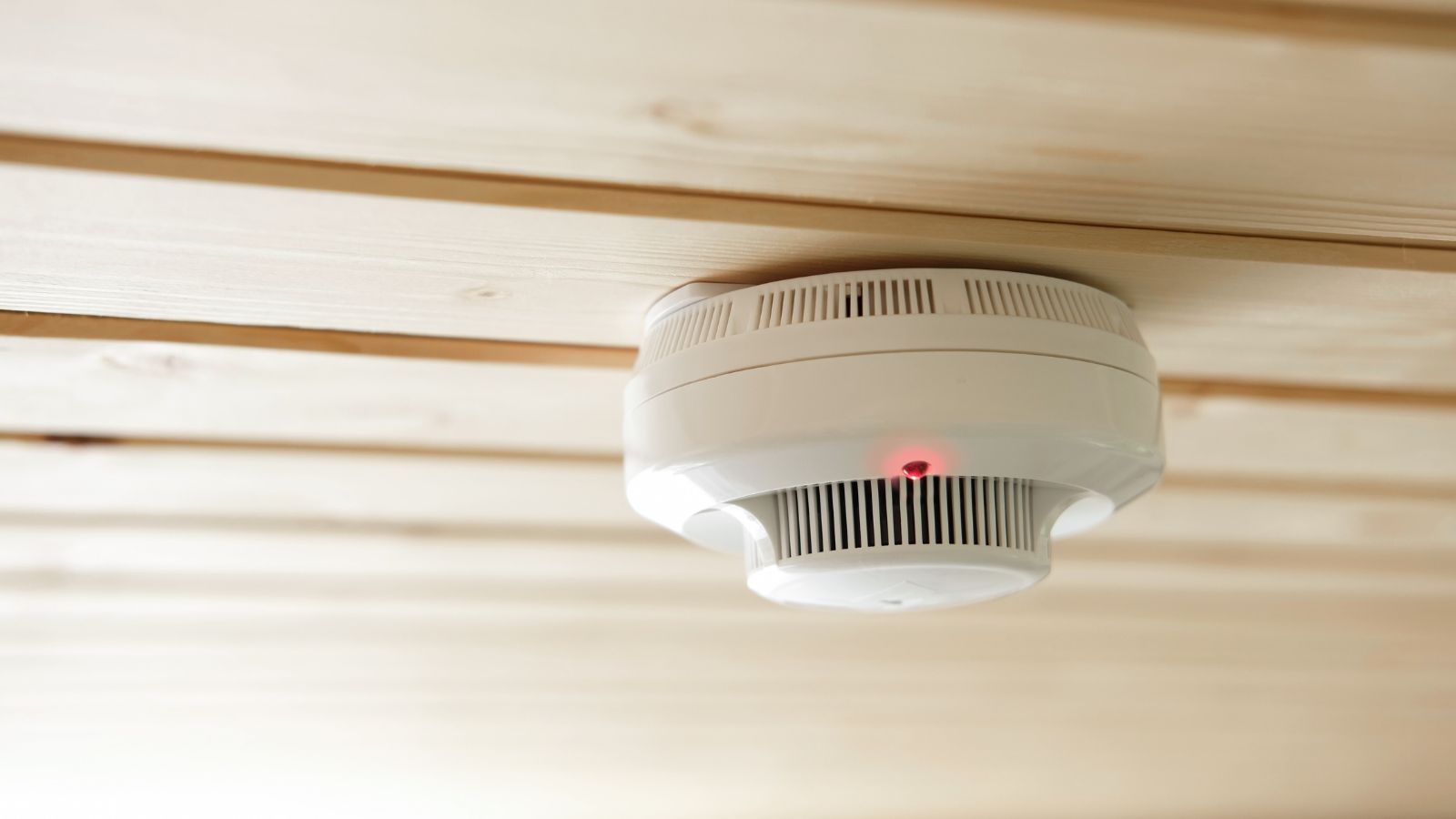
Alarms can remain silent for years, which makes them easy to treat as permanent fixtures rather than active safety equipment. Batteries weaken, sensors age, dust accumulates and products may be removed during painting or renovations and never reinstalled. A brief chirp is sometimes silenced by removing the battery, especially during a busy summer night, leaving the household unprotected long after the immediate annoyance is forgotten.
Health Canada recommends testing smoke alarms every month and replacing units more than 10 years old. It also advises installing alarms in bedrooms, outside sleeping areas and on every level in accordance with applicable codes. Carbon-monoxide alarms serve a different purpose and are essential near sleeping areas, particularly in homes with fuel-burning appliances or attached garages. Summer maintenance should include checking manufacture dates, certification marks and replacement instructions rather than merely pressing one button. Families can combine testing with a review of escape routes and meeting locations. The cost of replacing an expired alarm is minor compared with the consequence of discovering during an emergency that it could no longer provide a warning.
Believing Insurance Will Pay for Deferred Maintenance

Home insurance is designed mainly for sudden and unexpected events, not for deterioration that develops gradually. A storm may damage a properly maintained roof, but an insurer is not expected to replace shingles simply because they have reached the end of their service life. Similarly, water entering through a long-neglected crack, repeated seepage or worn sealant may be treated differently from damage caused by an abrupt covered event.
The Financial Consumer Agency of Canada states that home insurance does not cover maintenance costs and may not cover damage caused by a lack of ongoing maintenance. Flood and sewer-backup protection may also require optional coverage, depending on the policy. Homeowners should therefore document inspections, repairs and professional recommendations with photographs, invoices and dates. Summer is a sensible time to review coverage because renovations, finished basements and new outbuildings can change insurance needs. The expensive mistake is not merely failing to clean a gutter or repair a shingle; it is assuming that a policy will erase the financial consequences after the neglected condition causes damage.
16 Costco Canada Habits That Could Be Costing Shoppers More Than They Save

The Executive Membership can feel like an obvious upgrade because the 2% annual reward sounds straightforward. For households that spend heavily at Costco Canada, the extra fee may be easy to justify. But the habit becomes costly when shoppers upgrade first and calculate later. A Gold Star Membership costs less, while Executive costs more and only pays off if eligible annual spending is high enough to offset the difference.
16 Costco Canada Habits That Could Be Costing Shoppers More Than They Save
This Options Discord Chat is The Real Deal
While the internet is scoured with trading chat rooms, many of which even charge upwards of thousands of dollars to join, this smaller options trading discord chatroom is the real deal and actually providing valuable trade setups, education, and community without the noise and spam of the larger more expensive rooms. With a incredibly low-cost monthly fee, Options Trading Club (click here to see their reviews) requires an application to join ensuring that every member is dedicated and serious about taking their trading to the next level. If you are looking for a change in your trading strategies, then click here to apply for a membership.