
35,000+ smart investors are already getting financial news, market signals, and macro shifts in the economy that could impact their money next with our FREE weekly newsletter. Get ahead of what the crowd finds out too late. Click Here to Subscribe for FREE.
A phone bill often looks routine until one small line changes the total. A disappearing promotion, roaming activation, forgotten device payment, or unused add-on can turn an ordinary monthly charge into a lasting budget leak. That risk is especially easy to miss when statements are paid automatically and reviewed only after the money has left the account.
These 16 practical checks help Canadians examine the contract, usage, discounts, device costs, travel charges, payment settings, and complaint options before the next bill is finalized. The goal is not simply to find an error. It is to understand what every charge represents, catch upcoming increases, and decide whether the current plan still delivers fair value.
Compare Three Bills, Not One
16 Things Canadians Should Do Before Their Next Phone Bill
- Compare Three Bills, Not One
- Match the Bill to the Contract
- Mark Every Promotion End Date
- Separate Service From Device Costs
- Check Data Before It Becomes Overage
- Audit Every Roaming Day
- Review Shared-Account Permissions
- Remove Forgotten Add-Ons
- Separate Long Distance From Roaming
- Verify Every Promised Credit
- Compare Current Market Options
- Reconsider Prepaid Versus Postpaid
- Use the Trial Period in Time
- Protect the Number When Switching
- Check Automatic Payment Before Withdrawal
- Document and Escalate Billing Errors
- 19 Things Canadians Don’t Realize the CRA Can See About Their Online Income

Start by opening the current bill beside the previous two or three statements. Compare the total, the base plan, device payment, taxes, discounts, and every line labelled “other,” “usage,” or “adjustment.” A small increase can look harmless until it repeats before taxes, interest, or future price increases appear. A $6 monthly change becomes $72 over a year, while a forgotten $12 add-on quietly reaches $144.
This check matters because billing remains the leading telecom complaint category in Canada. The national complaints body accepted 23,647 telecom and television complaints in its 2024–2025 reporting year, with billing issues rising 16 per cent. Treat an unfamiliar amount as a question, not an unavoidable cost. Highlight the first month it appeared, note whether it is recurring, and confirm whether it matches any recent upgrade, travel period, support call, or contract change. A three-bill comparison often reveals patterns that a single statement hides.
Match the Bill to the Contract

Find the permanent copy of the wireless contract and its Critical Information Summary before reviewing the new charge. That summary should identify the total monthly price, optional services, one-time fees, data limits, trial-period details, and complaint information. It is designed to fit within two pages, making it a faster reference than scrolling through promotional emails or relying on what a salesperson said.
Place the summary beside the latest bill and match each recurring line. The plan price should correspond with the agreed minimum monthly charge, while optional features should be recognizable and authorized. For example, a customer who remembers agreeing to a $55 plan may discover that the original paperwork lists a $65 charge reduced by a temporary $10 credit. That distinction explains the bill but also exposes the real long-term price. Save the contract locally as a PDF so its terms remain available if an online account changes later.
Mark Every Promotion End Date

Circle every discount and locate its expiry date in the contract, order confirmation, or provider account. Promotional credits can make a plan appear permanently inexpensive even when the underlying monthly rate is much higher. Several loyalty, bundle, or activation credits may also end on different dates, turning one ordinary billing cycle into an unexpected increase.
Suppose a $15 monthly credit disappears after 24 months. The next bill may rise by $15 before tax, or $180 over the next year, without any change in usage. Canadians should set a calendar reminder at least one billing cycle before each expiry and ask whether a comparable current plan is available. New federal telecom protections will require direct notice 90 days before certain promotions lasting more than three months expire, but those rules take effect on April 13, 2027. Until then, customers should not assume a separate warning will arrive outside the monthly statement.
Separate Service From Device Costs

Separate the cost of wireless service from the cost of the phone. Many statements combine a plan charge with a device instalment, tab payment, financing amount, or deferred return value. The service may be competitive even when the total bill feels high, or the reverse may be true. Knowing the split prevents an expensive handset from disguising an overpriced plan.
Check the device balance, the payoff date and amount due if the phone is kept rather than returned. Under the Wireless Code, a device-related cancellation fee generally declines over no more than 24 months. A hypothetical $960 subsidy reduced evenly over 24 months falls by $40 each month. That makes it easier to judge whether switching now, waiting several months, or paying the balance is cheaper. Also confirm whether an upgrade would restart a commitment period, add a new financing agreement, or leave an old deferred amount on the account.
Check Data Before It Becomes Overage

Open the provider’s usage tracker and compare with the phone’s mobile-data record. Focus on the current billing cycle rather than the calendar month, because those dates may differ. Streaming, cloud backups, hotspot use, navigation, and app updates can consume data without appearing unusual day to day. A household plan should be checked by line, not only by the shared total.
The Wireless Code caps data overage charges at $50 per billing cycle unless the account holder or an authorized user expressly agrees to pay more. That protection limits bill shock, but it does not make overage good value. The CRTC reports that mobile prices have generally declined since 2020 while consumers have moved toward larger data packages. If a plan runs short, compare the annual cost of overages with the price of a larger plan. If usage is consistently low, the better move may be reducing the allowance instead.
Audit Every Roaming Day

Review any travel dates that fall inside the billing period, including border trips, connections, cruises, and time near the United States. A phone can connect to a foreign network even when the owner did not intend to roam. Check which line travelled, when the first roaming session appeared, and whether a daily travel feature activated more than once.
Canadian providers must cap data-roaming charges at $100 per billing cycle unless additional charges are expressly authorized. Daily roaming options and roaming add-ons count toward that cap, so several activations can still create a sizable total. Before the bill closes, compare the charged days with passport stamps, itineraries, and the device’s data history. Ask the provider to explain any day with no meaningful use. For future travel, consider airplane mode, manual network selection, a travel eSIM, or a pre-purchased package after comparing the full trip cost rather than the advertised daily rate.

Check who is permitted to approve extra charges on a family account. By default, the account holder controls consent for data overage and roaming beyond the Wireless Code caps, but another device user can be authorized. Families sometimes grant permission during travel or an emergency and forget it remains attached to the line.
Review every authorized user before the next bill is issued. A teenager, employee, former partner, or child may need account access without needing authority to accept more spending. The distinction matters because the $50 data-overage cap and $100 data-roaming cap apply to the entire account, not separately to every device. One approval can therefore affect several lines. Ask the provider to list authorized users, remove outdated permissions, and confirm which actions each person can take. Then establish a household rule: unexpected data warnings should go to the person responsible for payment before anyone agrees to additional charges.
Remove Forgotten Add-Ons

Scan for optional services, device protection, premium messages, voicemail packages, visual voicemail, international add-ons, and data passes. Some were useful initially but no longer match habits. Others may have been added during a rushed upgrade and forgotten once the first bill arrived. A $9 feature costs $108 a year before tax, enough to justify a careful review.
The Wireless Code says providers cannot charge for a device or service that the account holder or an authorized user did not expressly purchase. It also requires providers to explain how to unsubscribe when customers ask about mobile premium-service charges. Before paying, identify who approved each add-on, when it began, and whether a free trial converted to a paid feature. For device insurance, compare the monthly premium, deductible, exclusions, replacement conditions, manufacturer warranty, and any coverage already offered by a credit card. Cancel only after confirming the protection is genuinely duplicated or unnecessary.
Separate Long Distance From Roaming

Separate international long-distance charges from roaming charges. Roaming involves using another network while outside the provider’s normal network area; calling another country from inside Canada is billed under long-distance or pay-per-use terms instead. The difference is missed because both may appear under an “international” heading, yet different rates and protections apply.
Review the destination number, call length, messaging type, and the location of the device when the charge occurred. A ten-minute call billed at $2 per minute becomes $20, while an international calling add-on costing less could have covered the same conversation. Messaging apps may also use mobile data if Wi-Fi is unavailable, creating a separate data cost. Before the billing cycle closes, confirm whether frequently called countries are included in the plan and whether accidental dialling can be blocked. For relatives who call abroad regularly, compare pay-per-use rates with a monthly add-on based on realistic minutes, not promotional assumptions.
Verify Every Promised Credit
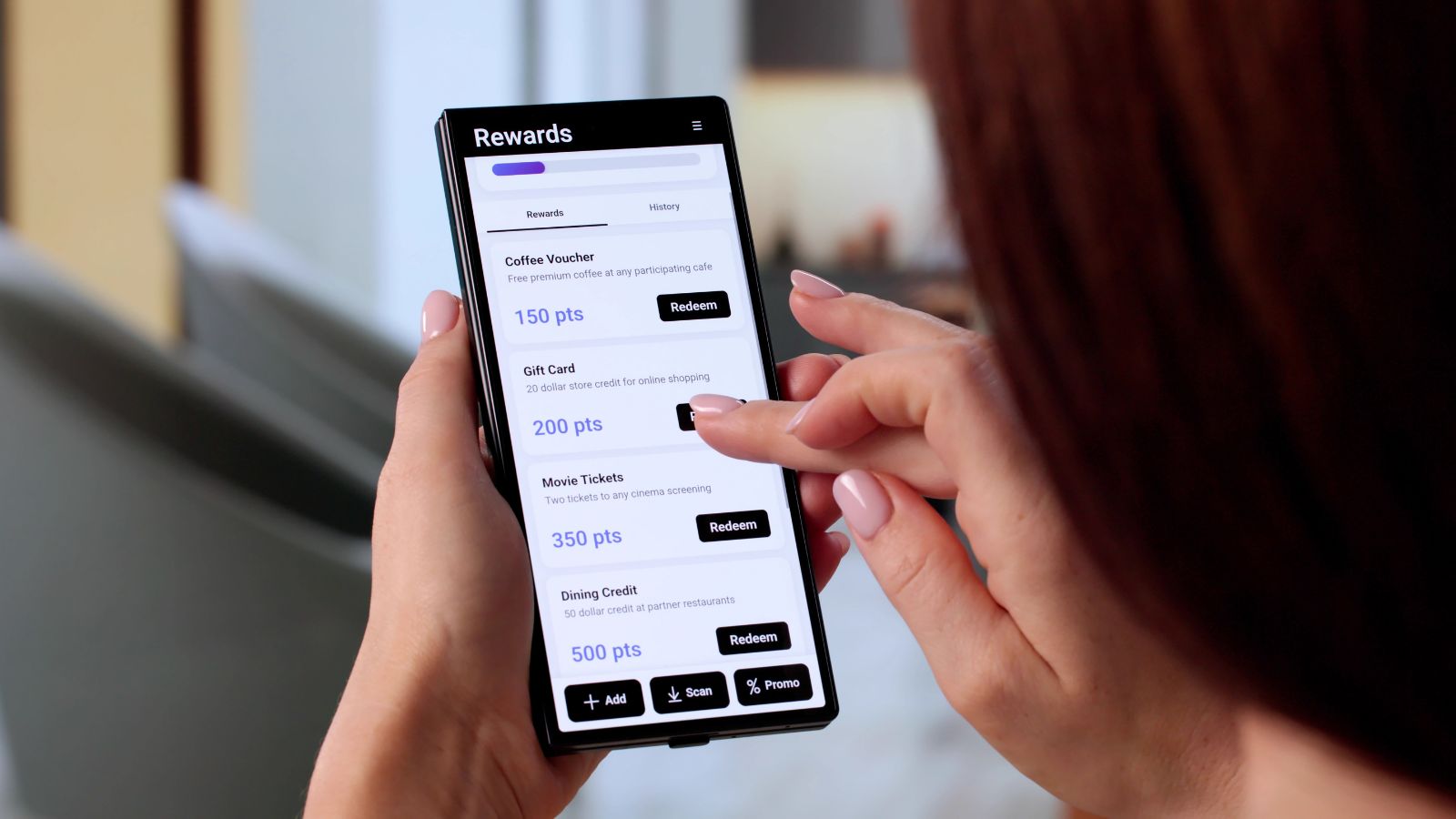
Verify every credit, adjustment, and bundle discount promised during the last support call, renewal, or upgrade. Representatives may quote a net price that depends on several separate credits appearing on different parts of the statement. One missing $5 loyalty credit can be overlooked when a promotion still makes the total seem reasonable. Keep the confirmation or chat transcript beside the bill.
Check whether each credit has the correct amount, start date, duration, and eligibility condition. A mobile discount tied to home internet, for example, may disappear after a move, cancellation, or account-name change. Multiply each missing monthly credit by its promised term to understand the full value of the dispute: $10 for 24 months equals $240. Contact the provider before the bill is paid, request a case number, and ask for confirmation of any correction. Avoid accepting a one-time courtesy credit when the underlying recurring discount is still absent.
Compare Current Market Options

Compare the current plan with offers available today, including bring-your-own-device, prepaid, flanker-brand, regional, and low-cost options. Do not compare only the headline price. Match the data allowance, speed limits, hotspot access, coverage, international features, voicemail, activation costs, and device obligations. A cheaper plan that removes a necessary feature may not produce a real saving.
The CRTC reports that prices for most mobile plans have fallen since 2020 while data use has increased, so an older plan is not automatically a loyalty bargain. Government-supported low-cost and occasional-use options also exist for lighter users, although eligibility, availability, and features should be confirmed directly. Build a simple annual comparison: monthly price multiplied by 12, plus one-time fees and any device payoff. A $7 monthly reduction saves $84 a year; a $60 setup fee consumes most of the first-year gain. The strongest comparison uses total annual cost overall, not merely the first invoice received.
Reconsider Prepaid Versus Postpaid

Consider whether postpaid service still fits the household’s habits. Prepaid plans purchase service in advance, which can make spending more predictable for a light user, a child’s first phone, an emergency device, or someone who rarely needs mobile data. Postpaid service may suit people who want financing, larger shared plans, or usage billed after the fact.
Compare the full conditions rather than assuming prepaid is always cheaper. Check top-up expiry rules, automatic renewal, data speed, roaming, customer support, number portability, and whether unused balances carry forward. The Wireless Code protects both prepaid and postpaid customers, but some provisions operate differently. For example, providers must disclose the conditions and fees attached to prepaid balances, and customers must be given at least seven days to top up after a commitment period expires to keep an active account and existing balance. A one-month usage test can reveal which structure better matches actual needs.
Use the Trial Period in Time

If a recent activation or upgrade is disappointing, check whether the trial period is still open before another bill arrives. Coverage problems at home, weak reception along a commute, poor battery life, or an uncomfortable device may become obvious only after several days. Waiting for the next invoice can push the account beyond a cancellation window.
The Wireless Code requires a minimum 15-day trial period when a contract carries an early cancellation fee. Customers can cancel without that fee if they stay within the permitted usage and return the device in near-new condition with its packaging. People who self-identify as having a disability receive at least 30 days and higher permitted usage. Test the service in the places that matter, document dropped calls or dead zones, and preserve the box and receipt. A trial period is most useful when treated as an evaluation deadline, not a return policy discovered afterward.
Protect the Number When Switching

Prepare the switch carefully if another provider offers better value. Do not cancel the old service first when keeping the phone number. The CRTC advises customers to tell the new provider that they want to retain the number; the new company then handles the transfer while the original service remains active.
Before moving, calculate the remaining device balance, confirm the final billing date, download old statements, and remove any services that should not transfer. Check voicemail messages and account contacts because access may change quickly. A household with four lines should plan the order of transfer so no number is stranded. Number transfers generally require account information, and a mismatch can delay the process. Once the port is complete, inspect the final bill for partial-month charges, device amounts, roaming, and credits. Keeping screenshots of the quoted new price also creates a clean starting record for the next billing cycle.
Check Automatic Payment Before Withdrawal

Confirm the payment method, withdrawal date, and available balance before automatic payment occurs. A pre-authorized debit lets the biller withdraw the amount due from a bank account, while an automatic bill payment may be arranged independently through online banking. Knowing which method is active matters when changing accounts, disputing a charge, or expecting a variable bill.
Federal consumer guidance says a biller using a variable pre-authorized debit generally must provide written notice of the amount at least 10 days before withdrawal unless that notice period was waived or shortened. Check the agreement and compare the scheduled debit with the statement total. An incorrect withdrawal can trigger overdraft or non-sufficient-funds costs elsewhere. Cancelling the debit does not cancel the phone contract or erase the amount owed, so arrange another payment method at the same time. Save confirmation of any banking change and review the account promptly afterward, after the withdrawal date.
Document and Escalate Billing Errors

Raise a billing problem before the next statement turns it into a recurring dispute. Start with the provider and present a concise record: bill date, disputed line, amount, contract term, screenshots, previous case numbers, and the exact correction requested. Ask whether the charge will continue while the investigation is open and whether payment of the undisputed portion will keep the account in good standing.
If the provider cannot resolve the issue, the Commission for Complaints for Telecom-television Services offers complaint resolution for Canadian phone, internet, and television customers. Its latest midyear report said 88 per cent of concluded complaints were resolved, while wireless represented 56 per cent of issues. Keep notes of every conversation and request outcomes rather than verbal promises. After any adjustment, inspect the next bill to confirm both the credit and the removal of the underlying charge. A refund without a permanent fix simply postpones the problem.
19 Things Canadians Don’t Realize the CRA Can See About Their Online Income

Earning money online feels simple and informal for many Canadians. Freelancing, selling products, and digital services often start as side projects. The problem appears at tax time. Many people underestimate how much information the CRA can access. Online platforms, banks, and payment processors create detailed records automatically. These records do not disappear once money hits an account. Small gaps in reporting add up quickly.
Here are 19 things Canadians don’t realize the CRA can see about their online income.
This Options Discord Chat is The Real Deal
While the internet is scoured with trading chat rooms, many of which even charge upwards of thousands of dollars to join, this smaller options trading discord chatroom is the real deal and actually providing valuable trade setups, education, and community without the noise and spam of the larger more expensive rooms. With a incredibly low-cost monthly fee, Options Trading Club (click here to see their reviews) requires an application to join ensuring that every member is dedicated and serious about taking their trading to the next level. If you are looking for a change in your trading strategies, then click here to apply for a membership.