
35,000+ smart investors are already getting financial news, market signals, and macro shifts in the economy that could impact their money next with our FREE weekly newsletter. Get ahead of what the crowd finds out too late. Click Here to Subscribe for FREE.
Back-to-school season rarely arrives as a single expense. It lands alongside grocery bills, fall clothing, activity registrations, transportation costs, technology requests and the lingering balance from summer. Statistics Canada reported that average household spending on goods and services reached $76,750 in 2023, up 14.3% from 2021, illustrating how quickly ordinary expenses can accumulate.
Creating room in the budget does not have to mean cutting every enjoyable part of family life. It often means identifying costs that no longer deliver enough value. These 17 practical cuts focus on recurring charges, convenience spending, premature purchases and overlooked fees that can quietly consume money needed for school supplies and September routines.
Frequent Food Delivery and Takeout
17 Things Canadian Families Should Cut Before Back-to-School Season Hits
- Frequent Food Delivery and Takeout
- Convenience Groceries That Inflate the Basket
- Bulk Purchases Without a Meal Plan
- Subscription Creep
- Impulse Purchases Disguised as Deals
- Brand-Name School Supplies Where Generics Work
- Premature Fall Clothing Hauls
- Oversized Mobile Plans
- Credit Card Balances Carried Into September
- Buy Now, Pay Later Purchases
- Avoidable Bank Fees
- Extracurricular Activities Nobody Enjoys Anymore
- Automatic Technology Upgrades
- Fragmented Car Trips and Routine Ride-Hailing
- Daily Café Drinks and Convenience Snacks
- Unnecessary Cooling and Electricity Use
- Replacing Reusable School Gear Too Early
- 19 Things Canadians Don’t Realize the CRA Can See About Their Online Income

Takeout can rescue a chaotic evening, but its convenience becomes expensive when it turns into the default dinner plan. Canadian households spent an average of $3,351 on food purchased from restaurants in 2023. That category includes full-service restaurants, fast-food outlets, cafeterias, snack bars and similar businesses. Even trimming one restaurant or delivery order each week can create noticeable room for notebooks, indoor shoes or activity fees.
The most effective cut is usually frequency rather than complete elimination. A family might keep Friday pizza while replacing rushed weekday orders with freezer meals, breakfast-for-dinner or a large batch of pasta. Delivery charges, service fees and tips can make the final total substantially higher than the menu price. Canada’s Food Guide also notes that cooking more often can reduce money spent on meals away from home. The objective is not perfection; it is preventing convenience spending from becoming an invisible weekly subscription.
Convenience Groceries That Inflate the Basket

Pre-cut fruit, single-serving snacks, prepared vegetables and individually packaged lunch items save time, but families often pay extra for that preparation and packaging. Canadian households spent an average of $8,659 on food purchased from stores in 2023. With a grocery category that large, small differences in unit prices can matter over an entire school year.
Health Canada recommends comparing unit prices rather than relying only on the price printed in large type. A larger package is not automatically the better value, and a sale price does not always beat a store brand. Families can cut convenience premiums selectively by portioning crackers, yogurt or fruit at home while retaining a few genuinely useful prepared items for busy mornings. One practical approach is to prepare several lunch components on Sunday evening. That preserves much of the convenience without paying for dozens of individually wrapped portions every week.
Bulk Purchases Without a Meal Plan

Warehouse packages can look economical until part of the purchase spoils, goes stale or sits untouched in a cupboard. The lower unit price only produces savings when the household actually uses the entire quantity. A family buying oversized containers of fruit, bread or lunch meat may discover that the “bargain” generated more waste than usable meals.
Canada’s Food Guide recommends planning meals, checking existing supplies and deliberately using food already at home before it goes to waste. The scale of the issue is significant: Statistics Canada reported that food accounted for 52% of the organic materials diverted by Canadian waste-management facilities in 2022, representing about 1.6 million tonnes. Families can cut speculative bulk buying by reserving it for stable favourites, freezer-friendly foods and non-perishable staples. Before purchasing a large package, it helps to identify the specific breakfasts, lunches or dinners it will support rather than assuming someone will eventually eat it.
Subscription Creep

Streaming services, gaming memberships, cloud storage, premium apps and delivery programs can remain attached to a credit card long after their usefulness fades. Because the amounts are usually modest and automatic, several subscriptions can coexist without attracting the same attention as one large bill. Back-to-school preparation is a sensible time to inspect every recurring charge from the previous two or three months.
Canada’s Competition Bureau has warned about subscription traps in which a free or inexpensive trial turns into a monthly charge. It recommends reviewing statements for recurring or unfamiliar transactions and documenting attempts to cancel unwanted services. A family does not necessarily need to cancel everything. Rotating entertainment services, downgrading unused storage or removing duplicate music accounts may be enough. The important step is requiring each subscription to justify its place in the September budget instead of allowing automatic renewal to make the decision.
Impulse Purchases Disguised as Deals

Seasonal sales can create the impression that declining a purchase means losing money. In reality, a discounted item that was never needed still increases household spending. Back-to-school advertising intensifies this pressure by attaching urgency to clothing, electronics, organization products and décor that may have little connection to the school’s actual requirements.
The Financial Consumer Agency of Canada recommends slowing down purchase decisions, avoiding unnecessary visits to shopping sites and waiting before buying non-essential items. Its financial education material suggests sleeping on smaller purchases and applying a longer waiting period to major ones. Families can also remove stored payment details, unsubscribe from promotional messages or keep potential purchases in an online cart overnight. A useful test is whether the item appeared on the family’s list before the promotion appeared. If the sale created the desire, rather than simply lowering the price of a planned purchase, skipping it is often the better deal.
Brand-Name School Supplies Where Generics Work

A recognizable logo can matter to children, particularly when classmates are discussing trends, but it does not need to appear on every pencil, binder and package of paper. In the Retail Council of Canada’s 2024 back-to-school research, 85.7% of participating shoppers expected to spend the same amount or more than the previous year. The research also found that shoppers were divided between familiar brands and value-oriented choices.
Families can preserve room for one or two meaningful preferences while choosing basic alternatives elsewhere. A student may care deeply about a particular backpack but have no opinion about the brand of loose-leaf paper inside it. Comparing unit prices is especially useful for pens, notebooks, glue and other supplies purchased in multiples. It also helps to wait for the teacher’s confirmed list. Buying a complete collection based on a generic online checklist can produce duplicates or products that the classroom never requires.
Premature Fall Clothing Hauls

Children can grow between an August shopping trip and the first genuinely cold week of autumn. Buying an entire fall wardrobe before checking fit, school rules and existing clothing can produce unworn items or require a second round of purchases. Statistics Canada reported that Canadian households spent an average of $2,739 on clothing and accessories in 2023, while economy-wide household spending on clothing and footwear reached $60.3 billion.
A smaller first-day wardrobe is often sufficient. Families can inspect closets, organize hand-me-downs and identify genuine gaps before shopping. One pair of properly fitting everyday shoes may be more useful than several fashionable options bought in anticipation. Waiting also reveals which items children repeatedly reach for once school begins. The goal is not to deny necessary clothing but to cut speculative purchasing—the extra hoodies, duplicate jeans and “just in case” pieces bought before anyone knows what will actually be worn.
Oversized Mobile Plans

Mobile plans are easy to ignore because the bill arrives every month and changing providers can seem inconvenient. Yet families may continue paying for far more data than they use, particularly when several household members spend much of the day connected to home, work or school Wi-Fi. CRTC reporting has placed average Canadian mobile data use at roughly 11 gigabytes per month.
Innovation, Science and Economic Development Canada has also reported a continuing decline in the prices of many wireless and home internet plans. That makes an old plan worth comparing with current offers, even when the original contract once looked competitive. Families can review several months of actual data use, remove unnecessary roaming features and ask whether every line needs the same allowance. A plan should reflect demonstrated usage rather than the fear of running out. Even a modest monthly reduction becomes meaningful when multiplied across multiple phones and an entire school year.
Credit Card Balances Carried Into September
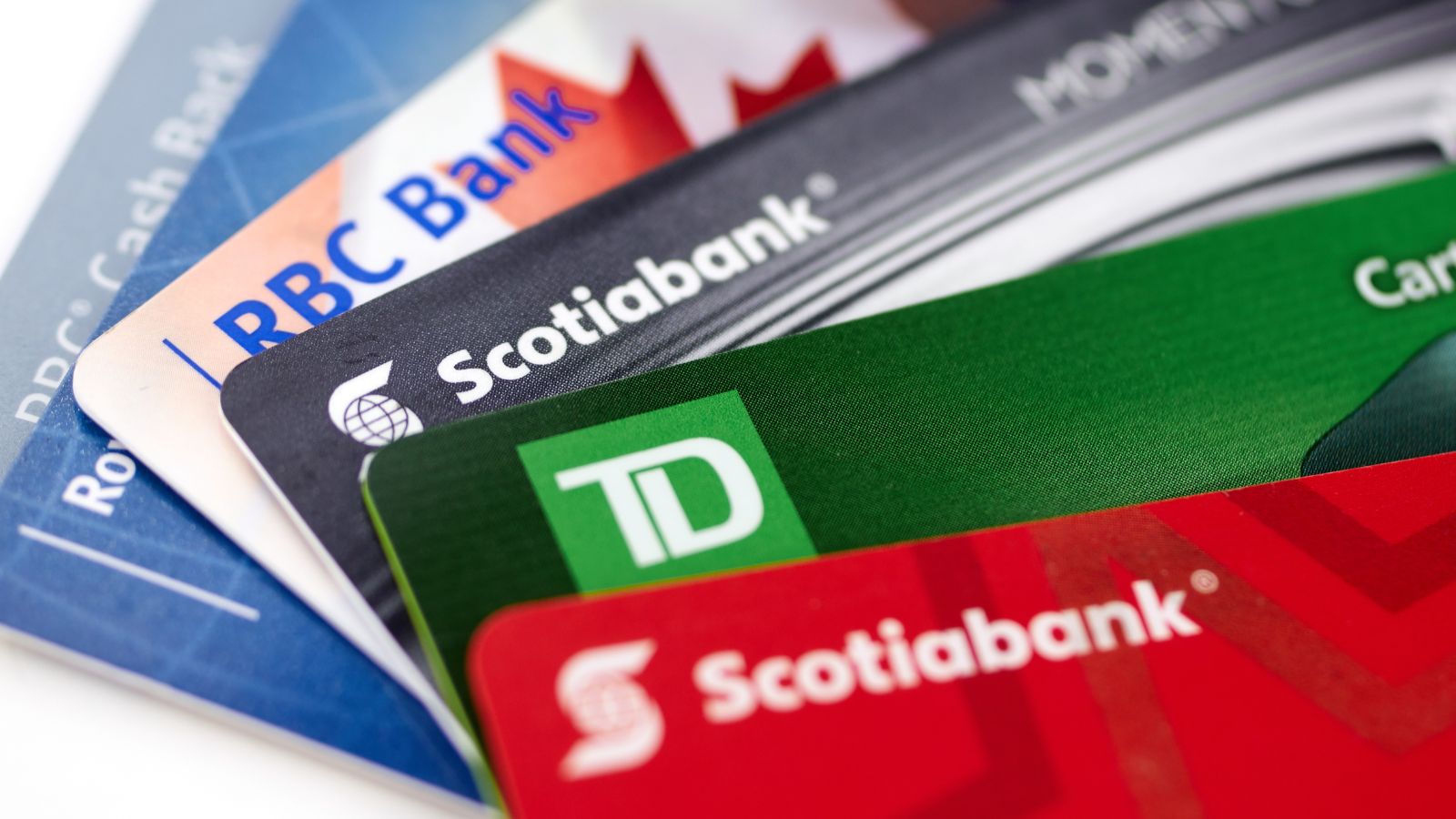
School expenses become more costly when they are added to a credit-card balance that is already accumulating interest. The Financial Consumer Agency of Canada notes that a typical card might charge approximately 19% interest on ordinary purchases and 22% on cash advances, although actual rates vary. Paying only the minimum can keep a balance alive long after the backpacks and shoes have worn out.
Before seasonal shopping begins, families can cut optional purchases and direct the difference toward reducing existing balances. Another approach is assigning a fixed cash or debit budget to school categories so the available amount is visible. Federally regulated card issuers must provide a minimum 21-day interest-free grace period for eligible purchases, but that benefit generally depends on paying the statement balance as required. A sale on supplies can quickly lose its value when the purchase remains on a high-interest card for several months.
Buy Now, Pay Later Purchases

Instalment plans can make a laptop, clothing order or large supply haul appear more affordable because the checkout page emphasizes the first payment rather than the total obligation. However, the Financial Consumer Agency of Canada classifies buy now, pay later arrangements as credit. Several small plans can overlap, leaving families with a series of automatic withdrawals just as school-related expenses intensify.
Federal research has identified over-borrowing and over-indebtedness as important potential risks associated with these services. A payment may look manageable in isolation while competing with several other instalments, subscriptions and bills. Families can cut BNPL use for discretionary school purchases and save it, if used at all, for carefully evaluated necessities with a clear repayment plan. Before accepting an offer, the full price and every scheduled payment should be added to the monthly budget. The relevant question is not whether the first instalment fits today, but whether every instalment fits later.
Avoidable Bank Fees

Monthly account charges, excess transaction fees and penalties can be treated as unavoidable simply because they have appeared for years. They are still worth reviewing. Under Canada’s modernized banking commitment, all Canadians can access a qualifying low-cost chequing account costing no more than $4 per month, while eligible groups may qualify for no-cost accounts at participating institutions.
The savings can be larger than they first appear. The Financial Consumer Agency of Canada gives the example of a $12 monthly fee being waived when an account meets its required conditions, producing annual savings of $144. Families should compare transaction limits, minimum-balance requirements and charges for transfers or withdrawals before switching. A cheaper account is only useful when it matches the household’s normal behaviour. The purpose is to stop paying for features that are not used—or paying penalties because the account’s structure no longer suits the family’s routine.
Extracurricular Activities Nobody Enjoys Anymore

Sports, music and clubs can provide valuable skills, friendships and structure. The expense becomes difficult to justify when a child consistently dreads attending, rarely participates or has outgrown the activity. Canadian households spent an average of $5,231 on recreation in 2023, an increase of 23.9% from 2021, making this a significant budget category rather than a collection of minor fees.
The full cost also extends beyond registration. Organized activities may require equipment, uniforms, transportation, tournament fees and accommodation. Cutting one poorly matched commitment can free both money and family time without eliminating enrichment. A useful conversation asks which activity the child would choose if only one could remain. Families can then investigate community programs, school clubs, equipment exchanges or lower-cost recreational leagues. The target should be overscheduling and low-value participation—not physical activity, creativity or social connection.
Automatic Technology Upgrades

Back-to-school marketing often implies that a new academic year requires a new device. In many cases, the existing laptop or tablet may only need storage cleanup, a battery replacement, updated software or an inexpensive accessory. The Retail Council of Canada describes back-to-school shopping as a Canadian market worth more than $4.5 billion, showing how strongly retailers compete for seasonal spending.
Families can cut automatic upgrades by waiting for confirmed technical requirements from the school. A premium laptop is unnecessary when the student mainly uses web-based assignments, documents and video calls. Likewise, a new tablet may add little when the school supplies devices or restricts personal electronics. Refurbished equipment, repaired devices and family hand-me-downs can remain practical options when specifications are adequate. The best device is not necessarily the newest one; it is the least expensive reliable tool that can complete the required work without creating avoidable frustration.
Fragmented Car Trips and Routine Ride-Hailing

A quick drive for one forgotten item may not feel like a meaningful expense, but repeated trips add fuel use, parking charges, vehicle wear and time. The Canadian Automobile Association emphasizes that the cost of driving extends beyond a vehicle’s purchase price and includes ongoing ownership and operating expenses. Those costs continue whether a trip feels important or trivial.
Families can cut transportation leakage by grouping errands, coordinating activity pickups and keeping a shared shopping list until several needs can be handled together. A missing binder may be available at the grocery store during the next regular trip instead of requiring a separate drive across town. Ride-hailing can be reviewed in the same way: occasional use may solve a genuine scheduling problem, while habitual use can become an expensive substitute for planning. The aim is not to make family logistics rigid, but to reduce the number of paid kilometres created by disorganization.
Daily Café Drinks and Convenience Snacks

A drink or snack purchased during an errand looks minor compared with a grocery bill, but repetition changes the calculation. Statistics Canada reported that Canadian households spent an average of $2,153 in 2023 within the broad category covering non-alcoholic beverages and other food products, an increase of 11.9% from 2021. Not all of that spending represents convenience purchases, but it shows the scale of the category.
Families can cut the most forgettable purchases rather than occasional treats that genuinely matter. Refillable water bottles, coffee prepared before leaving home and a small container of snacks can prevent a rushed stop from turning into a $15 transaction. Parents often discover that children are not asking for food because they are especially hungry; they are asking because the purchase has become part of the routine. Changing the routine before September can make packed drinks and snacks feel normal once school mornings become busy.
Unnecessary Cooling and Electricity Use

Late-summer heat can keep air conditioners, fans, lights and electronics running as families begin buying for school. Cutting waste does not require making the home uncomfortable. Natural Resources Canada recommends combining sensible thermostat settings with fans, window coverings and other measures that reduce the amount of work required from an air-conditioning system.
The department estimates that setting the thermostat two degrees higher while using ceiling fans can reduce air-conditioning costs by nearly 14%. Families can also close blinds during the hottest part of the day, switch off equipment in empty rooms and check whether a thermostat is cooling the house when nobody is home. These adjustments are particularly useful before September because they can lower the final summer utility bills that arrive alongside school expenses. The priority is eliminating energy use that provides no comfort, not asking children to study or sleep in unsafe heat.
Replacing Reusable School Gear Too Early

Backpacks, lunch bags, pencil cases and water bottles are often replaced because the calendar changed rather than because the product stopped working. A new item can be exciting on the first day, but purchasing every category again wastes money when last year’s gear only needs washing, a zipper repair or a replacement label.
The environmental cost reinforces the financial case for reuse. Environment and Climate Change Canada has reported that approximately 98% of plastic textile waste in Canada ends up in landfills. Many durable school products can remain useful for several years when they are cleaned and maintained. Families can let children refresh existing gear with patches, keychains or inexpensive accessories instead of replacing the entire item. A practical rule is to purchase for function first: replace what is broken, unsafe, too small or genuinely unsuitable, and continue using what still performs its job. That leaves more money for needs that cannot be carried over from last year.
19 Things Canadians Don’t Realize the CRA Can See About Their Online Income

Earning money online feels simple and informal for many Canadians. Freelancing, selling products, and digital services often start as side projects. The problem appears at tax time. Many people underestimate how much information the CRA can access. Online platforms, banks, and payment processors create detailed records automatically. These records do not disappear once money hits an account. Small gaps in reporting add up quickly.
Here are 19 things Canadians don’t realize the CRA can see about their online income.
This Options Discord Chat is The Real Deal
While the internet is scoured with trading chat rooms, many of which even charge upwards of thousands of dollars to join, this smaller options trading discord chatroom is the real deal and actually providing valuable trade setups, education, and community without the noise and spam of the larger more expensive rooms. With a incredibly low-cost monthly fee, Options Trading Club (click here to see their reviews) requires an application to join ensuring that every member is dedicated and serious about taking their trading to the next level. If you are looking for a change in your trading strategies, then click here to apply for a membership.