
35,000+ smart investors are already getting financial news, market signals, and macro shifts in the economy that could impact their money next with our FREE weekly newsletter. Get ahead of what the crowd finds out too late. Click Here to Subscribe for FREE.
A fuel stop is supposed to be quick, but the walk from pump to counter can quietly turn into an expensive mini-shopping trip. Gas-station stores earn their place by being open, nearby, and fast; those advantages do not automatically make them the best source for routine food, household supplies, medicine, or travel gear.
These 20 everyday items are worth buying elsewhere whenever planning makes that possible. The goal is not to shame an emergency purchase or suggest every station charges the same price. It is to recognize the patterns that make small packages, limited selection, impulse displays, and rushed decisions cost more over time—and to replace them with safer, healthier, or better-value habits.
Bottled Water
20 Everyday Items Canadians Should Stop Buying at Gas Stations
- Bottled Water
- Soft Drinks
- Energy Drinks
- Sweetened Iced Tea and Juice Drinks
- Single-Serve Coffee
- Candy Bars
- Potato Chips
- Beef Jerky and Meat Sticks
- Protein and Granola Bars
- Single-Serve Nuts and Trail Mix
- Gum and Mints
- Frozen Treats
- Prepackaged Sandwiches
- Chocolate Milk and Flavoured Dairy Drinks
- Bread and Buns
- Fresh-Cut Fruit Cups
- Pain Relievers
- Sunscreen
- Batteries
- Phone Chargers and Cables
- 19 Things Canadians Don’t Realize the CRA Can See About Their Online Income

A cold bottle beside the cash register feels inexpensive because the sticker price is small. The unit cost tells a different story: one grab-and-go bottle buys only a fraction of the water contained in a grocery-store case or filled reusable bottle. For most Canadians served by a regulated municipal system, tap water is tested from source to tap, making routine bottled-water purchases more about convenience than necessity.
There are exceptions, including boil-water advisories, private wells with uncertain testing, and remote travel where safe water is not guaranteed. Otherwise, a reusable bottle filled before leaving home is the practical default. Health Canada also notes that bottled water may come from municipal supplies after additional treatment. That does not make it inferior, but it does weaken the assumption that every bottle represents a uniquely pure source worth paying a convenience premium for. Advance refilling reduces plastic waste, clutter, and repeated checkout decisions.
Soft Drinks
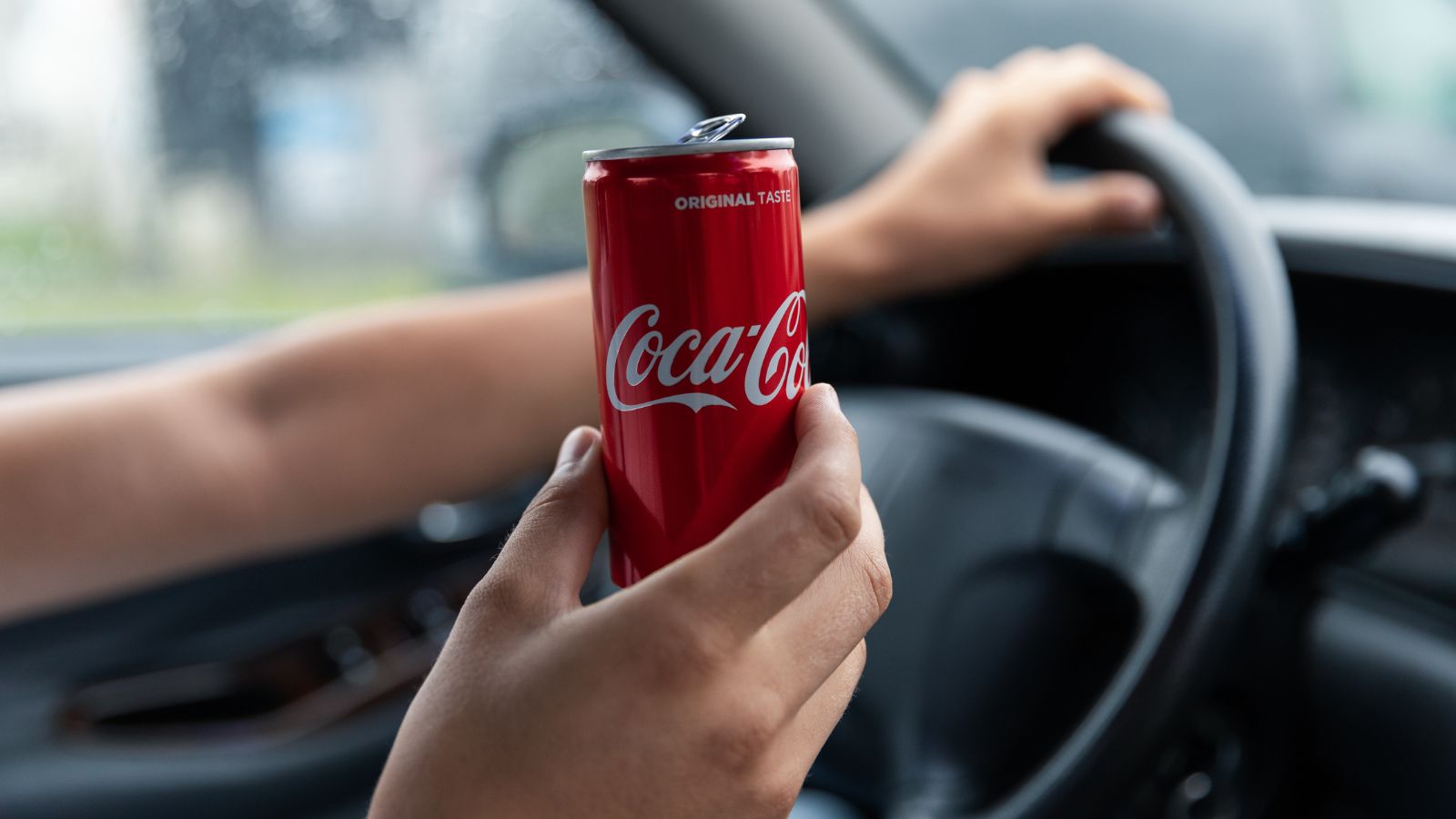
Gas-station coolers make soft drinks easy to buy in large single-serving bottles, often when thirst is doing the decision-making. The problem is not one occasional pop; it is the combination of a convenience price and a portion that can quietly become the default. Canada’s Food Guide classifies sugary drinks among highly processed choices and recommends water as the everyday beverage.
A better approach is to treat soft drinks as a planned treat rather than a refuelling ritual. Buying a smaller format with groceries, sharing a bottle, or choosing water first makes the expense and sugar intake more deliberate. Canada’s front-of-package rules also require many products high in sugars to display a prominent symbol, making label comparison faster. At a gas station, that symbol can be a useful pause button before a rushed purchase becomes another automatic habit. Planning ahead keeps discounted fuel stops from becoming an unnecessarily expensive beverage stop.
Energy Drinks

Energy drinks are among the easiest gas-station purchases to underestimate because the can looks like a single, self-contained boost. In Canada, a caffeinated energy drink can contain up to 180 milligrams of caffeine per serving. Health Canada recommends that adults over 18 consume no more than 400 milligrams from all sources in a day, including coffee, tea, chocolate, supplements, and energy drinks.
That arithmetic can become uncomfortable during a long drive. A morning coffee, an energy drink at lunch, and another caffeinated beverage later may approach the daily guidance faster than expected. New cautionary labels are intended to make those limits clearer. Buying energy drinks in multipacks may lower the unit price, but it can also encourage routine use. The smarter move is often to skip the purchase entirely, rest when tired, and keep water and a planned snack in the vehicle. Temporary alertness cannot replace proper sleep and recovery.
Sweetened Iced Tea and Juice Drinks

Bottled iced teas, fruit punches, lemonades, and juice drinks often benefit from a healthier-looking image than pop. Their packaging may show fruit, tea leaves, or words such as natural, yet many still belong in the sugary-drink category. Canada’s dietary guidance specifically includes sweetened iced tea, fruit-flavoured drinks, and even 100% juice among important sources of free sugars.
The gas-station problem is partly visual. A brightly coloured bottle can appear refreshing and responsible beside an energy drink, even when the Nutrition Facts table tells a more complicated story. Checking the serving size and total sugars matters more than the front illustration. Whole fruit and plain water provide a more reliable combination of hydration, fibre, and fullness. For drivers who enjoy flavour, unsweetened tea or water packed with fruit slices can satisfy the same craving without turning every fuel stop into an expensive liquid dessert. Preparing drinks at home avoids packaging costs.
Single-Serve Coffee

Gas-station coffee can be useful on an early commute, but buying it every day converts a small convenience charge into a recurring budget line. A modest $2.50 weekday coffee totals roughly $650 over 260 workdays, before premium sizes, flavour shots, or a second cup are counted. The calculation is simple, but the annual total is easy to miss because each purchase feels minor.
Brewing at home and carrying an insulated mug usually offers more control over strength, milk, sweeteners, and portion size. Caffeine still deserves attention: Health Canada recommends a maximum of 400 milligrams daily for most adults, and coffee strength varies by preparation and serving size. Gas-station coffee is not inherently poor quality, and an occasional cup may be worthwhile. The costly pattern is buying by habit when a prepared thermos could cover the same commute for far less. Skipping only one weekly purchase still creates visible annual savings.
Candy Bars

Candy bars are designed for the exact moment gas stations create: a short wait, bright displays, and a customer already reaching for a wallet. The purchase may add only a few dollars, but it rarely solves hunger for long. Canada’s Food Guide lists chocolate and candies among highly processed foods that can add excess sugars or saturated fat to the diet.
The stronger financial alternative is not necessarily a giant discount box, which can invite more frequent snacking. It is a planned snack that offers staying power, such as fruit with nuts, yogurt, or whole-grain crackers. Canada’s front-of-package nutrition symbol now makes it easier to spot products high in sugars, saturated fat, or sodium. When a candy bar carries one or more of those warnings, the label offers a useful reminder that the item is a treat, not dependable road food. A glove-box snack kit removes checkout displays from consideration.
Potato Chips

A single bag of chips feels tailored to the drive, yet the package often combines a high unit price with a portion that is easy to finish without noticing. Canada’s Food Guide names potato chips and pretzels as highly processed foods, while Health Canada identifies processed and prepared foods as the main source of sodium in Canadian diets.
The better purchase is usually made before the trip. Air-popped popcorn, unsalted nuts, vegetables, or a portion divided from a grocery-size bag can provide crunch without paying for the smallest package on the shelf. The front-of-package symbol is especially useful here because many salty snacks must display a “high in sodium” warning when they meet the threshold. A gas station remains a reasonable emergency stop, but it should not become the pantry for every commute, hockey practice, or weekend drive. Pre-portioning also prevents a grocery bag from becoming one oversized highway serving.
Beef Jerky and Meat Sticks

Jerky and meat sticks are marketed as rugged, protein-rich travel food, which makes their gas-station price seem easier to justify. The nutritional picture is less straightforward. Health Canada identifies beef jerky as processed meat and notes that processed meats can be high in sodium and saturated fat. Higher processed-meat intake has also been linked with increased colorectal cancer risk.
That does not mean one package creates a health crisis. It means the product should not automatically receive a health halo because it contains protein. For regular road snacks, unsalted nuts, roasted chickpeas, cheese with fruit, or a homemade sandwich can offer protein with more flexibility over sodium and portion size. When jerky is preferred, comparing sodium per serving and price per 100 grams at a grocery store can reveal how costly the convenience format really is. A resealable grocery package also permits smaller portions instead of finishing one costly pouch.
Protein and Granola Bars

A wrapper that says protein, energy, or granola can make a bar seem more practical than candy. Some bars are genuinely useful, but others contain enough sugars or saturated fat to trigger Canada’s front-of-package nutrition symbol. Health Canada’s labelling guidance specifically addresses granola and other dense ready-to-eat products because serving-size assumptions can change how their nutrient levels are assessed.
Gas-station shelves also provide little room for comparison, so shoppers may choose the loudest claim rather than the best ingredient list. A bar with nuts, seeds, oats, and modest added sugar can be convenient, but the cost per bar is often lower in grocery multipacks. Another option is assembling a snack from ordinary foods. Peanut butter on whole-grain toast, fruit with nuts, or yogurt can deliver similar nutrients without relying on a highly marketed wrapper to define what counts as fuel. Home comparison distinguishes snacks from candy bars with sporty branding.
Single-Serve Nuts and Trail Mix
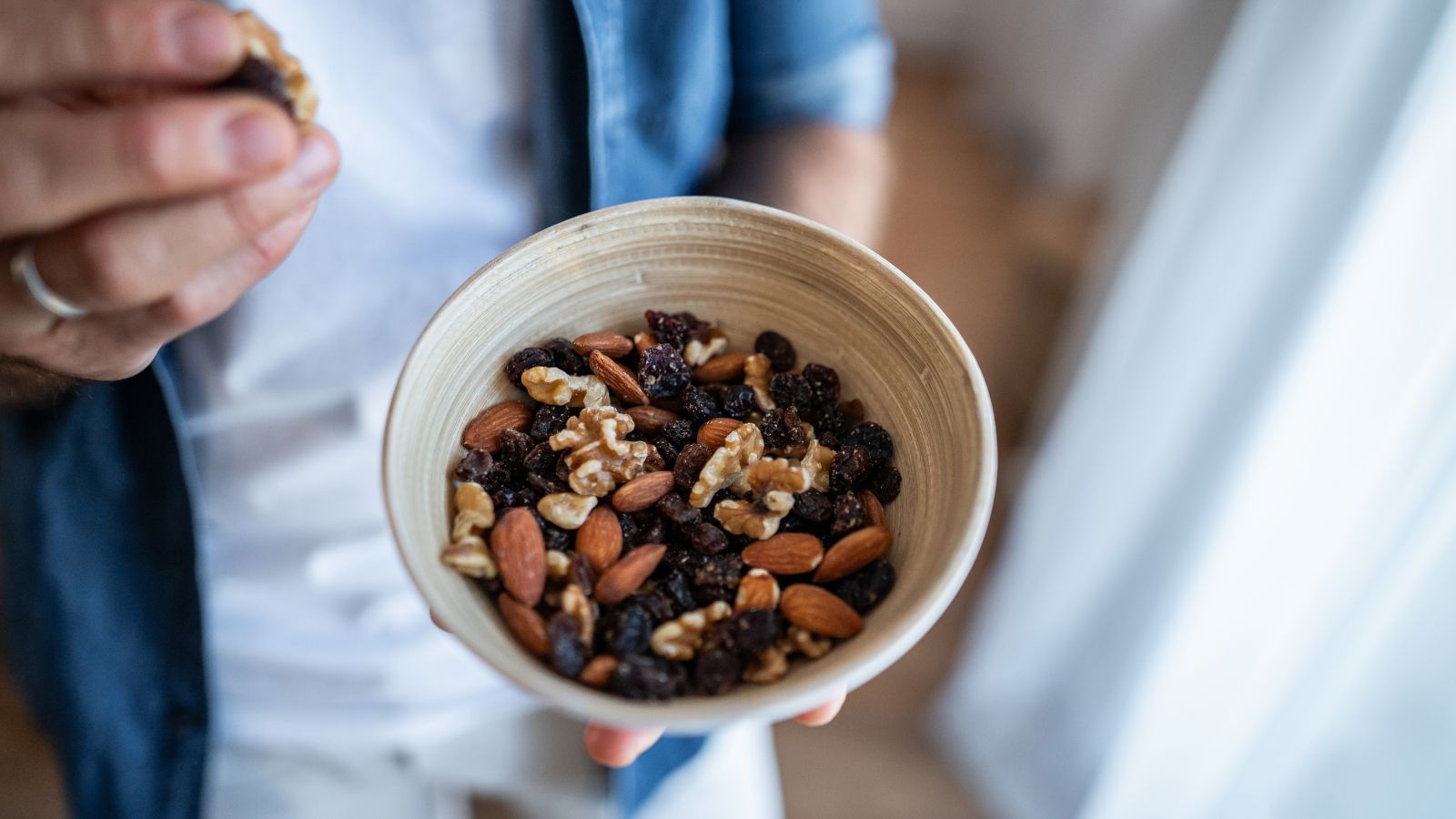
Nuts and seeds deserve a place in a practical travel snack, but the tiny pouch beside the register is often the least economical way to buy them. Canada’s Food Guide recognizes nuts and seeds as protein foods and recommends unsalted varieties when preparing meals and snacks. Gas-station mixes, however, may add candy, sweet coatings, or substantial salt while keeping the package small.
Buying a larger bag from a grocery or bulk store and portioning it into reusable containers offers control over cost and ingredients. A simple mix of almonds, pumpkin seeds, raisins, and whole-grain cereal can be adjusted for allergies, taste, and energy needs. The distinction matters: the advice is not to stop buying nuts, but to stop paying a convenience premium for a miniature serving that may be closer to confectionery than to the balanced snack suggested by its outdoorsy packaging. Home portioning preserves convenience while limiting mindless eating.
Gum and Mints

Gum and mints are classic counter purchases because they promise an immediate solution to dry mouth or stale breath. The package is small enough that few people compare its unit price, yet repeated purchases can cost far more than keeping a multipack in a bag or vehicle. Sugared varieties also expose teeth to fermentable carbohydrates, while sticky confectionery can increase the risk of dental decay.
Sugar-free gum is the important exception. Health Canada has concluded that qualifying sugar-free chewing gum can support a claim about reducing cavity risk when chewed after meals, and the Canadian Dental Association also recognizes benefits from sugar-free gum. That makes planned purchasing more sensible, not less. Choose a clearly labelled sugar-free product, buy it in a larger format elsewhere, and store it where it will actually be used. Paying gas-station pricing for one pocket pack is usually an avoidable convenience charge. Planning reduces wrapper waste.
Frozen Treats

Ice-cream bars, frozen sandwiches, and novelty popsicles can turn a fuel stop into an impulse dessert run. Their individual packaging makes the price feel manageable, but a household box from a grocery freezer normally spreads packaging and retail costs across several servings. Canada’s dietary guidance lists frozen desserts among significant sources of sugars and identifies highly processed foods as choices to limit.
The most practical strategy is portion planning. Keeping a box at home allows treats to remain occasional and avoids buying one for every passenger at convenience-store prices. Fruit, yogurt, or a homemade frozen snack can also provide a colder option with more nutritional value. None of this requires treating ice cream as forbidden. It simply recognizes that the gas station is optimized for immediate gratification, while a grocery purchase offers more control over price, portion, ingredients, and frequency. Planning makes choosing genuinely preferred treats easier than accepting leftovers.
Prepackaged Sandwiches

A refrigerated sandwich can rescue a missed lunch, but it is a weak everyday purchase. The price reflects preparation, packaging, refrigeration, and a short selling window, while the ingredient list may combine refined bread, processed meat, cheese, and sauce. Health Canada reports that bakery products, mixed dishes, processed meats, cheeses, and sauces are major sodium contributors in Canadian diets.
Temperature control also matters. Canadian food-safety guidance says cold foods should be kept at or below 4°C, outside the danger zone where bacteria can grow quickly. A sealed package and a reliable cooler reduce risk, but buyers should still check the date, packaging condition, and refrigerator temperature. A homemade sandwich, packed with an ice pack, usually costs less and allows better control over vegetables, whole grains, protein, and condiments. Gas-station sandwiches are best treated as a backup plan, not a lunch subscription. Night-before packing reduces checkout add-ons like chips and pop.
Chocolate Milk and Flavoured Dairy Drinks
Plain milk can be a useful protein food, but flavoured dairy drinks occupy a more complicated space. Health Canada identifies sweetened milks among notable sources of free sugars, while unsweetened milk naturally contains nutrients without the same added-sugar load. At a gas station, the most visible bottle is often a large chocolate or flavoured version rather than a modest serving of plain milk.
The price also reflects single-serve packaging and refrigeration. Families that regularly use milk are generally better served by buying an appropriate household size during a grocery trip and pouring what is needed into a cold, reusable container. For occasional use, the Nutrition Facts table can separate naturally occurring milk sugar from the total sugar picture only imperfectly, so the ingredient list is worth reading. Choosing plain milk more often keeps the product closer to its nutritional purpose instead of turning it into another sweetened convenience drink routinely.
Bread and Buns

Bread at a gas station is often purchased because the household ran out, not because it is the preferred loaf. That urgency removes most comparison shopping and leaves only a few brands, sizes, and freshness dates. Statistics Canada’s household-spending data show that bakery products are a meaningful recurring grocery expense, so repeatedly buying replacement loaves at convenience outlets can quietly inflate a routine category.
Quality matters as much as price. Canada’s Food Guide recommends whole-grain foods, including whole-grain bread, while Health Canada notes that “100% whole wheat” does not necessarily mean a product is whole grain. Checking the ingredient list for whole-grain flour and comparing fibre can prevent a rushed purchase based on brown colour or front-label wording. Keeping a spare loaf in the freezer is a simple antidote to the late-night gas-station bread run and reduces food waste when slices are removed as needed. It also protects household budgets.
Fresh-Cut Fruit Cups

Fruit cups look like the healthiest item in many gas-station refrigerators, and sometimes they are the best available choice. The concern is value. Cutting, packaging, chilling, and transporting a small portion raises its cost, while a banana, apple, orange, or grocery-store container can provide more fruit for the same spending. Canada’s Food Guide recommends making vegetables and fruit the largest share of foods eaten.
Fresh-cut fruit also depends on refrigeration. Health Canada advises keeping cold foods at or below 4°C and avoiding the 4°C-to-60°C danger zone where bacteria can multiply quickly. Before buying, the lid should be sealed, the fruit should look fresh, and the use-by date should be checked. For routine travel, whole fruit is cheaper, less packaged, and easier to carry. A sealed fruit cup is reasonable when options are limited; it is simply not the most economical default. Washable utensils also make grocery containers practical for families.
Pain Relievers

Tiny travel packs of acetaminophen or ibuprofen are convenient during an unexpected headache, but they are a poor routine way to stock a medicine cabinet. The cost per tablet can be much higher than a standard pharmacy package, and a rushed purchase may encourage someone to take a familiar-looking product without reviewing the active ingredient, dose, warnings, or interactions.
That label review is essential. Health Canada says acetaminophen overdose is a leading cause of acute liver failure in Canada and warns against combining multiple products that contain acetaminophen. Buying from a pharmacy also creates an opportunity to ask a pharmacist about dosage, alcohol use, medical conditions, and other medications. A small emergency supply in its original labelled container can prevent gas-station purchases, but medicines should not be left indefinitely in a hot vehicle. Convenience should never replace careful dosing and proper storage. Expired tablets should be replaced, never casually improvised.
Sunscreen

Sunscreen bought at a gas station is better than no protection during an unplanned day outdoors. As a routine purchase, however, the limited selection can lead to overpaying for a small bottle or settling for a formula that does not match the activity. Health Canada recommends broad-spectrum, water-resistant sunscreen with SPF 30 or higher and advises consumers to check the expiry date.
Planning ahead also improves the odds that enough product will be applied and reapplied. A family-size bottle kept with beach, camping, or sports gear is easier to budget for than several emergency tubes bought along the highway. The label should show a Drug Identification Number or Natural Product Number, depending on the active ingredients, confirming authorization for sale in Canada. Gas-station sunscreen has a legitimate emergency role, but it should not be the annual sun-care strategy. Proper storage away from excessive heat also protects reliability of planned stock.
Batteries

A two-pack of batteries near the register solves an immediate problem, but it is rarely the best way to power devices used regularly. Larger packs and rechargeable systems usually make comparison easier, while planned purchasing allows the correct chemistry, size, voltage, and shelf life to be checked. The cheapest-looking emergency pack can become expensive when several devices need replacements.
Battery disposal is another reason to plan. Health Canada says used batteries should not be placed in household garbage and advises following local hazardous-waste requirements. Terminals should be covered with non-conductive tape before drop-off, especially to reduce short-circuit risk. Keeping a labelled battery organizer at home helps prevent duplicate purchases and keeps loose cells away from children. Gas stations are useful when a flashlight fails during a trip; they are not an efficient household battery supplier. Rechargeables suit many frequently used devices, although manufacturer instructions should determine where they are appropriate.
Phone Chargers and Cables

A forgotten phone cable can make any price seem reasonable, especially when navigation, roadside assistance, or digital payment depends on the device. The larger concern is not only cost but product verification. Health Canada says electrical products that plug into an outlet must meet Canadian safety standards and carry a recognized certification mark such as CSA, cUL, or cETL.
A rushed gas-station purchase may leave little time to inspect the mark, output voltage, connector type, charging protocol, warranty, or return policy. Health Canada tested 50 imported USB charger products during a 2023–2024 compliance project and identified products that failed electrical-strength requirements, leading to recalls or alerts. The safest budget move is to keep a certified spare cable and vehicle adapter in a travel kit. Emergency chargers should be inspected carefully rather than chosen solely because they are hanging beside the cash register. Labelled spares reduce clutter, duplicate buying, and e-waste.
19 Things Canadians Don’t Realize the CRA Can See About Their Online Income

Earning money online feels simple and informal for many Canadians. Freelancing, selling products, and digital services often start as side projects. The problem appears at tax time. Many people underestimate how much information the CRA can access. Online platforms, banks, and payment processors create detailed records automatically. These records do not disappear once money hits an account. Small gaps in reporting add up quickly.
Here are 19 things Canadians don’t realize the CRA can see about their online income.
This Options Discord Chat is The Real Deal
While the internet is scoured with trading chat rooms, many of which even charge upwards of thousands of dollars to join, this smaller options trading discord chatroom is the real deal and actually providing valuable trade setups, education, and community without the noise and spam of the larger more expensive rooms. With a incredibly low-cost monthly fee, Options Trading Club (click here to see their reviews) requires an application to join ensuring that every member is dedicated and serious about taking their trading to the next level. If you are looking for a change in your trading strategies, then click here to apply for a membership.