35,000+ smart investors are already getting financial news, market signals, and macro shifts in the economy that could impact their money next with our FREE weekly newsletter. Get ahead of what the crowd finds out too late. Click Here to Subscribe for FREE.
Back-to-school shopping in Canada has become a major seasonal expense, with the Retail Council of Canada describing the 2026 market as worth more than $4.5 billion. Its research also found that 85% of surveyed parents seek deals before choosing a retailer, while only 19% expect to finish everything in one trip. That creates a familiar squeeze: families are hunting for value at the same moment popular sizes, colours and device configurations are disappearing.
Buying early is less about predicting the exact day prices will peak and more about securing fair prices before urgency takes over. These 20 purchases cover the basics most likely to become frustrating, limited or expensive when late-August demand intensifies, from paper and backpacks to laptops, indoor shoes and residence essentials.
Notebooks and Loose-Leaf Paper
20 Things Canadians Should Buy Before Back-to-School Prices Peak
- Notebooks and Loose-Leaf Paper
- Pens, Pencils, Erasers and Highlighters
- Binders, Dividers and Folders
- Art and Craft Supplies
- A Properly Fitted Backpack
- An Insulated Lunch Bag and Food Containers
- A Reusable Water Bottle
- Indoor and Gym Shoes
- Everyday Shoes and Rain Boots
- A Lightweight Rain Jacket or Fall Shell
- Basic School Clothing or Uniform Pieces
- A School-Approved Calculator
- A Compatible Laptop or Chromebook
- Volume-Limited Headphones or a Headset
- Chargers, Cables and a Safe Power Bank
- A Printer With Affordable Ink or Toner
- A Desk Lamp and Ergonomic Study Setup
- Residence Bedding, Towels and Laundry Supplies
- A Personal Hygiene and Health Kit
- A Combination Lock and Durable Name Labels
- 19 Things Canadians Don’t Realize the CRA Can See About Their Online Income
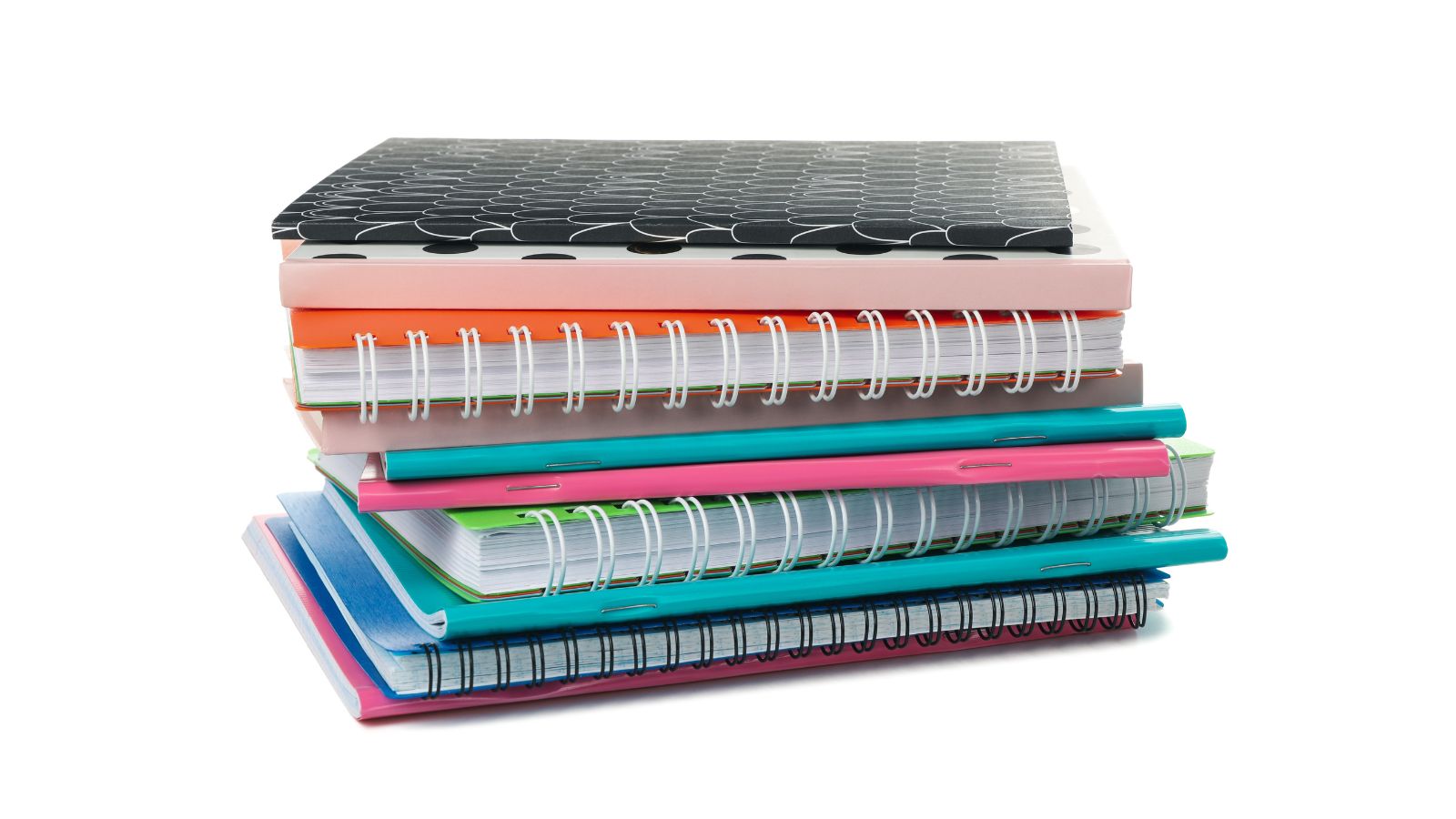
Paper looks like the easiest item to leave until the final week, yet it is one of the few supplies that almost every grade can consume steadily from September through June. Statistics Canada tracks school textbooks and supplies as a distinct inflation category, and recent data showed a year-over-year increase. A single package may not feel costly, but several children needing notebooks for different subjects can turn a small price change into a noticeable total.
The safest early purchase is a modest core supply rather than a year’s worth of specialized notebooks. Families can buy lined paper, graph paper and a few plain exercise books, then wait for teacher-specific requests before adding unusual sizes. One Vancouver school’s 2026–27 fee example covers paper, writing tools, glue sticks, erasers, exercise books and art materials for $35, illustrating how quickly ordinary consumables accumulate. Buying multipacks during July promotions also leaves time to compare recycled-content options instead of grabbing whatever remains near Labour Day.
Pens, Pencils, Erasers and Highlighters
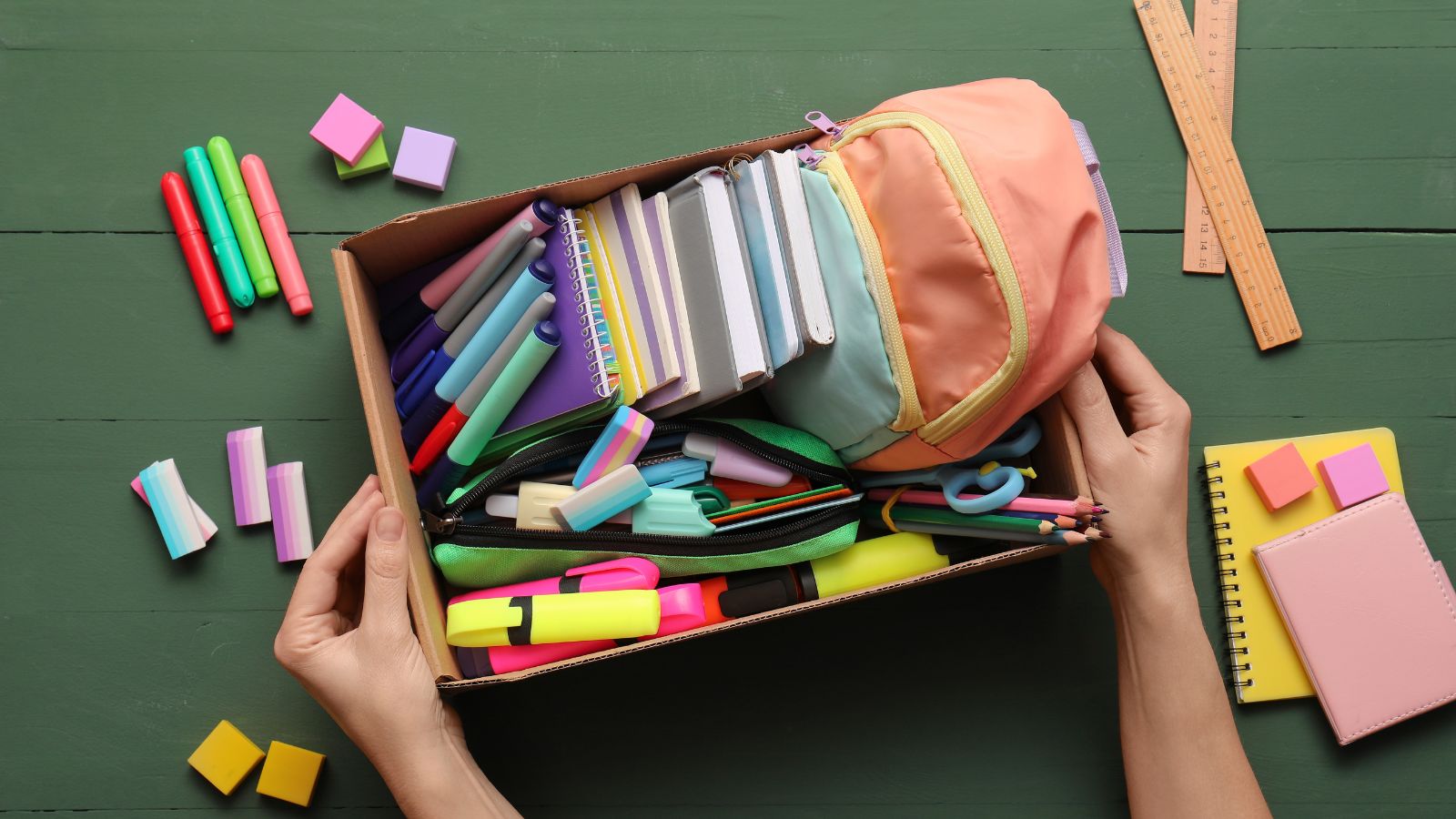
Writing tools are inexpensive individually but costly when purchased repeatedly in tiny emergency packs. School supply lists commonly request multiple pencils, pens, erasers, markers and highlighters, and younger students may go through them faster than families expect. A forgotten pencil case in September often leads to a convenience-store or campus-bookstore purchase, where selection is limited and unit prices can be harder to compare.
An early bulk pack can be divided among siblings, stored at home and replenished through the year. The practical mix is not glamorous: dependable HB pencils, blue or black pens, white erasers, a few highlighters and a compact sharpener. Teachers may later request specific marker types, so there is little reason to overbuy specialty items. Labelling the pencil case and keeping a sealed refill pouch at home can prevent the familiar October scramble. The goal is not to chase the biggest package, but to calculate the cost per item and avoid paying a premium for small branded sets at the busiest point of the season.
Binders, Dividers and Folders
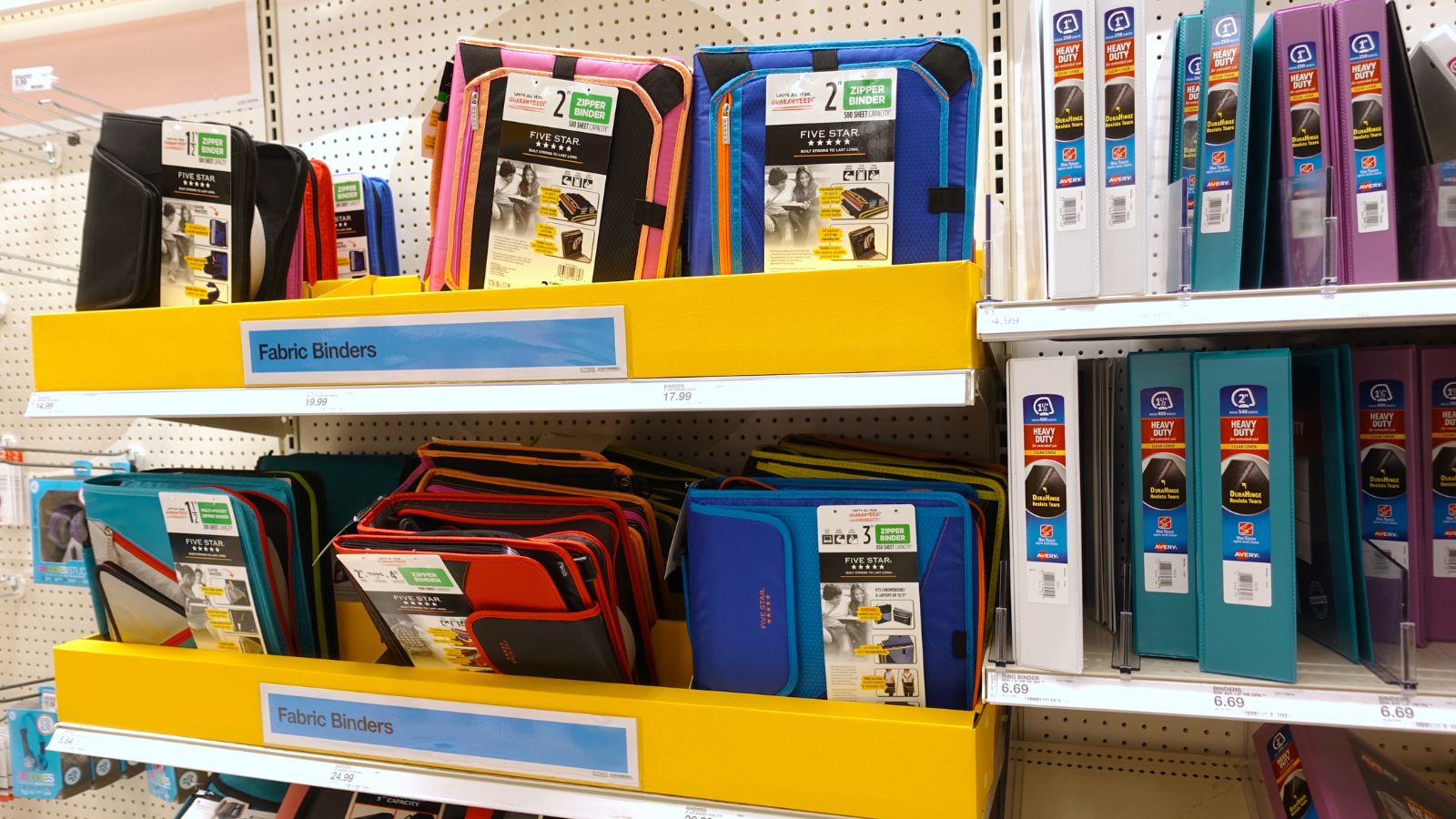
Organization supplies are often grade-specific, which makes late shopping risky. Canadian school pages routinely list binders, dividers, duo-tangs and folders, while some advise families to wait for teacher direction on exact sizes. That creates a useful distinction: basic folders can be bought early, but a stack of oversized binders should not be purchased blindly. The expensive mistake is buying twice because the first set does not fit the course system.
A sensible early bundle includes two durable one-inch binders, subject dividers, a few pocket folders and reinforced loose-leaf paper. Families can then add larger binders after schedules are confirmed. Quality matters at the rings and spine; a cheap binder that stops closing by November is not a bargain. One Vancouver secondary program specifically highlights binders, folders and dividers as organizational tools, while Toronto school guidance notes that binders help keep notebooks arranged by subject. Buying neutral colours early also makes it easier to reuse items next year instead of replacing them for cosmetic reasons.
Art and Craft Supplies
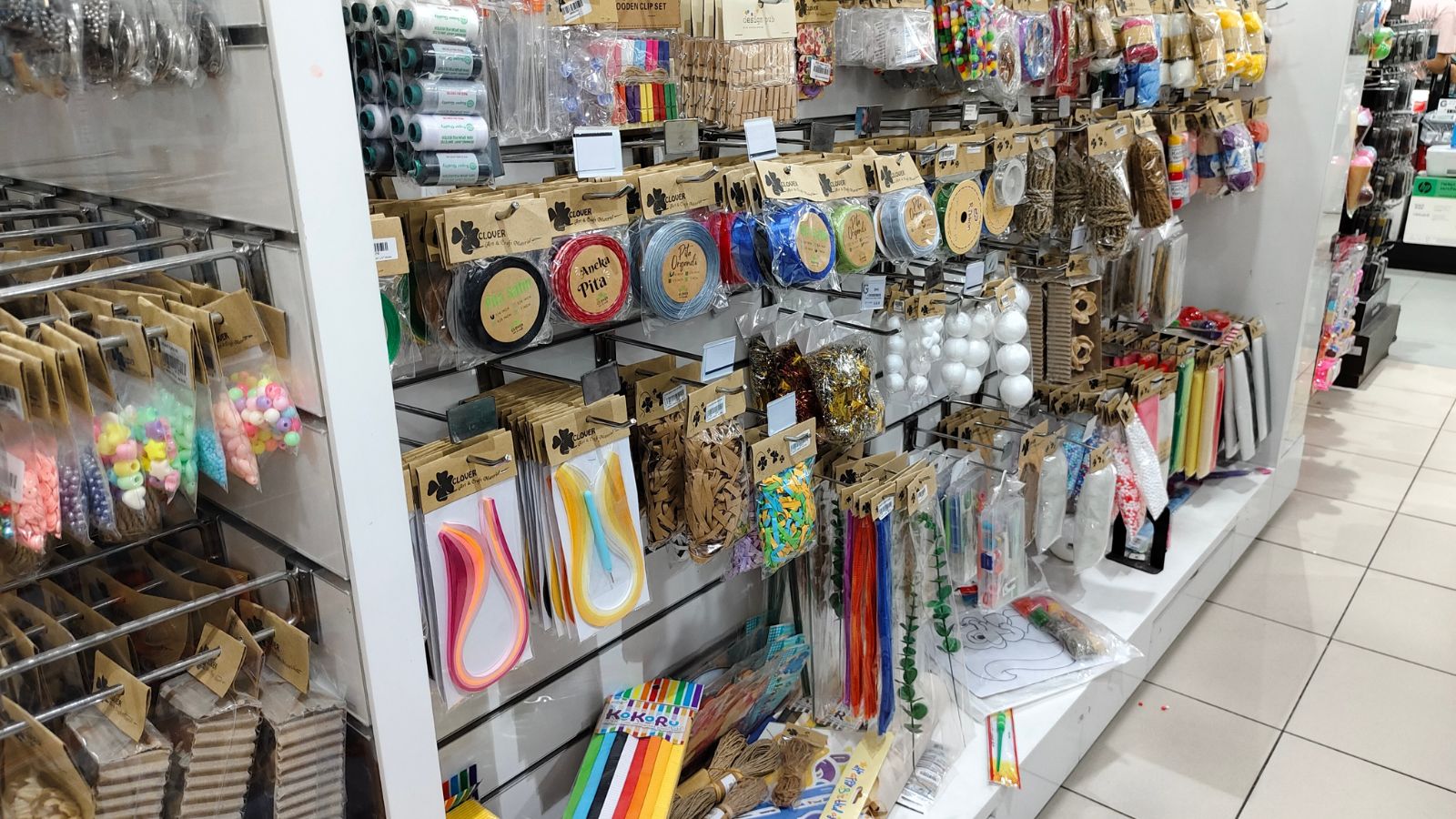
Crayons, pencil crayons, washable markers, glue sticks and child-safe scissors often appear on elementary lists, but art materials deserve more scrutiny than a quick price comparison. Health Canada advises choosing age-appropriate products, reading labels and using non-toxic, water-based materials designed for children. It also cautions against solvent-containing products and recommends proper ventilation for activities that can create fumes or dust.
Buying before the rush provides time to check labels, recalls and package contents rather than choosing the last discounted set on the shelf. Families can prioritize washable products, capped markers that seal properly and glue sticks sized for classroom use. A simple example is more useful than a giant deluxe kit: twelve reliable pencil crayons will usually serve a child better than a 100-piece set filled with fragile extras. Early shopping also makes it easier to replace dried-out supplies discovered in last year’s craft bin. For younger children, a smock or oversized washable shirt can be added cheaply and reused for messy projects at school and home.
A Properly Fitted Backpack
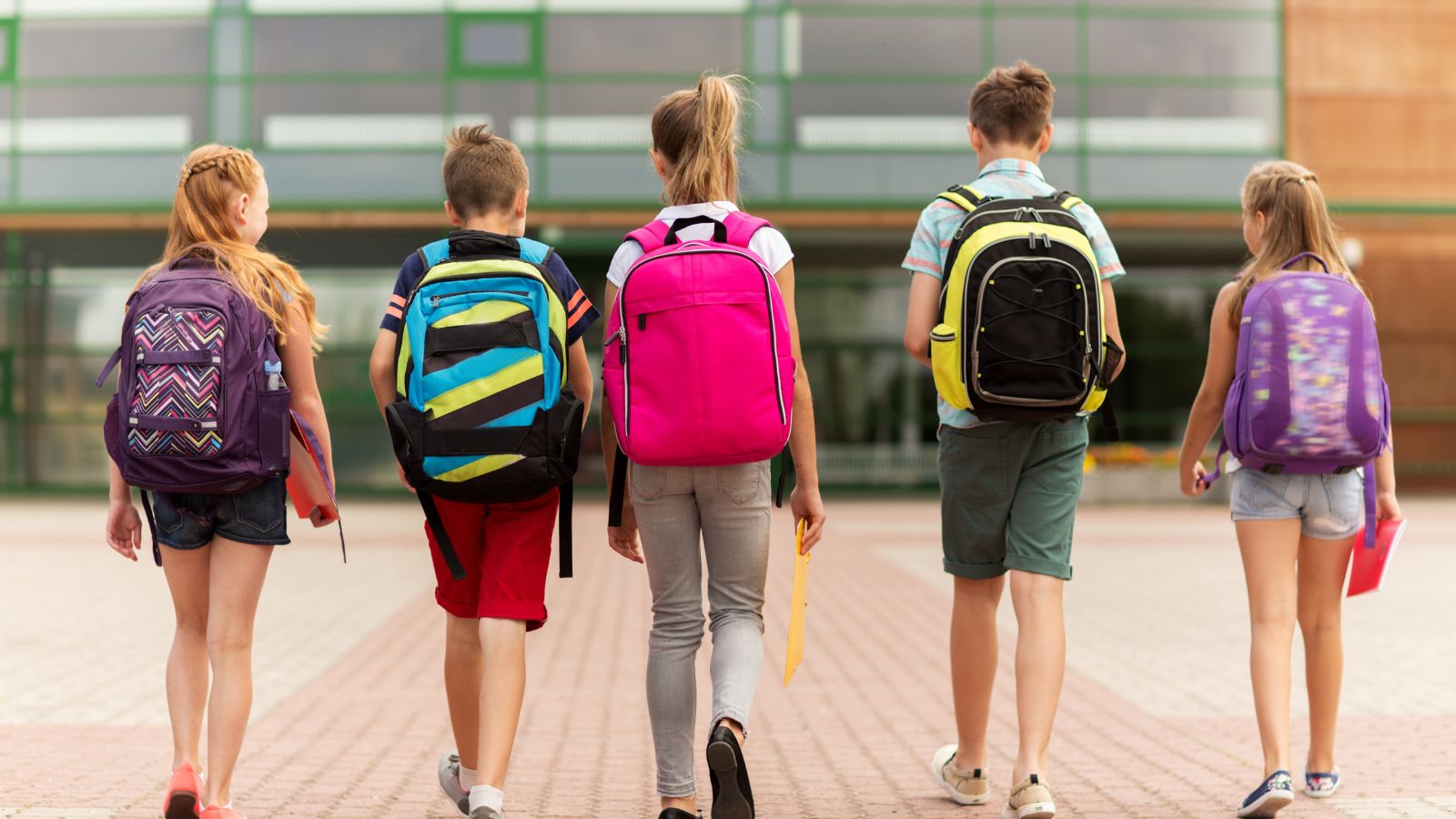
Backpacks combine fashion, daily comfort and durability, so the cheapest late-August option can become an expensive mistake. Alberta and British Columbia health guidance recommends lightweight construction, wide padded shoulder straps, a padded back, compartments and, when appropriate, a waist belt. Alberta’s guidance notes that experts generally advise children not to carry more than 10% to 20% of their body weight and recommends weighing a loaded pack rather than guessing.
That makes fit more important than a logo. A child should try the backpack with both straps adjusted, check that it sits close to the body and confirm that the main compartment can hold the largest binder or library book required. A laptop sleeve is useful only when a device will actually travel daily. Buying early preserves choices in torso length, strap width and colour, especially for smaller students who can be overwhelmed by adult-sized bags. Families can also test zippers, inspect stitching and add reflective tape before darker autumn mornings arrive.
An Insulated Lunch Bag and Food Containers
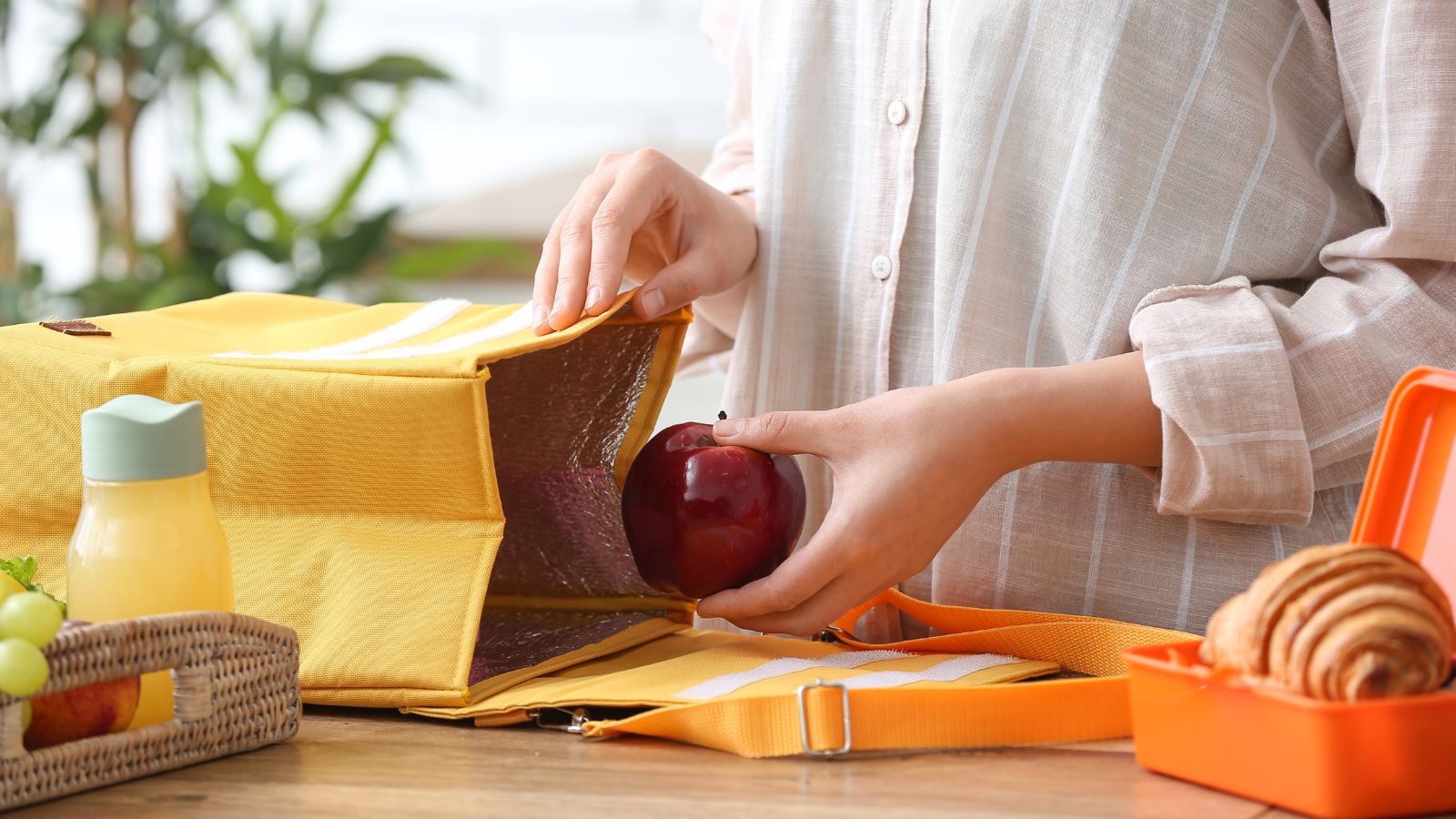
Lunch gear is a safety purchase as much as a convenience purchase. Health Canada says soft insulated lunch bags or boxes are the best choice for keeping food safe and recommends an ice pack or frozen drink to keep cold items chilled. Hot meals should be heated before departure and packed in a heat-preserving container. Leak-proof containers also reduce the chance that a yoghurt spill will ruin books, electronics or homework.
Buying the set early allows a real trial run. Families can pack a typical sandwich, fruit, snack and reusable cutlery to see whether everything fits without crushing food. The best combination is often one medium insulated bag, two or three stackable containers and at least two ice packs so one can refreeze while the other is in use. Oversized bento systems may look efficient but can be awkward in small cubbies. A child who can open every lid independently is more likely to eat the lunch rather than bring it home untouched.
A Reusable Water Bottle

Water bottles are required or strongly encouraged on many Canadian school lists, and Canada’s Food Guide recommends making water the drink of choice. Water supports hydration without calories, while a reusable bottle makes it easier to avoid daily purchases of juice, sports drinks or bottled water. The value is especially clear when a durable bottle survives more than one school year.
The right model depends on age and routine. Younger children benefit from a simple leak-resistant spout they can open without help; older students may prefer a wider bottle that fits a backpack pocket and is easy to clean. Before buying, families should check whether the school allows glass, whether fountains are available and whether the bottle must fit beneath a refill station. A spare gasket or straw can extend the product’s life. Buying before popular colours sell out also reduces the temptation to pay extra for a character design that may feel outdated by spring.
Indoor and Gym Shoes

Indoor shoes are not an optional fashion extra at many Canadian schools. Calgary Board of Education pages for the 2026–27 year repeatedly list indoor running shoes, often requiring athletic or non-marking soles, and some schools expect the pair to remain in the building. That means families may need two functional pairs at once: one for commuting outdoors and another for classrooms or physical education.
Shoes are among the most size-sensitive back-to-school purchases, so waiting can mean settling for the wrong fit or paying more for the remaining model. Children should try shoes with the socks they will normally wear and walk, turn and squat in them before purchase. A slightly roomy toe box is different from a loose heel that slips during gym class. Neutral, durable runners usually outlast heavily decorated pairs, and writing the student’s name inside can prevent mix-ups. Families with fast-growing children can keep the receipt and delay indoor wear until school begins.
Everyday Shoes and Rain Boots
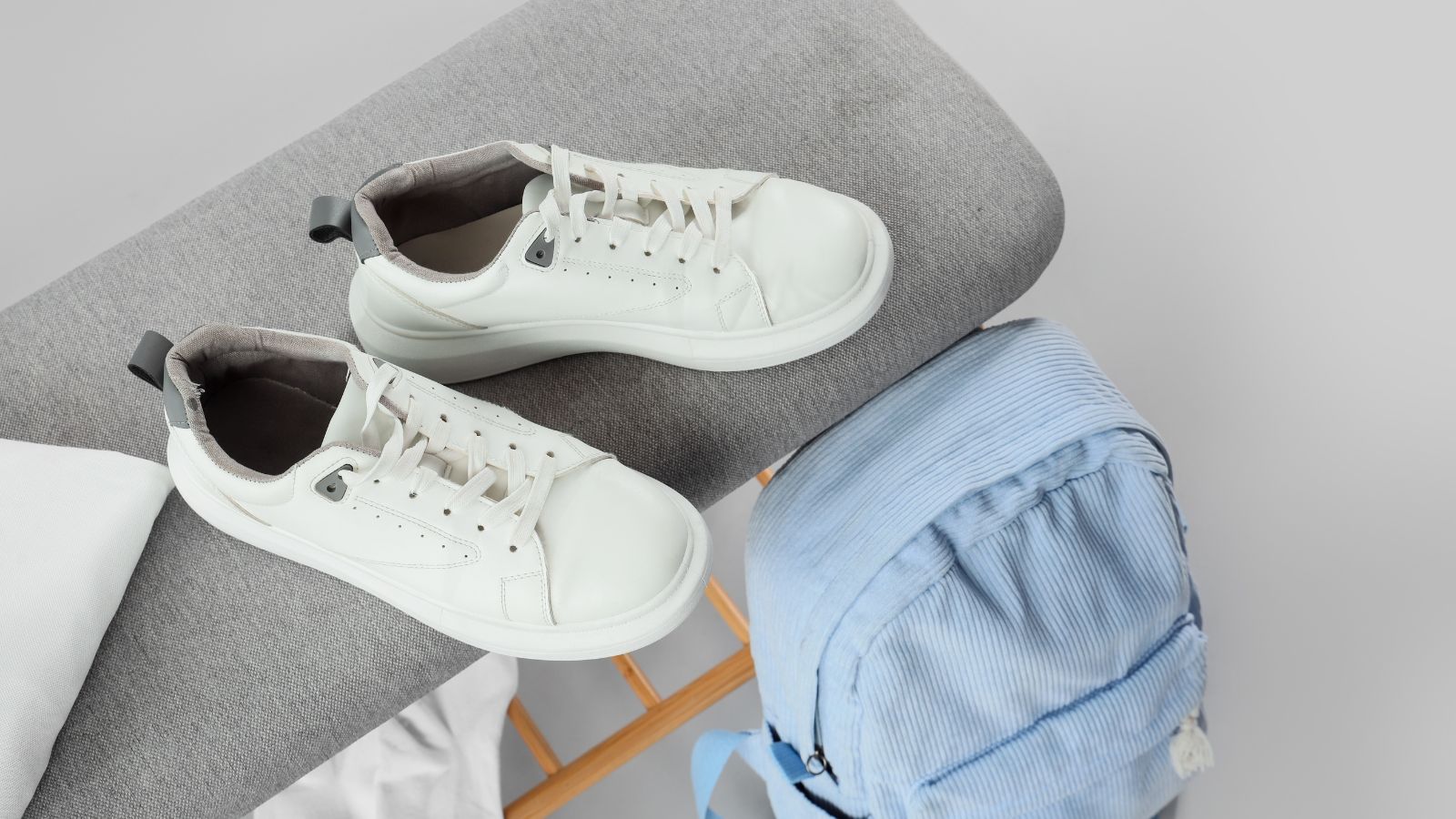
The first month of school can involve warm afternoons, wet sidewalks and sudden cooler mornings, making one fragile pair of shoes a poor plan. Statistics Canada reported that clothing and footwear prices were 2.0% higher year over year in April 2026 after declining the month before, a reminder that this category can move quickly. University residence checklists also routinely mention rain boots or weather-appropriate footwear because Canadian conditions vary sharply by region.
Buying early should focus on coverage rather than quantity. One comfortable everyday pair, one school-approved indoor pair and, where climate warrants, waterproof footwear will handle most routines. Families can inspect tread, seams and drying time rather than relying on appearance. A child who walks or takes transit may need water resistance more than a student dropped at the door. Waiting until the first week of heavy rain often means shopping under pressure, when sizes are scattered and temporary solutions become permanent purchases.
A Lightweight Rain Jacket or Fall Shell

Back-to-school clothing displays often emphasize hoodies and heavy coats, but a lightweight waterproof or water-resistant shell is usually the more versatile early purchase. University of Toronto residence guidance tells students to bring clothing for variable weather, along with an umbrella and rain boots. The same logic applies to younger students waiting for buses, walking between portable classrooms or spending recess outside.
A shell should fit over a sweater without becoming bulky, close easily and include a hood that does not block vision during walks or playground time. Reflective details can improve visibility as daylight shortens, while a name label helps prevent the jacket from disappearing into a crowded lost-and-found bin. Families do not need to buy a winter parka in July unless the old one is clearly outgrown. Securing a well-fitting rain layer first creates a flexible system: T-shirt in warm weather, sweater in cool weather and shell in wind or rain.
Basic School Clothing or Uniform Pieces
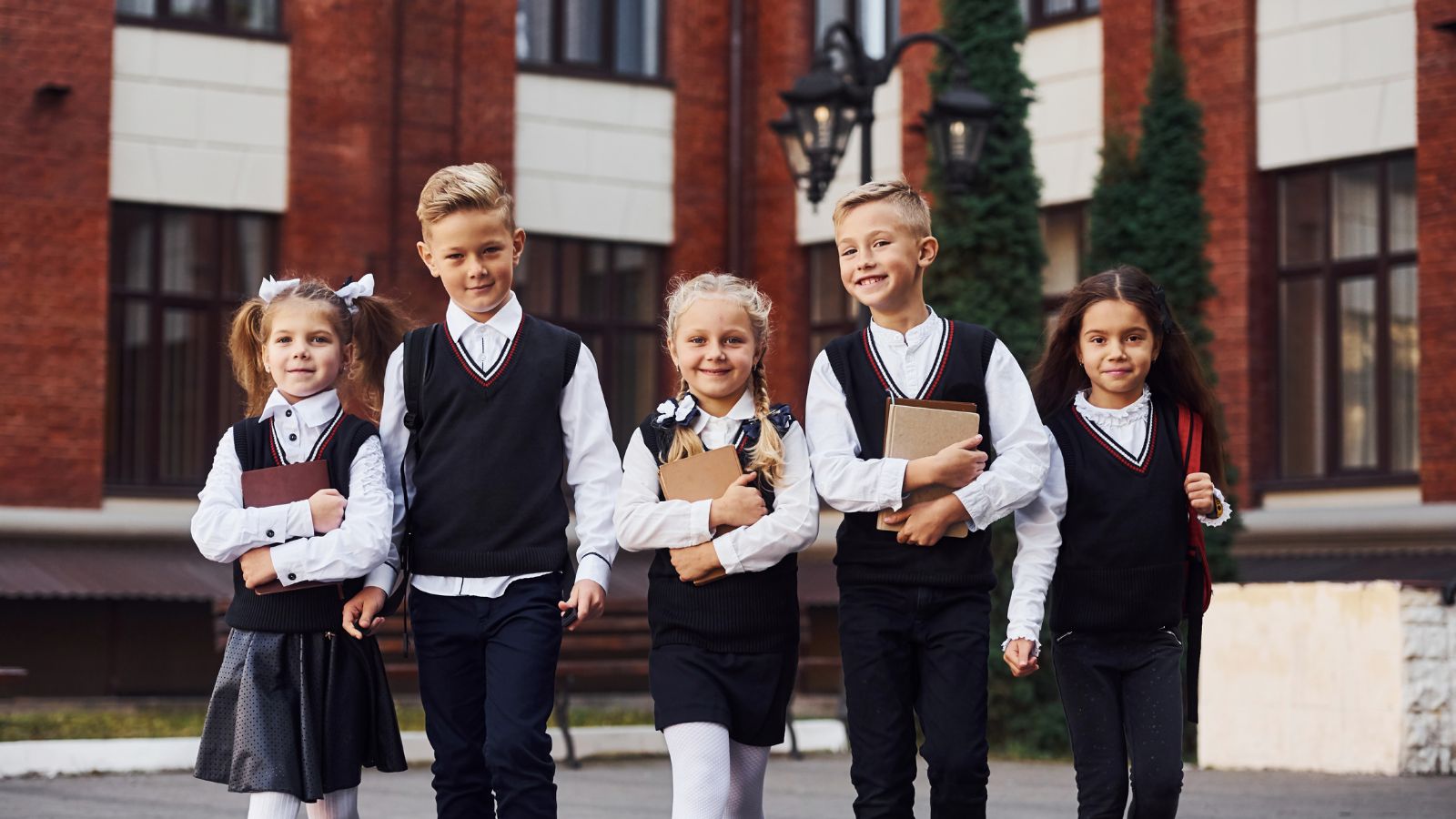
Clothing and footwear remain major back-to-school spending categories, and uniform programs can concentrate demand into a narrow group of sizes and colours. Even without a formal uniform, families often need plain trousers, leggings, polos, socks and underlayers that comply with school expectations. These basics are less exciting than a statement outfit, yet they are the items most likely to be worn repeatedly and washed weekly.
The smartest early purchase is a small rotation, not an entire new wardrobe. Two or three tops, two bottoms and enough socks or undergarments to bridge laundry days can cover the first weeks while growth and classroom temperature become clearer. Families should check hand-me-downs, hems and missing buttons before buying replacements. Statistics Canada’s 2026 basket update showed Canadians directing a slightly higher share of spending to clothing in 2025, underscoring how quickly this category absorbs household budgets. Durable neutral pieces also mix easily with existing clothes and can be passed along later.
A School-Approved Calculator
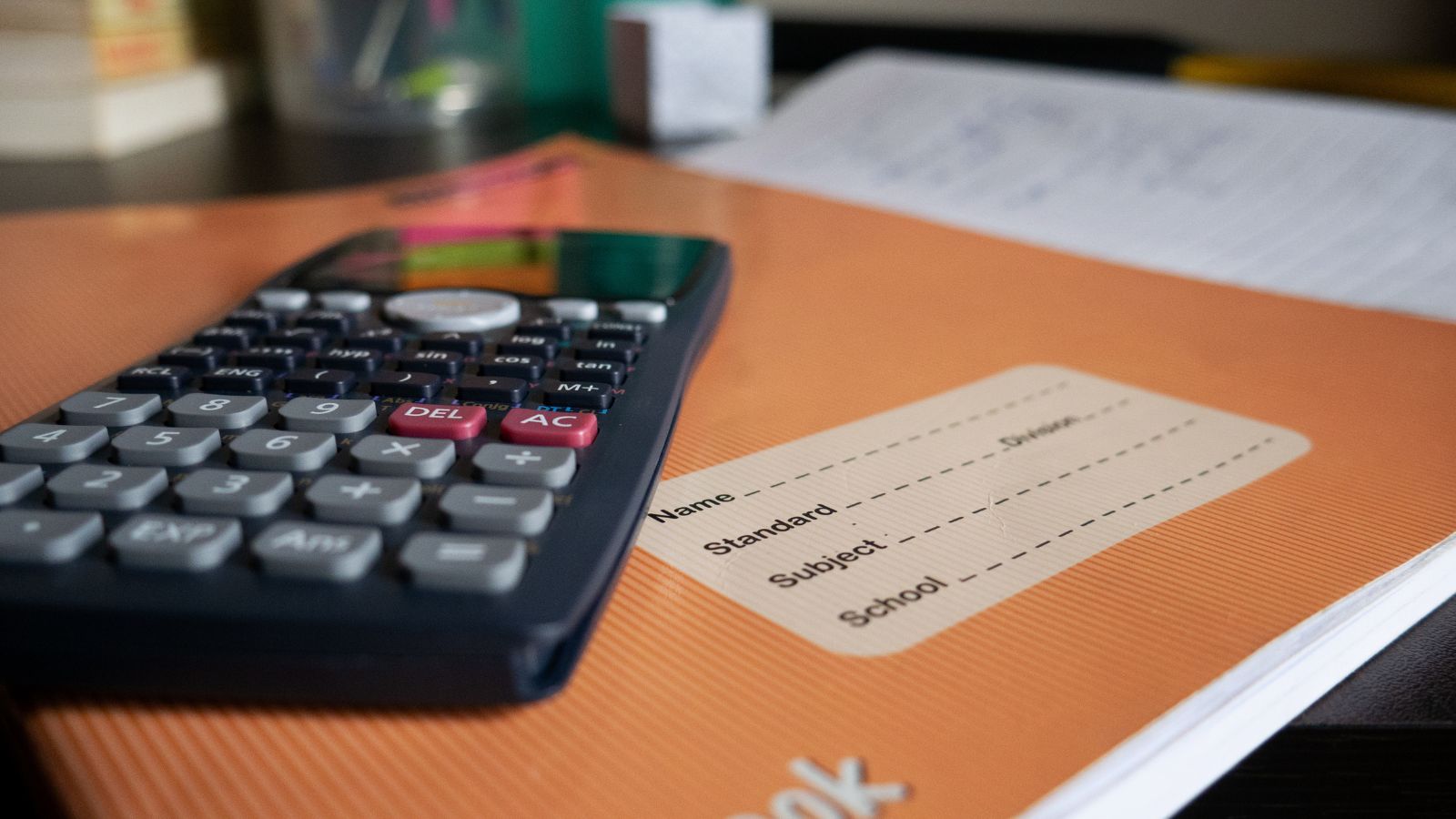
Calculators are a classic example of why specifications matter more than discounts. Ontario’s Grade 9 mathematics assessment allows students to use their own scientific or graphing calculator, while Alberta diploma exams permit only one calculator without prohibited features and publish detailed rules. A low price is irrelevant when a device is not allowed for the course or exam.
Families should confirm the required model with the teacher, school supply list or provincial assessment rules before purchasing. Some middle-school lists call for a basic calculator; others specify scientific functions, solar power or a recommended series. Buying early provides time to learn the keys, label the case and replace a weak battery. It also avoids the late-August shortage that can occur when an entire grade is asked to buy the same model. A dependable calculator used for several years is usually better value than a graphing model purchased before the student actually needs it.
A Compatible Laptop or Chromebook

A laptop is usually the largest back-to-school purchase, so rushing is costly. Families should first confirm whether the school provides a device, which operating systems are supported and whether specialized courses require Windows or macOS software. Microsoft ended support for Windows 10 on October 14, 2025, making an old bargain laptop less attractive unless it can run Windows 11 or qualifies for extended security updates.
Chromebook buyers should check the exact model’s Auto Update Expiration date rather than assuming every low-priced unit has the same lifespan. Google says ChromeOS devices receive 10 years of updates from the platform release date, but an older clearance model may already be partway through that window. For any laptop, practical priorities include battery condition, warranty, repairability, keyboard comfort and enough memory for the student’s workload. Buying before the final rush leaves time to install school software, test video calls and return an incompatible machine.
Volume-Limited Headphones or a Headset

Headphones now appear on many school lists for language labs, tablets, online assignments and speech-to-text work. Some elementary schools specifically request over-ear models rather than earbuds, while other grades permit inexpensive wired headsets. The connector matters: a bargain pair with the wrong plug can be useless on a school-issued device.
Hearing safety should guide the purchase. The World Health Organization says a person can listen at 80 decibels for up to 40 hours a week, but at 90 decibels the safe time drops to about four hours. For younger students, volume-limiting controls, comfortable ear cups and a durable cable are more valuable than powerful bass. A built-in microphone can support language practice, accessibility tools, recorded presentations, collaborative projects and occasional remote learning sessions. Buying early allows families to test fit, microphone clarity and compatibility, then label the headset before it joins dozens of nearly identical pairs in a classroom bin.
Chargers, Cables and a Safe Power Bank
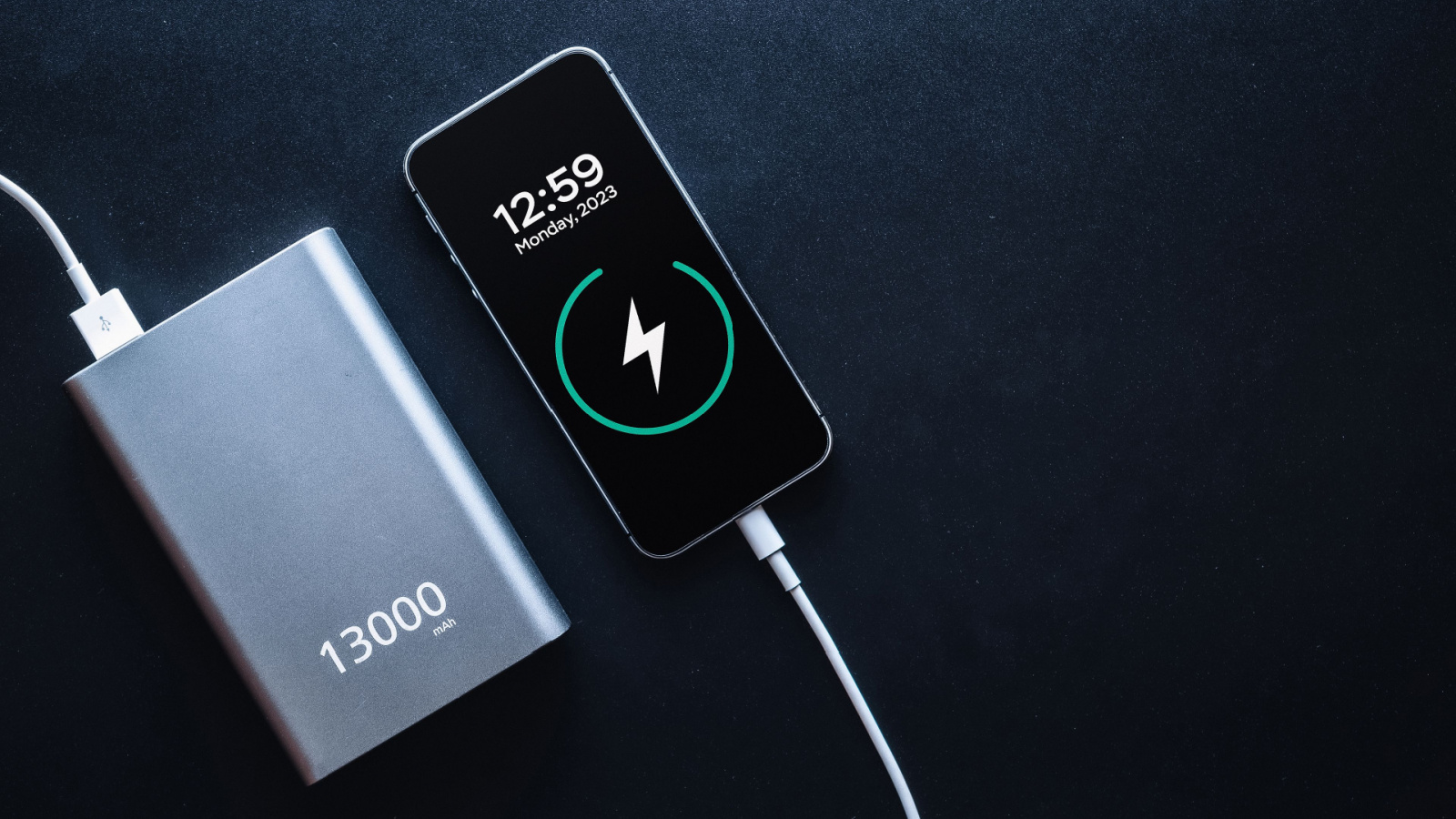
Technology is only useful when it is charged. A spare school-compatible cable or compact wall charger can prevent missed work when the original is left at another parent’s home, packed in a locker, misplaced during travel, borrowed by a sibling or damaged. The key is matching the device’s connector and power requirements; an underpowered adapter may charge slowly, while an uncertified replacement may create avoidable risk.
Power banks require extra care because they use lithium-ion cells. Health Canada advises charging devices according to manufacturer instructions, at room temperature and away from soft surfaces that trap heat. Canada has also issued multiple power-bank recalls for overheating and fire hazards, including recalls reported in 2025 and 2026. Families should check the federal recalls database, buy from a reputable seller and avoid swollen, damaged or unusually hot batteries. Early purchasing leaves time to verify safety information instead of choosing an unknown brand during an emergency.
A Printer With Affordable Ink or Toner

Not every household needs a printer, especially when schools accept digital submissions and libraries offer printing. For families that regularly print worksheets, forms or drafts, however, the lowest sticker price can be misleading. Consumer Reports has found that inexpensive cartridge inkjets may cost far more to operate than black-and-white laser printers, while tank printers have higher upfront prices but much lower ongoing ink costs.
The decision should be based on expected pages, colour needs and access to outside printing. A family printing occasional permission forms may be better served by a library than by maintaining an inkjet that dries out. A student producing frequent text-heavy assignments may benefit from a monochrome laser model with duplex printing. Buying before the rush allows time to compare cost per page, replacement cartridge availability and included starter ink. It also prevents the common mistake of discovering on Sunday night that the printer needs a cartridge no nearby store carries.
A Desk Lamp and Ergonomic Study Setup
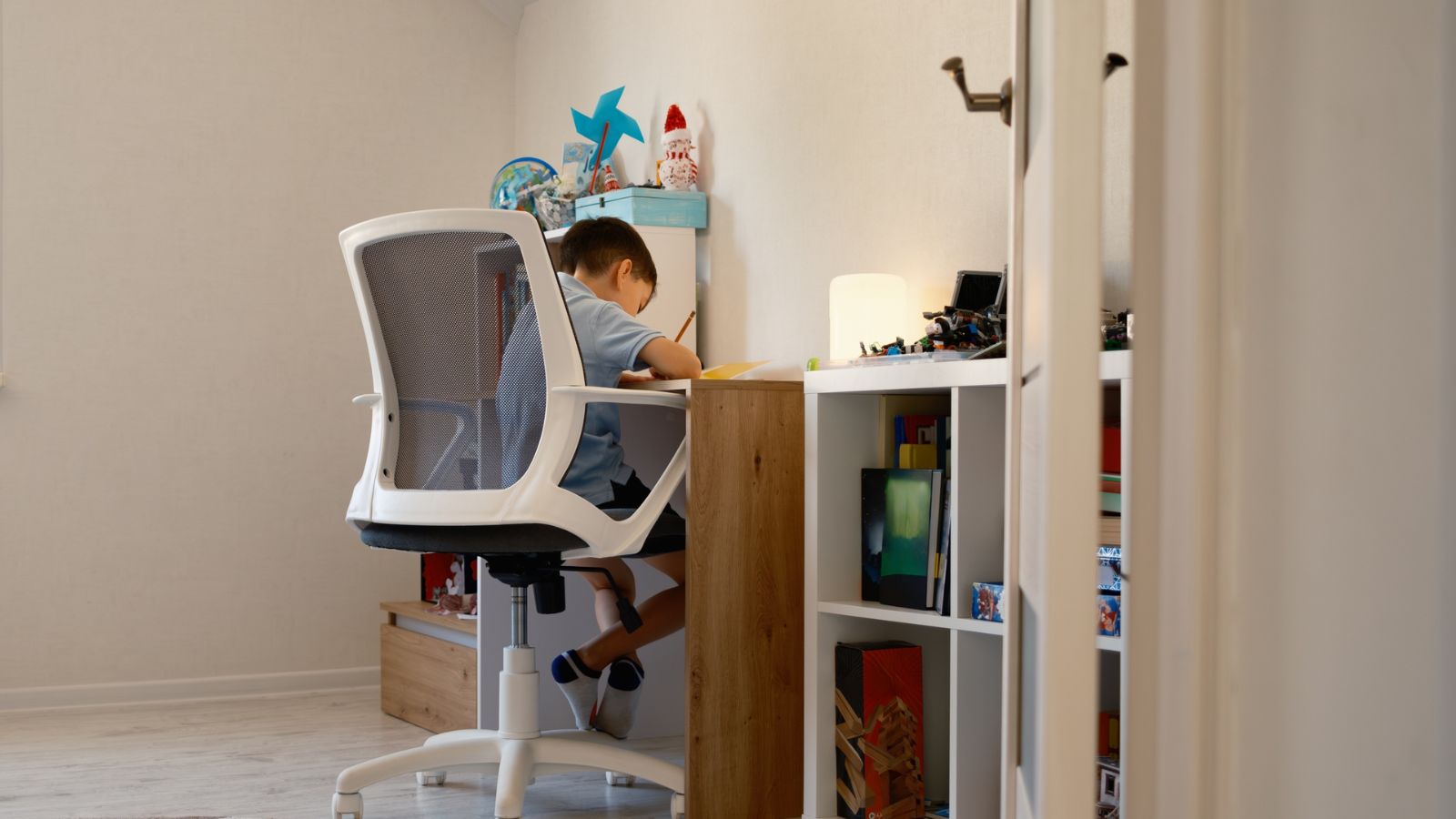
A dedicated study area does not need to resemble an office showroom, but lighting and fit matter during long homework sessions. The Canadian Centre for Occupational Health and Safety says appropriate lighting without glare or shadows can reduce eye fatigue and headaches. It also emphasizes that an ergonomic chair must suit the person’s body dimensions, workstation and tasks rather than merely carrying an “ergonomic” label.
Before buying furniture, families can improve an existing setup with a stable task lamp, a footrest made from a sturdy box and a laptop stand paired with an external keyboard. The student’s feet should be supported, shoulders relaxed and screen positioned comfortably rather than forcing a hunched posture. Early shopping is useful because adjustable chairs and lamps are easier to compare in person before demand shifts toward home study spaces. The best purchase is the smallest change that corrects a real problem, not an expensive matching set.
Residence Bedding, Towels and Laundry Supplies
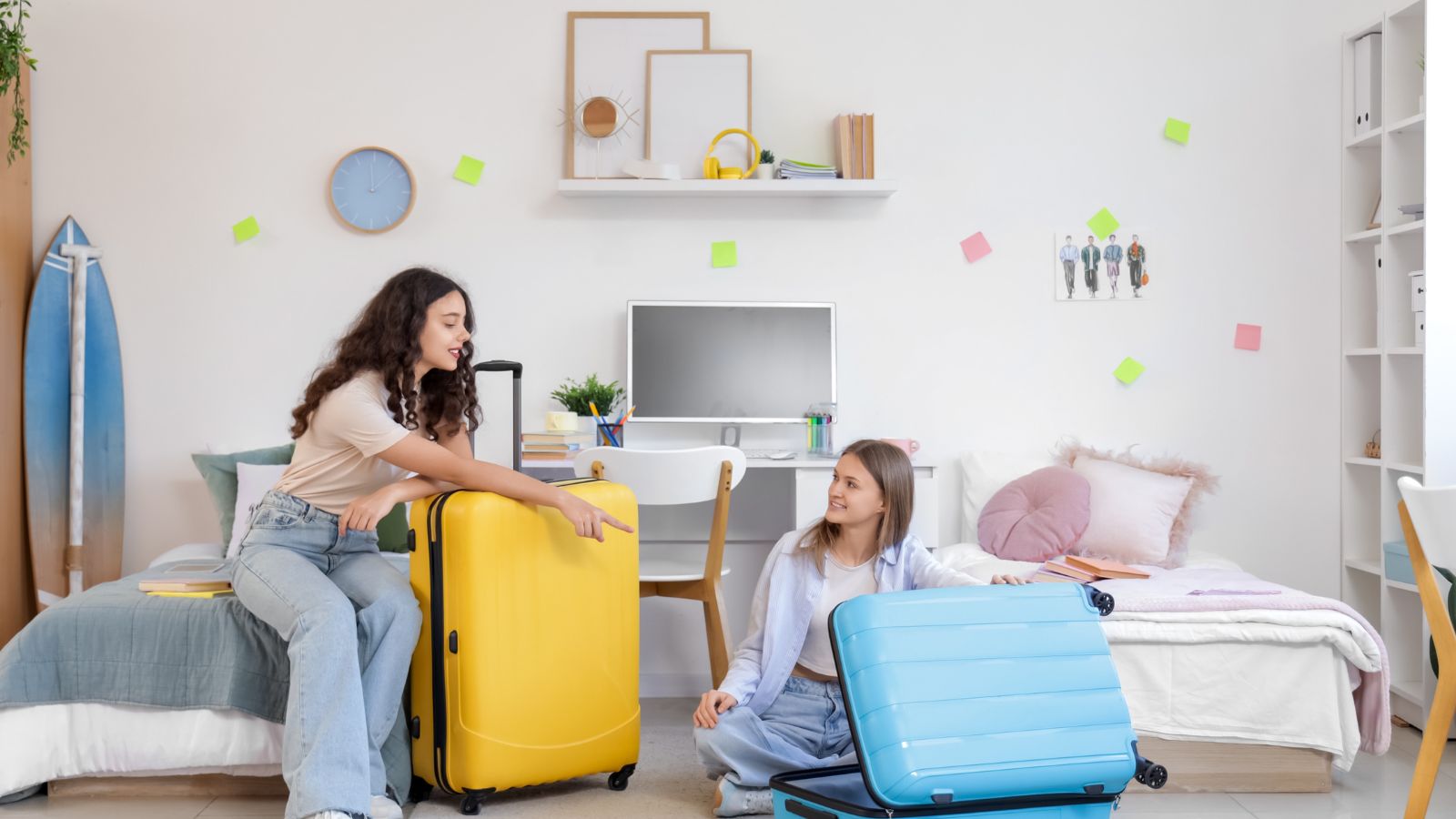
Post-secondary students moving into residence face a compressed shopping window, and bedding sizes are easy to get wrong. University of Toronto residence checklists commonly specify twin-XL sheets, along with pillows, towels, laundry bags and detergent. Standard twin sheets may not fit a longer residence mattress, turning a cheap purchase into a stressful move-in-day replacement.
Students should verify the residence’s mattress size, prohibited appliances and storage limits before buying. A practical early kit includes two sheet sets, a washable comforter or duvet, one mattress protector, two towels, hangers and a laundry bag that can be carried comfortably down a hallway or stairwell. Oversized décor bundles consume space and money without solving daily needs. Buying these items early also allows laundering before move-in, checking fabric comfort and avoiding a campus-area store after thousands of other students have searched for the same twin-XL set. A compact drying rack may also help where residence rules allow one.
A Personal Hygiene and Health Kit
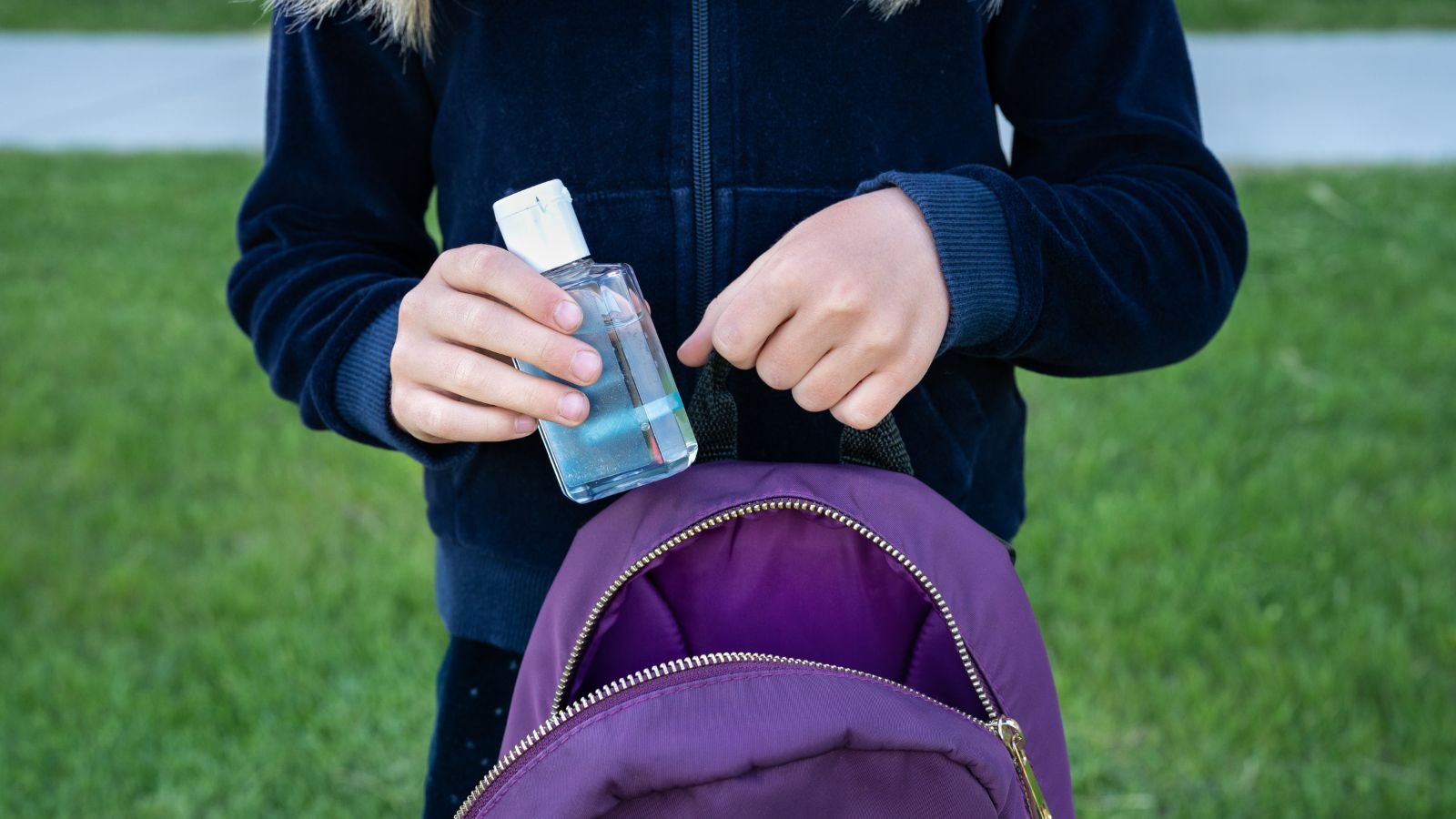
School routines expose students to shared desks, gym equipment, cafeterias and crowded transit, making a small hygiene kit useful. The Public Health Agency of Canada recommends washing hands with soap and water for at least 20 seconds or, when that is not available, using hand sanitizer containing at least 60% alcohol. Schools may have their own rules about sanitizer, medication and scented products, so families should check before packing anything unusual.
A simple kit can include tissues, unscented lip balm, menstrual products when needed, a small authorized sanitizer and a spare mask for students who choose to use one. Residence students may add shower sandals, a toiletry caddy and basic first-aid supplies permitted by housing rules. Buying early makes it easier to select travel sizes and refillable containers rather than paying convenience prices near campus. Prescription and emergency medications should follow school or residence procedures and should never be casually transferred into an unlabelled pouch.
A Combination Lock and Durable Name Labels
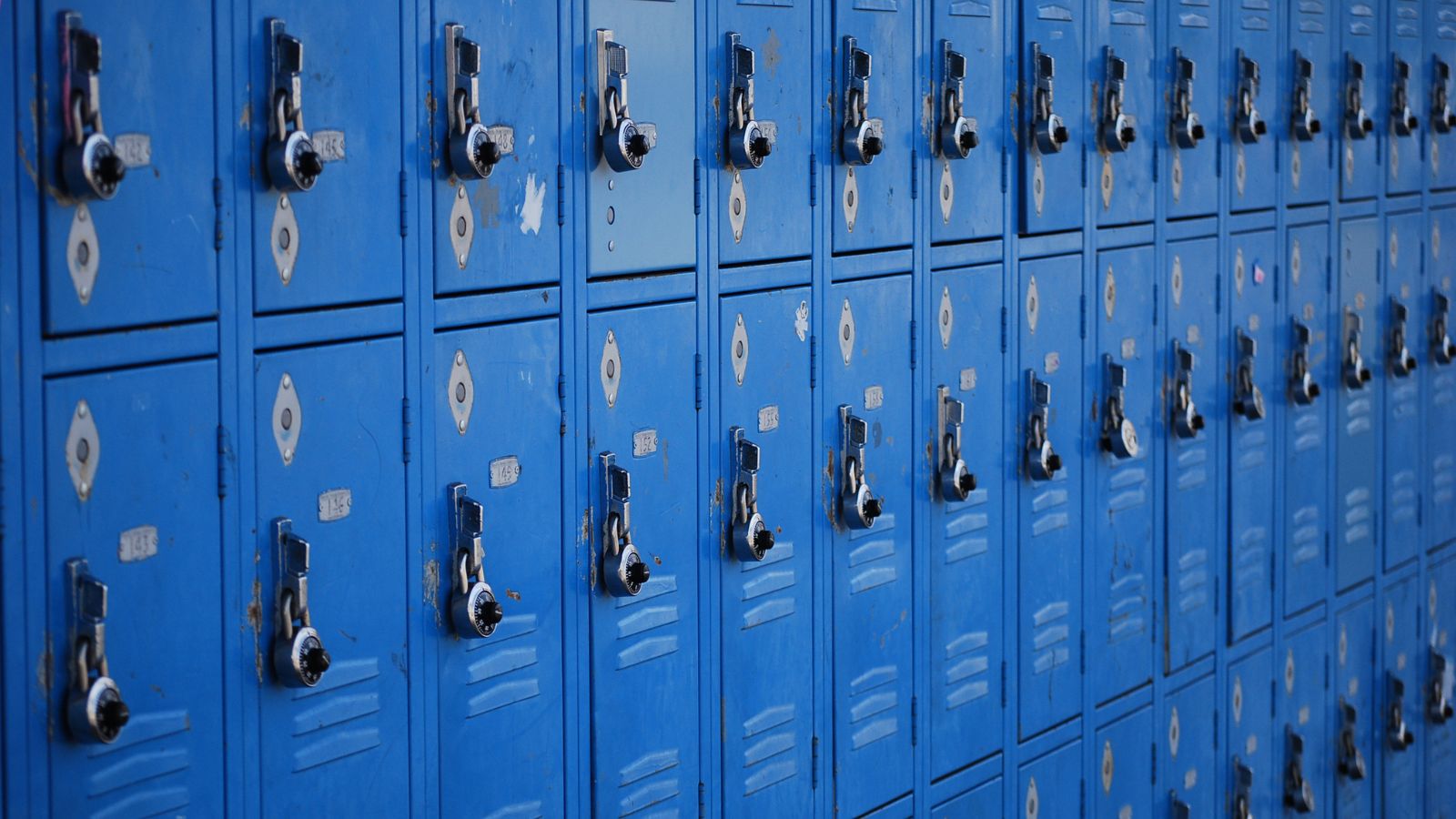
A combination lock is easy to forget because it may not appear on every classroom list, yet many Canadian secondary schools require students to provide an approved lock before a locker is assigned. Waterloo Region school pages commonly specify combination locks and sometimes prohibit keyed models. One school noted that locks could be purchased on site in September for about $7 to $8, which is convenient but may not offer much choice.
Buying early allows the student to practise the combination until it becomes automatic. Families should record the code privately, confirm the school’s lock rules and avoid decorative models that are difficult to replace. At the same time, durable labels can be added to backpacks, lunch containers, calculators, chargers, jackets and indoor shoes. Labelling does not guarantee an item’s return, but it gives staff a realistic way to identify it. A small lock-and-label purchase can protect hundreds of dollars’ worth of school gear throughout the year.
19 Things Canadians Don’t Realize the CRA Can See About Their Online Income

Earning money online feels simple and informal for many Canadians. Freelancing, selling products, and digital services often start as side projects. The problem appears at tax time. Many people underestimate how much information the CRA can access. Online platforms, banks, and payment processors create detailed records automatically. These records do not disappear once money hits an account. Small gaps in reporting add up quickly.
Here are 19 things Canadians don’t realize the CRA can see about their online income.
This Options Discord Chat is The Real Deal
While the internet is scoured with trading chat rooms, many of which even charge upwards of thousands of dollars to join, this smaller options trading discord chatroom is the real deal and actually providing valuable trade setups, education, and community without the noise and spam of the larger more expensive rooms. With a incredibly low-cost monthly fee, Options Trading Club (click here to see their reviews) requires an application to join ensuring that every member is dedicated and serious about taking their trading to the next level. If you are looking for a change in your trading strategies, then click here to apply for a membership.