
35,000+ smart investors are already getting financial news, market signals, and macro shifts in the economy that could impact their money next with our FREE weekly newsletter. Get ahead of what the crowd finds out too late. Click Here to Subscribe for FREE.
Cellphone renewals in Canada can look simple until the bill starts telling a different story. A monthly price, a larger data bucket, or a shiny phone offer may seem straightforward, but small details can shape the real cost for two years or more. Network coverage, roaming rules, device balances, activation fees, throttled data, family discounts, and cancellation rights all matter before agreeing to another term.
These 19 things Canadians should know before renewing their cellphone plan show where the fine print often hides, where regulations offer protection, and where a few minutes of comparison can prevent a costly mistake.
Renewal Prices Are Not Automatically the Best Prices
19 Things Canadians Should Know Before Renewing Their Cellphone Plan
- Renewal Prices Are Not Automatically the Best Prices
- The Phone Payment Can Matter More Than the Plan
- “Unlimited” Data May Still Have Limits
- Coverage Maps Need a Reality Check
- Roaming Fees Deserve a Separate Look
- Switching Fees Are Changing, But Bills Still Need Checking
- Keeping the Same Number Is Usually Possible
- Family Plans Can Hide Uneven Value
- Promotional Credits Can Expire Quietly
- Prepaid Plans Are Worth Comparing Again
- Speed Tiers Matter More Than Marketing Labels
- Data Usage Should Be Checked Before Buying More
- Device Return Programs Need Careful Reading
- Bring-Your-Own-Phone Plans Can Restore Bargaining Power
- Add-Ons Can Turn a Good Plan Into a Costly One
- Complaint Data Shows Billing Details Matter
- Automatic Payments Can Unlock Discounts — and Mask Increases
- Small Carriers and Flanker Brands May Fit Better
- Business and Work Use Changes the Calculation
- 19 Things Canadians Don’t Realize the CRA Can See About Their Online Income
A renewal offer can feel personal, especially when it appears inside an account portal or arrives by text from an existing provider. In practice, it may simply be the easiest offer to accept, not the strongest one available. Canadian wireless prices have generally moved downward in recent years for many plan sizes, which means an old “good deal” can quietly become outdated. Someone paying for a smaller legacy data plan may discover that newer public offers include more data for a similar or lower monthly price.
The key is comparing the renewal against current market options before saying yes. That includes the provider’s own new-customer plans, flanker brands, prepaid options, and competitors. A customer who has been loyal for years may assume loyalty brings the best price, but telecom pricing often rewards timing and switching pressure more than tenure. The strongest renewal conversations usually start with documented alternatives rather than a vague request for a discount.
The Phone Payment Can Matter More Than the Plan

A monthly cellphone bill often combines two separate costs: wireless service and the device. That distinction matters because cheaper service can be cancelled or changed more easily than a device financing balance. A plan that appears affordable may become expensive once the phone payment, device return condition, taxes, and end-of-term balance are included. In Canada, regulators have noted that while many mobile plan prices have declined, device costs have increased, changing the way households feel the total bill.
Before renewing, Canadians should separate the service cost from the phone cost on paper. A bring-your-own-phone plan may look less exciting than a subsidized device offer, but it can leave more flexibility. For example, a family that keeps phones for four years may save more with a lower service plan than by chasing a new device every two years. The best renewal is not always the one with the newest phone attached.
“Unlimited” Data May Still Have Limits
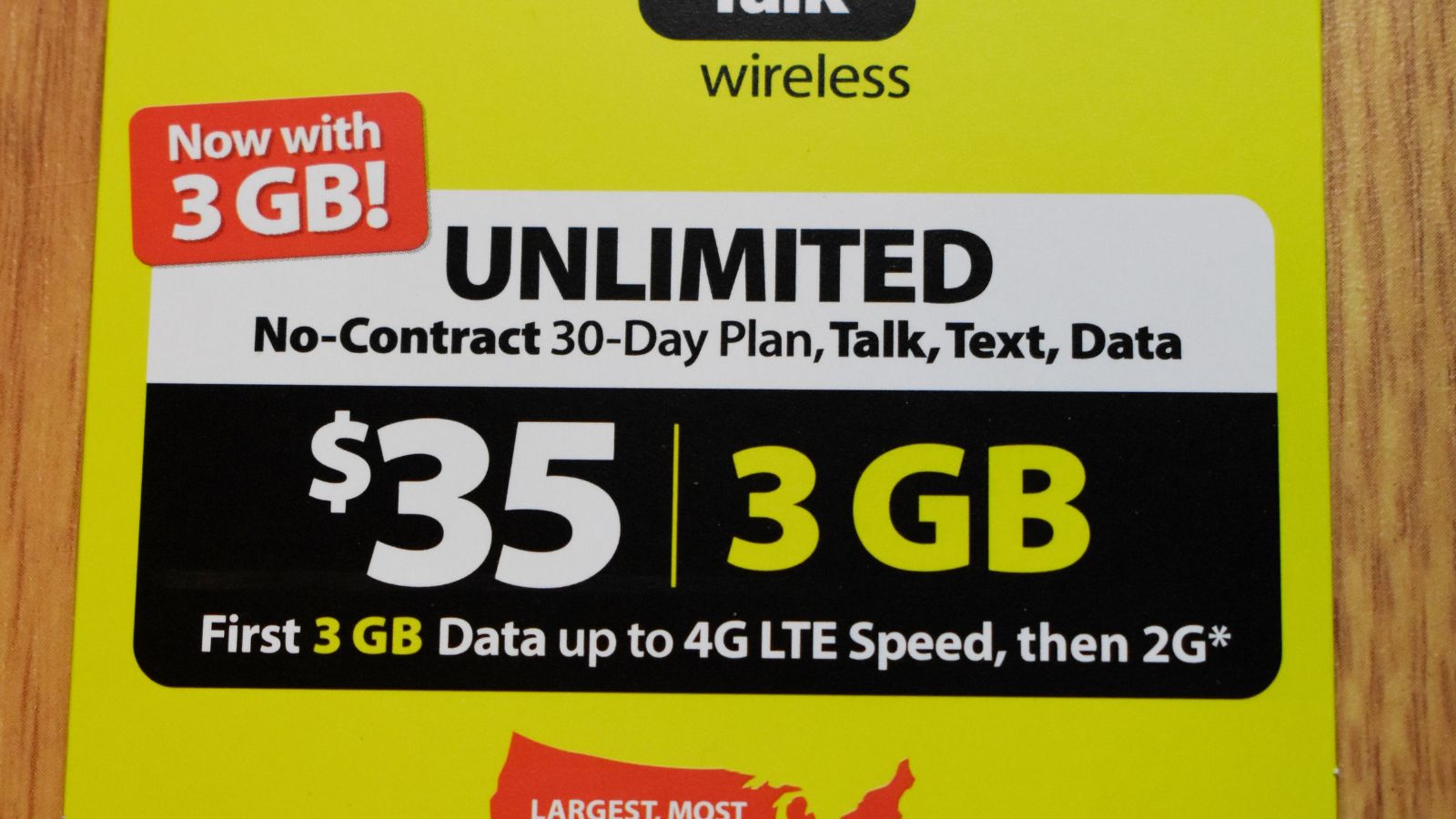
The word “unlimited” can be misleading when used casually. Many Canadian wireless plans allow continued use after a data threshold, but at sharply reduced speeds. That can still technically mean no hard cut-off, yet the experience may change dramatically once the full-speed allotment is gone. Video calls, maps, hotspot use, cloud backups, and streaming can become frustrating if the throttled speed is too slow for everyday habits.
Before renewing, the useful question is not just how many gigabytes are included. It is what happens after those gigabytes are used. The plan should clearly explain the full-speed data amount, any speed reduction, hotspot limits, and whether promotional data expires. A commuter who streams music and maps daily may be fine with throttled backup data. A contractor using a phone as a work hotspot may not be. “Unlimited” only helps when the slower tier still fits real life.
Coverage Maps Need a Reality Check

A renewal may advertise 5G access, nationwide coverage, or improved network performance, but the practical test is where the phone actually gets used. Coverage can vary between an urban condo, basement apartment, rural road, cottage, warehouse, hospital, university building, or basement home office. National maps provide a useful starting point, but they cannot always predict indoor reception, local congestion, or dead zones along daily routes.
Canadians should test coverage before locking into another term whenever possible. That can mean asking neighbours, checking workplace reception, using a temporary prepaid SIM, or reviewing recent local complaints. The issue becomes especially important for people outside dense urban centres. Government and CRTC initiatives continue to support better broadband and mobile access in underserved areas, but gaps still affect real users. A cheaper renewal is not much of a bargain if calls drop at home or data fails during the commute.
Roaming Fees Deserve a Separate Look

Roaming has become one of the easiest places for a routine plan to become expensive. Many carriers now promote daily roaming add-ons that allow a phone to be used abroad, but those daily fees can add up quickly on longer trips. A one-week trip can turn into a large bill if every travel day triggers a charge. Some plans include U.S. or international roaming, while others only include Canadian usage despite a similar monthly price.
Before renewing, travel habits should be part of the decision. Snowbirds, cross-border shoppers, remote workers, and families with relatives abroad may need a different plan than someone who rarely leaves Canada. It is also worth checking whether roaming caps apply to daily roaming passes, pay-per-use data, and international usage. A plan with a slightly higher monthly fee may be cheaper over the year if it prevents several costly roaming months.
Switching Fees Are Changing, But Bills Still Need Checking

Canadians have long complained about extra fees that appear when starting, changing, or cancelling telecom service. Recent CRTC action has aimed to make it easier to switch internet and cellphone plans by removing certain extra fees tied to activation, plan changes, and cancellation. That matters because a renewal decision should be based on service value, not fear of paying a penalty just to move to a better option.
Even with stronger protections, customers should still inspect the first bill after any renewal. Telecom complaints in Canada often involve billing issues, and mistakes can happen when promotions, credits, device balances, or family-plan changes are applied. A promised $10 monthly credit may appear for 24 months, 12 months, or not at all if the account setup is wrong. The safest approach is to save the offer details, confirm the effective monthly price, and compare the first bill line by line.
Keeping the Same Number Is Usually Possible

Many Canadians stay with a provider longer than they should because they do not want to lose a long-held phone number. In most cases, switching providers does not require giving up that number. The important detail is process: the old service should usually remain active until the new provider completes the transfer. Cancelling too early can create avoidable headaches and may risk losing the number.
Number portability gives customers more leverage at renewal time. A person who knows they can leave without losing their number can compare plans with less anxiety. It also changes the tone of negotiation. Instead of asking whether a provider can do better, the customer can present a competing offer and be ready to move. For small-business owners, freelancers, parents, and anyone who uses the same number for banking or two-factor authentication, that flexibility is especially valuable.
Family Plans Can Hide Uneven Value

Family and shared plans can reduce the monthly cost per line, but they are not automatically the cheapest structure. A household with four people may have very different usage patterns: one heavy data user, one basic talk-and-text user, a teen who streams constantly, and a grandparent who mostly uses Wi-Fi. A shared plan can make sense, but it can also push everyone into a higher-cost setup than they individually need.
Before renewing, each line should be reviewed separately. Some users may be better on prepaid, a flanker brand, or a lower-data plan. Others may need premium network access or roaming included. The mistake is treating the family as one identical customer. A renewal that saves $15 on the main line but adds unnecessary features to three secondary lines can still raise the total household bill. The strongest family plan is the one that matches usage, not just headcount.
Promotional Credits Can Expire Quietly

A renewal offer may advertise a strong monthly price because several temporary credits are stacked together. The displayed amount may depend on automatic payments, online billing, a 24-month discount, a trade-in credit, or a limited-time bonus. When one of those credits expires, the bill can jump even though the base plan did not change. This is how a plan that felt affordable at signing can feel surprisingly expensive later.
Canadians should ask for the regular price, the discounted price, the exact expiry date of every credit, and what the bill becomes after promotions end. A good habit is creating a calendar reminder one month before the credit expires. That gives enough time to renegotiate, switch, or downgrade before the higher price hits. Promotions are not bad, but they should be treated like coupons with end dates, not permanent savings.
Prepaid Plans Are Worth Comparing Again

Prepaid cellphone plans used to be associated mainly with bare-bones service, but the gap has narrowed for many everyday users. Depending on the provider and promotion, prepaid can offer predictable billing, no surprise overage fees, and useful data amounts at lower monthly costs. It can be especially appealing for students, newcomers, seniors, temporary workers, or anyone who owns a phone outright and does not need device financing.
The trade-off is that prepaid may come with fewer extras, different roaming options, reduced support channels, or no access to certain premium features. Still, it belongs in the renewal comparison. Someone who mostly uses Wi-Fi, messages through apps, and rarely travels may not need a premium postpaid plan. A $20 difference each month becomes $480 over two years. That is enough to make prepaid more than a backup option for many households.
Speed Tiers Matter More Than Marketing Labels

A plan may say 5G, 5G+, LTE, or nationwide network access, but the label does not always tell the whole story. Some plans include access to a newer network while limiting maximum speed. Others offer faster speeds only in certain areas or on certain plan tiers. For basic messaging, browsing, and music streaming, the difference may barely matter. For hotspot work, large file uploads, cloud gaming, or high-resolution video, it can matter a lot.
Before renewing, Canadians should match speed needs to actual habits. A person using a phone mainly for email and maps may not need the fastest tier. A remote worker using mobile data during outages might. The practical question is whether the plan supports the heaviest real-world use case, not whether the network label sounds advanced. Paying extra for speed that never gets used is wasteful, but choosing a slower plan for demanding work can be equally frustrating.
Data Usage Should Be Checked Before Buying More

Large data buckets can look reassuring, especially when providers advertise 75 GB, 100 GB, or more. But many Canadians use far less mobile data than they think because home, office, school, and public Wi-Fi absorb much of the day. A renewal that doubles the data allowance may feel generous while doing little to improve daily life. The most useful evidence is already in the account: past monthly usage.
Before renewing, customers should review at least six months of data history, not just the most recent bill. Summer travel, school schedules, remote work, and hockey tournaments can all change usage patterns. A person who peaks at 12 GB most months may not need a 100 GB plan unless hotspot use or travel is about to increase. The best data amount leaves a comfortable buffer without paying for a giant allowance that expires unused every month.
Device Return Programs Need Careful Reading

Some phone offers reduce the monthly cost by requiring the customer to return the device at the end of the term or pay a remaining balance. These programs can make a premium phone look cheaper, but they depend on the device being returned on time and in acceptable condition. A cracked screen, damaged port, missing return window, or decision to keep the phone can create a large final charge.
Before renewing with a return-style device offer, Canadians should decide whether they realistically protect and replace phones on a strict schedule. A careful user who upgrades every two years may benefit. A parent buying for a teen, a tradesperson working outdoors, or anyone who tends to keep phones longer may prefer traditional financing or buying outright. The monthly price is only half the story. The end-of-term obligation is where the real comparison begins.
Bring-Your-Own-Phone Plans Can Restore Bargaining Power

Owning a phone outright can change the entire renewal conversation. Without a device balance, a customer is usually freer to switch, downgrade, or negotiate. Bring-your-own-phone plans often receive better promotional pricing because the carrier is not financing a handset. This can be especially useful when a current phone still has strong battery life, receives software updates, and handles daily apps without trouble.
The hidden advantage is flexibility. A customer with no device commitment can leave when a better seasonal deal appears. Black Friday, Boxing Day, back-to-school periods, and carrier-specific promotions can shift pricing quickly. By contrast, someone tied to a phone balance may see a better plan but hesitate because leaving triggers repayment. Before renewing, the question should be whether a new device is truly needed or whether the existing phone can buy another year of lower-cost service.
Add-Ons Can Turn a Good Plan Into a Costly One

A base plan may look competitive, but add-ons can quietly raise the total. Visual voicemail, international calling packs, tablet lines, smartwatch sharing, premium support, device protection, extra cloud storage, and roaming passes can accumulate over time. Some add-ons are useful; others survive because no one reviewed the bill after the original setup. A $7 or $12 monthly extra may seem minor until multiplied across years and multiple lines.
Before renewing, every recurring add-on should justify its place. Device protection, for instance, may make sense for a new premium phone but less sense for an older device with a low resale value. International calling may be cheaper through apps or targeted long-distance packages. A family account may have forgotten tablet lines from devices no longer used. Renewal is the ideal moment to strip the account back to what actually earns its monthly cost.
Complaint Data Shows Billing Details Matter

Telecom disputes are not rare edge cases. Canadian complaint data has repeatedly shown that billing and contract issues are major sources of frustration, with wireless services accounting for a large share of complaint activity. That does not mean every provider or plan is problematic, but it does show why verbal promises and vague renewal summaries are risky. The most expensive misunderstandings often involve what a customer thought was included versus what the provider actually billed.
Canadians should treat the renewal confirmation like a contract, not a casual receipt. It should show the monthly price, included data, device charge, discounts, taxes where applicable, term length, cancellation conditions, roaming terms, and any one-time charges. If a representative promises a credit, the customer should ask for it in writing. A clear paper trail makes disputes easier to resolve and can prevent hours of explaining the same issue later.
Automatic Payments Can Unlock Discounts — and Mask Increases

Some plans offer monthly discounts for automatic payments or paperless billing. That can be useful, but automatic payments also make it easier to miss a creeping increase. A customer may not notice that a promotion ended, an add-on was added, or taxes changed because the payment simply leaves the account each month. Convenience should not replace review.
Before renewing, Canadians should understand whether the advertised price depends on automatic payments. They should also set a habit of checking the bill, especially after the first month, after a promotion ends, and after any device upgrade. A small increase can become permanent if no one questions it. Automatic payment is best used as a discount tool, not as permission for the bill to disappear from view.
Small Carriers and Flanker Brands May Fit Better

Canada’s wireless market includes major brands, flanker brands, regional providers, prepaid brands, and mobile virtual network-style options. The best fit may not be the biggest name, especially for customers who do not need premium support, the fastest network tier, or bundled home internet discounts. A lower-cost brand using a familiar network can be enough for everyday calling, messaging, maps, banking apps, and streaming.
The trade-off is service style. Some lower-cost brands emphasize online support, fewer stores, prepaid structures, or simpler plan menus. That may be perfectly acceptable for a tech-comfortable customer and frustrating for someone who wants in-person help. Before renewing with a mainline provider, Canadians should compare the lower-cost ecosystem around it. A plan that saves $15 to $30 per month can outweigh missing perks if the core coverage and data allowance are right.
Business and Work Use Changes the Calculation

A plan that works for casual personal use may not be right for someone who relies on a phone for income. Gig workers, real estate agents, tradespeople, delivery drivers, consultants, and small-business owners may need reliable hotspot data, strong coverage in specific areas, voicemail features, U.S. roaming, or detailed invoices for tax records. A renewal focused only on the lowest monthly price can backfire if it disrupts work.
The right approach is to list work-critical functions before comparing plans. Does the phone need to handle video calls from job sites? Is hotspot data a backup when home internet fails? Are international calls or U.S. travel part of the job? Is a second line useful for separating clients from personal contacts? A slightly higher plan can be justified when it protects income, but only if the features are genuinely used.
19 Things Canadians Don’t Realize the CRA Can See About Their Online Income

Earning money online feels simple and informal for many Canadians. Freelancing, selling products, and digital services often start as side projects. The problem appears at tax time. Many people underestimate how much information the CRA can access. Online platforms, banks, and payment processors create detailed records automatically. These records do not disappear once money hits an account. Small gaps in reporting add up quickly.
Here are 19 things Canadians don’t realize the CRA can see about their online income.
This Options Discord Chat is The Real Deal
While the internet is scoured with trading chat rooms, many of which even charge upwards of thousands of dollars to join, this smaller options trading discord chatroom is the real deal and actually providing valuable trade setups, education, and community without the noise and spam of the larger more expensive rooms. With a incredibly low-cost monthly fee, Options Trading Club (click here to see their reviews) requires an application to join ensuring that every member is dedicated and serious about taking their trading to the next level. If you are looking for a change in your trading strategies, then click here to apply for a membership.