35,000+ smart investors are already getting financial news, market signals, and macro shifts in the economy that could impact their money next with our FREE weekly newsletter. Get ahead of what the crowd finds out too late. Click Here to Subscribe for FREE.
Crossing from Canada into the United States can feel routine until one small detail turns a quick inspection into a long delay. A missing consent letter, a forgotten snack, an expired document, or a casual answer about work can change the tone of the entire trip.
These 17 border reminders cover the practical details Canadians most often need to think through before heading south. Some are about paperwork, others are about food, pets, medicine, money, driving, and digital privacy. Together, they show how a smooth crossing usually starts well before the vehicle reaches the booth or the airport gate.
Valid Travel Documents Are Still the First Checkpoint
17 Things Canadians Should Never Forget Before Crossing the U.S. Border
- Valid Travel Documents Are Still the First Checkpoint
- NEXUS Helps Only When Everyone Is Eligible to Use It
- Food in the Car Can Become a Border Problem
- Cannabis Should Not Cross the Border in Any Form
- Prescription Medication Needs Its Own Paper Trail
- More Than $10,000 Must Be Reported
- Children May Need Consent Documentation
- Dogs Now Need Extra Pre-Trip Attention
- Travel Health Insurance Matters More in the United States
- Border Wait Times Can Change the Whole Trip
- Business Travel Is Not the Same as Working in the U.S.
- The Length of Stay Is Not a Guess
- Receipts Make the Return to Canada Easier
- Driving South Requires More Than a Full Tank
- Firearms, Ammunition, and Weapons Need Serious Planning
- Alcohol and Tobacco Rules Differ by Direction
- Phones and Laptops Are Not Completely Private at the Border
- 19 Things Canadians Don’t Realize the CRA Can See About Their Online Income

A Canadian passport remains the safest document to carry because it proves both identity and Canadian citizenship, and it is widely accepted for international travel. At airports, Canadian citizens entering the United States generally need a valid passport, though a NEXUS card may be accepted in specific circumstances when departing from Canada. At land crossings, trusted-traveller cards and certain enhanced identification documents may be accepted, but rules can vary by traveller type and route.
The practical issue is not just whether a document works in theory. Families often discover problems when a child’s passport is close to expiry, a name does not match an airline booking, or a NEXUS card was left in another wallet. Border officers are trained to verify identity quickly, so mismatched or incomplete documents can slow everything down. A weekend shopping trip can become stressful when the whole vehicle is waiting because one traveller assumed a provincial driver’s licence alone was enough.
NEXUS Helps Only When Everyone Is Eligible to Use It
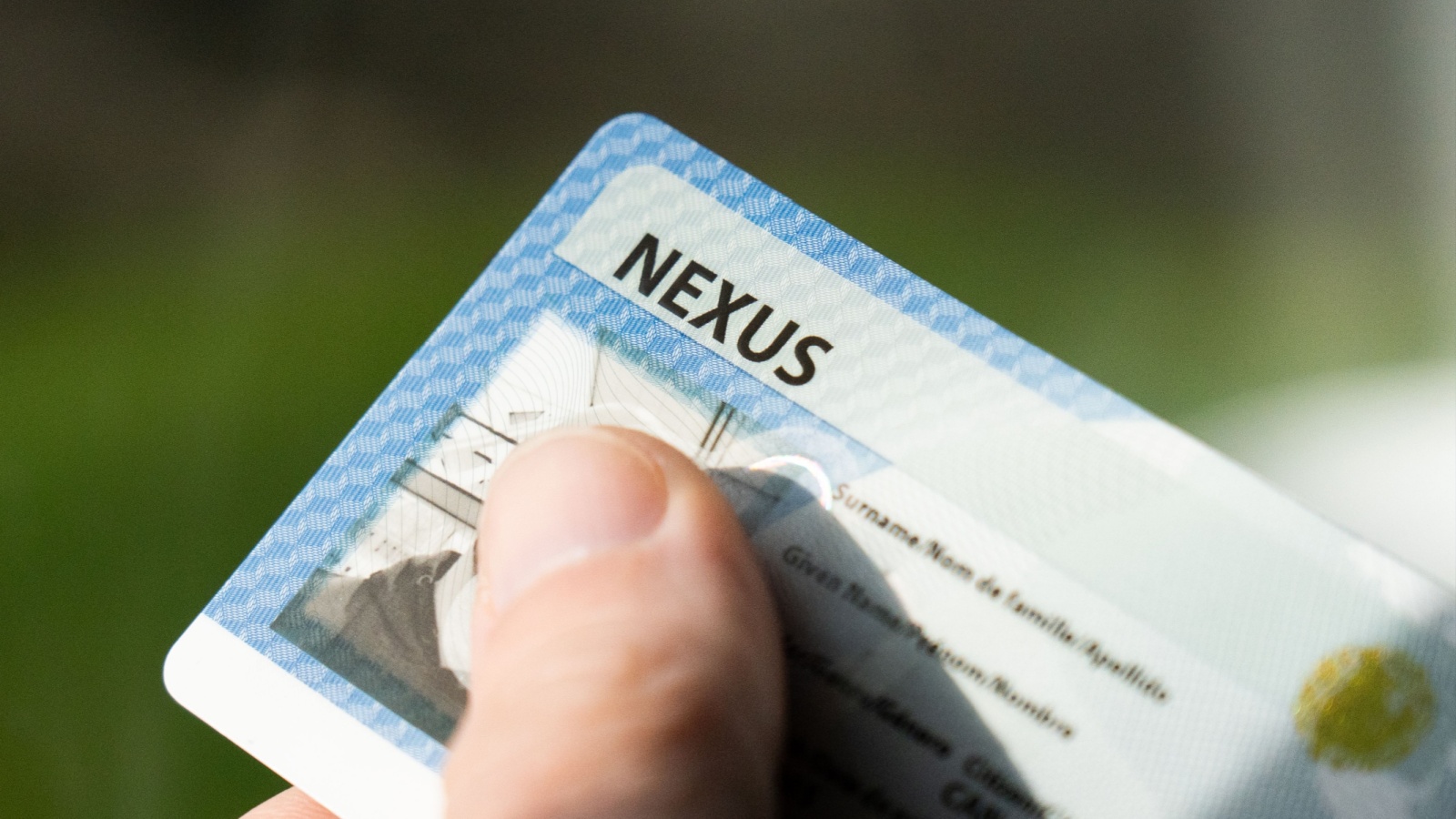
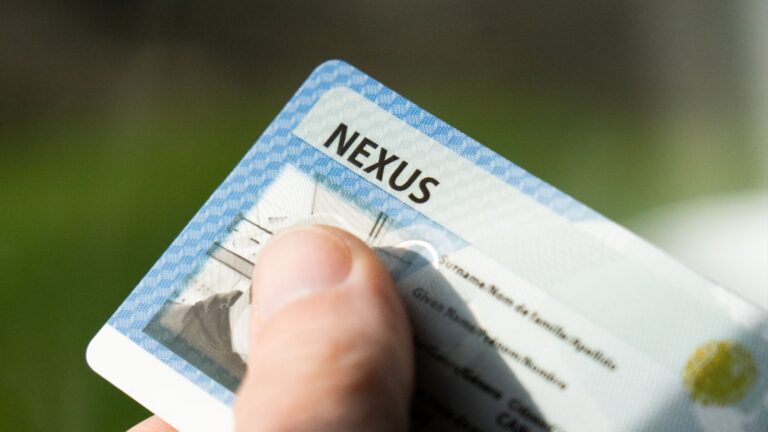
NEXUS can make cross-border travel much faster, especially for frequent travellers using dedicated lanes or airport kiosks. But it is not a magic shortcut for the whole car. Everyone using a NEXUS lane must generally be a NEXUS member and must follow the program rules. A single non-member passenger, even a child, can make the lane inappropriate and may lead to complications.
It is also easy to forget that trusted-traveller benefits come with stricter expectations. A traveller who forgets to declare groceries, gifts, or agricultural items while using a trusted lane may face more than a short lecture. For example, a family that routinely uses NEXUS for hockey tournaments or outlet shopping needs the same declaration discipline every time. The card saves time only when the trip is straightforward, the lane is correct, and everyone in the group is properly enrolled.
Food in the Car Can Become a Border Problem

Snacks feel harmless until they fall into agricultural inspection rules. U.S. authorities require travellers to declare agricultural and wildlife products, and many meat, fruit, vegetable, plant, seed, and animal products may be restricted or prohibited. The concern is not personal consumption; it is the risk of pests, animal disease, and plant disease entering the country. Even a sandwich, orange, or homemade stew can invite extra questions.
The smartest approach is to keep food simple, packaged, and easy to explain. Receipts and original packaging can help show where a product came from, but they do not guarantee entry. A family cooler packed for a long drive may include apples, deli meats, or pet treats that seem ordinary in Canada but trigger closer inspection at the U.S. border. Declaring everything is usually safer than guessing. Officers can decide what is admissible, but undeclared food can create delays and penalties.
Cannabis Should Not Cross the Border in Any Form

Cannabis legalization in Canada does not change border rules. It remains illegal to take cannabis across the Canadian border, including when leaving Canada, and U.S. federal law continues to prohibit cannabis importation. This includes dried cannabis, edibles, oils, extracts, topicals, and products containing CBD. The rule can surprise travellers who bought products legally at home and assume legality follows them.
The risk is especially high because cannabis questions at the U.S. border can go beyond possession. Canadian travel guidance warns that previous cannabis use or travel connected to the cannabis industry may affect admissibility to the United States. A worker heading to a cannabis trade event, an investor carrying promotional material, or a traveller with cannabis packaging in a bag may face questions that feel unexpectedly serious. The safest memory aid is blunt but effective: keep cannabis in Canada.
Prescription Medication Needs Its Own Paper Trail

Medication should travel in original containers whenever possible, with the traveller’s name, prescription details, and dosage clearly visible. U.S. guidance advises carrying only medication prescribed to the traveller or legally obtained, and federal health guidance commonly points to personal-use quantities, often no more than a 90-day supply. A doctor’s note or prescription copy can help explain medication that is controlled, injectable, refrigerated, or not obvious at a glance.
The border issue is rarely the common pill organizer alone; it is the absence of proof when questions arise. A snowbird carrying several months of medication, a parent packing a child’s ADHD prescription, or a traveller carrying syringes for diabetes may be completely legitimate but still need documentation. Medication that is legal in Canada may also be treated differently in the United States. Keeping prescriptions separate from toiletries and easy to show can prevent a health necessity from becoming a customs confusion.
More Than $10,000 Must Be Reported

Travellers may carry money across the U.S. border, but amounts over $10,000 in currency or monetary instruments must be reported. This rule applies when entering or leaving the United States, and it can include cash, traveller’s cheques, money orders, negotiable instruments, and combined family amounts in some circumstances. The problem is not carrying the money; the problem is failing to report it properly.
This catches people who think the rule applies only to cash in one envelope. A couple heading south to buy a used vehicle, a family carrying funds for a wedding, or a small business owner transporting payment instruments may cross the threshold without realizing it. U.S. authorities can impose serious penalties for failing to report, including seizure of funds. The safer habit is to calculate the total before leaving home and complete the required reporting if the amount exceeds the limit.
Children May Need Consent Documentation

Children crossing an international border without both parents or legal guardians may be asked for proof that the absent parent or guardian consents to the travel. Canadian guidance recommends carrying a consent letter for children travelling outside Canada, even for a land-border day trip. Border officials may ask questions when a child is travelling with one parent, grandparents, relatives, coaches, or family friends.
A consent letter is not just paperwork; it helps protect children and reduce uncertainty. It should generally identify the child, accompanying adult, destination, travel dates, and contact information for the absent parent or guardian. A notarized or witnessed letter may add credibility. A common example is a divorced parent taking a child to a U.S. tournament while the other parent stays home. Without written consent, the crossing may still be possible, but the inspection can become longer and more uncomfortable.
Dogs Now Need Extra Pre-Trip Attention

Dogs entering or returning to the United States must meet current import requirements, including a CDC Dog Import Form receipt. Dogs from rabies-free or low-risk countries such as Canada still need to meet basic conditions, including appearing healthy, being at least six months old, and having a microchip. The form receipt may be valid for multiple entries from the same country for a limited period, but it is not something to remember at the booth.
This matters for casual trips as much as major moves. A family bringing the dog to a cottage rental in Michigan or a retiree driving to Arizona may assume pet travel is unchanged because the dog has crossed before. Rules introduced in recent years made dog paperwork more formal, and additional requirements can apply depending on where the dog has been. Checking the rules before departure is much easier than rearranging plans with a restless pet in the back seat.
Travel Health Insurance Matters More in the United States
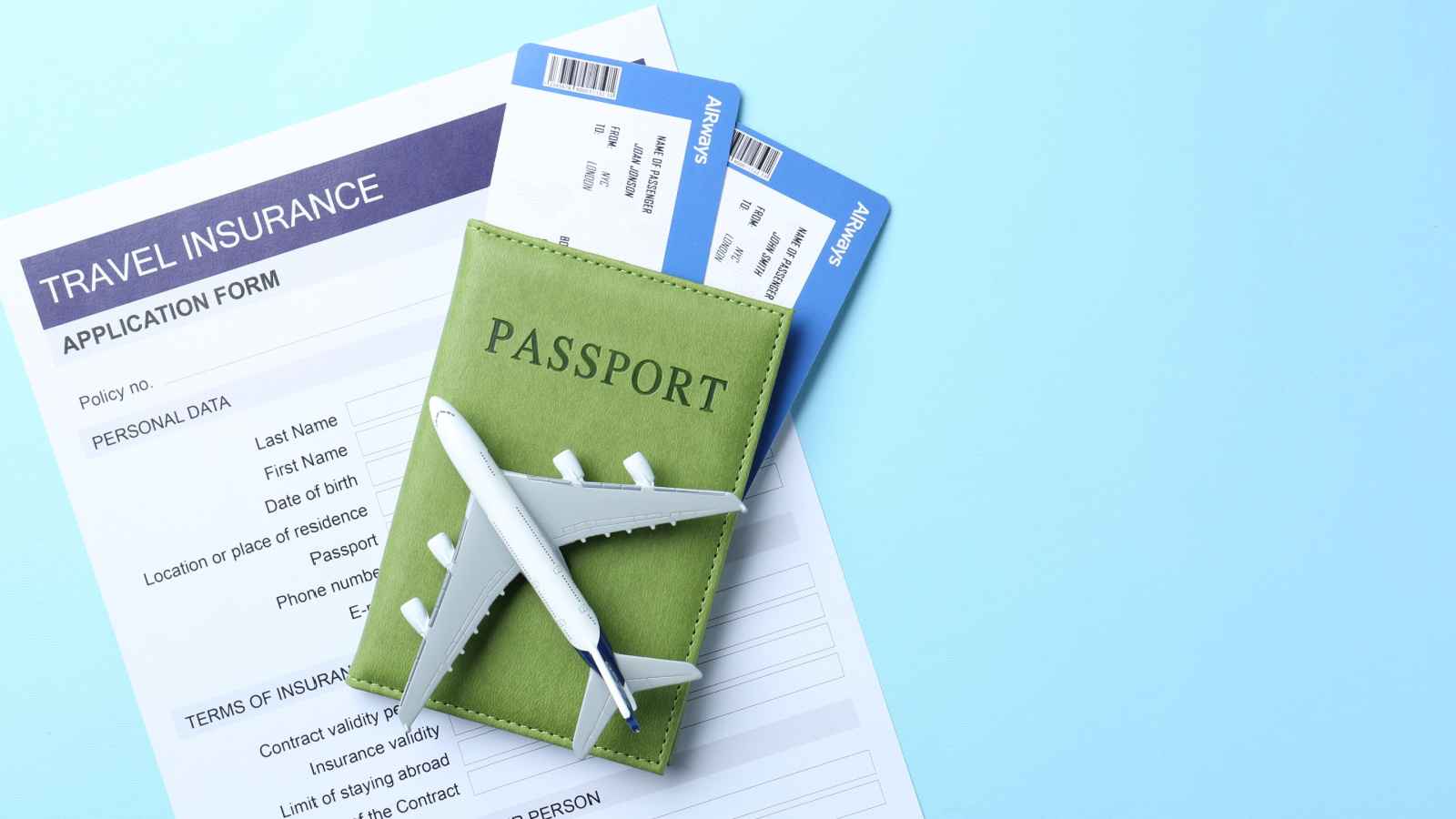
Canadian provincial and territorial health plans may cover none or only a small part of medical care outside Canada. Government travel guidance warns that hospitals and clinics abroad can be expensive and may require immediate payment. In the United States, even a minor emergency can generate bills that feel completely out of proportion to the length of the trip.
The common mistake is assuming a short trip is too brief for insurance to matter. A same-day shopping run can still involve a fall in a parking lot, a highway crash, or a sudden allergic reaction. Some travellers rely on credit card coverage without checking age limits, trip-length limits, pre-existing condition clauses, or whether the card was used to pay for the trip. Before crossing, Canadians should know who covers emergencies, what number to call, and whether medical evacuation is included.
Border Wait Times Can Change the Whole Trip

U.S. Customs and Border Protection and the Canada Border Services Agency both provide border wait-time tools for major land crossings. These tools can show estimated wait times, lane status, and port information. They are not perfect predictions, but they can help travellers choose a crossing, avoid peak periods, and decide whether a nearby port is worth the detour.
Long waits are not just inconvenient; they can create secondary problems. A family may run low on fuel, miss a hotel check-in, or arrive at an event too late to make the trip worthwhile. At busy crossings such as Peace Arch, Ambassador Bridge, or Niagara-area ports, holiday weekends can change the entire rhythm of travel. A quick check before departure can prevent a traveller from joining the longest possible line simply because it was the most familiar route.
Business Travel Is Not the Same as Working in the U.S.

Canadians often enter the United States for meetings, conferences, training, trade shows, or sales calls, but business travel has boundaries. A temporary business visitor may be allowed to participate in certain professional or commercial activities, while actual employment in the United States can require a different status. Under USMCA, some Canadian professionals may qualify for TN status for prearranged professional work, but that is not the same as simply driving south with a laptop.
The distinction can feel technical, yet officers may ask direct questions about what the traveller will do, who will pay them, and where the productive work will occur. A Canadian consultant attending a meeting is different from one installing equipment, managing staff, or filling a U.S. role. Carrying an invitation letter, conference registration, employer letter, or contract summary can help align the stated purpose with the documents in hand. Vague answers can make a routine crossing sound suspicious.
The Length of Stay Is Not a Guess

Many Canadians think of U.S. visits in broad terms, such as “up to six months,” but the actual period of admission is determined by U.S. authorities. Travellers may be able to check their I-94 record online when one is issued or automatically created. Canadian travel guidance also warns about U.S. registration requirements for some foreign nationals staying longer than 30 days.
This is especially important for snowbirds, remote workers, and people making repeated long visits. A traveller who spends winters in Florida, returns briefly to Canada, then goes back south may not be viewed the same as a weekend visitor. Officers can ask about ties to Canada, work, housing, health insurance, and finances. Tracking entry and exit dates is a practical safeguard. It helps avoid accidental overstays, tax complications, and uncomfortable questions about whether the United States has become a second home rather than a destination.
Receipts Make the Return to Canada Easier

Crossing into the United States is only half the trip. Canadians returning home must declare purchases and may qualify for personal exemptions based on how long they were outside Canada. Government guidance identifies common thresholds, including no exemption for very short absences, a CAN$200 exemption after 24 hours, and a CAN$800 exemption after 48 hours or more, with alcohol and tobacco subject to specific limits.
Receipts matter because memory becomes unreliable after a day of outlet malls, gas stations, grocery stores, and online pickup orders. A traveller may forget the shoes in the trunk, the electronics in a backpack, or the gifts bought for relatives. Officers are used to seeing totals that do not quite add up. Keeping receipts together and declaring honestly is less stressful than trying to reconstruct spending at the booth while passengers search bags for proof.
Driving South Requires More Than a Full Tank

Canadians with a provincial or territorial driver’s licence generally do not need an International Driving Permit to drive in the United States. Still, drivers should carry a valid licence, vehicle registration, and proof of insurance. Before longer trips, it is also wise to confirm that the policy covers U.S. driving and that liability limits are high enough for the legal and medical costs that can follow a crash.
The insurance issue is often invisible until something goes wrong. A Canadian driver may be legal to drive but underprepared for a U.S. lawsuit, rental-car exclusion, roadside breakdown, or towing bill. CAA-Québec, for example, has warned that minimum liability coverage can quickly be insufficient when travelling outside the province. A routine road trip to New York, Washington, or Florida is easier when the glove box contains current documents and the driver already knows what the insurer will cover.
Firearms, Ammunition, and Weapons Need Serious Planning
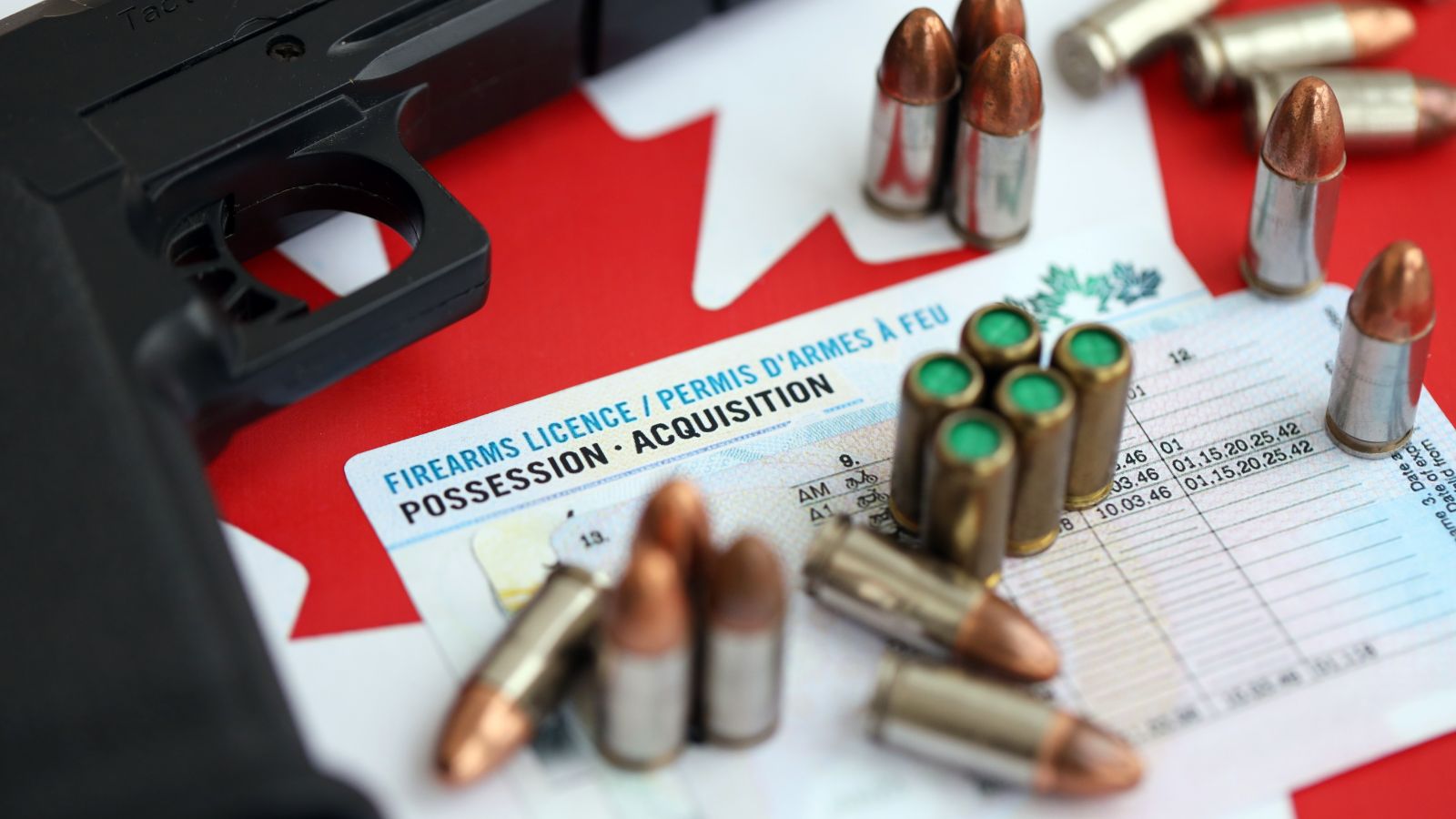
Firearms and ammunition are among the easiest items to mishandle at the border because Canadian and U.S. rules do not line up neatly. U.S. authorities note that importing or bringing firearms into the United States can require approvals from the Bureau of Alcohol, Tobacco, Firearms and Explosives. Canadian authorities also enforce rules on firearms, weapons, parts, and accessories when travellers return or enter Canada.
This is not a category for assumptions. Hunters, sport shooters, collectors, and travellers transiting to another destination should verify paperwork before travel, not at the port of entry. Even items that seem less serious, such as certain knives, pepper spray, or replica weapons, can create trouble depending on classification and local law. A firearm forgotten in a vehicle compartment can turn a family crossing into a law-enforcement matter. When in doubt, leave it behind or get formal guidance before departure.
Alcohol and Tobacco Rules Differ by Direction

Duty-free alcohol and tobacco limits are easy to mix up because the rules differ depending on whether the traveller is entering the United States or returning to Canada. U.S. customs rules have their own personal exemption structure, while Canada’s returning-resident exemptions depend heavily on time outside the country. For Canadians, alcohol and tobacco are not included in the 24-hour exemption, and specific limits apply after longer absences.
The practical mistake is buying based on a store sign rather than the rules that apply at the next border booth. A traveller may be offered a “deal” on cases of beer, cartons of cigarettes, or spirits without realizing the duty and tax consequences. Age rules also matter, because the legal drinking and tobacco rules can vary by jurisdiction. Keeping alcohol and tobacco purchases separate, counted, and declared prevents a bargain from turning into an expensive delay.
Phones and Laptops Are Not Completely Private at the Border

U.S. Customs and Border Protection says electronic device searches happen on rare occasions, but officers may search phones, laptops, cameras, and other devices during inspection. CBP guidance distinguishes between device inspections and broader procedures for reviewing, retaining, and sharing information. For most tourists, nothing happens. For some travellers, a phone or laptop can become part of the inspection.
This matters because a device often contains far more than travel information. Work files, private messages, client records, health details, and financial accounts may all be accessible from one screen. A Canadian travelling for business should think carefully about what data is stored locally, whether work devices are necessary, and whether sensitive files can be minimized before travel. Preparation does not mean hiding wrongdoing; it means recognizing that the border is a special legal environment where ordinary privacy expectations may not fully apply.
19 Things Canadians Don’t Realize the CRA Can See About Their Online Income

Earning money online feels simple and informal for many Canadians. Freelancing, selling products, and digital services often start as side projects. The problem appears at tax time. Many people underestimate how much information the CRA can access. Online platforms, banks, and payment processors create detailed records automatically. These records do not disappear once money hits an account. Small gaps in reporting add up quickly.
Here are 19 things Canadians don’t realize the CRA can see about their online income.
This Options Discord Chat is The Real Deal
While the internet is scoured with trading chat rooms, many of which even charge upwards of thousands of dollars to join, this smaller options trading discord chatroom is the real deal and actually providing valuable trade setups, education, and community without the noise and spam of the larger more expensive rooms. With a incredibly low-cost monthly fee, Options Trading Club (click here to see their reviews) requires an application to join ensuring that every member is dedicated and serious about taking their trading to the next level. If you are looking for a change in your trading strategies, then click here to apply for a membership.