
35,000+ smart investors are already getting financial news, market signals, and macro shifts in the economy that could impact their money next with our FREE weekly newsletter. Get ahead of what the crowd finds out too late. Click Here to Subscribe for FREE.
35,000+ smart investors are already getting financial news, market signals, and macro shifts in the economy that could impact their money next with our FREE weekly newsletter. Get ahead of what the crowd finds out too late. Click Here to Subscribe for FREE.
Summer road trips in Canada can look simple from a distance: pack the trunk, pick a route, and chase the longest days of the year. In reality, the first big drive of the season often exposes small gaps in planning, from tire pressure and campsite bookings to wildfire detours and out-of-province coverage.
This guide covers 17 things Canadians should do before their first major summer road trip, with a focus on practical preparation, safer driving, and fewer expensive surprises once the kilometres start adding up.
Get the Vehicle Inspected Before the Calendar Fills Up
17 Things Canadians Should Do Before Their First Big Summer Road Trip
- Get the Vehicle Inspected Before the Calendar Fills Up
- Check Tire Pressure, Tread, and the Spare
- Top Up Fluids and Bring the Right Extras
- Test the Battery Before Hot Weather Exposes It
- Plan the Route Beyond the Main Highway
- Download Offline Maps and Save Key Addresses
- Reserve Campsites, Ferries, and Timed Entries Early
- Build a Real Emergency Kit, Not a Random Trunk Pile
- Review Insurance, Roadside Assistance, and Out-of-Province Coverage
- Set a Fuel or Charging Budget With a Buffer
- Pack the Car With Weight and Visibility in Mind
- Prepare for Wildfire Smoke, Heat, and Sudden Weather
- Check Road Conditions and Construction Before Departure
- Build Breaks Into the Schedule Before Fatigue Builds
- Set Phone, Music, and Navigation Rules Before Moving
- Confirm Documents for Children, Pets, and Border Crossings
- Make a Food, Water, and Cooler Plan
- 19 Things Canadians Don’t Realize the CRA Can See About Their Online Income
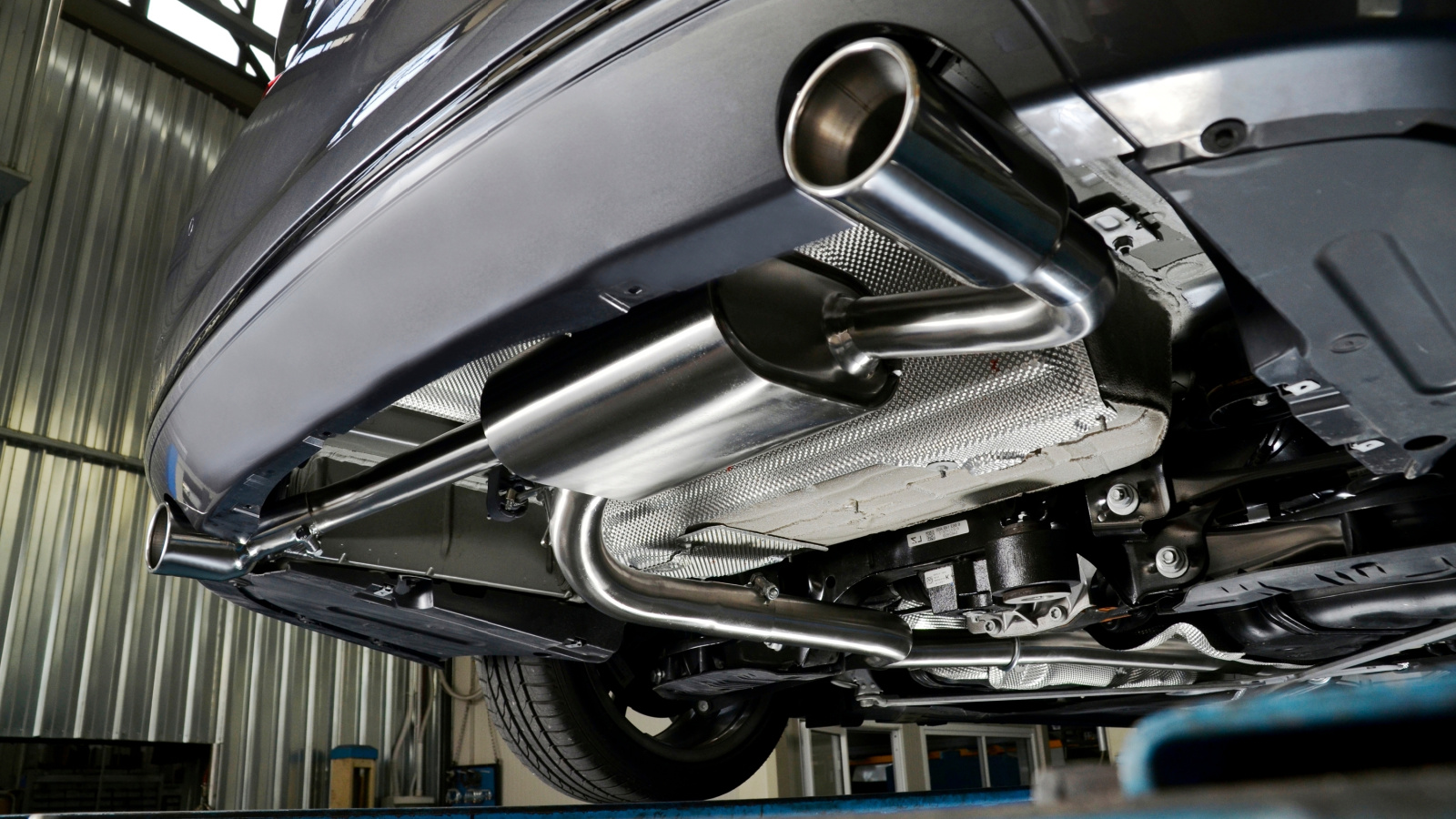
A proper pre-trip inspection can catch problems that rarely announce themselves politely. Tires, brakes, belts, hoses, lights, fluids, wipers, and battery terminals all matter more when a vehicle is loaded with passengers, luggage, coolers, bikes, and camping gear. A short commute may hide a weak battery or worn brake pads, but a hot highway climb through the Rockies or a long stretch across Northern Ontario can expose them quickly.
Booking the inspection early also avoids the seasonal rush. Many Canadians wait until the week before leaving, only to find repair shops backed up with tire swaps, air-conditioning complaints, and brake jobs. A family driving from Ottawa to Prince Edward Island, for example, may feel ready because the vehicle “seems fine,” but one cracked belt or slow coolant leak can turn a scenic route into a motel-and-tow-truck detour.
Check Tire Pressure, Tread, and the Spare
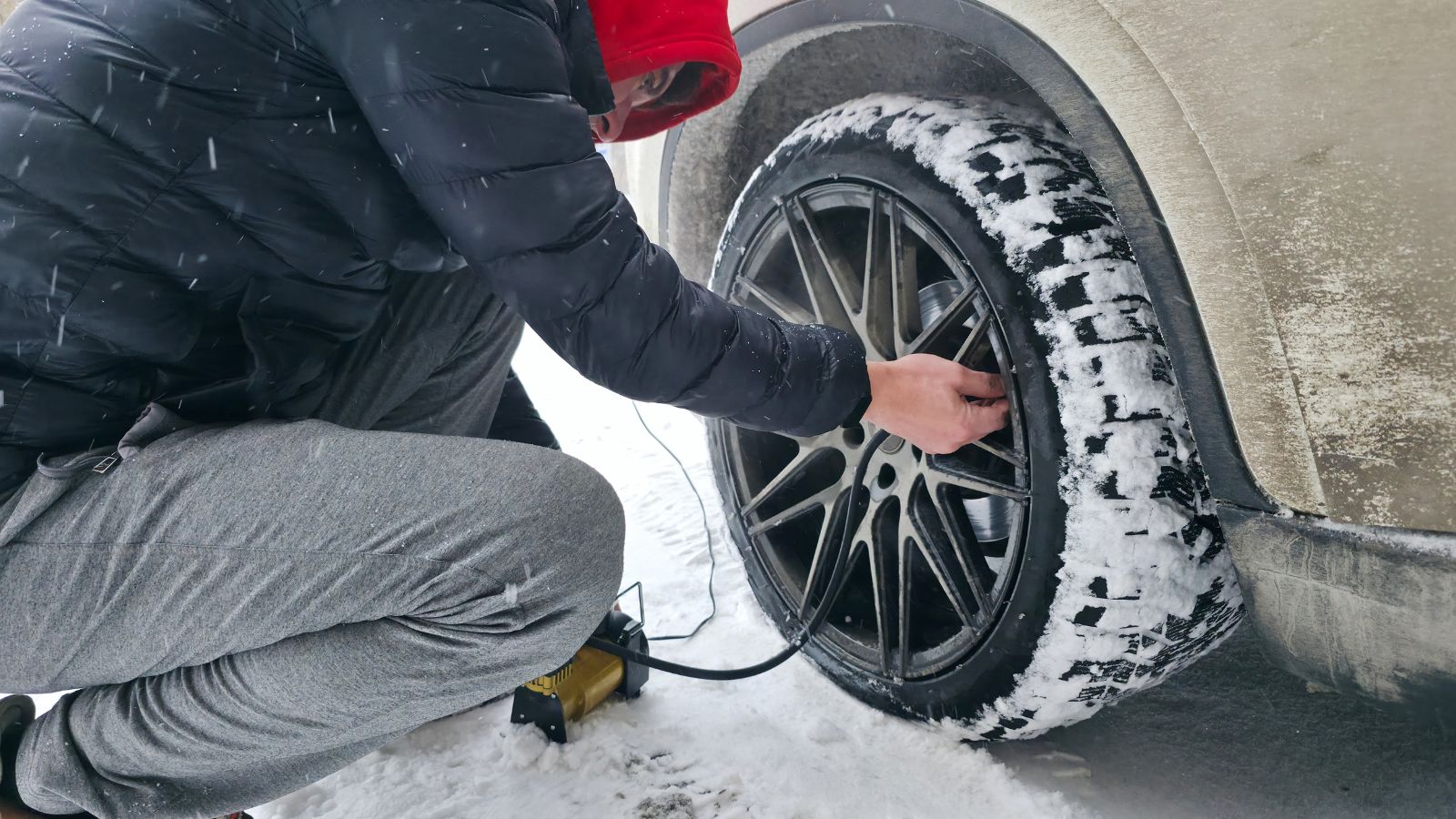
Tires deserve more than a quick glance before a summer road trip. Pressure should be checked when tires are cold and matched to the vehicle’s door-jamb placard or owner’s manual, not the maximum number printed on the tire sidewall. Underinflation can increase fuel use, generate heat, affect handling, and shorten tire life, especially when the car is carrying extra weight for a long trip.
Tread depth matters just as much. Heavy summer rain can turn a sunny-day tire into a hydroplaning risk, and uneven wear may reveal alignment or suspension problems. The spare tire should also be checked, along with the jack, wheel lock key, and tire inflator if the vehicle came with a repair kit instead of a spare. Nothing feels more preventable than discovering a flat spare on the shoulder of the Trans-Canada Highway.
Top Up Fluids and Bring the Right Extras

Long drives make fluid maintenance more important than it feels around town. Engine oil, coolant, brake fluid, transmission fluid, power steering fluid, and windshield washer fluid all play a role in keeping a vehicle safe and comfortable. Summer bugs, construction dust, gravel roads, and sudden storms can drain washer fluid faster than expected, especially on prairie highways or cottage-country roads.
A small top-up supply can prevent minor problems from becoming major delays. Extra washer fluid, a basic funnel, and a cloth for checking dipsticks can be more useful than they look. Coolant is especially important during heat waves or long climbs, because overheating can cause expensive engine damage. Drivers should avoid opening a hot radiator cap, but they can still check levels before departure and have a mechanic investigate any unexplained drop.
Test the Battery Before Hot Weather Exposes It
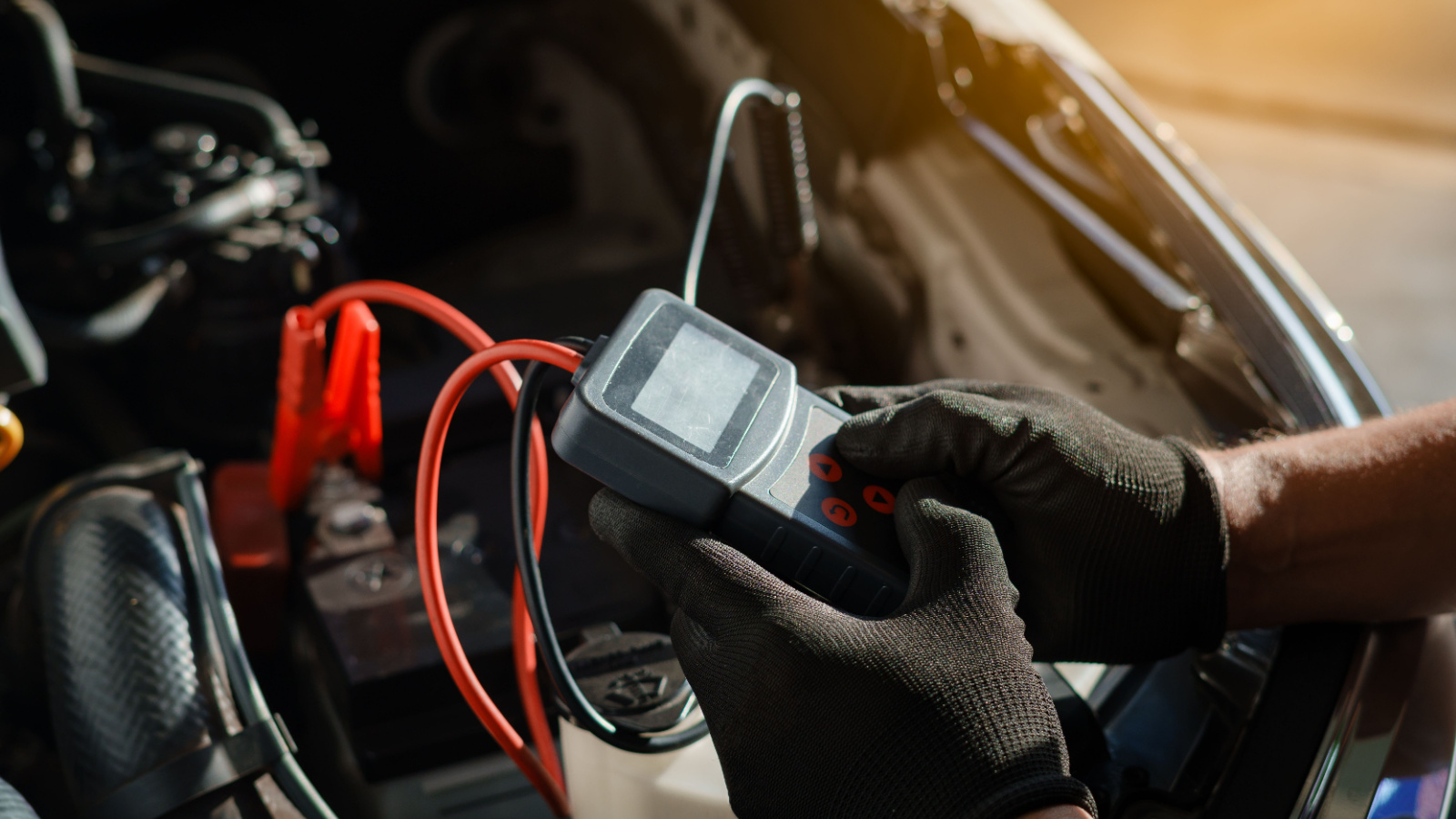
Many drivers associate dead batteries with winter, but summer heat can be hard on battery life too. High temperatures can accelerate internal battery wear, and road trips often add extra strain through phone charging, navigation, dashcams, coolers, entertainment devices, and repeated short stops. A battery that starts the car at home may struggle after a hot afternoon parked at a beach, trailhead, or ferry lineup.
A quick battery test can reveal whether replacement is wise before the trip. Corrosion on terminals, slow cranking, dim lights at start-up, or a battery older than four or five years are all reasons to take the issue seriously. For a first major summer trip, a portable booster pack can also be a smart backup. It is one of those items that may never be used, but feels priceless when needed.
Plan the Route Beyond the Main Highway

A route plan should include more than the fastest line on a phone screen. Canada’s distances can surprise first-time road trippers, especially where fuel stations, food options, cellular service, and repair shops are spread far apart. A drive that looks manageable on a map can feel very different when the next reliable stop is more than an hour away and everyone in the car needs a break.
It helps to identify fuel stops, rest areas, grocery stores, pharmacies, charging stations for EVs, and backup routes before leaving. Printed notes or offline maps are still useful in remote areas where reception drops. A couple heading from Vancouver to the Okanagan, for instance, may save stress by checking construction delays and wildfire alternatives before departure instead of trying to reroute while stuck in slow traffic with one bar of signal.
Download Offline Maps and Save Key Addresses
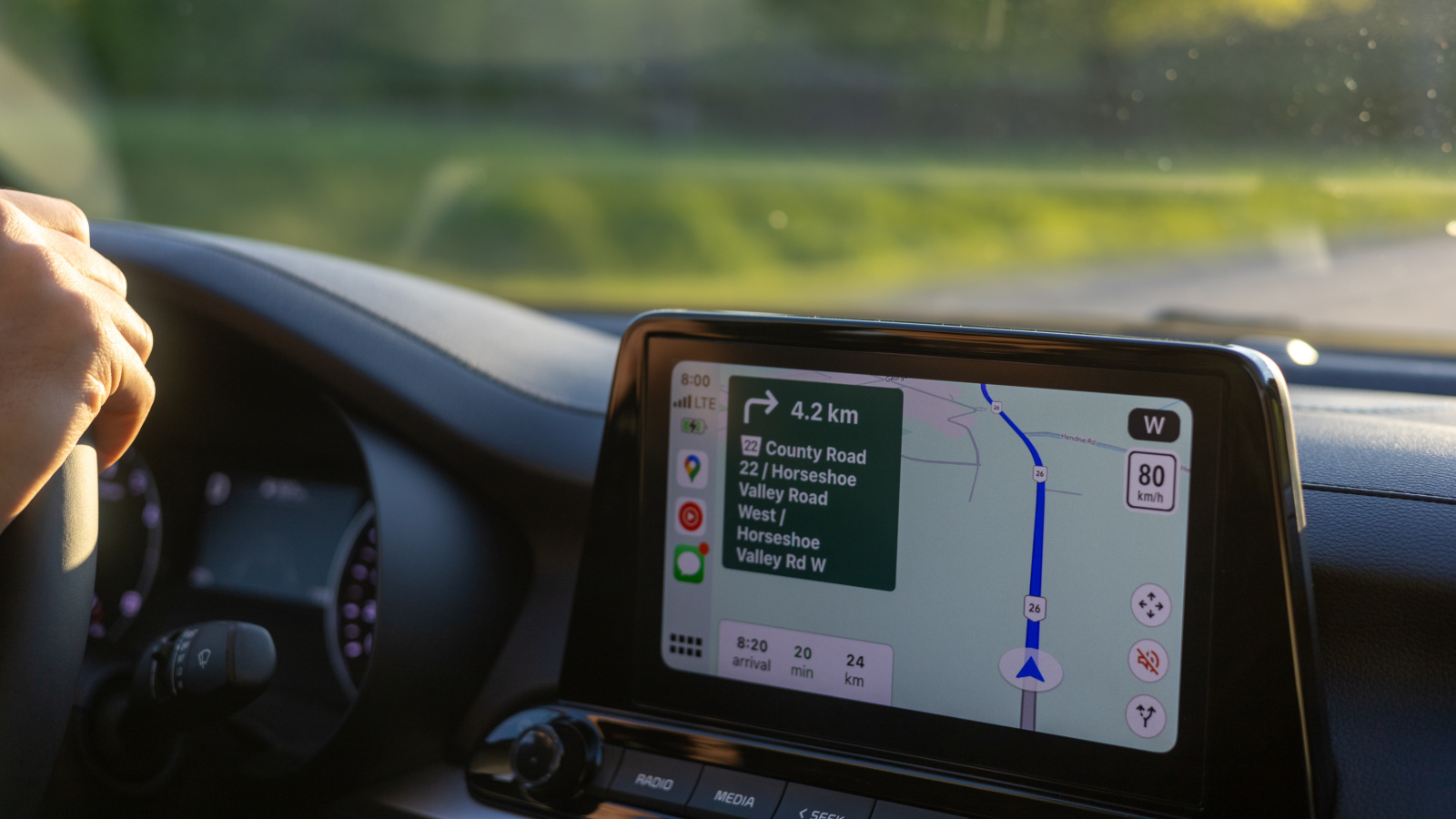
Phones are excellent road trip tools until coverage disappears, batteries drain, or a navigation app loses the route at the worst possible moment. Offline maps can keep directions available through rural valleys, national parks, northern highways, and mountain passes. Saving hotel addresses, campground entrances, ferry terminals, trailheads, hospitals, and roadside assistance numbers ahead of time adds another layer of protection.
This habit also prevents small mistakes from becoming long detours. Campgrounds and parks sometimes have similar names, and GPS may point to an administrative office rather than an actual entrance. A family arriving after dark at a provincial park will be much happier with saved coordinates and check-in details than with a vague pin and fading reception. Offline preparation is not old-fashioned; it is practical insurance against Canada’s uneven connectivity.
Reserve Campsites, Ferries, and Timed Entries Early

Summer travel in Canada can be competitive, especially around long weekends, national parks, coastal ferry routes, and popular campgrounds. Parks Canada reservations open by location, and many high-demand sites are claimed quickly. Provincial parks, private campgrounds, ferry sailings, and attractions with timed entry can also book up well before peak weekends arrive.
Leaving reservations too late can make a trip more expensive or less flexible than expected. A traveller hoping for a spontaneous campsite near Banff, Fundy, or Bruce Peninsula may end up far from the intended stop or paying more for last-minute lodging. Early booking also helps with budgeting because accommodation costs are clearer before departure. Even when a trip is meant to feel relaxed, reserving the critical nights can keep the rest of the route easier to enjoy.
Build a Real Emergency Kit, Not a Random Trunk Pile

A road trip emergency kit should be organized, current, and easy to reach. Useful basics include water, non-perishable food, a first aid kit, flashlight, extra batteries or a crank light, phone charger, jumper cables or a booster pack, reflective triangles, gloves, blanket, rain gear, and basic tools. In summer, sunscreen, insect repellent, extra drinking water, and heat-safe snacks are worth adding.
The kit should match the trip, not just a generic list. A drive through northern routes may call for extra food, paper maps, and warm layers even in July. A family travelling with a baby, older adult, pet, or medication that must stay cool needs supplies for those needs too. The goal is not to prepare for every possible disaster, but to make a breakdown, closure, or overnight delay safer and less chaotic.
Review Insurance, Roadside Assistance, and Out-of-Province Coverage

Before crossing provincial borders, drivers should understand what their auto insurance, roadside assistance, credit card benefits, and health coverage actually include. Provincial health plans generally provide some coverage elsewhere in Canada, but limits and billing rules can vary. Travel medical insurance, trip interruption coverage, and roadside membership can matter if a crash, illness, breakdown, or evacuation interrupts the trip.
It is also worth confirming who can drive the vehicle, whether a rental car is covered, and what happens if towing is needed far from home. A tow from a remote highway can be expensive, and not every membership level covers long-distance towing. For families, this review can feel tedious, but it is easier to read policy details at the kitchen table than to discover gaps while standing beside a disabled vehicle.
Set a Fuel or Charging Budget With a Buffer
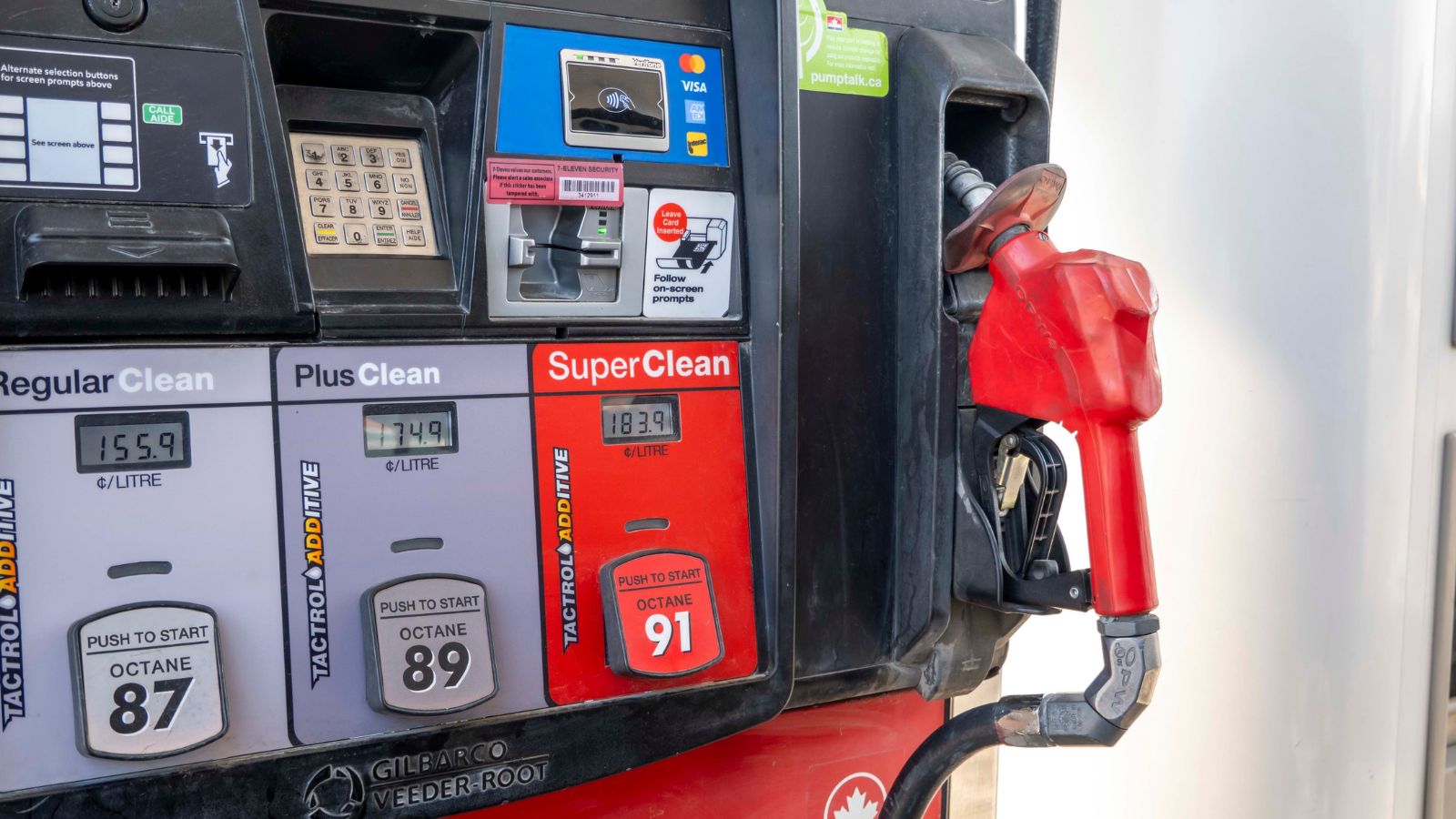
Fuel is often the biggest flexible cost of a road trip, and it can climb quickly when routes include mountain driving, roof boxes, heavy loads, idling, detours, or air conditioning. Natural Resources Canada notes that driving habits and vehicle condition can affect fuel use, so a budget based only on city commuting may be too optimistic for a loaded summer vehicle.
Electric-vehicle drivers need a similar buffer for charging costs, charger availability, slower rural chargers, and possible waits at popular stops. A useful plan includes expected kilometres, fuel economy or energy use, regional price differences, and extra room for detours. For example, a Toronto-to-Gaspé trip can look neat on paper, but side trips, scenic loops, and weather reroutes can add hundreds of kilometres before anyone notices.
Pack the Car With Weight and Visibility in Mind

Packing is a safety issue as much as a convenience issue. Heavy items should sit low and secure, not stacked above seatbacks where they can fly forward during a sudden stop. Drivers should preserve rear visibility, keep emergency items reachable, and avoid blocking access to the spare tire or charging cables. Roof boxes and bike racks should be installed properly and checked after the first stretch of driving.
Extra weight also affects braking, handling, and fuel use. A vehicle packed for camping may feel slower to stop and more affected by crosswinds, especially on open highways. The same applies to roof-mounted cargo, which adds wind resistance. A careful pack can make the difference between a calm drive and a vehicle that feels overloaded, noisy, and harder to control for the entire trip.
Prepare for Wildfire Smoke, Heat, and Sudden Weather
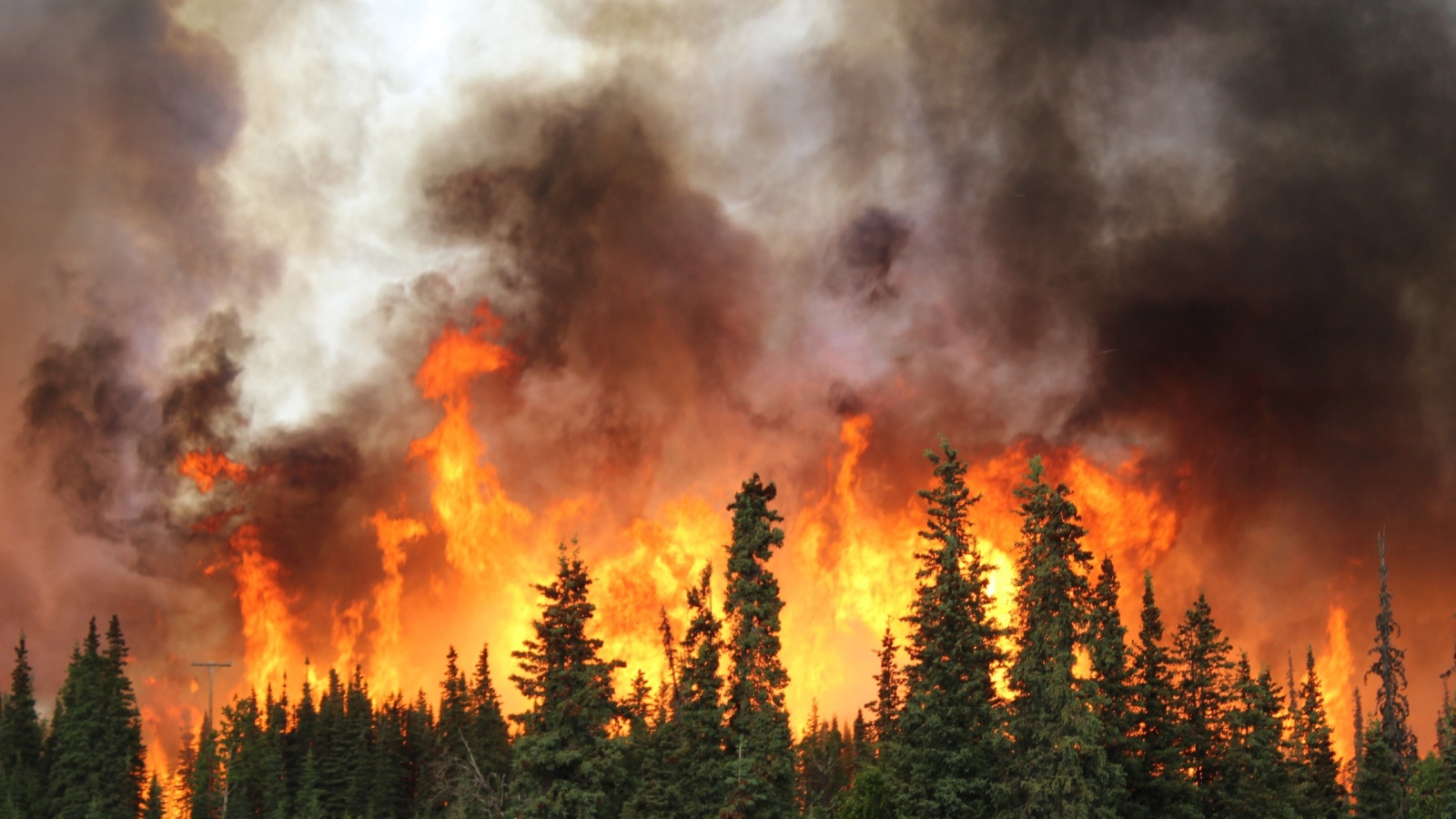
Canadian summer travel now often includes wildfire and air-quality checks, especially in western and northern regions but not only there. Smoke can reduce visibility, irritate eyes and lungs, and force route changes or campground closures. Heat warnings, thunderstorms, heavy rain, and localized flooding can also affect road conditions with little notice.
Travellers should check weather, air-quality, wildfire, and road-condition sources before and during the trip. Backup routes and flexible bookings can reduce stress if smoke or closures affect the original plan. For people with asthma, heart conditions, young children, or older passengers, packing medications, masks rated for fine particles, and extra cabin air filters may be sensible. A beautiful summer route can change quickly, and preparation keeps the trip from depending on perfect conditions.
Check Road Conditions and Construction Before Departure

Summer is construction season across much of Canada, and road work can turn a predictable drive into hours of delay. Provincial 511 systems, highway cameras, ferry alerts, and transportation ministry updates can reveal closures, lane reductions, crashes, flooding, wildfire impacts, and travel advisories before the vehicle leaves the driveway. This is especially useful when a route has few practical alternatives.
Checking conditions also helps with timing. Leaving early may avoid long weekend congestion, while delaying departure by an hour may avoid a severe thunderstorm or crash backup. A driver heading through British Columbia’s mountain corridors, for example, may benefit from checking DriveBC before committing to a pass. Good road-trip planning is not about controlling everything; it is about reducing preventable surprises.
Build Breaks Into the Schedule Before Fatigue Builds
Long summer days can encourage overconfident driving plans. A route that looks like eight hours on a map can become ten or eleven hours after meals, fuel stops, construction, border delays, ferry waits, and tired passengers. Fatigue affects reaction time and judgment, and it can creep in before a driver feels dangerously sleepy.
Breaks should be planned as part of the route, not treated as lost time. A stop every couple of hours for stretching, water, and fresh air can keep the drive safer and more pleasant. Sharing driving helps, but only if both drivers are insured, rested, and comfortable with the vehicle. A realistic schedule may feel less ambitious, yet it often produces a better trip than racing from one reservation to the next.

Distracted driving is one of the easiest road-trip risks to underestimate. Navigation changes, playlist debates, group chats, food wrappers, and back-seat questions can all compete for attention. Setting rules before departure helps: one passenger can manage directions and messages, phones can be placed out of reach, and playlists can be downloaded before the first kilometre.
This is especially important in unfamiliar areas where drivers are already processing new exits, wildlife signs, cyclists, construction workers, and changing speed limits. A few seconds of divided attention can be enough to miss stopped traffic or drift from a lane. For a first big trip, the simplest rule is often the best one: the driver drives, while someone else handles the screen whenever possible.
Confirm Documents for Children, Pets, and Border Crossings

Road trips that cross into the United States or include children travelling with one parent or another adult need extra document checks. Passports, vehicle ownership or rental agreements, insurance papers, vaccination records for pets, and consent letters for children can prevent stressful delays. Canadian authorities recommend consent letters when a child travels abroad without one or both parents or guardians.
Even domestic trips can require paperwork. Campgrounds, pet-friendly hotels, ferries, and rentals may have rules about identification, deposits, crates, leashes, or vaccination proof. Separated or divorced parents may also need custody documents. These details are easy to overlook during packing, but they can matter at borders, check-ins, and emergency situations. A folder in the glove box or a secure digital backup can save time when questions come up.
Make a Food, Water, and Cooler Plan

Food planning can quietly shape the whole road trip. Buying every snack, drink, and meal on the road adds cost quickly, especially in tourist areas or remote stops. A cooler with water, fruit, sandwiches, and simple snacks can reduce spending and make delays easier to handle. It also helps families avoid the familiar cycle of hungry passengers and desperate convenience-store choices.
Food safety matters in summer heat. Perishable items should stay cold, coolers should not be left open for long, and extra water should be packed for people and pets. A practical plan also accounts for dietary needs, medication schedules, and limited restaurant options in smaller communities. The best road trip meals are not necessarily elaborate; they are the ones that keep everyone comfortable between proper stops.
19 Things Canadians Don’t Realize the CRA Can See About Their Online Income

Earning money online feels simple and informal for many Canadians. Freelancing, selling products, and digital services often start as side projects. The problem appears at tax time. Many people underestimate how much information the CRA can access. Online platforms, banks, and payment processors create detailed records automatically. These records do not disappear once money hits an account. Small gaps in reporting add up quickly.
Here are 19 things Canadians don’t realize the CRA can see about their online income.
This Options Discord Chat is The Real Deal
While the internet is scoured with trading chat rooms, many of which even charge upwards of thousands of dollars to join, this smaller options trading discord chatroom is the real deal and actually providing valuable trade setups, education, and community without the noise and spam of the larger more expensive rooms. With a incredibly low-cost monthly fee, Options Trading Club (click here to see their reviews) requires an application to join ensuring that every member is dedicated and serious about taking their trading to the next level. If you are looking for a change in your trading strategies, then click here to apply for a membership.