
35,000+ smart investors are already getting financial news, market signals, and macro shifts in the economy that could impact their money next with our FREE weekly newsletter. Get ahead of what the crowd finds out too late. Click Here to Subscribe for FREE.
Every home has a few forgotten boxes that seem destined for the curb: an old coin jar, a stack of hockey cards, a dusty camera, a drawer full of jewellery, or a piece of furniture no one has room for anymore. In Canada, where estate cleanouts, downsizing, moving days, and garage purges happen in every season, ordinary-looking objects can quietly hold resale, collector, historical, or scrap value.
These 22 items are worth checking before they are donated, recycled, or thrown away. Not every object will turn into a windfall, but many deserve a closer look because age, condition, rarity, maker marks, provenance, or even current trends can change the story completely.
Old Canadian Bank Notes
22 Things Canadians Should Never Throw Out Without Checking Their Value
- Old Canadian Bank Notes
- Canadian Coins and Error Coins
- Stamp Collections and Old Envelopes
- Gold, Silver, and Estate Jewellery
- Sterling Silver Flatware and Serving Pieces
- Luxury Watches and Pocket Watches
- Designer Handbags and Wallets
- Vintage Clothing, Sneakers, and Workwear
- Hockey Cards and Sports Memorabilia
- Comic Books and Graphic Novels
- Vintage Video Games and Consoles
- Retired LEGO Sets and Minifigures
- Vinyl Records, CDs, and Music Memorabilia
- Musical Instruments and Audio Gear
- Cameras, Lenses, and Film Gear
- Mid-Century and Solid Wood Furniture
- Vintage Pyrex, China, and Glassware
- Indigenous, Inuit, and Canadian Art Objects
- Rare Books, Maps, and Paper Ephemera
- Quality Tools and Workshop Equipment
- Old Computers, Phones, and Electronics
- Military Medals, Badges, and Service Documents
- 19 Things Canadians Don’t Realize the CRA Can See About Their Online Income

Old Canadian bills often look like keepsakes, but some still carry guaranteed face value and others may interest collectors. The $1, $2, $25, $500, and $1,000 notes are no longer legal tender, yet they can still be redeemed through a financial institution or the Bank of Canada. That alone makes it risky to toss an envelope of old bills during a drawer cleanout.
The real surprise comes with rarity and condition. A crisp note, an unusual serial number, a commemorative issue, or a denomination rarely seen in circulation can be worth more than face value. A family member might remember the $2 bill as pocket money, but a collector may see a grading opportunity. Before spending or redeeming older notes, it is wise to photograph them, check the series, and compare values through reputable coin and currency dealers.
Canadian Coins and Error Coins

Coin jars are easy to dismiss because most contain ordinary change, but Canadian coins can be more complicated than they look. The Royal Canadian Mint has issued circulation coins, commemorative coins, collector products, and special designs over many decades. Some older silver coins also have melt value tied to metal content, which can matter when precious metals rise.
The coins worth checking are not always the oldest. Errors, low mintages, unusual finishes, and condition can make a difference. A shiny coin kept in a presentation folder may be more appealing than the same coin scratched in a parking meter cup. Collectors often care about whether a coin is uncirculated, toned, damaged, or part of a complete set. Before dumping a jar into a coin machine, it is worth separating pre-1968 silver-looking coins, commemoratives, and anything that appears misprinted or unusually sharp.
Stamp Collections and Old Envelopes

Many Canadians inherit stamp albums and assume the hobby has faded. While common stamps may have modest value, rare Canadian stamps, early provincial issues, mint examples with original gum, and well-preserved covers can still attract serious interest. The envelope itself can matter when it shows a scarce cancellation, wartime route, remote post office, or historical destination.
A common mistake is peeling stamps off envelopes or tossing old correspondence before checking it. Collectors often value postal history as much as the stamp. Condition is crucial: torn corners, heavy hinging, fading, or missing perforations can reduce value sharply. Still, a carefully kept album from a grandparent’s desk may contain a few surprises. The safer move is to keep stamps and envelopes intact, note any dates or locations, and consult a philatelic dealer before donating the lot.
Gold, Silver, and Estate Jewellery

Jewellery boxes can be deceptive. A broken chain, single earring, old class ring, or unfashionable brooch may still contain precious metal. In Canada, gold, silver, platinum, and palladium items may be marked with quality stamps such as 10K, 14K, 18K, sterling, or 925. Even when a piece is too worn to wear, its metal content can create value.
Jewellery may also be worth more than scrap. Estate pieces from known designers, antique settings, larger gemstones, Indigenous or regional craftsmanship, and signed costume jewellery can appeal to collectors. Appraisal matters because insurance value, fair market value, and scrap value are not the same. A family cleaning out a nightstand might see tangled necklaces; a trained appraiser may see metal weight, period design, or a maker’s mark. Sorting pieces before selling helps prevent valuable items from being melted unnecessarily.
Sterling Silver Flatware and Serving Pieces
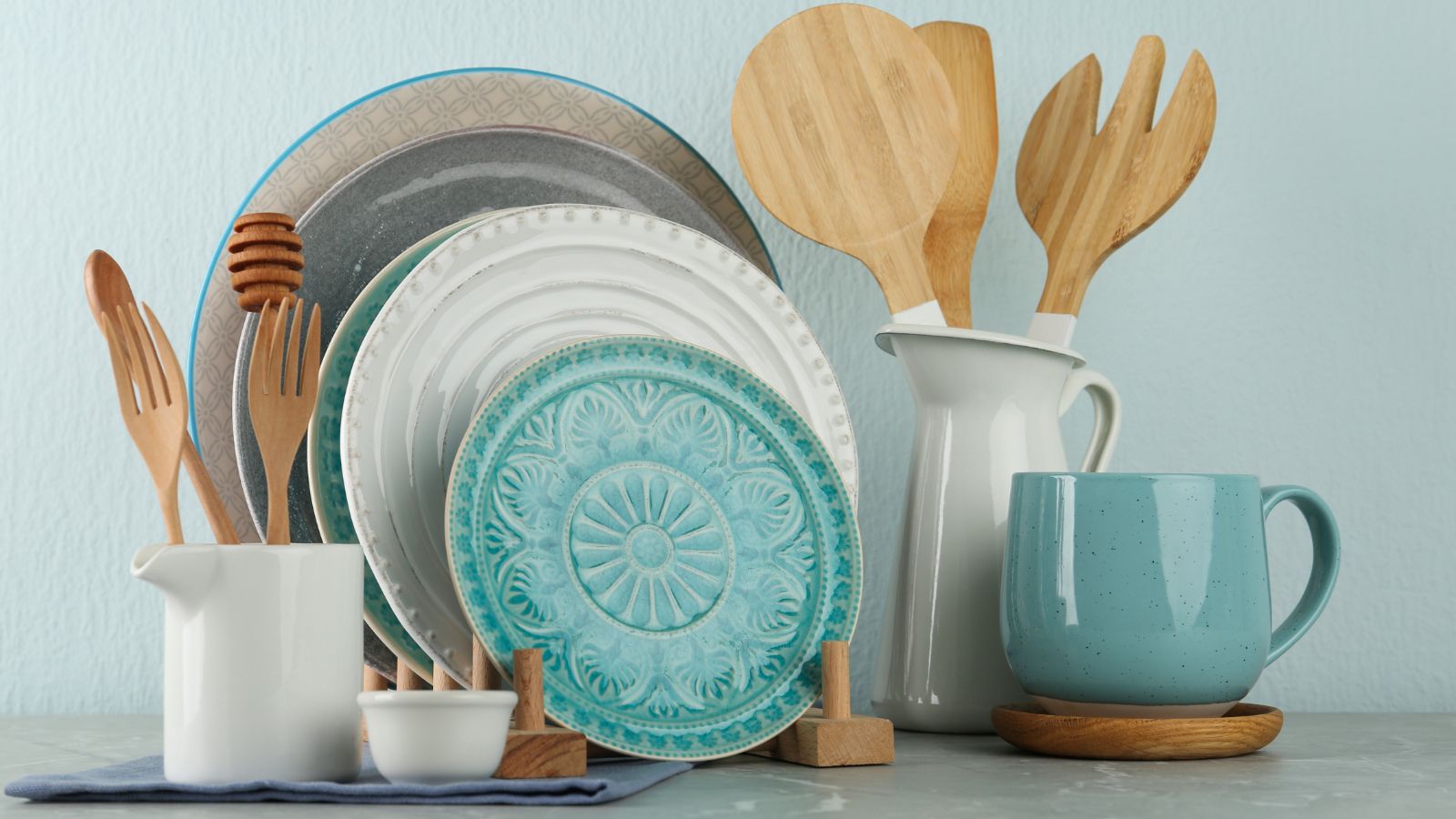
Silverware often gets boxed away because it feels too formal for modern life. Yet sterling silver flatware, tea sets, candlesticks, trays, and serving pieces can have value based on weight, maker, pattern, age, and condition. The key is distinguishing sterling silver from silver plate. Sterling is commonly marked with 925, sterling, or similar purity marks, while plated items usually have much less intrinsic metal value.
Canadian households may also have pieces from well-known makers or department-store bridal registries. A full matching set can be more appealing than random pieces, especially if the pattern is still sought after for replacements. Tarnish is not usually a reason to discard silver; collectors expect it and often prefer careful cleaning over aggressive polishing. Before sending a box to donation, check the backs of forks, spoon bowls, tray undersides, and hollowware bases for hallmarks.
Luxury Watches and Pocket Watches
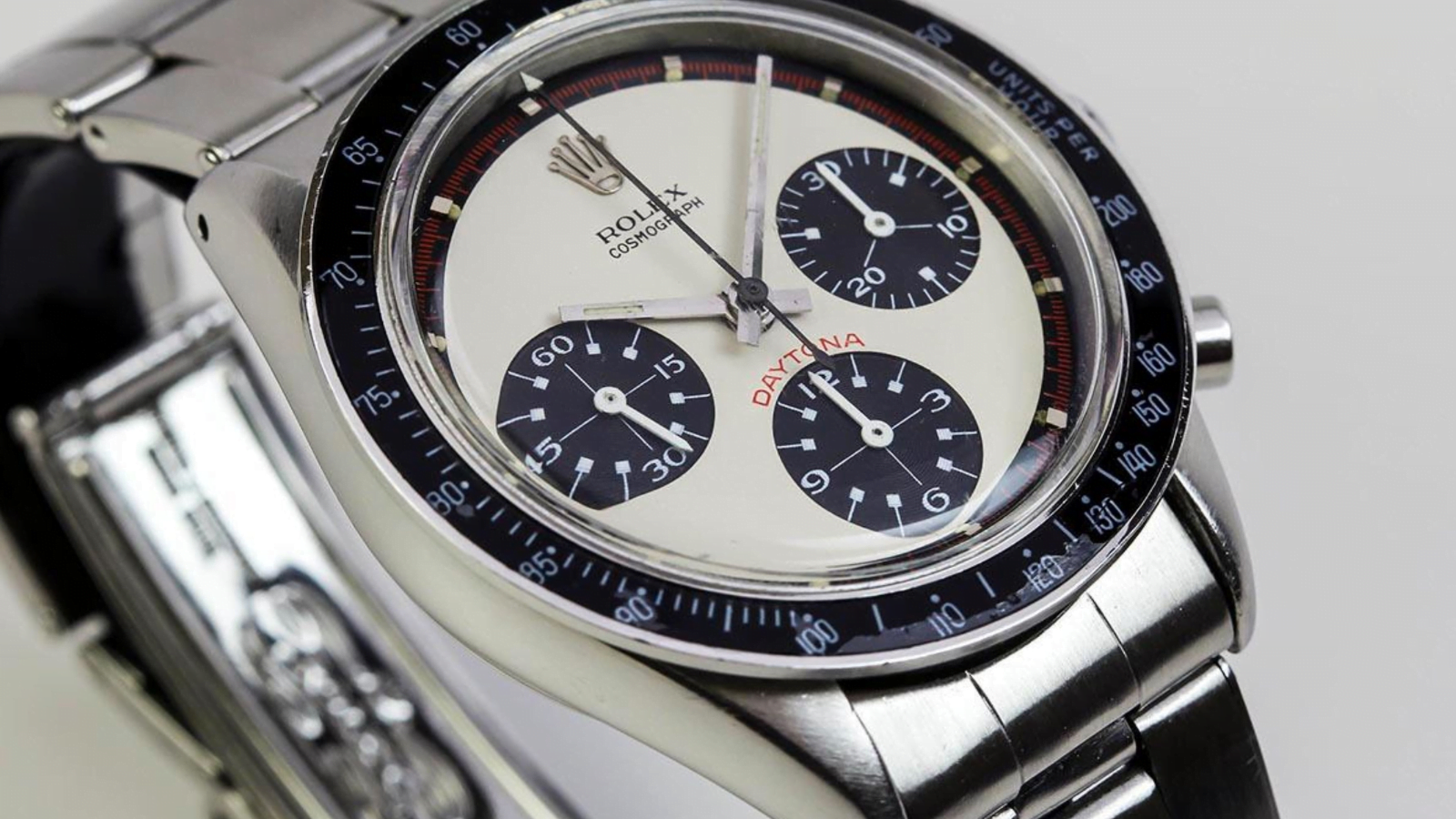
Old watches are often dismissed when they stop running, but a non-working watch can still have value. Mechanical watches from respected makers, vintage pocket watches, military-issued timepieces, and watches with original boxes or receipts may attract collectors. Value depends on brand, movement, condition, originality, servicing history, and whether parts such as the dial, hands, crown, and bracelet are original.
Even modest watches deserve a check before being tossed. A drawer might contain a gold-filled pocket watch, a mid-century automatic, or a watch tied to a retirement presentation. The story matters too: engravings, service papers, and family provenance can help establish authenticity. Repairs can be expensive, so not every watch is worth restoring, but selling it “as found” may still be better than throwing it out. Keep detached straps, boxes, warranty cards, and spare links together.
Designer Handbags and Wallets

Designer handbags can retain value long after they leave the boutique, especially when they come from brands with strong resale demand. Condition, authenticity, hardware, serial codes, dust bags, receipts, and original packaging can all affect price. A bag that looks dated in one closet may be trendy again when a style revival hits the resale market.
Canadians should be cautious before donating older luxury accessories during a move. Some vintage designs from Hermès, Chanel, Louis Vuitton, Dior, Gucci, The Row, and Miu Miu can perform strongly in resale channels, while counterfeits can create problems. Authentication is important, particularly for high-end pieces. Even small leather goods, belts, scarves, and cardholders may have resale value when they are clean and verifiable. A quick check can prevent a valuable accessory from landing in a donation bin unnoticed.
Vintage Clothing, Sneakers, and Workwear

Clothing is easy to discard because closets overflow quickly, but the secondhand apparel market has grown far beyond basic thrift. Vintage denim, concert tees, sportswear, wool coats, military surplus, leather jackets, designer pieces, and certain sneakers can sell well when condition and labels line up. Original tags, made-in-Canada labels, union tags, and older brand marks can help date a piece.
Sneakers and streetwear follow their own resale cycles. Some models spike because of collaborations, discontinued colourways, or social media attention, while others fade fast. With clothing, damage does not always destroy value if the item is rare enough, but stains, odours, moth holes, and heavy alterations matter. Before bagging clothes for textile recycling, check labels, materials, era, and comparable sold prices. A 1990s sweatshirt or chore coat may look ordinary until the right buyer recognizes it.
Hockey Cards and Sports Memorabilia
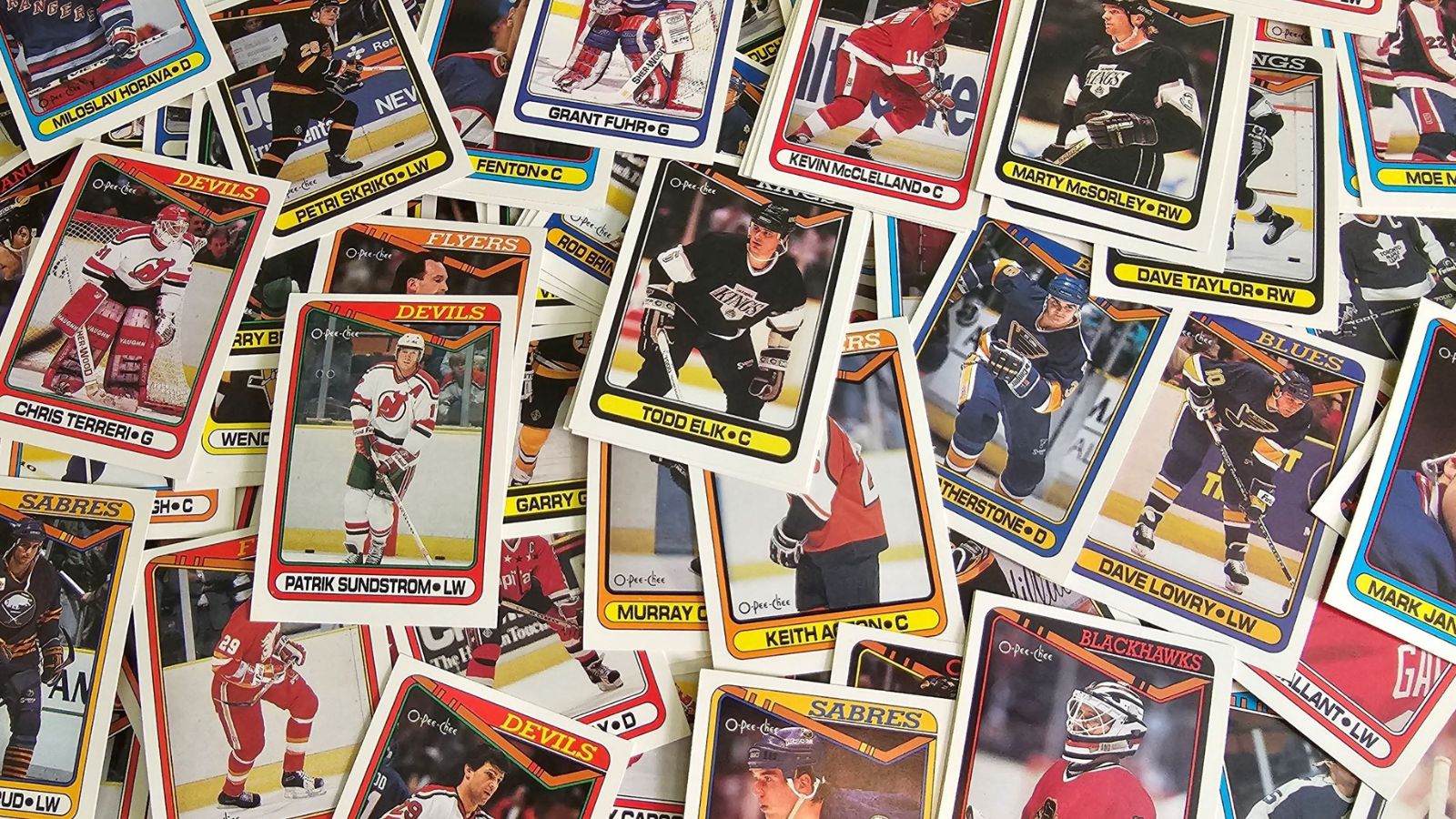
Hockey cards are a classic Canadian “don’t toss it yet” category. The most famous example is the Wayne Gretzky rookie card, but value can appear in unopened boxes, regional issues, autographed items, ticket stubs, programs, jerseys, and team photographs. Condition is everything with cards: sharp corners, centering, surface quality, and professional grading can separate a keepsake from a serious collectible.
Families often find cards in basements where moisture, rubber bands, or shoebox storage have caused damage. Even so, unopened packs or well-preserved star cards can surprise people. Sports memorabilia also benefits from documentation. A signed stick with a photo from the signing is easier to authenticate than one with a mystery autograph. Before discarding a box of “old sports stuff,” sort by player, year, brand, and condition, then check recent sold listings or grading guides.
Comic Books and Graphic Novels
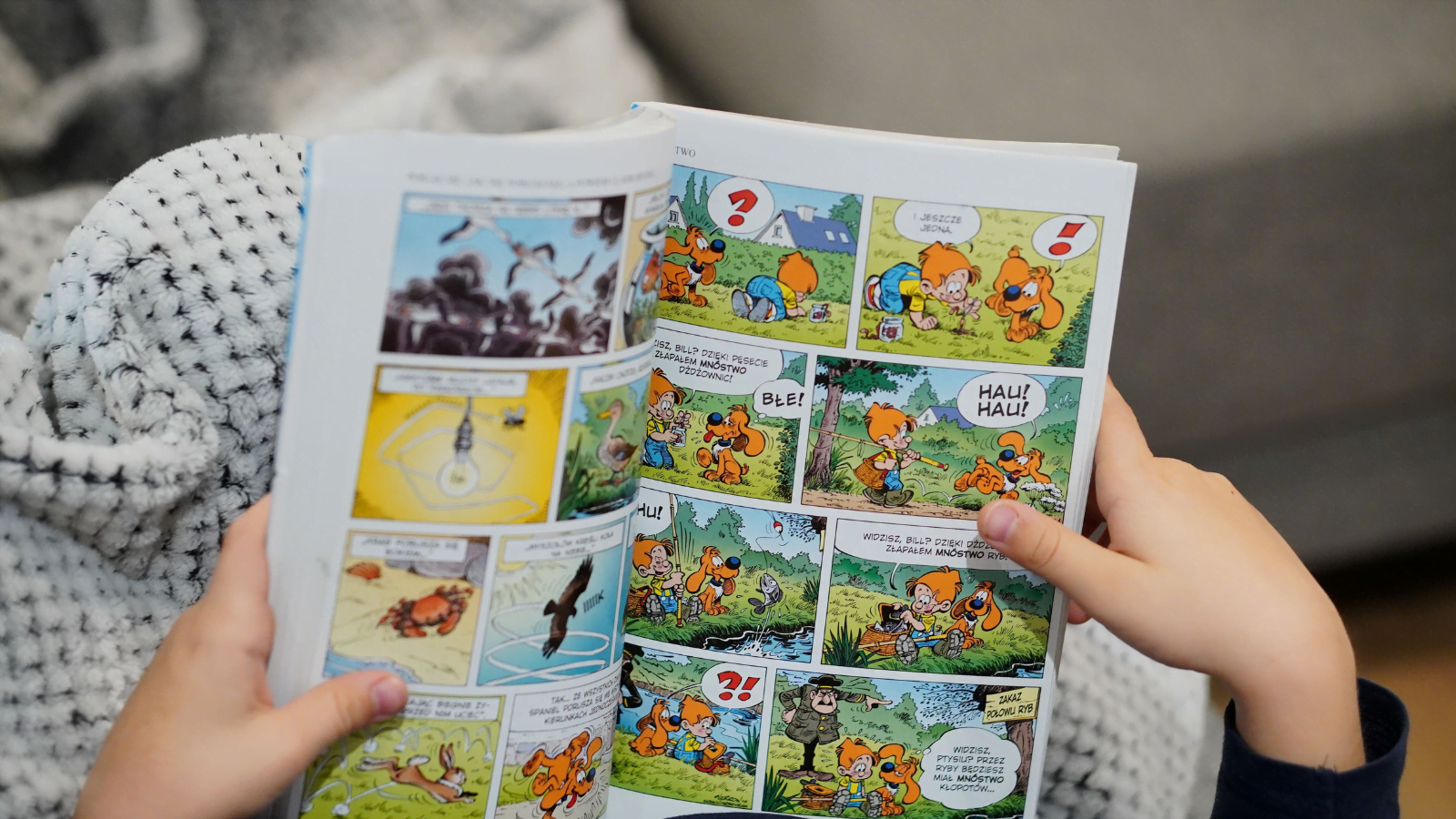
Comic books can look like fragile clutter, but certain issues carry major collector value. First appearances, early superhero titles, low-print independent comics, variant covers, and high-grade vintage books deserve a check. Condition grading is strict: spine ticks, colour breaks, loose staples, creases, missing pages, restoration, and water damage all affect value.
Not every old comic is rare, and many 1990s mass-market issues remain common. Still, tossing a stack without checking dates and issue numbers is risky. A family attic might hold a key issue bought for pocket change decades ago. Bagged and boarded comics are easier to assess, but even loose copies should be handled carefully. Graphic novels, original art, signed editions, and convention exclusives can also have resale interest. The best first step is to separate older issues, first issues, and recognizable character debuts.
Vintage Video Games and Consoles
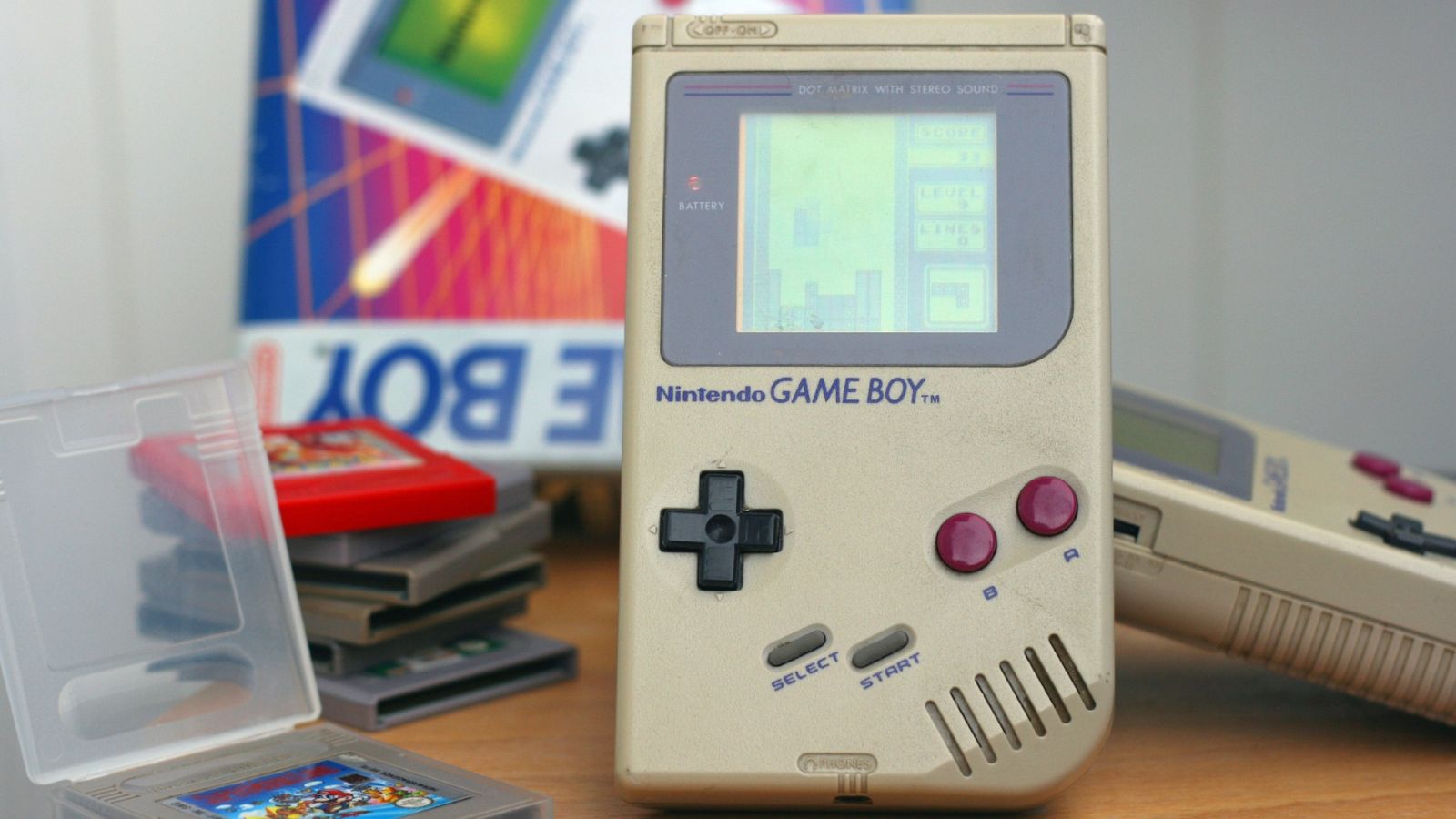
Old video games have moved from childhood clutter to serious collectibles. Sealed games, complete-in-box cartridges, early Nintendo titles, limited editions, obscure systems, manuals, posters, and store displays can all matter. Condition and completeness drive value: a cartridge alone may sell for one price, while the same game with box, manual, inserts, and original plastic may be worth far more.
Canadians cleaning out basements should also look for consoles, controllers, memory cards, demo discs, and accessories. A working Super Nintendo, Nintendo 64, GameCube, Sega Genesis, PlayStation, or handheld system may have resale demand even if newer technology has replaced it. Avoid throwing away boxes, foam inserts, or manuals, because collectors often pay premiums for complete sets. Before recycling electronics, test what safely powers on, photograph labels, and keep matching cables together.
Retired LEGO Sets and Minifigures
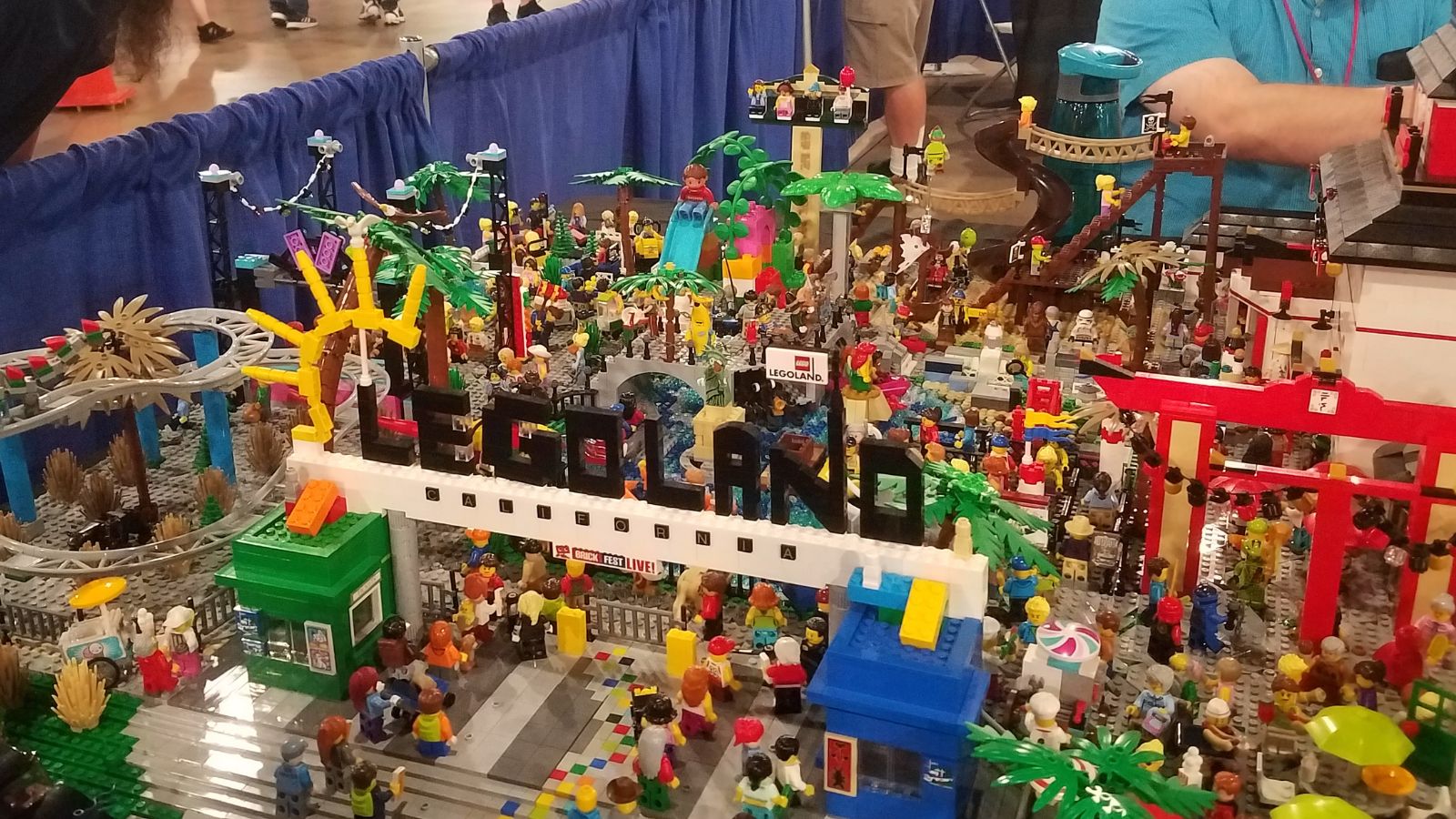
LEGO pieces scattered in bins may seem impossible to value, but retired sets, rare minifigures, instruction booklets, and original boxes can change the equation. Some collectors buy complete sets, while others search for individual parts or figures tied to discontinued themes. Star Wars, Castle, Space, Pirates, and limited promotional sets often attract attention when complete.
The challenge is sorting. A mixed tote may contain pieces from several valuable sets, but missing parts can reduce value. Instruction manuals and boxes help identify the original set number, while online price guides can show recent sale ranges. Even used LEGO can sell by weight, especially if it is clean and genuine. Before sending a bin to the curb, look for minifigures, printed pieces, unusual colours, capes, animals, and specialized parts. Small pieces can carry surprisingly large value.
Vinyl Records, CDs, and Music Memorabilia

Vinyl records have enjoyed a long revival, and Canada’s recorded music market has continued to grow. That does not mean every record is valuable, but certain pressings, limited releases, local punk or indie albums, jazz records, audiophile editions, and albums in excellent condition deserve attention. Condition applies to both the disc and the sleeve, including inserts, posters, lyric sheets, and shrink wrap.
CDs can also matter when they are rare, out of print, signed, imported, or tied to local scenes. Music memorabilia such as tour posters, ticket stubs, backstage passes, band shirts, and setlists may hold value beyond the recording itself. A box of records from a basement may include common albums, but one private-press folk LP or early Canadian release can change the result. Keep records upright, dry, and away from heat until they are checked.
Musical Instruments and Audio Gear
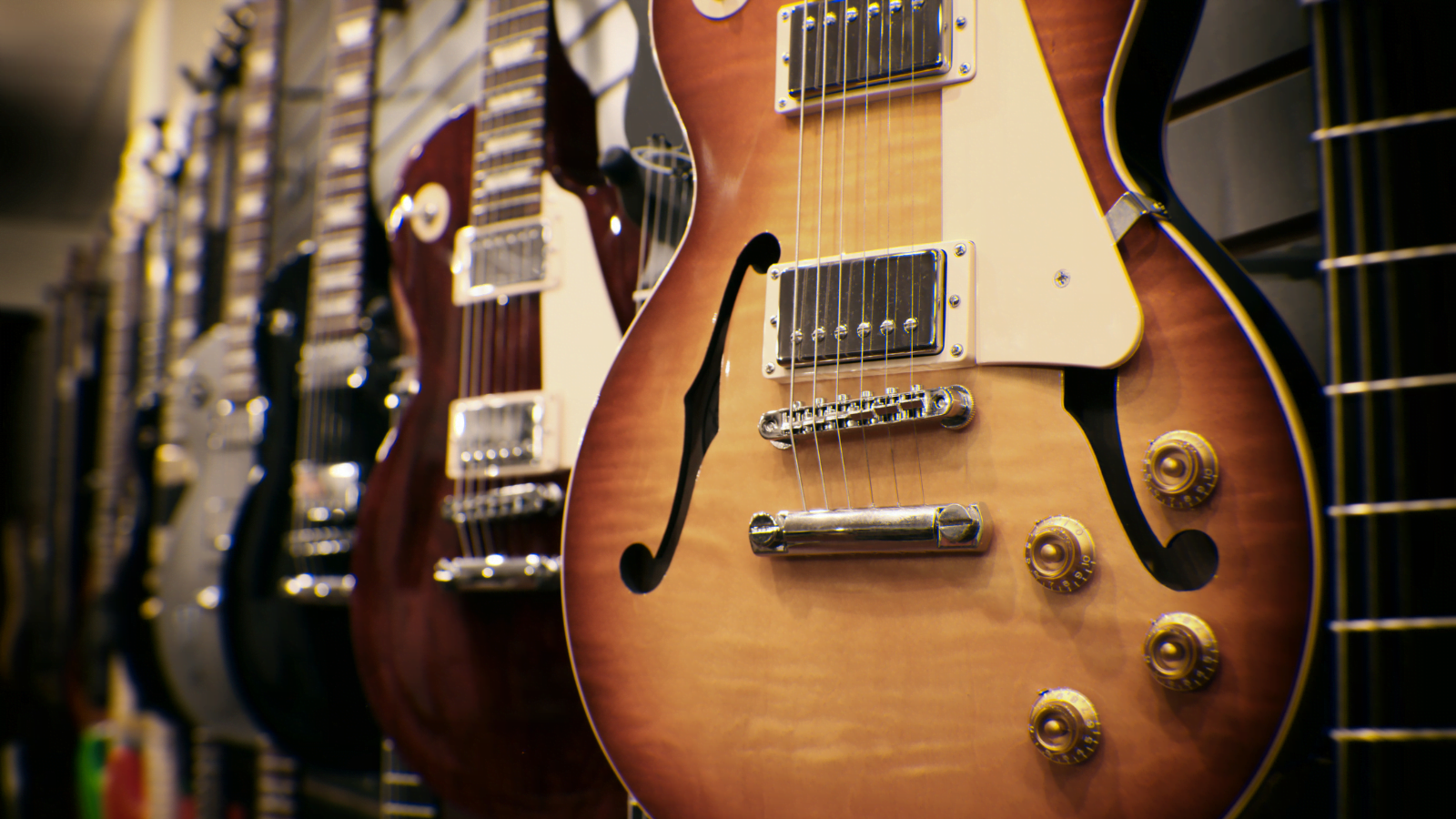
A dusty guitar in a closet may be worth more than expected, even if it needs strings or repair. Used and vintage instruments are tracked through specialized marketplaces, and values can shift based on brand, model, year, country of manufacture, originality, and trend cycles. Fender, Gibson, Martin, Rickenbacker, Yamaha, old tube amps, pedals, synthesizers, and recording equipment are worth researching before disposal.
Condition matters, but originality can matter more. Replaced pickups, refinished bodies, missing knobs, or modified circuits can change value. On the other hand, honest wear on a desirable instrument may be acceptable to players. Audio gear also deserves attention: turntables, receivers, speakers, microphones, and reel-to-reel machines have niche buyers. Before discarding, photograph serial numbers, check model plates, and keep cases, power supplies, footswitches, and manuals with the item.
Cameras, Lenses, and Film Gear
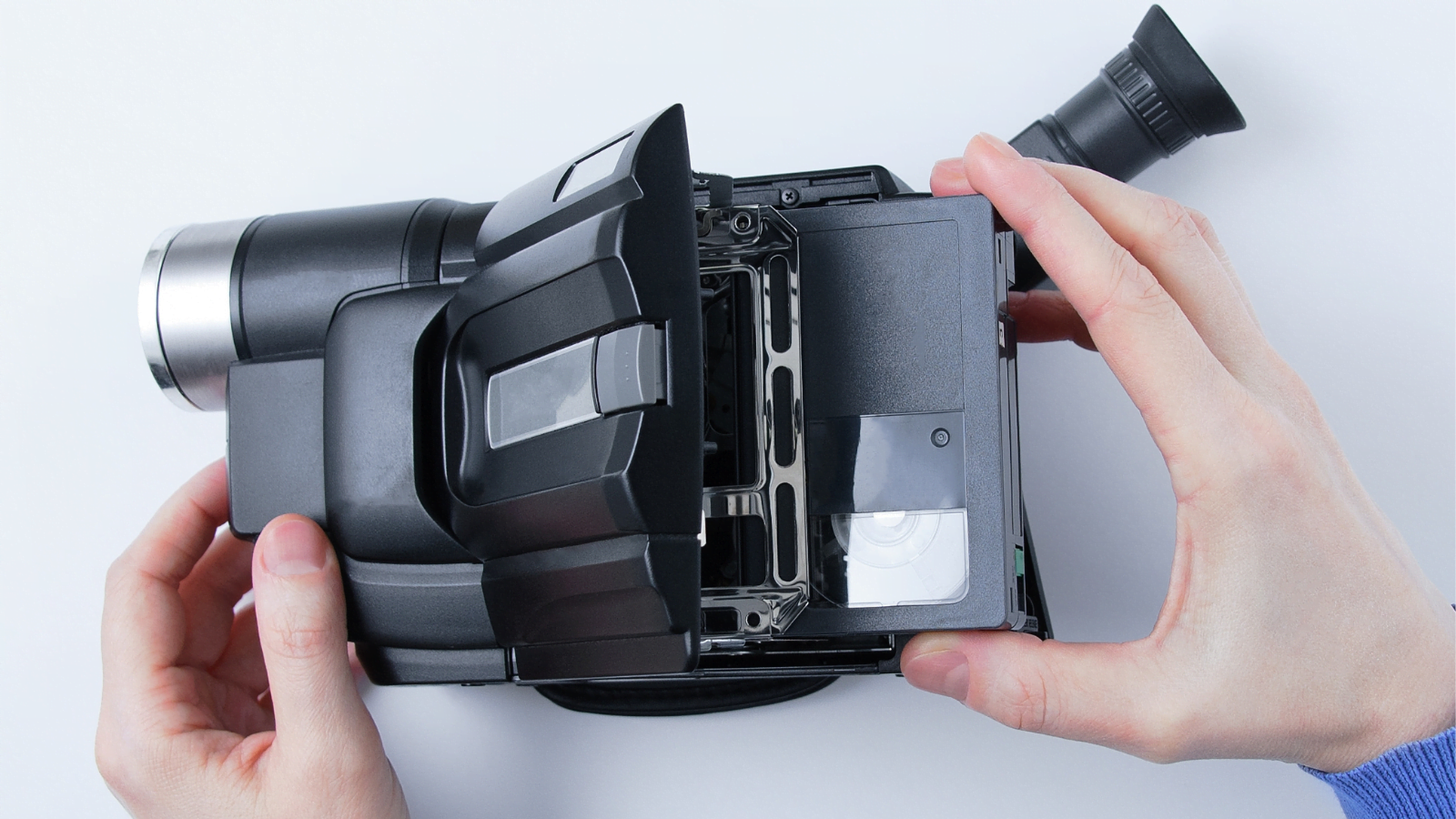
Old cameras often sit unused after phones take over daily photography, but film and vintage digital gear have active resale markets. Mechanical 35mm cameras, rangefinders, medium-format systems, point-and-shoot models, lenses, flashes, light meters, and darkroom equipment can attract buyers. Lenses are especially worth checking because many can be adapted to modern digital cameras.
A camera does not need to be perfect to have value, but fungus, haze, sticky shutters, battery corrosion, and broken meters can reduce demand. Original cases, caps, hoods, manuals, and boxes help. Some early digital cameras and compact models have also gained nostalgic interest because of their distinctive image look. Before recycling an old camera bag, remove every lens cap and pouch, check model numbers, and avoid forcing stuck mechanisms. A quick inspection can reveal gear that still has a market.
Mid-Century and Solid Wood Furniture
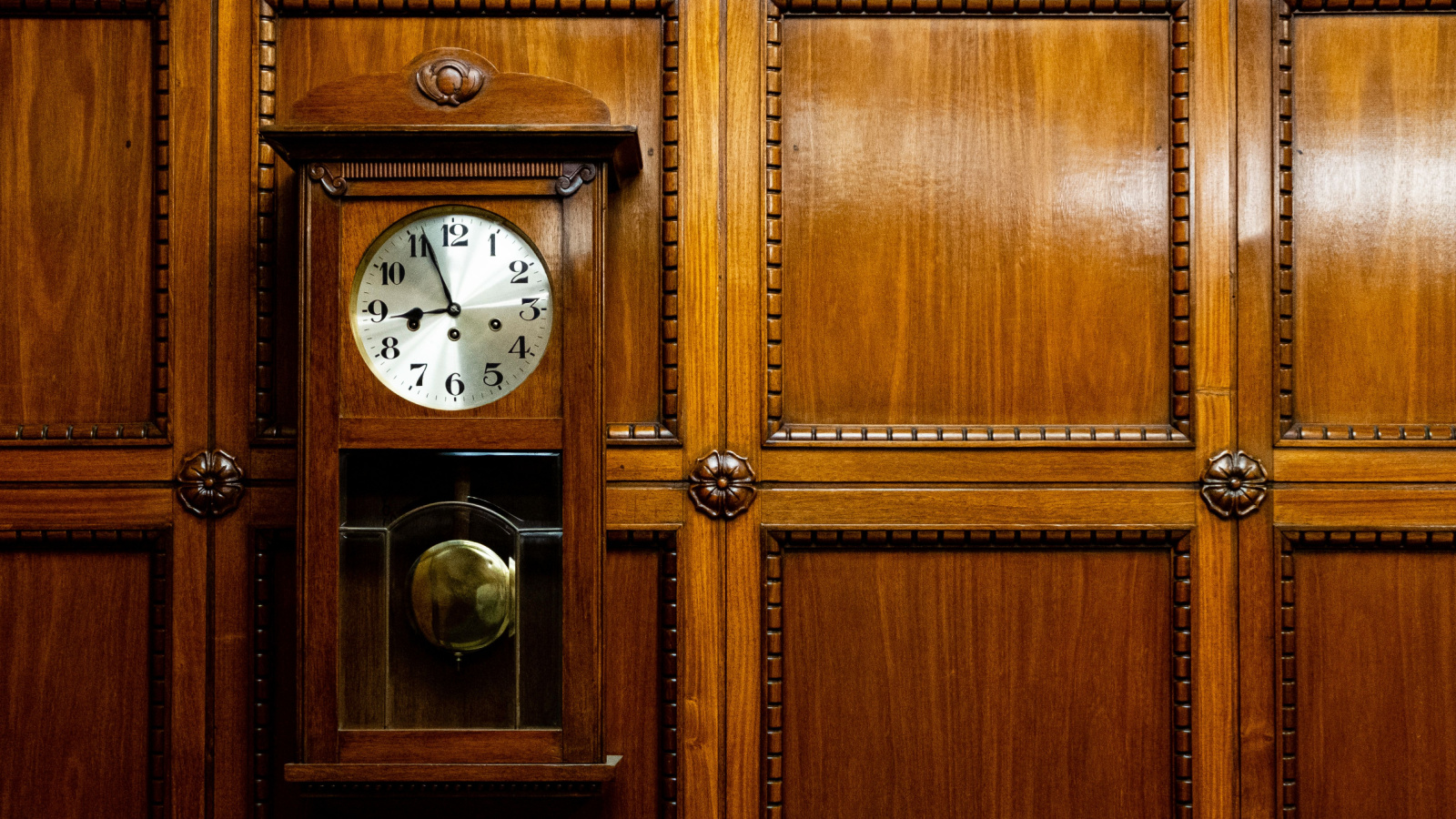
Furniture is one of the hardest categories because moving it is inconvenient, but certain pieces should never be dragged to the curb without a look. Mid-century modern chairs, teak sideboards, walnut dressers, solid wood tables, designer seating, and signed pieces can have resale value. Labels, stamps, joinery, wood type, proportions, and originality help separate desirable furniture from mass-produced pieces.
Large traditional furniture can be a tougher sell, but smaller, well-made, character-rich pieces often do better in modern homes. A scratched dresser may still appeal if it is solid wood and restorable. The mistake is assuming all old furniture is worthless because one dining set failed to sell. Before disposal, check drawers for maker marks, look under chairs and tables for labels, and compare similar pieces locally. A good photo in natural light can also make a major difference.
Vintage Pyrex, China, and Glassware
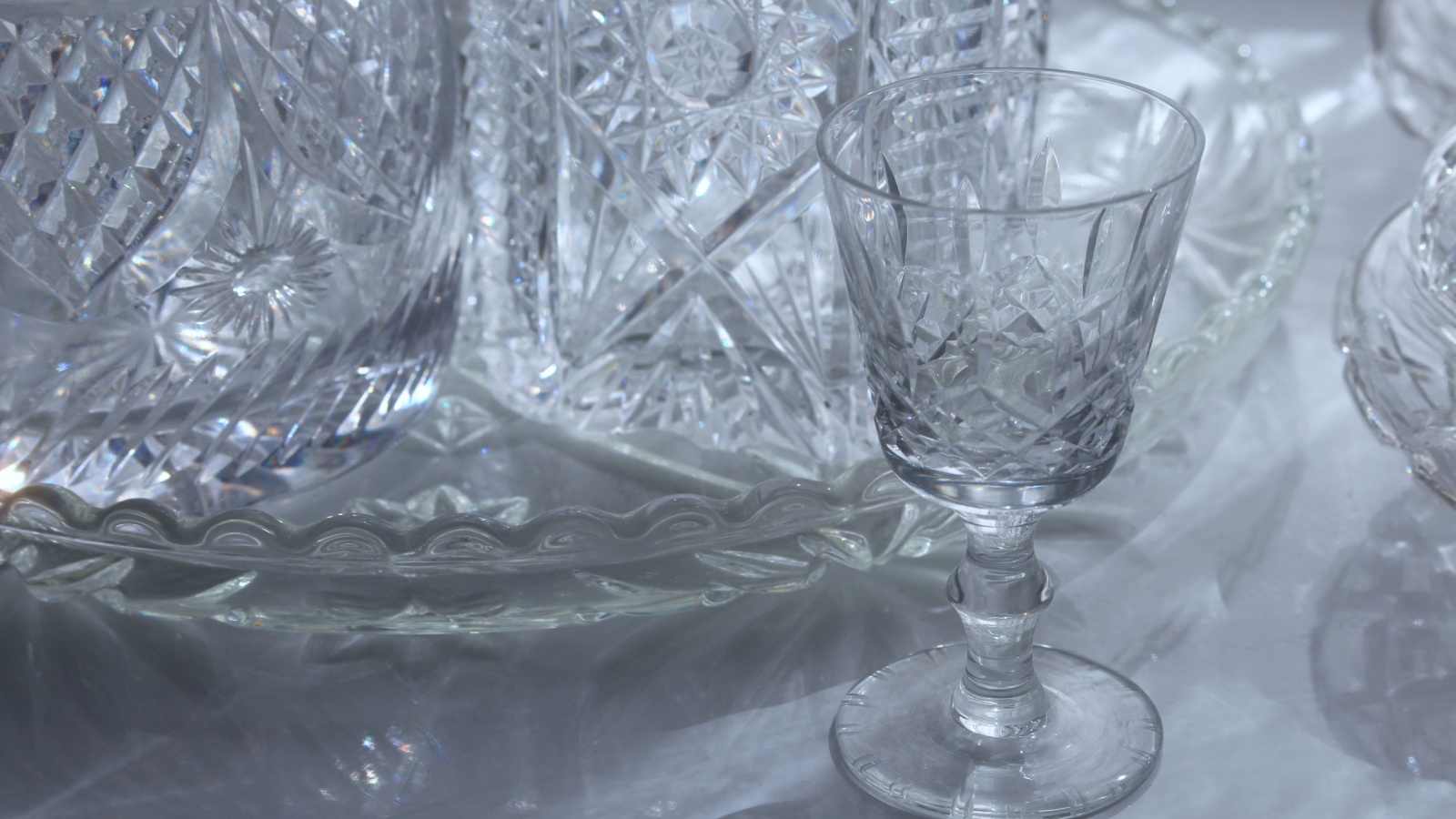
Kitchen cupboards can hide valuable collectibles. Vintage Pyrex, Depression glass, Fire-King, jadeite, carnival glass, Royal Doulton, Blue Mountain Pottery, and certain china patterns can attract buyers when patterns, colours, and condition are right. Mid-century designs, pinks, turquoise, promotional patterns, and complete nesting sets are especially worth identifying before donation.
Condition is key. Chips, dishwasher damage, fading, cracks, and missing lids can reduce value, but rare pieces may still sell. China sets can be unpredictable because demand changes with lifestyle trends, yet replacement buyers may need specific pieces to complete a pattern. Figurines, serving bowls, teapots, and platters should be checked for maker marks and pattern names. A box labelled “old dishes” can contain both low-value odds and ends and one highly collectible casserole that deserves separate attention.
Indigenous, Inuit, and Canadian Art Objects

Art and cultural objects require extra care because value may be monetary, historical, cultural, or ethical. Inuit carvings, prints, Indigenous beadwork, folk art, Group of Seven-related materials, regional paintings, pottery, and sculpture should be checked before being discarded. Signatures, edition numbers, gallery labels, receipts, and community or artist information can all matter.
Some objects may also involve cultural property rules, export restrictions, or repatriation considerations. That is especially important with archaeological items, sacred objects, or pieces with unclear origins. The safest approach is not to sell quickly or throw away anything that appears culturally significant. Contacting a reputable gallery, museum, appraiser, Indigenous cultural organization, or auction specialist can help determine the right path. Even a small carving on a bookshelf may carry a story that deserves proper identification.
Rare Books, Maps, and Paper Ephemera
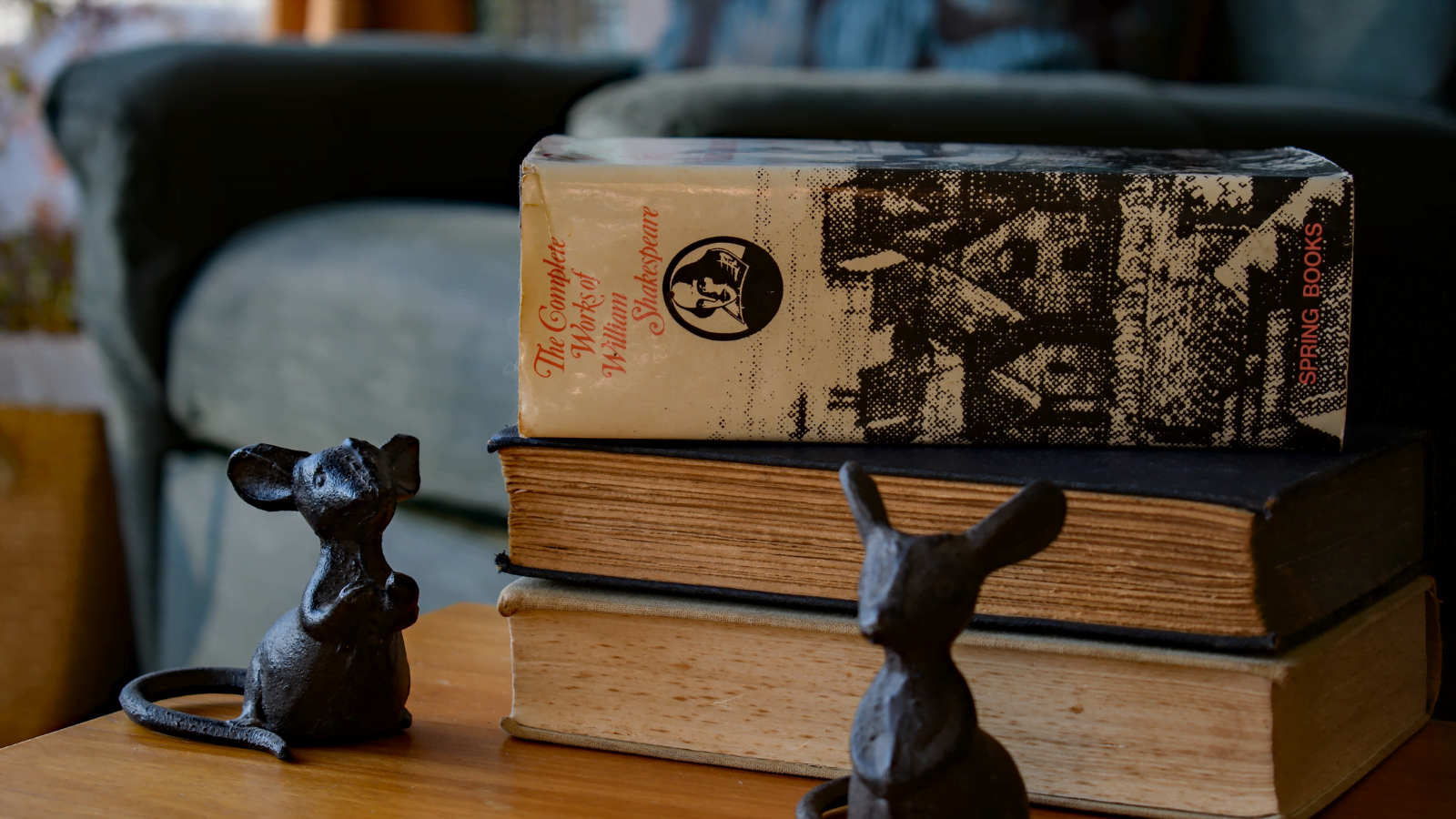
Books are heavy, and many are common, but rare books and paper ephemera can be valuable. First editions, signed copies, local histories, early cookbooks, railway timetables, maps, posters, letters, diaries, postcards, theatre programs, and old photographs all deserve review. In Canada, local and regional material can matter because fewer copies may survive.
Condition and completeness are crucial. A dust jacket can dramatically affect a modern first edition, while missing maps or plates can hurt older books. Family papers may also have historical or genealogical value even when resale value is modest. Avoid cutting signatures from books, laminating documents, or separating letters from envelopes. Before recycling a shelf of old volumes, check publication dates, author signatures, limited-edition statements, maps tucked inside, and inscriptions connecting the item to a notable person or place.
Quality Tools and Workshop Equipment
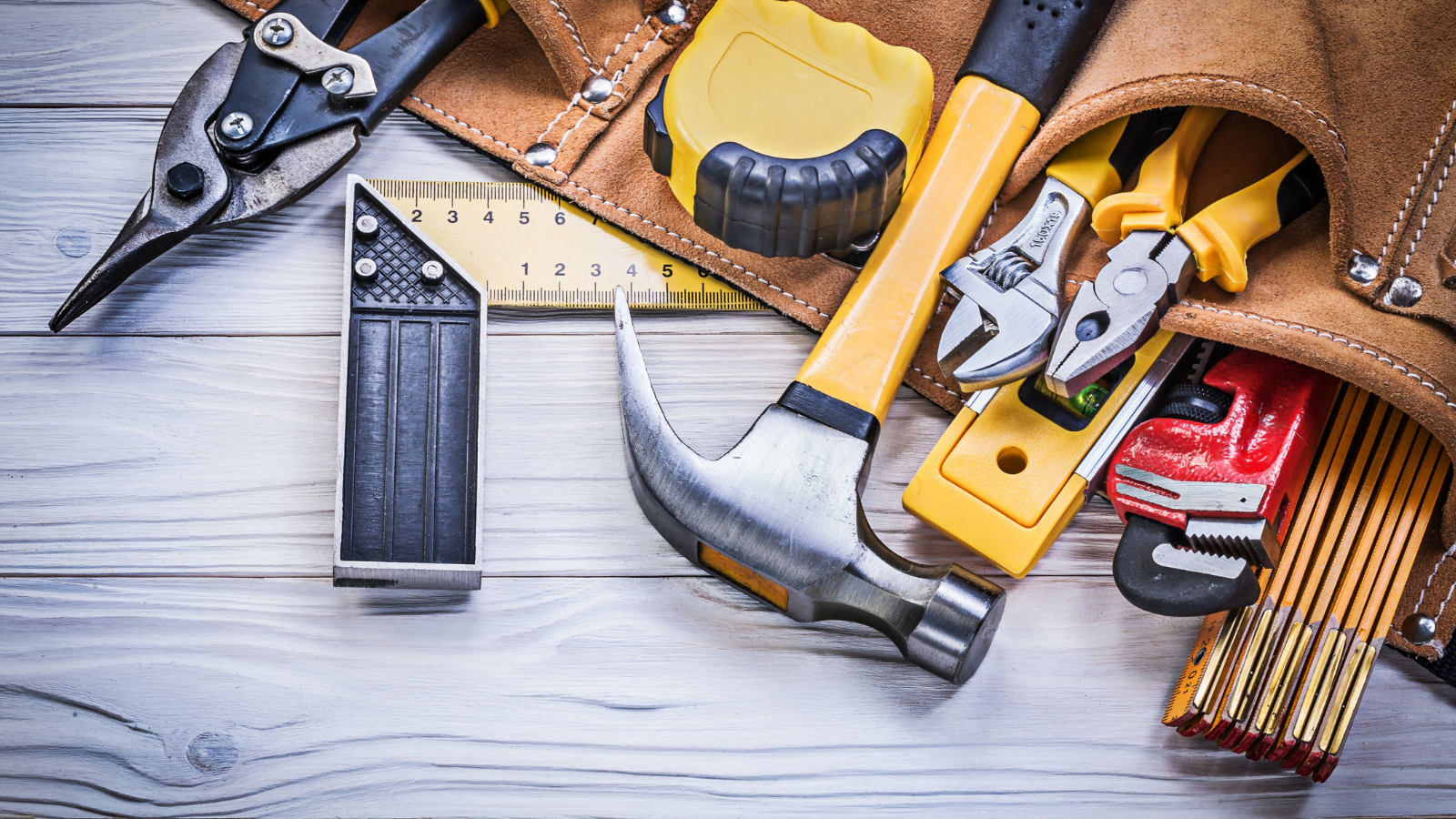
Tools are often sold too cheaply during garage cleanouts. Cordless tool sets, batteries, chargers, hand planes, chisels, clamps, socket sets, woodworking tools, mechanics’ tools, and shop equipment can have practical resale value. Brands such as DeWalt, Milwaukee, Makita, Snap-on, Lee Valley, Veritas, and older Canadian-made tools can interest both tradespeople and hobbyists.
Condition matters, but function matters more. A scratched drill with two good batteries may sell faster than a spotless bare tool with no charger. Vintage hand tools can appeal because of steel quality, craftsmanship, or restoration potential. Before tossing workshop items, group matching batteries and chargers, check for model numbers, and separate rusty low-grade pieces from higher-quality tools. Estate sales often reveal that the basement workbench contains more recoverable value than the formal dining room.
Old Computers, Phones, and Electronics
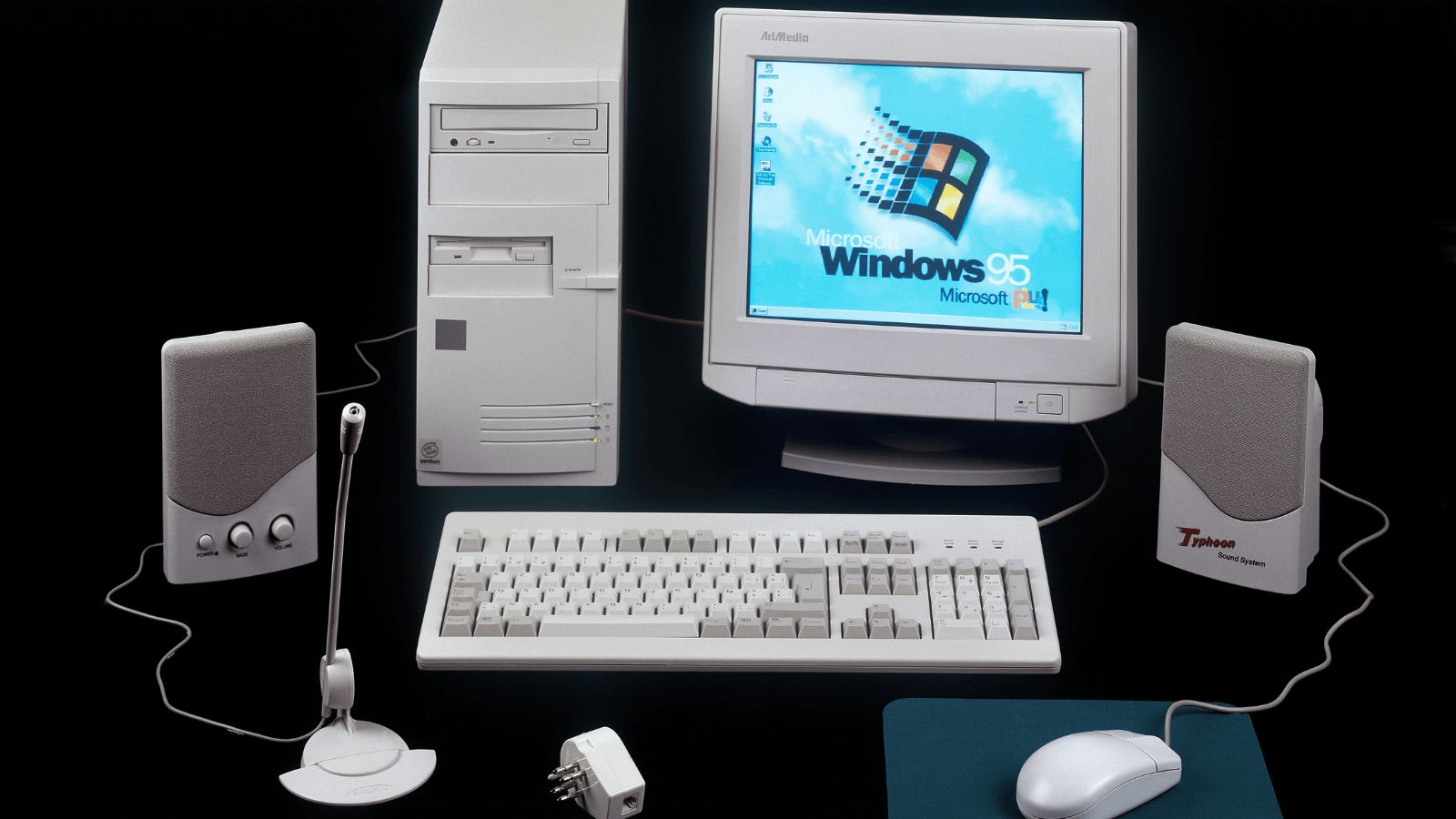
Electronics can be e-waste, but some old tech has collector value. Early Apple computers, vintage game systems, unusual calculators, old keyboards, audio receivers, Walkmans, iPods, BlackBerry devices, and original packaging can all be worth checking. The strongest values usually come from rarity, working condition, completeness, and cultural significance.
The box can matter almost as much as the device. Manuals, cables, software disks, receipts, and accessories help collectors verify completeness. Before recycling electronics, remove personal data where possible, but avoid destroying historically significant hardware without advice. Battery leakage, swollen batteries, and damaged power cords need caution, so testing should be done safely. Most outdated electronics are not valuable, but the few exceptions are significant enough that a quick model-number search is worthwhile.
Military Medals, Badges, and Service Documents

Military items can carry financial, historical, and family value. Medals, badges, uniforms, discharge papers, service records, letters, trench art, photographs, and unit books can help tell the story of Canadian service members. Even when resale value is limited, the historical value may be meaningful to relatives, researchers, museums, or regimental associations.
The biggest mistake is separating medals from documents or photographs. Provenance can make a group more important than loose items. A medal with a name, service number, unit, or accompanying letter is easier to research. Families should also consider whether items should remain together, be donated to a museum, or be preserved for descendants. Before discarding a box of old papers and ribbons, check names against military records and photograph everything. The story may be worth more than the metal.
19 Things Canadians Don’t Realize the CRA Can See About Their Online Income

Earning money online feels simple and informal for many Canadians. Freelancing, selling products, and digital services often start as side projects. The problem appears at tax time. Many people underestimate how much information the CRA can access. Online platforms, banks, and payment processors create detailed records automatically. These records do not disappear once money hits an account. Small gaps in reporting add up quickly.
Here are 19 things Canadians don’t realize the CRA can see about their online income.
This Options Discord Chat is The Real Deal
While the internet is scoured with trading chat rooms, many of which even charge upwards of thousands of dollars to join, this smaller options trading discord chatroom is the real deal and actually providing valuable trade setups, education, and community without the noise and spam of the larger more expensive rooms. With a incredibly low-cost monthly fee, Options Trading Club (click here to see their reviews) requires an application to join ensuring that every member is dedicated and serious about taking their trading to the next level. If you are looking for a change in your trading strategies, then click here to apply for a membership.